


36,99 €
Mehr erfahren.
- Herausgeber: John Wiley & Sons
- Kategorie: Fachliteratur
- Sprache: Englisch
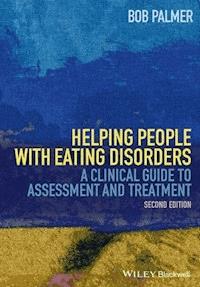
Up-to-date and accessible, the second edition of Helping People with Eating Disorders is a comprehensive guide to understanding, assessing, and treating eating disorders.
- Focuses on evidence-based practice with references to the latest research and new DSM-V classifications
- Discusses the types of eating disorders and their causes, reviews treatment methods and their outcomes, and provides guidance on dealing with challenging cases
- Illustrates concepts and methods using several case studies that run throughout the book, as well as many examples from the author's clinical work
- Written in clear and concise language by an expert with over 40 years’ experience in the field
Sie lesen das E-Book in den Legimi-Apps auf:
Seitenzahl: 665
Veröffentlichungsjahr: 2014
Ähnliche



















CONTENTS
COVER
PRAISE FOR HELPING PEOPLE WITH EATING DISORDERS
TITLE PAGE
COPYRIGHT PAGE
ABOUT THE AUTHOR
PREFACE TO THE SECOND EDITION
PREFACE TO THE FIRST EDITION
1 WHAT ARE THE EATING DISORDERS?
CLASSIFICATIONS AND DIAGNOSTIC CRITERIA
A BRIEF HISTORY
THE FEATURES OF ANOREXIA NERVOSA
THE FEATURES OF BULIMIA NERVOSA
THE FEATURES OF BINGE EATING DISORDER
TWO CLICHES
OTHER DIAGNOSTIC CATEGORIES
RESIDUAL CATEGORIES
SOME RESIDUAL ISSUES
FURTHER READING
2 WHO SUFFERS FROM EATING DISORDERS? WHO ASKS FOR HELP?
EPIDEMIOLOGICAL RESEARCH
WHO SUFFERS FROM EATING DISORDERS?
DISORDERS OF ADOLESCENCE?
DISORDERS OF RESTRAINT?
EATING DISORDERS ACROSS TIME
EATING DISORDERS ACROSS COUNTRIES, CLASSES, CULTURES AND SUBCULTURES
GOLDEN GIRLS?
CULTURE AND BULIMIA NERVOSA
FILTERS ON THE PATHWAY TO CARE
HOW MANY PEOPLE SUFFER FROM ANOREXIA NERVOSA?
HOW MANY PEOPLE SUFFER FROM BULIMIA NERVOSA?
BINGE EATING DISORDER
COMORBIDITY
THE COURSE AND OUTCOME OF THE EATING DISORDERS
BEYOND DIAGNOSTIC CATEGORIES
RISK FACTORS
FURTHER READING
3 WHAT CAUSES EATING DISORDERS?
EATING RESTRAINT AND ITS CONSEQUENCES
COUNTERREGULATION
MOTIVATION FOR RESTRAINT
CONCERN ABOUT BODY WEIGHT AND SHAPE
THE SOCIAL CONTEXT
SELF-ESTEEM
THE PERSONAL CONTEXT
PERSONALITY AND TEMPERAMENT
BODY IMAGE
EATING AND EMOTION
FAMILY INFLUENCES
CHILDHOOD ABUSE AND ADVERSITY
PRECIPITATING LIFE EVENTS AND ADVERSITY
BIOLOGICAL ISSUES
CRISP’S SPECULATION
NEW METHODS AND NEW MODELS
GREEN SHOOTS?
CONCLUSIONS
FURTHER READING
4 THINKING ABOUT EATING DISORDERS
HORIZONTAL AND VERTICAL METAPHORS
ENTANGLEMENT AND MOTIVATED EATING RESTRAINT
WEIGHT AND EATING CONTROL: THE SLIMMING IDEOLOGY
WEIGHT AND EATING CONTROL: THE SPRING STORY
THE NATURAL HISTORY OF SLIMMING
THE VICIOUS CIRCLE OF RESTRAINT
THE VICIOUS CIRCLE OF FAILED RESTRAINT
THE VICIOUS CIRCLE OF ENTANGLEMENT
A NESTING SET OF VICIOUS CIRCLES
DIFFERENTIAL VULNERABILITY
SPRING STORY: RECAPITULATION AND WARNING
FURTHER READING
5 WHAT IS INVOLVED IN RECOVERY FROM EATING DISORDER?
WHAT IS RECOVERY?
A VIEW OF RECOVERY FROM EATING DISORDER
TASK ONE: RESTORING WEIGHT AND EATING
TASK TWO: DISENTANGLING
TASK THREE: GETTING LIFE ON THE MOVE AGAIN
THE ROLE OF OTHERS IN RECOVERY
CAN ANYONE RECOVER?
FURTHER READING
6 ASSESSING PEOPLE WITH EATING DISORDERS
THE FIRST FEW MINUTES
MIXED FEELINGS
ANOREXIA NERVOSA
BULIMIA NERVOSA
MIXED FEELINGS AGAIN
ENGAGEMENT
THE PROSPECT OF CHANGE
INTERVIEWING STYLE
THE IMMEDIATE AIMS OF ASSESSMENT
THE HISTORY OF WEIGHT AND EATING
ASSESSING CURRENT EATING
ASSESSING BINGE EATING
IDEAS AND ATTITUDES
WIDER ASSESSMENT
THE PRESENT
MENTAL EXAMINATION
PERSONALITY ASSESSMENT
SELF-ESTEEM
OBSESSIONALITY AND PERFECTIONISM
EMOTION, IMPULSIVITY AND ‘BORDERLINE TRAITS’
INVOLVING OTHERS
STANDARD INTERVIEWS AND QUESTIONNAIRES
PHYSICAL ASSESSMENT
WEIGHING
PUTTING IT ALL TOGETHER
FURTHER READING
7 WHAT HELPS PEOPLE WITH ‘BULIMIC DISORDERS’?
GENERAL ISSUES
PHYSICAL ISSUES
THERAPEUTIC ALLIANCE
TREATMENTS FOR BULIMIA NERVOSA
DIAGNOSIS AND ‘TRANSDIAGNOSIS’
COGNITIVE BEHAVIOURAL THERAPY
COGNITIVE BEHAVIOURAL THERAPY FOR BULIMIA NERVOSA (CBT-BN)
ENHANCED COGNITIVE BEHAVIOURAL THERAPY (CBT-E)
THE TWO VERSIONS OF CBT-E: FOCUSED AND BROAD
EVALUATION OF CBT-E
OTHER FORMS OF CBT: DOING IT BY THE BOOK OR BESPOKE?
TREATMENT FOCUS
INTERPERSONAL PSYCHOTHERAPY (IPT)
OTHER THERAPIES
PSYCHODYNAMIC APPROACHES
FEMINIST PERSPECTIVES
FAMILY-BASED TREATMENT
NON-VERBAL THERAPIES
GROUP TREATMENTS
PSYCHOEDUCATION
‘SELF-HELP’
DRUG TREATMENTS
COMBINED TREATMENT
BINGE EATING DISORDER
STEPPED CARE
UNRESPONSIVE PATIENTS
MORE OF THE SAME?
SOMETHING DIFFERENT?
REASSESSMENT
BULIMIC DISORDERS AND BORDERLINE PERSONALITY DISORDER
PHYSICAL COMPLICATIONS
FURTHER READING
8 WHAT HELPS PEOPLE WITH ANOREXIA NERVOSA?
THE SICK ROLE
THE TASKS OF RECOVERY AND THE AIMS OF TREATMENT
CLINICAL MANAGEMENT
OUTPATIENT TREATMENT: GENERAL ISSUES
SETTING UP TREATMENT
KEEPING AN EYE ON THE PHYSICAL STATE
WEIGHT GAIN
GIVING ADVICE ABOUT EATING
THERAPY
TIMING OF THERAPY
THE THERAPUETIC ALLIANCE
INVOLVING FAMILIES AND CARERS
EVIDENCE-BASED PRACTICE
RESEARCH INTO THE TREATMENT OF ANOREXIA NERVOSA
THERAPY TRIALS
THE MAUDSLEY METHOD
THERAPY FOR ADULTS
GROUP TREATMENT
DRUG TREATMENTS
ANTIDEPRESSANT DRUGS
NEUROLEPTICS
CYPROHEPTADINE
BLOATING AND CONSTIPATION
VITAMINS
INPATIENT TREATMENT
RESCUE ADMISSIONS
ADMISSIONS FOR TREATMENT (STRATEGIC ADMISSIONS)
INPATIENT REGIMES
CHOOSING AND SUPERVISING MEALS
BALANCE, COMPROMISE AND CONFIDENCE
TARGETS AND PLATEAUX
THE UNIT CULTURE
AN UNUSUAL REGIME AND CULTURE: THE MANDOMETER
DIMINISHING RETURNS
DAY PATIENT PROGRAMMES
PHYSICAL CARE AND COMPLICATIONS
VERY LOW WEIGHT
GASTROINTESTINAL PROBLEMS
ELECTROLYTE AND FLUID BALANCE
OEDEMA
MENSTRUATION
OSTEOPOROSIS
NEUROLOGICAL PROBLEMS
MANAGEMENT OF VERY SEVERE DISORDER
MANAGEMENT OF THE TRULY CHRONIC CASE
SERVICE ORGANISATION
FURTHER READING
9 UNUSUAL EATING DISORDERS
EATING DISORDERS IN MEN
EATING DISORDERS IN CHILDREN
EATING DISORDERS IN OLDER PEOPLE
EATING DISORDERS AND PSYCHIATRIC COMORBIDITY
EATING DISORDERS AND PHYSICAL COMORBIDITY
EDNOS AND ALL THAT
PARTIAL SYNDROMES
TRULY ATYPICAL CASES
AVOIDANT/RESTRICTIVE FOOD INTAKE DISORDER (ARFID)
CHERISHING UNCERTAINTY
FURTHER READING
10 WHAT MAY GO WRONG?
THE MANAGEMENT OF MIXED FEELINGS
BATTLING
AVOIDING BATTLES
COMPULSORY TREATMENT
SPLITTING AND RIVALRY
COLLUDING
STALEMATE
DROPOUT
DISSOCIATION AND COMPLICATION
SEXUAL EXPLOITATION BY CLINICIANS
CHRONICITY
EATING DISORDERS AND TERMINAL CARE
FURTHER READING
11 THE ORGANISing SERVICES FOR PEOPLE WITH EATING DISORDERS
FILTERS ON THE PATHWAY TO CARE
SEEKING HELP
GATEKEEPERS
OFFERING HELP
THIRD PARTIES
NEED AND DEMAND
OPTIMAL PROVISION AND COMPREHENSIVE PROVISION
COMPREHENSIVE SERVICE?
SERVICES FOR ANOREXIA NERVOSA (AN)
SERVICES FOR BULIMIC DISORDERS
STEPPED CARE
SIZE OF SERVICES
TRAINING AND SUPERVISION
RESPONSIBILITY
AUDIT, RESEARCH AND DEVELOPMENT
USER AND CARER ORGANISATIONS
MONEY, IMAGE AND ADVOCACY
FURTHER READING
REFERENCES
INDEX
END USER LICENSE AGREEMENT
List of Illustrations
Chapter 04
Figure 4.1 Spring Diagram I. Body weight is seen as a regulated system which tends to settle within a set range which is particular for the individual. This may be represented by a spring.
Figure 4.2 Spring Diagram II.
Figure 4.3 Spring Diagram III. Greater restraint will lead to greater response and the risk of ‘escape’.
Chapter 07
Figure 7.1 Diagram representing the “transdiagnostic” cognitive behavioral theory. From
Cognitive Behavior Therapy
by Christopher Fairburn (2008) Guilford Press. Reprinted with permission of Christopher Fairburn.
Figure 7.2a and b Normalisation of ED Features in Treatment and Follow-Up in the Oxford – Leicester Trial. Adapted with permission of Christopher Fairburn.A. Comparison of results for “less complex” and “more complex” cases.B. Comparison of results of CBT-E focused and CBT-E broad for “more complex” cases.
Guide
Cover
Table of Contents
Begin Reading
Pages
i
ii
iii
iv
vi
vii
viii
ix
x
xi
1
2
3
4
5
6
7
8
9
10
11
12
13
14
15
16
17
18
19
20
21
22
23
24
25
26
27
28
29
30
31
32
33
34
35
36
37
38
39
40
41
42
43
44
45
46
47
48
49
50
51
52
53
54
55
56
57
58
59
60
61
62
63
64
65
66
67
68
69
70
71
72
73
74
75
76
77
78
79
80
81
82
83
84
85
86
87
88
89
90
91
92
93
94
95
96
97
98
99
100
101
102
103
104
105
106
107
108
109
110
111
112
113
114
115
116
117
118
119
120
121
122
123
124
125
126
127
128
129
130
131
132
133
134
135
136
137
138
139
140
141
142
143
144
145
146
147
148
149
150
151
152
153
154
155
156
157
158
159
160
161
162
163
164
165
166
167
168
169
170
171
172
173
174
175
176
177
178
179
180
181
182
183
184
185
186
187
188
189
190
191
192
193
194
195
196
197
198
199
200
201
202
203
204
205
206
207
208
209
210
211
212
213
214
215
216
217
218
219
220
221
222
223
224
225
226
227
228
229
230
231
232
233
234
235
236
237
238
239
240
241
242
243
244
245
246
247
248
249
250
251
252
253
254
255
256
257
258
259
260
261
262
263
264
265
266
267
268
269
270
271
272
273
274
275
277
278
279
281
282
283
284
285
286
287
288
289
PRAISE FOR HELPING PEOPLE WITH EATING DISORDERS
“I cannot speak too highly of this book. Written by a leading figure in the field, it provides a balanced, comprehensive and up-to-date account of what we know about eating disorders and their management. It is also beautifully written. There is no book like it.”
Professor Christopher Fairburn, Centre for Research on Eating Disorders at Oxford, University of Oxford
“As a clinical and administrative professional in the field of eating disorders over the past 40 years, I know from experience that Bob Palmer’s writing and presentations never fail to shed new light on those stubbornly complex aspects of eating disorders that stymie the most brilliant minds. This book provides readers from a wide range of professional disciplines as well as sufferers, families, and others, a private audience with one of the foremost thinkers in our field as he summarizes the full scope of our current clinical knowledge base with his inimitable compassion, humility, intelligence, and wisdom. Bob Palmer’s book belongs in the hands of everyone and anyone who has been or might be touched by eating disorders.”
Judith Banker, Executive Director, Center for Eating Disorders, Ann Arbor, Michigan
“Professor Palmer draws on a lifetime of expertise in research and clinical treatment of eating disorders in this book. It is his grasp of this most complex and challenging of mental illnesses that is so useful to clinicians. His practical examples, and the robust evidence base that underpins them, are invaluable aids to improving treatment outcomes.”
Susan Ringwood, Chief Executive, Beat
“Leave it to Bob Palmer to provide a book that brilliantly serves anyone (regardless of discipline, therapeutic orientation, or level of experience) who wants to be prepared for clinical work with people with eating disorders. The book is comprehensive, current, pragmatic and balanced. The concepts it conveys artfully blend evidence-based rigor with that kind of clinical sensitivity and sophistication that can only emerge from the mind (and heart) of a master clinician. As an added bonus, the reader gets to enjoy that marvellous wit, wisdom and humanity for which the author is so well known.”
Howard Steiger, Director, Eating Disorders Program, Douglas Mental Health University Institute
“This book is one that I have used since it first came out, for learning, teaching and training. However, this new edition is going to be the reason that the first edition gets retired. The content is totally updated, reflecting the author’s extraordinary clinical and academic command of the field. Whether you are working with individuals with eating disorders, teaching on the subject, or developing services, this book will help you.
While this book is a valuable guide to the current literature on understanding and treating the eating disorders, its perspective goes beyond that of other books. In particular, the final two chapters deal with issues that all clinicians and service providers should be aware of but which are rarely laid out so clearly.
If you do not own the first edition of this book – you should buy this second edition. If you own the first edition of this book – you should buy this second edition.”
Glenn Waller, Professor of Clinical Psychology, University of Sheffield
HELPING PEOPLE WITH EATING DISORDERS
A Clinical Guide to Assessment and Treatment
SECOND EDITION
Bob Palmer
This second edition first published 2014© 2014 John Wiley & Sons, Ltd
Edition History: John Wiley & Sons, Ltd (1e, 2000)
Registered OfficeJohn Wiley & Sons, Ltd, The Atrium, Southern Gate, Chichester, West Sussex, PO19 8SQ, UK
Editorial Offices350 Main Street, Malden, MA 02148-5020, USA9600 Garsington Road, Oxford, OX4 2DQ, UKThe Atrium, Southern Gate, Chichester, West Sussex, PO19 8SQ, UK
For details of our global editorial offices, for customer services, and for information about how to apply for permission to reuse the copyright material in this book please see our website at www.wiley.com/wiley-blackwell.
The right of Bob Palmer to be identified as the author of this work has been asserted in accordance with the UK Copyright, Designs and Patents Act 1988.
All rights reserved. No part of this publication may be reproduced, stored in a retrieval system, or transmitted, in any form or by any means, electronic, mechanical, photocopying, recording or otherwise, except as permitted by the UK Copyright, Designs and Patents Act 1988, without the prior permission of the publisher.
Wiley also publishes its books in a variety of electronic formats. Some content that appears in print may not be available in electronic books.
Designations used by companies to distinguish their products are often claimed as trademarks. All brand names and product names used in this book are trade names, service marks, trademarks or registered trademarks of their respective owners. The publisher is not associated with any product or vendor mentioned in this book.
Limit of Liability/Disclaimer of Warranty: While the publisher and author have used their best efforts in preparing this book, they make no representations or warranties with respect to the accuracy or completeness of the contents of this book and specifically disclaim any implied warranties of merchantability or fitness for a particular purpose. It is sold on the understanding that the publisher is not engaged in rendering professional services and neither the publisher nor the author shall be liable for damages arising herefrom. If professional advice or other expert assistance is required, the services of a competent professional should be sought.
Library of Congress Cataloging-in-Publication Data
Palmer, Robert L.Helping people with eating disorders : a clinical guide to assessment and treatment / Bob Palmer. – Second edition. pages cm Includes bibliographical references and index.
ISBN 978-1-118-60670-4 (cloth) – ISBN 978-1-118-60669-8 (pbk.) 1. Eating disorders.I. Title. RC552.E18P35 2015 616.85′26–dc232014004704
A catalogue record for this book is available from the British Library.
Cover image: © LCBallard / iStockphotoCover design by Simon Levy Associates
Lesen Sie weiter in der vollständigen Ausgabe!
Lesen Sie weiter in der vollständigen Ausgabe!
Lesen Sie weiter in der vollständigen Ausgabe!
Lesen Sie weiter in der vollständigen Ausgabe!
Lesen Sie weiter in der vollständigen Ausgabe!
Lesen Sie weiter in der vollständigen Ausgabe!
Lesen Sie weiter in der vollständigen Ausgabe!
Lesen Sie weiter in der vollständigen Ausgabe!
Lesen Sie weiter in der vollständigen Ausgabe!
Lesen Sie weiter in der vollständigen Ausgabe!
Lesen Sie weiter in der vollständigen Ausgabe!
Lesen Sie weiter in der vollständigen Ausgabe!
Lesen Sie weiter in der vollständigen Ausgabe!
Lesen Sie weiter in der vollständigen Ausgabe!
Lesen Sie weiter in der vollständigen Ausgabe!
Lesen Sie weiter in der vollständigen Ausgabe!
Lesen Sie weiter in der vollständigen Ausgabe!




