


18,49 €
Mehr erfahren.
- Herausgeber: COMMUNE WRITERS INT'L
- Kategorie: Fachliteratur
- Sprache: Englisch
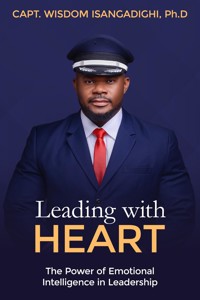
“Leading with Heart: The Power of Emotional Intelligence in Leadership” is an insightful exploration into the multifaceted role of emotional intelligence (EI) in ineffective leadership. The book delves deep into the nuances of EI, articulating its pivotal role in cultivating successful, empathetic, and resilient leaders. It begins by defining EI and discussing its growing importance in contemporary leadership paradigms, setting a foundation for the following detailed exploration.
Subsequent chapters dissect various components of EI – self-awareness, self-regulation, motivation, empathy, and social skills – and illustrate their critical applications in leadership contexts. The book presents a balanced view, integrating scientific research and practical examples to underscore EI’s transformative power in leadership. It highlights innovative applications of EI across diverse sectors, including technology, management, and education, reflecting its broad relevance and impact.
Case studies of renowned leaders exemplify EI’s significance in real-world settings, providing readers with relatable and inspirational models. The discussion extends to the cultural dimensions of EI, examining its diverse expressions and implications in different societal contexts.
Central to the narrative is the emphasis on the crucial role of self-awareness in leadership decision-making, conflict resolution, and fostering organizational culture. The book convincingly argues for integrating EI into all leadership and organizational practices, advocating for a leadership style that balances cognitive intelligence with emotional depth.
“Leading with Heart” concludes with a persuasive call to action for current and aspiring leaders to cultivate EI for personal and professional growth. It is a comprehensive guide that not only theorizes about EI but also provides practical tools and strategies for its development.
This book is an invaluable resource for leaders, managers, HR professionals, and anyone interested in harnessing the power of emotional intelligence to enhance leadership efficacy and create positive, sustainable organizational cultures.
Das E-Book können Sie in Legimi-Apps oder einer beliebigen App lesen, die das folgende Format unterstützen:
Veröffentlichungsjahr: 2024
Ähnliche



















LEADING WITH HEART
WRITTEN BY
CAPT. WISDOM ISANGADIGHI, Ph.D
COPYRIGHT © 2024
ALL RIGHTS RESERVED. No part of this book may be reproduced or transmitted in any form or by any means, electronic or mechanical, including photocopying, recording, or by any information storage and retrieval system, without written permission from the author or publisher.
Published by:
COMMUNE WRITERS INT’L
www.communewriters.com
+234 8139 260 389
6, Amusa Street, Agodo-Egbe, Lagos
Published in the Federal Republic of Nigeria
Table of Contents
i.Prefaceii.Acknowledgments
iii.Abstract
Chapter 1: Introduction
1.1 Defining Emotional Intelligence
1.2 The Importance of Emotional Intelligence in Leadership
1.3 Overview of the Book
1.4 The Historical Evolution of Emotional Intelligence
1.5 Cultural Perspectives on Emotional Intelligence
Chapter 2: Foundations of Emotional Intelligence
2.1 The Evolution of Emotional Intelligence
2.2 The Five Pillars of Emotional Intelligence
2.3 Emotional Intelligence: A Scientific Perspective
2.4 Innovative Application of Emotional Intelligence
Chapter 3: Emotional Intelligence in Leadership
3.1 How Emotional Intelligence Distinguishes Effective Leaders
3.2 Case Studies: Leaders with High Emotional Intelligence3.3 The Impact of Emotional Intelligence on Organizational Culture
3.4 The Detrimental Impact of Lack of Emotional Intelligence in Leadership.
Chapter 4: Self-Awareness in Leadership
4.1 Enhancing Self-Awareness: Techniques and Insights 4.2 The Role of Self-Awareness in Leadership Decision-Making4.3 Integrating Self-Awareness into Organizational Culture
4.4 The Impact of Self-Awareness on Leadership Sustainability
Chapter 5: Self-Regulation and Team Motivation
5.1 Integrated Techniques for Emotional Management and Team Motivation
5.2 The Art of Balancing Self-Regulation with Team Inspiration
5.3 Harnessing the Power of Storytelling: Emotional Intelligence in Narrative Leadership
5.4 Reflection and Adaptation: Learning from Success and Failure in Leadership Dynamics
Chapter 6: Empathy in Leadership
6.1 Developing Empathy: Techniques
6.2 The Impact of Empathetic Leadership
6.3 The Role of Empathy in Building Relationships
6.4 Empathy Burnout and How to Avoid It
Chapter 7: Social Skills in Leadership
7.1 Communication and Interpersonal Skills for Leaders
7.2 Building Effective Teams with Emotional Intelligence7.3 Networking and Relationship Management
7.4 Navigating Conflict with Emotional Intelligence
Chapter 8: Emotional Intelligence Coaching and Mentoring
8.1 Emotional Intelligence Coaching and Mentoring
8.2 Addressing Common Misconceptions
8.3 The Limitations of Emotional Intelligence
8.4 Emerging Trends in Emotional Intelligence
8.5 The Ongoing Journey of Emotional Intelligence Development
8.6 Actions and Statements to Avoid as an Emotionally Intelligent Leader
Chapter 9: Conclusion
9.1 Key Takeaways and Final Thoughts
9.2 The Call to Action for Leaders
Preface
In this preface, I wish to share with you the journey that led to the creation of "Leading with Heart: The Power of Emotional Intelligence in Leadership." My path to understanding the profound impact of emotional intelligence in leadership was complex and challenging. It was a journey marked by challenges, revelations, and a deepening appreciation for the human side of leadership.
Years ago, I struggled to connect with my team as a young leader. Despite having the technical skills and knowledge, something needed to be fixed. I had an epiphany during a critical project fraught with stress and high stakes. The moment of truth came when a team member courageously pointed out that my focus on results overshadowed the team's emotional needs. This feedback was a turning point, leading me to delve into emotional intelligence.
As I embarked on this journey, I discovered that the heart of leadership lies in understanding and empathizing with others. It's about being attuned to the emotions of your team, communicating effectively, and building a culture of trust and respect. These lessons learned the hard way, transformed not only my leadership style but also the performance and morale of my team.
This book is a culmination of these experiences and learnings. It's written for leaders who aspire to make a meaningful impact and those who believe authentic leadership is about connecting with people at a deeper level. These pages will inspire you to lead with heart, empathy, and emotional intelligence, just as I learned.
Welcome to a journey that will transform not just how you lead but also how you view the world of leadership.
Acknowledgment
In writing "Leading with Heart: The Power of Emotional Intelligence in Leadership," I have been deeply supported by a remarkable group of individuals. My heartfelt gratitude goes first to my family, whose unwavering love and belief have been the foundation of this journey. My friends deserve special thanks for their invaluable companionship and honest feedback, which have been sources of strength and joy.
I am also immensely grateful to my colleagues and mentors. Your wisdom and guidance have shaped this book and my personal and professional growth. The real-life experiences shared by many have added invaluable depth and realism to the principles discussed in this book.
My editors and the publishing team have been instrumental in bringing this work to fruition. Their expertise, dedication, and attention to detail have ensured the quality and integrity of this book.
Lastly, I thank God for the strength and wisdom bestowed upon me to complete this endeavor. This book is a testament to the collective knowledge, support, and kindness of everyone involved, and I am both humbled and honored by your generosity.
Abstract
"Leading with Heart: The Power of Emotional Intelligence in Leadership" is an insightful exploration into the multifaceted role of emotional intelligence (EI) in ineffective leadership. The book delves deep into the nuances of EI, articulating its pivotal role in cultivating successful, empathetic, and resilient leaders. It begins by defining EI and discussing its growing importance in contemporary leadership paradigms, setting a foundation for the following detailed exploration.
Subsequent chapters dissect various components of EI - self-awareness, self-regulation, motivation, empathy, and social skills - and illustrate their critical applications in leadership contexts. The book presents a balanced view, integrating scientific research and practical examples to underscore EI's transformative power in leadership. It highlights innovative applications of EI across diverse sectors, including technology, management, and education, reflecting its broad relevance and impact.
Case studies of renowned leaders exemplify EI's significance in real-world settings, providing readers with relatable and inspirational models. The discussion extends to the cultural dimensions of EI, examining its diverse expressions and implications in different societal contexts.
Central to the narrative is the emphasis on the crucial role of self-awareness in leadership decision-making, conflict resolution, and fostering organizational culture. The book convincingly argues for integrating EI into all leadership and organizational practices, advocating for a leadership style that balances cognitive intelligence with emotional depth.
"Leading with Heart" concludes with a persuasive call to action for current and aspiring leaders to cultivate EI for personal and professional growth. It is a comprehensive guide that not only theorizes about EI but also provides practical tools and strategies for its development.
This book is an invaluable resource for leaders, managers, HR professionals, and anyone interested in harnessing the power of emotional intelligence to enhance leadership efficacy and create positive, sustainable organizational cultures.
Chapter 1: Introduction
1.1 Defining Emotional Intelligence
Welcome to "Leading with Heart: The Power of Emotional Intelligence in Leadership." I'm excited to be here with you as we embark on a journey to explore the profound impact of emotional intelligence (EI) in leadership. Emotional intelligence has become a popular topic in recent years, captivating the minds of psychologists, business leaders, and educators alike. But what exactly is emotional intelligence, and why is it crucial for leaders to possess this quality?
At its core, emotional intelligence is the ability to recognize, understand, and manage our own emotions and to recognize, understand, and influence the feelings of others. This means being aware that emotions can drive our behavior and impact people (positively and negatively) and learning how to manage those emotions – both our own and others' – especially when we are under pressure.
Leaders with emotional intelligence have a higher level of self-awareness, enabling them to understand and manage their emotions more effectively. They are also better at recognizing and understanding the feelings of others, which helps them build stronger relationships and communicate more effectively with their team members. This can lead to an overall improvement in team morale and productivity.
In addition, leaders with high emotional intelligence are better equipped to handle stressful situations and make decisions in the best interest of their team and the organization. They are also more adaptable to change and can better navigate complex, dynamic environments.
Research has shown that emotional intelligence is a crucial predictor of leadership success. Leaders with high emotional intelligence are likelier to be effective in their roles, and their teams are likelier to be engaged and productive. This is why leaders must develop their emotional intelligence skills and incorporate them into their leadership style.
So, let's explore the power of emotional intelligence in leadership together. By developing our emotional intelligence skills, we can become more effective leaders who inspire and empower our teams to achieve their full potential.
1.2 The Importance of Emotional Intelligence in Leadership
In today's fast-paced, interconnected world, leadership is not just about being knowledgeable but also about being emotionally intelligent. Leaders with emotional intelligence can create a more engaged workforce, foster a positive work environment, and navigate challenges with resilience and empathy. Emotional intelligence is the ability to recognize and manage one's emotions and those of others. It involves being self-aware, able to regulate emotions, being empathetic, and having practical interpersonal skills. Leaders who possess these skills are better equipped to inspire trust, communicate effectively, and adapt to change. Leaders with high emotional intelligence have a better understanding of their own emotions, which enables them to regulate and manage them effectively. They can also recognize their team members' emotional needs, which helps them create a more connected and motivated team. Emotional intelligence also plays an essential role in creating a positive work environment. Emotionally intelligent leaders can develop a culture of trust, respect, and open communication, which can help to reduce stress and increase job satisfaction among team members. Navigating challenges with resilience and empathy is also an essential aspect of leadership. Leaders who possess emotional intelligence can respond to challenges in a way that is compassionate and empathetic, which can help to build trust and foster positive relationships with team members. Leadership requires not just knowledge but also emotional intelligence. Leaders who possess emotional intelligence can create an engaged workforce, foster a positive work environment, and navigate challenges with resilience and empathy. Emotional intelligence enables leaders to inspire trust, communicate effectively, and adapt to change. They can influence their team members and drive long-term success by transforming an organization's culture.
1.3 Overview of the Book
Welcome! I'm glad you're interested in this book. It's designed to bring you on a journey to understand emotional intelligence in leadership. But what exactly is emotional intelligence? It's the ability to understand and manage your emotions and those of others around you. Emotional intelligence can be a powerful tool in leadership, allowing you to build strong relationships, make better decisions, and create a positive work environment. As we turn the pages, we'll explore the foundations of emotional intelligence and what it means for leadership. We'll delve into each component, from self-awareness and self-regulation to empathy and social skills. You'll find practical advice and real-life examples to illustrate these concepts. Along the way, you'll encounter stories of successful leaders who have excelled in these areas. You'll also find exercises to help you develop these skills in your leadership style. It's important to remember that emotional intelligence is not just a business tool; it's a life skill. By developing your emotional intelligence, you can enrich your understanding of yourself and others, foster stronger relationships, and make better decisions in all areas of your life. Leading with heart is at the core of emotional intelligence in leadership. It's about connecting with people on a human level and understanding their perspectives, needs, and emotions. Doing so can create a positive work environment and inspire your team to reach their full potential. So, are you ready to embark on this journey? Let's turn the page and explore emotional intelligence in leadership together!
Forged by Experience: How Life's Trials Shaped My Unique Leadership Style
Top of Form
In the realm of leadership, emotional intelligence stands as a cornerstone of success, weaving through the fabric of every interaction, decision, and outcome. As I reflect on my journey through various roles and responsibilities, I've witnessed firsthand the transformative power of emotional intelligence in shaping organizational dynamics, fostering collaboration, and driving collective achievement.
Early in my career, I found myself under the guidance of a manager who exemplified the essence of emotional intelligence. It was during a tumultuous period, when personal struggles intersected with professional demands, threatening to derail my focus and performance. Yet, amidst the chaos, my manager's empathy shone brightly, illuminating a path of support and understanding. Instead of meting out punitive measures or turning a blind eye to my challenges, he extended a compassionate ear, lending solace and guidance. His willingness to empathize with my situation not only alleviated my burdens but also forged a deeper bond of trust and loyalty within the team.
Conversely, I've also experienced the repercussions of leadership lacking in emotional intelligence. In a previous role, a team meeting spiraled into chaos as tensions flared between colleagues. Despite the escalating conflict, the team leader remained conspicuously passive, a bystander to the turmoil unfolding before him. The absence of emotional intelligence in managing the situation not only exacerbated the discord but also eroded trust and cohesion within the team. It served as a stark reminder of the dire consequences when leaders fail to navigate conflict with empathy and tact.
As I ascended into leadership roles myself, I endeavored to embody the principles of emotional intelligence in guiding my teams. In one instance, faced with a demoralized team grappling with setbacks, I recognized the pivotal role empathy played in reigniting their passion and drive. By acknowledging their efforts, offering constructive feedback, and fostering a culture of trust and collaboration, I witnessed firsthand the transformative impact of emotionally intelligent leadership in inspiring motivation and resilience.
Furthermore, transparency emerged as a linchpin in building trust and credibility within my teams. During critical decision-making processes, I made a concerted effort to communicate openly, providing insights into the rationale behind my decisions and soliciting feedback from team members. This transparency not only empowered team members to take ownership of their work but also cultivated a culture of accountability and mutual respect.
In essence, these anecdotes serve as a testament to the profound influence of emotional intelligence in leadership. By demonstrating empathy, effectively managing conflict, inspiring motivation, and fostering trust, emotionally intelligent leaders can transcend organizational challenges and catalyze collective success. As I continue along my leadership journey, I remain committed to honing my emotional intelligence skills, recognizing them as indispensable tools in navigating the complexities of the modern workplace and fostering environments where individuals thrive and organizations flourish.
1.4: The Historical Evolution of Emotional Intelligence
Emotional intelligence is a modern term with ancient roots deeply embedded in human thought and philosophy. From the teachings of ancient philosophers to modern psychological theories, the concept has undergone a fascinating evolution, shaping our understanding of emotions and their impact on behavior.
Ancient Philosophical Insights: Ancient thinkers like Aristotle, Plato, and Confucius pondered the nature of emotions and their role in human life. Aristotle emphasized the importance of moderation in emotional expression, while Confucius highlighted empathy and social harmony as essential virtues. These ideas laid the groundwork for later discussions on emotional intelligence.
Medieval and Renaissance Perspectives: During the Middle Ages and Renaissance, theologians and philosophers explored emotions through the lens of morality and spirituality. Figures like Thomas Aquinas discussed emotions about sin and virtue, while thinkers like René Descartes and Baruch Spinoza delved into the mind-body connection and the nature of emotional experiences.
Modern Psychological Insights: In the 20th century, psychologists like William James and Carl Jung contributed to the understanding of emotions. James proposed the theory of emotions as bodily responses, while Jung emphasized emotional self-awareness and integration. However, Daniel Goleman's book "Emotional Intelligence" popularized the concept in the 1990s. Goleman identified key components of emotional intelligence, including self-awareness, self-regulation, empathy, social skills, and motivation, and highlighted their importance in personal and professional success.




