


Erhalten Sie Zugang zu diesem und mehr als 300000 Büchern ab EUR 5,99 monatlich.
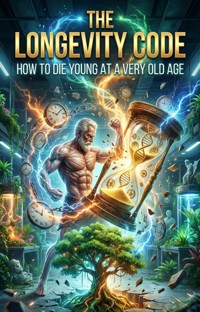
Aging is not an inevitable fate; it is a biological process that can be slowed, stopped, and perhaps even reversed. "The Longevity Code" takes you to the frontier of science, where researchers are treating aging as a disease. We are not just talking about adding years to your life, but life to your years (healthspan). Explore the hallmarks of aging: telomere shortening, mitochondrial dysfunction, and cellular senescence ("zombie cells"). Learn how to activate your body's "survival circuits" through hormesis—beneficial stress. Discover the power of intermittent fasting, cold exposure, and high-intensity interval training to trigger repair mechanisms. We break down the role of nutrition (sugar is the enemy) and potential longevity molecules like NMN and Resveratrol. This is a biohacker's guide to staying young at a cellular level. Your genes are not your destiny; they are a piano, and your lifestyle plays the music. Prepare for a future where 100 is the new 60.
Sie lesen das E-Book in den Legimi-Apps auf:
Seitenzahl: 203
Veröffentlichungsjahr: 2026
Das E-Book (TTS) können Sie hören im Abo „Legimi Premium” in Legimi-Apps auf:
Ähnliche


















Table of Contents
Chapter 1: The New Science of Longevity
Understanding Aging as a Disease
The Hallmarks of Aging
The Role of Genetics in Longevity
Lifestyle Choices: The Key to Longevity
Fasting and Its Longevity Benefits
Supplements and Interventions for Longevity
The Roadmap to a Longer Life
Chapter 2: The Hallmarks of Aging
Understanding Aging
Telomere Shortening
Mitochondrial Dysfunction
Cellular Senescence
Chapter 3: Activating Your Longevity Genes
Understanding Longevity Genes
Intermittent Fasting and Its Benefits
Cold Exposure: A Tool for Longevity
Nutrition’s Role in Genetic Activation
Chapter 4: The Power of Nutrition for Longevity
Understanding the Role of Nutrition in Aging
Key Dietary Patterns for Longevity
Essential Nutrients for Longevity
Making Longevity-Promoting Choices
Chapter 5: Intermittent Fasting: Your Longevity Ally
Understanding Intermittent Fasting
The Health Benefits of Intermittent Fasting
The Mechanisms of Aging and Fasting
How to Implement Intermittent Fasting
Addressing Myths and Misconceptions
Conclusion: Embrace the Fast for Longevity
Chapter 6: The Role of Exercise in Aging
The Science of Exercise and Aging
Types of Exercise for Longevity
Individualizing Your Exercise Regimen
The Mind-Body Connection
Overcoming Barriers to Exercise
Chapter 7: Cold Exposure and Longevity
The Science of Cold Exposure
Methods of Cold Exposure
Cold Exposure and Immune Function
Psychological Benefits of Cold Exposure
Safety Considerations for Cold Exposure
Chapter 8: Supplements for a Longer Life
Understanding Longevity Supplements
NMN and Its Benefits
Other Promising Longevity Supplements
The Science Behind Supplementation
Integrating Supplements Safely
The Future of Longevity Supplements
Chapter 9: The Importance of Mental Well-being
The Mind-Body Connection
Reducing Stress for a Longer Life
Building a Positive Mindset
The Role of Sleep in Mental Health
Chapter 10: The Impact of Sleep on Aging
The Science of Sleep
Sleep and Cellular Repair
The Consequences of Sleep Deprivation
Best Practices for Quality Sleep
Chapter 11: Creating Your Longevity Plan
Assessing Your Current Health
Setting Realistic Longevity Goals
Nutrition: Building Your Diet for Longevity
Exercise: Crafting Your Fitness Regimen
Enhancing Mental Wellbeing
Continuous Learning and Adjusting Your Plan
Chapter 12: Living the Longevity Lifestyle
The Foundations of a Longevity Lifestyle
Mastering Nutrition for Longevity
The Science of Exercise
The Mind-Body Connection
Supplements and Enhancements
Creating a Longevity Plan
Chapter 13: Myths and Misconceptions About Aging
Understanding Aging: The Science Behind It
Common Myths About Aging
The Role of Nutrition in Aging
Exercise: Myths and Realities
Chapter 14: The Future of Longevity Science
The Role of Genetics in Longevity
Breakthroughs in Regenerative Medicine
The Impact of Artificial Intelligence on Aging Research
Future Nutritional Strategies for Longevity
Social and Behavioral Factors in Longevity
Conclusion: Toward a New Era of Aging
Conclusion: Your Path to a Vibrant Longevity
Chapter 1: The New Science of Longevity
In a world obsessed with youth, the exploration of longevity stands as a beacon of hope. The Longevity Code aims to redefine what it means to age. This chapter introduces you to the latest scientific advancements in understanding aging and longevity. We'll look at how lifestyle influences our biological clock, and you'll discover that aging is not a predetermined fate, but something we can actively manage.
Understanding Aging as a Disease
Aging has long been viewed as an inevitable part of life. However, recent research is shifting this perspective. This section explores the concept of aging as a disease, which opens up new avenues for treatment and prevention.
Aging is not just a timeline; it has biological markers.
Aging transcends the simple passage of time; it manifests through distinct biological markers that reflect our physiological state. Researchers have identified several key indicators that signal aging at the cellular level. For example, telomeres—the protective caps at the ends of chromosomes—shorten with each cell division, leading to cellular senescence. Other biomarkers include changes in gene expression, inflammation levels, and the accumulation of damaged proteins. These markers provide a more nuanced understanding of aging, allowing for targeted interventions that can potentially mitigate its effects. By recognizing these biological signs, we can treat aging not as an inevitable decline, but as a condition we can influence through lifestyle adjustments and medical interventions, reshaping our approach to health and longevity.
Key processes such as inflammation and oxidative stress are common across aging populations.
Chronic inflammation and oxidative stress are two critical processes commonly observed in aging individuals. Inflammation, often referred to as the body's response to injury or infection, can become chronic due to lifestyle factors such as diet, obesity, and sedentary behavior. This persistent inflammation is linked to various age-related diseases, including heart disease and Alzheimer's. Additionally, oxidative stress arises from an imbalance between free radicals and antioxidants in the body, leading to cellular damage. As we age, our ability to manage these stresses diminishes, contributing to the aging process itself. By implementing anti-inflammatory diets and antioxidant-rich foods, we can combat these processes, potentially extending our healthspan while reducing the risk of age-related diseases.
Research suggests aging can be classified and treated, similar to other diseases.
Researchers are increasingly viewing aging through a clinical lens, proposing that it can be categorized like other diseases based on its hallmark features. Studies have indicated that factors such as genomic instability, mitochondrial dysfunction, and cellular senescence can be systematically analyzed and addressed. This perspective allows for the development of targeted therapies aimed at reversing or slowing the aging process. For example, pharmacological interventions like senolytics aim to clear senescent cells that contribute to aging. By recognizing that aging has defined characteristics, we can tailor our approaches to extend healthspan and manage age-related decline with the same rigor as any other disease.
Recognizing aging as a disease paves the way for interventions and lifestyle changes.
Identifying aging as a disease opens up a myriad of possibilities for treatment and prevention. This perspective empowers us to pursue proactive strategies that go beyond merely managing symptoms. With a focus on underlying biological mechanisms, we can implement lifestyle changes such as adopting a Mediterranean diet, engaging in regular physical activity, and utilizing intermittent fasting. These interventions have been shown to activate longevity pathways, enhancing cellular repair processes. Moreover, by prioritizing mental health and social engagement, we build resilience against age-related decline. Embracing the notion that aging can be managed and even reversed inspires active participation in our health, fostering a culture of longevity rather than resignation to aging's inevitable fate.
The Hallmarks of Aging
Understanding the hallmarks of aging is crucial in the fight for longevity. These biological processes signal how our bodies deteriorate over time. Here, we explore the key mechanisms that contribute to aging.
Telomere shortening limits cell division and impacts longevity.
Telomeres, the protective caps at the ends of our chromosomes, play a critical role in cellular aging. Each time a cell divides, its telomeres shorten slightly. Over time, this shortening leads to cellular senescence, where cells can no longer divide. This process is a natural part of aging, but when telomeres become critically short, it can contribute to a decline in organ function and overall health.
Research indicates that preserving telomere length may be pivotal in extending lifespan. Factors such as stress, diet, and lifestyle choices can influence telomere health. For example, chronic stress is linked to accelerated telomere shortening, while healthy lifestyle changes, such as regular physical activity and a balanced diet rich in antioxidants, can help maintain telomere integrity. Addressing telomere shortening offers a promising target for longevity interventions.
Mitochondrial dysfunction leads to decreased energy production.
Mitochondria, often referred to as the powerhouse of the cell, are essential for energy production. As we age, however, these organelles can become dysfunctional. This decline in mitochondrial function results in reduced energy levels and increased oxidative stress, which can damage cells and contribute to the aging process.
Maintaining mitochondrial health is crucial for longevity. Strategies such as physical exercise, caloric restriction, and certain dietary supplements, like Coenzyme Q10, have been shown to enhance mitochondrial function. By supporting these energy-producing structures, we can mitigate some effects of aging and promote a more vibrant, energetic life. Addressing mitochondrial health opens new avenues for food and lifestyle strategies aimed at longevity.
Cellular senescence stops cells from dividing, promoting inflammation.
Cellular senescence occurs when cells enter a permanent state of growth arrest. While this mechanism serves a protective role against cancer, the accumulation of senescent cells over time can lead to chronic inflammation and tissue dysfunction. This "senescence-associated secretory phenotype" (SASP) emits inflammatory cytokines that disturb the surrounding cellular environment, contributing to age-related diseases.
Targeting cellular senescence presents an exciting opportunity in the pursuit of longevity. Research is focused on developing senolytic therapies that selectively eliminate senescent cells, potentially reducing inflammation and rejuvenating tissues. By addressing the impact of cellular senescence, we can enhance healthspan and improve overall well-being as we age.
Each hallmark provides a target for potential interventions to slow aging.
Understanding the hallmarks of aging not only illuminates the biological processes of deterioration but also highlights actionable intervention points. Each hallmark—from telomere shortening to mitochondrial dysfunction—offers unique targets for therapies that could slow down the aging process and enhance longevity.
For instance, lifestyle modifications such as adopting a plant-based diet, incorporating regular exercise, and utilizing intermittent fasting practices can impact several hallmarks simultaneously. The emergence of nutraceuticals and pharmaceuticals aimed at mitigating the effects of aging, such as telomerase activators or mitochondrial enhancers, illustrates the potential for targeted interventions. By focusing on these hallmarks, we can create a personalized roadmap to enhance longevity and vitality.
The Role of Genetics in Longevity
Genetics plays a critical role in our lifespan and healthspan. This section discusses how our genes influence aging and the potential for genetic manipulation to promote longer, healthier lives.
Certain genes are linked to longevity, and understanding them can help unlock secrets of aging.
Research has identified several key genes associated with longevity, shedding light on the biological mechanisms that govern aging. Genes such as FOXO3, involved in stress resistance and metabolic regulation, have been linked to increased lifespan. Individuals with certain variants of this gene often experience a longer, healthier life. Another significant gene is SIRT1, known for its role in cellular maintenance and repair processes. Understanding these longevity-associated genes can provide insights into how our bodies respond to stress and aging factors.
By studying these genetic markers, scientists hope to uncover strategies that could enhance healthspan and lifespan. Unlocking the potential of these genes may lead to novel interventions that can be tailored to individual genetic profiles, promoting personalized health strategies that align with our genetic predispositions.
Epigenetics shows how environmental factors can influence gene expression related to aging.
Epigenetics is a fascinating field that studies how external factors can modify gene expression without changing the underlying DNA sequence. This interplay between our environment and genetics significantly impacts aging. For instance, factors such as diet, exercise, and stress can activate or deactivate genes associated with longevity.
Research indicates that adopting a healthy lifestyle can induce beneficial epigenetic changes. For example, regular physical activity can enhance the expression of genes involved in mitochondrial function and repair processes. Thus, understanding epigenetics empowers us to make lifestyle choices that not only promote healthy aging but can also mitigate some genetic predispositions to age-related diseases.
Genetic testing can provide insights into individual risks and longevity potential.
Genetic testing offers a powerful tool for understanding your own health risks and potential lifespan. By analyzing specific genetic variants, individuals can gain valuable insights into their predisposition to certain age-related conditions, such as cardiovascular disease or diabetes. This information can guide proactive health measures tailored to one’s unique genetic profile.
Moreover, knowing your genetic risks allows you to focus on mitigating factors through lifestyle changes, thereby enhancing your healthspan. As advancements in genetic testing technology continue, more people will have access to this critical knowledge that can drive personalized longevity strategies and provide a clearer roadmap for healthier aging.
Research into gene editing, like CRISPR, offers exciting possibilities for future interventions.
The advent of gene editing technologies such as CRISPR has opened new frontiers in the quest for longevity. CRISPR allows scientists to precisely modify genes, potentially correcting mutations that contribute to age-related diseases. This innovative approach has far-reaching implications for extending healthy lifespan by targeting the root causes of aging at the genetic level.
Current research is exploring how gene editing can enhance the function of genes associated with longevity. By potentially repairing damaged DNA or modifying gene expression patterns related to aging, therapies using CRISPR could revolutionize how we approach longevity. As this field evolves, it holds the promise of not only treating diseases but also fundamentally reshaping our understanding of aging and healthspan.
Lifestyle Choices: The Key to Longevity
Our everyday choices significantly impact our biological clock. This section outlines lifestyle changes that can promote longevity by addressing the specific hallmarks of aging.
Regular physical activity boosts mitochondrial function and overall health.
Engaging in regular physical activity is one of the most effective lifestyle choices for promoting longevity. Exercise has been shown to enhance mitochondrial function, which is crucial for energy production in cells. Improved mitochondrial efficiency can lead to increased endurance, better metabolic health, and reduced risk of chronic diseases, such as heart disease and diabetes.
Moreover, physical activity stimulates the release of various hormones and growth factors that support cellular repair and regeneration. This biological response not only counters the effects of aging but also enhances cognitive function and emotional well-being. Activities such as aerobic exercises, strength training, and flexibility workouts, when performed consistently, contribute significantly to longevity.
Importantly, exercise can also help combat stress and improve mood, creating a positive feedback loop that encourages continued physical activity. Hence, incorporating regular workouts into your routine is not merely beneficial; it is essential for unlocking the potential to live a longer, healthier life.
A balanced diet rich in antioxidants can combat oxidative stress.
A well-balanced diet is pivotal in promoting longevity, particularly one that is rich in antioxidants. Antioxidants, found in fruits, vegetables, nuts, and whole grains, play a vital role in neutralizing free radicals—unstable molecules that can cause oxidative stress, damaging cells and accelerating the aging process.
By incorporating a variety of colorful foods into your meals, you can significantly increase your antioxidant intake. These compounds not only protect cellular integrity but also reduce inflammation, a key contributor to many age-related diseases. Examples include berries, dark leafy greens, and nuts, all packed with beneficial nutrients.
The science supporting the health benefits of antioxidants is robust, with studies indicating that diets high in these compounds are linked to lower rates of chronic diseases and improved lifespan. Therefore, making mindful dietary choices can help you harness the power of nutrition to combat aging and promote overall health.
Mindfulness and stress reduction techniques can improve health outcomes.
Mental health is equally important as physical health when it comes to longevity. Mindfulness and stress reduction techniques, such as meditation and yoga, have been shown to have profound effects on well-being and can positively influence biological aging. Chronic stress can lead to various health problems, including cardiovascular diseases and impaired immune function.
By practicing mindfulness, individuals can learn to manage their stress responses more effectively. Studies reveal that such practices help lower cortisol levels, enhance emotional regulation, and improve overall mental clarity. Furthermore, mindfulness may contribute to telomere maintenance—telomeres are protective caps on the ends of chromosomes that shorten with age.
Incorporating regular mindfulness practices into your life thus serves as a powerful tool for not only improving mental health but also positively impacting longevity. It empowers you to cultivate a healthier relationship with stress, ultimately fostering a longer and more fulfilling life.
Social engagement has been linked to improved lifespan and mental health.
Maintaining social connections is a crucial lifestyle factor that significantly impacts longevity. Research consistently finds that individuals who engage in regular social interactions tend to have better health outcomes, including lower mortality rates. Loneliness and social isolation can lead to detrimental effects on mental and physical health, comparable to smoking or obesity.
Social ties provide emotional support, promote mental stimulation, and encourage participation in healthy activities. Whether through family, friends, or community groups, these connections can foster a sense of belonging and purpose, which are essential for long-term well-being.
Moreover, the act of sharing experiences and engaging in social activities stimulates brain function and can even delay the onset of cognitive decline. Thus, investing time and effort into nurturing social relationships is not just beneficial for emotional health; it is a vital component of your longevity strategy.
Fasting and Its Longevity Benefits
Fasting has gained popularity for its health benefits, particularly concerning longevity. This section examines how food scarcity triggers biological repair mechanisms that promote a healthier life.
Intermittent fasting activates autophagy, helping clear damaged cells.
Intermittent fasting (IF) is a powerful practice renowned for its ability to enhance longevity through cellular repair processes. One of the key mechanisms activated during fasting is autophagy, a fundamental biological process that cleans out damaged cells and regenerates new ones. This self-degradation mechanism works by identifying dysfunctional proteins and organelles, essentially recycling cellular components.
Research highlights that autophagy acts like a cellular housekeeping service, crucial for maintaining cellular health and function. During periods of fasting, the drop in insulin levels and the increase in stress hormones like glucagon promote autophagy. As a result, the body shifts its focus from energy storage to energy recycling, which can lead to improved metabolic health, reduction of inflammation, and greater resistance to stress.
Caloric restriction without malnutrition can extend lifespan in various species.
Caloric restriction (CR), when carried out without causing malnutrition, has been shown to extend lifespan across numerous species, including yeast, worms, flies, and mice. Studies indicate that CR initiates a series of physiological changes that promote longevity, such as improved metabolic efficiency and enhanced insulin sensitivity.
The mechanism at play involves the reduction of growth factor signaling pathways, notably insulin and IGF-1, which are linked to the aging process. By limiting calorie intake, organisms may trigger a survival response that also enhances processes related to repair and longevity. Moreover, these findings have sparked interest in the potential for certain dietary approaches, such as low-calorie diets or periodic fasting, to offer similar longevity benefits to humans.
The body enters a repair mode during fasting, allowing for rejuvenation.
During fasting periods, the human body undergoes remarkable transformations, entering a mode dedicated to repair and rejuvenation. With a decrease in caloric intake, the body diverts energy away from digestion and towards critical repair processes. This is particularly evident in the stimulation of stem cell regeneration and tissue repair mechanisms.
Additionally, fasting induces hormonal changes, increasing levels of growth hormone and promoting cellular repair pathways. This internal shift not only enhances physical performance and cognitive function but also mitigates cellular aging, oxidative stress, and inflammation. By adopting fasting as a lifestyle choice, individuals can harness these benefits, facilitating a state of rejuvenation that combats the adverse effects of aging.
Fasting can help manage weight and prevent age-related diseases.
Fasting has emerged as a potent tool in the battle against weight gain and age-related diseases. By implementing fasting practices, individuals often experience a reduction in caloric intake, leading to weight loss and improved metabolic health. This weight management is crucial in preventing chronic conditions such as diabetes, cardiovascular diseases, and certain forms of cancer, which are exacerbated by excess body weight.
Moreover, fasting influences hormonal regulation, particularly insulin sensitivity and leptin levels, which play pivotal roles in appetite control and metabolism. Enhanced insulin sensitivity lowers the risk of developing type 2 diabetes, while reduced inflammation contributes to overall health. The preventive effects of fasting not only help manage current health conditions but also promote longevity by decreasing the likelihood of developing age-related diseases, paving the way for a healthier, more vibrant life.
Supplements and Interventions for Longevity
Scientific advancements have led to the development of supplements and interventions aimed at promoting longevity. This section reviews some potential tools you can incorporate into your routine.
NMN and other compounds activate longevity genes and improve health markers.
Nicotinamide mononucleotide (NMN) has emerged as a compelling supplement in the quest for longevity. This compound serves as a precursor to NAD+ (nicotinamide adenine dinucleotide), a vital coenzyme found in every cell of our body. As we age, NAD+ levels decline, contributing to diminished cellular function and a host of age-related diseases. Studies have shown that supplementation with NMN can activate longevity genes, particularly those involved in DNA repair and metabolic regulation.
Recent research indicates that NMN can improve critical health markers, such as insulin sensitivity and lipid profiles, ultimately promoting overall healthspan. Additionally, other compounds like resveratrol, derived from the skin of grapes, enhance the activation of sirtuins (a group of proteins linked to longevity). These findings suggest that incorporating NMN and similar compounds into our daily routine may be a practical approach to enhance our biological resilience, improve energy levels, and support healthy aging.
Antioxidants may help reduce cellular damage from oxidative stress.
Oxidative stress is a significant factor in the aging process, as it leads to cellular damage and contributes to various age-related diseases. Antioxidants play a critical role in neutralizing free radicals—unstable molecules that can harm cells. Compounds such as vitamin C, vitamin E, and coenzyme Q10 are well-known antioxidants that help maintain cellular integrity.
By incorporating antioxidant-rich foods into our diets, such as berries, nuts, and leafy greens, we can support the body’s defense against oxidative stress. Additionally, supplements like astaxanthin and curcumin have gained popularity for their potent antioxidant properties. Research continues to explore the efficacy of these compounds, suggesting that a strategic approach to antioxidant consumption may significantly impact our longevity and overall health.
Certain vitamins and minerals support critical bodily functions and longevity.
Vitamins and minerals are essential for maintaining the basic functions of our body and can greatly influence our longevity. For instance, vitamin D is crucial for bone health, immune function, and reducing inflammation, while B vitamins are involved in energy production and DNA synthesis. Minerals like magnesium have been linked to cardiovascular health and metabolic function. A deficiency in these nutrients can lead to accelerated aging and increased susceptibility to chronic diseases.
Integrating a diverse array of nutrient-dense foods, such as fish, nuts, seeds, and whole grains, can help meet our daily requirements for these vital vitamins and minerals. Furthermore, the use of high-quality multivitamin supplements can serve as a convenient way to ensure that our bodies receive adequate nutrition, thereby supporting longevity and promoting a more vibrant, healthier life.
Research into mitochondrial boosters offers hope for improved energy and healthspan.
Mitochondria are often referred to as the powerhouse of the cell, converting nutrients into energy. As we age, mitochondrial function declines, leading to reduced energy levels and increased fatigue. This decline is also linked to age-associated diseases such as neurodegenerative disorders. Mitochondrial boosters, such as PQQ (pyrroloquinoline quinone) and alpha-lipoic acid, have shown promise in enhancing mitochondrial function and promoting cellular energy production.
Recent studies suggest that these compounds can help improve endurance, reduce inflammation, and even promote the regeneration of damaged cells. By fostering mitochondrial health, we may be able to extend our healthspan—the period during which we remain healthy and active. As research advances, the potential of mitochondrial boosters to rejuvenate our cells is an exciting frontier in the science of longevity.
The Roadmap to a Longer Life
Understanding the new science of longevity is only the first step. This concluding section synthesizes the knowledge presented and outlines a clear roadmap for implementing these findings into daily life.
Set specific, realistic goals for health and longevity.
Setting specific and realistic goals is essential for anyone looking to enhance their longevity journey. Rather than broad aspirations like "I want to be healthy," aim for measurable outcomes such as "I will exercise for 30 minutes three times a week." This clarity helps to create an actionable blueprint that you can follow.
Furthermore, consider your unique circumstances, including age, current health status, and lifestyle. Tailoring goals to fit your needs not only makes them attainable but also encourages sustainable habits. For instance, if you're new to nutrition, consider starting with simple changes like increasing your vegetable intake rather than an extreme dietary overhaul.
Tracking your progress can also bolster motivation and accountability. By documenting milestones, you not only celebrate small victories but also understand what works best for you, making it easier to adjust and refine your goals over time. Remember, longevity is a marathon, not a sprint; setting and resetting goals regularly can keep you engaged for the long run.
Implement gradual lifestyle changes that fit your needs and abilities.
One of the keys to successful longevity is the implementation of gradual lifestyle changes. Sudden, drastic alterations can be overwhelming and often lead to burnout. Instead, focus on small, manageable adjustments that seamlessly fit into your existing routine. For example, rather than eliminating all processed foods overnight, begin by replacing one or two snacks a day with healthier options.




