


5,49 €
Mehr erfahren.
- Herausgeber: Shuttle Systems Ltd
- Kategorie: Lebensstil
- Sprache: Englisch
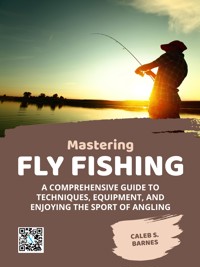
Introducing "Mastering Fly Fishing: A Comprehensive Guide to Techniques, Equipment, and Enjoying the Sport of Angling" - the ultimate guide to becoming a fly fishing master. Whether you're a beginner or an experienced angler, this book has everything you need to know about techniques, equipment, and enjoying the sport of fly fishing.
Discover the allure of fly-fishing and the history and origins of this beloved pastime. Learn about the benefits and rewards of fly-fishing, the fly-fishing community and culture, and fly-fishing equipment essentials.
Fly-fishing apparel and accessories, fly tying basics, and reading the water are also discussed. Discover casting techniques and strategies, fly-fishing techniques, and knots for fly-fishing.
Fishing etiquette and ethics, trout fly-fishing, fly-fishing for bass, salmon and steelhead, and saltwater fly-fishing are also covered. Explore fly-fishing in different seasons, fly-fishing destinations, and fly-fishing photography.
Fly-fishing with friends and family, conservation and fly-fishing, and improving your fly-fishing skills are also discussed. Discover women in fly-fishing, youth and fly-fishing, and fly-fishing for personal growth and well-being.
With "Mastering Fly Fishing: A Comprehensive Guide to Techniques, Equipment, and Enjoying the Sport of Angling," you'll be well-equipped to become a fly fishing master and make lifelong memories on the water. Get ready to embrace the therapeutic benefits offly-fishing and develop your skills in this beloved pastime.
This book covers everything from fly-fishing equipment essentials, casting techniques, and fly-fishing etiquette, to different types of fly-fishing for trout, bass, salmon, and steelhead, as well as saltwater fly-fishing.
You'll also learn about fly-fishing destinations, fly-fishing photography, and how to travel with your fly-fishing gear. Discover how to connect with fellow fly-fishers online, participate in fly-fishing workshops and seminars, and improve your fly-fishing skills.
Whether you're a seasoned angler or just starting out, "Mastering Fly Fishing: A Comprehensive Guide to Techniques, Equipment, and Enjoying the Sport of Angling" has everything you need to become a fly-fishing master and enjoy the great outdoors.
Das E-Book können Sie in Legimi-Apps oder einer beliebigen App lesen, die das folgende Format unterstützen:
Veröffentlichungsjahr: 2023
Ähnliche


















Created by Xspurts.com
All rights reserved.
Copyright © 2005 onwards .
By reading this book, you agree to the below Terms and Conditions.
Xspurts.com retains all rights to these products.
No part of this book may be reproduced in any form, by photostat, microfilm, xerography, or any other means, or incorporated into any information retrieval system, electronic or mechanical, without the written permission of Xspurts.com; exceptions are made for brief excerpts used in published reviews.
This publication is designed to provide accurate and authoritative information with regard to the subject matter covered, however is for entertainment purposes only. It is sold with the understanding that the publisher is not engaged in rendering legal, accounting, health, relationship or other professional / personal advice. If legal advice or other expert assistance is required, the services of a competent professional should be sought.
First Printed 2023.
ISBN:
DIGITAL VERSION: 978-1-77684-791-4
PHYSICAL VERSION: 978-1-77684-682-5
A New Zealand Designed Product
Get A Free Book At: go.xspurts.com/free-book-offer
Table of Contents
The Allure of Fly-Fishing
The History and Origins of Fly-Fishing
The Benefits and Rewards of Fly-Fishing
The Fly-Fishing Community and Culture
Fly-Fishing Equipment Essentials
Fly Rods and Reels
Fly Lines, Leaders, and Tippets
Flies and Fly Tying Materials
Choosing the Right Fly-Fishing Gear
Fly-Fishing Rod Action and Length
Selecting the Ideal Fly Reel
Understanding Fly Line Weights and Tapers
Fly-Fishing Apparel and Accessories
Waders and Wading Boots
Fly-Fishing Vests and Packs
Hats, Gloves, and Sunglasses
Fly Tying Basics
Essential Fly Tying Tools
Fly Tying Techniques and Patterns
Imitating Aquatic Insects and Other Prey
Reading the Water
Identifying Fish Holding Structures
Water Temperature and Fish Behavior
Recognizing Insect Hatches and Activity
Casting Techniques and Strategies
The Basic Fly-Fishing Cast
Advanced Casting Techniques
Casting in Challenging Conditions
Fly-Fishing Techniques
Dry Fly-Fishing
Nymph Fishing
Streamer Fishing
Knots for Fly-Fishing
Essential Fly-Fishing Knots
Attaching Flies to Leaders and Tippets
Securing Fly Lines to Backing and Leaders
Fishing Etiquette and Ethics
Fly-Fishing Courtesy and Manners
Leave No Trace Principles
Catch and Release Practices
Trout Fly-Fishing
Identifying Trout Species
Trout Feeding Habits and Preferences
Trout Fishing Techniques and Tactics
Fly-Fishing for Bass
Largemouth and Smallmouth Bass Behavior
Bass Fly-Fishing Techniques
Flies and Presentations for Bass
Fly-Fishing for Salmon and Steelhead
Understanding Salmon and Steelhead Life Cycles
Fishing Techniques for Migratory Fish
Salmon and Steelhead Flies
Saltwater Fly-Fishing
Gear and Equipment for Saltwater Fly-Fishing
Saltwater Fly-Fishing Techniques
Targeting Saltwater Species
Fly-Fishing in Different Seasons
Spring Fly-Fishing Strategies
Summer Fly-Fishing Techniques
Fall and Winter Fly-Fishing Tactics
Fly-Fishing Destinations
Famous Rivers and Streams
Remote and Wilderness Fly-Fishing
Urban Fly-Fishing Opportunities
Traveling with Fly-Fishing Gear
Packing and Transporting Equipment
Fly-Fishing Travel Tips
Exploring International Fly-Fishing Destinations
Fly-Fishing Photography
Capturing Memorable Fly-Fishing Moments
Tips for Taking Better Fishing Photos
Sharing Your Fly-Fishing Adventures
Fly-Fishing with Friends and Family
Teaching Others to Fly-Fish
Organizing Group Fly-Fishing Trips
Fly-Fishing Competitions and Events
Conservation and Fly-Fishing
The Role of Fly-Fishers in Conservation
Protecting Fish Habitat and Ecosystems
Supporting Local and National Conservation Efforts
Fishing Clubs and Organizations
Connecting with Fellow Fly-Fishers Online
Participating in Fly-Fishing Workshops and Seminars
Improving Your Fly-Fishing Skills
Fly-Fishing Lessons and Instruction
Setting Personal Fly-Fishing Goals
Embracing the Fly-Fishing Learning Curve
Women in Fly-Fishing
The Growing Presence of Women in Fly-Fishing
Women-Specific Fly-Fishing Gear and Apparel
Female Fly-Fishing Role Models and Pioneers
Youth and Fly-Fishing
Introducing Fly-Fishing to the Younger Generation
Youth Fly-Fishing Programs and Camps
Encouraging a Lifelong Love for Fly-Fishing
Fly-Fishing for Personal Growth and Well-being
The Therapeutic Benefits of Fly-Fishing
Mindfulness and Fly-Fishing
Fly-Fishing as a Tool for Personal Development
Have Questions / Comments?
Get Another Book Free
The Allure of Fly-Fishing
Fly-fishing is a beloved pastime that has captivated the hearts and minds of anglers for centuries. This unique form of fishing involves using a fly rod and artificial flies to catch fish in freshwater or saltwater. The allure of fly-fishing lies not only in the thrill of the catch, but also in the tranquility and connection with nature it provides. Below we will explore the history and techniques of fly-fishing, as well as the reasons why so many people find it to be an irresistible pursuit.
Fly-fishing has its roots in ancient fishing practices that used a similar method of using imitation insects as bait. However, the modern form of fly-fishing can be traced back to the 15th century, when anglers in England and Scotland began using imitation flies made of feathers and other materials to attract fish. Over time, fly-fishing evolved into a sport and pastime, with dedicated anglers developing specialized techniques and equipment to improve their chances of catching fish.
One of the unique aspects of fly-fishing is the art of casting. Unlike traditional baitcasting or spinning techniques, fly-fishing requires a specific type of cast known as a fly cast. This cast involves using the weight of the fly line to cast the fly to the desired location, rather than the weight of the lure or bait. This allows for a more delicate presentation of the fly and can be particularly effective in catching wary fish in clear water.
Fly-fishing also requires specialized equipment, including a fly rod, fly reel, and a variety of flies. Fly rods are typically longer and more flexible than traditional fishing rods, allowing for the angler to cast the fly line with greater accuracy and distance. Fly reels are used to hold the fly line and to retrieve the fish once it is hooked. Flies are the artificial lures used in fly-fishing and come in a wide variety of shapes, sizes, and colors, imitating everything from insects to small fish.
While the techniques and equipment used in fly-fishing are important, the allure of this sport goes beyond simply catching fish. For many anglers, fly-fishing is a way to connect with nature and find peace and solitude. The beauty of a quiet stream or a secluded mountain lake can be a welcome escape from the stresses of everyday life. The act of casting and the anticipation of the catch can be a meditative experience, allowing the angler to focus solely on the present moment.
Fly-fishing is also a great way to bond with family and friends. Many anglers pass down their love of fly-fishing to their children or teach friends the techniques and skills needed to catch fish. Fly-fishing can be a social activity, with groups of anglers sharing tips and stories over a day on the water.
One of the reasons fly-fishing is so popular is that it can be done in a wide variety of settings. Fly-fishing can be enjoyed in rivers, streams, lakes, and even in the ocean. Each setting presents its own unique challenges and opportunities, requiring the angler to adapt their techniques and equipment to the conditions. For example, fishing in a mountain stream may require a different type of fly and casting technique than fishing in a large lake.
Fly-fishing can also be a conservation-minded activity. Many fly-fishers practice catch and release, meaning they release the fish back into the water after catching it. This helps to ensure the sustainability of fish populations and promotes responsible fishing practices. Additionally, many fly-fishers are active in conservation organizations and work to protect and preserve the habitats of the fish they love to catch.
The History and Origins of Fly-Fishing
Fly-fishing is a unique and complex sport that involves catching fish using artificial flies. It is an age-old technique that has evolved over time, and its history is both interesting and fascinating. The origins of fly-fishing can be traced back thousands of years, with its earliest known record being found in ancient Macedonian literature.
The Macedonians were avid anglers who used a type of artificial fly made of feathers, which they called the “imitation of a fly.” The Macedonians were not the only ancient civilization to have practiced fly-fishing, as the Egyptians and the Romans were also known to have engaged in this sport.
In the middle ages, fly-fishing gained popularity in England, where the rivers and streams were rich with salmon and trout. By the 15th century, fly-fishing had become a popular pastime among the wealthy, and fly-fishing clubs began to emerge.
Fly-fishing became increasingly popular in the 18th and 19th centuries, and it was during this time that many of the techniques and innovations that we know today were developed. The development of the reel and the creation of new fly patterns were two significant advances that allowed anglers to cast farther and catch more fish.
The 20th century saw a surge in fly-fishing’s popularity, thanks in part to the introduction of fiberglass rods and the invention of the floating fly line. These advancements made fly-fishing more accessible to the masses, and today, it is a popular sport enjoyed by millions of people around the world.
While the origins of fly-fishing are steeped in history, the sport has continued to evolve over time. Today, fly-fishing is no longer just a pastime for the wealthy, as it has become a sport enjoyed by people of all ages and backgrounds.
One of the reasons for fly-fishing’s enduring popularity is the challenge that it presents. Unlike traditional fishing, where the goal is to catch as many fish as possible, fly-fishing requires patience, skill, and a deep understanding of the fish’s behavior.
Fly-fishing also provides a unique connection with nature. Anglers must be attuned to the environment, paying close attention to the water’s flow, the insects that are present, and the behavior of the fish. This connection with nature is one of the reasons why many fly-fishers describe the sport as a meditative experience.
Another reason for the allure of fly-fishing is the beauty of the equipment and the surroundings. Fly rods are typically made from high-quality materials, such as bamboo or graphite, and are often handmade. The reels and lines are also of exceptional quality, with intricate designs and smooth operation.
The surroundings in which fly-fishing takes place are often stunningly beautiful, with pristine rivers, lakes, and streams surrounded by mountains, forests, and wildlife. For many fly-fishers, the experience is as much about being in nature as it is about catching fish.
Fly-fishing also provides an opportunity to travel and explore new places. There are countless fly-fishing destinations around the world, from the remote streams of Alaska to the rivers of Patagonia. Fly-fishers can plan trips to these destinations and experience the thrill of catching new species of fish in breathtaking locations.
In addition to the joy of catching fish, fly-fishing also offers a sense of community. There are numerous fly-fishing clubs and organizations around the world, where anglers can meet like-minded individuals, share tips and techniques, and participate in events and competitions.
The Benefits and Rewards of Fly-Fishing
Fly-fishing is an activity that has been enjoyed for generations by people around the world. This outdoor sport involves using a fishing rod, line, and an artificial fly to catch fish. It's not just about catching fish, though; fly-fishing offers a host of benefits and rewards for those who practice it regularly. Below we will explore the benefits and rewards of fly-fishing.
One of the most obvious benefits of fly-fishing is the physical exercise it provides. Wading in streams, casting the line, and reeling in the fish all require physical exertion, making it an excellent form of exercise. It can also help improve balance and coordination, as well as overall fitness. Being outside and surrounded by nature can have a calming and restorative effect on mental health as well.
Fly-fishing is also a great way to spend time with friends and family. It's an activity that can be enjoyed by people of all ages, making it a great way to bond and create memories. Many people even make it a tradition to go fly-fishing with loved ones every year. The sport encourages teamwork, communication, and a sense of camaraderie, making it an ideal activity for team building and socializing.
Another benefit of fly-fishing is the opportunity it provides for individuals to disconnect from technology and connect with nature. Being out on a river or lake, surrounded by the beauty of the natural world, can be a welcome escape from the constant stimulation of modern life. It allows for a chance to unplug and relax, which can be a rare occurrence in today's fast-paced world.
Fly-fishing can also be a rewarding challenge. It requires skill, patience, and persistence to successfully catch fish using a fly. It's not just about luck, but about honing your skills and knowledge of the sport. For many fly-fishers, the thrill of the chase and the satisfaction of catching a fish with their own skill and effort is what makes the sport so rewarding.
In addition to the physical and mental benefits, fly-fishing also has environmental benefits. It promotes sustainable fishing practices, as fly-fishing typically involves catch-and-release. This means that fish are caught and then released back into the water unharmed, preserving fish populations and promoting conservation efforts. Fly-fishing also encourages individuals to take an interest in the environment and the health of our natural resources.
Fly-fishing is a sport that has been enjoyed for centuries, and for good reason. It offers a host of benefits and rewards for those who practice it regularly, including physical exercise, social bonding, and the opportunity to connect with nature. It's a challenging and rewarding activity that promotes sustainable fishing practices and encourages conservation efforts. Whether you're a seasoned fly-fisher or new to the sport, there's no denying the allure and benefits of fly-fishing.
The Fly-Fishing Community and Culture
Fly-fishing is not just a hobby; it is a way of life. The fly-fishing community and culture are full of passionate individuals who share a love for nature, the thrill of the catch, and the art of fly-fishing. The community is welcoming and inclusive, with members ranging from beginners to seasoned professionals. Below we will explore the fly-fishing community and culture, and the many ways in which it brings people together.
Fly-fishing is a sport that requires patience, skill, and practice. It is not just about catching fish but about the journey and the process. For many, fly-fishing is a way to connect with nature and escape the stresses of everyday life. This is why the fly-fishing community is so welcoming and supportive. Beginners are encouraged to ask questions and seek advice from more experienced anglers, and everyone is willing to share their knowledge and experience.
The fly-fishing community is also very passionate about conservation and the protection of natural resources. Fly-fishers understand the importance of preserving the environment and the ecosystems that support fish populations. They are advocates for clean water and healthy habitats, and many organizations have been established to promote these causes. Fly-fishing is not just about catching fish but also about protecting them and their habitats for future generations to enjoy.
Another aspect of the fly-fishing community and culture is the art of fly-tying. Fly-tying is the process of creating artificial flies that mimic the appearance and movement of natural insects and other aquatic life. It is a creative and intricate process that requires skill and patience. Fly-tying is not just a means to an end but is an art form in its own right. The fly-tying community is just as passionate as the fishing community, and many people enjoy tying flies as much as they do fishing with them.
Fly-fishing also has a rich history and tradition that has been passed down through generations. The sport has roots in Europe and has evolved over time to become the activity that we know today. The history of fly-fishing is full of colorful characters and stories, and many fly-fishers have a deep appreciation for the traditions and techniques that have been developed over the years.
Fly-fishing culture is also about camaraderie and building relationships. Many fly-fishers enjoy going on trips with friends and family, sharing experiences, and creating memories. The sport is a social activity, and many people have formed lifelong friendships through their love of fly-fishing. There are also many fly-fishing clubs and organizations that offer opportunities for people to connect with other anglers and share their experiences.
Finally, the fly-fishing community and culture offer opportunities for personal growth and development. The sport requires patience, persistence, and a willingness to learn. Many fly-fishers have found that the skills and qualities they have developed through fly-fishing have transferred to other areas of their lives. Fly-fishing can be a great way to build confidence, overcome challenges, and develop new skills.
Fly-Fishing Equipment Essentials
Fly-fishing is a popular sport that has been enjoyed for centuries. It involves using an artificial fly to catch fish in freshwater or saltwater. The sport requires specialized equipment, and understanding the essentials can make all the difference in a successful fly-fishing trip.
Fly-fishing equipment essentials can be broken down into four main categories: rods, reels, lines, and flies.
The fly rod is the backbone of any fly-fishing outfit. It is used to cast the fly line, and it is essential to have the right rod for the job. Fly rods come in different lengths, weights, and actions. Length is measured in feet, and weight is measured in ounces. The action of a fly rod refers to how flexible or stiff the rod is, which affects how it casts. A flexible or slow-action rod is ideal for delicate presentations, while a stiff or fast-action rod is better suited for longer casts and heavier flies.
Fly reels are used to hold and retrieve the fly line, and they come in different sizes and designs. Fly reels are typically made of aluminum or other lightweight materials, and they can be either single-action or automatic. Single-action reels require the angler to manually retrieve the line, while automatic reels have a mechanism that retrieves the line automatically.
Fly lines are specially designed for fly-fishing and are different from traditional fishing lines. Fly lines are heavier than regular fishing lines, which helps to load the fly rod during the cast. The line weight is determined by the weight of the fly rod, and it is essential to have a matching line weight for optimal performance. Fly lines come in different types, including floating, sinking, and sink-tip. Each type of line is designed for a specific fishing situation.
Flies are the most critical component of any fly-fishing outfit. They are used to imitate the insects or baitfish that fish eat, and there are thousands of different fly patterns to choose from. Flies come in different sizes, colors, and designs, and it is essential to have a variety of patterns to match the hatch or the type of fish being targeted. Some of the most common types of flies include dry flies, nymphs, streamers, and wet flies.
In addition to these four essentials, there are other fly-fishing accessories that can enhance the overall experience. These include waders, boots, vests, nets, and fly boxes. Waders and boots are used to keep the angler dry and comfortable while wading in the water. Vests are used to store fly boxes, tools, and other accessories. Nets are used to land fish safely, and fly boxes are used to store and organize flies.
When selecting fly-fishing equipment, it is essential to consider the type of fishing being done, the species of fish being targeted, and the angler's level of experience. Beginners should start with a basic outfit that includes a rod, reel, line, and a few flies. As the angler gains experience, they can upgrade their equipment to suit their needs and preferences.
One of the most important things to keep in mind when selecting fly-fishing equipment is to match the equipment to the type of fishing being done. For example, if the angler is fishing for trout in a small stream, a light rod and reel with a floating line and small dry flies would be appropriate. On the other hand, if the angler is fishing for tarpon in saltwater, a heavy rod and reel with a sinking line and large streamers would be necessary.
Another consideration when selecting fly-fishing equipment is the quality of the equipment. While it may be tempting to purchase cheaper gear, investing in high-quality equipment can make a significant difference in the overall fly-fishing experience. High-quality equipment will last longer, perform better, and ultimately save money in the long run.
Fly Rods and Reels
Fly fishing is a beautiful and rewarding hobby that requires a bit of skill and equipment. One of the most essential pieces of equipment needed for fly fishing is the fly rod and reel. Below we will explore the different types of fly rods and reels and how they function in the world of fly fishing.
Fly Rods:
Fly rods are the backbone of any fly fishing kit. A good fly rod should be able to cast a fly line accurately and delicately, with enough power to make long casts when needed. There are three main types of fly rods, each with their own unique characteristics: fiberglass, graphite, and bamboo.
Fiberglass Fly Rods:
Fiberglass rods were popular in the 1950s and 1960s and were made from a composite of glass fibers and resin. They have a more moderate action, meaning that they flex more slowly and have a slower recovery time. This makes them ideal for beginners as they are easier to cast and have a more forgiving nature. Fiberglass rods are also relatively inexpensive, making them a great option for anyone starting out with fly fishing.
Graphite Fly Rods:
Graphite rods are the most popular type of fly rod on the market today. They are made from high-tech composite materials, which makes them very lightweight and strong. Graphite rods also have a fast action, meaning that they have a stiffer backbone and a quicker recovery time. This makes them ideal for more experienced anglers who need to make longer casts with greater accuracy.
Bamboo Fly Rods:
Bamboo rods were the original fly fishing rods and have a classic look and feel. They are made from bamboo strips that are glued together and then coated with a resin. Bamboo rods have a slower action, making them ideal for fishing smaller streams and rivers. They are also very flexible and can be customized to suit individual casting styles. However, bamboo rods are typically more expensive than fiberglass or graphite rods.
Fly Reels:
Fly reels are another essential piece of equipment for fly fishing. They are designed to hold and retrieve the fly line, and also help to balance the weight of the rod. There are two main types of fly reels: single-action and automatic.
Single-Action Fly Reels:
Single-action reels are the most common type of fly reel. They have a simple design, with a spool that rotates on a central spindle. The angler must manually retrieve the line by turning the handle of the reel. Single-action reels are lightweight and durable, making them a great option for most fly fishing situations.
Automatic Fly Reels:
Automatic reels are less common than single-action reels, but they are still widely used. They have a more complex design, with a spring-loaded mechanism that retrieves the line automatically. Automatic reels are great for fishing situations where a quick retrieve is necessary, such as when fishing for fast-moving fish.
Fly Lines, Leaders, and Tippets
Fly lines, leaders, and tippets are essential components of any fly-fishing setup. These components play a crucial role in casting accuracy and presentation, as well as in the successful landing of fish. Below we will explore the importance of fly lines, leaders, and tippets and how to choose the right ones for your fly-fishing needs.
Fly Lines:
The fly line is the most important component of any fly-fishing setup. It is what carries the fly to the desired location on the water surface. Fly lines are made up of a plastic core coated with a PVC layer. The core provides the strength and weight needed to cast the line, while the PVC layer provides buoyancy and stiffness, allowing the line to float on the water surface.
Fly lines come in different weights, which correspond to the weight of the fly rod used. For example, a 5-weight fly line is used with a 5-weight fly rod. The weight of the fly line is also important for casting distance and accuracy. Lighter lines are easier to cast over short distances, while heavier lines can cast longer distances.
Fly lines also come in different types, including floating, sinking, and sink-tip lines. Floating lines are the most commonly used type of fly line and are best suited for dry fly fishing. Sinking lines are used for fishing in deep water or for retrieving streamers. Sink-tip lines are a hybrid between floating and sinking lines and are used for fishing in shallow water.
Leaders:
The leader is a tapered length of monofilament or fluorocarbon line that connects the fly line to the fly. Leaders come in different lengths and weights and are designed to turn over the fly smoothly for a natural presentation.
Leaders are available in different sizes and lengths to match the weight of the fly line and the size of the fly being used. Typically, leaders range from 5 to 12 feet in length. Longer leaders are used for smaller flies and lighter lines, while shorter leaders are used for larger flies and heavier lines.
Tippets:
The tippet is the final section of the leader, which is attached to the fly. Tippets are usually made of monofilament or fluorocarbon and come in different diameters. The tippet is the most critical part of the leader system, as it is the thinnest section and the one that is most likely to break under pressure.
The diameter of the tippet is chosen based on the size of the fly being used and the fish species being targeted. For example, a small dry fly may require a tippet as light as 6X, while a large streamer may require a heavier tippet like 2X.
Choosing the Right Fly Line, Leader, and Tippet:
Choosing the right fly line, leader, and tippet is crucial for successful fly-fishing. There are several factors to consider when making these choices, including the fish species being targeted, the size of the fly being used, and the type of water being fished.
When selecting a fly line, it is important to match the line weight to the weight of the fly rod being used. A 5-weight fly line is best used with a 5-weight fly rod. Additionally, it is important to choose the appropriate type of fly line based on the type of water being fished.
When selecting a leader, the length and weight of the leader should match the weight of the fly line being used. The leader's length is also determined by the size of the fly being used and the fish species being targeted. Smaller flies and lighter lines require longer leaders, while larger flies and heavier lines require shorter leaders.
When selecting a tippet, the diameter of the tippet should match the size of the fly being used and the fish species being targeted.
Flies and Fly Tying Materials
Fly fishing is a popular recreational activity that involves using a fly rod, reel, and artificial flies to catch fish. One of the key aspects of fly fishing is the use of specialized flies that mimic natural insects, baitfish, and other creatures that fish feed on. These flies are created using a variety of materials, and the process of tying them is known as fly tying.
Fly tying has been an essential aspect of fly fishing since its inception. Early fly fishermen created their own flies using materials found in nature such as feathers, fur, and thread. As fly fishing evolved into a sport, fly tying became more sophisticated, and anglers began to experiment with different materials and techniques to create more effective flies.
Today, there are thousands of different fly patterns available, each designed to imitate a specific insect or other creature that fish feed on. Flies can be purchased from a variety of sources, but many anglers prefer to tie their own flies for the satisfaction and creativity it provides.
The materials used for fly tying vary widely, and many different materials can be combined to create a single fly. The most common materials used for fly tying include feathers, fur, thread, and synthetic materials.
Feathers are used to create the wings, tails, and other parts of a fly that are meant to imitate the movement of insects. Feathers from birds such as chickens, ducks, and pheasants are commonly used for fly tying, and many different types of feathers can be used to create different effects.
Fur is another popular material for fly tying, and is often used to create the body of a fly. Natural furs such as rabbit, deer, and elk hair can be used, as well as synthetic furs that are designed to imitate the look and feel of natural fur.
Thread is used to hold the materials of a fly together, and comes in a variety of colors and thicknesses. Many fly tiers use specialized threads that are designed to be strong and durable, yet thin enough to not add bulk to the fly.
Synthetic materials such as flashabou and mylar are often used to create shiny, reflective accents on a fly, or to imitate the look of scales or other natural features.
Other materials used for fly tying include beads, wire, and foam, which can be used to create weight, or to add buoyancy to a fly.
When it comes to tying flies, there are countless patterns and techniques to choose from. Some anglers prefer to tie classic patterns that have been around for decades or even centuries, while others prefer to create their own unique patterns that they believe will be more effective.
Many fly tiers keep detailed journals or logs of their patterns, noting the materials used, the size of the fly, and other details that can help them recreate the fly in the future. Some anglers even trade their own patterns with other fly tiers, creating a community of anglers who are constantly sharing and improving their skills.
Fly tying can be a time-consuming and meticulous process, but it is also highly rewarding. There is a deep satisfaction that comes from catching a fish on a fly that you have tied yourself, knowing that you have created something that has fooled a fish into biting.
In addition to being a rewarding activity, fly tying can also be an affordable way to enjoy fly fishing. Flies can be expensive to purchase, especially if you fish often or if you lose flies frequently. Tying your own flies allows you to create as many flies as you need, using materials that you can often purchase at a fraction of the cost of pre-made flies.
Choosing the Right Fly-Fishing Gear
Choosing the right gear is essential for any fly-fishing expedition. While a skilled angler can catch fish with a variety of equipment, selecting the right gear can make the difference between a successful day on the water and a frustrating one. Below we will discuss the factors that go into choosing the right fly-fishing gear and provide some tips for selecting the best equipment for your needs.
The first factor to consider when selecting fly-fishing gear is the type of water you will be fishing. The gear you use in a small stream will be different than the gear you use on a large river or in the ocean. For small streams, a shorter, lighter rod and reel will be ideal, while larger bodies of water require longer, stiffer rods and reels with a higher line weight. Saltwater fly-fishing, on the other hand, typically requires even heavier equipment to handle larger, stronger fish.
Another factor to consider is the species of fish you will be targeting. Different fish have different behaviors and habitats, which can affect the type of gear you need. For example, trout are often found in streams and are more easily spooked, so you may need a lighter, more delicate setup to avoid scaring them away. Bass, on the other hand, are typically found in larger bodies of water and require heavier gear to handle their size and strength.




