


60,99 €
Mehr erfahren.
- Herausgeber: John Wiley & Sons
- Kategorie: Fachliteratur
- Serie: Notes On
- Sprache: Englisch
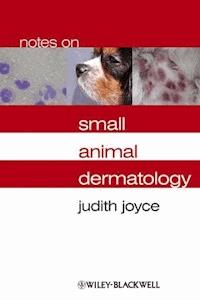
Part of the popular ‘Notes On’ series, this book is full of practical advice and information on diagnosing and treating common dermatological problems in small animals. The rapid reference format is designed to help you locate information as quickly as possible. Information on common dermatological complaints is offered in different ways to meet a variety of needs. Firstly a problem-orientated perspective is provided, and then a disease-based perspective looking at what underlying problems cause particular diseases. This is followed by a section that looks at dermatological disease by anatomical location, and a section that outlines different treatments. •Supplemented with full-colour photographs throughout to aid diagnosis •Detailed flow-diagrams illustrate the problem-orientated approach •Text is laid out in note form for ease of reference This book is ideal for veterinary students, new practitioners and established professionals who need a quick refresher
Sie lesen das E-Book in den Legimi-Apps auf:
Seitenzahl: 394
Veröffentlichungsjahr: 2011
Ähnliche



















Contents
SECTION 1 THE BASIC TOOLS
Chapter 1 Terminology and Glossary
Chapter 2 Lesions
Chapter 3 Investigation and Diagnosis
3.1 HISTORY
3.2 CLINICAL EXAMINATION
3.3 EXAMINATION FOR ECTOPARASITES
3.4 CYTOLOGY
3.5 SKIN BIOPSIES
3.6 FUNGAL EXAMINATION
3.7 EXAMINATIONS FOR BACTERIA AND YEASTS
3.8 ALLERGY TESTING
3.9 TESTS FOR ENDOCRINE DISEASE
SECTION 2 PROBLEM-ORIENTATED APPROACH
Chapter 4 The Pruritic Patient
4.1 CAUSES OF PRURITUS
4.2 THE PRURITIC DOG
4.3 THE MORE MATURE PATIENT
4.4 THE PRURITIC CAT
4.5 CLINICAL APPROACH TO THE PRURITIC CAT
Chapter 5 The Scaling Patient
5.1 THE MOST COMMON CAUSE OF SCALING CONDITIONS IS PARASITES
5.2 LOCALISATION OF SCALING DISORDERS
5.3 DERMATOPHYTOSIS
5.4 BACTERIAL AND YEAST INFECTIONS
5.5 SYSTEMIC DISEASE
5.6 ENDOCRINE DISEASE
5.7 MILD SCALING
5.8 BIOPSY
5.9 IMMUNE-MEDIATED DISEASE
5.10 PRIMARY GENETIC SCALING DISORDERS
5.11 HYPERSENSITIVITY DERMATITIS
5.12 TREATMENT OF SCALING DISORDERS
Chapter 6 The Alopecic Patient
6.1 CONGENITAL OR INHERITED HAIRLOSS
6.2 PATTERN ALOPECIAS
6.3 TRAUMATIC HAIRLOSS
6.4 INFLAMMATORY HAIRLOSS
6.5 SCREEN FOR ALOPECIA DUE TO SYSTEMIC DISEASE
6.6 PARANEOPLASTIC ALOPECIA
6.7 ENDOCRINE ALOPECIA
6.8 BIOPSY
6.9 NON-ENDOCRINE ALOPECIAS
6.10 LONG-TERM PALLIATIVE TREATMENT IS USUALLY NECESSARY IN ALOPECIC SKIN CONDITIONS TO ADDRESS SECONDARY COMPLICATIONS (SEE CHAPTER 27)
Chapter 7 Management of Diseases Presenting with Spots (Papules, Pustules, Vesicles and Bullae)
7.1 YOUNG ANIMALS
7.2 SEVERE/RECURRENT OR PERSISTENT LESIONS
7.3 INVESTIGATION OF PAPULAR DISEASE
7.4 INVESTIGATION OF VESICULAR DISEASE
7.5 INVESTIGATION OF PUSTULAR DISEASE
7.6 FOLLICULITIS
Chapter 8 Approach to Changes in Pigmentation
8.1 CHANGES IN PIGMENTATION MAY BE GENERALISED OR MAY BE LOCALISED IN SPECIFIC PATTERNS
8.2 SECONDARY CHANGES IN PIGMENTATION SHOULD BE DIFFERENTIATED FROM PRIMARY CHANGES
8.3 GENERALISED HYPERPIGMENTATION MAY OCCUR IN SOME ENDOCRINE AND NON-ENDOCRINE CONDITIONS
8.4 PIGMENTARY CHANGE MAY BE BENIGN AND/OR TRANSIENT
8.5 LOSS OF PIGMENTATION OF THE SKIN
8.6 REDDENING OF THE SKIN
8.7 INCREASE IN PIGMENTATION
8.8 LOSS OF PIGMENTATION OF HAIR COAT
8.9 EARLY HISTOPATHOLOGICAL EXAMINATION IS ESSENTIAL
8.10 SOME LESIONS CANNOT ALWAYS BE DEFINITIVELY DIAGNOSED ON BIOPSY
Chapter 9 Management of Raised and Ulcerative Skin Lesions
9.1 PAPULAR PUSTULAR AND VESICULAR DISEASE
9.2 EOSINOPHILIC GRANULOMA COMPLEX
9.3 CYTOLOGY OR HISTOPATHOLOGY
9.4 TREATMENT OF NEOPLASTIC DISEASE
9.5 RAISED LESIONS DUE TO MICRO-ORGANISMS
9.6 DEFINITIVE DIAGNOSIS REACHED
9.7 CHRONIC INFLAMMATORY AND BACTERIAL/FUNGAL LESIONS
SECTION 3 AETIOLOGICAL APPROACH
Chapter 10 Diseases Caused by Ectoparasites
10.1 DOG
10.2 CATS
10.3 RABBIT
10.4 GUINEA PIGS
10.5 OTHER MITES AND LICE OF RABBITS MICE AND GERBILS (FIGURES 3.18b, 3.20b AND 3.21)
Chapter 11 Skin Disease Caused by Micro-organisms
11.1 BACTERIAL INFECTIONS
11.2 LEISHMANIOSIS
11.3 FUNGAL INFECTIONS
11.4 MALASSEZIA DERMATITIS
11.5 SKIN DISEASES CAUSED BY VIRUSES
Chapter 12 Hypersensitivity Dermatitis
12.1 PARASITIC HYPERSENSITIVITY
12.2 ATOPIC DERMATITIS
12.3 ADVERSE CUTANEOUS REACTION TO FOOD
12.4 INSECT BITE HYPERSENSITIVITY
12.5 BACTERIAL, FUNGAL AND YEAST HYPERSENSITIVITY
Chapter 13 Management of Immune-Mediated Disease
13.1 TYPES OF IMMUNE-MEDIATED DISEASE
13.2 THE MANAGEMENT OF IMMUNE-MEDIATED DISEASE
13.3 SPECIFIC DISEASES
Chapter 14 Endocrine Disease
14.1 HYPERADRENOCORTICISM
14.2 HYPOTHYROIDISM
14.3 LESS COMMON ENDOCRINE DISEASES WITH A PRIMARY EFFECT ON THE SKIN
14.4 COMMON ENDOCRINE DISEASES THAT HAVE A SECONDARY EFFECT ON THE SKIN
14.5 RARE ENDOCRINE PROBLEMS
Chapter 15 Disorders of the Pilosebaceous Unit (Hair Follicle Disorders)
15.1 PRIMARY HAIR FOLLICLE DYSPLASIAS
15.2 SECONDARY HAIR FOLLICLE DYSPLASIAS
Chapter 16 Neoplastic Skin Disease
16.1 PRIMARY SKIN MASSES
16.2 COMMON TYPES OF SKIN NEOPLASIA
16.3 GENERALISED SKIN NEOPLASIA
16.4 METASTATIC SKIN NEOPLASIA
16.5 PARANEOPLASTIC SYNDROMES
Chapter 17 Other Skin Diseases
17.1 METABOLIC DISEASE
17.2 NUTRITIONAL DISEASE
17.3 ENVIRONMENTAL CAUSES
17.4 PSYCHOGENIC DERMATOSES
17.5 DERMATOSES OF NEUROLOGICAL ORIGIN
SECTION 4 ANATOMICALLY LOCALISED SKIN DISEASE
Chapter 18 The Foot
18.1 MANAGEMENT OF CLAW DISEASE
18.2 MANAGEMENT OF FOOTPAD DISEASE
18.3 PODODERMATITIS
Chapter 19 Skin Disease Affecting the Perianal Region
19.1 MANAGEMENT OF PERIANAL SKIN DISEASE
Chapter 20 Ear Disease
20.1 MANAGEMENT OF PINNAL DISEASE
20.2 MANAGEMENT OF ACUTE OTITIS EXTERNA (Figure 20.7)
20.3 MANAGEMENT OF CHRONIC OR RECURRENT OTITIS EXTERNA (Figures 20.8 and 20.9)
Chapter 21 Periocular Skin Disease
21.1 MANAGEMENT OF PERIOCULAR DISEASE
Chapter 22 Dermatoses Affecting the Muzzle
22.1 MANAGEMENT OF THE HAIRED SKIN OF THE MUZZLE
22.2 MANAGEMENT OF DISEASES AFFECTING THE NASAL PLANUM
Chapter 23 Management of Facial Lesions
Chapter 24 Management of Skin Disease Affecting the Legs
Chapter 25 Management of Diseases Affecting Mainly the Trunk and Dorsum
SECTION 5 TREATMENT OF SKIN DISEASES
Chapter 26 Treatment of Primary Skin Disease
26.1 ECTOPARASITICIDES
26.2 TREATMENT OF DISEASES CAUSED BY MICRO-ORGANISMS
26.3 TREATMENT OF HYPERSENSITIVITY DERMATITIS
26.4 TREATMENT OF IMMUNE-MEDIATED DISEASE
26.5 TREATMENT OF ENDOCRINE DISEASE
26.6 TREATMENTS FOR HAIR FOLLICLE DISORDERS AND KERATINISATION DEFECTS (PRIMARY SCALING DISORDERS, PRIMARY SEBORRHOEA)
26.7 CHEMOTHERAPEUTIC AGENTS COMMONLY USED IN SKIN NEOPLASIA
Chapter 27 Treatment of Presenting Signs
27.1 MANAGEMENT OF PRURITUS
27.2 BACTERIAL AND YEAST INFECTIONS
27.3 MANAGEMENT OF SCALING
27.4 NUTRITIONAL SUPPORT FOR DAMAGED SKIN
Chapter 28 Use and Abuse of Glucocorticoids
28.1 INDICATIONS
28.2 DOSE AND FORMULATION
28.3 STEROID SPARING MEASURES
28.4 SIDE-EFFECTS
28.5 CONTRAINDICATIONS
Chapter 29 Topical Treatments
29.1 USE OF TOPICAL PREPARATIONS
29.2 INAPPROPRIATE USE OF TOPICAL PRODUCTS CAN BE HARMFUL
29.3 FORMULATIONS OF TOPICAL TREATMENTS
APPENDICES
Appendix 1 History Form
Appendix 2 Clinical Examination
Appendix 3 Testing Food Intolerance
Owner Handout
Appendix 4 Advice on the Use of Medicinal Products
Appendix 5 Safe Use of Glucocorticoids
Owner Handout
Appendix 6 Side-Effects Seen When Steroids are Given
Owner Handout
INDEX
This edition first published 2010© 2010 Judith Joyce
Blackwell Publishing was acquired by John Wiley & Sons in February 2007.Blackwell’s publishing programme has been merged with Wiley’s global Scientific, Technical, and Medical business to form Wiley-Blackwell.
Registered officeJohn Wiley & Sons Ltd, The Atrium, Southern Gate, Chichester, West Sussex, PO19 8SQ, United Kingdom
Editorial offices9600 Garsington Road, Oxford, OX4 2DQ, United Kingdom2121 State Avenue, Ames, Iowa 50014-8300, USA
For details of our global editorial offices, for customer services and for information about how to apply for permission to reuse the copyright material in this book please see our website at www.wiley.com/wiley-blackwell.
The right of the author to be identified as the author of this work has been asserted in accordance with the UK Copyright, Designs and Patents Act 1988.
All rights reserved. No part of this publication may be reproduced, stored in a retrieval system, or transmitted, in any form or by any means, electronic, mechanical, photocopying, recording or otherwise, except as permitted by the UK Copyright, Designs and Patents Act 1988, without the prior permission of the publisher.
Wiley also publishes its books in a variety of electronic formats. Some content that appears in print may not be available in electronic books.
Designations used by companies to distinguish their products are often claimed as trademarks. All brand names and product names used in this book are trade names, service marks, trademarks or registered trademarks of their respective owners. The publisher is not associated with any product or vendor mentioned in this book. This publication is designed to provide accurate and authoritative information in regard to the subject matter covered. It is sold on the understanding that the publisher is not engaged in rendering professional services. If professional advice or other expert assistance is required, the services of a competent professional should be sought.
Library of Congress Cataloging-in-Publication Data
Joyce, Judith.Notes on small animal dermatology/Judith Joyce.p.; cm.Includes index.ISBN 978-1-4051-3497-2 (pbk.: alk. paper)1. Veterinary dermatology—Handbooks, manuals, etc. 2. Pet medicine—Handbooks, manuals, etc. I. Title. II. Title: Small animal dermatology.[DNLM: 1. Skin Diseases—veterinary—Handbooks. 2. Animals, Domestic—Handbooks. 3. Skin Diseases—diagnosis—Handbooks. 4. Skin Diseases—therapy—Handbooks. SF 901 J89n 2010]SF901.J69 2010636.089'65—dc22
2009048319
A catalogue record for this book is available from the British Library.
SECTION 1
THE BASIC TOOLS
Chapter 1
Terminology and Glossary
Table 1.1 Terms and definitions
TermDefinitionAcanthocyteEpidermal cell which has lost its adhesion to other cells and has become rounded, often found in sterile pustules and vesicles caused by immune-mediated diseaseAcral lick dermatitisChronic raised erythematous lesion, usually of a distal limb, due to persistent self-trauma by licking, can develop to furunculosisAcromelanismIncrease in hair colour at the extremities associated with lower body temperatureACTH stimulation testDynamic cortisol test used in the diagnosis of hyperadrenocorticism, hypoadrenocorticism and adrenal hyperplasia like syndromeActinic dermatitisDermatitis caused by exposure to solar radiationAdrenal hyperplasia like syndromeDescriptive term used for a group of endocrine skin diseases causing hairloss whose pathogenesis is not totally elucidatedAllergen specific immunotherapyImmunomodulatory treatment for atopic dermatitis using the allergens to which the patient has reacted on allergy testingAllergyAbnormal increased immune response to harmless foreign proteinAlopeciaHairloss due to failure of the hair follicleAlopecia XSee adrenal hyperplasia like syndromeAtopic dermatitisSkin disease caused by exposure and hypersensitivity reaction to environmental allergensAtopyAn inherited tendency to produce IgE antibody in response to exposure to allergensAural haematomaFluid accumulation of uncertain aetiology within the cartilage affecting all or part of the pinnaAutoimmune diseaseProgrammed (often genetically) destruction of self-protein by the immune systemBacterial cultureCulture of bacteria from uncontaminated samples such as pustules on a plate using growth mediumBullous pemphigoidRare immune-mediated skin disease, often with poor prognosis, resembling the pemphigus group of diseasesCallus pyodermaChronic raised lesion with hairloss over a bony prominence subjected to friction (e.g. elbow), can develop to furunculosisCanine/feline acnePustules and/or comedones on the chin with several underlying causes, similar in appearance to but differing in aetiology from human acneCastration responsive dermatosisSee adrenal hyperplasia like syndromeCoat brushingsExamination for surface living ectoparasitesColour dilute follicular dysplasia(Colour mutant alopecia) Skin condition associated with blue or fawn variants, resulting in hairloss, scaling and dermatosis, usually of dorsal head and trunkCornKeratin accumulation, usually of the weight bearing digital pads, often with protrusion into the dermis resulting in discomfortCushing’s syndromeHyperadrenocorticism, caused by adrenal or pituitary tumour or ectopic cortisol producing tissueCutaneous adverse reaction to foodSkin disease caused by or exacerbated by an immunological or non-immunological reaction to ingested foodCytologyExamination of cells and microbes by microscopy from superficial or deep skin lesions or ear canalsDeep pyodermaBacterial infection involving the epidermis and the dermisDemodicosisDermatosis caused by multiplication of Demodex spp. mites within the hair follicle, usually associated with a local immune defectDermatophyteParasitic fungus, with a predilection for the hair which causes infectionDermatophytosisInfection caused by parasitic fungi with predilection for the hairDexamethasone test, high doseDynamic cortisol test used to differentiate pituitary and adrenal dependent hyperadrenocorticismDexamethasone test, low doseDynamic cortisol test used in the diagnosis of hyperadrenocorticism, may differentiate between pituitary and adrenal dependent casesDiagnosis of eliminationDiagnosis which can only be reached definitively by systematically ruling out a differential list of diagnosesDiscoid lupus erythematosusLocalised immune-mediated disease, normally benign, frequently affecting the dorsal noseEpitheliotrophic lymphomaT lymph cell diffuse and generalised tumour of the epidermisErythemaReddening of the skin due to inflammatory changeErythema multiformeSkin reaction pattern usually caused by immune-mediated disease, especially food or drug reactionExclusion dietDiet used for food elimination trial in patients being tested for adverse cutaneous reaction to foodFCε receptorReceptor on antigen presenting cell, specific to an antigen measured in allergy serologyFine needle aspirateSample of cells ± fluid harvested from inside a lesion by suction through a 19 or 21 gauge hypodermic needle attached to a syringeFlare factorsExtrinsic or intrinsic factors which exacerbate an existing skin disease, for example, secondary bacterial infection, hot or humid environmentFollicular dysplasiaAbnormal or incomplete structure or function of hair folliclesFolliculitisInflammation of the hair follicle, multifactorial including bacterial infection, ectoparasitic infestation and immune-mediated diseaseFood elimination trialFeeding an exclusion diet for the investigation of the possibility of adverse cutaneous reaction to food, usually of 3–12 weeks durationFungal cultureCulture of fungal elements from a plucked hair sample on a plate containing growth medium and usually a colour indicatorFurunculosisForeign body reaction to keratin and hair follicle components dragged into the dermis in severe and usually persistent inflammatory diseaseGlabrous skinSkin which does not normally have hairGrowth hormone responsive dermatosisSee adrenal hyperplasia like syndromeHair plucksExamination of length of hair and its root grossly and by microscopically, samples harvested by epilation (see Chapter 3.3.4)HamartomaDevelopmental raised lesion, often with change in pigmentationHepatocutaneous syndrome(Superficial necrolytic dermatitis metabolic epidermal necrolysis, necrolytic migratory erythema) scaling paraneoplastic syndrome usually associated with liver and pancreatic diseaseHistopathologyMicroscopic examination of tissue sections by an expertHydrolysed dietDiet containing nutrients of molecular weight lower than allergens used for food elimination diet, but most can be fed long term for treatment as wellHypersensitivityUpgraded immune response to harmless or less harmful foreign proteinsHyperthyroidismDisease caused by overproduction of thyroxine, usually caused by adenoma or adenocarcinoma of the thyroid glandIDATIntradermal allergy testingIdiopathic pruritusChronic pruritus in the dog or cat where the underlying cause cannot be identified by a thorough diagnostic workupIgEReaginic antibody associated with atopic dermatitis in cats and dogsIgE serologyIdentification of antigen specific IgE (reaginic) antibody from a blood sample for diagnostic purposes in atopic dermatitisIgGAntibody group more generally associated with inflammatory reactionsIgG serologyIdentification of antigen specific IgG antibody from a blood sample for diagnostic purposes, for example, SarcoptesImmune defectLack of specific part of the immune system, usually congenital, often inheritedImmune-mediated diseaseDisease caused by up- or downregulation of the immune system, or abnormal response to antigensImmunocompetenceNormally functioning immune systemImmunosuppressionGeneralised reduction in function of immune system, usually due to illness or drug therapyImpression smearCells, organisms and debris harvested by pressing a microscope slide onto the surface of a lesion. Usually stained for examination under high power microscopeInterdigital fistulaeDraining tracks of the tissues between the toes caused by deep pyoderma and furunculosisIntertriginous areasAreas of skin which rub together, sometimes resulting in maceration and secondary diseaseIntertrigoInflammation/infection between skin foldsJuvenile cellulitis(Puppy strangles) Immune-mediated pustular disease of puppies affecting the face usually accompanied by lymphadenopathy and systemic sigKeratinisation defectDefects of epidermal development usually causing greasiness and/or scalingLeishmaniosisZoonotic skin and systemic disease, prevalent in someMediterranean countries caused by Leishmania spp.Lentigo simplexNormally occurring black pigment spots seen on the lips and eyelids of ginger catsLichenificationThickening and texturing of the skin surface due to inflammatory changeLuminal folliculitisInflammation centred on the inside of the hair follicle, usually secondary to an underlying causeLupoid onychodystrophyPersistent multiple nail and nail bed abnormality showing a specific reaction pattern on histopathology consistent with immune-mediated diseaseMacerationDamage to superficial tissues caused by dampness and skin foldingMaculeDiscrete area of colour change not associated with skin thickeningMassRaised lump in the skin of any sizeMetabolic epidermal necrolysis(Superficial necrolytic dermatitis hepatocutaneous syndrome, necrolytic migratory erythema), scaling paraneoplastic syndrome usually associated with liver and pancreatic diseaseMural folliculitisInflammation centred on the wall of the follicle, usually a primary event, often immune mediatedMuzzleArea of the face around the nose and mouthMyiasisFly strike. Blowflies lay eggs on wounds or macerated tissue.Hatched maggots then destroy further tissueMyxomatosisSystemic viral infection of rabbits, usually with mucocutaneous lesions, usually fatalNecrolytic migratory erythema(Superficial necrolytic dermatitis hepatocutaneous syndrome, metabolic epidermal necrosis), scaling paraneoplastic syndrome usually associated with liver and pancreatic diseaseNoduleRaised lump in the skinOnychodystrophyDisturbance in normal nail productionPapule1–2 mm diameter discrete inflammatory lesionParaneoplastic syndromesDiseases caused by primary neoplasms, with clinical signs frequently in organs distant from the site of the primary neoplasmParonychiaNail bed infectionPattern alopeciaDiscrete areas of hairloss seen in particular breeds with minimal or no other skin lesionsPemphigusGroup of immune-mediated skin diseases characterised by separation of the epidermis at different levelsPemphigus foliaceusMost common of the pemphigus group of immune-mediated diseases, originally considered to be autoimmune, but external trigger factors increasingly identifiedPerianal adenomaBenign tumour of the perianal glands, more common in malesPituitary dwarfismCongenital pituitary deficiency rarely seen in Yorkshire terriers, German shepherd dogs and others, causing persistence of puppy coat, among other signsPlaqueRaised plate like lump in the skinPlasma cell pododermatitisImmune-mediated disease of the footpads of cats, usually with multiple involvement, resulting in swelling and ulcerationPleomorphismVariability of morphology of the cells of a single tissue type, can be indicator of malignancyPododemodicosisDemodicosis of the feet alone or as part of generalised disease, often more challenging to treatPododermatitisInflammation of the feetPruritic thresholdLevel of inflammation above which pruritus occurs, may be reached by single inflammatory diseases or combined additive effect of two or morePruritusItchPsychogenic alopeciaControversial diagnosis of elimination, where stress is thought to result in overgrooming and hairlossPuppy strangles(Juvenile cellulitis) Immune-mediated pustular disease of puppies affecting the face usually accompanied by lymphadenopathy and systemic signsPustuleVesicle containing inflammatory cells with or without bacteriaPyodermaBacterial skin infectionPyotraumatic dermatitisBacterial infection secondary to physical damage to the skinRecurrent flank alopeciaBenign alopecia, part of adrenal sex hormone imbalance syndrome, frequently seen in boxers, but occurs in other breedsSebaceous adenitisImmune-mediated scaling disorder, resulting in destruction of hair follicles and associated glands, with strong breed predispositionSeborrhoeaOld term for keratinisation defect (defect of epidermis), also used to describe the clinical sign of greasiness and scalinessSkin biopsyA full skin thickness sample harvested so as to preserve all surface, superficial and deep skin structures for examination by a dermatohistopathologistSkin scrapesExamination for superficial and deep living ectoparasites using samples harvested by scraping with a scalpel blade and microscopy (see Chapter 3.3.3)Superficial necrolytic dermatitis(Hepatocutaneous syndrome, metabolic epidermal necrosis, necrolytic migratory erythema), scaling paraneoplastic syndrome usually associated with liver and pancreatic diseaseSuperficial pyodermaBacterial infection restricted to the epidermis and hair folliclesSurface pyodermaBacterial infection restricted to the superficial layers of the epidermisSystemic lupus erythematosusMultisystemic immune-mediated disease, skin lesions varied and frequently non-diagnosticTape stripsExamination for surface living ectoparasites and microbes sticky tape applied to the skin surface (see Chapter 3.3.2)Urticaria Hives, red raised itchy lumpsVasculitis Inflammation of the blood vessels resulting in generalised inflammatory reaction which can be caused by drugs or infectionVitiligoDiscrete patches of loss of pigmentation immune-mediated and possibly other causal factorsWashout periodLength of time for which a drug should be withdrawn before testing or assessing a response to treatmentWoods LampUltraviolet lamp of specific wavelength used as an aid in the diagnosis of Microsporum spp. of dermatophytosis (Figure 3.7)Table 1.2 Histopathological terms
AcanthocytesKeratinocytes which have become detached from their neighbours, usually in groups often found in immune-mediated disease, have more rounded appearanceAcantholysisLoss of adhesion of cells, resulting in rounded cells (acanthocytes) clumping in bullaeAcanthosis nigricansRare pigmental disorder, usually of dachshundsAdnexaThe structures associated with the hair follicleAdnexal glandsSebaceous glands associated with the hair folliclesAnagen effluviumLoss of hair, the majority of which is in the anagen phase of growthAnaplasiaLoss of differentiation of a cell type or tissueApoptosisCell death programmed by intrinsic or extrinsic factors (viruses, immune system, etc.), can be a primary eventAtrophyDecrease in thickness of non-cornified epidermis due to reduced number of cellsBallooning degenerationIntracellular oedema, common non-specific inflammatory changeCalcinosis circumscriptaCalcium deposition in the skin due to localised disturbances in calcium metabolismCalcinosis cutisCalcium deposition in the skin probably due to raised mitochondrial calcium phosphate levels most commonly seen in hyperadrenocorticismCatagenisation‘Catagen arrest’. Seen with endocrine disease and post-clipping alopecia. Follicle development stops in catagenCell poor interface dermatitisSeen in specific dermatoses such as drug eruption, lupus erythematosus and toxic epidermal necrolysisCleftsCommon artefact but also caused by acantholysis or degeneration of basal cell, occurring in inflammatory diseaseCollagen atrophyThin fibrils with reduced fibroblasts as occurs in endocrine diseaseCollagen hyalinisationLoss of structure of collagen in the skinCollagenolysisComplete loss of structure of collagen in the skinCutaneous amyloidosisDeposition of amyloid in the skin usually associated with more generalised amyloidosis, especially in the SharpeiDyskeratosisAbnormal keratinisation (production of cornified epithelium)DysplasiaAbnormal or incomplete development of a tissueEosinophilic granuloma complexUsually not true granulomata but raised chronic fibroplastic, sometimes eosinophilic reactions of the dermis.ExocytosisMigration of inflammatory cells through the epidermis, common non-diagnostic feature of inflammationFibroplasiaIncreased amount of fibrous tissue, usually due to inflammatory skin diseaseFibrosisProgression from fibroplasia with increased amount of fibrous tissue in the skin, little or no inflammation present but usually the result of chronic inflammationFlame figureCollagen surrounded by eosinophilic material indicating collagen degeneration as in eosinophilic granuloma complex and insect bites, etc.Flame folliclesTricholemmal keratinisation, seen in endocrine and developmental disordersFollicular dysplasiaIncomplete or malformed hair folliclesFollicular hypertrophyOccurs in chronic inflammationFollicular pluggingPlugging of the hair follicle opening with keratin, common in many diseases, characteristic of some endocrine disordersFolliculitisInflammation of the hair follicle, many different causes, often described by histopathologistFurunculosisForeign body reaction to keratin and hair follicle components within the dermis, frequent sequel to deep pyodermaGranulomaMixed and complex diffuse or nodular inflammatory reactionHaemangiectasiaDilation of the dermal blood vesselsHamartomaMass which is a proliferation of normal or embryonic cellsHydropic degenerationIntracellular oedema, common non-specific inflammatory changeHyperkeratosisIncreased thickness of cornified epithelium, found with hyperplastic epidermis in inflammatory skin conditionsHyperpigmentationIncreased melanin deposition in the epidermis, may be primary, but common secondary to chronic inflammationHyperplasiaIncreased thickness of non-cornified epidermis due to increased number of cellsHypokeratosisReduced thickness of cornified epitheliumHypopigmentationDecreased melanin deposition in the epidermisHypoplasiaDecreased thickness of non-cornified epidermis due to reduced number of cellsImpetigoPustules affecting the glabrous (sparsely haired) skin of young dogs, follicles not involvedInterface dermatitisInflammation of the dermo-epidermal junctionInterstitialScattered throughout the epidermis/dermisInterstitial dermatitisInflammatory cell infiltration between collagen bundles seen in a number of hypersensitivity and ectoparasite reactionsKaryolysisDisappearance of nucleusKaryorrhexisNuclear fragmentationKeratinocyteThe living structural cell of the epidermisLentigoMacule of hyperpigmentation, for example, acquired lentigo simplex of the eyelid and lips of the ginger catLichenoidLinear reaction running along or parallel to the basement membrane, usually inflammatory seen in a number of immunemediated and other diseasesLichenoid interface dermatitisMore ‘active’ inflammatory reaction of the dermo-epidermal junction seen in drug eruptions and a number of immunemediated diseasesLuminal folliculitisInflammation directed at the lumen of the hair follicleLymphangectasiaDilation of the dermal lymph vesselsMetaplasiaDevelopment of cells of an abnormal type for the tissue in which they are foundMicroabscess and pustulesCavities filled with fluid and cells, the type being indicative of a diagnosis or underlying causeMucinosisDeposition of mucin in the dermis, normal in the Sharpei, seen in many inflammatory and other dermatoses including hypothyroidismMural folliculitisInflammation directed at the dermis and epidermis of the hair follicleNecrolysisSeparation of tissue due to cell deathNecrosisChanges seen in the cell after deathNestsDiscrete groups of cells in the dermis or epidermis, for example, lymphocytesNevusDevelopmental defect in the skinOrthokeratotic hyperkeratosisThickening of the stratum corneum with normal morphologyPanniculitisInflammation of the subcutaneous fatPansteatitisAlteration to subcutaneous and abdominal fat due to vitamin E and essential fatty acid imbalancePapillomatosisProjection of dermal papillae above the skin surface, resulting in roughening of the surface, seen in inflammatory and neoplastic skin conditionsParakeratotic hyperkeratosisThickening of the stratum corneum with nucleation of keratinocytes persisting, characteristic of but not diagnostic for zinc responsive dermatosisPerivascular dermatitisInflammation centred on the dermal blood vessels, non-specific finding in hypersensitivity dermatitisPigmentary incontinenceMelanin granules free within the dermis, usually due to damage to the basement membrane zonePyknosisShrinking of nucleusPyogranulomaGranuloma (mixed and complex diffuse or nodular inflammatory reaction) containing large numbers of neutrophils, for example, furunculosisSclerosisEnd stage of fibrosis, with scar formationSpongiosisIntercellular oedema, common non-specific inflammatory changeSubcorneal pustulePustule either sterile or bacterial lying deep to the stratum corneum, occurs in a number of inflammatory and immunemediated conditionsSubepidermal vacuolar alterationLocalised areas of separation at or below the basement membrane, occur in immune-mediated disease but common artefactTelangiectasiaDilation of the dermal blood vesselsTelogen effluviumLoss of hair which has been arrested in the telogen phase due to stress, endocrine disease, etc.TelogenisationHigh proportion of hair follicles in telogen due to stress, endocrine disease, etc.Tricholemmal keratinisation‘Flame follicles’ seen in endocrine and developmental disordersVacuolar degenerationIntracellular oedema, common non-specific inflammatory changeVasculitisPresence of inflammatory cells in and around the blood vessels, often caused by drug reactions and infectionVesicles and bullaeCavities filled with fluid but few cellsChapter 2
Lesions
Some of these have been defined in Chapter 1.
The skin has a restricted number of ways of demonstrating pathology.
Lesen Sie weiter in der vollständigen Ausgabe!
Lesen Sie weiter in der vollständigen Ausgabe!
Lesen Sie weiter in der vollständigen Ausgabe!
Lesen Sie weiter in der vollständigen Ausgabe!
Lesen Sie weiter in der vollständigen Ausgabe!
Lesen Sie weiter in der vollständigen Ausgabe!
Lesen Sie weiter in der vollständigen Ausgabe!
Lesen Sie weiter in der vollständigen Ausgabe!
Lesen Sie weiter in der vollständigen Ausgabe!
Lesen Sie weiter in der vollständigen Ausgabe!
Lesen Sie weiter in der vollständigen Ausgabe!
Lesen Sie weiter in der vollständigen Ausgabe!
Lesen Sie weiter in der vollständigen Ausgabe!
Lesen Sie weiter in der vollständigen Ausgabe!
Lesen Sie weiter in der vollständigen Ausgabe!
Lesen Sie weiter in der vollständigen Ausgabe!
Lesen Sie weiter in der vollständigen Ausgabe!
Lesen Sie weiter in der vollständigen Ausgabe!
Lesen Sie weiter in der vollständigen Ausgabe!
Lesen Sie weiter in der vollständigen Ausgabe!
Lesen Sie weiter in der vollständigen Ausgabe!
Lesen Sie weiter in der vollständigen Ausgabe!
Lesen Sie weiter in der vollständigen Ausgabe!
Lesen Sie weiter in der vollständigen Ausgabe!
Lesen Sie weiter in der vollständigen Ausgabe!
Lesen Sie weiter in der vollständigen Ausgabe!
Lesen Sie weiter in der vollständigen Ausgabe!
Lesen Sie weiter in der vollständigen Ausgabe!
Lesen Sie weiter in der vollständigen Ausgabe!
Lesen Sie weiter in der vollständigen Ausgabe!
Lesen Sie weiter in der vollständigen Ausgabe!
Lesen Sie weiter in der vollständigen Ausgabe!
Lesen Sie weiter in der vollständigen Ausgabe!
Lesen Sie weiter in der vollständigen Ausgabe!
Lesen Sie weiter in der vollständigen Ausgabe!
Lesen Sie weiter in der vollständigen Ausgabe!
Lesen Sie weiter in der vollständigen Ausgabe!
Lesen Sie weiter in der vollständigen Ausgabe!
Lesen Sie weiter in der vollständigen Ausgabe!




