


149,99 €
Mehr erfahren.
- Herausgeber: Thieme
- Kategorie: Fachliteratur
- Sprache: Englisch
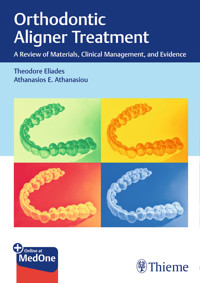
For almost 20 years, clear aligners have seen growing popularity in addressing patients' demands for orthodontic treatment that is also discreet and esthetically inconspicuous. Especially for the adult patient, these almost invisible systems are in considerable demand.
Supported by solid clinical evidence, this new work introduces and discusses all the presently available thermoplastically formed products that apply a predetermined strain to the teeth and jaw, with the goal of correcting malpositioned teeth, while also being esthetically acceptable for the patient.
Key Features:
- More than a dozen contributions by top international experts
- Includes the most recent guidelines on clinical management with aligners
- Scientific approach presents evidence from material properties research, forces generated with aligners, and treatment outcome assessments
- Valuable information on changes in oral microbiota, potential side effects, biocompatibility, and more
Orthodontic Aligner Treatment will be welcomed by all orthodontic specialists, as well as graduate students, researchers, and clinical faculty in the field.
This book includes complimentary access to a digital copy on https://medone.thieme.com.
Das E-Book können Sie in Legimi-Apps oder einer beliebigen App lesen, die das folgende Format unterstützen:
Seitenzahl: 398
Veröffentlichungsjahr: 2020
Ähnliche


















Orthodontic Aligner Treatment
A Review of Materials, Clinical Management, and Evidence
Theodore Eliades, DDS, MS, Dr Med Sci, PhD, DSc, FIMMM, FRSC, FInstPProfessor and DirectorClinic of Orthodontics and Pediatric Dentistry;Director of Research and Interim Director, Institute of Oral BiologyCenter of Dental Medicine, Faculty of MedicineUniversity of ZurichZurich, Switzerland
Athanasios E. Athanasiou, DDS, MSD, Dr DentExecutive Dean and Professor of OrthodonticsDepartment of DentistrySchool of MedicineEuropean University CyprusNicosia, Cyprus;Honorary Professor of OrthodonticsHamdan Bin Mohammed College of Dental MedicineMohammed Bin Rashid University of Medicine and Health SciencesDubai, United Arab Emirates
239 illustrations
ThiemeStuttgart • New York • Delhi • Rio de Janeiro
Library of Congress Cataloging-in-Publication Data is available from the publisher
© 2021. Thieme. All rights reserved.
Georg Thieme Verlag KGRüdigerstrasse 14, 70469 Stuttgart, Germany+49 [0]711 8931 421, [email protected]
Thieme Publishers New York333 Seventh Avenue, New York, NY 10001 USA+1 800 782 3488, [email protected]
Thieme Publishers DelhiA-12, Second Floor, Sector-2, Noida-201301Uttar Pradesh, India+91 120 45 566 00, [email protected]
Thieme Publishers Rio, Thieme Publicações Ltda.Edifício Rodolpho de Paoli, 25º andarAv. Nilo Peçanha, 50 - Sala 2508Rio de Janeiro 20020-906 Brasil+55 21 3172 2297 / +55 21 3172 1896
Cover design: Thieme Publishing GroupCover illustration: Guido PedroliTypesetting by DiTech Process Solutions, India
Printed in Germany by CPI Books 5 4 3 2 1
ISBN 978-3-13-241148-7
Also available as an e-book:eISBN 978-3-13-241149-4
Important note: Medicine is an ever-changing science undergoing continual development. Research and clinical experience are continually expanding our knowledge, in particular our knowledge of proper treatment and drug therapy. Insofar as this book mentions any dosage or application, readers may rest assured that the authors, editors, and publishers have made every effort to ensure that such references are in accordance with the state of knowledge at the time of production of the book.
Nevertheless, this does not involve, imply, or express any guarantee or responsibility on the part of the publishers in respect to any dosage instructions and forms of applications stated in the book. Every user is requested to examine carefully the manufacturers’ leaflets accompanying each drug and to check, if necessary, in consultation with a physician or specialist, whether the dosage schedules mentioned therein or the contraindications stated by the manufacturers differ from the statements made in the present book. Such examination is particularly important with drugs that are either rarely used or have been newly released on the market. Every dosage schedule or every form of application used is entirely at the user’s own risk and responsibility. The authors and publishers request every user to report to the publishers any discrepancies or inaccuracies noticed. If errors in this work are found after publication, errata will be posted at www.thieme.com on the product description page.
Some of the product names, patents, and registered designs referred to in this book are in fact registered trademarks or proprietary names even though specific reference to this fact is not always made in the text. Therefore, the appearance of a name without designation as proprietary is not to be construed as a representation by the publisher that it is in the public domain.
This book, including all parts thereof, is legally protected by copyright. Any use, exploitation, or commercialization outside the narrow limits set by copyright legislation without the publisher’s consent is illegal and liable to prosecution. This applies in particular to photostat reproduction, copying, mimeographing or duplication of any kind, translating, preparation of microfilms, and electronic data processing and storage.
Contents
Foreword
Preface
Contributors
Section I Introduction: Types and Material Properties
1 Aligner Treatment: An Overview
Lauren Teske†, T. Gerard Bradley, and Sarandeep S. Huja
1.1 Introduction
1.2 Esthetic Treatment Demands
1.3 Clear Aligner Therapy
1.4 Orthodontic Tooth Movement with Clear Aligners
1.5 Material Properties of Clear Aligners
1.6 Conclusion
References
2 Material Properties of Aligners
Iosif Sifakakis, Spiros Zinelis, and Theodore Eliades
2.1 Introduction
2.2 Chemical Composition
2.3 Material Properties
2.3.1 Mechanical Properties
2.3.2 Water Absorption
2.3.3 Transparency
References
Section II Clinical Management
3 Early Treatment in Preteens and Teenagers Using Aligners
Eugene K. Chan and M. Ali Darendelile
3.1 Introduction
3.2 Fixed Expansion
3.3 Removable Anterior Bite Plate Appliance
3.4 Removable Posterior Bite Plate Appliance
3.5 Functional Appliance
3.6 Invisalign First
3.7 Invisalign Treatment with Mandibular Advancement
3.7.1 Mandibular Advancement with Precision Wings and Aligners
3.7.2 Mandibular Advancement with Magnet-Activated Aligners
3.8 Treatment in Early Mixed Dentition
3.9 Treatment in Late Mixed Dentition
3.10 Treatment in Permanent Dentition in Young Adolescents
3.11 Conclusion
References
4 Teen Treatments with Aligners
Phil Scheurer
4.1 System Check
4.2 Treatment Strategies
4.2.1 Class II Malocclusion Treatment
4.2.2 Class III Malocclusion Treatment
4.3 Space Management
4.3.1 Spacing (Excess of Space)
4.3.2 Lack of Space
4.4 Vertical Problems
4.4.1 Open Bite
4.4.2 Deep Bite
4.5 Dislocated Impacted Canines
4.6 Interdisciplinary Treatments
4.6.1 Auxiliaries
4.6.2 Elastics
4.6.3 TADs
4.6.4 Power Arms/Lever Arms
4.6.5 Braces, Sectionals
4.7 Retention
5 Routine Mechanics and Aligners (Extraction/Nonextraction)
Eugene K. Chan and M. Ali Darendeliler
5.1 Introduction
5.2 Initial Appointments and Informed Consent
5.3 Nonextraction Plans (Class I, II, and III Malocclusions)
5.3.1 Class I Malocclusion Considerations
5.3.2 Class II Malocclusion Considerations
5.3.3 Class III Malocclusion Considerations
5.4 Extraction Plans (Extraction Plans, Anchorage Control, Compensatory Movements)
5.4.1 Considerations in Extraction Plans
5.4.2 ClinCheck and Treatment Planning
5.4.3 Planning and Execution
5.4.4 Shape-Driven Orthodontics
5.4.5 Compensatory Movements
5.4.6 Attachment Designs
5.4.7 Class I Malocclusion Considerations
5.4.8 Class II Malocclusion Considerations
5.4.9 Class III Malocclusion Considerations
5.5 Conclusion
References
6 Precautions with Aligner Treatment
Tony Weir, Haylea Louise Blundell, Raj Gaddam, and Amesha Maree
6.1 Special Care with Aligner Therapy
6.2 Conclusion
References
Appendices (Aligner Efficiency in Individual Tooth Movements)
Appendix A: Alignment
Appendix B: Labiolingual Inclination: Tipping
Appendix C: Labiolingual Inclination: Torque
Appendix D: Transverse Plane
Appendix E: Vertical Plane: Intrusion
Appendix F: Vertical Plane: Extrusion
Appendix G: Rotations
7 Clear Plastic Appliances as Retainers
Simon J. Littlewood
7.1 Introduction
7.2 Historical Background to Clear Plastic Retainers
7.3 Worldwide Use of Clear Plastic Retainers
7.4 Types of Materials and Methods of Production
7.5 Polyethylene and Polypropylene Retainers
7.6 Polyurethane Retainers
7.7 Multilayer Clear Plastic Retainers
7.8 Thickness of Retainers
7.9 Production of Retainers
7.10 Design of Clear Plastic Retainers
7.11 How Often to Wear Clear Plastic Retainers?
7.12 Indications for Use
7.13 Clear Plastic Retainers: An Evidence-Based Approach
7.14 Clear Plastic Retainers versus Hawley Retainers
7.15 Clear Plastic Retainers versus Begg Retainers
7.16 Clear Plastic Retainers versus Bonded (Fixed) Retainers
7.17 Clear Plastic Retainers: Full Coverage versus Modified Clear Plastic Retainers
7.18 Safety and Clear Plastic Retainers
7.19 Longevity of Clear Plastic Retainers
7.20 Compliance with Clear Plastic Retainers
7.21 The Future
References
8 Digital Workflow in Aligner Therapy
Marc Schätzle and Raphael Patcas
8.1 Introduction
8.2 Dental Records
8.3 Data Acquisition
8.4 Diagnostics
8.5 Planning
8.6 Outcome Simulation
8.7 Designing Aligners and Management Portals
8.8 Manufacturing Aligners
References
Section III Evidence
9 Outcome Assessment and Evidence on the Clinical Performance of Orthodontic Aligners
Spyridon N. Papageorgiou and Theodore Eliades
9.1 Background
9.2 Appraisal of Evidence from Existing Clinical Studies
9.3 Characteristics of Existing Clinical Studies Comparing Aligners to Fixed Appliances
9.4 Treatment Efficacy in Terms of Occlusal Outcome
9.5 Treatment Efficiency in Terms of Duration and Adverse Effects
9.6 Strength of Current Recommendations and Threats to Their Validity
9.7 Conclusion
References
10 Forces and Moments Generated by Aligner-Type Appliances for Orthodontic Tooth Movement
Anna Iliadi, Despina Koletsi, and Theodore Eliades
10.1 Introduction
10.2 Existing Evidence
10.2.1 Aligner Thickness
10.2.2 Type of Tooth Movement
10.2.3 Aligner Material
10.2.4 Internal Validity of the Existing Evidence
10.3 Conclusion
References
11 Aligners and the Oral Microbiome
William Papaioannou, Iosif Sifakakis, Dimitrios Kloukos, and Theodore Eliades
11.1 Introduction
11.2 Oral Hygiene during Orthodontic Treatment
11.3 Effect of Orthodontic Treatment on the Oral Microbiome
11.4 Cariogenic Bacteria
11.5 Periodontopathic Bacteria
11.6 Conclusion
References
12 Intraoral Aging and Changes on Aligner Mechanical Properties
Spiros Zinelis, T. Gerard Bradley, and Theodore Eliades
12.1 Introduction
12.2 Mechanical Properties after In Vivo Aging
12.3 Hardness
12.4 Elastic Modulus
12.5 Tensile Strength
12.6 Creep–Relaxation
12.7 Mechanisms of Degradations of Mechanical Properties
References
13 Color Changes of Aligners and Thermoplastic Retainers during Intraoral Service
Anastasios A. Zafeiriadis, Athanasios E. Athanasiou, and Theodore Eliades
13.1 Introduction
13.2 Mechanisms of Discoloration of Aligners and Thermoplastic Retainers
13.3 Other Phenomena Influencing Color of Aligners and Thermoplastic Retainers
13.5 Conclusion
References
13.4 Research on Discoloration of Aligners and Thermoplastic Retainers
13.4.1 In Vitro Studies
13.4.2 In Vivo Studies
14 Biological Properties of Aligners
Shaima Rashid Al Naqbi, Harris Pratsinis, Dimitris Kletsas, Athanasios E. Athanasiou, and Theodore Eliades
14.1 Introduction
14.2 Plastic Toxicity
14.2.1 General Aspects
14.2.2 Dental Environment
14.2.3 Orthodontic Materials
14.2.4 Invisalign
References
15 Aligner Treatment from the Patient Perspective
Eleftherios G. Kaklamanos, Theodore Eliades, and Athanasios E. Athanasiou
15.1 Introduction
15.2 Oral Health-Related Quality of Life
15.3 Assessment of Health and Oral Health-Related Quality of Life
15.4 Oral Health-Related Quality of Life and Malocclusion
15.5 Oral Health-Related Quality of Life and Clear Aligner Treatment
15.6 Pain Experience
15.7 Satisfaction with Treatment
15.8 Conclusion
References
Index
Foreword
Over time, changes in the armamentarium of orthodontics are “invented” and offered up to the profession. Some of these changes are described as new and improved; some are also termed “game changers” and are broadly disseminated and widely advertised in that tone. However, many of these changes in the appliances and strategies of orthodontics are not new at all, they do not produce a significant improvement that can be demonstrated, and most of these advancements do not endure. On the other hand, some changes do improve our knowledge and patient care, and they result in an important, obvious, and enduring change. For example, one of the last big changes that has occurred in orthodontics was confirmed by the disappearance of the dark room; everyone had one and now they are being repurposed or disappearing from the typical office design. Of course, this affect was produced by the real change—improvements in patient imaging.
This book highlights another invention that has and is changing orthodontics, and that is well appreciated by all of orthodontics: treatment with a series of plastic aligners. This development is not new at all in that it was first discussed by Kesling in the 1940s. He suggested that a series of removable rubber-like “positioners” could be used to treat a malocclusion to a planned result. Perhaps, due to patient or practitioner resistance, his efforts did not produce the desired change in orthodontics, but his ideas continued. Fast forward in time, through inquiry to refinement by the likes of Sheridan, Hilliard, Nahoum, Ponitz, McNamara, Rinchuse, Boyd, and many others, include developments in materials (importantly thermoforming plastics), technical advancements in computer hardware and software notably intraoral scanners and computer-aided design/computer-aided manufacturing (CAD/CAM), and the bedrock for a significant change in orthodontic treatment had been laid.
So, as the century turned, Chishti and Wirth (former orthodontic patients) began the planning and development of a new and clear aligner approach and in 2000 started marketing the Invisalign System. Through a computerized model, a plan was constructed that intended to move teeth from the initial malocclusion to the desired result via a series of clear aligners. But, because this approach was clearly different from traditional orthodontic approaches, practitioners resisted aligner treatment at first. Likewise, educational institutions did not hasten to teach this new technique; in some schools, it was banned. Practitioners who did adopt the technique and presented their experiences were severely criticized. Also, academics that performed research on the approach were sometimes ostracized.
So, now two decades later, one could ask “Where are we now?” First of all, there are many more companies that offer aligners. Most schools teach the technique, many practitioners have incorporated the technique in their practices, and individuals who have knowledge and experience with aligners are popular speakers and teachers. But, best of all, the public is very interested and they seek it out in this form of orthodontic treatment.
At this point, one can conclude that aligner treatments are here to stay and will continue to be of interest to all of orthodontics as the technique continues to improve and mature. Better information regarding aligner treatment will continue to increase through proper research and via presentations, journals, and textbooks.
So, what’s the next big advancement? To that inquiry, I would argue that this book answers the question; it is the next advancement. Sure, there are already some books on aligner treatment, but for the most part those books are “How To” books; few, if any, describe aligner treatment as does this book. In this book, the topic at hand is discussed on the basis of experience and evidence, and that is its strength.
The book itself is logically separated into chapters that address the main topics of the subject, and the authors represent a global perspective and in many ways demonstrate their area of inquiry and depth of experience and expertise. The authors are knowledgeable, honest, and accurate, and it is clear that they respect the scientific perspective.
The chapter topics are important and cover the subject as it is known and appreciated at the present time. They address the benefits and drawbacks of aligner treatment, the materials involved, case selection, limitations by age and type of malocclusion, and patient reaction to the treatment. But there is much more—as you will find out.
Clinicians must have an understanding of biomechanics, materials, biology, periodontal response, occlusion, etc., to properly use this treatment. And, as always is the case, the practitioner’s ability to formulate a high-quality diagnosis and treatment plan is paramount. But, if clinicians do possess these characteristics when using aligners, orthodontic knowledge increases, treatment improves, and patients are better served.
What’s next? Sooner rather than eventually the teeth will be scanned in the orthodontist’s office, digital tooth movement planning will be accomplished in the orthodontist’s office, and the necessary aligners will be printed in the orthodontist’s office. Many practitioners are not far from this now. We will all notice these things are occurring as time goes on. But, like the disappearance of the dark room, we may notice something ancillary as well—like the disappearance of alginate or a constriction in many companies that manufacture aligners.
The cost of this book and the time necessary to read it will be an excellent investment in terms of increasing your knowledge, ability, skills, and service to others. Pay attention to this book; you will not regret it.
Rolf G. Behrents, DDS, MS, PhD, Phd (Hon)Professor EmeritusGraduate Orthodontic ProgramCenter for Advanced Dental EducationSaint Louis UniversitySaint Louis, Missouri, USA;Editor-in-Chief, The American Journal of Orthodontics and Dentofacial OrthopedicsEditor-in-Chief, AJO-DO Clinical Companion
Preface
With the expansion of adult orthodontic treatment in the 1980s, the use of minimally visible appliances became a high priority, which could not be satisfied by ceramic or plastic brackets. The need to develop clear or “invisible” orthodontic appliances led to the development of removable, thermoplastically formed appliances which apply forces to teeth based on a predetermined strain. As result of this development, new treatment philosophy and technique of the clear aligner was introduced, stretching the functional ability of these appliances to their limits by incorporating more treatment types in managing different malocclusions of various age groups.
The initial systems featured a case planning and execution of a planned series of orthodontic tooth movements outside the control of the clinician. This made the orthodontic community skeptical about the generalized, large-scale application of these systems to routine practices but, on the other hand, boosted the treatment provided by nonspecialist practitioners. With the commercial patents expiring, the systems made available by different companies to clinicians expanded and a wide spectrum of aligner types are currently available, with some allowing for an in-office management of treatment planning and aligner fabrication.
The attractiveness of aligners to the esthetically conscious adult and adolescent patients expanded their use. As a result, orthodontic postgraduate programs gradually incorporated these systems in their curricula to cover a gap of training for the graduating specialists who previously had to rely largely on the educational material and instructions of dental industry to cover their needs on this technique. This, in turn, initiated the need to depart from the previously followed substantiation of treatment through a series of case presentations, anecdotal evidence, expert opinions, and other low-quality scientific evidence and include robust data analysis from designed studies on the topics of outcome assessment, undesirable effects, and other parameters of treatment such as duration, oral microbiota changes, and forces generated by aligners.
There is a discrepancy between the advanced, rapid pace of developments in the field of clear aligner orthodontic therapy and the status of relevant scientific documentation and evidence. The book reviews the subject from clinical, technical, materials, and treatment outcome perspectives, emphasizing on the principles and evidence of aligner treatment. It also includes a clinical manual, case presentations, and tips on various applications of aligner treatment in adolescents and adults to be used by the reader. As such, it serves as a reference source of the aligner technique with many different systems. It also includes the most recent guidelines on clinical management with aligners and presents the evidence in a variety of fields. This extends from material properties, to assessment of treatment outcome, to forces generated with aligners. This book also provides a detailed list of case planning with aligner systems for a wide spectrum of malocclusions.
Theodore Eliades, DDS, MS, Dr Med Sci,PhD, DSc, FIMMM, FRSC, FInstPAthanasios E. Athanasiou, DDS, MSD, Dr Dent
Contributors
Shaima Rashid Al Naqbi, DDS, MSc (Ortho)Orthodontic SpecialistFujairah Specialized Dental CenterMinistry of Health and PreventionFujairah, United Arab Emirates
Athanasios E. Athanasiou, DDS, MSD, Dr DentExecutive Dean and Professor of OrthodonticsDepartment of DentistrySchool of MedicineEuropean University CyprusNicosia, Cyprus;Honorary Professor of OrthodonticsHamdan Bin Mohammed College of Dental MedicineMohammed Bin Rashid University of Medicine and Health SciencesDubai, United Arab Emirates
Haylea Louise Blundell, BHsc (Dent), M DentOrthodontic ResidentSchool of DentistryUniversity of QueenslandBrisbane, Queensland, Australia
T. Gerard Bradley, BDS, MS, Dr Med DentProfessor of Orthodontics and DeanSchool of DentistryHealth Sciences CenterUniversity of LouisvilleLouisville, Kentucky, USA
Eugene Chan, BDS, MDsc (Ortho), MOrth RCSEd, MRACDS, PhDHonorary AssociateDepartment of OrthodonticsSydney Dental HospitalUniversity of SydneySydney, New South Wales, Australia
Ali M. Darendeliler, BDS, PhD, Dip Orth, Certif Ortho, Priv Doc, MRACDS (Ortho), FICDProfessor and ChairDiscipline of OrthodonticsFaculty of DentistryUniversity of Sydney;HeadDepartment of OrthodonticsSydney Dental HospitalUniversity of SydneySydney, New South Wales, Australia
Theodore Eliades, DDS, MS, Dr Med Sci, PhD, DSc, FIMMM, FRSC, FInstPProfessor and DirectorClinic of Orthodontics and Pediatric Dentistry;Director of Research and Interim Director, Institute of Oral BiologyCenter of Dental Medicine, Faculty of MedicineUniversity of ZurichZurich, Switzerland
Raj Gaddam, BDSOrthodontic ResidentSchool of DentistryUniversity of QueenslandBrisbane, Queensland, Australia
Sarandeep S. Huja, DDS, PhDProfessor of Orthodontics and DeanJames B. Edwards College of Dental MedicineMedical University of South CarolinaCharleston, South Carolina, USA
Anna Iliadi, DDS, MSc, Dr Med DentResearch AssociateDepartment of BiomaterialsSchool of DentistryNational and Kapodistrian University of AthensAthens, Greece
Eleftherios G. Kaklamanos, DDS, Cert, MSc (Ortho), MA, Dr DentAssociate ProfessorDepartment of OrthodonticsHamdan Bin Mohammed College of Dental MedicineMohammed Bin Rashid University of Medicine and Health SciencesDubai, United Arab Emirates
Dimitris Kletsas, PhDResearch DirectorDirector of the Institute of Biosciences and ApplicationsNational Center of Scientific Research “Demokritos”Athens, Greece
Dimitrios Kloukos, DDS, Dr Med Dent, MAS Ortho, MSc LSHTMSenior Lecturer/Research AssociateDepartment of Orthodontics and Dentofacial OrthopedicsCenter of Dental MedicineFaculty of MedicineUniversity of BernBern, Switzerland
Despina Koletsi, DDS, MSc, Dr Med Dent, MSc DLSHTMResearch Associate and Clinical InstructorDepartment of OrthodonticsSchool of DentistryNational and Kapodistrian University of AthensAthens, Greece;Visiting ScientistClinic of Orthodontics and Pediatric DentistryCenter of Dental MedicineUniversity of ZurichZurich, Switzerland
Simon J. Littlewood, BDS, FDSRCPS, MDSc, MOrthRCSEd, FDSRCSEngConsultant OrthodontistSt. Luke’s HospitalBradford, UK
Amesha Maree, BDSOrthodontic ResidentSchool of DentistryUniversity of QueenslandBrisbane, Queensland, Australia
Spyridon N. Papageorgiou, DDS, Dr Med DentSenior Teaching and Research AssistantClinic of Orthodontics and Pediatric DentistryCenter of Dental MedicineUniversity of ZurichZurich, Switzerland
William Papaioannou, DDS, MScD, PhDAssociate ProfessorDepartment of Preventive and Community DentistrySchool of DentistryNational and Kapodistrian University of AthensAthens, Greece
Raphael Patcas, Dr Med Dent, Priv Doc, PhDHead of Academic UnitClinic of Orthodontics and Pediatric DentistryCenter of Dental MedicineUniversity of ZurichZurich, Switzerland
Harris Pratsinis, PhDSenior ResearcherInstitute of Biosciences and ApplicationsNational Center of Scientific Research “Demokritos”Athens, Greece
Marc Schätzle, Dr Med Dent, Odont Dr, MOrtho RCSEdSenior Research ScientistClinic of Orthodonitcs and Pediatric DentistryCenter of Dental MedicineUniversity of ZurichZurich, Switzerland
Phil Scheurer, Dr Med DentSpecialist in OrthodonticsPrivate PracticeFribourg, Switzerland
Iosif Sifakakis, DDS, MSc, Dr DentAssistant ProfessorDepartment of OrthodonticsSchool of DentistryNational and Kapodistrian University of AthensAthens, Greece
Lauren Teske†, BS, DDS, MSOrthodontic SpecialistGreen Bay, Wisconsin, USA
Tony Weir, BDSc, MDS (Ortho)Honorary Clinical Senior LecturerDepartment of OrthodonticsSchool of DentistryUniversity of AdelaideAdelaide, South Australia, Australia
Anastasios A. Zafeiriadis, DDS, MSc, Dr DentResearch AssociateDepartment of OrthodonticsFaculty of DentistrySchool of Health SciencesAristotle University of ThessalonikiThessaloniki, Greece
Spiros Zinelis, PhDAssociate ProfessorDepartment of BiomaterialsSchool of DentistryNational and Kapodistrian University of AthensAthens, Greece
Section I
Introduction: Types and Material Properties
1 Aligner Treatment: An Overview
2 Material Properties of Aligners
1 Aligner Treatment: An Overview*
Lauren Teske†, T. Gerard Bradley, and Sarandeep S. Huja
Summary
For almost 20 years, clear aligners have been used with growing popularity in addressing with success patients’ demands for esthetic orthodontic treatment. Many companies all over the world have developed methods of fabricating custom-made clear aligners designed to gradually and sequentially move teeth to their desired positions. Treatment efficacy with clear aligners has been reported to be good but further investigation of the various aspects of this kind of orthodontic treatment modality is needed for scientific evidence and further clinical improvement. This chapter presents an overview of the patients’ esthetic treatment demands, which led to the popularity of this modality of orthodontic therapy, as well as important aspects of the clear aligner method, the orthodontic tooth movement with clear aligners, and the material properties of clear aligners. Clear aligner material efficiency and effectiveness should continue to be studied, as a better understanding of the material properties and treatment outcomes could lead to better sequencing of tooth movement and more efficient treatment.
Keywords: orthodontic aligners, orthodontic treatment, malocclusion, patients’ esthetic treatment demands, orthodontic tooth movement, clear aligners material properties
1.1 Introduction
Patients’ demands for esthetic orthodontic treatments have grown to include esthetic appliances, such as ceramic brackets, lingual orthodontics, and clear aligner therapy.1,2,3 If patients’ orthodontic treatment motivations are esthetically driven, they may prefer a more attractive appliance as well. More Invisalign patients reported seeking treatment to improve their appearance (85 vs. 67% for fixed appliance patients), whereas more fixed appliance patients reported seeking treatment because their dentist referred them (26 vs. 3% for Invisalign patients).4
Companies including Align Technology (Santa Clara, California, United States), Allesee Orthodontic Appliances (Sturtevant, Wisconsin, United States), and Smile Direct (Nashville, Tennessee, United States) have developed a method of fabricating custom-made clear aligners designed to gradually and sequentially move teeth to their desired positions.5 The short-term chemical and physical changes, as well as the structural conformation and leaching before and after use, have been previously studied on Invisalign (Align Technology).6,7,8 Invisalign changed in 2013 the material that was used in making their aligners to SmartTrack aligner material, which continues to be a polyurethane-based material but has been claimed to have increased elasticity and a more precise fit.9 To date, no studies have investigated the mechanical properties of the clear aligners manufactured by Allesee Orthodontic Appliances, including Simpli5 and Red, White and Blue, or that of Smile Direct. The latter is a relatively recent entry to the market place with no evidence in the scientific literature to verify its claims of efficacy and efficiency in treatment.
Treatment efficacy with clear aligners has been reported to be 41 to 59%, but further investigation in material behavior is needed for improvement.10–12 The force delivery properties of aligners are influenced by both the direction of displacement and the stiffness of the material used.13,14 A more recent study has found that the orthodontic force produced by a thermoplastic material is strongly correlated with its hardness and elastic modulus. Therefore, any significant differences in the properties of clear aligners may have an impact on what aligner system the practitioner chooses to use.15 Material properties may even affect the treatment outcome, as it was found that patients wearing a harder aligner material for a 2-week activation time showed the best results in all measurements of occlusal and alignment improvement, although the difference was not statistically significant.16
It is also important to determine if the material’s properties change after use, as biofilm modification and oral environmental conditions may have effects on the hardness and viscoelasticity of the material.17 Previous studies have detected changes in the Invisalign material after use, including increased hardness, decreased mechanical properties, abraded cusp tips, integument adsorption, biofilm calcification, microcracks, delamination, and loss of transparency.6,7,8
*This chapter is dedicated to the memory of Dr. Lauren Teske, a colleague, mother, and friend.
1.2 Esthetic Treatment Demands
Patients’ demands for esthetic orthodontic treatment have grown to include any type of esthetic appliances which are minimally visible.1,2,3 The appearance of orthodontic appliances plays a significant role in patients’ decisions to receive orthodontic treatment. A survey found that 33% of young adults would be unwilling to wear visible braces if needed.18 Another study noted that while traditional metal brackets were found to be esthetically acceptable to only 55% of adults, clear aligners were acceptable to over 90%.1 Furthermore, they showed no difference in acceptability ratings when considering the appliances for their own treatment or for their children’s treatment, and they were willing to pay more for appliances they deemed more esthetic. Clear aligner preference extends to adolescents as well, as surveyed 15- to 17-year-olds rated clear aligners most acceptable and attractive over ceramic, self-ligating, traditional, and shaped brackets.19
As more adults are seeking orthodontic treatment, esthetic improvements of appliances may be a major factor in the increase of acceptability of orthodontic treatment in this group of patients. Perceived personal characteristics of adults may be influenced by their dental appearance and orthodontic appliance design: greater perceived intellectual ability was associated with the appearance of no appliance or aligner appliances compared to steel or ceramic appliances.3 This could likely influence the patient’s orthodontic appliance choice. If their treatment motivation is esthetically driven, they may prefer a more esthetic appliance as well.
1.3 Clear Aligner Therapy
Companies including Align Technology and Allesee Orthodontic Appliances have developed a method of fabricating custom-made clear aligners designed to gradually and sequentially move teeth to their desired positions (▶Fig. 1.1).5 The short-term chemical and physical changes, as well as the structural conformation and leaching before and after use have been previously studied on Invisalign (Align Technology).6,7 However, Invisalign has recently changed the material that was used in making the aligners to Smart-Track aligner material, which continues to be a polyurethane-based material.9 Align Technology states that the SmartTrack material delivers a lower initial insertion force for improved patient comfort, while maintaining more constant force over the 2-week wear. Additionally, it is claimed to have higher elasticity and a more precise fit. This is beneficial in that it improves tracking and control of tooth movements.20 No studies to date have investigated the mechanical properties of the clear aligners manufactured by Allesee Orthodontic Appliances, including Simpli5 and Red, White and Blue. Both systems use the company’s highly esthetic proprietary material and are designed to treat minor to intermediate anterior misalignment, only differing in the number of aligners the patient has to wear to correct the misalignment.21
The aligner manufacturing process differs for the two companies. Align Technology uses stereolithography technology to create plastic resin models from photoactivated polymer.5 The patient’s polyvinyl siloxane (PVS) impressions are scanned and converted into three-dimensional electronic models, where the teeth are electronically separated and moved by a technician. Alternatively, the models can be fabricated directly from the patient’s intraoral scan.22 Each stage of treatment is converted into a physical model with a stereolithography apparatus, and an automated aligner system heats, forms, and laser-marks sheet plastic over each model.5 Ridges from the model formed by stereolithography can be seen in the finished aligner material, and the tray is scalloped along the gingival margin (▶Fig. 1.2). Conversely, Allesee Orthodontic Appliances fabricates their aligners from stone models where the individual teeth are manually sectioned by lab technicians and repositioned with wax.23,24 The finished product is highly transparent with a straight-line finish instead of scalloping the gingival margins (▶Fig. 1.2). Each system produces clear aligners from the models, each corresponding to a 2- to 3-week interval of treatment. Progressive alignment of 0.25 to 0.5 mm is designed into each aligner.25 Aligner systems including ClearSmile and Raintree Essix allow more displacement in each aligner (0.5–1 mm) compared to the Invisalign system (0.25–0.33 mm).25,26
Fig. 1.1 (a) Unused Invisalign and (b) Simpli5 mandibular aligners.
Benefits of clear aligner therapy include esthetics, comfort, oral hygiene improvement, and reduced chair time.27 Adult Invisalign patients have reported less pain and fewer negative impacts on their lives than those with fixed appliances.4,28 Those with fixed appliances took more pain medication during the first week of orthodontic treatment than the Invisalign patients.4 Adolescents also have positive attitude to aligners. The vast majority did not limit foods, avoid communication, or feel self-conscious while wearing the aligners.29 After 3 months, 70% had seldom or never experienced discomfort, and 80% had seldom or never used pain relievers. As treatment progressed, the patients reported even less discomfort.29 In addition to improved comfort, clear aligners also show favorable consequences for periodontal health compared to fixed appliance treatment.30 After 24 months, teenagers using Invisalign Teen aligners had the plaque index decreased by 15.1% in the maxilla and 16.6% in the mandible.29
Orthodontic appliances must be selected on the basis of more than appearance, as the appliances must have desirable functional properties and treatment outcomes. A systematic review in 2005 determined that there was not sufficient evidence to adequately evaluate Invisalign treatment effects, and that high-quality clinical evidence was needed.31 Since then, there have been numerous studies that have looked at the efficacy and treatment outcomes of Invisalign treatment. Treatment efficacy with clear aligners has recently been reported to range from 41 to 59%.10,11,12 While the reported treatment efficacy numbers are low, case reports have shown successfully completed moderate to difficult orthodontic malocclusions, including open bite, extraction, and surgical cases.32,33,34,35,36,37 Furthermore, resolving moderately severe anterior crowding can be successfully accomplished with Invisalign.38
Treatment outcomes of Invisalign have been compared to fixed appliances using the objective grading system of the American Board of Orthodontics. Compared to traditional braces, Invisalign lost an average of 13 more points and had a 27% lower passing rate.39 While the strengths of Invisalign included its ability to close spaces and correct anterior rotations and marginal ridge heights, it was deficient in correcting large anteroposterior discrepancies and occlusal contacts.39 Evaluation of dental casts of patients treated with Invisalign and their comparison to patients treated with fixed appliances immediately after end of treatment and 3 years posttreatment concluded that patients treated with Invisalign relapsed more than those treated with fixed appliances, particularly in the maxillary anterior region. Even though the Invisalign group relapsed more, the mean alignment was superior to the fixed appliance group before and after the retention phase.40
Fig. 1.2 Aligner material. (a) Invisalign aligner. Notice the generalized ridges from the stereolithographic manufacturing process, the impression of the attachments on the premolars, and how the aligner is scalloped along the gingival margin. (b) Simpli5 aligner. The material appears more translucent in comparison to Invisalign and the edge is trimmed straight across the gingival margins of the teeth.
1.4 Orthodontic Tooth Movement with Clear Aligners
The type of desired tooth movement influences the efficacy of treatment with clear aligners. When looking at dental improvements, aligners were most successful in improving anterior alignment, transverse relationships, and overbite.16 Aligners were least successful at improving buccal occlusion and only moderately successful at improving midline and overjet.16 One study reports lingual constriction to be the most accurate movement (47.1%) and extrusion to be the least accurate (29.6%).10 Additionally, it was determined that canine rotation accuracy was significantly lower than for other teeth and lingual crown tip was significantly more accurate than labial crown tip. This study was done without auxiliaries in order to provide a baseline value of what can be achieved with aligners alone. A relatively recent study investigated the efficacy of Invisalign aligners in tooth movements deemed difficult with aligners and analyzed the influence of auxiliaries, including attachments and Power Ridges.14 It was found that premolar derotation showed the lowest accuracy (40%), while molar distalization was the most effective movement (87%). No statistically significant difference was found with the use of attachments in the efficiency of premolar derotation or molar distalization. Furthermore, no substantial difference was observed if incisor torque (42% mean accuracy) was supported with a horizontal ellipsoid attachment or a Power Ridge. A very recent systematic review looked at 3 randomized clinical trials and 8 prospective and 11 retrospective studies.41 It concluded that Invisalign aligners is a viable alternative to conventional orthodontic therapy in the correction of mild to moderate malocclusions in nongrowing patients that do not require extraction.41 This technique is good at levelling, tipping, and derotating some teeth, but has limited efficacy in arch expansion through bodily movement, extraction space closure, correction of occlusal contacts, and larger anteroposterior and vertical problems.
Other factors can influence orthodontic tooth movement with clear aligners, such as age, gender, root length, and bone levels. A quadratic (U-shaped) relationship between age and tooth movement was found for women, indicating an increase in tooth movement in younger and older women.11 However, a more linear relationship was found for men, with decreased movement at older ages. This study also found a significant negative correlation between tooth movement and the measurement of the apex to the center of rotation, but bone quality was not correlated with tooth movement.11 This may account for individual differences in treatment efficacy during clear aligner therapy.
As tooth movement with aligners has been distance-based as opposed to force-based with fixed appliances, recent studies have attempted to quantify the force delivery properties of aligners. Initially, it was determined that median force values for intrusion during rotation of an upper central incisor at the low activation range of ±0.17 mm were between 0.0 and −0.8 N, with the highest intrusive force being −5.8 N for a rotation of −0.51 mm.13,14 A few years ago, it has been reported that initial mean moments were 7.3 N mm for maxillary incisor torque, 1.0 N mm for distalization, and 1.2 N mm (without attachments) to 8.8 N mm (with attachments) for premolar rotation.25 While the recent findings suggest that bodily tooth movements and torque can be performed with aligners since they deliver the necessary force systems, the ideal values (0.35–0.6 N for rotation and tipping, and 0.1–0.2 N for intrusion) were exceeded.42
The force delivery properties of aligners are influenced by both the direction of displacement and the stiffness properties of the material used.13,14 At lower activation ranges, different chemical and physical material properties might be responsible for the different force levels. The local deformations of the material and friction at the contact areas may be of relevance.13,14
1.5 Material Properties of Clear Aligners
A better understanding of the material properties could lead to better sequencing of tooth movement and more efficient treatment.43 It has been found that there is great variety in mechanisms among the initial force systems during clear aligner therapy, as an aligner with high initial force may be followed by an aligner with a low force, resulting in tooth movement that is not constant.12 Additionally, as the order of sequential aligners increases, aligner strains relating to force delivery increase.44 A relevant study has found that the orthodontic force produced by a thermoplastic material is strongly correlated with its hardness and elastic modulus; therefore, any significant differences in the properties of clear aligners may have an impact on what aligner system the practitioner chooses to use.15 Material properties may even affect the treatment outcome, since patients wearing a harder aligner material for a 2-week activation time showed the best results in all measurements of occlusal and alignment improvement, although the difference was not statistically significant.16
It is also important to determine if the material’s properties change after use, as biofilm modification and oral environmental conditions may have effects on the hardness and viscoelasticity of the material.17 During the time the aligners are worn, they are exposed to salivary enzymes, byproducts of oral flora, liquids, and trauma caused by swallowing, speech, and bruxism.6 In vitro testing conditions are unable to simulate the intraoral conditions the aligners are exposed to, including plaque accumulation. Therefore, retrieval analysis obtains critical information since it investigates the material in its intended environment.17
Previous studies detected changes in the Invisalign material after use. Differences were found in the surface morphology of aligners after use, including abraded cusp tips, integument adsorption, biofilm calcification, microcracks, delamination, and loss of transparency.7,9 Delamination of the material can lead to loss of mechanical strength of the aligner.6 The loss of transparency may be caused by trauma from chewing and bruxism.6 Additionally, buccal segments showed an increase in hardness and a decrease in mechanical properties, which may be caused by masticatory-induced cold work.7,8
Although polyurethane is biocompatible, it is not an inert material, as it is sensitive to heat, humidity, and salivary enzymes.6 No traceable byproducts were detected after Invisalign aligners were stored in artificial saliva or an ethanol aging solution.6,7 Furthermore, no evidence of cytotoxicity or estrogenicity was found at various concentrations of aligner eluents.45 This could be related to the material’s structure, as it is composed of polyurethane with added methylene diphenyl diisocyanate and 1,6 hexanediol.7 The diphenyl structure provides stability and sufficient reactivity to form a polymer free of byproducts.7 Also, unlike the aromatic rings in bis-GMA, polyurethane has short rigid portions joined by short flexible hinges and long flexible portions.45 However, the in vitro testing conditions may have underestimated the material’s chemical stability.
Past studies have shown that clinical recommendations can be determined from their material study’s results. One study found that as the order of sequential aligners increases, aligner strains relating to force delivery increase. It was concluded that final aligners should be thicker or worn for a longer period of time.44 However, another study determined that thin material (0.508 mm) can deliver higher energy than thick materials (0.762–1.1016 mm), and it, therefore, recommended that thin material be selected to move teeth efficiently.26
Other investigations have found changes in the aligner material after use. In the deflection ranges of optimal force delivery (0.2–0.5 mm), the force delivery properties of aligners were different after repeated load cycling, but were not different after thermocycling.26 Additionally, both thermocycling and load cycling influenced Vickers hardness values. This may be significant because if aligners become hard during use, they may cause discomfort to the patient and induce changes in their force delivery properties. Another study has found that intraoral aging adversely affected the mechanical properties of Invisalign. Contrary to the previous study, used aligners had significantly lower hardness values, with higher elastic index and creep indentation values.8 The decreased hardness indicates a less wear-resistant material, where the increased elastic index implies the material become more brittle.8
While changes in material properties after clinical use have been reported, it has also been found that neither material fatigue nor difference in stiffness plays a significant role in the rate or amount of tooth movement. No significant difference was found in the amount of orthodontic tooth movement between those who wore the same aligner for 2 weeks and those who changed to a new duplicate aligner after 1 week.43 Another study did not find a substantial difference in the treatment completion rate when comparing hard and soft appliances, with completion rates being 32 and 27%, respectively.46 However, neither material was the same as the material used by Align Technology. The hard material used was twice as stiff as the commercial material, while the soft material was one-tenth as stiff.
These differing and sometimes contradicting findings suggest that orthodontic tooth movement with clear aligners needs further study. A better understanding of the clear aligner material properties remains pivotal to this ongoing investigation and could potentially lead to better sequencing of tooth movement and more efficient treatment. However, comparisons between studies may be a challenge, as the material used in future studies may not be the same material used in past studies, since the companies continue to evolve the material and its characteristics.
1.6 Conclusion
Patients’ survey responses are predominately positive, as all were pleased with the esthetics, comfort, and performance of the aligners. The popularity of aligner as an alternative option to conventional fixed appliances as well as increase in aligner options and sales has grown enormously in the past decade. Clear aligner material efficiency and effectiveness should continue to be studied, as a better understanding of the material properties and treatment outcomes could lead to better sequencing of tooth movement and more efficient treatment.
References
[1] Rosvall MD, Fields HW, Ziuchkovski J, Rosenstiel SF, Johnston WM. Attractiveness, acceptability, and value of orthodontic appliances. Am J Orthod Dentofacial Orthop. 2009;135:276e1–276e12
[2] Ziuchkovski JP, Fields HW, Johnston WM, Lindsey DT. Assessment of perceived orthodontic appliance attractiveness. Am J Orthod Dentofacial Orthop. 2008;133(4, Suppl):S68–S78
[3] Jeremiah HG, Bister D, Newton JT. Social perceptions of adults wearing orthodontic appliances: a cross-sectional study. Eur J Orthod. 2011;33(5):476–482
[4] Miller KB, McGorray SP, Womack R, et al. A comparison of treatment impacts between Invisalign aligner and fixed appliance therapy during the first week of treatment. Am J Orthod Dentofacial Orthop. 2007;131(3):302.e1–302.e9
[5] Kuo E, Miller RJ. Automated custom-manufacturing technology in orthodontics. Am J Orthod Dentofacial Orthop. 2003;123(5):578–581
[6] Gracco A, Mazzoli A, Favoni O, et al. Short-term chemical and physical changes in invisalign appliances. Aust Orthod J. 2009;25(1):34–40
[7] Schuster S, Eliades G, Zinelis S, Eliades T, Bradley TG. Structural conformation and leaching from in vitro aged and retrieved zInvisalign appliances. Am J Orthod Dentofacial Orthop. 2004;126(6):725–728
[8] Gerard Bradley T, Teske L, Eliades G, Zinelis S, Eliades T. Do themechanical and chemical properties of InvisalignTM applianceschange after use? A retrieval analysis. Eur J Orthod. 2016;38(1):27–31
[9] Align Technology, Inc. SmartTrack Aligner Material. [Material safety data sheet]. San Jose, CA: Align Technology, Inc.;2012
[10] Kravitz ND, Kusnoto B, BeGole E, Obrez A, Agran B. How well does Invisalign work? A prospective clinical study evaluating the efficacy of tooth movement with Invisalign. Am J Orthod Dentofacial Orthop. 2009;135(1):27–35
[11] Chisari JR, McGorray SP, Nair M, Wheeler TT. Variables affecting orthodontic tooth movement with clear aligners. Am J Orthod Dentofacial Orthop. 2014;145(4, Suppl):S82–S91
[12] Simon M, Keilig L, Schwarze J, Jung BA, Bourauel C. Treatment outcome and efficacy of an aligner technique—regarding incisor torque, premolar derotation and molar distalization. BMC Oral Health. 2014;14:68
[13] Hahn W, Engelke B, Jung K, et al. Initial forces and moments delivered by removable thermoplastic appliances during rotation of an upper central incisor. Angle Orthod. 2010;80(2):239–246
[14] Hahn W, Zapf A, Dathe H, et al. Torquing an upper central incisor with aligners--acting forces and biomechanical principles. Eur J Orthod. 2010;32(6):607–613
[15] Kohda N, Iijima M, Muguruma T, Brantley WA, Ahluwalia KS, Mizoguchi I. Effects of mechanical properties of thermoplastic materials on the initial force of thermoplastic appliances. Angle Orthod. 2013;83(3):476–483
[16] Clements KM, Bollen AM, Huang G, King G, Hujoel P, Ma T. Activation time and material stiffness of sequential removable orthodontic appliances. Part 2: Dental improvements. Am J Orthod Dentofacial Orthop. 2003;124(5):502–508
[17] Eliades T, Bourauel C. Intraoral aging of orthodontic materials: the picture we miss and its clinical relevance. Am J Orthod Dentofacial Orthop. 2005;127(4):403–412
[18] Bergström K, Halling A, Wilde B. Orthodontic care from the patients’ perspective: perceptions of 27-year-olds. Eur J Orthod. 1998;20(3):319–329
[19] Walton DK, Fields HW, Johnston WM, Rosenstiel SF, Firestone AR, Christensen JC. Orthodontic appliance preferences of children and adolescents. Am J Orthod Dentofacial Orthop. 2010;138(6):698.e1–698.e12, discussion 698–699
[20] Align Technology, Inc. SmartTrack Aligner Material. [Brochure]. San Jose, CA: Align Technology, Inc;2013
[21] Allesee Orthodontic Appliances. Aligners. [Brochure]. Sturtevant, WI: Allesee Orthodontic Appliances;n.d
[22] Garino F, Garino B. The iOC intraoral scanner and Invisalign: a new paradigm. J Clin Orthod. 2012;46(2):115–121, quiz 124
[23] McNamara JA, Brudon WL. Orthodontics and Dentofacial Orthopedics. Ann Arbor, MI: Needham Press; 2001:477–479
[24] Kim TW, Echarri P. Clear aligner: an efficient, esthetic, and comfortable option for an adult patient. World J Orthod. 2007;8(1):13–18
[25] Simon M, Keilig L, Schwarze J, Jung BA, Bourauel C. Forces and moments generated by removable thermoplastic aligners: incisor torque, premolar derotation, and molar distalization. Am J Orthod Dentofacial Orthop. 2014;145(6):728–736
[26] Kwon JS, Lee YK, Lim BS, Lim YK. Force delivery properties othermoplastic orthodontic materials. Am J Orthod DentofacialOrthop. 2008;133(2):228–234, quiz 328.e1
[27] Boyd R, Miller RJ, Vlaskalic V. The Invisalign system in adult orthodontics: mild crowding and space closure cases. J Clin Orthod. 2000;34:203–212
[28] Shalish M, Cooper-Kazaz R, Ivgi I, et al. Adult patients’ adjustability to orthodontic appliances. Part I: a comparison between Labial, Lingual, and Invisalign™. Eur J Orthod. 2012;34(6):724–730
[29] Tuncay O, Bowman SJ, Amy B, Nicozisis J. Aligner treatment in the teenage patient. J Clin Orthod. 2013;47(2):115–119, quiz 140
[30] Klukowska M, Bader A, Erbe C, et al. Plaque levels of patients with fixed orthodontic appliances measured by digital plaque image analysis. Am J Orthod Dentofacial Orthop. 2011;139(5):e463–e470
[31] Lagravère MO, Flores-Mir C. The treatment effects of Invisalign orthodontic aligners: a systematic review. J Am Dent Assoc. 2005;136(12):1724–1729
[32] Hönn M, Göz G. A premolar extraction case using the Invisalign system. J Orofac Orthop. 2006;67(5):385–394
[33] Womack WR. Four-premolar extraction treatment with Invisalign. J Clin Orthod. 2006;40(8):493–500
[34] Boyd RL. Surgical-orthodontic treatment of two skeletal Class III patients with Invisalign and fixed appliances. J Clin Orthod. 2005;39(4):245–258
[35] Boyd RL. Esthetic orthodontic treatment using the invisalign appliance for moderate to complex malocclusions. J Dent Educ. 2008;72(8):948–967
[36] Marcuzzi E, Galassini G, Procopio O, Castaldo A, Contardo L. Surgical-Invisalign treatment of a patient with Class III malocclusion and multiple missing teeth. J Clin Orthod. 2010;44(6):377–384
[37] Schupp W, Haubrich J, Neumann I. Treatment of anterior open bite with the Invisalign system. J Clin Orthod. 2010;44(8):501–507
[38] Krieger E, Seiferth J, Marinello I, et al. Invisalign® treatment in the anterior region: were the predicted tooth movements achieved? J Orofac Orthop. 2012;73(5):365–376
[39] Djeu G, Shelton C, Maganzini A. Outcome assessment of Invisalign and traditional orthodontic treatment compared with the American Board of Orthodontics objective grading system. Am J Orthod Dentofacial Orthop. 2005;128(3):292–298, discussion 298
[40] Kuncio D, Maganzini A, Shelton C, Freeman K. Invisalign and traditional orthodontic treatment postretention outcomes compared using the American Board of Orthodontics objective grading system. Angle Orthod. 2007;77(5):864–869
[41] Papadimitriou A, Mousoulea S, Gkantidis N, Kloukos D. Clinical effectiveness of Invisalign® orthodontic treatment: a systematic review. Prog Orthod. 2018;19(1):37
[42] Proffit WR, Fields HW, Sarver DM. Contemporary Orthodontics. St. Louis, MO: Mosby Inc.;2013:286–287
[43]




