


125,99 €
Mehr erfahren.
- Herausgeber: John Wiley & Sons
- Kategorie: Fachliteratur
- Sprache: Englisch
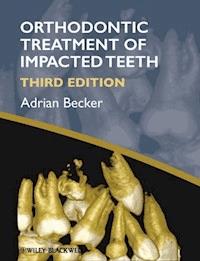
Orthodontic Treatment of Impacted Teeth provides its readers with a gold-standard resource to tackle common, complex and multi-factorial clinical scenarios. Rooted firmly in the scientific reality, it also provides a valuable repository of the evidence-base for this subject area. The third edition of this classic text has been fully revised and updated to reflect the latest advances in research and clinical practice. It discusses recent developments in the periodontal outcome of surgical exposure of impacted teeth, and also incorporates more protocols for routine cases. This enables clinicians to develop their skills in the simpler cases, as well as to improve their understanding of complex and rare presentations. An especially useful chapter looks at failure and impending failure, providing a valuable insight into the real life management of impacted teeth. The author describes how to recognize failure and proposes ways to avoid it, frequently illustrating them with cases from his own clinic. KEY FEATURES * Fully revised and updated classic * Coverage expanded to include protocols for routine, as well as complex cases * Includes new chapter on extreme tooth displacement and complicating factors * Provides unparalleled coverage of the evidence base * Highly illustrated in full colour
Sie lesen das E-Book in den Legimi-Apps auf:
Seitenzahl: 1020
Veröffentlichungsjahr: 2012
Ähnliche


















Table of Contents
Cover
Dedication
Title page
Copyright page
Preface to the First Edition
Preface to the Second Edition
Preface to the Third Edition
1 General Principles Related to the Diagnosis and Treatment of Impacted Teeth
Dental age
Assessing dental age
When is a tooth considered to be impacted?
Impacted teeth and local space loss
Whose problem?
The timing of the surgical intervention
Patient motivation and the orthodontic option
2 Radiographic Methods Related to the Diagnosis of Impacted Teeth
Qualitative radiography
Three-dimensional diagnosis of tooth position
3 Surgical Exposure of Impacted Teeth
Aims of surgery for impacted teeth
Surgical intervention without orthodontic treatment
The surgical elimination of pathology
The principles of the surgical exposure of impacted teeth
Partial and full flap closure on the palatal side
Buccally accessible impacted teeth
A conservative attitude to the dental follicle
Quality-of-life issues following surgical exposure
Cooperation between surgeon and orthodontist
The team approach to attachment bonding
4 Treatment Components and Strategy
Orthodontic treatment duration
The anchor unit
Attachments
Intermediaries
Elastic ties and modules versus auxiliary springs
Temporary anchorage devices (TADs)
Infra-occluded deciduous teeth
Magnets
5 Maxillary Central Incisors
Aetiology
Diagnosis
Treatment timing
Attitudes to treatment
Treatment of impacted central incisors
Prognosis
6 Palatally Impacted Canines
Prevalence
Aetiology
Complications of the untreated impacted canine
Diagnosis
Treatment timing
General principles of mechano-therapy
The need for classification of the palatal canine
A classification of palatally impacted canines
7 Impacted Teeth and Resorption of the Roots of Adjacent Teeth
Prevalence
Aetiology, diagnosis and prevention
Treatment
Evidence-based answers to questions regarding canine-related incisor root resorption
Resorption in relation to vitality of the dental pulp
Invasive cervical root resorption
8 Other Single Teeth
Buccally displaced maxillary canines (BDC)
Mandibular canines
Mandibular second premolars
Maxillary second premolars
Maxillary first molars
Mandibular second molars
Maxillary second molars
Mandibular third molars
Impaction and crown resorption
Infra-occlusion of permanent teeth
9 Impacted Teeth in the Adult Patient
Neglect and disguise
Management
The need for temporary prostheses during the treatment
Supplementary clinical concerns
Tooth transposition and temporary prosthetic replacement
The unerupted third molar as a potential bridge abutment or antagonist for an unopposed tooth
10 Lingual Appliances, Implants and Impacted Teeth
The context of impacted canines vis-à-vis the lingual appliance
Differences in treatment approach engendered by the use of lingual appliances
Canine traction, eruption and alignment
Finishing procedures
Anchorage considerations
Integrating implants with lingual appliances
Case report
11 Rescuing Teeth Impacted in Dentigerous Cysts
Dentigerous cysts
Radicular cysts
Treatment principles
The prognosis of teeth which have been severely displaced by cysts
Integrating spontaneous resolution into a combined treatment regimen
Eyelets and brackets
12 The Anatomy of Failure
Age
Abnormal morphology of the impacted and adjacent teeth
Ankylosis and invasive cervical resorption
Wildly ectopic teeth
Incorrect positional diagnosis
Surgical exposure without prior orthodontic planning
Resorption of the root of an adjacent tooth
Poor anchorage
Inefficient appliances
Expert opinion and second opinions during treatment
13 Traumatic Impaction
Acute traumatic intrusion
Spontaneous re-eruption
Manipulative/surgical repositioning and splinting
Orthodontic reduction
Orthodontic treatment considerations
The indications for the different types of orthodontic appliance
14 Cleidocranial Dysplasia
Clinical features and dental characteristics
Treatment modalities
Dental crowding
Retention of the treated result
The Jerusalem approach in clinical practice
Treatment experience
Patient variation
15 Extreme Impactions, Unusual Phenomena and Difficult Decisions
Case 1: Monster tooth, supernumerary tooth, impacted central incisor and the maxillary midline
Case 2: Bilaterally impacted maxillary canines in a patient suffering with aggressive juvenile periodontitis
Case 3: Labially impacted maxillary canine at the level of the nasal floor
Case 4: Impacted mandibular molars and premolars with over-eruption of the opposing teeth
Case 5: Severe trauma in infancy causing damage to anterior tooth buds
Case 6: Buccal to the lateral incisor and palatal to the central incisor
Index
To my wife Sheila, to our children and grandchildren, and to the memories of our parents and my sister.
This edition first published 2012
© 2012 by Adrian Becker
First published in 1998 by Martin Dunitz and in 2007 by Informa UK Ltd
Wiley-Blackwell is an imprint of John Wiley & Sons, formed by the merger of Wiley’s global Scientific, Technical and Medical business with Blackwell Publishing.
Registered office: John Wiley & Sons, Ltd, The Atrium, Southern Gate, Chichester, West Sussex, PO19 8SQ, UK
Editorial offices: 9600 Garsington Road, Oxford, OX4 2DQ, UK
The Atrium, Southern Gate, Chichester, West Sussex, PO19 8SQ, UK
2121 State Avenue, Ames, Iowa 50014-8300, USA
For details of our global editorial offices, for customer services and for information about how to apply for permission to reuse the copyright material in this book please see our website at www.wiley.com/wiley-blackwell.
The right of the author to be identified as the author of this work has been asserted in accordance with the UK Copyright, Designs and Patents Act 1988.
All rights reserved. No part of this publication may be reproduced, stored in a retrieval system, or transmitted, in any form or by any means, electronic, mechanical, photocopying, recording or otherwise, except as permitted by the UK Copyright, Designs and Patents Act 1988, without the prior permission of the publisher.
Designations used by companies to distinguish their products are often claimed as trademarks. All brand names and product names used in this book are trade names, service marks, trademarks or registered trademarks of their respective owners. The publisher is not associated with any product or vendor mentioned in this book. This publication is designed to provide accurate and authoritative information in regard to the subject matter covered. It is sold on the understanding that the publisher is not engaged in rendering professional services. If professional advice or other expert assistance is required, the services of a competent professional should be sought.
Library of Congress Cataloging-in-Publication Data
Becker, Adrian.
Orthodontic treatment of impacted teeth / Adrian Becker. – 3rd ed.
p. ; cm.
Includes bibliographical references and index.
ISBN-13: 978-1-4443-3675-7 (hard cover : alk. paper)
ISBN-10: 1-4443-3675-4 (hard cover : alk. paper)
ISBN-13: 978-1-4443-5570-3 (epdf)
ISBN-13: 978-1-4443-5571-0 (epub)
ISBN-13: 978-1-4443-5572-7 (mobi)
I. Title.
[DNLM: 1. Tooth, Impacted–surgery. 2. Orthodontics, Corrective–methods. WU 101.5]
LC classification not assigned
617.6'43–dc23
2011034239
A catalogue record for this book is available from the British Library.
Wiley also publishes its books in a variety of electronic formats. Some content that appears in print may not be available in electronic books.
Preface to the First Edition
There can be little question that the treatment of impacted teeth has caught the imagination of many in the dental profession. The challenge has, over the years, been taken up by the general practitioner and by a number of dental specialists, including the paedodontist, the periodontist, the orthodontist and, most of all, the oral and maxillofacial surgeon. Each of these professionals has much ‘input’ to offer in the resolution of the immediate problem and each is able to show some fine results. However, no single individual on this specialist list can completely and successfully treat more than a few of these cases without the assistance of one or more of others of his/her colleagues on that list. Thus, the type of treatment prescribed may depend upon which of these dental specialists sees the patient first and the level of his/her experience with the problem in his/her field. Such treatment may involve surgical exposure and packing, orthodontic space opening, perhaps auto-transplantation, or a surgical dento-alveolar set-down procedure, or even just an abnormally angulated prosthetic crown reconstruction.
Experience has come to show that the orthodontic/surgical modality has the potential to achieve the most satisfactory results in the long term. Despite this, many orthodontists have ignored or abrogated their responsibility towards the subject of impacted teeth to others, accounting for the popularity of other modalities of treatment. The subject has become something of a Cinderella of dentistry.
Within the orthodontic/surgical modality, much room exists for debate as to what should be done first and to what lengths each of the two specialties represented should go in the zealous pursuit of its allotted portion of the procedure. The literature offers scant information and guidance to resolve these issues, leaving the practitioner to fend for him/herself, with a problem that has ramifications in several different specialist realms.
This book discusses the many aspects of impacted teeth, including their prevalence, aetiology, diagnosis, treatment timing, treatment and prognosis. Since these aspects differ between incisors and canines, and between these and the other teeth, a separate chapter is devoted to each. The material presented is based on the findings of clinical research that has been carried out in Jerusalem by a small group of clinicians over the past 15 years or so, at the Hebrew University – Hadassah School of Dental Medicine, founded by the Alpha Omega Fraternity and from the gleanings of clinical experience in the treatment of many hundreds of my patients, young and old.
An overall and recommended approach to the treatment of impacted teeth is presented and emphasis is placed on the periodontal prognosis of the results. Among the many other aspects of this book, the intention has been to propose ideas and principles that may be used to resolve even the most difficult impaction, employing orthodontic auxiliaries of many different types and designs. None of these is specific to any particular orthodontic appliance system or treatment ‘philosophy’, notwithstanding the author’s own personal preferences, which will become obvious from many of the illustrations. These auxiliaries may be used with equal facility in virtually any appliance system with which the reader may be fluent. The only limitation in the use of these ideas and principles are those imposed on the reader by his/her own imagination and willingness to adapt.
The orthodontic manufacturers’ catalogues are replete with the more commonly and routinely used attachments, archwires and auxiliaries, which are offered to the profession with the aim of streamlining the busy practice. These items have not been tailored to the demands of the clinical issues that are raised in this book. These issues, by their very nature, are exceptional, problematic and often unique, while occurring alongside and in addition to the routine. Among the more common limitations self-imposed by many orthodontists has been the disturbing trend to rely so completely upon the use of preformed and pre-welded attachments that they have forgotten the arts of welding and soldering and no longer carry the necessary modest equipment. This then restricts one’s practice to using only what is available and sufficiently commonly used to make it commercially worthwhile for the manufacturer to produce. By consenting to this unhealthy situation, the orthodontist is agreeing to work with ‘one hand tied behind his/her back’ and treatment results with inevitably suffer.
I acknowledge and am grateful for the help given me by several colleagues in the preparation of this book. An excellent professional relationship has been established, and has withstood the test of time, with two senior members of the Department of Oral and Maxillofacial Surgery at Hadassah, with whom a modus operandi has been developed, in the treatment of our patients. Professor Arye Shteyer, Head of the Department, and, subsequently, Professor Joshua Lustmann have educated me in the finer points of surgical procedure and care while, at the same time, have demonstrated a respect and understanding of the needs of the orthodontist at the time of surgery. I am grateful to them for their collaboration in the writing of Chapter 3.
Dr Ilana Brin read the original manuscript and made some useful suggestions, which have been included in the text. I am grateful to Dr Alexander Vardimon for his comments regarding the use of magnets and to Dr Tom Weinberger for the discussions that we have had regarding several issues realised in the book. My wife, Sheila, read the earlier drafts and made many important recommendations and corrections. More than anyone else, she encouraged me to keep writing during the many months when other and more pressing responsibilities could have been used as justifiable excuses for putting the project aside.
My colleagues Dr Monica Barzel, Dr Yocheved ben Bassat, Dr Gabi Engel, Dr Doron Harary, Dr Tom Weinberger and Professor Yerucham Zilberman, and my former graduate students Dr Yossi Abed, Dr Dror Eisenbud, Dr Sylvia Geron, Dr Immanuel Gillis, Dr Raffi Romano and Dr Nir Shpack, have provided me with several of the illustrations included here and I am indebted to them.
I am grateful, too, to Ms Alison Campbell, Commissioning Editor at Martin Dunitz Publishers and to Dr Joanna Battagel, Technical Editor, for their constructive and professional critique of the manuscript, which contributed so much to its ultimate format. I also thank Naomi and Dudley Rogg, of the British Hernia Centre, for the computer and office facilities that they placed at my disposal during my short sabbatical in London in the latter stages of the preparation of the work for publication.
Permission to use illustrations from my own articles that were published in various learned journals was granted by the publishers of those journals or by the owners of the copyright, as follows:
Figure 5.13 was reprinted from Pertz B, Becker A, Chosak A, The repositioning of a traumatically-intruded mature rooted permanent incisor with a removable appliance. J. Pedodont 1982; 6: 343−354, with kind permission of the Journal of Pedodontics Inc.
Figure 5.4 and 5.12 were reprinted from Becker A, Stern N, Zelcer Z, Utilization of a dilacerated incisor tooth as its own space maintainer. J Dent 1976; 4: 263–264, with kind permission from Elsevier Science Ltd, The Boulevard, Langford Lane, Kidlington OX5 1GB, UK.
Figures 9.8−9.14 were reprinted from Becker A, Shteyer, A, Bimstein, E, Lustmann, J, Cleidocranial dysplasia: part 2 − a Treatment Protocol for the Orthodontic and Surgical Modality, Am J Orthod Dentofac Orthop 1997; 111: 173−183, with kind permission of Mosby-Year Book Inc., St Louis, MO, USA.
Figure 6.35 was reprinted from Kornhauser, S, Abed, Y, Harary, D, Becker, A, The resolution of palatally-impacted canines using palatalocclusal force from a buccal auxiliary, Am J Orthod Dentofac Orthop 1996; 110: 528−534, with kind permission of Mosby-Year Book Inc., St Louis, MO, USA.
I am very thankful for their cooperation and for their agreement.
Adrian Becker
Jerusalem
Preface to the Second Edition
In the nine years that have elapsed since the publication of the first edition of this book, much has changed in the field of orthodontics in general and, perhaps even more so, as it relates to the treatment of impacted teeth. The advances in imaging, particularly cone beam computerized tomography, have made accurate positional diagnosis of an impacted tooth virtually foolproof, enabling the application of appropriately directed traction to resolve even the most difficult cases. Temporary orthodontic implants have provided the opportunity to resolve the impaction, in many cases without the need for an orthodontic appliance and before orthopaedic treatment per se is begun. They have opened up a whole new area to exploit for mechanotherapeutic solutions to many of the problems we face.
The first edition was based on the findings of clinical research that was carried out over a long period of time in Jerusalem during the 1980s and 1990s. In much the same way, this second edition documents the findings of ongoing and evidence-based studies carried out by largely the same small group of clinical investigators, since then. Most of these published articles were the product of an excellent working collaboration with Dr Stella Chaushu, a former student of mine and now Senior Lecturer in the Department of Orthodontics. Her industrious and intellectual qualities have contributed to the output of a large number of valuable published studies in just a few short years.
Under the leadership of Professor Refael Zeltser, chairperson of the Department of Oral and Maxillo-facial Surgery at the Hebrew University – Hadassah School of Dental Medicine in Jerusalem, a whole generation of young surgeons has grown up who exhibit the ability to appreciate and value the finer points of cooperation with the orthodontist. Dr Eran Regev and Dr Nardi Casap in Jerusalem, Dr Gavriel Chaushu, the chairperson at the parallel department of the Sourasky Hospital in Tel Aviv, and Dr Harvey Samen in private practice, have worked closely with me in the treatment of our patients. Many of these cases are illustrated in the pages of this book. I derive considerable satisfaction from seeing the surgical expertise learned from and handed down by Professors Arye Shteyer and Joshua Lustmann being practised by these highly professional colleagues, on a day-by-day basis. Their awareness and perception of the significance of their work in determining the long-term outcome have helped me to aim for the highest quality results and the well-being of the patient. They deserve my gratitude.
In the preparation of this book, I have called upon and am grateful for the expertise of a small number of people, who have provided me with authoritative and essential information that has permitted me to make the text more comprehensive and more complete. In particular, I mention Dr James Mah and Dr David Hatcher in California, with regard to cone beam CT imaging and Dr Joe Noar in London, with regard to the use of magnets.
I have given and continue to give courses and lectures on the subject of impacted teeth in many places all over the world which, in the past few years, have been presented in collaboration with Dr Stella Chaushu. It is at these meetings that I come across some of the most interesting and rare material. I am indebted to several individual members of these audiences who frequently approach us during a coffee break, radiograph in hand, with some truly remarkable conditions, several of which have been included in this book, together with appropriate recognition.
My colleagues in the Orthodontic Department in Jerusalem have often become the sounding board for many of the ideas that are presented herein and I am thankful to them for the discussions that we have had. I appreciate their taking the stand of devil’s advocate in these situations, forcing me to justify or to discard. Nevertheless, none of this would ever have been published had I not spent so many years teaching the students on our postgraduate orthodontics specialty course. These future orthodontic standard bearers are privileged to learn from the various individual teaching preferences of mentors who rely on years of experience in practice, particularly when it comes to this bracket or that, this treatment philosophy or that and this orthodontic guru or that. Additionally, they have learned to look for and even demand clinical ideas and treatment policies that have a proven evidence-based, track record to commend them and to justify their use. I know of no other postgraduate orthodontic course, worldwide, in which the subject of impacted teeth is explicitly taught in a comprehensive and integrative manner, including a designated weekly clinical session. It was this more than any other factor which encouraged me to embark on this mammoth task.
The future of our profession and the long-term superior care of the even younger generation of our patients is in the hands of these aspiring orthodontists. I am grateful to them for having, perhaps unwittingly, cajoled me into writing this text. I hope that it will be a source of information for them as they undertake the challenge of some of the more difficult, unconventional and unusual cases that they will inevitably come across in practice and for which they will be expected to find appropriate therapeutic answers.
I wish to thank the following publishers of two articles, as follows:
Several of the illustrations comprising Figure 7.8 were reprinted from the World Journal of Orthodontics. Vol. 5. The Role of Digital Volume Tomography in the Imaging of Impacted Teeth, by Adrian Becker and Stella Chaushu. 2004. with permission from Quintessence Publishing Co, Inc.
Several of the illustrations comprising Figure 11.9 were reprinted from Healthy periodontium with bone and soft tissue regeneration following orthodontic-surgical retrieval of teeth impacted within cysts, by Adrian Becker & Stella Chaushu, in Biological Mechanisms of Tooth Movement and Craniofacial Adaptation. Proceedings of the Fourth International Conference, 2004, pp. 155−162. Z Davidovitch and J Mah, editors. Sponsored by the Harvard Society for the Advancement of Orthodontics. Reproduced with permission.
Adrian Becker
Jerusalem, Israel
Preface to the Third Edition
Only 14 years have passed since the publication of the first edition of this book and much has changed in orthodontics, in general and in the context of the treatment of impacted teeth, in particular. The subject material that appeared in that small monograph has developed several fold, in the light of research and the advent of new technology. These two factors have encouraged the orthodontic specialist to be more discerning in the diagnosis of pathology and more innovative and resourceful in the application of directional traction. Mistaken positional diagnosis and surgical blunders have become less common and consequent failure to resolve the impaction less frequent. At the same time, they have permitted the orthodontist to become more adventurous and to successfully apply his/her knowledge and experience to the treatment of cases where previously the tooth would have been scheduled for extraction. If this third edition may yet contribute to the furtherance of this favorable trend in any way, I will consider that my mission will have been accomplished.
It was the aim in each of the earlier editions of this book to present reasoned principles of treatment for tooth impaction, illustrated by examples from real life. Following these principles to their logical conclusion, Chapter 15 has been added in the present edition to illustrate how some extreme examples or cases with concurrent complicating factors may be resolved, several of which involve the expertise of colleagues in our sister specialties. Oddities, such as the “banana” third molar, with its impacting influence on its immediate neighbor, are also new to this edition.
Failure has intrigued me for a long time and, while Chapter 12 was new to the second edition, it has been enlarged now in the third. The recognition and importance of invasive cervical root resorption (ICRR) as a cause of failure to resolve an affected impacted tooth seems to be hardly known within the profession. There is a section added herein which discusses the etiology of this pathological entity, its disease process, its potency as a factor for failure and speculates on accepted standard procedures that may predispose to its occurrence.
To write a textbook or to update an edition may take several years. Once it is finished, it has to go through the many months of the publishing process, with questions and corrections, proofreading and amendments. In the meantime, what was written becomes progressively obsolete – new ideas are put forward in the journals, some are disciplined studies and others just innovative clinical methods learned in the very singular one-on-one situation in the orthodontic operatory between orthodontist and patient. In order to provide at least a partial answer to this, I have set up an internet website at www.dr-adrianbecker.com, in which regular updates on clinical research and technique, vignettes describing individual conditions or just a customized approach to the treatment of a specific case, are published with the aim of complementing the book. The site also features a “troubleshooting impacted teeth” page for individual clinical consultations – open to anyone, whether orthodontist, patient or concerned parent. Details of the patient and his/her condition will need to be filled in and existing radiographs, CBCT and other relevant information uploaded. A report is returned to the sender within a few days with suggestions and recommendations for treatment.
The clinical research on which this text is largely based has been the product of long-term cooperation with Professor Stella Chaushu, PhD, DMD, MSc, Chairperson of the Orthodontic Department in Jerusalem, to whom are due my special thanks. I am grateful to my co-authors who have advised me in my writing of several of the chapters herein and to a number of my colleagues who have sent me illustrative material which I have included, with their permission. I would also like to recognize Mr. Israel Vider, director of the Dent-Or Imaging Center in Jerusalem, for his CT imaging expertise, his assistance in granting me access to his technical laboratory and for his work on several of the illustrations that are published in this edition.
Adrian Becker
Jerusalem, October 2011
1
General Principles Related to the Diagnosis and Treatment of Impacted Teeth
Dental age
Assessing dental age
When is a tooth considered to be impacted?
Impacted teeth and local space loss
Whose problem?
The timing of the surgical intervention
Patient motivation and the orthodontic option
In order for us to understand what an impacted tooth is and whether and when it should be treated, it is necessary first to define our perception of normal development of the dentition as a whole and the time-frame within which it operates.
Dental Age
A patient’s growth and development may be faster or slower than average and we may assess his age in line with this development [1]. Thus, a child may be tall for his age, so that his morphological age may be considered to be advanced. By studying radiographs of the progress of ossification of the epiphyseal cartilages of the bones in the hands of a young patient (the carpal index) and comparing this with average data values for children of his age, we are in a position to assess the child’s skeletal age. Similarly, there is a sexual age assessment related to the appearance of primary and secondary sexual features, a mental age assessment (intelligence quotient, or IQ, tests), an assessment for behaviour and another to measure the child’s self-concept. These indices are used to complement the chronological age, which is calculated directly from the child’s birth date, to give further information regarding a particular child’s growth and development.
Dental age is another of these parameters, and it is a particularly relevant and important assessment, used in advising proper orthodontic treatment timing. Schour and Massler [2], Moorrees et al. [3, 4], Nolla [5], Demerjian et al. [6] and Koyoumdjisky-Kaye et al. [7] have drawn up tables and diagrammatic charts of stages of development of the teeth, from initiation of the calcification process through to the completion of the root apex of each of the teeth, together with the average chronological ages at which each stage occurs.
Eruption of each of the various groups of teeth is expected at a particular time, but this may be influenced by local factors, which may cause premature or delayed eruption with a wide time-span discrepancy. For this reason, eruption time is an unreliable method of assessing dental age.
With few exceptions, mainly related to frank pathology, root development proceeds in a fairly constant manner usually regardless of tooth eruption or the fate of the deciduous predecessor. It therefore follows that the use of tooth development as the basis for dental age assessment, as determined by an examination of periapical or panoramic X-rays, is a far more accurate tool.
Thus, we may find that a child of 11–12 years of age has four erupted first permanent molars and all the permanent incisors only, with deciduous canines and molars completing the erupted dentition. If the practitioner were merely to run to the eruption chart, he would note that at this age all the permanent canines and premolars should have erupted, and he would conclude that the 12 deciduous teeth have been retained beyond their due time. The treatment that would then appear to be the logical follow-up of this observation requires the extraction of these 12 deciduous teeth! However, there are two possibilities in this situation and, in order to prevent unnecessary harm being inflicted on the child and his parents, the radiographs must be carefully studied to distinguish one context from the other.
In the event that the radiographs show the unerupted permanent canines and premolars having completed most of their expected root length, then the child’s dental age corresponds with his chronological age (Figure 1.1). The deciduous teeth have not shed naturally, due to insufficient resorption of their roots. As such, we have to presume that they are the impediment to the normal eruption of the permanent teeth. Their permanent successors may then strictly be defined as having delayed eruption. Under these circumstances it would be logical to extract the deciduous teeth on the grounds that their continued presence defines them as over-retained.
Fig. 1.1 Advanced root development of the canines and premolars in a 10-year-old child defines these teeth as exhibiting delayed eruption. The overall dental age is 12–13 years, with very late developing second permanent molars, particularly on the mandibular right side.
The second possibility is that the radiographs reveal relatively little root development, more closely corresponding, perhaps, to the picture of the 9-year-old child on the tooth development chart (Figure 1.2). The child’s birth certificate may indicate that he is 12 years of age, and this may well be supported by his body size and development, and by his intelligence. Nevertheless, his dentition is that of a child three years younger, determining his dental age as 9 years and diagnosing a late-developing dentition. Extraction in these circumstances would be the wrong line of treatment, since it is to be expected that these teeth will shed normally at the appropriate dental age and early extraction may lead to the undesired sequelae characteristic of early extraction, performed for any other reason.
Fig. 1.2 A 12-year-old patient with root development defining dental age as 9 years. Extraction of deciduous teeth is contraindicated.
From this discussion, we are now in a position to define the terms that we shall use throughout this text. The first refers to a retained deciduous tooth, which has a positive connotation and which may be defined as a tooth that remains in place beyond its normal, chronological shedding time due to the absence or retarded development of the permanent successor. By contrast and with a negative connotation, an over-retained deciduous tooth is one whose unerupted permanent successor exhibits a root development in excess of three-quarters of its expected final length (Figure 1.3). Thus, a radiograph of the permanent successor is needed to determine the status of the deciduous tooth and, by implication, its treatment.
Fig. 1.3 The mandibular left second deciduous molar is retained (extraction contraindicated), since the root development of its successor is inadequate for normal eruption. The right maxillary deciduous canine, in contrast, is over-retained (extraction advised), since the long root of its successor illustrates delayed eruption.
A permanent tooth with delayed eruption is an unerupted tooth whose root is developed in excess of this length and whose spontaneous eruption may be expected in time. A tooth which is not expected to erupt in a reasonable time in these circumstances is termed an impacted tooth.
Dental age is not assessed with reference to a single tooth only, since some variation is found within the different groups of teeth. An all-round assessment must be made and, only then, can a definitive determination be offered. However, in doing this one should be wary of including the maxillary lateral incisors, the mandibular second premolars and the third molars, the timing of whose development is not always in line with that of the remaining teeth [8, 9]. These are the same teeth that are most frequently congenitally missing in cases of partial anodontia (oligodontia). Indeed, reduced size, poorly contoured crown form and late development of these teeth are all considered microforms of missing teeth [9–11]. It is important to note that this variation in the timing of their development is only ever expressed in lateness, and they are not to be found in a more advanced state of development than the other teeth. If the individual dental ages of any of these variable groups of teeth is advanced, then so too is the entire dentition in which they occur.
Assessing Dental Age
When studying full-mouth periapical radiographs or a panoramic film several criteria can be used in the estimation of tooth development. The first radiographic signs of the presence of a tooth are seen shortly after the initiation of calcification of the cusp tips. Thereafter, one may attempt to delineate the completed crown formation and various degrees of root formation (usually expressed in fractions), through to the fully closed root apex. By and large, orthodontic treatment is performed on a relatively older section of the child population and, as such, the stages of root formation are usually the only factors which remain relevant.
The stage of tooth development that is easiest to define is that relating to the closure of the root apex. For as long as the dental papilla is discernible at the root end, the apex is open and still developing. Once fully closed, the papilla disappears and a continuous lamina dura is seen to intimately follow the root outline. The accuracy with which one may assess fractions of an unmeasurable and merely ‘expected’ final root length is far less reliable and much more subject to individual observer variation.
Root development of the permanent teeth is completed approximately 2.5–3 years after normal eruption [5]. This allows us to conclude that, at the age of 9 years, the mandibular incisors (which erupt at age 6) will be the first teeth to exhibit closed apices and that these will usually be closely followed by the four first permanent molars. At 9.5 years, the mandibular lateral incisors will complete, while at 10 years and 11 years, respectively, the roots of the maxillary central and normally developing lateral incisors will be fully formed. This being so, when presented with a set of radiographs, we may proceed to assess dental age by following a simple line of investigation, which uses the dental age of 9 years as its starting point and then progresses forward or traces its steps back, depending on its findings.
If the mandibular central incisor roots are complete, we may presume the patient is at least 9 years old (dental age) and we may then advance, checking for closed apices of first molars (9–9.5 years), mandibular lateral incisors (9.5 years), maxillary central incisors (10 years), normally developing maxillary lateral incisors (11 years), mandibular canines and first premolars (12–13 years), maxillary first premolars (13–14 years), normally developing second premolars and maxillary canines (14–15 years) and second molars (15 years).
By this method, we may arrive at a tentative determination for dental age on the basis of the last tooth in this sequence which has a closed apex (Figure 1.4). It is now important to relate the actual development of the remaining teeth in the sequence to their expected development that may be derived from the wall chart or from tables that have been presented in the literature. This may then provide corroborative evidence in support of an overall and definitive dental age determination.
Fig. 1.4 Root apices are closed in all first molars, all mandibular and three of the maxillary incisors, excluding the left lateral incisor.
When the dental age is less than 9 years, none of the permanent teeth will have completed their root development and the clinician will have no choice but to rely on an estimation of the degree of root development, degree of crown completion and, in the very young, initiation of crown calcification (Figure 1.5). This is most conveniently done by working backwards from the expected development at age 9 years and comparing the dental development status of the patient to this, beginning with the mandibular central incisors and the first permanent molars. Thus, at dental age 6 years, one would find one-half to two-thirds root length of these teeth and this could be confirmed by studying the development of the other teeth. At the same time, one should expect unerupted maxillary central incisors with half root length, mandibular canines with one-third root length, first premolars with one-quarter root length, and so on.
Fig. 1.5 No closed apices. Dental age assessment 7.5 years.
As pointed out earlier, variation occurs, and this may lead to certain apparent contradictions. In such cases, excluding the affected maxillary lateral incisors, mandibular second premolars or third molars from the calculation will usually simplify the procedure and contribute to its accuracy. As we have noted, early development of these teeth in relation to the development of the remainder of the dentition does not appear to occur. Individual variability is expressed only in terms of degrees of lateness. This means that the developmental status of these teeth may be used as corroborative evidence for the determination of dental age, provided that their own timing is first confirmed as being in line with the remainder of the dentition.
Unusually small teeth, coniform premolars and mandibular incisors, and peg-shaped lateral incisors are most often seen developing very much later than normally shaped and sized teeth of the same series, sometimes as much as three or four years later, and should not be included in the overall estimation. Thus, in diagnosing dental age for a patient with an abnormality of this nature, one may present a determination for the dentition as a whole, with the added notation that this individual tooth may have a much lower dental age. Typically, we may occasionally examine a 14-year-old patient who has a complete permanent dentition, including the second molars, with the exception that a mandibular second deciduous molar is present. The radiographs (Figure 1.6) show the apices of the first molars, central and lateral incisors, mandibular canines and premolars to be closed, while the maxillary canines and the second molars are almost closed. However, the unerupted mandibular second premolar has an open root apex and development equivalent to about a quarter of its expected eventual length, or less. On the basis of this information, we may assess the dental age of the dentition as a whole to be 14 years. At the same time, we would have to note that the dental age of the unerupted second premolar is approximately 7 years. Having made this determination, we may now confidently say that the second premolar, individually, does not exhibit delayed eruption and the deciduous second molar is not over-retained in the context of the terminology used here. Accordingly, it would not be appropriate to extract the deciduous tooth at this time, but to wait at least a further few years, at which time the tooth may be expected to shed normally. To summarize this discussion, it is essential to differentiate between four different conditions that may exist when we encounter a dentition which includes certain deciduous teeth inconsistent with the patient’s chronological age. Because the ensuing classification of these conditions is treatment oriented, the labelling of a patient within one of these groupings indicates the treatment that is required:
1 A late-developing dentition. The dental age of the patient lags behind the chronological age, as witnessed radiographically by less root formation than is to be expected at a given age, in the entire dentition. Typically, this will be evident clinically by the continued and symmetrical presence of all the deciduous molars and canines on each side of each jaw. The extraction of deciduous teeth is contraindicated, since the teeth are expected to exfoliate normally when the appropriate dental age is reached.
2 Over-retained deciduous teeth. The dental age of the patient may be positively correlated with the chronological age, but the radiograph shows an individual permanent tooth or teeth with well-developed roots, which remain unerupted. This tends to be localized in a single area and may be due to an ectopic siting of the permanent tooth bud, which has stimulated the resorption of only a portion of the root of its deciduous predecessor, but shedding has not occurred due to the persistence of the remaining part of the root or of a second and unresorbed root. Nevertheless, the condition may occasionally be found symmetrically in a single dental arch or in both arches. Extraction of the over-retained tooth or teeth is indicated.
3 A normal dental age, with single or multiple late-developing permanent teeth. This condition is commonly found in relation to the maxillary lateral incisor and the mandibular second premolar teeth, and extraction of the deciduous predecessor is to be avoided. Normal shedding of the tooth is to be expected when the root of the permanent tooth reaches two-thirds to three-quarters of its expected length.
4 A combination of the above. Sometimes one may see features of each of the above three alternatives in a single dentition.
Fig. 1.6 Late-developing second mandibular premolars with retained (not over-retained) deciduous second molars in a child with dental age 11–12 years. The contrast and brightness of the picture have been adjusted in the relevant areas to clearly show the stage of development of these tooth buds.
The importance of interpreting the differential diagnosis for a given patient cannot be over-emphasized, since it has far-reaching effects on all the aspects of diagnosis, treatment planning and treatment timing for cases with impacted teeth.
When Is a Tooth Considered to Be Impacted?
From the work of Grøn [12] we learn that, under normal circumstances, a tooth erupts with a developing root and with approximately three-quarters of its final root length. The mandibular central incisors and first molars have marginally less root development and the mandibular canines and second molars marginally more when they erupt. We may therefore take this as a diagnostic baseline from which to assess the eruption of teeth in general. Thus, should an erupted tooth have less root development (Figure 1.7), it would be appropriate to label this tooth as prematurely erupted. This will usually be the consequence of the early loss of a deciduous tooth, particularly one whose extraction was dictated by deep caries with resultant periapical pathology.
Fig. 1.7 The left mandibular premolars are prematurely erupted, with insufficient root development.
At the opposite end of the scale, we find the unerupted tooth which exhibits a more completely developed root. The normal eruption process of this tooth must be presumed to have been impeded by one of several aetiological possibilities. These include such factors as a failure of resorption of the roots of a deciduous tooth, an abnormal eruptive path, a supernumerary tooth, dental crowding, a much enlarged dental follicle/dentigerous cyst, other forms of soft tissue pathology or a disturbance in the eruption mechanism of the tooth. However, a thickened post-extraction or post-trauma repair of the mucosa (Figure 1.8) should not be overlooked as a potent cause of non-eruption.
Fig. 1.8 (a) The right mandibular second premolar was extracted at age 8.5 years. (b) Seen at age 11, the root of the unerupted first premolar is almost completed.
Not infrequently, and particularly in the mandibular premolar region, there may be a history of very early extraction of one or both deciduous molars. Delayed or non-eruption of the premolars will occur due to a thickened mucosa overlying the teeth. It is usually possible to palpate these teeth, their distinct outline clearly seen bulging the gum for a period of a year or more, although eruption may not occur.
Impacted Teeth and Local Space Loss
A time lapse exists between the performance of a surgical procedure to remove the cause of an impaction and the full eruption of the impacted tooth into its place in the dental arch. The extent of this timespan is dependent on several factors, such as the initial distance between the tooth and the occlusal plane, the stage of development of the particular tooth, the age of the patient and the manner in which hard and soft tissue may be laid down in the healing wound. During this period, therefore, local changes in the erupted dentition may occur as the result of the break in integrity of the dental arch caused by the surgical procedure, such as space loss and tipping of the adjacent erupted teeth. This intervention is no less susceptible to the drifting of neighbouring teeth than is any other factor that may produce interproximal loss of dental tissue.
With an odontome or supernumerary tooth in the path of an unerupted permanent tooth, vertical (and sometimes mesial, distal, buccal or lingual) displacement of the permanent tooth is likely to be considerable. It would be convenient if removal of the space-occupying body could be performed leaving the deciduous teeth intact, since the deciduous tooth would maintain arch integrity during the extended period needed for the permanent tooth to erupt normally. Unfortunately, in order to gain access to perform the desired surgery, one or more deciduous teeth often need to be extracted. This being so, and having regard for the long distance that a displaced permanent tooth may have to travel before it erupts into the mouth, space maintenance should be regarded as essential in most cases, particularly in the posterior area. It should be the first orthodontic procedure to be considered, preferably in advance of the surgical procedure, and it should be retained until full eruption of the permanent tooth has occurred.
Impacted teeth are often associated with a lack of space in the immediate area. This is frequently due to the drifting of adjacent teeth, although crowding of the dentition in general may be the prime cause. In such cases, the spontaneous eruption of an impacted tooth is unlikely to occur unless adequate or, preferably, excessive space is provided. It would be convenient if excision of the associated pathological entity could be comfortably delayed until this time to bring about the desired eruption and permit this corrective treatment to be attempted when the root development of the unerupted tooth is adequate. However, the surgeon will insist on removing most forms of pathology as soon as a tentative diagnosis is reached, in order to obtain examinable biopsy material for the establishment of a definitive diagnosis. Odontomes and supernumerary teeth are generally considered to be exceptions to this rule and the timing of their removal may be considered more leisurely.
Whose Problem?
Patients do not go to their dentist complaining of an impacted tooth. They are frequently unaware that this abnormality exists, since there is no pain, discomfort or swelling. Nor is it obvious to the layman that there is a missing tooth, since the deciduous predecessor may not shed naturally in these circumstances. The vast majority of impacted teeth come to light by chance, in routine dental examination, and are not the result of a patient’s direct complaint. As a general rule, it is the paedodontist or general dental practitioner who, during a routine dental examination, discovers and records the existence of an over-retained deciduous tooth. A periapical radiograph will then confirm the diagnosis.
There are two principal exceptions whereby an abnormal appearance may motivate the patient to seek professional advice. The first of these usually brings the patient to the office at the age of 8–10 years, when a single maxillary central incisor will have erupted a year or so earlier and the parent points out that the erupting lateral incisor of the opposite side has not left enough space for the expected eruption of the second central incisor (Figure 1.9). Often, the deciduous central incisor is over-retained. In this situation, the parent has recognized the abnormality, but will not generally have the technical understanding to suggest the possibility of impaction of the unerupted central incisor.
Fig. 1.9 Unerupted right maxillary central incisor with space loss.
The second exception occurs with a 14–15-year-old patient who requests the restoration of an unsightly carious lesion on an over-retained maxillary deciduous canine. Generally speaking, the patient will be unaware that this is not a permanent tooth and it will require suitable professional advice to point out that restoration is probably not the appropriate line of treatment, but rather extraction and resolution of the impaction of the permanent canine.
A very small percentage of cases may initially be seen by their general dental practitioner because of symptoms related to relatively rare complications of impacted teeth. Among these symptoms are mobility or migration of adjacent teeth (due to extensive root resorption), painless bony expansion (dentigerous or radicular cyst) or perhaps pain and/or discharge (non-vital over-retained deciduous tooth or infected cyst, with communication to the oral cavity) [13].
Initially, the practitioner should ascertain whether there is a good chance that resolution will be spontaneous once the aetiological factor has been removed or whether active appliance therapy will be needed. To be able to do this, the exact position, long-axis angulation and rotational status of the tooth have to be accurately visualized and an assessment of space in the arch needs to be made. Following this initial assessment, the paedodontist or general dental practitioner now has to decide who should treat the problem.
Many dentists will prefer not to accept responsibility for the case and will refer the patient to an oral and maxillofacial surgeon on the premise that surgery will be needed. Many surgeons will agree that the problem is essentially surgical in nature and will proceed to remove over-retained deciduous teeth, clear away other possible aetiological factors, such as supernumerary teeth, odontomes, cysts and tumours, and will also expose the impacted permanent tooth. If the impacted tooth is buccally located, the surgical flap may be apically repositioned to prevent primary closure and to maintain subsequent visual contact with the impacted tooth after healing has occurred. This will have the effect of encouraging eruption in many cases. Until healing (by ‘secondary intention’) has occurred, the wound will usually be packed with a proprietary zinc oxide/eugenol-based periodontal pack (e.g. CoePack®) or a gauze strip impregnated with Whitehead’s varnish, over a period of a few weeks. Careful placement and wedging of the pack between an impacted tooth and its neighbour is used by surgeons to help free the tooth to erupt naturally when the pack is later removed. Often, in the more difficult impactions, wider surgical exposure is undertaken, which includes fairly radical bone resection, both around the crown and down to the cemento-enamel junction, with complete removal of the dental follicle. The principal aims of this procedure are to clear away all possible impediments to eruption and to ensure that subsequent healing of the soft tissues does not cover the tooth again.
Following a period of many months and (for some of the more awkwardly positioned teeth) sometimes extending into years, the surgeon, family dentist or paedodontist will usually then follow up the spontaneous eruption of the impacted tooth until it reaches the occlusal level. If, at that time, alignment is poor or the tooth still has not erupted, the patient will be referred to the orthodontist.
They may alternatively and preferably refer the patient directly to an orthodontist in the first place. Certainly, the orthodontist cannot directly influence the position of the impacted tooth until appropriate access has been provided surgically and an attachment has been placed on the tooth. Nevertheless, with proper planning and management, including referral for surgical exposure at the appropriate stage in the treatment, a much higher level of quality care may be provided and in a very much shorter time-frame. This will be discussed in the ensuing chapters of this book.
The Timing of the Surgical Intervention
From the above discussion, we see that the timing and nature of the surgical procedure are determined by the degree of development of the teeth concerned, at the time of the initial diagnosis. At an early stage, a radiographic survey of a very young child may reveal pathology, such as a supernumerary tooth, an odontome, a cyst or benign tumour, which appears likely to prevent the normal and spontaneous eruption of a neighbouring tooth.
At this stage, it would be inappropriate to expose the crown of an immature tooth from every point of view. In the first place, one would not want to encourage the tooth to erupt before an adequate (half to two-thirds) root length has been produced. Second, at that early stage of its development, the tooth cannot be considered as impacted and, given time and freedom to manoeuvre, will probably erupt by itself. Early exposure risks the possibility of damage to the crown and to the subsequent root development of the tooth.
Nevertheless, with the discovery of the pathological condition (Figure 1.10), the potential for impaction exists and leaving the condition untreated will worsen the prognosis. Accordingly, removal of the pathological entity, without disturbing the adjacent permanent teeth or their follicular crypts, should be the aim of any treatment at that time. It may then reasonably be expected that normal development and eruption will eventually occur. Whilst this is an obviously desirable course of action, access to the targeted area may be thwarted by the presence and closeness of adjacent developing structures and delay may still be advised.
Fig. 1.10 A midline supernumerary tooth (mesiodens) discovered in routine periapical radiographic view of the maxillary incisor area in a 4-year-old child.
The second scenario occurs when the condition is only discovered much later. In this case (Figure 1.11), it may be seen that the superiorly displaced central incisors have fully developed, if angulated, roots and the adjacent lateral incisors have erupted with almost the full length of their roots completed. The central incisors may justifiably be defined as impacted, and the aims of surgical treatment become two-fold: first, to eliminate the pathology, and then to create optimal conditions for the eruption of the permanent tooth, which is already late. This will usually involve exposure of the crown of the tooth. For many teeth, given adequate space in the dental arch and little or no displacement of the impacted tooth, spontaneous eruption may be expected [14, 15]. As we shall see in subsequent chapters, there are several situations and tooth types where this may not occur, or may not occur in a reasonable time-frame, often due to severe displacement of the affected tooth. For these cases, the natural eruptive potential of the tooth is supplemented and, if necessary, diverted mechanically, with the use of an orthodontic appliance.
Fig. 1.11 The panoramic view shows erupted maxillary permanent lateral incisors and over-retained deciduous central incisors. The unerupted permanent central incisors can be seen superior to the two unerupted supernumerary teeth.
(Courtesy of Dr I. Gillis.)
Patient Motivation and the Orthodontic Option
Angle’s class 2 malocclusion is present in between one-fifth and one-quarter of the child population in most countries of the western world [16, 17]. However, even a cursory analysis of the patient load of any given orthodontic practice will reveal that around three-quarters of the patients are being treated for this malocclusion. The reason for this has to do with the fact that a patient’s appearance is adversely affected to a greater extent by this condition than by most others. In other words, appearance plays an extremely large part in the initiative and motivation on the part of the parent of this young patient to seek treatment.
A significant section of the remaining quarter of the patients in this hypothetical orthodontic practice are being treated for various less unsightly conditions (crowding, single ectopic teeth, open bites or class 3 relationships). This leaves only a few patients in this practice sample who have been referred for strictly health reasons, which may not be obvious to the patient.
Appearance is not a problem for this small group of patients, who will have agreed to orthodontic treatment only after they have been motivated by the careful and persuasive explanations of a dentist, orthodontist, periodontist, prosthodontist or oral surgeon, regarding the ills that are otherwise likely to befall them and their dentition.
Most impactions are symptomless and, aside from maxillary central incisors, do not usually present an obviously abnormal appearance. Accordingly, motivation for treatment in these cases is minimal, and much time has to be spent with the patient before he/she agrees to treatment. The story does not end there, since these patients may often require periodic ‘pep talks’ to maintain their cooperation and the resolve to complete the treatment. Many of them will not maintain the required standard of oral hygiene, and, while it is difficult to justify continuing treatment in these circumstances, it is just as difficult to remove appliances from a patient in the middle of treatment, when impacted teeth have partially erupted and large spaces are present in the dental arch. For these reasons, while ambitious and innovative treatment plans may be suggested, it is essential to take motivation into account before advising lengthy and complicated treatment, since the risk of non-completion may be high.
References
1. Krogman WM. Biological timing and the dentofacial complex. J Dent Child 1968; 35: 175–185.
2. Schour I, Massler M. The development of the human dentition. J Am Dent Assoc 1941; 28: 1153–1160.
3. Moorrees CFA, Fanning EA, Grøn A-M, Lebret L. The timing of orthodontic treatment in relation to tooth formation. Trans Eur Orthod Soc 1962; 38: 1–14.
4. Moorrees CFA, Fanning EA, Hunt EE Jr. Age variation of formation stages for ten permanent teeth. J Dent Res 1963; 42: 1490–1502.
5. Nolla CM. The development of permanent teeth. J Dent Child 1960; 27: 254–266.
6. Demerjian A, Goldstein H, Tanner JM. A new system of dental age assessment. Hum Biol 1973; 45: 211–227.
7. Koyoumdjisky-Kaye E, Baras M, Grover NB. Stages in the emergence of the dentition: an improved classification and its application to Israeli children. Growth 1977; 41: 285–296.
8. Garn SM, Lewis AB, Vicinus JH. Third molar polymorphism and its significance to dental genetics. J Dent Res 1963; 42: 1344–1363.
9. Sofaer JA. Dental morphologic variation and the Hardy-Weinberg law. J Dent Res 1970; 49 (Suppl): 1505.
10. Gràhnen H. Hypodontia in the permanent dentition. A clinical and genetic investigation. Odontol Revy 1956; 79 (Suppl 3): 1–100.
11. Alvesalo L, Portin P. The inheritance pattern of missing, peg-shaped and strongly mesio-distally reduced upper lateral incisors. Acta Odontol Scand 1969; 27: 563–575.
12. Grøn A-M. Prediction of tooth emergence. J Dent Res 1962; 41: 573–585.
13. Shafer WG, Hine MK, Levy BM. A Textbook of Oral Pathology, 4th edn. Philadelphia: WB Saunders, 1983.
14. DiBiase DD. The effects of variations in tooth morphology and position on eruption. Dent Pract Dent Rec 1971; 22: 95–108.
15. Mitchell L, Bennett TG. Supernumerary teeth causing delayed eruption – a retrospective study. Br J Orthod 1992; 19: 41–46.
16. Brin I, Becker A, Shalhav M. Position of the maxillary permanent canine in relation to anomalous or missing lateral incisors: a population study. Eur J Orthod 1986; 8: 12–16.
17. Massler M, Frankel JM. Prevalence of malocclusion in children aged 14–18 yrs. Am J Orthod 1951; 37: 751–760.
2
Radiographic Methods Related to the Diagnosis of Impacted Teeth
(In Collaboration with Stella Chaushu)
Qualitative radiography
Three-dimensional diagnosis of tooth position
It is not the purpose of this chapter to present a complete manual on dental radiography, but rather to highlight concisely those techniques and methods that are useful in the clinical setting, as it pertains to impacted teeth. The methods offered have two main aims [1, 2]. The first relates to the furnishing of qualitative information regarding normal and abnormal conditions that may be associated with unerupted teeth. Thus, the different ways of radiologically displaying and recognizing pathological entities, such as supernumerary teeth, enlarged eruption follicles, odontomes, root resorption and other pathological entities, are discussed and compared. The second aim is to describe the various radiological techniques that the clinician may find helpful in accurately pinpointing the position of a clinically invisible, unerupted tooth in the three planes of space. The relative merits of these techniques are discussed and indications for their use are suggested in relation to the different groups of teeth concerned.
Lesen Sie weiter in der vollständigen Ausgabe!
Lesen Sie weiter in der vollständigen Ausgabe!
Lesen Sie weiter in der vollständigen Ausgabe!
Lesen Sie weiter in der vollständigen Ausgabe!
Lesen Sie weiter in der vollständigen Ausgabe!
Lesen Sie weiter in der vollständigen Ausgabe!
Lesen Sie weiter in der vollständigen Ausgabe!
Lesen Sie weiter in der vollständigen Ausgabe!
Lesen Sie weiter in der vollständigen Ausgabe!
Lesen Sie weiter in der vollständigen Ausgabe!
Lesen Sie weiter in der vollständigen Ausgabe!




