


46,99 €
Mehr erfahren.
- Herausgeber: John Wiley & Sons
- Kategorie: Fachliteratur
- Sprache: Englisch
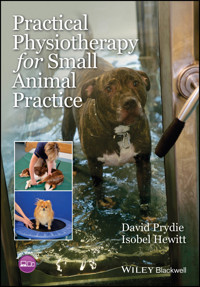
Practical Physiotherapy for Small Animal Practice provides a concise and accessible introduction to physiotherapy that demonstrates its benefits to both veterinary patients and practitioners. One of the fastest growing specialties in veterinary medicine, this book will help you to successfully introduce physiotherapy into your practice improving rehabilitation and recovery of dogs and cats.
Key features:
- Covers an array of different treatments and techniques, such as manual therapies, therapeutic exercise, electrotherapy, and hydrotherapy
- Includes practical advice on selecting equipment, examinations, treatment protocols, and charging
- Offers strategies for introducing physiotherapy into the practice schedule, including space and staffing requirements
- Companion website provides over 50 printable client education handouts for download
Sie lesen das E-Book in den Legimi-Apps auf:
Seitenzahl: 425
Veröffentlichungsjahr: 2015
Ähnliche



















Table of Contents
Cover
Title Page
Copyright
About the authors
Preface
Acknowledgements
About the companion website
Chapter 1: Introduction
The benefits of physiotherapy
Contraindications
Chapter 2: Anatomy: structure and function of the musculoskeletal system
Collagen
Elastin
Bone
Cartilage
Tendons, ligaments and entheses
Joints
Intervertebral discs
Muscle
Chapter 3: Healing
Stages of healing
Different tissue responses to healing
Consequences of maladaptive healing
Factors that also affect healing
Where physiotherapy can work with body to prevent/improve maladaptive healing
Chapter 4: Clinical examination
Subjective
Objective
Range of motion
Muscle mass
Analysis
Plan
Outcome measures
Subjective
Objective
Analysis
Plan
Physiotherapy
Chapter 5: Modalities
Superficial hot and cold therapies
Electrical muscle stimulation (EMS)
Laser therapy
Therapeutic ultrasound
Pulsed electromagnetic field therapy (PEMFT)
Extracorporeal shockwave therapy (ESWT)
Land treadmill
Hydrotherapy
Chapter 6: Manual therapies
Massage
Joint movements
Chapter 7: Common neurological conditions and their rehabilitation
Neurological examination
Reflexes
Rehabilitation techniques
Neurology rehabilitation protocols
Cervical disc disease
Caudal cervical spondylomyelopathy
Thoracolumbar intervertebral disc disease (Figure 7.33)
Lumbosacral disease
Lower motor neuron disease
Acquired acute LMN, for example, polyradiculomyelopathy
Acquired chronic LMN
Degenerative myelopathy (DM) (Figure 7.35)
Fibrocartilaginous embolism
Chapter 8: Therapeutic exercise
Range of movement
Core stability and proprioception
Strengthening
Plyometrics
Endurance
Designing a home exercise program
Warm up/cool down
Chapter 9: Splints, supports and aids
Splints
Supports
Aids
Chapter 10: Pain
Signs of pain
Physiology of pain
Drugs that act on pain
Other practices affecting pain
Chapter 11: Treatment protocols
Shoulder
Shoulder tendinopathies
Elbow
Carpus
Hip
Hock
The non-weight bearing/skipping small terrier-type dog
Osteoarthritis
Chapter 12: Setting up a physiotherapy clinic
In-house
Stand-alone
Space requirements
Equipment
Staffing and charging
Appendix 1: Nomenclature
Appendix 2: Regenerative medicine
Platelet-rich plasma (PRP)
Stem cells therapy (SCT)
Appendix 3: Further reading
Appendix 4: Useful websites for aids and equipment
Aids, splints and braces
Carts
General physiotherapy equipment
Lasers
Underwater treadmills
Organisations
Miscellaneous
Pain scoring charts
Index
End User License Agreement
Pages
279
281
282
283
284
285
286
1
2
3
4
5
6
7
8
9
10
11
12
13
14
15
16
17
18
19
20
21
22
23
24
25
26
27
28
29
30
31
32
33
34
35
36
37
38
39
40
41
42
43
44
45
46
47
48
49
50
51
52
53
54
55
56
57
58
59
60
61
62
63
64
65
66
67
69
70
71
72
73
74
75
76
77
78
79
80
81
82
83
84
85
86
87
88
89
90
91
92
93
94
95
96
97
98
99
100
101
102
103
104
105
106
107
108
109
110
111
112
113
114
115
116
117
118
119
120
121
122
123
124
125
126
127
128
129
130
131
132
133
134
135
136
137
138
139
140
141
142
143
144
145
146
147
148
149
150
151
152
153
154
155
156
157
158
159
160
161
162
163
164
165
166
167
168
169
170
171
172
173
174
175
176
177
178
179
180
181
182
183
184
185
186
187
188
189
190
191
192
193
194
195
196
197
198
199
200
201
202
203
204
205
206
207
208
209
211
212
213
214
215
216
217
218
219
220
221
222
223
224
225
226
227
228
229
230
231
232
233
234
235
236
237
238
239
240
241
242
243
244
245
246
251
247
248
249
250
252
253
254
255
256
257
259
260
261
262
263
264
265
266
267
268
269
270
271
272
273
274
275
276
277
287
288
289
290
291
292
Guide
Cover
Table of Contents
Preface
Begin Reading
List of Illustrations
Chapter 1: Introduction
Figure 1.1
Post fracture
. This picture shows an Alaskan Malamute following a femoral fracture after being kicked by a horse. The main aims of physiotherapy for this dog are to improve its weight bearing on the leg and increase its muscle mass/strength.
Figure 1.2
Respiratory physiotherapy
. Following anaesthesia any animals requiring ventilation have the potential to develop retained secretions. Ventilated animals will also be sedated and therefore not move around, which can cause secretions to pool in the lungs and need removal.
Figure 1.3
Neurological physiotherapy
. After a neurological event, physiotherapy can aid recovery by providing sensory input and re-education of normal movement.
Figure 1.4
Poor conformation
. This shows poor conformation where the angle of the joints is not ideal leading to muscle imbalance that can cause dysfunction and pain.
Figure 1.5
Good conformation
. An animal with good conformation is less likely to have injuries and develop problems as its muscular and skeletal systems are in balance.
Chapter 2: Anatomy: structure and function of the musculoskeletal system
Figure 2.1 Schematic representation of the structure of a long bone showing the Haversian systems, cancellous bone, periosteum, endosteum and bone marrow.
Figure 2.2 Diagrammatic representation of the structure of tendons.
Figure 2.3 Schematic representation of muscle and the sliding filament theory.
Figure 2.4 Motor unit consists of a single neuron and all the muscle fibres innervated by it.
Figure 2.5 Schematic representation of a vertebra head on showing body, neural canal, dorsal spinous process and transverse processes.
Figure 2.6 Schematic drawing showing location of the cervical, thoracic, lumbar, sacral and coccygeal spine.
Lesen Sie weiter in der vollständigen Ausgabe!
Lesen Sie weiter in der vollständigen Ausgabe!
Lesen Sie weiter in der vollständigen Ausgabe!
Lesen Sie weiter in der vollständigen Ausgabe!
Lesen Sie weiter in der vollständigen Ausgabe!
Lesen Sie weiter in der vollständigen Ausgabe!
Lesen Sie weiter in der vollständigen Ausgabe!
Lesen Sie weiter in der vollständigen Ausgabe!
Lesen Sie weiter in der vollständigen Ausgabe!
Lesen Sie weiter in der vollständigen Ausgabe!
Lesen Sie weiter in der vollständigen Ausgabe!
Lesen Sie weiter in der vollständigen Ausgabe!
Lesen Sie weiter in der vollständigen Ausgabe!
Lesen Sie weiter in der vollständigen Ausgabe!
Lesen Sie weiter in der vollständigen Ausgabe!
Lesen Sie weiter in der vollständigen Ausgabe!
Lesen Sie weiter in der vollständigen Ausgabe!
Lesen Sie weiter in der vollständigen Ausgabe!
Lesen Sie weiter in der vollständigen Ausgabe!
Lesen Sie weiter in der vollständigen Ausgabe!
Lesen Sie weiter in der vollständigen Ausgabe!
Lesen Sie weiter in der vollständigen Ausgabe!
Lesen Sie weiter in der vollständigen Ausgabe!
Lesen Sie weiter in der vollständigen Ausgabe!




