


40,99 €
Mehr erfahren.
- Herausgeber: John Wiley & Sons
- Kategorie: Fachliteratur
- Serie: Lecture Notes
- Sprache: Englisch
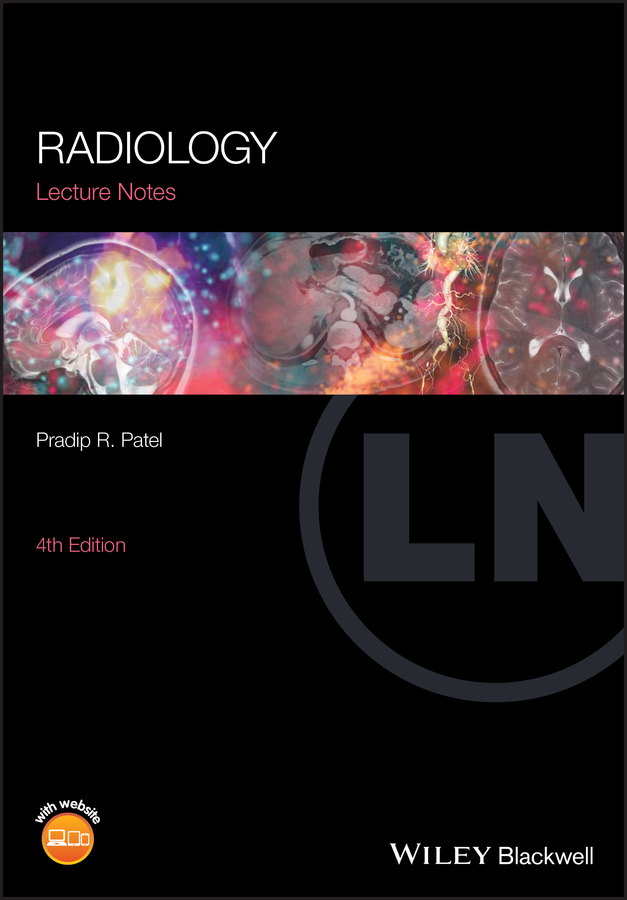
Radiology Lecture Notes is a succinct yet thorough introduction to the essential imaging techniques used in various clinical situations. This fully revised and updated new edition presents the fundamental core knowledge of film interpretation, specialised radiological investigations, and procedures for imaging specific problems. The book explores common diseases and disorders complemented by good quality radiology images and full-colour illustrations. Concise chapters, organised by body systems cover investigations of the respiratory and gastrointestinal tracts, the cardiovascular and musculoskeletal systems, the liver and pancreas, and many others.
Now in its fourth edition, this market-leading guide has been updated to reflect current practices and technologies in the field, featuring new up-to-date content on Computed Tomography (CT) and Magnetic Resonance Imaging (MRI). This practical guide:
- Provides a basic foundation in the principles and techniques of radiology
- Offers new content, including up-to-date CT, MRI and nuclear medicine images
- Features bulleted lists, ‘Key Points’ boxes, and ‘Radiological Investigations’ sections throughout the text
Radiology Lecture Notes is an ideal study and revision guide for medical students and junior doctors, and will be a useful aid for specialist nurses, radiographers, and radiology department staff.
Sie lesen das E-Book in den Legimi-Apps auf:
Seitenzahl: 291
Veröffentlichungsjahr: 2020
Ähnliche



















Table of Contents
Cover
List of contributors
About the companion website
1 Introduction
Contrast media
Plain films and fluoroscopy
Ultrasound
Computed tomography
Magnetic resonance imaging
Nuclear medicine
Interventional radiology
Gastrointestinal tract
2 Respiratory tract
Respiratory tract investigations
Normal chest
Principal types of lung shadowing
Bronchial carcinoma: peripheral
Bronchial carcinoma: central
Pulmonary metastases
Pneumonia
Tuberculosis
Bronchiectasis
Pleural effusion
Pneumothorax
Idiopathic pulmonary fibrosis
Emphysema
Pneumoconiosis
Asbestos exposure
Elevated diaphragm
Opaque hemithorax
Hilar lymphadenopathy
Lung abscess
Upper zone fibrosis
Lower zone fibrosis
Mediastinal mass
3 Cardiovascular system
Cardiovascular investigations
Cardiomegaly
Pericardial effusion
Cardiac failure
Deep vein thrombosis
Pulmonary embolus
Abdominal aortic aneurysm
Aortic dissection
Peripheral vascular disease
Arterial embolus
Pulmonary arterial hypertension
Superior and inferior vena cava obstruction
Cardiac calcification
Tube and catheter placement
4 Gastrointestinal tract
Gastrointestinal tract investigations
Plain abdomen film
Oesophageal web
Pharyngeal pouch
Oesophageal varices
Moniliasis
Benign oesophageal stricture
Achalasia
Oesophageal carcinoma
Hiatus hernia
Gastric outlet obstruction
Gastric carcinoma
Crohn's disease
Malabsorption
Small bowel obstruction
Large bowel obstruction
Ulcerative colitis
Colonic polyps
Colonic carcinoma
Diverticular disease
Air under the diaphragm
5 Liver and pancreas
Liver and pancreas: investigations
Gallstones
Common bile duct calculus
Common bile duct stricture
Liver abscess
Hepatocellular carcinoma
Liver metastases
Benign liver tumours
Cirrhosis
Acute pancreatitis
Chronic pancreatitis
Pancreatic carcinoma
Ascites
Subphrenic abscess
6 Urinary tract
The urinary tract: investigations
Congenital renal abnormalities
Polycystic kidneys
Renal cyst
Renal pelvis/ureteric tumours
Renal tract obstruction
Renal artery stenosis
Renal tract malignancy
Renal angiomyolipoma
Pyelonephritis
Tuberculosis of the urinary tract
Unilateral non‐visualized kidney
Unilateral small kidney
Nephrocalcinosis
Renal calculus
Ureteric calculus
Bladder calculus
Bladder diverticulum
Urethral stricture
Testicular carcinoma
Bladder carcinoma
Prostate carcinoma
Adrenal tumours
Phaeochromocytoma
Adrenal metastases
Adrenal carcinoma
7 Musculoskeletal system
Skeletal system: procedures
Paget's disease
Benign bone tumour
Malignant bone tumour
Bone metastases
Multiple myeloma
Osteoporosis
Osteoarthritis
Rheumatoid arthritis
Ankylosing spondylitis
Rickets
Osteomalacia
Osteomyelitis
8 Trauma
Fractures
Facial bone fractures
Spinal fractures
Shoulder dislocation
Humeral neck fracture
Elbow fractures
Colles' fracture
Scaphoid fracture
Hip fractures
Knee fractures
Ankle fractures
Foot fractures
Blunt abdominal trauma
9 Paediatrics
Paediatric/Neonatal support tubing and lines
Hyaline membrane disease
Pyloric stenosis
Intussusception
Hirschsprung's disease
Vesico‐ureteric reflux
Developmental dysplasia of the hips (DDH)
Perthes disease
Congenital diaphragmatic hernia
Swallowed foreign bodies
Non‐accidental injury
10 Obstetrics and gynaecology
Investigations
Uterine fibroids (leiomyoma)
Intrauterine contraceptive device
Fallopian tube occlusion
Gestation: 6 weeks
Gestation: 11–13 weeks
Fetal anomaly
Ectopic gestation
Polycystic ovaries
Benign ovarian cyst
Ovarian carcinoma
Endometrial carcinoma
Cervical carcinoma
11 Neuroradiology
Neuroradiology: investigations
Normal brain CT
Normal brain MRI
Glioma
Posterior fossa tumour
Pituitary tumour
Acoustic neuroma
Meningioma
Cerebral metastases
Cerebral atrophy
Cerebral infarct
Haemorrhagic infarct
Cerebellar infarct
Lacunar infarct
Subdural haemorrhage
Extradural haemorrhage
Subarachnoid haemorrhage
Carotid artery stenosis
Multiple sclerosis
Spinal cord tumour
Spondylolisthesis
Disc prolapse
Syringomyelia
12 Specific radiological investigations
Respiratory tract
Cardiovascular system
Gastrointestinal tract
Biliary tract
Urinary tract
13 Image viewing hints
Film‐viewing hints
Index
End User License Agreement
List of Tables
Chapter 1
Table 1.1 Typical applications of isotopes.
List of Illustrations
Chapter 1
Figure 1.1 Basic principles of plain films and fluoroscopy.
Figure 1.2 Digital plain film and fluoroscopy equipment.
Figure 1.3 Basic principles of ultrasound.
Figure 1.4 Ultrasound machine with differing frequency probes ranging from 5...
Figure 1.5 Basic principles of CT.
Figure 1.6 CT scanner.
Figure 1.7 Basic principles of MRI.
Figure 1.8 MRI scanner.
Figure 1.9 Basic principles of isotope scanning.
Figure 1.10 Nuclear medicine scanner.
Figure 1.11 A biopsy needle has been inserted under CT control into a lung n...
Figure 1.12 Insertion of a chest drain (arrows) under CT control for a pneum...
Figure 1.13 Respiratory tract interventional procedures.
Figure 1.14 Aortic stent inserted via the femoral arteries for an aortic ane...
Figure 1.15 IVC filter insertion via the jugular vein (arrow).
Figure 1.16 Arteriogram showing a femoral stenosis (arrow), subsequent ballo...
Figure 1.17 Cardiovascular system interventional procedures.
Figure 1.18 Colonic stent insertion (arrows) after a guidewire has been mano...
Figure 1.19 Percutaneous insertion of a gastrostomy (arrows). A nasogastric ...
Figure 1.20 Gastrointestinal tract interventional procedures.
Figure 1.21 Cholangiogram showing complete biliary obstruction with marked d...
Figure 1.22 Biliary obstruction relieved by the insertion of a metal stent i...
Figure 1.23 Biliary tract interventional procedures.
Figure 1.24 Percutaneous insertion of bilateral ureteric stents.
Figure 1.25 Venogram showing a catheter inserted via the right femoral and e...
Figure 1.26 Interventional procedures of the urinary tract.
Chapter 2
Figure 2.1 HRCT showing extensive lung fibrosis with some sparing of the lef...
Figure 2.2 Contrast CT scan of the pulmonary arteries (CTPA): emboli in the ...
Figure 2.3 Widespread secondary deposits in the lungs.
Figure 2.4 Extensive bilateral lung consolidation with an air bronchogram (a...
Figure 2.5 A loculated effusion on ultrasound with multiple septations (arro...
Figure 2.6 Lung biopsy under CT control. The needle (arrow) has been inserte...
Figure 2.7 Normal ventilation (V) and perfusion (Q) scan.
Figure 2.8 (a) Normal chest X‐ray; (b) normal lateral chest X‐ray.
Figure 2.9 Normal lung fields.
Figure 2.10 Interstitial lung shadowing.
Figure 2.11 Nodular shadowing.
Figure 2.12 Consolidation showing an air bronchogram.
Figure 2.13 Bronchial carcinoma: solitary circular opacity in the right mid‐...
Figure 2.14 Pancoast's tumour at the right apex with rib destruction (arrow)...
Figure 2.15 Central bronchial carcinoma (arrows) with peripheral consolidati...
Figure 2.16 CT scan demonstrating the left hilar mass (arrow). There is no a...
Figure 2.17 Focal lung secondary deposits.
Figure 2.18 CT thorax showing multiple small metastases (arrows).
Figure 2.19 Right upper lobe pneumonia bounded inferiorly by the horizontal ...
Figure 2.20 Right middle lobe pneumonia.
Figure 2.21 Cavitating consolidation in the left upper lobe: active tubercul...
Figure 2.22 Old healed calcified tuberculous foci (arrows).
Figure 2.23 Manifestations of pulmonary tuberculosis.
Figure 2.24 Cystic bronchiectasis: ring opacities at the right base.
Figure 2.25 CT scan of thorax: bronchiectasis confined to the lingula (arrow...
Figure 2.26 Large left pleural effusion (arrow).
Figure 2.27 Ultrasound showing the effusion (black) surrounding the retracte...
Figure 2.28 Right pneumothorax: there are no visible markings beyond the lun...
Figure 2.29 Tension pneumothorax with complete collapse of the right lung (a...
Figure 2.30 Extensive lung fibrosis.
Figure 2.31 CT thorax: fibrosing alveolitis with coarse linear fibrotic stra...
Figure 2.32 Normal CT thorax at the same level.
Figure 2.33 Emphysema: over‐inflation of the lungs, flattened diaphragms, bu...
Figure 2.34 CT thorax: multiple destructive areas resulting in bullae of var...
Figure 2.35 Coal worker's pneumoconiosis: coarse nodular shadowing.
Figure 2.36 Calcified pleural plaques in asbestos exposure (arrows).
Figure 2.37 Elevated right diaphragm (arrow).
Figure 2.38 Complete opacification of the right hemithorax: collapse of the ...
Figure 2.39 (a) Bilateral hilar lymphadenopathy (arrows); (b) contrast‐enhan...
Figure 2.40 Lung abscess (arrow).
Figure 2.41 Upper zone fibrosis from tuberculosis (arrows).
Figure 2.42 Lower zone fibrosis due to bronchiectasis.
Figure 2.43 Widening of the upper mediastinum from a retrosternal thyroid (a...
Figure 2.44 CT upper thorax: retrosternal thyroid causing tracheal narrowing...
Figure 2.45 Mediastinal compartments.
Figure 2.46 Right upper lobe collapse (↑) due to a mass at the right hilum (...
Figure 2.47 Movement of the fissures in right upper lobe collapse.
Figure 2.48 Right middle lobe collapse. PA view. Note the loss of right hear...
Figure 2.49 Lateral view showing the collapse projected over the cardiac sha...
Figure 2.50 Movement of fissures in right middle lobe collapse.
Figure 2.51 Left upper lobe collapse with hazy ill‐defined shadowing in the ...
Figure 2.52 Lateral view shows the lobe collapse anteriorly (arrows).
Figure 2.53 The oblique fissure moves forwards in left upper lobe collapse....
Figure 2.54 Bilateral lower lobe collapse (arrows), the left more clearly de...
Figure 2.55 The oblique fissure moves backwards in lower lobe collapse.
Chapter 3
Figure 3.1 Ultrasound of the heart showing all four chambers: right atrium, ...
Figure 3.2 Normal Doppler scan showing the Carotid Bifurcation common caroti...
Figure 3.3 Isotope scan showing reduced cardiac perfusion during exercise (a...
Figure 3.4 CT abdomen. Leaking abdominal 67 Insert aortic aneurysm with peri...
Figure 3.5 Dissection of the descending aorta. Note the intimal flap in the ...
Figure 3.6 CT coronary angiogram shows a non‐invasive method of clearly demo...
Figure 3.7 (a) MRI showing a left iliac artery occlusion (arrow). (b) MRI sh...
Figure 3.8 Right upper limb venography showing thrombus in the axillary and ...
Figure 3.9 Normal right coronary angiogram.
Figure 3.10 Normal left coronary angiogram.
Figure 3.11 Left subclavian angiogram: short occlusion of the axillary arter...
Figure 3.12 Aortogram: lower abdominal aortic aneurysm (arrows).
Figure 3.13 Cardiomegaly: the heart size is measured by comparing the cardia...
Figure 3.14 Pericardial effusion: large globular‐shaped cardiac shadow with ...
Figure 3.15 Congestive cardiac failure with interstitial pulmonary oedema.
Figure 3.16 Alveolar pulmonary oedema; fluid accumulating predominantly in t...
Figure 3.17 Manifestations of cardiac failure.
Figure 3.18 Doppler examination of the femoral vein with a normal Doppler si...
Figure 3.19 Left iliac vein thrombosis (white arrows) giving rise to collate...
Figure 3.20 Perfusion and ventilation isotope scans in both the frontal and ...
Figure 3.21 CT pulmonary angiogram showing embolus in the left main pulmonar...
Figure 3.22 Plain abdominal film showing curvilinear calcification (arrows) ...
Figure 3.23 CT abdomen after contrast shows filling of the lumen (↗) and thr...
Figure 3.24 Transverse ultrasound of the abdomen showing the lumen (black) s...
Figure 3.25 Aortic dissection.
Figure 3.26 Types of dissection.
Figure 3.27 Mechanism of dissection.
Figure 3.28 Arteriogram: occluded segment (arrows) in the right femoral arte...
Figure 3.29 Femoral embolus: sharp contrast cut‐off in the left femoral arte...
Figure 3.30 Pulmonary hypertension: bilateral hilar vascular enlargement and...
Figure 3.31 (a) Significant narrowing of the SVC leading to obstruction; (b)...
Figure 3.32 Pericardial calcification (arrow).
Figure 3.33 Enlarged heart resulting from mitral valvular disease showing va...
Figure 3.34 Aortic‐wall calcification (arrows).
Figure 3.35 Tip of the central line in the right atrium (arrow).
Figure 3.36 Swan‐Ganz catheter in the right pulmonary artery (→) and endotra...
Figure 3.37 Single pacing lead.
Figure 3.38 Dual pacing leads.
Chapter 4
Figure 4.1 Parotid sialogram with contrast injection into the parotid duct (...
Figure 4.2 Submandibular sialogram. Contrast injection into the submandibula...
Figure 4.3 Barium follow‐through: small bowel stricture with significant pro...
Figure 4.4 Normal small bowel enema. Note the tip of the tube in the jejunum...
Figure 4.5 Isotope scan showing accumulation in a Meckel's diverticulum (→)....
Figure 4.6 Superior mesenteric angiogram; extravasated contrast in severe co...
Figure 4.7 CT abdomen showing an ascending colon carcinoma (arrows).
Figure 4.8 CT pelvis: large pelvic abscess following colonic surgery (arrows...
Figure 4.9 CT colonography with air insufflation in a well‐prepared colon.
Figure 4.10 CT pneumocolon. CT of the abdomen with special reconstructions o...
Figure 4.11 MRI normal small bowel study demonstrating the jejunum and ileum...
Figure 4.12 Normal plain abdomen.
Figure 4.13 Pathological calcifications in the abdomen.
Figure 4.14 Barium swallow: oesophageal web (arrow).
Figure 4.15 Barium swallow: pharyngeal pouch (arrow).
Figure 4.16 Varices: serpiginous filling defects in the oesophagus (arrows)....
Figure 4.17 Irregular mucosal outline in monilial infection.
Figure 4.18 Multiple benign strictures (arrows) from caustic soda ingestion;...
Figure 4.19 Achalasia: dilated tortuous oesophagus with narrowing at the gas...
Figure 4.20 Contrast swallow showing an oesophageal carcinoma with irregular...
Figure 4.21 CT thorax: oesophageal thickening due to a carcinoma (arrow).
Figure 4.22 Coronal CT showing a large oesophageal carcinoma (arrows).
Figure 4.23 PET scan showing uptake in the oesophageal carcinoma (arrows) wi...
Figure 4.24 Sliding hiatus hernia: the gastro‐oesophageal junction (arrow) i...
Figure 4.25 Chest X‐ray showing a large hiatus hernia with a fluid level ove...
Figure 4.26 CT scan showing a large hiatus hernia posterior to the heart con...
Figure 4.27 (a) Pyloric stent in place (arrows) to relieve malignant obstruc...
Figure 4.28 Causes of gastric outlet obstruction. 1, Gastric antrum: ulcer o...
Figure 4.29 CT abdomen: carcinoma of the stomach – pyloric antrum (arrows)....
Figure 4.30 Gastric carcinoma with gastric wall thickening (arrows).
Figure 4.31 Types of gastric carcinoma.
Figure 4.32 Small bowel MRI showing a long loop of ileum affected by Crohn's...
Figure 4.33 CT pelvis: marked thickening of the ileum in Crohn's disease (ar...
Figure 4.34 Malabsorption: contrast examination showing dilatation of small ...
Figure 4.35 Normal barium follow‐through examination of the small bowel. Bar...
Figure 4.36 Causes of malabsorption.
Figure 4.37 Small bowel obstruction: distended small bowel and absence of ga...
Figure 4.38 CT abdomen: dilated small bowel loops in small bowel obstruction...
Figure 4.39 Appearance of valvulae conniventes in the small bowel and haustr...
Figure 4.40 Large bowel obstruction with a distended colon up to the splenic...
Figure 4.41 Coronal CT reconstruction showing sigmoid carcinoma (arrow) caus...
Figure 4.42 Coronal CT reconstruction showing lack of haustration in the des...
Figure 4.43 Contrast enema: this examination is now rarely used but elegantl...
Figure 4.44 (a, b) CT colonography showing polyps (arrows). A clean colon is...
Figure 4.45 Pedunculated colonic polyp (arrows).
Figure 4.46 Sessile polyp (arrow).
Figure 4.47 Sessile polyp.
Figure 4.48 Colonoscopy showing a large polyp (arrows).
Figure 4.49 CT abdomen: caecal carcinoma (arrows).
Figure 4.50 Coronal CT showing large mass due to colon carcinoma (arrows).
Figure 4.51 Coronal CT reconstruction showing extensive diverticular disease...
Figure 4.52 CT pelvis: diverticular disease of the sigmoid colon (arrows).
Figure 4.53 Sigmoid volvulus with a grossly distended sigmoid colon.
Figure 4.54 Coronal CT showing a distended sigmoid due to a volvulus.
Figure 4.55 Contrast enema demonstrating the typical ‘bird's beak’ appearanc...
Figure 4.56 Air under the diaphragms (arrows).
Figure 4.57 Chilaiditi's syndrome: interposition of colon between diaphragm ...
Figure 4.58 Gas distension of the stomach: a common, normal finding.
Chapter 5
Figure 5.1 Normal T‐tube cholangiogram.
Figure 5.2 Normal ERCP examination showing the pancreatic and common bile du...
Figure 5.3 CT showing a calcified hydatid cyst in the liver (arrow).
Figure 5.4 MRCP: calculus in the lower common bile duct (arrow) and also in ...
Figure 5.5 MRI: liver metastases (arrows).
Figure 5.6 PET–CT FDG avid pancreatic body malignancy (arrows).
Figure 5.7 Normal hepatic angiogram.
Figure 5.8 Typical appearances of opaque gall bladder calculi on plain films...
Figure 5.9 Ultrasound of the gall bladder demonstrating a large single calcu...
Figure 5.10 Cholangiogram: stricture at the lower end of the common bile duc...
Figure 5.11 MRCP: calculi in the common bile duct (arrows).
Figure 5.12 CT scan showing a large liver abscess (arrow).
Figure 5.13 CT scan of the abscess after percutaneous drain (arrow).
Figure 5.14 Liver abscess: CT scans demonstrating a large low‐density lesion...
Figure 5.15 Focal mass in the right liver on CT: hepatocellular carcinoma (a...
Figure 5.16 Focal mass in the right liver on MRI (same patient as Figure 5.1...
Figure 5.17 CT scan showing a focal mass – hepatocellular carcinoma.
Figure 5.18 CT scan of the liver demonstrating multiple well‐defined metasta...
Figure 5.19 Ultrasound of the liver; low‐ and high‐echo metastases (arrows)....
Figure 5.20 Ultrasound liver showing a well‐defined echogenic focus consiste...
Figure 5.21 MRI T2 sequences arterial and delayed phases characterizing a be...
Figure 5.22 CT liver (arterial phase) showing peripheral discontinuous enhan...
Figure 5.23 CT liver (portal venous phase same patient) showing gradual fill...
Figure 5.24 Non‐contrast CT demonstrating irregular contour liver, and varic...
Figure 5.25 CT of upper abdomen: irregular liver in cirrhosis with large var...
Figure 5.26 Coronal CT showing a large spleen (arrow). Ascitic fluid is seen...
Figure 5.27 CT scan of a normal pancreas (arrows).
Figure 5.28 Acute pancreas: CT scan showing inflammatory exudate surrounding...
Figure 5.29 CT scan showing a well‐defined, low‐density pseudocyst (→←). The...
Figure 5.30 Pancreatic calcification on a plain upper abdominal film (arrows...
Figure 5.31 CT scan: pancreatic calcification in an atrophic pancreas (arrow...
Figure 5.32 ERCP: dilated irregular pancreatic duct in chronic pancreatitis ...
Figure 5.33 CT abdomen (axial): pancreatic carcinoma (arrows).
Figure 5.34 CT abdomen (coronal same patient): pancreatic carcinoma showing ...
Figure 5.35 Pancreatic biopsy under CT control. The biopsy needle has been i...
Figure 5.36 Ascites: abdominal CT visualizing ascites as low density (arrows...
Figure 5.37 Ascites: ultrasound examination demonstrates the free intra‐abdo...
Figure 5.38 Air/fluid level below the right diaphragm in subphrenic abscess ...
Figure 5.39 CT scan showing subphrenic collection containing air (arrows).
Figure 5.40 Ultrasound reveals the abscess with multiple septations between ...
Chapter 6
Figure 6.1 Normal renal ultrasound.
Figure 6.2 (a–c) Urogram showing plain scan (to show calcification) and afte...
Figure 6.3 Axial scan showing contrast filled ureters (arrows).
Figure 6.4 Right nephrostomy with a catheter in the pelvicalyceal system.
Figure 6.5 An ureteric stent has been inserted following a nephrostomy.
Figure 6.6 Urethrogram showing traumatic injury with complete rupture. There...
Figure 6.7 MAG3 scan showing significantly reduced function in the right kid...
Figure 6.8 Renal angiogram: small right renal cell carcinoma with tumour cir...
Figure 6.9 (a) Left renal angiogram prior to renal artery embolization to re...
Figure 6.10 MRI: tight bilateral renal artery stenoses (arrows).
Figure 6.11 Axial CT showing horseshoe kidney.
Figure 6.12 Volume render CT scan showing horseshoe kidney (arrows).
Figure 6.13 Intravenous urography demonstrating crossed fused ectopia.
Figure 6.14 Volume rendered CT showing crossed ectopia.
Figure 6.15 IVU showing a pelvic kidney (arrow).
Figure 6.16 Left duplex kidney; the ureters join in the pelvis (arrow).
Figure 6.17 CT abdomen: contrast‐enhanced scan showing multiple cysts (arrow...
Figure 6.18 Ultrasound: multiple renal cysts seen as low‐echo lesions (arrow...
Figure 6.19 Ultrasound: simple renal cyst (arrows).
Figure 6.20 CT showing a well‐defined right renal cyst (arrow).
Figure 6.21 Filling defect in the right renal pelvis (arrow), proved to be a...
Figure 6.22 Ultrasound: renal obstruction showing dilated calyces (arrows)....
Figure 6.23 CT: chronic left renal obstruction with secondary renal atrophy ...
Figure 6.24 IVU showing bilateral dilated calyces and ureters in bladder out...
Figure 6.25 Causes of renal tract obstruction.
Figure 6.26 Selective left renal arteriogram: stenosis at the origin of the ...
Figure 6.27 (a) Renal angiogram showing a beaded appearance in fibromuscular...
Figure 6.28 Coronal CT demonstrating a renal cell carcinoma (arrows).
Figure 6.29 Contrast‐enhanced CT: large right renal carcinoma (arrow →). Not...
Figure 6.30 Arteriogram demonstrating a pathological circulation in renal ca...
Figure 6.31 CT showing an angiomyolipoma arising from the lower pole of the ...
Figure 6.32 CT scan showing area of pyelonephritis in right kidney (arrows)....
Figure 6.33 Chronic pyelonephritis may result in a small poorly functioning ...
Figure 6.34 Tuberculosis: plain film showing coarse calcification in the low...
Figure 6.35 IVU showing calyceal and ureteric dilatation due to a lower uret...
Figure 6.36 Contracted bladder in tuberculosis (arrow).
Figure 6.37 Manifestations of renal tract tuberculosis.
Figure 6.38 Coronal CT: non‐visualization of the left kidney.
Figure 6.39 CT abdomen; small shrunken left kidney (arrow).
Figure 6.40 Nephrocalcinosis: organized diffuse renal parenchymal calcificat...
Figure 6.41 Right staghorn calculus (→) and a small calculus in the left kid...
Figure 6.42 Volume rendered CT scan showing bilateral staghorn calculi (arro...
Figure 6.43 Right ureteric calculus at the vesico‐ureteric junction (arrow) ...
Figure 6.44 Ureteric calculus: (a) plain film; (b) plain film after IVU demo...
Figure 6.45 Large opaque, laminated bladder calculus.
Figure 6.46 Cystogram demonstrating a large left bladder diverticulum (←) wi...
Figure 6.47 Urethrogram: multiple strictures in the anterior urethra (arrows...
Figure 6.48 Normal urethrogram. The smooth narrowing in the posterior and pr...
Figure 6.49 Ultrasound: hydrocoele, an occasional manifestation of testicula...
Figure 6.50 Ultrasound: localized altered echo pattern in testicular tumour ...
Figure 6.51 Coronal CT reconstruction showing carcinoma of the bladder (arro...
Figure 6.52 CT of the pelvis showing bladder carcinoma (arrows).
Figure 6.53 Transabdominal ultrasound visualizing the prostate gland (arrow)...
Figure 6.54 (a) MRI – coronal section showing prostate cancer (arrows) as lo...
Figure 6.55 Bone scan in patient with prostate cancer showing multiple hotsp...
Figure 6.56 (a) MRI scan showing right adrenal mass demonstrating signal dro...
Figure 6.57 CT scan showing a left adrenal metastasis (arrows). Note normal ...
Figure 6.58 PET scan showing active FDG uptake in the left adrenal (arrow)....
Figure 6.59 Adrenal carcinoma (arrows) in a patient presenting with Cushing'...
Chapter 7
Figure 7.1 Normal isotope bone scan.
Figure 7.2 Paget's disease: increased isotope uptake in the right pelvis (ar...
Figure 7.3 Ultrasound of hip in the neonate: normal and dislocated hip (arro...
Figure 7.4 Ultrasound‐guided injection of the posterior glenohumeral joint. ...
Figure 7.5 CT: bilateral calcaneal fractures involving the articular surface...
Figure 7.6 Dimensional CT rendered imaging: medial malleolus (vertical arrow...
Figure 7.7 MRI knee: meniscal tear affecting the inferior surface of the pos...
Figure 7.8 MRI shoulder: complete tear of the supraspinatus tendon (arrow)....
Figure 7.9 MRI shoulder arthrogram: saline (white arrow) outlines the adjace...
Figure 7.10 MRI arm: sarcoma affecting the triceps muscle (arrows).
Figure 7.11 MRI lumbar spine showing vertebral collapse (arrow).
Figure 7.12 The value of MRI in demonstrating that the collapse is recent du...
Figure 7.13 Septic arthritis of the great toe. Sagittal, contrast‐enhanced i...
Figure 7.14 Paget's disease: calvarial thickening producing a ‘cotton wool’ ...
Figure 7.15 Paget's disease of the left pelvis with marked, contiguous bone ...
Figure 7.16 Bowing of the tibia with pseudofracture (arrow) in Paget's disea...
Figure 7.17 Chondroma: a benign cartilaginous tumour (arrow). Note the speck...
Figure 7.18 Osteochondroma (arrow).
Figure 7.19 Chondromyxoid fibroma (arrow), a rare tumour but demonstrates th...
Figure 7.20 Osteogenic sarcoma extending into the soft tissues (arrows).
Figure 7.21 Chondrosarcoma of the right pubic ramus (arrow).
Figure 7.22 CT scan demonstrating the tumour (arrows). B, bladder; R, rectum...
Figure 7.23 MRI showing a large soft tissue component (arrow). B, bladder; R...
Figure 7.24 Lytic deposits in the cranial vault (arrows).
Figure 7.25 Sclerotic deposit in a vertebral body (arrow).
Figure 7.26 Isotope bone scan showing multiple bone deposits.
Figure 7.27 Lateral skull in multiple myeloma showing widespread well‐define...
Figure 7.28 Myeloma deposits (arrows) in the humerus (a) producing lytic are...
Figure 7.29 Osteoporotic lower thoracic and lumbar spine showing loss of bon...
Figure 7.30 Lower thoracic and lumbar vertebrae collapse due to metastatic d...
Figure 7.31 Degenerative changes in the left hip with loss of joint space an...
Figure 7.32 Degenerative changes at the knee joint with loss of medial compa...
Figure 7.33 Degenerative changes in the cervical spine with mid and lower ce...
Figure 7.34 Rheumatoid arthritis: erosive changes, predominantly at the meta...
Figure 7.35 Rheumatoid arthritis: symmetrical erosive changes at the heads o...
Figure 7.36 Gout: soft tissue swelling with sharply defined erosions (arrow)...
Figure 7.37 Gout affecting the first metatarsophalangeal joints. Soft tissue...
Figure 7.38 Differential diagnosis of erosive arthropathy.
Figure 7.39 Typical ‘bamboo spine’ with paraspinal ligament calcification. T...
Figure 7.40 Normal sacroiliac joints (arrows).
Figure 7.41 Rickets in a 2‐year‐old child with widening and cupping of the d...
Figure 7.42 Normal appearances in a child of similar age.
Figure 7.43 ‘Looser's zone’ in the femur (arrow).
Figure 7.44 Acute osteomyelitis of the radius with patchy bone destruction (...
Figure 7.45 Chronic osteomyelitis of the tibia with extensive sclerosis.
Chapter 8
Figure 8.1 Greenstick fractures of the distal forearm (arrows).
Figure 8.2 Small avulsion fracture at the base of the distal phalanx (arrow)...
Figure 8.3 Secondary deposit in the humerus; pathological fracture (arrow)....
Figure 8.4 Healing stress fracture of the third metatarsal (arrow).
Figure 8.5 Types of fracture.
Figure 8.6 CT: depressed skull fracture (arrow).
Figure 8.7 Facial bone fracture: fluid level in the maxillary antrum (↓) and...
Figure 8.8 CT facial bones showing fractures of the inferior orbital wall, m...
Figure 8.9 Orthopantomogram: fractures of the mandible (arrows).
Figure 8.10 Fracture of the C5 vertebral body (arrow).
Figure 8.11 CT: fractures of the cervical spine (arrows).
Figure 8.12 Compression fracture of T12 (arrow).
Figure 8.13 Severe vertebral fracture with a bony fragment in the spinal can...
Figure 8.14 Anterior dislocation with a fracture of the greater tuberosity....
Figure 8.15 Humeral neck fracture (arrow).
Figure 8.16 CT humeral neck fracture (arrow).
Figure 8.17 Olecranon fracture (arrow).
Figure 8.18 Dislocation at the elbow.
Figure 8.19 Colles' fracture (arrows).
Figure 8.20 Colles' fracture (arrows).
Figure 8.21 (a) Scaphoid fracture (arrow); (b) scaphoid fracture resulting i...
Figure 8.22 MRI scan demonstrating a subtle scaphoid fracture, not demonstra...
Figure 8.23 CT showing ununited scaphoid fracture.
Figure 8.24 Blood supply to scaphoid.
Figure 8.25 Scaphoid fracture (arrow).
Figure 8.26 Femoral neck fracture (arrow).
Figure 8.27 Intertrochanteric fracture (arrow).
Figure 8.28 Traumatic dislocation of the right hip (arrow).
Figure 8.29 Fracture at the site of a hip prosthesis (arrow).
Figure 8.30 Blood supply to femoral head.
Figure 8.31 (a) Fracture of the patella (arrow); (b) tibial plateau fracture...
Figure 8.32 CT reconstruction of the ankle fractures (arrows).
Figure 8.33 CT 3D reconstruction of the fractures (arrows).
Figure 8.34 (a) Healing stress fracture of the third metatarsal (arrow); (b)...
Figure 8.35 CT of calcaneal fracture affecting the articular surface.
Figure 8.36 Fifth metatarsal fracture (arrow).
Figure 8.37 (a) Ultrasound of the spleen showing splenic haematoma (arrows);...
Figure 8.38 CT abdomen – contrast enhanced showing renal haematoma (white ar...
Figure 8.39 Blunt abdominal trauma.
Chapter 9
Figure 9.1 Premature neonate with nasogastric tube (top arrow), umbilical ve...
Figure 9.2 Normal neonatal chest progressing to mild and then severe hyaline...
Figure 9.3 Abdomen radiograph in a premature neonate showing necrotising ent...
Figure 9.4 Pyloric stenosis: transverse ultrasound section of the pylorus wi...
Figure 9.5 Pyloric stenosis: contrast examination of the stomach showing a n...
Figure 9.6 Air enema reduction of the intussusception.
Figure 9.7 Ultrasound demonstrates the intussusception as a ‘doughnut shaped...
Figure 9.8 Hirschsprung's disease: barium enema showing the transition zone ...
Figure 9.9 Micturating cystourethrogram (MCUG) showing gross bilateral vesic...
Figure 9.10 Ultrasound scan showing renal pelvis dilatation.
Figure 9.11 Dislocation of the right hip on ultrasound (suitable before 6 mo...
Figure 9.12 Ultrasound of the hip showing dislocation of the femoral head (u...
Figure 9.13 Perthes disease: flattening and increased density of the right f...
Figure 9.14 Congenital diaphragmatic hernia: multiple bowel loops in the rig...
Figure 9.15 Chest radiographs showing swallowed coin. ECG leads are in posit...
Figure 9.16 Swallowed coin in the upper abdomen.
Figure 9.17 CT head in a baby showing a subtle left subdural haematoma (arro...
Figure 9.18 Radiograph of fractured femur in a child.
Chapter 10
Figure 10.1 Plain film of the pelvis showing an ovarian dermoid with calcifi...
Figure 10.2 Normal uterus (arrow ↑) and ovaries (arrows →←).
Figure 10.3 Normal hysterosalpingogram showing patient fallopian tubes with ...
Figure 10.4 Coronal CT reconstruction showing a large ovarian cyst (arrows)....
Figure 10.5 MRI of a normal fetus.
Figure 10.6 MRI pelvis showing a normal uterus (arrow ↓), bladder (arrow ↑) ...
Figure 10.7 Ultrasound examination demonstrating two large fibroids (arrows)...
Figure 10.8 MRI: T1 and T2 sequences showing uterine fibroids (arrows).
Figure 10.9 Calcification in a fibroid (arrow).
Figure 10.10 Ultrasound: IUCD in the endometrial cavity (arrows).
Figure 10.11 Perforation with IUCD seen lying over the right iliac bone (arr...
Figure 10.12 Hysterosalpingography: occlusion of the right fallopian tube (a...
Figure 10.13 Hysterosalpingogram showing normal right fallopian tube and a l...
Figure 10.14 Gestation at 6 weeks (arrow).
Figure 10.15 Gestation at 16 weeks.
Figure 10.16 Fetal measurements on ultrasound: femur length, biparietal diam...
Figure 10.17 Ultrasound demonstrating a distended fetal bladder (↑) with a h...
Figure 10.18 Ectopic pregnancy: the gestation sac (between ++) is seen outsi...
Figure 10.19 Polycystic ovary: transvaginal scan demonstrating an enlarged o...
Figure 10.20 Transabdominal scan showing enlarged polycystic ovaries (arrows...
Figure 10.21 Benign ovarian cyst: thin‐walled simple cystic structure (arrow...
Figure 10.22 Dermoid cyst: transvaginal ultrasound demonstrating echogenic (...
Figure 10.23 MRI pelvis: simple right ovarian cyst (arrow).
Figure 10.24 Endometrioma: transvaginal ultrasound demonstrating a unilocula...
Figure 10.25 Transvaginal ultrasound demonstrating malignant serous cystaden...
Figure 10.26 Staging CT demonstrates omental metastases from ovarian carcino...
Figure 10.27 Coronal CT demonstrates caecal carcinoma (white arrow) with met...
Figure 10.28 Endometrial carcinoma: transvaginal ultrasound demonstrating a ...
Figure 10.29 MRI image demonstrating a carcinoma in the superior endometrium...
Figure 10.30 MRI image showing a large tumour in the cervix (arrow).
Figure 10.31 CT showing right hydronephrosis secondary to right ureteric obs...
Figure 10.32 CT image showing multiple liver metastases from cervical carcin...
Chapter 11
Figure 11.1 MRI: vertebral collapse of T12 causing early spinal cord compres...
Figure 11.2 Brain Ioflupane DaTSCAN showing reduced tracer uptake throughout...
Figure 11.3 Sections through a normal brain CT.
Figure 11.4 CT through normal petrous bone showing the internal auditory can...
Figure 11.5 CT through normal orbits showing optic nerve (←) and the lateral...
Figure 11.6 Axial FLAIR through the lateral ventricles and the region of the...
Figure 11.7 Axial T2 scan; the CSF appears white.
Figure 11.8 Section through a normal brain MRI scan.
Figure 11.9 Sagittal MRI through the orbits.
Figure 11.10 Coronal scan through the orbits. Note the central optic nerve (...
Figure 11.11 MRI scan of the intracranial arterial circulation, obtained wit...
Figure 11.12 Sagittal MRI scan of the venous circulation.
Figure 11.13 Glioma: CT scan pre‐ and post‐contrast showing a large frontal ...
Figure 11.14 T1 and T2 MRI showing a large parietal lobe glioma (↑↓) with th...
Figure 11.15 Astrocytoma: coronal MRI in a child with a posterior fossa mass...
Figure 11.16 MRI: coronal section showing a large pituitary tumour enhancing...
Figure 11.17 MRI showing a large acoustic neuroma at the right cerebello‐pon...
Figure 11.18 MRI brain; sagittal and axial scans showing a well‐defined mass...
Figure 11.19 CT brain: metastasis enhancing after contrast; note the surroun...
Figure 11.20 Small ring enhancing lesion in the right parietal lobe (arrow)....
Figure 11.21 MRI showing cerebral atrophy. Note the volume loss with increas...
Figure 11.22 CT brain: anterior cerebral artery infarct to involve the front...
Figure 11.23 CT brain: recent middle cerebral artery territory infarct (arro...
Figure 11.24 CT brain: well‐established old posterior cerebral artery territ...
Figure 11.25 CT scan: haemorrhagic middle‐cerebral artery infarct (arrow).
Figure 11.26 CT: cerebellar infarct (arrow).
Figure 11.27 MRI: small lacunar infarct (arrow). Although the infarct is sma...
Figure 11.28 CT brain: recent subdural haematoma (arrows) with a significant...
Figure 11.29 CT brain: old subdural haematoma showing low density (arrows)....
Figure 11.30 CT brain showing large right extradural collection with a conve...
Figure 11.31 Intracranial haemorrhage.
Figure 11.32 CT brain: subarachnoid haemorrhage with blood in the sulci, thi...
Figure 11.33 Arteriogram: aneurysm of the right middle cerebral artery (arro...
Figure 11.34 Circle of Willis.
Figure 11.35 Arteriogram demonstrating a critical stenosis at the origin of ...
Figure 11.36 MRI scan with T1 and T2 sequences showing demyelination plaques...
Figure 11.37 MRI cervical spine showing a large spinal cord glioma (arrows)....
Figure 11.38 Spondylolisthesis at L4/L5 (arrow).
Figure 11.39 MRI scan demonstrating a prolapsed disc at L4/L5 with posterior...
Figure 11.40 Typical degenerative changes in the lumbar spine with disc spac...
Figure 11.41 Right postero‐lateral disc prolapse.
Figure 11.42 MRI cervical spine: fluid‐filled central cord cavity in syringo...
Guide
Cover
Table of Contents
Begin Reading
Pages
iii
iv
vii
ix
1
2
3
4
5
6
7
8
9
10
11
12
13
14
15
16
17
19
20
21
22
23
24
25
26
27
28
29
30
31
32
33
34
35
36
37
38
39
40
41
42
43
44
45
47
48
49
50
51
52
53
54
55
56
57
58
59
60
61
62
63
65
66
67
68
69
70
71
72
73
74
75
76
77
78
79
80
81
82
83
84
85
86
87
88
89
90
91
93
94
95
96
97
98
99
100
101
102
103
104
105
106
107
108
109
110
111
113
114
115
116
117
118
119
120
121
122
123
124
125
126
127
128
129
130
131
132
133
134
135
136
137
138
139
140
141
142
143
144
145
146
147
148
149
150
151
152
153
154
155
156
157
158
159
160
161
162
163
164
165
166
167
168
169
170
171
172
173
174
175
177
178
179
180
181
182
183
184
185
186
187
188
189
190
191
192
193
194
195
196
197
199
200
201
202
203
204
205
206
207
208
209
210
211
212
213
214
215
216
217
218
219
221
222
223
224
225
226
227
228
229
230
231
232
233
234
235
236
237
238




