


204,99 €
Mehr erfahren.
- Herausgeber: Thieme
- Kategorie: Fachliteratur
- Sprache: Englisch
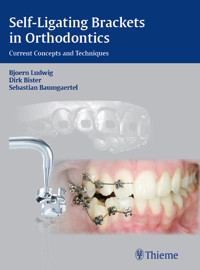
A comprehensive overview of modern orthodontic treatment using self-ligating bracket systems - with evaluations of systems currently available
Promising numerous advantages in design, treatment efficacy, and reduced treatment time, self-ligating brackets have become a major part of modern orthodontic practice. Self-Ligating Brackets in Orthodontics: Current Concepts and Techniques summarizes contemporary information and clinical studies on these popular systems, integrating them with the authors' practical, hands-on experience. Encompassing all aspects of treatment with self-ligating fixed appliances from biomechanics to material properties, including diagnostic and therapeutic principles, this book provides a step-by-step visual guide to this groundbreaking field.
Special Features:
- Provides more than 1,500 outstanding color photographs that show the sequence of steps for all procedures involving self-ligating brackets from start to finish
- Objectively evaluates the advantages and disadvantages of commercially available self-ligating bracket systems to help you make the best choices for your patients
- Covers the full scope of treatment, including oral hygiene, adhesive techniques, biomechanics, aesthetic choices, retention and stability, and more
- Includes multiple case studies as well as information on risks and pitfalls, practical tips, and clinical pearls that aid in decision-making and reinforce the treatment concepts
Written by a team of international specialists, this book is essential for all practitioners who want to keep up with the latest developments in self-ligating brackets, expand their services, and offer state-of-the-art treatment techniques. It is a useful introduction to newcomers to self-ligation as well as a guide for experienced orthodontists on how to successfully incorporate this highly popular technique into their practices.
Das E-Book können Sie in Legimi-Apps oder einer beliebigen App lesen, die das folgende Format unterstützen:
Seitenzahl: 362
Veröffentlichungsjahr: 2011
Ähnliche



















Self-Ligating Brackets in Orthodontics
Current Concepts and Techniques
Bjoern Ludwig, MD
University of Homburg/SaarPrivate Practice, Traben-TrarbachGermany
Dirk Bister, MD, DD
Consultant OrthodontistGuy's and St. Thomas' Dental HospitalLondonAddenbrooke's HospitalCambridgeUK
Sebastian Baumgaertel, DMD, MSD, FRCD(C)
Clinical Associate ProfessorDepartment of OrthodonticsSchool of Dental MedicineCase Western Reserve UniversityCleveland, OhioUSA
With contributions byFranziska Bock, Jens Bock, Bettina Glasl, Heiko Goldbecher, Thomas Lietz, Joerg A. Lisson
1470 illustrations
ThiemeStuttgart · New York
Library of Congress Cataloging-in-Publication Data is available from the publisher.
This book is an authorized translation of the German edition published and copyrighted 2010 by Georg Thieme Verlag, Stuttgart. Title of the German edition: Selbstligierende Brackets: Konzepte und Behandlung.
Translator: Dirk Bister
Reviewer: Sebastian Baumgaertel
Important note: Medicine is an ever-changing science undergoing continual development. Research and clinical experience are continually expanding our knowledge, in particular our knowledge of proper treatment and drug therapy. Insofar as this book mentions any dosage or application, readers may rest assured that the authors, editors, and publishers have made every effort to ensure that such references are in accordance with the state of knowledge at the time of production of the book.
Nevertheless, this does not involve, imply, or express any guarantee or responsibility on the part of the publishers in respect to any dosage instructions and forms of applications stated in the book. Every user is requested to examine carefully the manufacturers' leaflets accompanying each drug and to check, if necessary in consultation with a physician or specialist, whether the dosage schedules mentioned therein or the contraindications stated by the manufacturers differ from the statementsmade in the present book. Such examination is particularly important with drugs that are either rarely used or have been newly released on the market. Every dosage schedule or every form of application used is entirely at the user's own risk and responsibility. The authors and publishers request every user to report to the publishers any discrepancies or inaccuracies noticed. If errors in this work are found after publication, errata will be posted at www.thieme.com on the product description page.
© 2012 Georg Thieme Verlag,Rüdigerstrasse 14, 70469 Stuttgart, Germanyhttp://www.thieme.deThieme New York, 333 Seventh Avenue,New York, NY 10001, USAhttp://www.thieme.com
Cover design: Thieme Publishing GroupTypesetting by: Primustype Robert Hurler GmbH, Notzingen, GermanyPrinted in Italy by L.E.G.O. S.p.A., VicenzaISBN 978-3-13-154701-9 1 2 3 4 5 6
Some of the product names, patents, and registered designs referred to in this book are in fact registered trademarks or proprietary names even though specific reference to this fact is not always made in the text. Therefore, the appearance of a name without designation as proprietary is not to be construed as a representation by the publisher that it is in the public domain.
This book, including all parts thereof, is legally protected by copyright. Any use, exploitation, or commercialization outside the narrow limits set by copyright legislation, without the publisher's consent, is illegal and liable to prosecution. This applies in particular to photostat reproduction, copying, mimeographing, preparation of microfilms, and electronic data processing and storage.
List of Contributors
Franziska Bock, MDPrivate PracticeFuldaGermany
Jens Bock, MDPrivate PracticeFuldaGermany
Bettina Glasl, MDUniversity of Homburg/SaarPrivate PracticeTraben-TrarbachGermany
Heiko Goldbecher, MDPrivate PracticeHalleGermany
Thomas LietzPrivate PracticeNeulingenGermany
Joerg A. Lisson, MDProfessorDepartment of OrthodonticsUniversity of Homburg/SaarGermany
Bjoern Ludwig, MDUniversity of Homburg/SaarPrivate Practice, Traben-TrarbachGermany
Foreword
Since the early beginning of orthodontics, clinicians have progressively produced modifications and enhancements to improve force delivery of the appliances and clinician's efficiency. Major advances since the last century included the development by Dr. Angle of the Edgewise appliance, the introduction of enamel direct and indirect bonding techniques, the advent of the Preadjusted Straight Wire appliances and the development of fully customized Lingual Appliances (IBraces or Incognito). In the last 10 years, self-ligating appliances have captured the imagination of many clinicians and are increasing in popularity. Those brackets have been developed to overcome the limitations of stainless steel and elastomeric ligatures in terms of ergonomics, efficiency, plastic deformation, discoloration, plaque accumulation, and friction.
A self-ligating bracket is a ligature-less system with a mechanical device built in to close off the edgewise slot. Secure engagement may be produced by a built-in clip mechanism replacing the stainless steel or elastomeric ligature. Both active and passive self-ligating brackets have been manufactured, referring to the bracket/archwire interaction. The active type has a spring clip that presses against the archwire. In the passive type, the clip or rigid door does not actively press against the archwire. Active self-ligating appliances may allow better torque control with undersize archwires than can be achieved with passive appliances; a spring clip might also enhance the potential for bucco-lingual alignment. The resistance to sliding is thought to be lower for passive appliances, however, which may improve the aligning capability of these systems. Self-ligating systems outperform conventional brackets in the in-vitro situation, producing considerably less friction within the appliance systems, but this effect is less marked in-vivo. Clinical data documenting the efficiency of rotational correction and space closure with self-ligating systems remain limited. Use of self-ligating brackets results in a marginal reduction in chairtime required for appliance manipulation. Also, there is limited, retrospective evidence pointing to reduced overall treatment time with fewer scheduled appointments with the use of self-ligating systems.
While many clinicians recommend selected self-ligating appliances to facilitate expansion in non-extraction treatment, there are no published long-term follow-up studies on the stability of this approach.
Vittorio Cacciafesta, DDS, MSc, PhDMilan, Italy
Preface
Self-ligating brackets—in recent years these words have taken on almost unbelievable magic powers. It is now almost impossible to envisage orthodontic treatment without such brackets. Keywords supporting this idea are: greater user comfort; better differentiation from competitors; more marketing possibilities, economical, shorter chair times, easy-to-use, patient comfort, perfect for your patients, and so on. The conclusion is: everything works easier and quicker. Sometimes the phrase “intelligent system” is used. Somewhat exaggerated, it seems as if the bracket at last can inform the tooth who is now in charge of moving from the false to the correct position. And the tooth? It follows the new brackets obediently, friction-free, and at a breathtaking pace.
By putting this rather ironic text at the front of a specialist book, the authors attempt to make it clear that they are attempting to replace suggestive remarks with facts and to be critical about advertising slogans. All the authors have been working with self-ligating brackets for a long time and will be presenting their investigations and experiences accordingly in this book.
Sometimes it may seem that self-ligating (SL) brackets are a recent invention. This is not the case. The first experiments with brackets that fixed the wire into the slot date back to the 1930s. The era of modern SL brackets began with Speed Brackets around 1980. For almost two further decades the SL brackets existed in the background. The growing number of systems and concepts from recent years is difficult to explain. The explosive growth in popularity became quite uncontrolled, and this book will try to clear the undergrowth as it were.
There have been many publications on this topic during recent years. A lot of experience has been gained regarding friction and treatment times as well as the requirements for clinical use and treatment possibilities. The aim of the authors is to summarize existing knowledge and to complement it with their own experiences and study results, in order to provide readers with an overview of SL brackets that is as comprehensive as can be. Following a chapter on the history of SL brackets, the first part of the book presents aspects dealing with material and techniques, including the evaluation of selected systems. The second part of the book is dedicated to clinical practice. Here also the authors have tried to demonstrate the complexity of the topic from the first to the final treatment steps. Statements are illustrated using numerous case studies. The conclusion drawn from this section could be: SL brackets are and will remain interesting tools, if they are properly used. They are just one of the many therapeutic choices in the hands of a doctor, and not a “magic pill.”
This book is intended to be both a guide and a compendium, teaching beginners how to use this method, helping advanced users to detect sources of errors, and encouraging readers to go in a new, creative direction.
The authors thank everyone who played a part in completing the manuscript by giving advice and help, whether directly or indirectly, and those who motivated us to invest a great amount of work to reach our goal. Without this help the project would not have been realized so quickly. Our special thanks go to the Editorial Department of Thieme Publishers in Stuttgart for their excellent cooperation and the way in which they were able to turn our not always simple ideas into reality.
Bjoern Ludwig, MDDirk Bister, MD, DDSebastian Baumgaertel, DMD, MSD, FRCD(C)
Contents
I Basics
The Development and History of Fixed Appliances
Franziska Bock
Development of Self-Ligating Bracket Systems
The 1980s
The 1990s
The 21st Century
Expectations and Reality
Materials
Bjoern Ludwig and Bettina Glasl
Self-Ligating Brackets
Bracket Base
Shape of the Base
Bond Strength
Bracket Body
Slot
Friction
Torque
Auxiliary Slots
Clips, etc.—SL Mechanics
Active Systems
Passive Systems
Rotation and Friction
Rotation
Friction
Archwires
Archwire Sequence
Archwire Shape
Auxiliaries
Elastics
NiTi Coil Springs
Bracket Systems
Heiko Goldbecher
Basic Principles
The Various Self-Ligating Bracket Systems
Damon 3
In-Ovation R (GAC)
In-Ovation C (GAC)
Opal (Ultradent)
Opal M (Ultradent)
Quick 2 (Forestadent)
SmartClip (3M Unitek)
Clarity SL (3M Unitek)
Speed (Strite Industries, Ltd.)
Time 2 (American Orthodontics)
Time 3 (American Orthodontics)
Vision LP (American Orthodontics)
Discovery SL (Dentaurum)
Treatment
Shorter Chairside Time
Bonding of Brackets
Ligation of Archwires
Debonding of the Fixed Appliances
Repairs
Reduction of Overall Treatment Time
Active Treatment
Oral Hygiene of Self-Ligating Brackets
Longer Intervals between Adjustments
Reduction of Staff
Summary
II Treatment
Diagnosis
Bjoern Ludwig and Bettina Glasl
Standard Diagnostic Tools in Orthodontics
Diagnosis and Treatment Planning
Additional Diagnostic Tools
Oral Hygiene
Heiko Goldbecher and Jens Bock
Basics
Symptoms and Etiology of Caries
Epidemiology of Caries
Gingivitis and Periodontitis
Hygiene Approaches for Fixed-Appliance Treatment
Prophylactic Measures
Bonding
Active Tooth Movement
Active Measures
Oral Hygiene after Fixed-Appliance Treatment
Bonding Techniques
Heiko Goldbecher and Jens Bock
The Development and History of Bonding Techniques
Positioning of Brackets
Vertical Positioning
Horizontal Positioning
Bonding
Positioning of Self-Ligating Brackets
Direct and Indirect Bonding Techniques
Direct Bonding
Indirect Bonding
Transfer Trays
Silicone Transfer Trays
Vacuum-Formed Trays
Treatment
Bjoern Ludwig and Bettina Glasl
Space Creation
Alignment
Biomechanics
Expansion of the Arches
Crowding and Ectopic Canines
Treatment of Occlusion after Leveling and Alignment
Space Creation by Distalization
Space Creation by Expansion of Arches
Space Creation by Extracting Teeth
Space Creation by Interproximal Reduction (IPR)
Correction of Skeletal Discrepancies
Correction of a Class II Buccal Segment Relationship
Functional Mandibular Advancer
Easy-Fit Jumper
Correction of Class III Malocclusions
Esthetic Treatment
Self-Ligating Ceramic Brackets
Lingual Self-Ligating Brackets
Auxiliary Equipment and Techniques
Bjoern Ludwig, Bettina Glasl, and Thomas Lietz
Practical Application of Self-Ligating Brackets
Archwire Shift
Slippery Archwires
Detailing Bends
Individualized Arches
Correction of the Occlusion
Other Useful Auxiliaries
Spikes
Bite Planes
Anterior Bite Planes
Lateral Bite Planes
Combination of Buccal and Lingual Brackets (Hybrid Appliance)
Auxiliary Slots
Interproximal Enamel Reduction (Stripping)
Recontouring of Incisal Edges
Mini-Implants
Uses and Choice of a Mini-Implant System
Planning the Biomechanics and Area of Insertion
Attachments
Example Applications for Mini-Implants
Retention and Stability
Bettina Glasl and Bjoern Ludwig
Biological Basis
Active Tooth Movement
Functional Parameters of the Orovestibular System
Patient's Age
Tooth Morphology
Concepts of Retention
Retention Protocol
Relapse Prevention Based on the Original Malocclusion
Standard Retainers
Retention of Transverse Corrections
Retention of Class II Cases
Retention in Class III Cases
Retention after Treatment for Deep Bites
Retention after Treatment for Anterior Open Bites
Retention after Correction of Significant Rotations and Severe Crowding
The Spaced Dentition
Management of Relapse
Interproximal Enamel Reduction (Stripping)
Individual Set-up for Vacuum-Formed Aligners
SOX Retainers
Index
I Basics
1 The Development and History of Fixed Appliances
Franziska Bock
Development of Self-Ligating Bracket Systems
The 1980s
The 1990s
The 21st Century
Expectations and Reality
For many centuries, in many regions and cultures of the world, attempts have been made to correct malocclusions caused by malaligned teeth, skeletal discrepancies of the jaws, or a combination of the two. The Habsburg dynasty, for example—one of Europe's most powerful reigning families—shaped Europe politically, but there was one thing that, despite all their wealth and influence, they were powerless against: the male Habsburgs, regardless of whether they had been crowned or not, were unable to overcome their class III malocclusion. Throughout the history of dentistry, the profession was well aware of malocclusions and sought ways to treat them. Pierre Fauchard, for example, dedicated an entire chapter of his 1728 textbook—the first dental textbook ever written—to the correction of malocclusions.
Fauchard's text is the first description in the literature of the use of fixed appliances. The fixed appliance he described was quite simple by today's standards and consisted of gold bands and either silk ties or metal wires that were attached to a misaligned tooth and the neighboring teeth.29 Many other authors have since described a large number of fixed appliances that used bands. Other appliances featuring very varied designs and adjuncts, such as wooden wedges, special ligatures, as well as “caps” or crowns, were also used to treat poorly aligned teeth.22 Further refining treatment mechanics, some orthodontists also used developments that were originally described by engineers; Carabelli (1842) developed a number of appliances in this way. He is also known as the first orthodontist who fitted appliances not directly on the patient but used plaster models of fixed appliances, which allowed him to manufacture the fixed appliances in the laboratory.22 Whilst most of the above-mentioned appliances were only suitable for treating specific malocclusions, Edward H. Angle was the first orthodontist to develop a ‘standardized’ fixed appliance. Angle not only established orthodontics as the first dental specialty, but also developed and categorized malocclusions, and his classification is still in use today. The appliances he developed were intended to be suitable for treating the types of malocclusion he identified. The expansion arch (E-arch, 1887) consisted of a band that was activated with a screw and an arch with a threaded end, which was fitted into a tube and tightened using a screw nut. The arch itself was then connected by ligatures to the individual teeth in order to align them.
The ribbon arch developed by Angle in 1916 was the starting point for the development of bracket systems whicht are still in use today.
In 1910, Angle developed the ‘pin-and-tube’ appliance in which small pins were soldered to the arch and then inserted into vertical tubes. Further development of the appliance utilising bands with vertical slots, also known as the ribbon arch appliance (Angle 1916), allowed three-dimensional control of tooth movement. This was the first fixed appliance that used a rectangular slot in a bracket, which was then soldered to a band. The ribbon arch appliance marked the birth of modern orthodontics; all of today's fixed appliances are derived from it.23 Subsequent improvements on the concept by Angle led to the invention of the ‘Edgewise’ appliance in 1928. This was another milestone, as a change in the archwire dimensions (turning the wire on its ‘edge’) allowed controlled expression of torque, tip, and rotation.23,24 All later developments of fixed appliances copied these early developments in bracket design, eventually leading to contemporary fixed appliance designs in terms of slot shape, size, and position, the number of slots, the contour of the bracket and its base, as well as the mechanism for ligating the archwire to the bracket.18 Advances in the manufacture of brackets were another (often underestimated) factor involved in further developments. With the invention of metal injection molding, it became possible to produce very complex bracket shapes of an extremely high level of precision and in large quantities, making it easy to incorporate precise values for torque, tip, and angulation in the bracket.16 In addition, the manufacturing technique allows smaller and flatter bracket designs.
Development of Self-Ligating Bracket Systems
The technique today uses metal or elastomeric ligatures to attach an archwire to a bracket. Ligating the archwire to the bracket slot in this way can be quite time-consuming, particularly when metal ligatures are used, and this is why self-ligating brackets were first developed. The earliest examples (all developed in the United States) date back to the 1930s.
The term “self-ligating bracket” (SL bracket) is used for brackets that incorporate a locking mechanism (such as a ring, spring, or door mechanism) that holds the archwire in the bracket slot.
There are essentially two main types of self-ligating bracket, depending on the design of the locking mechanism, the dimensions of the slot, and the dimensions of the archwires: active brackets and passive brackets. In passive systems (such as the Damon System, Ormco Corporation, Orange, California; and Discovery SL, Dentaurum Ltd., Ispringen, Germany), the slot is locked or shut with a rigid locking mechanism. Once it is engaged, the bracket is effectively turned into a tube, ideally allowing archwires to slide freely within the tube. In active systems (such as Quick, Forestadent Ltd., Pforzheim, Germany; and SPEED, Strite Industries, Cambridge, Ontario, Canada), the locking mechanism generally consists of a flexible but resilient clip that can actively engage wire into the bracket slot once the archwire reaches a certain size or deflection.26
Fig. 1.1 a, b Russell attachment (1935)
a Open.
b Closed.
Fig. 1.2a, b Boyd bracket (1933)
a Archwire slot open.
b Archwire slot closed.
Fig. 1.3a, b Ford bracket (1933)
a Slot open.
b Slot closed.
Fig. 1.4a, b EdgeLok bracket (a). The bracket slot is closed with a sliding mechanism (b)
Stolzenberg invented the Russell attachment in 1935 and is one of the pioneers of self-ligating brackets (Fig. 1.1).5,12,25 Although Boyd (1933) (Fig. 1.2) and Ford (1933) (Fig. 1.3) developed passive, ligature-free systems earlier, these were never widely used.10 Other designs were patented, but only very few of them eventually became commercially available.
It was not until the 1970s that interest in the development of self-ligating brackets resurfaced. In 1972, Wildman introduced the passive EdgeLok bracket,10,12,30 which in its earlier incarnations had a round bracket body as well as a labial sliding door (Figs. 1.4 and 1.5). This was the first self-ligating bracket to become widely available commercially, but it was eventually taken out of production as more advanced systems appeared. At about the same time (1973), the Mobil-Lock bracket (Fig. 1.6) was introduced by Sander.27 This was the first self-ligating twin bracket that had a variable slot. Due to the eccentric movement of the locking system, the wire could either be locked tightly into the bracket or, with proper adjustment, achieve partial ligation, which was designed to allow the wire to glide freely through the slot.20 These were all passive systems, and none of them are still in use today, as they have been superseded by newer and improved designs.
Fig. 1.5a, b EdgeLok bracket
a Slot open.
b Slot closed.
Fig. 1.6a–c Mobil-Lock bracket
a Open.
b Closed–sliding.
c Closed–locked.
The 1980s
In the 1980s, Hanson developed a completely new approach to self-ligation: the SPEED bracket (Fig. 1.7). This was the first active self-ligating bracket. The locking mechanism is formed by a flexible clip.5,9,12 This bracket is still in use today, but has undergone significant modifications during the past 20 years of clinical experience. As mentioned earlier in the text, changes in bracket manufacture techniques have had a significant impact on the bracket design. For example, the locking mechanism, the resilient spring had originally been made from stainless steel, but this has recently been replaced with nickel–titanium (NiTi).
The SPEED bracket was quickly accepted in clinical practice and is still in use today.
Fig. 1.7 The Speed bracket was the first active self-ligating bracket. (Reproduced with permission from Bock et al.2)
Fig. 1.8 a, b Activa bracket
a Slot open.
b Slot closed.
Following the clinical acceptance and commercial success of the SPEED bracket, further self-ligating systems were developed in quick succession. Since the 1980s, a number of very different designs for self-ligating brackets have entered the market and Plechtner introduced the Activa bracket in 1986 (Fig. 1.8).5,12 This passive system consisted of a mechanism that rotated around the body of the bracket and locked in an occlusogingival direction; this rotating “door” closes and opens the slot.10
The 1990s
In the 1990s, Heiser developed the Time bracket (Fig. 1.9), which is also an active system.12 A hinging movement opens the locking mechanism in the direction of the gingiva. The Flair bracket (Fig. 1.10), which has been commercially available since 2005, is a further development of the Time bracket. It is significantly smaller than the Time bracket and has different in-out values and an improved locking mechanism.
Wildman also carried out further development of the EdgeLok bracket. Maintaining the concept of the vertical sliding door on the labial side, he introduced the TwinLock bracket in 1998 (Fig. 1.11). In this twin bracket, the flat, rectangular door sits between the two tie-wings.12
Fig. 1.9 The Time bracket. (Reproduced with permission from Bock et al.2)
Fig. 1.10 The Flair bracket was a further development of the Time bracket.
Fig. 1.11a, b The TwinLock bracket is based on the same locking concept used in the EdgeLok bracket.
a Open.
b Closed.
Another self-ligating bracket with a vertical mechanism was developed by Dwight Damon and first introduced in 1999 (Fig. 1.12). The Damon 2 bracket was developed later using a different locking mechanism.5,12 Like the TwinLock bracket, it uses a rectangular sliding door mechanism between the wings of the bracket (Fig. 1.13). The Damon system was marketed very successfully in combination with a treatment philosophy that is mainly based on a nonextraction approach. Particular archwire sizes, shapes, dimensions, and materials are all part of the concept. To further develop and satisfy the demand for an esthetic self-ligating bracket, the Damon 3 bracket was introduced in 2004. The bracket consists of a tooth-colored acrylic base material (Fig. 1.14) but the locking mechanism remained.
A hybrid between a conventional twin bracket and a SPEED bracket, known as the In-Ovation bracket, was developed by Voudouris in 1997.5,12,19 An improved design has been available since 2002, marketed as In-Ovation R (Fig. 1.15). An esthetic version of this system (In-Ovation C) was introduced in 2007 in the form of a ceramic bracket, in which the metal clip has been produced in such a way that it is matt in appearance and thus does not reflect light as much as a polished surface would (Fig. 1.16).
Fig. 1.12a, b The first-generation Damon self-ligating bracket.
a Open.
b Closed.
Fig. 1.13 The second-generation Damon bracket.
Fig. 1.14 The third-generation Damon bracket. (Reproduced with permission from Bock et al.2)
Fig. 1.15 The In-Ovation R bracket. (Reproduced with permission from Bock et al.2)
Fig. 1.16 The In-Ovation C bracket.
The 21st Century
The Opal bracket, marketed as the “most comfortable bracket in the world,” was introduced by Abels in 2004 (Fig. 1.17). It was made completely of translucent acrylic. However, due to its mechanical properties with regard to force translation, abrasion resistance, the locking mechanism, as well as frequent discoloration it did not meet the high expectations raised for it.2 All of the above characteristics were due to the use of acrylic as the bracket material. In 2007 a metal bracket based on the same principle, the Opal M (Fig. 1.18) was introduced but it has also disappeared from the market since.
The design of the passive SmartClip bracket (2004) (Fig. 1.19) is based on a completely different approach to ligature-free ligation. It does not have any movable locks or doors. The archwire is held in place with two NiTi clips that are mounted on the outside of the tie-wings. Ligation and removal of the archwires is achieved by elastic deformation of the clips. This bracket has also been available in an esthetic version (Clarity SL) since 2007 (Fig. 1.20). The body of the bracket is ceramic, but it has a stainless steel slot to reduce friction. It is also engineered with a predetermined fracture line point to facilitate debonding.
In 2005, another self-ligating active twin bracket, the Quick bracket, was introduced (Fig. 1.21). An esthetically improved version (QuicKlear) has been available since 2008 (Fig. 1.22).
The Vision LP bracket (Fig. 1.23), a relatively small metal twin bracket, was also introduced in 2005. The NiTi clip is opened with a rotational movement towards the gingiva. It has been available in Europe since 2007.
An alternative locking mechanism was introduced in 2008 in the Discovery SL bracket (Fig. 1.24). This is a passive metal bracket in which the locking mechanism is hinged open towards the gingiva. The bracket is very small and comparatively flat. It has been promoted as the smallest self-ligating bracket available today.
A number of other systems are also commercially available, but are beyond the scope of this book. More than 14 different types of self-ligating bracket were developed during the 70-year history of self-ligating brackets in 2003.27
There have been numerous recent developments, demonstrating that there is growing interest in self-ligation: Self-ligating brackets are available today even for lingual orthodontics.
Fig. 1.17 The Opal bracket. (Reproduced with permission from Bock et al.2)
Fig. 1.18 The Opal M bracket.
Fig. 1.19 The Smart clip bracket. (Reproduced with bracket. permission from Bock et al.2)
Fig. 1.20 The Clarity SL bracket.
Fig. 1.21 The Quick bracket. (Reproduced with permission from Bock et al.2)
Fig. 1.22 The Quick C bracket.
Fig. 1.23 The Vision LP bracket.
Fig. 1.24 The Discovery SL bracket.
Expectations and Reality
The most important advantages that self-ligating brackets are expected to provide are:1. Reduced friction2. Shorter overall treatment time3. Longer intervals between visits4. Reduced chairside time14,17,21,26
More and more ‘ligature-free’ bracket systems have been introduced that claim to offer improved and more efficient treatment, particularly during leveling and alignment (Table 1.1). Another proposed advantage is the ability to reduce the forces acting on the teeth, which supposedly improve patient safety by reducing adverse effects such as root resorption resulting from high force levels. Other advantages claimed include reduced patient discomfort.1 Previous in-vitro studies have shown that active systems are associated with slightly greater friction than passive ones. However, active self-ligating brackets are slightly better at dealing with rotation and torque.7,26,27 Further details comparing active and passive self-ligation brackets are provided in Chapter 2. The effectiveness of distalization for class II treatment due to reduced friction is another advantage that has been claimed for self-ligating systems.8,28 However, scientific proof that self-ligating brackets have improved friction characteristics in comparison with standard brackets is still lacking.3,4 An investigation by Fuck et al.7 showed on the contrary that conventional twin brackets with “loose” steel ligatures are associated with the least friction in comparison to self-ligation. However, elastic elements and tight steel ligatures are routinely used for treatment with twin brackets, so that the friction characteristics of self-ligation can be expected to be beneficial for this type of treatment. Some clinical studies have shown that the overall treatment time is significantly shorter with self-ligating brackets.6,11,15 The locking mechanisms of self-ligating brackets are not subject to biological degradation, as elastomeric ligatures are, and in this case intervals between routine checkups can sometimes be increased. Most self-ligating brackets are very small, and this should make cleaning easier and hence reduce the risk of demineralization. Avoiding elastomeric ligatures may also further reduce the risk of plaque retention.21 Some authors have also claimed that patient comfort is improved, as there are fewer hooks and ligatures that irritate the lips or cheeks.
Small self-ligating brackets and completely tooth-colored brackets are now also commercially available that may be able to satisfy patients' esthetic requirements.
It is difficult to provide a comprehensive and balanced overview of the advantages of self-ligation systems compared to conventional ligation, due to the complexity and sheer numbers of self-ligating systems that are on the market today (Table 1.1). It is also often difficult to scientifically verify the advantages that bracket manufacturers claim for their products. The following two chapters therefore focus on the science behind self-ligation and self-ligating brackets.
REFERENCES
1. Berger JL. The influence of the SPEED bracket's self-ligating design on force levels in tooth movement: a comparative in vitro study. Am J Orthod Dentofacial Orthop 1990;97(3):219–228
2. Bock F, Goldbecher H, Stolze A. Klinische Erfahrungen mit verschiedenen selbstligierenden Bracketsystemen. Kieferorthopädie 2007;21(3):157–167
3. Bourauel C, Höse N, Keilig L, et al. Friktionsverhalten und Nivellierungseffektivität selbstligierender Bracketsysteme. Kieferorthopädie 2007;21(3):169–179
4. Bourauel C, Husmann P, Höse N, Keilig L, Jäger A. Die Friktion bei der bogengeführten Zahnbewegung. Inf Orthod Kieferorthop 2007;39:18–26
5. Byloff FK. Das Speed-System – Eine Behandlungsphilosophie mit selbstligierenden Brackets. Inf Orthod Kieferorthop 2003;35:45–53
6. Eberting JJ, Straja SR, Tuncay OC. Treatment time, outcome, and patient satisfaction comparisons of Damon and conventional brackets. Clin Orthod Res 2001;4:228–234
7. Fuck LM, Wilmes B, Gürler G, Hönscheid R, Drescher D. Friktionsverhalten selbstligierender und konventioneller Bracketsysteme. Inf Orthod Kieferorthop 2007;39:6–17
8. Garino F, Garino GB. Distalization of maxillary molars using the speed system: a clinical and radiological evaluation. World J Orthod 2004; 5(4):317–323
9. Hanson GH. The SPEED system: a report on the development of a new edgewise appliance. Am J Orthod 1980;78(3):243–265
10. Hanson GH, Berger JL. Commonly Asked Questions About Self-ligation and the Speed Appliance. Cambridge, Ontario: Strite Industries Ltd.; 2005
11. Harradine NW, Birnie DJ. The clinical use of Activa self-ligating brackets. Am J Orthod Dentofacial Orthop 1996;109(3):319–328
12. Harradine NWT Self-ligating brackets and treatment efficiency. Clin Orthod Res 2001;4:220–227
13. Henao SP, Kusy RP Evaluation of the frictional resistance of conventional and self-ligating bracket designs using standardized archwires and dental typodonts. Angle Orthod 2004;74(2):202–211
14. Kapur R Sinha PK, Nanda RS. Frictional resistance of the Damon SL bracket. J Clin Orthod 1998;32(8):485–489
15. Maijer R, Smith DC. Time savings with self-ligating brackets. J Clin Orthod 1990;24(1):29–31
16. Matasa CG. Moderne Klebebrackets und die Probleme, die sie verursachen können. Inf Orthod Kieferorthop 1997;29:193–207
17. Pizzoni L, Ravnholt G, Melsen B. Frictional forces related to self-ligating brackets. Eur J Orthod 1998;20(3):283–291
18. Renfroe EW. Edgewise. Philadelphia: Lea & Febiger; 1975
19. Schoebel H, Thedens K. Das Damon-System. Darstellung der Technik in Verbindung mit einem Patientenbericht. Kieferorthopädie 2007;21(3):191–202
20. Sergl HG. Festsitzende Apparaturen in der Kieferorthopädie. Munich: Hanser Verlag; 1990:73–75
21. Shivapuja PK, Berger J. A comparative study of conventional ligation and self-ligation bracket systems. Am J Orthod Dentofacial Orthop 1994;106(5):472–480
22. Sonnenberg B, Göz G. Die Entwicklung der festsitzenden Apparatur. Teil 1 – Historischer Überblick 1728–1878. zm 2002;92(12):80–82
23. Sonnenberg B, Göz G. Die Entwicklung der festsitzenden Apparatur. Teil 2 – Historischer Überblick 1906–1980. zm 2002;92(13):84–86
24. Sonnenberg B, Göz G. Die Entwicklung der festsitzenden Apparatur. Teil 3 – Bracketentwicklung. zm 2002;92(14):82–84
25. Stolzenberg J. The Russell attachment and its improved advantages. Int J Orthod Dent Children 1935;9:837–840
26. Thorstenson GA, Kusy RP. Comparison of resistance to sliding between different self-ligating brackets with second-order angulation in the dry and saliva states. Am J Orthod Dentofacial Orthop 2002;121(5):472–482
27. Voudouris JC, Kuftinec MM, Bantleon H-P, et al. Selbstligierende Twin-Brackets (Teil I) – Ist weniger mehr? Inf Orthod Kieferorthop 2003;35:13–18
28. Voudouris JC, Kuftinec MM, Bantleon H-P, et al. Selbstligierende Twin-Brackets (Teil II) – Klinische Anwendung. Inf Orthod Kieferorthop 2003;35:19–26
29. Ward G. Fauchard's influence on orthodontic technics. J Am Dent Assoc 1964;69:695–696
30. Gottlieb EL, Wildman AJ, Hice TL, Lang HM, Lee IF, Strauch EC Jr. The Edgelok bracket. J Clin Orthod 1972;6(11):613–623, passim
2 Materials
Bjoern Ludwig and Bettina Glasl
Self-Ligating Brackets
Bracket Base
Bracket Body
Slot
Auxiliary Slots
Clips, Etc.—SL Mechanics
Rotation and Friction
Archwire
Archwire Sequence
Archwire Shape
Auxiliaries
Elastics
NiTi Coil Springs
Recent advances in fixed appliance treatment in orthodontics are based on a combination of applied knowledge and the use of materials relating to that knowledge. For self-ligation, the applied knowledge consists of the generally transferable skills involved in diagnosis and treatment. The hardware consists of brackets, archwires, and bands, which are used for treatment with conventional fixed appliances. All of the approaches used in self-ligation are identical to those used for general treatment with conventional fixed appliances.
Fixed appliance treatment is easier when straight-wire techniques are used, and auxiliary elements are often useful. The basic principles, however, are the same for self-ligation as in conventional orthodontics-for example, bracket placement is of paramount importance for good finishing. Inadvertent errors in bracket placement can be compensated for either by repositioning the brackets or by using first-, second-, or third-order bends. Self-ligation does not confer any advantages in this respect.
Self-Ligating Brackets
Like ordinary fixed appliances, a self-ligating bracket consists of a bracket base and a body containing slots and tie-wings (Fig. 2.1). The difference between conventional and self-ligating brackets lies in the way in which the archwire is engaged in the slot. In self-ligation, the bracket itself contains a clip or other mechanism, which is used instead of either elastic or metal ligatures.
Just like conventional brackets, self-ligating brackets really only serve one function: they are the junction between the element generating the force (wire or auxiliary) and the tooth—so that they are simply a means to an end. The use of self-ligating brackets has given rise to a number of treatment philosophies, which are believed to offer significant advantages over ordinary ligation. However, it is important to remember that the tooth is not aware of how the force is being applied to it—whether it is by self-ligation or ordinary ligation.
A number of challenges that apply to traditional brackets also apply to self-ligating brackets: the fit of the bracket base to the tooth, the precision of the archwire slot, etc. There are few differences between self-ligation and ordinary ligation, as the method of production for the two systems is identical. Depending on how self-ligating brackets are manufactured, there may be a number of technical issues with the locking mechanism, which are described in greater detail in the section on “Rotation and Friction” below.
An ideal self-ligating bracket should have the following characteristics:
• Anatomically appropriate curvature of the bracket base including retention and undercut
• Marking of the vertical and horizontal axis
• An appropriately designed layout for good bracket positioning
Fig. 2.1 a, b The general design of a self-ligating bracket.
• The bracket should be identifiable for each individual tooth (color coding or laser engraving)
• Hooks should be available for the application of elastics
• Precise slot dimensions (either 0.018 or 0.022)
• Robust self-ligating mechanism
• Twin tie-wings for engaging elastic chains or elastic modules
• Additional auxiliary slots
Bracket Base
The bracket base connects the bracket to the tooth and therefore must have retentive elements such as mesh, undercuts, or other retentive features which allow for good band strength. The adhesive enters the undercuts and allows mechanical retention, which should be resistant to everyday masticatory forces on the one hand, but should still be capable of being debonded without damaging the enamel surface on the other.
Shape of the Base
An ideal base should follow the curvature of the respective tooth surface for a good fit. This should enable the operator to place the bracket securely in the appropriate position on the tooth without rocking. A poorly fitting base can result in unprecise torque, angulation, and rotation once the full-sized wire is completely engaged. In order to produce an appropriately fitting bracket base, the manufacturer needs to pay attention to a number of factors.
The buccal surfaces of individual teeth show only very minor anatomical variations. An anatomically preformed bracket base is ideal and will fit well in the majority of cases. A precisely fitting base needs to take into account both the occlusal–gingival and also the mesiodistal curvature of the tooth surface. This is a challenge from the manufacturing point of view as a tooth surface is not built with a uniform curvature and a single radius like a circle, where a bracket can be positioned anywhere on the surface with equally good results. A tooth surface has many diverse radii and curvatures, depending on the location on the surface—and this applies to both the occlusal–gingival and mesiodistal directions (Fig. 2.2).
Fig. 2.2a–c This three-dimensional scan of an incisor shows that the buccal surface has multiple different radii instead of a uniform curvature (a). The surface curvature differs in both horizontal and vertical directions. In practical terms, this means that the radius of the incisor decreases from mesial to distal, whilst it increases in the occlusal–gingival direction. The three-dimensional scan of a bracket designed to fit on a central incisor (b) shows that its base is quite curved (vertical section). This incongruence leads to poor fitting on the tooth surface, which has to be compensated for with composite material. A different bracket base (c) shows improved bonding characteristics by adhering more closely to the results of the tooth-shape analysis. Comparison of the two bracket bases illustrates the differences between the curvatures of different brackets (b, c).
The importance of the congruence of the bracket base and the surface of the tooth has been known for a long time. Most manufacturers now offer brackets that have different surface characteristics with increased or decreased convergence. These convergences were originally determined by cross-sectional analysis of teeth that were cut in order to measure the curvature. It was therefore only possible to obtain a small number of convergences per analyzed tooth; due to the intense labor involved, the sample size per tooth type was usually small. Despite this, the results from the original studies are still often used in the manufacturing of bracket bases even today. Modern three-dimensional reconstructions of tooth surfaces are nowadays used in computer models and this method allows better correlation of the bracket base with the actual surface of the teeth, due to the increased number of teeth that can be analyzed and averaged (Fig. 2.3). Some manufacturers use this technique to design and construct their bracket bases and therefore claim to produce better-fitting bracket bases than others, but it is important for the bracket base to be manufactured in such a way that the data obtained can be used in a meaningful way. This is most likely to be possible with metal injection molding (MIM) or ceramic injection molding (CIM). Both of these techniques allow the individualized and fitted shape to be transferred when the bracket is produced. A number of bracket manufacturers produce a bracket base from premanufactured plates, which are then bent into the desired shape. In a separate step, this bracket base is then connected to the bracket itself (see the section on “Bracket Body” below). It is not possible to produce the ideal surface characteristics that a bracket should have using these techniques. This is due to the very small size of the bracket base, resistance to deformation by the metal itself, and manufacturing issues with the application of forces to the small surfaces.
Fig. 2.3a, b Three-dimensional scanning makes it possible to collect morphological data for a large number of individual teeth and allows precise analysis of surface characteristics. Average values are calculated from this data and can help improve bracket base designs.
Mismatches between the bracket surface and the tooth have to be compensated for by the adhesive, which may lead to poor bracket positioning and in turn result in incorrect tooth positioning.
Positioning errors can also result from canting the bracket or from migration of the bracket between positioning and polymerization. This may lead to poor slot orientation and in turn to undesired tooth movement (Fig. 2.4).
Bond Strength
The ideal orthodontic bracket adhesive should have two main properties: on the one hand, it should ensure a sufficient bond strength to be able to withstand the everyday stresses of mastication and manipulation. On the other hand, it should also allow easy removal of the bracket without damage to the enamel. As these two properties are diametrically opposed, orthodontic adhesives compromise by trying to deliver an adequate bond strength for most clinical situations—neither too strong nor too weak.
Most studies would agree that the minimum bond strength necessary for orthodontic treatment is in the range of 8–10 MPa.8,15 More frequent bracket failures can be expected if the bond strength values are below this. At retention values above 20 MPa, there is a greater risk of enamel fracture on debonding.12,15
Fig. 2.4a–c The bracket on tooth 46 has been poorly positioned in the horizontal direction. After insertion of a rectangular wire, the poor positioning of the bracket is fully revealed. This can be treated by compensatory bending of the archwire or repositioning of the bracket on the tooth.
Fig. 2.5a–d Bond strength of an Opal and a SmartClip bracket undergoing the shear test in a universal testing machine (Zwick, Ulm).
a, b Bracket: Opal; manufacturer: Ultradent; adhesive system: Opal prime, Opal bond. The bracket base is 21.14 mm2, the average shear bond strength is 4.2 MPa, and the majority of the adhesive stays on the tooth.
c, d Bracket: SmartClip; manufacturer: 3M Unitek; adhesive system: transbond XT; bracket base:12.4 mm2; average shear bond strength 10.19 MPa. The majority of the adhesive stays on the tooth.
Fig. 2.6a–c The patented interlocking bracket base of a Quick SL bracket (a, b) compared to the base of a ceramic QuicKlear bracket (c). The undercuts of the metal bracket base lead to secure retention of the adhesive. On debonding, the vast majority of the composite material remains on the metal bracket base; only very little composite is left on the tooth surface; the opposite happens on a ceramic bracket.
The Opal bracket (Ultradent) had a shear bond strength of only 4 MPa when the adhesive suggested by the manufacturer was used (Fig. 2.5). This was insufficient to withstand everyday stresses and strains.4




