


9,99 €
Mehr erfahren.
- Herausgeber: 50Minutes.com
- Kategorie: Ratgeber
- Serie: Health & Wellbeing
- Sprache: Englisch
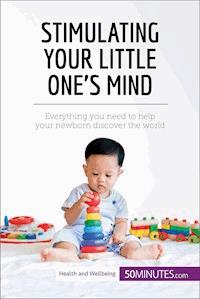
Change is only 50 minutes away! Find out everything you need to know about your baby’s development with this straightforward guide.
The first few months of your baby’s life are an exciting time: your little one has a whole world to discover and is rapidly picking up new skills. As a parent, you can support them through this crucial phase by stimulating their senses, helping them to develop their motor and intellectual capacities and encouraging them to interact with the people and objects around them.
In just 50 minutes you will be able to:
• Understand the fundamental stages of your child’s development
• Stimulate your child’s five senses and help them learn through play
• Support your child’s intellectual, emotional and motor development
ABOUT 50MINUTES.COM | HEALTH AND WELLBEING
The Health and Wellbeing series from the 50Minutes collection is perfect for anyone looking to be healthier and happier in their personal life. Our guides cover a range of topics, from social anxiety to getting ready for a new baby, and provide simple, practical advice and suggestions to allow you to reduce stress, strengthen your relationships and increase your wellbeing.
Das E-Book können Sie in Legimi-Apps oder einer beliebigen App lesen, die das folgende Format unterstützen:
Seitenzahl: 26
Veröffentlichungsjahr: 2017
Ähnliche
















Stimulating your little one’s mind
Problem: as all parents know, the first few months in a newborn’s life play a decisive role in their development and future. This means that it is vital to help your baby acquire the motor, intellectual and social skills they will need later on.Aims: to understand your newborn’s psychomotor development and help them to discover the world.FAQs:What should I do if my baby refuses to eat?What toy should I choose for my child?Are dummies useful?How can I tell if I am overstimulating my baby?My one-year-old is not speaking. Is this normal?How can I know if my child’s development is delayed?While it is always good for parents to see their child develop and get excited about their environment, it is still important to make sure that they acquire their motor skills gradually, at their own pace. Rushing through the learning process could have serious consequences.
Emotional development
When babies are born, they already have emotional communication abilities. Initially, attachment to their mother develops through innate behaviours. Crying, sucking or grasping allow an infant to maintain physical contact with their mother and feel safe. At the start of a newborn’s life, they are completely dependent on adults to satisfy their primary needs. Their sensory capacities are illustrated in their interactions with adults: they seek physical contact and caresses, and are calmed by their parents’ voices. From the third week of life, the mother and her baby tend to look at one another. From a very early age, the infant’s smile indicates their pleasure at being in contact with other people. Social smiling becomes selective at the age of three months.
If the people around the newborn respond appropriately to their demands, they will develop a feeling of security and a positive self-image, which will enable them to acquire new skills. However, if their needs are not satisfied, they will experience anxious attachment, lack self-confidence and mistrust others.
As infants grow up, they gradually become more independent and less attached to their mother. For this process of separation and physical distancing to go well, the child and their parents need to be emotionally in tune. In other words, successful detachment requires healthy attachment.
At the age of between two and three months, the first signs of dialogue emerge, with alternating roles. At the age of around six months, the baby’s ability to imitate sounds allows this dialogue to develop further. At this age, newborns still look for contact with their mother and begins to do so more insistently. They also take a greater interest in their body and the objects around them. Finally, they look more closely at adults’ faces and use cries to express unhappiness and anxiety.
As children can distinguish between familiar and unfamiliar faces between the age of eight and nine months, at this stage they will express their worries around strangers.




