


3,49 €
Mehr erfahren.
- Herausgeber: Xspurts
- Kategorie: Fachliteratur
- Sprache: Englisch
Das E-Book können Sie in Legimi-Apps oder einer beliebigen App lesen, die das folgende Format unterstützen:
Veröffentlichungsjahr: 2025
Ähnliche



















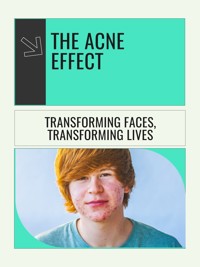
The Acne Effect
Transforming Faces, Transforming Lives
Scarlett Y. Turner
Created by Xspurts.com
All rights reserved.
Copyright © 2005 onwards .
By reading this book, you agree to the below Terms and Conditions.
Xspurts.com retains all rights to these products.
No part of this book may be reproduced in any form, by photostat, microfilm, xerography, or any other means, or incorporated into any information retrieval system, electronic or mechanical, without the written permission of Xspurts.com; exceptions are made for brief excerpts used in published reviews.
This publication is designed to provide accurate and authoritative information with regard to the subject matter covered but is for entertainment purposes only. It is sold with the understanding that the publisher is not engaged in rendering legal, accounting, health, relationship or any other professional / personal advice. If legal advice or other expert assistance is required, the services of a competent professional should be sought.
While the publisher and author have used their best efforts in preparing this book, they make no representations or warranties with respect to the accuracy or completeness of the contents of this book and specifically disclaim any implied warranties of merchantability or fitness for a particular purpose. No warranty may be created or extended by sales representatives or written sales materials. The advice and strategies contained herein may not be suitable for your situation. You should consult with a professional when appropriate. Neither the publisher nor the author shall be liable for any loss of profit or any other commercial damages, including but not limited to special, incidental, consequential, personal, or other damages.All trademarks remain the property of their respective owners.
A New Zealand Designed Product
Get A Free Book At: https://free.xspurts.com
Other Versions Available
Whylimityourselfto just one format?
This book is now available in physical, digital, and audiobook options.
Choose the way you love to read and dive into the story today. You won’t regret it!
Digital ISBN: 9781776838462Physical ISBN: 9781776838493Audio ISBN:
To obtain a different format of this book at a discounted price, please get in touch with us at:
http://isbn.xspurts.com/
Contents
Have Questions / Comments?
This book was designed to cover as much information as possible, but I know I have probably missed something, or some new amazing discovery has just come out.
If you notice something missing or have a question that I failed to answer, please get in touch and let me know. If I can, I will email you an answer and also update the book so others can also benefit from it.
Thanks For Being Awesome :)
Submit Your Questions / Comments At:
https://questions.xspurts.com
Get Free Stuff
Welovewritingand have produced a huge number of books.
For being one of our amazing readers, we would love to offer you more books we have created, 100% free.
To claim this limited time special offer, simply go to the site below and enter your name and email address.
You will then receive loads (as we love our readers so much :) of our great books, content and audio direct to your email account, 100% free!
Get Loads of FREE Stuff at:
https://free.xspurts.com
Understanding Acne: A Comprehensive Guide
The Complexity of a Common Condition
Acneisoftendescribed as one of the most common skin conditions in the world, yet its impact reaches far beyond the surface of the skin. For many people, acne is not just about blemishes or breakouts, it is about how these changes influence self-image, confidence, and even everyday life decisions. To understand acne comprehensively, we must explore both its medical foundation and its human dimension. Acne affects teenagers and adults alike, with breakouts ranging from mild and occasional to persistent and severe. Its presence is universal enough that almost everyone has experienced it at some point, but the experience feels deeply personal to each individual.
When you first look at acne clinically, it appears to be a simple matter of clogged pores and inflamed skin. Yet when you dig deeper, you find that it is a condition influenced by hormones, genetics, lifestyle, environment, and even emotional well-being. This complexity is what makes acne so challenging to manage, and why understanding it thoroughly is the first step toward healing.
What Happens Beneath the Skin
At its core, acne begins with the pilosebaceous unit, a structure in the skin that includes the hair follicle and sebaceous (oil) gland. Under normal conditions, sebaceous glands produce sebum, an oily substance that keeps the skin hydrated and protected. Dead skin cells normally shed from the follicle’s lining and exit through the pores along with sebum.
In acne-prone skin, this process doesn’t run as smoothly. Excess oil production, an overgrowth of skin cells, and the presence of certain bacteria create the perfect environment for blockages. When pores become clogged, they may form blackheads or whiteheads. If inflammation develops, papules, pustules, nodules, or cysts can follow. Understanding this process reminds us that acne is not caused by “dirty skin” or poor hygiene, it is a complex biological condition that requires care and patience.
The Many Faces of Acne
Acne does not look the same for everyone, and this diversity often adds to the confusion surrounding it. Some people may only experience a few blackheads around the nose, while others develop deep cystic acne that is painful and long-lasting. Acne can also appear in different areas of the body, such as the back, chest, or shoulders, not just the face.
The differences are not just physical, they also shape emotional responses. A teenager with mild acne might feel just as self-conscious as an adult dealing with severe flare-ups, because perception of one’s appearance plays such a central role in self-esteem. By recognizing that acne has many forms, we can approach it with more compassion and avoid one-size-fits-all assumptions.
Triggers and Contributing Factors
While acne has biological roots, external and internal factors can worsen or improve the condition. Hormonal changes during puberty, menstruation, or stress are well-known triggers. Diet and lifestyle choices may also play a role for some people, though their influence varies from person to person. For example, certain high-glycemic foods or excessive dairy may contribute to flare-ups in some individuals, while others notice little connection.
Stress is another powerful factor. Emotional tension can lead to hormonal shifts that increase oil production, creating a cycle where acne worsens just when self-esteem feels lowest. Environmental elements, such as humidity, pollution, and exposure to pore-clogging substances, can also contribute. The key lesson here is that acne is rarely caused by a single issue, it is often the result of multiple forces acting together.
Acne and the Emotional Burden
Perhaps the most overlooked aspect of acne is its psychological effect. For many, it is not the physical discomfort of acne that hurts the most, but the way it influences self-image. People may avoid mirrors, skip social gatherings, or feel anxious in professional settings because of their skin. The visibility of acne makes it difficult to hide, and the fear of being judged can become overwhelming.
These emotional consequences highlight why acne should be treated as more than a cosmetic issue. The scars left behind are not always physical; they can linger in the form of lowered confidence, social withdrawal, and even depression or anxiety. When we recognize acne as both a medical and an emotional challenge, we can approach it more holistically and compassionately.
The Role of Knowledge in Healing
Understanding acne is empowering. When someone learns that their acne is not a result of poor hygiene, but a complex interaction of biological and environmental factors, shame begins to lose its grip. Knowledge helps people make informed choices, whether that means selecting a suitable skincare routine, seeking professional treatment, or making small lifestyle adjustments.
Equally important is patience. Acne management is a process, and progress often takes time. Breakouts may not vanish overnight, but each small step, consistent cleansing, healthy habits, stress management, moves a person closer to improvement. The more informed someone is, the better equipped they are to resist discouragement and keep moving forward.
A Shared Experience, A Personal Journey
Though acne is a global condition, each person’s experience is unique. Two people may have the same type of acne but respond differently to treatment, feel different levels of emotional distress, and have different timelines of healing. This dual nature, shared yet personal, is what makes acne such a powerful subject. It unites people in common experience, yet challenges each person to find their own path to confidence and recovery.
Understanding acne fully means respecting both sides of this journey: the science that explains it and the humanity that lives it. By doing so, we create space for compassion, realistic expectations, and the hope that transformation is possible, not just for the skin, but for the whole person.
What is Acne?
Defining Acne in Simple Terms
Acneisoftenthought of as just a skin problem, but it is more accurately described as a condition that occurs when the body’s natural processes of oil production and cell turnover become imbalanced. At its most basic level, acne develops when hair follicles, the tiny openings in the skin, become blocked with excess oil, dead skin cells, and sometimes bacteria. This blockage creates an environment where inflammation can occur, leading to the red bumps, blackheads, whiteheads, and deeper cysts that many people recognize as acne.
Although it is most commonly associated with adolescence, acne can affect people of all ages. It is not limited to a specific gender, background, or lifestyle. The universality of acne makes it a condition that touches nearly every life at some point, yet each person’s experience with it is unique.
A Condition, Not a Reflection of Cleanliness
One of the most important truths about acne is that it is not caused by poor hygiene. It can be easy for someone living with acne to blame themselves, thinking they are not washing enough or doing something wrong. In reality, acne is a medical condition influenced by internal and external factors, not simply a matter of “dirty skin.”
Sebaceous glands, which sit inside the follicles, produce oil naturally to keep skin hydrated and protected. Acne-prone skin often produces more oil than needed, and this excess combines with shedding skin cells to clog pores. The presence of certain bacteria in these blocked follicles can trigger the immune system, leading to inflammation. This is why acne is not just a surface-level problem but a reflection of complex biological processes happening beneath the skin.
The Visible Signs of Acne
Acne shows up in different ways, and understanding these variations helps us appreciate why no two cases look exactly the same. Non-inflammatory acne, such as blackheads and whiteheads, often appears when pores are clogged but not infected. Inflammatory acne, on the other hand, involves redness, swelling, and tenderness due to the body’s response to bacteria and blocked follicles.
For some, acne may present as small, occasional blemishes, while for others it can mean widespread breakouts, painful cysts, or lingering scars. Acne is not limited to the face, it can also affect the back, chest, and shoulders. The visibility of acne makes it especially challenging, because unlike conditions that remain hidden, acne appears in places that are hard to conceal, which can magnify its emotional toll.
Why Acne Matters Beyond the Skin
To define acne only as a skin condition would be to miss the bigger picture. The impact of acne extends beyond physical symptoms, affecting how people see themselves and how they believe others see them. A single breakout before an important event can feel devastating, while chronic acne may lead to years of self-consciousness and frustration.
The emotional weight of acne is real, and for many, it can be heavier than the physical discomfort. It has the power to influence self-esteem, social confidence, and even career or relationship choices. This is why understanding acne means recognizing it as both a dermatological condition and a psychological experience.
The Universality of Acne
Despite the shame that can accompany acne, it is one of the most widespread skin conditions in the world. Almost everyone will experience it at some stage, whether in adolescence, adulthood, or later in life. Acne crosses cultural, social, and economic boundaries, making it a universal human experience.
Knowing this can provide comfort to those who feel isolated by their acne. It reminds us that having acne does not mean being alone, unusual, or flawed, it means sharing in a condition that millions of others are facing too. At the same time, each case of acne is deeply personal, shaped by individual skin type, genetics, lifestyle, and emotional response.
Seeing Acne as a Journey
Understanding what acne is opens the door to better management and, perhaps more importantly, greater self-compassion. It is a condition created by natural processes of the body, not a personal failing. While it can cause frustration and even pain, it can also be seen as a journey, a challenge that teaches patience, resilience, and the importance of holistic care.
Recognizing acne as both a physical and emotional condition helps shift the conversation from blame to empowerment. By defining acne in this way, we allow space for healing that goes beyond skin and into the heart of self-confidence and well-being.
Types of Acne
Understanding the Different Forms
Acneisnota one-size-fits-all condition. While many people use the term “acne” to describe any pimple or breakout, the reality is that there are several distinct types, each with its own characteristics, causes, and impact. Understanding the variations is essential not only for effective treatment but also for compassion. Someone with a few blackheads may feel just as distressed as another person with cystic lesions, but their needs and treatment approaches will differ. By learning about the different types of acne, we gain both clarity and empathy for the diverse experiences this condition creates.
Non-Inflammatory Acne: Blackheads and Whiteheads
The mildest forms of acne are blackheads and whiteheads, often called comedones. These occur when pores become clogged with excess oil and dead skin cells. The difference between them lies in whether the pore remains open or closed.
Blackheads form when the pore is open, allowing the trapped oil and cells to be exposed to air. This causes oxidation, which gives the black or dark appearance at the surface. Despite the color, it is not dirt.
Whiteheads occur when the pore is closed over the blockage, trapping the material inside. They appear as small, white or flesh-colored bumps under the skin.
Non-inflammatory acne may not be painful, but it can still affect self-image. For many, the presence of visible bumps, whether black or white, creates frustration and self-consciousness. Left untreated, these clogged pores can progress to more severe types of acne.




