


5,99 €
Mehr erfahren.
- Herausgeber: Shuttle Systems Ltd
- Kategorie: Ratgeber
- Sprache: Englisch
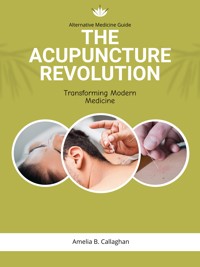
"Experience the transformative power of acupuncture with ""The Acupuncture Revolution: Transforming Modern Medicine."" This comprehensive guide explores the history and philosophy of acupuncture, from its ancient roots to its modern-day applications in healthcare. Learn about the concept of Qi and the meridian system in Traditional Chinese Medicine, as well as the different acupuncture techniques and tools used in treatments.
Discover the wide-ranging benefits of acupuncture, including pain relief, emotional and mental health, digestive issues, respiratory health, women's and men's health, sleep and insomnia, immune system support, weight management, skin health, addiction and recovery, sports performance, aging and longevity, and much more. Personal stories from acupuncture patients illustrate the transformative power of acupuncture treatment.
Choose the right acupuncturist, prepare for your first appointment, and develop a personalized treatment plan that addresses your individual health needs. The book also covers topics such as the future of acupuncture and integrative medicine, the benefits of combining acupuncture with Western medicine, and sustainable practices in Traditional Chinese Medicine.
Written by experienced practitioners, ""The Acupuncture Revolution"" is a groundbreaking book that explores how acupuncture is transforming modern medicine. Whether you're new to acupuncture or a seasoned practitioner, this book is a valuable resource for expanding your knowledge and exploring new treatments. Join the acupuncture revolution and take charge of your health today!"
Das E-Book können Sie in Legimi-Apps oder einer beliebigen App lesen, die das folgende Format unterstützen:
Veröffentlichungsjahr: 2023
Ähnliche













Created by Xspurts.com
All rights reserved.
Copyright © 2005 onwards .
By reading this book, you agree to the below Terms and Conditions.
Xspurts.com retains all rights to these products.
No part of this book may be reproduced in any form, by photostat, microfilm, xerography, or any other means, or incorporated into any information retrieval system, electronic or mechanical, without the written permission of Xspurts.com; exceptions are made for brief excerpts used in published reviews.
This publication is designed to provide accurate and authoritative information with regard to the subject matter covered, however is for entertainment purposes only. It is sold with the understanding that the publisher is not engaged in rendering legal, accounting, health, relationship or other professional / personal advice. If legal advice or other expert assistance is required, the services of a competent professional should be sought.
First Printed 202
ISBN:
DIGITAL VERSION: 978-1-77684-743-3
PHYSICAL VERSION: 978-1-77684-742-6
A New Zealand Designed Product
Get A Free Book At: go.xspurts.com/free-book-offer
Table of Contents
The History and Philosophy of Acupuncture
Ancient roots and cultural significance
The development of acupuncture over time
Understanding Qi and Meridians
The concept of Qi in Traditional Chinese Medicine (TCM)
The meridian system and its role in acupuncture
Acupuncture Techniques and Tools
Different types of acupuncture needles
Moxibustion, cupping, and other complementary techniques
The Science Behind Acupuncture
Current research and understanding of acupuncture's effectiveness
Debunking common acupuncture myths
Acupuncture for Pain Relief
Treating headaches and migraines
Managing chronic pain conditions
Acupuncture for Emotional and Mental Health
Reducing stress and anxiety
Treating depression and mood disorders
Acupuncture for Digestive Issues
Addressing gastrointestinal disorders
Promoting healthy digestion
Acupuncture for Respiratory Health
Treating asthma and allergies
Supporting lung health
Acupuncture for Women's Health
Addressing fertility and menstrual issues
Easing menopause symptoms
Acupuncture for Men's Health
Supporting prostate health
Enhancing sexual health and performance
Acupuncture for Sleep and Insomnia
Understanding the connection between sleep and TCM
Techniques for improving sleep quality
Acupuncture for Immune System Support
Strengthening immunity and overall wellness
Managing autoimmune conditions
Acupuncture for Weight Management
Understanding the role of TCM in weight control
Techniques for promoting healthy weight loss
Acupuncture for Skin Health
Treating common skin issues
Promoting healthy, radiant skin
Acupuncture for Addiction and Recovery
Supporting detoxification and withdrawal
Addressing cravings and relapse prevention
Acupuncture for Athletes and Sports Performance
Enhancing athletic performance
Accelerating injury recovery
Acupuncture for Aging and Longevity
Promoting healthy aging
Addressing age-related health concerns
Choosing the Right Acupuncturist
What to look for in an acupuncture practitioner
Tips for finding the right fit
Preparing for Your Acupuncture Session
What to expect during your first appointment
Tips for maximizing treatment benefits
The Future of Acupuncture and Integrative Medicine
The growing role of acupuncture in healthcare
The future of research and innovation in the field
Frequently Asked Questions About Acupuncture
Common misconceptions and concerns
Answers from experienced practitioners
Personal Stories: Acupuncture Success Stories
Real-life experiences of acupuncture patients
The transformative power of acupuncture treatment
The Transformative Power of Acupuncture Treatment
Acupuncture for Children and Adolescents
Adapting acupuncture treatments for younger patients
Addressing common childhood health issues
Acupuncture for Pregnancy and Postpartum Care
Supporting a healthy pregnancy
Easing postpartum recovery
Acupuncture for Chronic Fatigue and Energy Boost
Understanding the TCM perspective on energy and fatigue
Techniques for revitalizing energy levels
Acupuncture for Eye Health
Addressing common eye conditions
Supporting vision and overall eye health
Acupuncture for Dental and Oral Health
Treating TMJ, tooth pain, and other oral health issues
Promoting overall dental well-being
Acupuncture for Animal Health
Understanding veterinary acupuncture
The benefits of acupuncture for pets
Acupuncture and Cancer Care
Supporting patients through cancer treatment
Addressing side effects and improving quality of life
Acupuncture for Stroke Rehabilitation
Enhancing recovery from stroke and brain injuries
Supporting long-term neurological health
Acupuncture for Hormonal Balance
Understanding the TCM perspective on hormonal health
Techniques for restoring hormonal balance
Combining Acupuncture with Western Medicine
The benefits of an integrative approach to healthcare
Collaborating with other healthcare providers
Acupuncture and the Environment
The ecological impact of acupuncture practices
Sustainable practices in TCM
Acupressure and Self-Care Techniques
Understanding the principles of acupressure
Simple self-care techniques to complement acupuncture treatments
Acupuncture Safety and Potential Side Effects
Recognizing and minimizing risks
What to do if you experience side effects
Building a Personalized Acupuncture Treatment Plan
Assessing your individual health needs
Developing a customized treatment strategy
Continuing Your Acupuncture Journey
Maintaining long-term health benefits
Expanding your knowledge and exploring new treatments
Have Questions / Comments?
Get Another Book Free
The History and Philosophy of Acupuncture
Acupuncture is an ancient healing practice that has been used for thousands of years to promote health and well-being. Its rich history and philosophical foundations contribute to its effectiveness and enduring popularity. Below we will we will delve into the fascinating history and philosophy of acupuncture, exploring its origins, development, and underlying principles.
Origins of Acupuncture
The origins of acupuncture can be traced back to ancient China, where it emerged as part of Traditional Chinese Medicine (TCM). The exact origins of acupuncture are shrouded in legend and folklore, making it challenging to determine a precise timeline. However, it is believed to have been practiced as early as 100 BCE, with evidence of stone needles dating back to that period.
Historical Development
Acupuncture's historical development can be attributed to the collective knowledge and experiences of generations of practitioners. Over time, theories and techniques were refined, documented, and passed down through oral traditions and written texts. One of the most influential classical texts in acupuncture is the Huangdi Neijing (Yellow Emperor's Inner Canon), believed to have been written around 200 BCE to 200 CE. This text laid the foundation for understanding the principles and applications of acupuncture.
Philosophical Foundations
The philosophy underlying acupuncture is deeply rooted in the concepts of Yin and Yang, Qi (vital energy), and the meridian system. Yin and Yang represent opposing but interconnected forces that exist in nature and within the human body. Qi is the vital energy that flows through meridians, or pathways, in the body. According to acupuncture philosophy, an imbalance or blockage in the flow of Qi can lead to illness and discomfort.
Qi and Meridians
The meridian system is a complex network of channels through which Qi flows. There are twelve primary meridians, each corresponding to specific organs and systems in the body. These meridians are interconnected and form a comprehensive network that ensures the smooth circulation of Qi. Acupuncture points, or acupoints, are specific locations along the meridians where the Qi can be accessed and influenced.
Treatment Techniques
Acupuncture treatment involves the insertion of fine, sterile needles into specific acupoints along the meridians. The needles are manipulated by the acupuncturist to stimulate or regulate the flow of Qi. Techniques such as manual stimulation, heat application (moxibustion), or electrical stimulation (electroacupuncture) may be employed to enhance the therapeutic effects. The goal is to restore the balance of Yin and Yang, harmonize the flow of Qi, and promote the body's self-healing mechanisms.
Integration with Traditional Chinese Medicine
Acupuncture is an integral part of Traditional Chinese Medicine (TCM), a comprehensive system of healthcare that encompasses various modalities such as herbal medicine, dietary therapy, and exercise (Qigong). In TCM, health is seen as a state of balance and harmony within the body, mind, and spirit. Acupuncture is used not only to address physical ailments but also to restore emotional and mental well-being.
Global Spread and Modernization
Acupuncture gradually spread beyond China's borders, reaching other parts of Asia and eventually gaining popularity worldwide. In the mid-20th century, acupuncture experienced a resurgence of interest, particularly in the West. This was due in part to the efforts of practitioners and researchers who sought to understand acupuncture's mechanisms of action and validate its efficacy through scientific research. Today, acupuncture is widely practiced and integrated into conventional medical settings in many countries.
Ancient roots and cultural significance
Acupuncture, an ancient healing practice originating from China, carries deep historical and cultural significance. Rooted in traditional Chinese medicine (TCM), acupuncture has been passed down through generations and has become an integral part of various cultures around the world. Below we will we will explore the ancient roots of acupuncture, its cultural significance, and how it has evolved over time.
Origins of Acupuncture
The origins of acupuncture can be traced back thousands of years to ancient China. While the exact origins remain shrouded in mystery and folklore, acupuncture is believed to have been practiced as early as the Stone Age, with evidence of stone needles dating back to that period. Over time, the techniques and theories of acupuncture were refined and passed down through oral traditions and written texts.
Ancient Chinese Medical Practices
Acupuncture emerged within the broader framework of traditional Chinese medicine, which encompasses a comprehensive system of healthcare. Ancient Chinese medical practices were deeply influenced by the philosophy of Yin and Yang, the concept of Qi (vital energy), and the observation of the natural world. Acupuncture was seen as a way to restore the balance of Yin and Yang and promote the flow of Qi in the body.
Cultural Significance in Ancient China
Acupuncture held great cultural significance in ancient China, where it was practiced not only as a form of healthcare but also as a spiritual and ritualistic tradition. It was believed that illness and disease were caused by imbalances or blockages in the flow of Qi. By restoring harmony and balance through acupuncture, individuals could achieve physical, mental, and spiritual well-being.
Historical Texts and Contributions
Ancient Chinese medical texts played a crucial role in preserving the knowledge and practices of acupuncture. One of the most influential texts is the Huangdi Neijing (Yellow Emperor's Inner Canon), a compilation of medical knowledge dating back to the Han dynasty (206 BCE - 220 CE). This text provided a theoretical framework for understanding the principles and applications of acupuncture and other aspects of traditional Chinese medicine.
Spread to East Asia and Beyond
Acupuncture gradually spread beyond China's borders, reaching other parts of East Asia, including Japan, Korea, and Vietnam. Each region adopted and adapted acupuncture according to its cultural and medical traditions. For example, in Japan, acupuncture evolved into a unique style known as Japanese acupuncture, characterized by its gentle needling techniques and emphasis on palpation skills.
Influence on Traditional Medicine Systems
Acupuncture's influence extended beyond East Asia, impacting other traditional medicine systems around the world. In countries such as Tibet, India, and Mongolia, acupuncture techniques were integrated into their respective medical traditions. This cross-pollination of knowledge enriched the practice of acupuncture and contributed to its global recognition.
Integration with Western Medicine
In the modern era, acupuncture gained recognition and acceptance in the West. Its integration with Western medicine began in the 20th century, as acupuncture gained popularity and interest among healthcare professionals and researchers. Today, acupuncture is commonly practiced alongside conventional medical treatments, with an increasing number of studies investigating its efficacy and mechanisms of action.
Cultural Significance Today
Acupuncture continues to hold cultural significance in many societies around the world. In China, acupuncture remains deeply ingrained in the healthcare system, and its practice is regulated by the government. Traditional festivals and holidays often include acupuncture-related rituals and demonstrations. In other countries, acupuncture has become a respected alternative therapy, embraced by individuals seeking holistic and natural approaches to health.
Preservation and Modernization
Efforts have been made to preserve the ancient roots of acupuncture while adapting to modern times. Traditional acupuncture schools and training programs continue to pass down the knowledge and techniques from generation to generation.
The development of acupuncture over time
Acupuncture, an ancient healing practice originating from China, has undergone significant development and evolution over time. From its ancient roots to its integration with modern medicine, acupuncture has adapted to new knowledge and contexts while preserving its core principles. Below we will we will explore the development of acupuncture throughout history, highlighting key milestones and its transformation into a widely recognized and respected therapeutic modality.
Ancient Beginnings
The origins of acupuncture can be traced back thousands of years to ancient China. Stone needles dating back to the Neolithic era have been found, indicating the early use of acupuncture techniques. In ancient times, acupuncture was closely associated with the philosophy of Yin and Yang, Qi (vital energy), and the meridian system. These concepts formed the foundation of acupuncture's theoretical framework and guided its development over the centuries.
Early Techniques and Theories
During the Han dynasty (206 BCE - 220 CE), acupuncture began to gain recognition as a medical practice. Ancient texts, such as the Huangdi Neijing (Yellow Emperor's Inner Canon), documented theories and techniques of acupuncture, emphasizing the balance of Yin and Yang and the flow of Qi through the meridians. These texts provided guidelines for diagnosing and treating various ailments using acupuncture.
Expansion and Influence
As Chinese civilization expanded, so did the practice of acupuncture. Acupuncture techniques and theories were shared with neighboring regions, including Japan, Korea, and Vietnam. Each culture adopted and adapted acupuncture according to its own medical traditions, leading to the development of unique styles and approaches. For example, Japanese acupuncture emphasizes gentle needling techniques and palpation skills, while Korean acupuncture incorporates hand therapy and other forms of stimulation.
Challenges and Preservation
During the 20th century, acupuncture faced challenges due to the influence of Western medicine and skepticism surrounding its efficacy. However, dedicated practitioners and researchers worked to preserve and promote acupuncture's traditional wisdom. They sought to bridge the gap between Eastern and Western medicine by providing scientific evidence and establishing standards of practice. These efforts helped to elevate acupuncture's status and led to its integration into modern healthcare systems.
Modern Recognition and Integration
In the latter half of the 20th century, acupuncture gained recognition and acceptance in the West. It was viewed as a valuable complementary therapy to conventional medicine, offering a holistic approach to health and well-being. Acupuncture began to be integrated into conventional medical settings, such as hospitals and clinics, and healthcare professionals started incorporating acupuncture into their treatment plans.
Scientific Research and Evidence
The integration of acupuncture with modern medicine prompted scientific research to explore its mechanisms of action and effectiveness. Numerous studies have been conducted to investigate the physiological and psychological effects of acupuncture. Research has shown that acupuncture can stimulate the release of endorphins and other neurotransmitters, modulate immune responses, and regulate various physiological functions. These findings have contributed to acupuncture's growing acceptance among healthcare professionals and the general public.
Regulation and Standardization
As acupuncture gained popularity, the need for regulation and standardization became apparent. Many countries and regions have established regulatory bodies and licensing requirements to ensure the safety and competence of acupuncture practitioners. Standardized training programs and certification processes have been developed to uphold the highest standards of practice and protect public health.
Integration into Multidisciplinary Approaches
Acupuncture has found its place within multidisciplinary approaches to healthcare. It is often integrated with other therapeutic modalities, such as herbal medicine, massage, and physical therapy, to provide comprehensive and personalized treatment plans. Acupuncture is commonly used to address a wide range of conditions, including pain management, stress reduction, fertility support, and mental health issues.
Understanding Qi and Meridians
Acupuncture, an ancient healing practice originating from China, is based on the concept of Qi and meridians. Qi, often translated as vital energy, and meridians, the energy pathways in the body, form the foundation of acupuncture theory and practice. Below we will we will explore the fascinating and intricate concepts of Qi and meridians, their significance in acupuncture, and their role in promoting health and well-being.
Qi: The Vital Energy
Qi is a fundamental concept in traditional Chinese medicine and acupuncture. It is the vital energy that flows through the body, maintaining the balance and harmony necessary for optimal health. In Chinese philosophy, Qi is considered the life force that animates all living beings. It is a dynamic and ever-present energy that encompasses physical, mental, and spiritual aspects of a person's well-being.
The Nature of Qi
According to traditional Chinese medicine, Qi is not a tangible substance but rather a subtle and pervasive force. It cannot be directly measured or observed but is understood through its effects on the body and the environment. Qi is in a constant state of flux, circulating through the body's meridians, organs, and tissues. Its balance and smooth flow are essential for maintaining health, while blockages or imbalances can lead to illness and discomfort.
Yin and Yang: Balancing Qi
The concept of Yin and Yang is closely intertwined with the understanding of Qi. Yin represents the receptive, cooling, and nourishing aspects, while Yang represents the active, warming, and transformative aspects. In a healthy individual, Yin and Yang are balanced, allowing Qi to flow smoothly. Acupuncture seeks to restore and maintain this balance by influencing the flow of Qi along the meridians.
Meridians: Pathways of Qi
Meridians are the energy pathways that traverse the body, forming an intricate network through which Qi flows. Traditionally, there are 12 main meridians, each associated with specific organs and their functions. In addition, there are eight extraordinary meridians that regulate and support the main meridians. These meridians are not physical structures but represent energetic pathways that connect various parts of the body.
Acupuncture Points
Along the meridians, there are specific points where Qi can be accessed and influenced. These acupuncture points are where acupuncture needles are inserted to stimulate and regulate the flow of Qi. Each acupuncture point has its unique characteristics and therapeutic indications. By targeting specific points, an acupuncturist can address imbalances in Qi and restore the flow to promote healing and well-being.
Qi Disharmony and Disease
In traditional Chinese medicine, disease is believed to result from imbalances or disruptions in the flow of Qi. When Qi becomes stagnant, deficient, or excessive in certain areas of the body, it can manifest as physical or emotional symptoms. Acupuncture aims to correct these imbalances by restoring the smooth flow of Qi and addressing the root causes of disharmony.
Modern Understanding and Scientific Perspectives
While the concept of Qi and meridians may seem abstract to some, modern research has shed light on the physiological and anatomical aspects of acupuncture. Studies have shown that acupuncture can stimulate the release of endorphins, neurotransmitters, and immune system factors, thereby modulating pain perception and promoting healing. The meridians are thought to correspond to specific anatomical structures, such as nerve pathways and connective tissue planes.
Individualized Treatment
One of the strengths of acupuncture is its ability to provide individualized treatment based on a person's unique Qi patterns. During an acupuncture session, the practitioner assesses the patient's overall Qi condition, including pulse diagnosis, tongue examination, and a comprehensive health history.
The concept of Qi in Traditional Chinese Medicine (TCM)
Traditional Chinese Medicine (TCM) is a comprehensive healthcare system that has been practiced for thousands of years. Central to the philosophy and practice of TCM is the concept of Qi, which is believed to be the vital energy that flows through the body. Below we will we will explore the concept of Qi in TCM, its significance, and its relationship to acupuncture, a popular therapy within TCM.
The Nature of Qi
In TCM, Qi is understood as the fundamental force that underlies all aspects of life. It is a dynamic and vital energy that animates the body, mind, and spirit. Qi is believed to flow through channels or meridians, connecting all parts of the body and creating a network of energetic pathways. It is the harmonious balance and smooth flow of Qi that is crucial for maintaining health and well-being.
The Functions of Qi
Qi has multiple functions within the body. It is responsible for the growth, development, and maintenance of bodily tissues and organs. Qi also regulates the activities of the organs and systems, ensuring their proper functioning. In addition, Qi provides the necessary energy for all physiological and psychological processes, including digestion, respiration, circulation, and cognition.
Types of Qi
In TCM, Qi is further classified into different types based on its source and function. The two main types of Qi are inherited Qi (Yuan Qi) and acquired Qi (Zong Qi). Inherited Qi is the Qi that we are born with and is derived from our parents. It forms the basis of our constitution and determines our overall vitality and resilience. Acquired Qi, on the other hand, is derived from the air we breathe, the food we eat, and the experiences we have. It can be influenced and cultivated throughout our lives.
Qi Imbalances and Disease
According to TCM, imbalances or disruptions in the flow of Qi can lead to illness and disease. When Qi becomes stagnant, deficient, or excessive, it can manifest as physical or emotional symptoms. For example, if Qi becomes blocked or stagnant in a particular meridian, it can result in pain or discomfort in that area. Likewise, if Qi is deficient, it may lead to fatigue, weakness, or susceptibility to illness.
Diagnosis and Treatment
In TCM, the assessment of Qi is a crucial aspect of diagnosis. TCM practitioners use various diagnostic techniques, such as pulse diagnosis, tongue examination, and observation of other signs and symptoms, to evaluate a person's Qi condition. Based on the diagnosis, treatment strategies are formulated to restore the balance and flow of Qi. Acupuncture, herbal medicine, dietary adjustments, and lifestyle modifications are commonly used to regulate Qi and promote healing.
Acupuncture and Qi
Acupuncture, a key therapy within TCM, directly influences the flow of Qi in the body. By inserting fine needles into specific acupuncture points along the meridians, an acupuncturist can stimulate or tonify Qi where it is deficient, disperse stagnant Qi, or redirect its flow. This helps to restore the balance and smooth flow of Qi, allowing the body to regain its natural state of health.
Qi and Mind-Body Connection
In TCM, the concept of Qi extends beyond the physical body and encompasses the mind and emotions as well. Qi is believed to be intimately connected to our mental and emotional well-being. Emotions are seen as expressions of Qi, and the smooth flow of Qi is crucial for emotional balance. Conversely, emotional imbalances can affect Qi, leading to physical symptoms or illness.
The meridian system and its role in acupuncture
Acupuncture, a key component of Traditional Chinese Medicine (TCM), has gained popularity worldwide for its effectiveness in treating various health conditions. Central to the practice of acupuncture is the meridian system, an intricate network of energy pathways in the body. Below we will we will explore the meridian system and its essential role in acupuncture, shedding light on its functions and significance.
Understanding Meridians
In TCM, meridians are the pathways through which vital energy, known as Qi, flows throughout the body. These energy channels connect different parts of the body and serve as a means for communication and interaction between various organs and systems. The meridian system comprises a complex network that spans the entire body, forming a framework for the flow of Qi.
The Twelve Primary Meridians
Traditionally, there are twelve primary meridians, each corresponding to a specific organ and its associated functions. These meridians include the Lung, Large Intestine, Stomach, Spleen, Heart, Small Intestine, Bladder, Kidney, Pericardium, Triple Burner (San Jiao), Gallbladder, and Liver meridians. Each meridian follows a specific pathway and has connections to particular organs and tissues.
The Eight Extraordinary Meridians
In addition to the twelve primary meridians, there are eight extraordinary meridians in TCM. These meridians are considered reservoirs of Qi and play a significant role in regulating and balancing the flow of energy throughout the body. The eight extraordinary meridians include the Conception Vessel, Governing Vessel, Penetrating Vessel, Girdle Vessel, Yin Linking Vessel, Yang Linking Vessel, Yin Heel Vessel, and Yang Heel Vessel.
Functions of the Meridian System
The meridian system serves several important functions in the body. Firstly, it acts as a pathway for the flow of Qi, allowing energy to circulate and nourish all parts of the body. Secondly, meridians facilitate the communication between organs and tissues, enabling them to work harmoniously. Moreover, the meridian system plays a role in regulating the balance between Yin and Yang energies, which is essential for maintaining optimal health.
Acupuncture Points along the Meridians
Along the meridians, specific points, known as acupuncture points, have been identified and mapped out. These points are where acupuncture needles are inserted to influence the flow of Qi and restore balance in the body. Each acupuncture point has its unique therapeutic properties and indications. By stimulating or tonifying specific points, an acupuncturist can regulate the flow of Qi and address specific health concerns.
Qi Flow and Blockages
The smooth flow of Qi along the meridians is vital for good health. When there is an obstruction or blockage in the meridian system, it can lead to an imbalance of Qi, which may manifest as pain, discomfort, or illness. Acupuncture aims to remove these blockages and restore the harmonious flow of Qi, allowing the body to heal naturally.
Scientific Perspectives on Meridians
While the meridian system is not fully understood from a Western scientific standpoint, there has been research exploring its significance. Studies have shown that acupuncture points along the meridians have unique physiological characteristics, such as lower electrical resistance, increased microcirculation, and specific nerve distributions. These findings provide some scientific basis for the existence of meridians and their role in acupuncture.
Meridian-Based Therapies
Apart from acupuncture, various meridian-based therapies have emerged that seek to influence the flow of Qi in the body.
Acupuncture Techniques and Tools
Acupuncture is an ancient healing practice that has been used for thousands of years to promote health and well-being. Central to the practice of acupuncture are various techniques and tools that acupuncturists utilize to stimulate specific points on the body. Below we will we will explore the different acupuncture techniques and tools used in this traditional therapy, shedding light on their significance and efficacy.
Traditional Acupuncture Techniques
Insertion: The most fundamental technique in acupuncture is the insertion of thin, sterile needles into specific acupuncture points on the body. Acupuncturists skillfully insert the needles to various depths, depending on the specific condition being treated.
Manipulation: After needle insertion, acupuncturists may apply gentle manipulations to the needles. This can include twirling, rotating, or gently lifting and thrusting the needles to elicit a specific therapeutic effect.
Moxibustion: Moxibustion involves the burning of the herb mugwort (Artemisia vulgaris) near or on the acupuncture points. The heat generated during moxibustion stimulates the points and promotes the flow of Qi and blood.
Cupping: Cupping involves placing glass or plastic cups on the skin and creating a vacuum by suctioning out the air. The suction effect helps to stimulate the flow of Qi and blood, promoting healing and relieving pain.
Specialized Acupuncture Techniques
Electroacupuncture: Electroacupuncture combines traditional acupuncture with electrical stimulation. Electrodes are attached to specific acupuncture needles, and a gentle electric current is applied. This technique enhances the therapeutic effects of acupuncture and is commonly used for pain management and neurological conditions.
Scalp Acupuncture: Scalp acupuncture involves the insertion of needles into specific scalp regions to treat various neurological and musculoskeletal conditions. This technique is based on the concept that specific areas of the scalp correspond to different parts of the body.
Auricular Acupuncture: Auricular acupuncture focuses on stimulating specific points on the ear. The ear is considered a microsystem representing the entire body, and by stimulating these points, acupuncturists can address various health conditions.
Acupuncture Tools
Acupuncture Needles: Acupuncture needles are the primary tools used in acupuncture. They are typically made of stainless steel and come in various lengths and thicknesses. The needles are designed to be thin and flexible, ensuring a relatively painless insertion.
Moxa Sticks: Moxa sticks are cylindrical sticks made of compressed mugwort. They are burned near or on the acupuncture points to produce heat and stimulate the points. Moxa sticks can be handheld or attached to the end of acupuncture needles.
Cupping Sets: Cupping sets consist of glass or plastic cups in various sizes. These cups create a vacuum when placed on the skin, promoting blood flow and Qi circulation. Cupping sets may include both stationary cups and movable cups for different techniques.
Acupressure Tools: Acupressure tools are used to apply pressure to acupuncture points without the use of needles. These tools can include metal probes, wooden dowels, or specialized devices designed to target specific points or meridians.
Safety and Hygiene
In acupuncture practice, ensuring safety and hygiene is paramount. Acupuncturists adhere to strict standards to minimize the risk of infection and ensure the well-being of their patients. Disposable acupuncture needles are commonly used to prevent cross-contamination, and strict sterilization procedures are followed for reusable tools.
Different types of acupuncture needles
Acupuncture is a traditional healing practice that involves the insertion of thin needles into specific points on the body. These needles play a crucial role in the effectiveness and safety of acupuncture treatments. Over the years, different types of acupuncture needles have been developed to meet specific needs and preferences. Below we will we will explore the various types of acupuncture needles used in this ancient therapy, highlighting their unique features and applications.
Stainless Steel Needles
Stainless steel needles are the most commonly used type of acupuncture needles. They are made of high-quality stainless steel and come in different lengths and thicknesses to suit various treatment techniques and patient needs. Stainless steel needles are flexible, thin, and smooth, allowing for a relatively painless insertion. They are known for their strength and durability, making them suitable for repeated use. These needles are widely used in acupuncture clinics and are preferred by many practitioners for their versatility and reliability.
Disposable Needles
Disposable acupuncture needles have gained popularity in recent years due to their convenience and safety. These needles are made of high-quality stainless steel and come individually packaged in sterile containers. After a single use, they are safely discarded, eliminating the risk of contamination and cross-infection. Disposable needles provide peace of mind for both practitioners and patients, and they are an excellent choice for those concerned about hygiene and safety.
Intradermal Needles
Intradermal needles, also known as press needles or semi-permanent needles, are a specialized type of acupuncture needle. These needles are shorter in length and are designed to be inserted into the skin and left in place for an extended period. Intradermal needles have a small adhesive patch that keeps them in position. They are commonly used for cosmetic acupuncture, facial rejuvenation, and specific acupuncture protocols. The prolonged stimulation provided by intradermal needles can be beneficial for certain conditions.
Three-Edge Needles
Three-edge needles, also known as triangular needles or plum-blossom needles, have a unique shape that sets them apart from other acupuncture needles. These needles have three edges and are attached to a small handle. They are primarily used for a technique called "tapping" or "plum-blossom tapping." In this technique, the acupuncturist gently taps the skin with the needle to stimulate the acupuncture points. Three-edge needles are often used for conditions such as dermatological issues, scalp acupuncture, and certain musculoskeletal conditions.
Ear Seeds
Ear seeds, also called ear pellets or ear tacks, are not traditional acupuncture needles in the traditional sense. They consist of tiny metal or magnetic beads attached to adhesive tape. These beads are placed on specific acupuncture points on the outer ear and can be pressed or massaged by the patient to provide continuous stimulation. Ear seeds are commonly used in auricular acupuncture, where specific points on the ear correspond to different organs and body parts. They can be left in place for several days or even weeks, providing ongoing therapeutic benefits.
Japanese Needles
Japanese acupuncture needles have their own unique characteristics. They are thinner and finer compared to standard acupuncture needles. Japanese needles are designed to be exceptionally sharp and provide a smooth and gentle insertion. The philosophy behind Japanese acupuncture emphasizes the use of thinner needles to reduce discomfort and achieve precise and subtle stimulation of the acupuncture points. These needles are popular among practitioners who adopt the Japanese acupuncture style and approach.
Gold and Silver Needles
Gold and silver acupuncture needles are specialty needles that are coated with a thin layer of gold or silver. These needles are believed to have additional therapeutic properties compared to standard stainless steel needles. Gold needles are thought to tonify and nourish Qi, while silver needles are believed to disperse and move Qi.
Moxibustion, cupping, and other complementary techniques
Acupuncture, an ancient healing practice rooted in Traditional Chinese Medicine (TCM), encompasses more than just needle insertion. In addition to acupuncture, various complementary techniques are often employed to enhance the therapeutic effects and promote overall well-being. Among these techniques, moxibustion and cupping are the most well-known and widely practiced. Below we will we will explore these two techniques along with other complementary methods that are frequently used in conjunction with acupuncture.
Moxibustion
Moxibustion is a technique that involves the burning of dried mugwort (Artemisia vulgaris) near or on specific acupuncture points. The dried mugwort, known as "moxa," can be shaped into cones, sticks, or placed directly on the skin in the form of a cigar. The moxa is lit and burned slowly, producing heat that penetrates the skin and stimulates the acupuncture points.
Moxibustion is used to warm and invigorate the flow of Qi and blood, addressing conditions related to cold and stagnant energy. It is commonly employed for conditions such as pain, arthritis, digestive disorders, and menstrual irregularities. Moxibustion can be applied directly or indirectly, depending on the desired effect and the sensitivity of the patient's skin.
Cupping
Cupping is a technique that involves the placement of cups on the skin, creating a vacuum to stimulate the underlying tissues. Traditionally, glass cups are used, although plastic and silicone cups have become popular alternatives. The vacuum effect is achieved by briefly heating the inside of the cup with a flame or using a suction device.
Cupping promotes the flow of Qi and blood, helping to remove stagnation and alleviate muscle tension. The cups can be left in place or moved along the meridians or affected areas to achieve the desired therapeutic effect. Cupping is often used for pain relief, respiratory conditions, and to improve circulation.
Gua Sha
Gua Sha is a technique that involves scraping the skin with a smooth-edged instrument, typically made of jade, horn, or ceramic. The scraping motion helps to release tension, improve blood circulation, and stimulate the flow of Qi. Gua Sha is commonly used for musculoskeletal disorders, respiratory conditions, and detoxification.
During a Gua Sha session, a lubricant such as oil or lotion is applied to the skin, and the practitioner uses the instrument to scrape along the muscles or meridians in a specific pattern. The technique can create temporary redness or "sha" marks on the skin, which indicate the release of stagnation and toxins.
Acupressure
Acupressure is a non-invasive technique that involves applying pressure to specific acupuncture points on the body. It can be performed using fingers, thumbs, knuckles, or specialized acupressure tools. Acupressure stimulates the flow of Qi and promotes relaxation and healing.
Acupressure can be self-administered or performed by a trained practitioner. By applying pressure to specific points, acupressure can help alleviate pain, reduce stress, and support overall well-being. It is often used in conjunction with acupuncture or as a standalone therapy.
Herbal Medicine
Herbal medicine is an integral part of TCM and is frequently used in conjunction with acupuncture. Traditional herbal formulas are tailored to address specific patterns of disharmony in the body. These formulas can consist of various plant-based substances, including roots, leaves, stems, and flowers.
Herbal medicine aims to restore balance and nourish the body's natural healing abilities. It can be prescribed in the form of teas, powders, capsules, or topical applications.
The Science Behind Acupuncture
Acupuncture, a practice rooted in Traditional Chinese Medicine (TCM), has been used for thousands of years to promote health and treat various ailments. While acupuncture has gained widespread recognition and acceptance, its underlying scientific mechanisms have been a subject of curiosity and investigation. Below we will we will delve into the science behind acupuncture and explore the physiological and neurobiological processes that contribute to its therapeutic effects.
Neural Pathways and Neurotransmitters
Acupuncture involves the insertion of thin needles into specific points on the body, known as acupuncture points or acupoints. When these acupoints are stimulated, a cascade of physiological responses is triggered, primarily mediated through the nervous system. Studies have shown that acupuncture activates sensory receptors in the skin and muscles, stimulating sensory nerves and transmitting signals to the brain.
The stimulation of acupuncture points leads to the release of neurotransmitters such as endorphins, serotonin, and norepinephrine. Endorphins, known as the body's natural painkillers, help alleviate pain and induce a sense of well-being. Serotonin plays a role in regulating mood, while norepinephrine is involved in the body's stress response. The release of these neurotransmitters contributes to the analgesic and mood-enhancing effects of acupuncture.
Modulation of Pain Perception




