


Erhalten Sie Zugang zu diesem und mehr als 300000 Büchern ab EUR 5,99 monatlich.
- Herausgeber: Zenith Velvet Ink Publishing
- Kategorie: Gesellschafts- und Liebesromane
- Sprache: Englisch
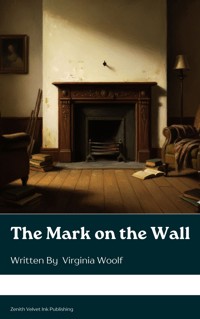
🌫 A single mark on the wall — and an entire universe of thought unfolds. In The Mark on the Wall, Virginia Woolf transforms the ordinary into the extraordinary through her groundbreaking use of stream of consciousness — a quiet yet profound journey through perception, imagination, and the passage of time. As the narrator contemplates a small mark on her wall, her thoughts drift through memory, history, gender, art, and identity. The mark becomes a gateway into the nature of reality itself — revealing how meaning is never fixed, but constantly shaped by the flow of consciousness. Written with Woolf's signature lyricism and insight, this short story captures the essence of modernist experimentation — finding beauty and truth in the smallest moments of awareness. 🕯 Click "Buy Now" and enter The Mark on the Wall — Virginia Woolf's introspective masterpiece that turns a fleeting thought into timeless art.
Sie lesen das E-Book in den Legimi-Apps auf:
Seitenzahl: 15
Veröffentlichungsjahr: 2025
Das E-Book (TTS) können Sie hören im Abo „Legimi Premium” in Legimi-Apps auf:
Ähnliche











The Mark on the Wall
Virginia Woolf
About the Author
Virginia Woolf (1882–1941) was a pioneering English writer, essayist, and modernist thinker. A key figure in the literary world of the early 20th century, she is best known for her experimental narrative techniques and profound psychological insights.
Born into an intellectual family in London, Woolf was exposed to literature from an early age. She became one of the leading members of the Bloomsbury Group, an influential collective of writers, artists, and philosophers. Her works, including Mrs Dalloway (1925), To the Lighthouse (1927), and Orlando (1928), broke traditional literary conventions by exploring stream-of-consciousness narration and shifting perspectives.
Woolf’s essays, particularly A Room of One’s Own (1929), remain vital feminist texts advocating for women's intellectual and creative independence. Her writing challenged societal norms, addressed mental health, and examined the fluidity of identity.
Despite her literary success, Woolf struggled with mental illness throughout her life. She tragically ended her life in 1941, but her influence endures, shaping modern literature and feminist thought.




