


Erhalten Sie Zugang zu diesem und mehr als 300000 Büchern ab EUR 5,99 monatlich.
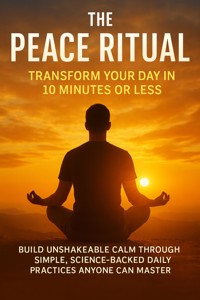
Peace isn't a luxury—it's a necessity. Yet most people struggle to find even five minutes of calm in their chaotic schedules. The Peace Ritual proves that profound transformation doesn't require hours of commitment. This practical guide reveals how simple, repeatable daily rituals create lasting peace, clarity, and emotional resilience. Drawing from neuroscience, ancient traditions, and modern wellness research, you'll discover rituals tailored to different times of day and life circumstances. Start your morning centered. Navigate stress with grace. End your day grounded. Each ritual is designed to be completed in minutes, making sustainable peace accessible to busy professionals, parents, students, and anyone seeking stability in uncertain times. This isn't about perfection or complicated routines—it's about consistency. You'll learn which rituals address specific challenges like anxiety, decision fatigue, and overwhelm, plus how to customize practices that fit your unique lifestyle. Watch as small daily actions compound into remarkable shifts in how you feel, think, and move through the world. Your peaceful life starts with today's first ritual.
Sie lesen das E-Book in den Legimi-Apps auf:
Seitenzahl: 275
Veröffentlichungsjahr: 2025
Das E-Book (TTS) können Sie hören im Abo „Legimi Premium” in Legimi-Apps auf:
Ähnliche



















Table of Contents
Chapter 1: The Foundation of Peace: Understanding Calm
Defining Calm: More Than Just a Feeling
The Neuroscience of Peace
Why Stress Affects Us
The Power of Small Choices
Everyday Rituals for Lasting Calm
Charting Your Path to Calm
Chapter 2: Morning Rituals: Starting the Day with Intention
The Power of Intentionality
Mindful Breathing to Ground Your Morning
The Transformative Power of Gratitude
Movement to Awaken the Body
Hydration: The Foundation of Morning Rituals
Embracing Stillness Through Meditation
Chapter 3: Midday Moments: Staying Centered Amidst Chaos
The Power of Mini-Meditations
Grounding Exercises for Quick Reconnection
Breathing Techniques To Regain Calm
Incorporating Movement for Mental Clarity
Establishing a Daily Peace Ritual
Chapter 4: Evening Rituals: Creating a Peaceful Transition
The Importance of Evening Routines
Evening Journaling: A Reflective Practice
Herbal Teas: A Soothing Sip
Mindful Breathing Techniques
Setting the Mood: Creating a Peaceful Environment
Reflection and Intention Setting for Tomorrow
Chapter 5: Customizing Your Rituals: Finding What Works for You
Understanding Your Unique Needs
Experimenting with Different Rituals
Creating a Structure for Your Rituals
Reflecting on Your Progress
Chapter 6: The Science of Breath: Harnessing Your Breath for Calm
Understanding the Breath
Breathing Techniques for Calm
Incorporating Breath Practices into Your Day
The Science of Breathing and Mental Health
Customizing Your Breath Ritual
Chapter 7: Nature's Influence: Leveraging the Outdoors for Inner Peace
The Science of Nature and Wellbeing
Mindfulness in Natural Environments
Simple Outdoor Activities for Calm
Creating Your Nature Ritual
Overcoming Barriers to Nature Connection
Long-Term Benefits of Nature Engagement
Chapter 8: Mindfulness Techniques: Staying Present
Understanding Mindfulness
Mindful Breathing Techniques
Grounding Techniques
Incorporating Mindfulness into Daily Routines
Chapter 9: Overcoming Overwhelm: Strategies for Stressful Moments
Understanding Overwhelm
Grounding Techniques
Reframing Strategies
Creating a Personal Calm Plan
Chapter 10: Gratitude Practices: Cultivating a Positive Mindset
Understanding Gratitude
Simple Daily Gratitude Rituals
Expressing Gratitude to Others
Overcoming Challenges in Gratitude Practices
Measuring the Impact of Gratitude
Personalizing Your Gratitude Practice
Chapter 11: Building Emotional Resilience: Navigating Life's Challenges
Understanding Emotional Resilience
Daily Practices to Enhance Resilience
Embracing Failures and Setbacks
The Power of Community Support
Implementing Rituals for Stability
Customizing Your Resilience Practices
Chapter 12: The Ripple Effect: Sharing Peace with Others
The Power of Calm
Simple Practices to Share Peace
Impact on Family Dynamics
Extending Calm to the Community
The Feedback Loop of Peace
Chapter 13: Sustaining Your Peace: Long-Term Strategies for Calm
Embracing a Growth Mindset
Refining Your Daily Rituals
Building a Supportive Environment
Leveraging Community Support
Adapting to Life’s Changes
Celebrating Progress and Milestones
Committing to Lifelong Practice
Chapter 14: Embracing Imperfection: The Journey to Peace
The Burden of Perfectionism
Redefining Success: Beyond Perfection
The Beauty of Imperfection
Mindfulness: Accepting the Present
Creating a Routine of Acceptance
The Power of Community
Chapter 15: Creating a Peaceful Space: Your Environment's Role
The Impact of Your Environment on Peace
Declutter for Clarity
Incorporating Calming Elements
Designing Spaces for Different Activities
The Role of Personalization
Maintaining Your Peaceful Space
Chapter 16: Your Peace Rituals: Crafting Your Unique Path
Reflecting on Your Journey
Understanding Your Unique Needs
Designing Your Daily Peace Ritual
Putting Your Ritual Into Practice
Staying Committed to Your Peace Journey
Peace Awaits: Your Path to Daily Serenity
Embracing the Morning Calm
Navigating Stressful Moments
Creating Space at Midday
Ending the Day with Ease
The Role of Community in Peace
Chapter 1: The Foundation of Peace: Understanding Calm
In our fast-paced world, finding peace can feel like an impossible task. This chapter explores what calm truly means and why it is essential for our mental and physical well-being. We'll look at the neuroscience behind peace, learn how stress impacts our lives, and uncover the small, everyday choices that can lead to greater tranquility. By understanding the foundation of peace, you’ll be better prepared to build your own rituals for a calmer existence.
Defining Calm: More Than Just a Feeling
Calm is often perceived as simply the absence of stress, but it encompasses much more than that. This section focuses on precisely defining what calm means in the context of mental and emotional health. Recognizing the layers of calm allows us to cultivate it intentionally.
Calm as a State of Being
Calm is often misunderstood as merely the absence of anxiety or turmoil. In reality, it represents a profound state of being characterized by a sense of peace, balance, and connection. When we experience calm, our minds are clear, allowing us to engage with the world around us with intention and purpose.
This state is not just passive; it actively encourages resilience and emotional strength. Achieving calm involves fostering inner stillness and clarity, giving us the ability to observe our thoughts and feelings without becoming overwhelmed by them. Just as a tranquil lake reflects its surroundings effortlessly, a calm mind mirrors the beauty of the present moment.
Intentional practices, such as mindfulness and meditation, can cultivate this desirable state. By integrating short rituals into your daily routine, you'll find that the capacity to return to calm becomes more accessible even amidst life's inevitable storms.
Differences Between Calm and Stress
Understanding the contrasting states of calm and stress is crucial for mental well-being. Stress triggers emotional and physical responses, including increased heart rates, heightened anxiety, and an impaired ability to think clearly. It often feels chaotic and overwhelming, pulling us into a reactive mode.
In contrast, calm presents a centeredness that promotes clarity and focus. When we are calm, our bodies function optimally, allowing us to think critically and respond thoughtfully to our circumstances. Recognizing these differences enables us to identify stressors and employ effective strategies to restore our equilibrium.
By practicing techniques that induce calm, such as deep breathing or mindful movement, we can counteract the adverse effects of stress. This understanding motivates us to prioritize peace in our lives while cultivating an environment where calm can thrive.
The Impact of Calm on Mental Clarity
Calm is closely linked to enhanced mental clarity, significantly improving our cognitive functions. When our minds are tranquil, we can observe information and process thoughts without distortion from emotional upheaval. This clarity fosters creative thinking and better decision-making.
Scientific studies support that periods of calm activate our prefrontal cortex, the brain region responsible for reasoning and problem-solving. Embracing short rituals to quiet the mind can lead to improvements in focus and effectiveness across various aspects of life, from work to personal relationships.
Incorporating moments of calm into our day, such as brief meditative practices or mindful pauses, not only sharpens our mental acuity but also enables us to approach challenges with a refreshed perspective. As we cultivate this clarity, we learn to act rather than react, enhancing our overall well-being.
Emotional Regulation and Calm
Emotional regulation is the ability to manage our emotional responses effectively, and calm plays a vital role in this process. When we cultivate a state of calm, we create a buffer against intense emotions, allowing us to respond to situations rather than be swept away by them.
Practicing rituals that promote calm can significantly enhance our emotional resilience. Techniques such as grounding exercises and breath control help us center ourselves during moments of emotional upheaval, permitting us to feel our emotions without being consumed by them.
As we refine our ability to maintain calm, we also improve our interpersonal relationships. Responding mindfully to others fosters healthier communication and reduces conflict, contributing to a more stable emotional landscape in our interactions. Building this foundation empowers us to navigate life's challenges gracefully.
The Neuroscience of Peace
Understanding the brain's role in experiencing calm is vital. Neuroscience reveals how our brains can shift from a stress response to a state of tranquility. This section explores how calming practices influence brain function and health.
The Stress Response System
The stress response system is a survival mechanism, deeply rooted in our evolution. When faced with danger, the brain activates the sympathetic nervous system, triggering the release of stress hormones like cortisol and adrenaline. This physiological reaction prepares the body to either fight or flee, often referred to as the "fight or flight" response. While this reaction is crucial in life-threatening situations, chronic activation can lead to detrimental effects on our health, including anxiety, fatigue, and various physical ailments.
Understanding this system is vital for grasping how our daily experiences impact peace. Recognizing when the stress response is engaged allows us to employ calming techniques effectively. Practices such as deep breathing and progressive muscle relaxation can activate the parasympathetic nervous system, shifting us back toward a state of calm. By learning to manage our stress response, we can reclaim our emotional balance and promote a healthier way of living.
Neuroplasticity: Changing Your Brain
Neuroplasticity refers to the brain's remarkable ability to reorganize itself by forming new neural connections throughout life. This concept is particularly empowering when considering our capacity to cultivate calm and reduce stress. By engaging in consistent calming rituals, we can influence brain pathways associated with emotional well-being. Positive experiences, such as meditation and mindfulness practices, can lead to tangible changes in brain structure and function.
Studies have shown that regular engagement in mindfulness can increase gray matter in the brain regions responsible for emotional regulation and compassion. This means that the way we think and feel can be reshaped through our intentional practices. Understanding neuroplasticity offers hope: it is never too late to change your brain and foster a lasting sense of peace. Embracing this principle empowers you to create an environment conducive to tranquility and resilience, ultimately enriching your life.
Calming Techniques and Brain Chemistry
Calming techniques significantly influence brain chemistry, promoting a state of peace and reducing stress. Practices such as yoga, meditation, and deep breathing have been shown to increase levels of neurotransmitters like serotonin and gamma-aminobutyric acid (GABA), which are involved in regulating mood and anxiety. Higher serotonin levels are linked to feelings of well-being, while GABA helps to inhibit excess brain activity, leading to greater calmness.
Additionally, these techniques can lower cortisol levels, the hormone primarily responsible for stress. When cortisol levels decrease, the body and mind can experience a sense of relaxation and clarity. Integrating simple calming techniques into your daily routine, even in short bursts, can create significant improvements in your emotional health over time. This means you don’t need lengthy sessions; just a few minutes can make a meaningful impact on your brain chemistry.
Mindfulness and Brain Activation
Mindfulness, the practice of being present in the moment without judgment, engages specific areas of the brain responsible for self-awareness and emotional regulation. Neuroimaging studies reveal that mindfulness practices activate the prefrontal cortex, which plays a crucial role in decision-making and impulse control. This heightened activation can help reduce reactivity to stress and increase emotional resilience.
Moreover, regular mindfulness practice has been associated with a reduction in the size of the amygdala, the brain region involved in the fear response. By fostering a sense of calm and presence, mindfulness can fundamentally alter how we interact with stressors in our lives. This transformation allows for greater patience and understanding, essential components of a peaceful existence. Incorporating mindfulness into your daily routine can thus be a powerful means to enhance overall well-being and cultivate a calm mindset.
Why Stress Affects Us
Stress is a common part of life, but understanding its roots and effects can help us mitigate its influence. This section examines the origins of stress and its pervasive impact on our daily lives and overall health.
Source of Daily Stressors
The sources of daily stress can vary widely, but they often stem from both external and internal factors. Common external stressors include work pressures, financial obligations, and relationships. In today’s fast-paced environment, the constant demand for productivity can lead to overwhelming feelings. Additionally, the impact of technology—such as notifications from emails and social media—adds another layer of stress as we struggle to keep up with expectations.
Internal stressors, on the other hand, often arise from our perceptions and beliefs. Negative self-talk, the fear of failure, and perfectionism can create mental barriers that exacerbate stress. Understanding these daily stressors is crucial, as it allows us to recognize patterns and take proactive steps toward managing them effectively. By acknowledging the sources of our stress, we empower ourselves to implement strategies that promote calm and resilience.
The Body's Response to Chronic Stress
When we encounter stress, our bodies react with a complex physiological response aimed at survival. This response, known as the "fight or flight" mechanism, triggers the release of hormones such as cortisol and adrenaline. These hormones prepare us to face challenges but can become detrimental when stress persists. In cases of chronic stress, our bodies remain in a heightened state of alertness, leading to fatigue and various health issues.
Prolonged exposure to stress can weaken the immune system, increase blood pressure, and contribute to conditions like anxiety and depression. Moreover, the chronic activation of this stress response can diminish our overall sense of well-being, making it critical to recognize when we are in a prolonged state of stress. Learning to manage these responses through daily practices can significantly enhance our emotional and physical health.
Identifying Stress Triggers
One of the first steps in managing stress effectively is identifying your personal stress triggers. These triggers can range from specific situations, such as a demanding work deadline, to emotional responses linked to memories or fears. Keeping a daily journal can be an effective way to pinpoint these triggers; noting when you feel stressed and what events preceded those feelings can reveal valuable insights.
Once identified, you can develop strategies to mitigate these triggers. For example, if certain situations consistently induce stress, consider approaches like mindfulness or time management techniques to create a buffer. Understanding your unique triggers not only helps you to prepare for stressful situations but also empowers you to respond with greater calmness and clarity in the moment.
Long-term Effects of Unmanaged Stress
The long-term effects of unmanaged stress can be profound, often manifesting in both physical and mental health issues. Chronic stress is linked to cardiovascular disease, obesity, and diabetes due to the ongoing strain it places on various bodily systems. The continuous release of stress hormones can lead to inflammation, which is now known to be a contributing factor to many chronic illnesses.
Beyond physical health, unmanaged stress can erode our mental well-being, leading to anxiety, depression, and burnout. Relationships may also suffer, as stress can alter our behavior and emotional availability. By acknowledging these long-term effects, we underscore the importance of addressing stress early and developing coping mechanisms that not only protect our health but also enhance our overall quality of life. Embracing small daily rituals can mitigate stress's harmful impacts, paving the way for a healthier, more peaceful existence.
The Power of Small Choices
Implementing small, intentional choices can lead to significant impacts on our calm. This section discusses how even minor adjustments in our daily routines can enhance our sense of peace.
Habit Formation and Peace
Building unshakeable calm begins with understanding the role of habit formation in our lives. Neuroscience shows that our brains thrive on routine; when we engage in small, intentional habits, we cultivate familiarity and predictability, essential components of peace. For example, the simple act of dedicating five minutes each morning to deep breathing can signal your brain to switch gears from the chaos of sleep to a centered, alert state.
Moreover, these micro-habits don’t require hours of commitment, making them accessible for anyone, regardless of their busy schedule. They add up over time, creating a foundation of peace that permeates your day. By consistently practicing simple rituals, such as drinking a glass of water mindfully or taking a short walk, you strengthen pathways in your brain responsible for calmness. Ultimately, these small habits contribute to a resilient mindset and a more tranquil life.
The Ripple Effect of Small Changes
Small choices can trigger a ripple effect, influencing various aspects of our lives. When we intentionally make minor adjustments—such as choosing to focus on our breath instead of scrolling through notifications—we create a moment of peace that can extend throughout our day. One small act can inspire further positive choices: when you feel calmer, you’re more likely to react thoughtfully in stressful situations, strengthening your emotional resilience.
As these choices accumulate, they lead to substantial changes. For instance, a decision to practice gratitude each night can transform your mindset and alter how you approach challenges. With each small step, you lay the groundwork for a more peaceful existence. This ripple effect not only enhances personal calm but can also positively influence those around you, fostering a collective sense of tranquility in your community.
Mindful Decision-Making
Mindful decision-making plays a crucial role in achieving a peaceful mindset. When we make choices mindfully, we engage our awareness and intentionality, allowing us to respond to situations rather than react impulsively. This practice can be as simple as taking a moment to pause and breathe before responding to an email or considering the impact of your words in conversation.
By slowing down our decision-making processes, we reduce the overwhelming effects of stress and anxiety. This intentional approach fosters clarity, equipping us with the tools to navigate complexities gracefully. Regularly implementing mindful moments scattered throughout your day helps train your brain to respond with calmness, ultimately promoting resilience. As you cultivate this practice, you’ll find that the quality of your choices improves, contributing to a greater sense of peace in your life.
Building Sustainable Practices
Creating lasting calm involves establishing sustainable practices that seamlessly fit into your daily routine. Understandably, many people feel overwhelmed at the thought of adding new rituals. However, the key lies in starting small and identifying what resonates with you personally. For instance, if you enjoy nature, incorporating a ten-minute outdoor walk during lunch can be immensely beneficial.
To build sustainable practices, prioritize consistency over perfection. Aim to integrate these rituals gradually so they become natural parts of your day. For example, you might begin with a short evening reflection on the day’s positive experiences, which can improve your sleep quality and enhance your overall well-being. Over time, these small and sustainable practices compound, leading to significant shifts in your emotional landscape. The result is a more grounded, peaceful existence that remains resilient amidst life's inevitable challenges.
Everyday Rituals for Lasting Calm
Creating rituals is an effective way to cultivate peace. This section introduces simple daily rituals that can be seamlessly integrated into busy lives, making calm accessible to everyone.
The Importance of Rituals in Daily Life
Rituals serve as anchors in our daily lives, providing structure and a sense of stability in an often chaotic world. The brain craves routine; it thrives on predictability and familiarity. By establishing consistent rituals, we signal to ourselves that it is time to pause and reflect, allowing our minds and bodies to shift into a calmer state.
Moreover, rituals have long been recognized for their profound psychological benefits. Engaging in repetitive, meaningful activities reduces stress and anxiety levels, enhancing our ability to cope with the demands of modern life. Whether it’s a cup of tea at dusk or a few minutes of guided breathing in the morning, these practices can create pockets of peace, fostering resilience and emotional balance.
Incorporating rituals into your daily schedule not only cultivates calm but also serves as a reminder of your values and priorities. This intentionality can transform mundane moments into opportunities for tranquility, making peace not just a fleeting experience but a lasting part of your day.
Morning, Midday, and Evening Rituals
To effectively nurture calm throughout the day, it’s beneficial to establish rituals at different times: morning, midday, and evening. Morning rituals set a positive tone, allowing you to start the day grounded and focused. Simple practices, such as stretching, journaling, or savoring a quiet cup of coffee, can prime your mind for the challenges ahead.
Midday rituals offer a necessary reset during busy work hours. Taking just five minutes for deep breathing or a brisk walk can significantly reduce stress and enhance productivity. These brief interludes empower you to navigate the day with clarity and composure.
Evening rituals help you wind down and reflect on the day. Activities like light reading, gratitude journaling, or a soothing bath signal to the brain that it’s time to relax, promoting better sleep quality. By thoughtfully crafting your routines throughout the day, you create an environment where calm can flourish.
Customizing Rituals for Individual Needs
One of the most powerful aspects of rituals is their adaptability; they can be personalized to fit anyone's lifestyle and preferences. What fosters calm for one person may be less effective for another. Begin by assessing what moments in your day feel most overwhelming or stressful.
From there, you can experiment with different practices to see which resonate personally. For instance, someone might find solace in meditation, while another may prefer engaging with nature during a walk. Customization ensures that your rituals are not only effective but also enjoyable, as you infuse your personality and interests into these nurturing practices.
By refining and tailoring your rituals, you can create a sense of ownership and commitment to your daily practices, leading to a more profound and personal experience of calm.
Consistency Over Perfection
When it comes to building lasting peace, consistency trumps perfection. The key to establishing effective rituals lies in regularity rather than executing them flawlessly. Seeking perfection can lead to frustration and discouragement, as life often gets in the way. Instead, focus on integrating rituals into your daily routine, even if they’re not performed perfectly.
By making a commitment to practice your rituals consistently—whether it’s daily or several times a week—you’ll begin to notice compounding benefits over time. Small, repeated actions contribute to a cumulative shift in your mental state, moving you towards a more peaceful existence.
Celebrate your commitment to showing up for yourself, regardless of the outcomes. Embrace the journey of ritual-making as a flexible and evolving practice, allowing you to cultivate calmness and resilience in an imperfect world.
Charting Your Path to Calm
Each person's journey to calm is unique. This section encourages readers to reflect on their own lives and identify what practices resonate with them, setting the stage for building their personalized peace rituals.
Reflection on Current Stressors
Understanding what causes your stress is the first step towards achieving calm. Begin by taking a moment to reflect on specific stressors in your life, whether they stem from work, relationships, or personal expectations. Consider documenting these stressors in a journal, which can provide clarity and a sense of distance from your emotional reactions. Acknowledging these stressors allows you to confront, rather than suppress, your feelings.
Moreover, recognizing patterns in your stress can lead to actionable insights. For instance, do you notice that certain interactions trigger anxiety or frustration? Perhaps the whirlwind of deadlines or family responsibilities weigh heavily on your mind. This reflection process not only illuminates areas that require attention but also fosters self-awareness. By understanding the nature and sources of your stress, you laid the foundation for constructing effective rituals to cultivate calm.
Assessing Personal Needs for Calm
Moving beyond merely identifying stressors, it’s crucial to assess what you personally need for calmness. Everyone's definition of peace varies; for some, it may be through solitude, while for others, it might involve communal gatherings. By introspecting on your emotional and mental health, you can better determine what practices resonate with you. Take time to explore various calming activities—meditation, deep breathing, nature walks, or creative outlets—and evaluate how each impacts your state of mind.
Ask yourself essential questions: What makes me feel safe and secure? When do I feel most at ease? Identifying these elements allows you to create a tailored approach to your peace rituals, ensuring they are effective and enjoyable. This exploration phase is not just an assessment; it’s an invitation to reconnect with yourself and your intrinsic needs, guiding you toward a more harmonious existence.
Choosing the Right Rituals for You
Once you’ve reflected on your stressors and personal needs, the next step is to choose rituals that align with your insights. Given that the Peace Ritual emphasizes simplicity, it’s essential to select practices that feel manageable and resonate deeply. Consider starting with a few foundational rituals that can be easily integrated into your day. These might include morning mindfulness exercises, brief moments of gratitude journaling, or controlled breathing techniques during stressful situations.
Remember, the effectiveness of a ritual depends on its fit within your lifestyle. Experiment with different options, perhaps setting a trial period for each. This flexibility allows you to discover which practices naturally enhance your tranquility without feeling burdensome. The choice of rituals should be a joyful exploration rather than a chore, ensuring you remain engaged and committed to your journey towards calm.
Setting a Commitment to Daily Practice
Committing to regular practice is vital in translating rituals into lasting change. Begin by establishing a realistic schedule for your chosen rituals. Whether it’s dedicating just five minutes each morning or integrating calming practices into your evening routine, consistency is key. Start small; even short, focused sessions can build momentum and integrate naturally into your day-to-day life. Make a point to celebrate these small victories.
Accountability can also be beneficial. Share your commitment with friends, family, or through journaling. This can help reinforce your dedication and create a support system as you work towards your peaceful existence. Over time, these daily commitments will accumulate, leading to profound transformations in your mental and emotional well-being—solidifying your journey to unshakeable calm.
Chapter 2: Morning Rituals: Starting the Day with Intention
The way you start your morning sets the tone for your entire day. In this chapter, we will discuss simple morning rituals designed to ground you and help you approach your day with purpose. From mindful breathing to gratitude practices, discover how these rituals can reshape your mornings from frantic to focused, fostering a mindset of calmness that resonates throughout your day.
The Power of Intentionality
Starting your day with intention can transform not just how you feel in the morning, but how you interact with the world throughout the day. By setting clear intentions, you create a guiding light that helps navigate challenges and maintain focus.
Intentions shape your mindset.
Setting intentions at the start of your day can act as a powerful catalyst for positive change. When you articulate what you aim to achieve, you create a mental framework that influences your thoughts and emotions. For instance, if you begin your morning with the intention of being patient and empathetic, this mindset can guide your interactions and reactions throughout the day. Research in psychology suggests that intentions help form our neural pathways, making it easier to embody those desired traits.
Moreover, having a clear intention can serve as an anchor on days filled with distractions and challenges. Rather than drifting through your tasks reactively, you can approach each moment with purpose. This shift not only enhances your sense of connection to your work and relationships but also cultivates resilience against stressors. By consciously deciding how you want to feel and respond, you empower yourself to create a more balanced and fulfilling day.
Clear intentions help prioritize tasks.
When your morning begins with clearly defined intentions, it becomes significantly easier to prioritize your tasks for the day. Intentions function as a filtering lens through which you can assess what truly matters. For example, if your intention is to focus on wellness, activities that promote health and vitality will naturally rise to the top of your to-do list. This clarity aids in decision-making and reduces the overwhelm that often comes with busy schedules.
By aligning your tasks with your intentions, you can dedicate your energy to the most meaningful aspects of your day. This enables you to reject redundant or low-priority distractions, thus enhancing your productivity. The result is not just a more accomplished day but also a deepened sense of fulfillment, as each action taken is a step towards your broader goals and values.
Writing down your intentions enhances commitment.
The simple act of writing down your intentions can dramatically increase your commitment to them. Studies show that people who formulate and record their goals are more likely to achieve them than those who merely keep them in their heads. Writing creates a tangible representation of your desires and aspirations, making them feel more real and attainable.
Additionally, a written record provides a moment of reflection, allowing you to clarify your thoughts and feelings. This practice can serve as a daily reminder of what you aim to embody, reinforcing your dedication. On hectic days, returning to written intentions can revitalize your focus, remind you of your core values, and keep you aligned with your purpose. This commitment transforms your goodwill into actionable steps, driving progress in all areas of your life.
Intentionality fosters a sense of control over your day.
Intentional living is fundamentally about reclaiming your power in daily life. When you approach your day with a clear intention, you cultivate a sense of agency that inherently reduces feelings of helplessness or chaos. This is particularly important in a fast-paced world where external pressures can often feel overwhelming.
By establishing specific intentions, you transform your role from a passive participant to an active creator of your experiences. You start to recognize that you have agency over your responses and decisions, which fosters resilience against unforeseen challenges. This greater sense of control can lead to improved mental health, as you become less reactive and more proactive in your dealings. Ultimately, intentionality helps you navigate your day with confidence and peace, creating a foundation for sustained emotional wellbeing.
Mindful Breathing to Ground Your Morning
Mindful breathing is a powerful practice that can quickly center your thoughts and emotions. By dedicating just a few minutes to your breath, you can alleviate anxiety and prepare yourself for a productive day.
Focus on your breath to anchor in the present.
Focusing on your breath serves as a powerful grounding technique, drawing your attention away from distractions and anchoring you firmly in the present moment. When you concentrate on your breathing, you become more aware of your body and mind, helping to quiet mental chatter. This practice encourages mindfulness, allowing you to observe your thoughts and feelings without judgment.
To begin, find a comfortable seated position, close your eyes, and take a few intentional breaths. Notice the sensation of inhaling and exhaling. Each time your mind wanders, gently bring your focus back to your breath. This simple act cultivates a sense of calm and clarity, equipping you to face your day with intention and purpose. Regularly practicing this technique can enhance your overall emotional resilience, enabling you to navigate life’s challenges with greater ease.
Use deep breathing to reduce stress and anxiety levels.
Deep breathing exercises are renowned for their ability to significantly reduce stress and lower anxiety levels. By engaging in deep, diaphragmatic breathing, you activate your body's relaxation response, calming the nervous system and diminishing feelings of tension. This practice allows for an increase in oxygen flow to the brain, promoting a sense of well-being and tranquility.
In the morning, set aside a few minutes for deep breathing exercises. Inhale deeply through your nose for a count of four, hold for a count of four, and then exhale slowly through your mouth for a count of six. This rhythmic pattern not only soothes your mind but also creates a moment of pause in your busy schedule, allowing you to center yourself before facing the day.
Breathing exercises can improve mental clarity.
Incorporating breathing exercises into your morning routine has been shown to improve mental clarity and focus. When your mind is cluttered with thoughts and concerns, a few minutes dedicated to conscious breathing can clear the fog. Deep, purposeful breaths increase oxygen supply to the brain, enhancing cognitive functions such as concentration and problem-solving.
Try commencing your day with a focused breathing session, where you inhale for a count of five, hold for a brief pause, and exhale for a count of five. Repeat this cycle several times. As your mind begins to settle, you may find that your thoughts align more clearly, enabling you to approach challenges with a newfound perspective and decisive action.
Practice different techniques, like 4-7-8 breathing.
Exploring various breathing techniques can add diversity to your morning ritual, making it both enjoyable and effective. One popular practice is the 4-7-8 breathing technique, developed by Dr. Andrew Weil. This method emphasizes a specific rhythm that calms the mind and body, ideal for starting the day feeling grounded.
To practice 4-7-8 breathing, inhale quietly through your nose for a count of four, hold your breath for a count of seven, and exhale completely through your mouth for a count of eight. Aim to repeat this cycle four times. Not only does this technique reduce anxiety, but it also promotes a sense of balance and peace, preparing you to embrace the day ahead with confidence.
The Transformative Power of Gratitude
Starting your morning with a gratitude practice can shift your outlook on life. Expressing gratitude helps you appreciate the positives and cultivates a more optimistic attitude as you face the day ahead.
Gratitude helps rewire your brain for positivity.




