


21,99 €
Mehr erfahren.
- Herausgeber: John Wiley & Sons
- Kategorie: Ratgeber
- Sprache: Englisch
Unlock financial growth with this jargon-free guide to the art of compounding interest
Triple Compounding For Dummies helps beginning and seasoned investors and business owners alike take advantage of compounding interest, compounding continuity, compounding dividends, as well as other methods of compounding that can be used to create a wealth ecosystem.
This book breaks down complex financial concepts, showing you how to maximize returns through the power of triple compounding, a strategy that can exponentially increase wealth over time. Triple compounding leverages the exponential growth of your investments, savings, and interest to create a snowball effect of wealth accumulation. With practical steps to follow, real-life examples, and expert advice, you can achieve financial freedom and secure a prosperous future.
- Learn the fundamentals of triple compounding and how it differs from traditional compounding
- Discover strategies to maximize your returns through disciplined investing and smart financial decisions
- Read real-life case studies showcasing the transformative impact of triple compounding on long-term wealth
- Get practical advice on how to start applying triple compounding principles today, regardless of your current financial situation
Whether you're a seasoned investor or just starting out, you'll find valuable tips and clear explanations of how triple compounding can significantly enhance your financial outcomes.
Sie lesen das E-Book in den Legimi-Apps auf:
Seitenzahl: 464
Veröffentlichungsjahr: 2025
Ähnliche

















Triple Compounding For Dummies®
To view this book's Cheat Sheet, simply go to www.dummies.com and search for “Triple Compounding For Dummies Cheat Sheet” in the Search box.
Table of Contents
Cover
Table of Contents
Title Page
Copyright
Introduction
About This Book
Foolish Assumptions
Icons Used in This Book
Beyond the Book
Where to Go from Here
Part 1: Getting Started with Triple Compounding
Chapter 1: Understanding Different Types of Compounding
Defining Compounding
Relying on Money Managers Won’t Cut It Anymore
How I Discovered Triple Compounding
Understanding the Rule of 72
Considering Your Financial Goals and Financial Freedom Number
Discovering Triple Compounding
Discovering the Real Definition of Investing
Using Triple Compounding to Change My Life
Chapter 2: Understanding Real-Life Triple Compounding
Examining Examples of Triple Compounding
Breaking Down the Different Types of Investment Assets
Compounding the Three Types of Investment Assets
Chapter 3: Applying Essential Risk Management Strategies
Measuring Exactly Where You Are Now
Calculating Your Ability to Take a Risk
Measuring Your Willingness to Take a Risk
Measuring Your Confidence
Digging into Different Kinds of Risk
Understanding the Time Value of Money
Part 2: Investing in the Three Asset Types in Triple Compounding
Chapter 4: Investing in Yourself
Going from Welfare Diva to Millionaire Diva
Developing a Vision
Mastering Your Subconscious Mind
Reframing Your Past
Developing a Decisive Nature
Surrounding Yourself with Like-Minded People
Chapter 5: Investing in Your Income-Generating Extensions
Generating with Savings
Generating More Income from Your Current Job
Generating from Your Portfolio
Generating with Businesses
Chapter 6: Investing in Online External Assets
Considering Your Risk Tolerance
Considering Your Portfolio Goals
Selecting Your Asset Allocation
Unlocking Cryptocurrency
Chapter 7: Investing in Offline External Assets
Building Wealth with Real Estate
Investing in Private Equity
Investing Old School: Physical Precious Metals
Using Crypto Hard Wallets: The Offline Side of Your Digital Assets
Adding Your Investment Profits to Your Triple-Compounding System
Part 3: Generating with Your Triple-Compounding System
Chapter 8: Generating Confidence and Momentum
Rebuilding the Lost Trust in Yourself
Doing What You Said You’re Gonna Do
Identifying and Reframing Limiting Beliefs
Overcoming Anxiety and Replacing It with Excitement
Creating Habits That Compound
Chapter 9: Generating with a Compounding Business
Deciding You’re a Business Owner
Deciding Who Your Customers Are
Identifying Your Solution
Creating an Irresistible Offer
Creating the “Easy to Sell, Easy to Fulfill” Offer
Tapping into Your Moral Obligation to Sell
Adding Your Business Income to Your Triple-Compounding System
Chapter 10: Generating with Invest Diva Diamond Analysis
Overviewing the Five Points of the Diamond
Assessing Your Capital: Knowing Where You Stand Financially
Setting Intentions: Knowing Exactly Why You’re Investing
Connecting Intentional Analysis to Your Triple Compounding System
Conducting Fundamental Analysis: Spotting Value Beyond the Hype
Understanding Market Sentiment: Going against the Crowd
Recognizing What the Markets Truly Are
Analyzing the Charts: Using Technicals to Price Your Entry and Exit
Using the Power of Charts to Triple-Compound
Part 4: Automating Your Triple-Compounding System
Chapter 11: Automating Your Path to Financial Freedom
Identifying Your Financial Impact Level: From Grinding to Automating and Accelerating
Identifying Where You Are in the Journey
Drawing Inspiration from Impactful Financial Leaders
Chapter 12: Automating Your Business Income Generation
Creating One-to-Many Offers That Compound
Discovering the Power of Continuity Compounding
Building Partnerships That Compound
Chapter 13: Automating Compounding of Your External Asset Investments
Reviewing the Triple-Compounding Formula
Selecting Your Investment Time Frames
Automating Your Investment Contributions
Automating Your Investment Profits
Part 5: Accelerating Your Triple-Compounding System
Chapter 14: Compounding Your Influence
Understanding Influence
Turning Your Mess into Your Message
Building an Audience of Your People
Exploring Influence in Real Life
Debunking Myths about Influence
Chapter 15: Accelerating Your Business
Building a Scalable Foundation: From Small Steps to Big Wins
Creating Premium Packages That Fund and Fuel Your Growth
Transforming Your Identity as a Leader
Chapter 16: Using Technical Analysis to Accelerate Your Investments
Beginning with the Basics of Technical Analysis
Spotting the Key Levels
Picking Out Patterns on a Chart
Smoothing Charts Out with Moving Averages
Part 6: Protecting Your Triple-Compounding System
Chapter 17: Insuring Your Triple-Compounding System
Protecting the Engine Behind Your Wealth
Busting the Most Common Insurance Myths
Covering the Essentials: Health, Life, and Disability
Choosing the Right Type of Life Insurance
Giving Your Money Multiple Jobs
Chapter 18: Tackling Taxes and Growing Wealth Legally and Strategically
Understanding the Hidden “Tax Drag” That Destroys Compounding
Using Tax-Loss Harvesting and Other Smart Portfolio Moves
Finding Smart Deductions for Business Owners, High-Income W-2 Employees, and Investors
Optimizing Depreciation for Real Estate and Equipment
Avoiding Common Audit Triggers
Part 7: The Part of Tens
Chapter 19: Ten Mistakes to Avoid as a Triple Compounder
Falling for FOMO
Ignoring the Power of Automation
Overinvesting in High-Risk Assets
Forgetting Emergency Funds
Trusting “Too Good to Be True” Gurus and Impersonators
Skipping Investments in Yourself
Overcomplicating Your System
Losing Focus of Your Goals
Neglecting to Adjust for Life Changes
Waiting Too Long to Start
Chapter 20: Ten Things You May Be Reverse-Compounding
Bad Debt
401(k) Hidden Fees
Late Fees
High-Expense Ratio Mutual Funds
Actively Managed Funds
Lifestyle Inflation
Poor Tax Planning
Annuities with High Fees
Bad Habits
Negative Mindset
Chapter 21: Ten Habits of Successful Triple Compounders
Following Your Highest Excitement without Expectation
Investing in Your Future Self Today
Multiplying Time through Strategic Focus
Shifting Your Emotional State before Acting
Aligning Your Identity with Your Future Vision
Practicing Gratitude and Celebrating Wins
Setting Milestones and Rewards
Automating Contributions and Investments
Focusing on Priorities That Align with Your Biggest Goals
Committing to the Infinite Game of Expansion
Index
About the Author
Connect with Dummies
End User License Agreement
List of Illustrations
Chapter 1
FIGURE 1-1: The snowball effect of compounding.
FIGURE 1-2: Making your money make babies with compounding.
FIGURE 1-3: Making your money work for you with investing.
FIGURE 1-4: The three investments you compound in triple compounding.
FIGURE 1-5: The three actions you compound in triple compounding.
FIGURE 1-6: Triple compounding wealth.
FIGURE 1-7: When I received the Two Comma Club award from Russell Brunson.
FIGURE 1-8: My triple compounding portfolio in January 2021.
FIGURE 1-9: The Golden Diamond award.
FIGURE 1-10: Triple compounding in life.
Chapter 3
FIGURE 3-1: Your financial snapshot. Assets minus liabilities equals your net w...
FIGURE 3-2: Your Cash Flow Diary. Total Income minus Total Expenses equals your...
FIGURE 3-3: The importance of time in compounding.
FIGURE 3-4: Making up for lost time — Lisa’s and Mark’s case study.
FIGURE 3-5: Results based on Lisa’s and Mark’s case study.
Chapter 5
FIGURE 5-1: Cut the waste — find money.
FIGURE 5-2: Sneaky ways reverse compounding can occur.
Chapter 10
FIGURE 10-1: Invest Diva Diamond Analysis.
Chapter 11
FIGURE 11-1: Four levels of financial impact.
Chapter 13
FIGURE 13-1: List of online financial brokers in the US, UK, Eurozone, Australi...
Chapter 16
FIGURE 16-1: Daily line chart of Nvidia stock.
FIGURE 16-2: Bullish and bearish bars.
FIGURE 16-3: Candlesticks showing the general market movement in a chart.
FIGURE 16-4: Daily candlestick chart of Nvidia stock.
FIGURE 16-5: Nvidia stock’s key support level at around $90.
FIGURE 16-6: Nvidia’s key resistance levels in May 2025.
FIGURE 16-7: How to draw uptrends and downtrends.
FIGURE 16-8: Basic forms of channels.
FIGURE 16-9: Examples of bullish reversal chart patterns.
FIGURE 16-10: Examples of bearish reversal chart patterns.
Guide
Cover
Table of Contents
Title Page
Copyright
Begin Reading
Index
About the Author
Pages
iii
iv
1
2
3
4
5
6
7
8
9
10
11
12
13
14
15
16
17
18
19
20
21
22
23
24
25
26
27
28
29
30
31
32
33
34
35
36
37
39
40
41
42
43
44
45
46
47
48
49
50
51
52
53
54
55
56
57
59
60
61
62
63
64
65
66
67
68
69
70
71
72
73
74
75
76
77
78
79
80
81
82
83
84
85
86
87
88
89
90
91
92
93
94
95
96
97
98
99
100
101
102
103
104
105
106
107
108
109
110
111
112
113
114
115
116
117
118
119
120
121
122
123
124
125
126
127
128
129
130
131
132
133
134
135
136
137
138
139
140
141
142
143
144
145
147
148
149
150
151
152
153
154
155
156
157
158
159
160
161
162
163
165
166
167
168
169
170
171
172
173
174
175
176
177
179
180
181
182
183
184
185
186
187
188
189
190
191
193
194
195
196
197
198
199
200
201
202
203
204
205
206
207
208
209
210
211
212
213
214
215
216
217
218
219
220
221
222
223
224
225
226
227
228
229
230
231
233
234
235
236
237
238
239
240
241
242
243
244
245
246
247
248
249
250
251
252
253
254
255
256
257
258
259
260
261
262
263
264
265
266
267
268
269
270
271
272
273
275
276
277
278
279
280
281
282
283
284
285
286
287
289
290
291
292
293
294
295
296
297
299
300
301
302
303
305
306
307
308
309
310
311
312
313
314
315
316
317
318
319
320
321
322
323
324
325
326
327
328
329
330
331
333
334
335
336
337
Triple Compounding For Dummies®
Published by: John Wiley & Sons, Inc., 111 River Street, Hoboken, NJ 07030-5774, www.wiley.com
Copyright © 2026 by John Wiley & Sons, Inc. All rights reserved, including rights for text and data mining and training of artificial technologies or similar technologies.
Media and software compilation copyright © 2026 by John Wiley & Sons, Inc. All rights reserved, including rights for text and data mining and training of artificial technologies or similar technologies.
Published simultaneously in Canada
No part of this publication may be reproduced, stored in a retrieval system or transmitted in any form or by any means, electronic, mechanical, photocopying, recording, scanning or otherwise, except as permitted under Sections 107 or 108 of the 1976 United States Copyright Act, without the prior written permission of the Publisher or authorization through payment of the appropriate per-copy fee to the Copyright Clearance Center, Inc., 222 Rosewood Drive, Danvers, MA 01923, (978) 750-8400, fax (978) 750-4470, or on the web at www.copyright.com. Requests to the Publisher for permission should be addressed to the Permissions Department, John Wiley & Sons, Inc., 111 River Street, Hoboken, NJ 07030, (201) 748-6011, fax (201) 748-6008, or online at http://www.wiley.com/go/permissions.
The manufacturer’s authorized representative according to the EU General Product Safety Regulation is Wiley-VCH GmbH, Boschstr. 12, 69469 Weinheim, Germany, e-mail: [email protected].
Trademarks: Wiley, For Dummies, the Dummies Man logo, Dummies.com, Making Everything Easier, and related trade dress are trademarks or registered trademarks of John Wiley & Sons, Inc. and may not be used without written permission. All other trademarks are the property of their respective owners. John Wiley & Sons, Inc. is not associated with any product or vendor mentioned in this book.
LIMIT OF LIABILITY/DISCLAIMER OF WARRANTY: THE PUBLISHER AND THE AUTHOR MAKE NO REPRESENTATIONS OR WARRANTIES WITH RESPECT TO THE ACCURACY OR COMPLETENESS OF THE CONTENTS OF THIS WORK AND SPECIFICALLY DISCLAIM ALL WARRANTIES, INCLUDING WITHOUT LIMITATION WARRANTIES OF FITNESS FOR A PARTICULAR PURPOSE. NO WARRANTY MAY BE CREATED OR EXTENDED BY SALES OR PROMOTIONAL MATERIALS. THE ADVICE AND STRATEGIES CONTAINED HEREIN MAY NOT BE SUITABLE FOR EVERY SITUATION. THIS WORK IS SOLD WITH THE UNDERSTANDING THAT THE PUBLISHER IS NOT ENGAGED IN RENDERING LEGAL, ACCOUNTING, OR OTHER PROFESSIONAL SERVICES. IF PROFESSIONAL ASSISTANCE IS REQUIRED, THE SERVICES OF A COMPETENT PROFESSIONAL PERSON SHOULD BE SOUGHT. NEITHER THE PUBLISHER NOR THE AUTHOR SHALL BE LIABLE FOR DAMAGES ARISING HEREFROM. THE FACT THAT AN ORGANIZATION OR WEBSITE IS REFERRED TO IN THIS WORK AS A CITATION AND/OR A POTENTIAL SOURCE OF FURTHER INFORMATION DOES NOT MEAN THAT THE AUTHOR OR THE PUBLISHER ENDORSES THE INFORMATION THE ORGANIZATION OR WEBSITE MAY PROVIDE OR RECOMMENDATIONS IT MAY MAKE. FURTHER, READERS SHOULD BE AWARE THAT INTERNET WEBSITES LISTED IN THIS WORK MAY HAVE CHANGED OR DISAPPEARED BETWEEN WHEN THIS WORK WAS WRITTEN AND WHEN IT IS READ.
For general information on our other products and services, please contact our Customer Care Department within the U.S. at 877-762-2974, outside the U.S. at 317-572-3993, or fax 317-572-4002. For technical support, please visit https://hub.wiley.com/community/support/dummies.
Wiley publishes in a variety of print and electronic formats and by print-on-demand. Some material included with standard print versions of this book may not be included in e-books or in print-on-demand. If this book refers to media that is not included in the version you purchased, you may download this material at http://booksupport.wiley.com. For more information about Wiley products, visit www.wiley.com.
Library of Congress Control Number: 2025946553
ISBN 978-1-394-34825-1 (pbk); ISBN 978-1-394-34827-5 (ebk); ISBN 978-1-394-34826-8 (ebk)
Introduction
Ifirst found out about compounding the way most people do — through the promise of slow, steady growth over decades. But when I was secretly planning for a divorce, “slow and steady” wasn’t going to cut it. I didn’t want to depend on alimony or anyone else to secure my future, and I certainly didn’t want my financial freedom tied to a marriage I knew was ending. I needed a way to create wealth fast — without gambling, without risky speculation, and without sacrificing my life to the grind. That’s when I realized the problem: I was only compounding in one area.
So, I set out to compound more things, in more ways, at the same time. Within three years, I had tripled my portfolio to $5 million. In the next three years, it grew to more than $17 million, even as I raised my daughter and ran my business. My Triple Compounding system is what made it possible, and in this book, I show you how to use it to accelerate your wealth-building without relying on luck, perfect timing, or someone else’s paycheck. You’ll discover how to build an income engine you control, investments that grow while you sleep, and systems that keep you compounding no matter what’s happening in the economy — or in your personal life.
And if you’re wondering how my divorce story turned out — and the single decision I made that multiplied my results faster — read Chapter 1.
About This Book
If you’ve ever wondered why some people seem to grow their wealth, opportunities, and freedom year after year while others work just as hard but never break through, this book is your missing link.
Triple Compounding For Dummies is your playbook for building wealth faster than traditional advice can. Forget waiting 30 years for “slow and steady” growth to finally pay off. Instead, you’ll discover how to stack three different layers of compounding so they work together — creating unstoppable momentum you don’t have to restart from scratch every time life changes.
This isn’t another “just save more” book. You discover
How to invest in yourself so your earning potential compounds before you ever buy an asset
How to invest in your extensions — businesses, systems, and people that multiply your time and income
How to invest in external assets — stocks, real estate, crypto, and more — so your money works harder than you do
How to automate each phase so growth happens on autopilot, without emotional decision-making
How to avoid the most common mistakes and reverse compounders that sabotage progress
As you go through this book, you won’t just understand triple compounding — you’ll have it running in your life, building wealth and freedom every single day.
Foolish Assumptions
I’ve made a few assumptions about you and where you’re starting from:
You want more control over your financial future and don’t want to rely solely on employers, the stock market, or the government to secure it.
You may already be investing — in the stock market, real estate, your own business, or retirement accounts — but you’re not sure how to tie all your assets, skills, and systems together for maximum compounding.
You’ve heard the advice to “start investing early” or “let your money work for you,” but no one’s shown you a clear, step-by-step process to make that happen in a way that also grows your income and lifestyle.
You may be a high-income professional, business owner, or someone who’s simply serious about building wealth, but you don’t necessarily have the time — or desire — to monitor markets every day.
You’re comfortable using a computer and navigating the internet.
Icons Used in This Book
Throughout the book, you’ll see icons to help you focus on what matters most:
The Tip icon marks tips (duh!), shortcuts, and simple actions to accelerate your progress.
Remember icons mark the information that’s especially important to know. To siphon off the most important information in each chapter, just skim through these icons.
The Technical Stuff icon marks information of a highly technical nature that you can normally skip over.
The Warning icon tells you to watch out! It marks important information that may save you headaches and points out common traps and how to avoid them.
Beyond the Book
I’ve created extra resources to make sure you can keep compounding without having to flip through the book every time you need a quick reminder and to help you implement what you find out here even faster.
Cheat Sheet — Access the Triple Compounding For Dummies Cheat Sheet at www.dummies.com. Inside, you’ll find quick-reference guides to
The 3x3 Triple Compounding Framework at a Glance
The most important “dos and don’ts” for investing in yourself, your extensions, and your external assets
The common reverse compounders to avoid
The key formulas, benchmarks, and action steps you’ll come back to again and again
Find the cheat sheet by typing Triple Compounding For Dummies into the search field at www.dummies.com.
Triple Compounding Masterclass:
Watch a free two-hour training session where I break down my Triple Compounding system in detail. You can also download my Risk Management Toolkit and workbook for free. Go to
www.triplecompounding.com
.
Triple Compounding Live:
Join me at the Triple Compounding Live online event, where I personally help you implement the exact strategy I used to go from living paycheck-to-paycheck to building a $17,659,847.79 net worth — even though I was a busy mom, couldn’t afford to take big risks, and didn’t have a financial background. Click this link to look for upcoming dates:
www.triplecompounding.com/live
.
Where to Go from Here
Triple compounding works best when you focus on the parts that match your current goals, challenges, and opportunities. Here are some ideas for where to jump in:
If you want the big picture first, start with
Chapter 1
for an overview of my Triple Compounding system, why it works, and how it’s different from anything you’ve seen before.
If you’re ready to start investing right now, head to
Chapter 6
for online external assets like stocks and crypto, or
Chapter 7
for offline external assets like real estate and private equity.
If you need to figure out your risk tolerance and goals before moving forward, go to
Chapter 3
, and to assess your starting point and design a plan that fits your timeline, go to
Chapter 4
.
If you want to put growth on autopilot, check out
Chapter 12
, and for automating your business income and external asset investments, flip to
Chapter 13
.
If you suspect something is holding you back, flip to
Chapter 20
to spot and eliminate reverse compounders before they drain your progress.
If you want to see what success really looks like in action, jump to
Chapter 21
to discover the daily habits of top triple compounders and how you can start applying them immediately.
No matter where you begin, each chapter stands on its own — and you’ll find cross-references to other sections if you want to go deeper. You can dive into the strategies that excite you now, then circle back later to fill in any gaps. The important thing is to start implementing because compounding rewards those who act early.
Part 1
Getting Started with Triple Compounding
IN THIS PART …
Discover what compounding means (and how it’s different from investing or day trading), how to calculate your financial freedom number and why it matters, and what the three types of investment assets in the triple compounding system are.
See how triple compounding works in real life, with examples you can model.
Get clear on your personal risk tolerance and the different kinds of risks you need to navigate.
Chapter 2
Understanding Real-Life Triple Compounding
IN THIS CHAPTER
Examining real-life examples of triple compounding
Exploring the different types of investment assets for triple compounding
Compounding assets
Gone are the days when you could go to college, get a good job, and retire comfortably on your government-backed retirement account. But I have good news: Building a comfortable retirement is now easier than ever, so it’s no wonder the number of millionaires in the United States has tripled in the past decade. Nearly 6 percent of Americans now have more than $10 million net worth. The bad news is that most people are still following the old playbook, and it’s failing them.
In this chapter, I explain how most self-made millionaires used triple compounding and how you can start applying the same framework to your life.
You can use triple compounding in any country as long as you have access to the internet. The principles of triple compounding are universal, and you can tweak any of the frameworks to make it work in your country.
Examining Examples of Triple Compounding
When my marriage was going through a rough patch, I was desperately looking for a way to become financially independent quickly so I wouldn’t have to rely on my husband for alimony. (Don’t worry; as I share in Chapter 1, this is a happy-ending story.) Once I became financially free using the methods I share in this book, I was able to use that money to heal our relationship by investing in top relationship coaches. I also retired my husband from his corporate job, which was burning him out! It’s a modern-day fairy tale story, if you will. <Insert fairy dust.>
When I was doing research to figure out ways to ensure my financial independence, I discovered a template that most self-made millionaires use.
This template is powerful, but it may rub some readers the wrong way because it shows how the wealthy really make their money.
If you’re serious about creating a comfortable financial future, you have two options. One is to get angry about the framework. The second is to model success without reinventing the wheel. This doesn’t mean you have to do exactly what other people have done, but you can model their template.
I call this template Triple Compounding, and I’ve simplified it into three categories.
Generating:
This is income generated from exchanging your time for money.
Automating:
This is income generated from a
one-time
investment of time or money that continues generating automatic income indefinitely.
Accelerating:
This is income generated from leveraging and combining your skills, money, and time with someone else’s assets.
First, I want to showcase some millionaires you may know of, explain what they’re famous for, and describe how they actually made their fortune.
Robert Kiyosaki: Real estate investor
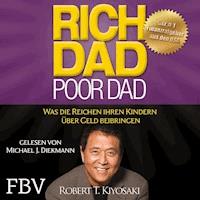
Robert Kiyosaki came to fame with his bestselling book Rich Dad, Poor Dad (Warner Business Books, 2000). He’s helped millions of people with financial literacy. Most people would attribute Kiyosaki’s wealth to his smart investments in real estate, precious metals like gold, and cryptocurrency, a type of digital currency (like Bitcoin) that uses cryptographic techniques to secure transactions. However, when you dig into his wealth ecosystem, you discover it’s deeper than most people think.
Here are the methods he really uses to make money. I’ve indicated their triple-compounding categories.
Book sales and royalties (automating):
What Kiyosaki makes from his book is automated income generated from a one-time investment of time and money. He continues to get paid on the sales and royalties for the rest of his life on auto (as long as new copies of the book continue to sell).
Speaking engagements (generating):
Kiyosaki generates income by physically doing something and exchanging his time for money. You can also call this
grinding
to generate income. See
Chapter 11
to discover how grinding contributes to your financial impact.
Rich Dad company (generating):
He invests time and money in his business to generate an income.
Business ventures and partnerships (accelerating):
When he leverages other people’s assets, talent, and time, Kiyosaki accelerates his income-generating potential.
Licensing and franchising (automating):
When Kiyosaki creates something and then licenses and franchises it to get paid while others deliver on what he created, he’s automating wealth building
.
Investments in stocks and commodities (accelerating):
He puts the money he generates from his other endeavors to work in the markets to accelerate his wealth creation
.
Real estate investments (accelerating):
He also accelerates his portfolio by investing in real estate.
Thanks to this triple-compounding ecosystem, Robert Kiyosaki has been able to amass a $100 million net worth even though he has the same 24 hours per day that you and I have.




