


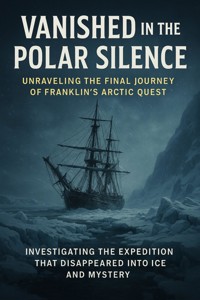
Vanished in the Polar Silence: Unraveling the Final Journey of Franklin's Arctic Quest E-Book
Patrick Simmons
Erhalten Sie Zugang zu diesem und mehr als 300000 Büchern ab EUR 5,99 monatlich.
- Herausgeber: epubli
- Kategorie: Geisteswissenschaft
- Sprache: Englisch
In the mid-19th century, two British ships—the Erebus and the Terror—sailed boldly into the Arctic in a final attempt to conquer the elusive Northwest Passage. They never returned. Vanished in the Polar Silence offers a compelling and informative exploration of the Franklin Expedition, a mission that became one of the greatest maritime mysteries in history. This immersive narrative guides readers through the expedition's planning, its early successes, and the devastating chain of events that followed as the crew became trapped in unforgiving ice. Drawing from modern archaeological discoveries, recovered artifacts, Inuit oral histories, and scientific analyses, the book pieces together what likely happened to the 129 men who disappeared into the frozen wilderness. Created for students seeking clarity, structure, and a solid foundation of factual understanding, this work breaks down the complex story into accessible themes—leadership decisions, environmental challenges, survival attempts, and long-delayed discoveries that have only recently come to light. Step into a world of frost, darkness, and determination as you follow a tragedy that continues to fascinate historians, explorers, and scientists alike.
Sie lesen das E-Book in den Legimi-Apps auf:
Seitenzahl: 180
Veröffentlichungsjahr: 2025
Das E-Book (TTS) können Sie hören im Abo „Legimi Premium” in Legimi-Apps auf:
Ähnliche



















Table of Contents
Chapter 1: Setting the Stage for an Arctic Adventure
Historical Context of Arctic Exploration
The Driving Forces Behind the Franklin Expedition
The Ships: Erebus and Terror
The Crew: Men of Courage
Planning the Voyage
The Spirit of Adventure
Chapter 2: The Ships and Their Crews
The Command Structure
Men of Diverse Backgrounds
Preparing the Ships
The Crew's Training and Preparation
Chapter 3: The Journey Begins
Preparing for Departure
Setting Sail
Navigating the Arctic Waters
Early Achievements
The Shift in Weather
The Spirit of Camaraderie
Chapter 4: Encounters with Nature
The Unforgiving Arctic Climate
The Challenge of Sea Ice
Wildlife Encounters
Coping with Isolation
Adapting to Environmental Challenges
The Role of Inuit Knowledge
Chapter 5: The Icy Grip of Fate
The Prelude to Entitlement
The Icebound Reality
Leadership Under Duress
The Slow Realization of Doom
Lessons from the Ice
Chapter 6: Survival Against the Odds
The Desperation for Food
Navigating the Icebound Terrain
The Psychological Toll
Holding onto Humanity
The Shift to Survival Strategies
Chapter 7: The Search and the Hope
The Initial Response to the Disappearance
The First Search Expeditions
Community and Cultural Impact
Rumors and Theories
The Legacy of the Search Efforts
Chapter 8: Inuit Perspectives and Encounters
The Inuit Worldview
Encounters with the Franklin Expedition
Inuit Knowledge of the Arctic
The Legacy of Inuit Oral Histories
Chapter 9: Discoveries from the Ice
The Wrecks of Erebus and Terror
Archaeological Findings
Inuit Oral Histories
Environmental Impact on the Expedition
Chapter 10: How History Remembered Franklin
The Initial Response to Franklin's Expedition
Cultural Representations of Franklin
Historical Re-evaluations
The Intersection of Heroism and Tragedy
The Legacy of Franklin's Expedition
Chapter 11: The Ethics of Exploration
Understanding Ethical Exploration
The Legacy of the Franklin Expedition
Ethical Guidelines for Modern Explorers
Analyzing the Impact of Ethical Violations
Chapter 12: Lessons from the Unknown
Leadership Lessons from Franklin
Environmental Challenges and Human Resilience
Learning from Mistakes
The Human Spirit in Adversity
Reflections on the Lost Journey: Lessons from the Arctic
Chapter 1: Setting the Stage for an Arctic Adventure
In the mid-19th century, the dream of the Northwest Passage captured the imaginations of explorers and nations alike. This chapter will introduce the historical context surrounding the Franklin Expedition, detailing the significance of the Arctic exploration during this era. We will also explore the motivations of the British government and the individuals involved in planning this ambitious journey.
Historical Context of Arctic Exploration
The 19th century was a pivotal time for exploration. The quest for the Northwest Passage became a symbol of national pride and scientific inquiry. This section provides key historical background that framed the Franklin Expedition, enabling readers to grasp the ambition and excitement surrounding Arctic exploration.
Geopolitical Climate
During the mid-19th century, the geopolitical landscape of Europe was characterized by intense competition among nations vying for territorial expansion. The Arctic, often seen as a frigid and inhospitable frontier, became a focal point of interest due to its potential for new trade routes and untapped resources.
For Britain, the Northwest Passage represented not only a shortcut to Asia but also a means to extend its imperial reach. The discovery of such a passage would secure lucrative trade opportunities, boosting Britain's global dominance. As European powers engaged in colonial endeavors worldwide, the prospect of Arctic exploration was increasingly viewed through the lens of economic and strategic advantage.
This geopolitical climate fostered a sense of urgency among explorers and motivated governments to finance ambitious expeditions like Franklin's. The quest for the Northwest Passage thus became entwined with national interests, exemplifying the broader imperial aspirations of the era.
Scientific Advancements
The 19th century heralded significant technological advancements that revolutionized navigation and shipbuilding, fostering a new era of exploration. Breakthroughs in marine engineering, such as the use of steam power and advances in hull design, enabled ships to withstand the harsh conditions of the Arctic.
These innovations encouraged explorers to embark on journeys into uncharted territories that had previously been deemed too hazardous. Coupled with improved navigational instruments—like the chronometer, which allowed for accurate determination of longitude—these advancements made Arctic exploration not only feasible but appealing.
The Franklin Expedition was a product of this age of discovery where the combination of modern technology and adventurous spirit put the allure of the Arctic within reach. Such improvements were pivotal in shaping the ambitions of explorers and enhancing their chances of finding success in the frozen north.
National Pride
The early successes of previous Arctic explorations ignited a sense of national pride across Britain, fueling public interest and support for further expeditions. Explorers like Sir John Franklin, who had garnered acclaim for his past achievements, became emblematic figures of British prowess and capability.
This prevailing sentiment was further amplified by the media, which sensationalized exploration stories, turning figures like Franklin into national heroes. Such enthusiasm led the government to increase funding and resources for explorations, viewing them as opportunities to bolster Britain’s image on the global stage.
Therefore, the Franklin Expedition was not merely a scientific endeavor; it resonated deeply with the aspirations of a nation seeking to assert its strength and legitimacy through dramatic feats of exploration, capturing the collective imagination of the British public.
Indigenous Knowledge
Indigenous peoples inhabited the Arctic long before European explorers arrived, possessing invaluable knowledge about the region’s geography, climate, and wildlife. This understanding was shaped by generations of living in harmony with the land, equipping them with survival strategies essential for navigating the harsh Arctic environment.
Unfortunately, the reliance on Indigenous knowledge was often undervalued by explorers, which led to significant challenges. Nevertheless, Inuit communities demonstrated remarkable adaptability and resilience, showcasing traditional practices of hunting, navigation, and shelter construction that were pivotal for survival.
The engagement, or often lack thereof, with Indigenous populations during the Franklin Expedition highlights the importance of intercultural communication and the need for mutual respect. Their insights could have greatly informed and perhaps even altered the trajectory of Franklin’s ill-fated journey, emphasizing the critical role of Indigenous knowledge in Arctic exploration.
The Driving Forces Behind the Franklin Expedition
The motivations for the Franklin Expedition were multifaceted, involving personal ambitions, scientific goals, and national objectives. Understanding these forces provides critical insight into why such a dangerous journey was undertaken.
Leadership of Sir John Franklin
Sir John Franklin emerged as a formidable leader and veteran explorer whose vast experience in Arctic conditions significantly influenced the planning of the expedition. His earlier journeys, including those across the treacherous waters of the Canadian Arctic, had earned him a reputation for competence and bravery. This prestige galvanized support from both the British government and the public, fostering a sense of trust in his leadership abilities.
However, Franklin's leadership style also exhibited challenges that would later manifest during the journey. While his steadfastness inspired confidence, it occasionally bordered on stubbornness, leading him to make decisions that disregarded critical warnings about the harshness of the environment. Ultimately, Franklin's reputation became interwoven with the expedition's fate, as many believed that his guidance could steer the crew through the uncharted and perilous Arctic terrain.
Government Interest
The British government's strong interest in the exploration of the Arctic, particularly in finding the Northwest Passage, was driven by commercial ambitions. During the mid-19th century, trade with Asia represented a lucrative opportunity for Britain, and the possibility of a faster maritime route through the Arctic held great economic promise. Government officials viewed the passage as a strategic asset that could enhance Britain’s dominance in global trade.
This motivation not only sparked the founding of the Franklin Expedition but also led to substantial financial investments and political backing for the mission. The quest for the Northwest Passage symbolized national prestige and ambition, aligning explorers' personal quests with broader imperial objectives. Thus, the endeavor was not merely an exploration; it represented a race reflecting Britain’s imperial aspirations during a period marked by innovation and expansion.
Career Motivations
For many crew members of the Franklin Expedition, the journey represented more than just another assignment; it was an opportunity to forge their legacies and secure their places in history. The age was rife with tales of explorers who achieved fame through their daring feats and discoveries. Many enlisted in hopes of climbing social and professional ladders, with dreams of recognition fueling their aspirations.
This desire for personal advancement created a mix of ambition and competition within the ranks, as crew members aspired to contribute remarkable accomplishments to a collective mission. However, this pursuit of individual glory often clashed with the team's need for unity and collaboration, ultimately leading to tension as the expedition faced its grave challenges in the ice-bound Arctic.
Scientific Endeavors
Alongside navigation, the Franklin Expedition was driven by significant scientific goals, aiming to contribute crucial knowledge about the Arctic landscape. This focus on scientific research included efforts to map previously unexplored territories and study the unique flora and fauna of the region. The expedition not only sought to unveil the geographical mysteries of the Northwest Passage but also aimed to gather valuable meteorological and geological data.
By integrating scientific inquiry within the quest for navigation, the expedition exemplified a blend of exploration and research that marked 19th-century exploration efforts. The results from this scientific endeavor were anticipated to provide insights into climate, environmental conditions, and the potential for future expeditions. Unfortunately, as the expedition became engulfed in tragedy, the profound potential for scientific discovery was overshadowed by the dire circumstances that befell the crew.
The Ships: Erebus and Terror
The choice of ships for the Franklin Expedition was critical to its success. The Erebus and the Terror were state-of-the-art vessels designed for ice navigation, representing the pinnacle of contemporary maritime engineering.
Design and Features
The Erebus and Terror were meticulously designed to withstand the harsh realities of polar exploration. Each vessel featured reinforced hulls, which could endure the immense pressure exerted by floating ice. This crucial aspect of their construction was complemented by the innovative steam propulsion systems, allowing them to maneuver through icy waters more effectively than many contemporary ships.
Equipped with retractable sails, these ships could harness wind assistance, further enhancing their mobility in challenging conditions. Moreover, the design included an array of meticulously planned compartments that enhanced buoyancy while minimizing the risk of flooding. Together, these elements made the Erebus and Terror exemplars of engineering, reflecting the pinnacle of British nautical design in the mid-19th century, tailored specifically for their daunting Arctic mission.
Past Expeditions
Both the Erebus and the Terror boasted storied pasts before embarking on the Franklin Expedition. They participated in earlier voyages that cemented their reputations as reliable vessels. For instance, during the 1839–1843 Antarctic expedition led by Sir James Clark Ross, the ships demonstrated exceptional performance, charting numerous geographic and scientific discoveries.
These past successes instilled a sense of confidence among the British government and the crew, as both ships were widely recognized for their robustness and operational effectiveness. This familiarity with the vessels played a pivotal role in the decision to employ them for such a critical and ambitious journey, setting high expectations for the exploration of the Northwest Passage ahead.
Size and Capacity
The Erebus and Terror were substantial ships, boasting impressive dimensions that were essential for a lengthy voyage. Their capacity allowed them to carry sufficient provisions, equipment, and scientific instruments for the expedition, which was projected to last for multiple years. Extensive logistical preparations ensured that over 60,000 pounds of food and gear were onboard, including tinned rations, clothing, and medical supplies.
This careful logistical planning was crucial, as the expedition aimed to navigate an unpredictable and often inhospitable landscape. The ample storage capacity highlighted the strategic foresight of the expedition's planners. Such provisions were not merely necessary for survival; they also reflected the ambitions and hopes of the expedition as it sought to explore one of the last frontiers of the known world.
Symbol of British Innovation
The Erebus and Terror emerged as powerful symbols of British innovation and ambition during an era marked by rapid technological advancement. Their design integrated cutting-edge maritime technology, showcasing Britain's industrial might and its commitment to exploration. The use of steam propulsion in their construction was groundbreaking, representing the culmination of industrial engineering at the time.
These ships embodied not only the aspirations of the British Empire but also its cultural ethos, where exploration was seen as a means of expanding knowledge and influence. The decision to deploy such advanced vessels underscored the national pride associated with the quest to conquer the Arctic, illustrating Britain's intricate ties to maritime navigation and exploration throughout history.
The Crew: Men of Courage
The crew of the Franklin Expedition was a diverse group of skilled men, each chosen for their expertise and potential contribution to the mission. Their backgrounds and experiences shaped the dynamics of the journey.
Diverse Skill Sets
The crew of the Franklin Expedition was meticulously selected for their diverse skill sets, which included navigators, scientists, mechanics, and seasoned sailors. This careful planning aimed to create a well-rounded team that could effectively tackle the multifaceted challenges of Arctic exploration. Navigators possessed the expertise required to traverse uncharted waters, while scientists were tasked with collecting and documenting data about the unique environment. Mechanics ensured the ships, Erebus and Terror, were in optimal condition to withstand the harsh Arctic conditions.
The synergy of such varied talents was vital for the mission's success. For instance, the presence of experienced sailors provided essential knowledge of maritime navigation and survival at sea. In contrast, the scientists contributed valuable insights into the region's ecology and geology, which enhanced the expedition's scientific goals. This blend of skills set the stage for a comprehensive exploration, demonstrating the importance of teamwork in overcoming the unforgiving Arctic landscape.
Social Backgrounds
The members of the Franklin Expedition came from various social backgrounds, which played a crucial role in shaping their expectations and motivations. Ranging from skilled artisans to well-educated gentlemen, the crew embodied a spectrum of social hierarchies prevalent in Victorian England. This diversity created a complex dynamic among the crew members, influencing interactions and relationships throughout the journey.
The social class differences often led to varying levels of camaraderie and tension within the ranks. For instance, higher-ranking officers typically held different views and responsibilities compared to the lower-ranked crew. Additionally, these social backgrounds contributed to distinct perspectives on risk, loyalty, and duty. Such complexities added depth to the expedition's narrative, showcasing how interpersonal relationships can significantly affect a team's cohesion in extreme conditions.
Health and Fitness
Given the extreme environment of the Arctic, health and fitness were paramount in the selection criteria for the Franklin Expedition crew. Officers and sailors endured rigorous medical examinations to ensure they possessed the physical endurance necessary to survive the brutal cold and demanding labor on board the ships. The decision to prioritize physical fitness intended to build a resilient crew capable of facing unforeseen challenges.
This focus on health was particularly critical when considering the expedition's long duration in harsh and isolating conditions. The ability to maintain stamina and morale was vital, as physical ailments could quickly escalate into more significant problems in the Arctic. Consequently, the selection for this expedition was as much about preserving a capable crew as it was about assembling skilled individuals, highlighting the harsh realities of Arctic expeditions.
Personal Stories
Beyond their professional qualifications, many crew members of the Franklin Expedition had compelling personal stories that fueled their commitment to the mission. These motivations were often deeply rooted in familial obligations, aspirations for advancement, or a desire for recognition. For example, some crew members were driven by a desire to support their families financially or to achieve personal glory in the annals of exploration. Others aimed to create a legacy through their contributions to science and discovery.
Such personal narratives enriched the expedition’s story, adding human depth to the historical figures involved. The determination stemming from personal commitments often inspired resilience among the crew members, allowing them to persevere despite the numerous obstacles they faced. As their journeys progressed, these motivations intertwined with the overarching narrative of hope, ambition, and tragedy, providing a poignant backdrop to the expedition's fate.
Planning the Voyage
The planning phase of the Franklin Expedition was fraught with challenges and extensive deliberations. This section explores the meticulous efforts invested in preparing for a perilous journey into the unknown.
Research and Consultation
The planning phase for the Franklin Expedition was heavily influenced by extensive research into previous Arctic explorations. Planners, including prominent figures like Sir John Franklin himself, meticulously reviewed historical accounts of past voyages, aiming to learn from the successes and failures that characterized these dangerous endeavors.
Consultations with experienced Arctic explorers and scientists were essential. Their shared wisdom highlighted critical lessons, such as the importance of understanding local weather patterns and ice conditions. Investigators focused on the accounts of explorers like John Ross and James Clark Ross, whose expeditions provided invaluable insights into the challenges and navigational uncertainties of Arctic waters. This foundational research aimed to avoid any miscalculations that could lead to disaster.
Through this rigorous examination of previous expeditions, planners sought not only to prepare for the journey but also to ignite the public’s interest in Arctic exploration. Their efforts laid the groundwork for a voyage that was as ambitious as it was perilous, exemplifying the deep-seated human drive to explore the unknown.
Provisions and Supplies
Recognizing the uncertainties of Arctic conditions, the planning team prioritized stockpiling adequate provisions and supplies. This process involved a detailed assessment of dietary needs for the crew of 129 men, factoring in the anticipated length of the expedition. They aimed to not only sustain the crew but also to maintain their health in a harsh environment.
Food supplies included preserved meats, naval biscuits, and a variety of canned goods, reflecting the limited options for sourcing fresh food in the Arctic. In addition to food, careful attention was paid to the procurement of fuel for cooking and heating, as well as necessary equipment for navigation and survival.
Each supply item was chosen with the expectation that the expedition could endure unforeseen delays or challenges. The planning team endeavored to ensure that the ships would be stocked with provisions sufficient to last far longer than initially estimated, hoping to secure the survival of the crew amid the threats posed by the Arctic wilderness.
Navigation and Route Strategy
A critical aspect of the expedition’s planning involved developing a robust navigation and route strategy. This strategy was based on a combination of geographic knowledge, historical data, and recent scientific findings concerning ice patterns in the Arctic. The expedition leaders aimed to choose the most viable pathways that could circumvent thick ice masses, which had thwarted earlier explorers.
Planners utilized detailed maps and charts, benefiting from advancements in cartography that revealed uncharted territories. The objective was clear: to identify the Northwest Passage while minimizing the risk of getting trapped in ice. They also considered Inuit knowledge regarding the terrain, taking into account local wisdom as vital navigational support.
This multi-faceted strategy was pivotal, as the success of the Franklin Expedition largely hinged on the crew’s ability to effectively navigate the formidable Arctic environment. The planners recognized that their journey would not only require courage and endurance but also adept navigation skills to achieve their ambitious goals.
Public and Media Support
The Franklin Expedition was not solely a scientific and exploratory endeavor; it was also a public spectacle that required substantial financial backing. The planning team made concerted efforts to engage the public and garner media support. They recognized that generating excitement around the expedition would be crucial for attracting investors and supporters.
Newspapers of the era played a significant role in shaping public perception. The media propagated tales of adventure, bravery, and the quest for glory in the Arctic, which captivated the imagination of the British public. Through articles and features, the expedition was elevated to a national project, embodying the spirit of British exploration.
The support of public opinion was instrumental in securing funding from private sources and government allocations. This engagement not only provided the financial resources necessary for the voyage but also fostered a sense of shared purpose among the British populace, uniting them behind a common cause to explore the last frontiers of the earth. Such public backing underscored the significance of adventure and exploration during the Victorian era.
The Spirit of Adventure
The Franklin Expedition epitomized the spirit of adventure that characterized the exploration era. This section discusses the mindset of the crew and the allure of the unknown that drove them forward despite looming dangers.
Pioneering Spirit
The crew of the Franklin Expedition personified the pioneering spirit of their time, driven by a shared sense of adventure that was fundamental to the era of exploration. These men were motivated by the desire to push the boundaries of human experience, to explore uncharted territories, and to make their mark on history. The aspiration to conquer the elusive Northwest Passage was more than just a quest for new trade routes; it represented the very essence of human curiosity and determination.
As they set sail in 1845 aboard the Erebus and Terror, the crew was filled with lofty ideals and dreams of discovery. Each man carried a personal narrative, fueled by the prospect of achieving fame, wealth, or a place in the annals of maritime history. This spirit of adventure was not just about physical exploration; it was about venturing into the unknown and testing the limits of human endurance against nature’s unpredictable forces.
Expectation vs. Reality
The initial excitement that accompanied the departure of the Franklin Expedition was soon met with harsh realities. While the crew imagined discoveries and groundbreaking achievements, the unforgiving Arctic environment posed insurmountable challenges that quickly outpaced their expectations. The illusion of control over their journey shattered as they faced relentless ice, extreme cold, and dwindling supplies.




