


2,99 €
Mehr erfahren.
- Herausgeber: T.S. AVINI
- Kategorie: Ratgeber
- Sprache: Englisch
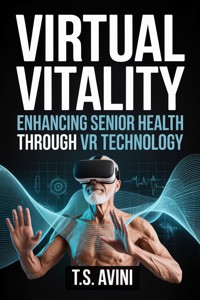
"Virtual Vitality: Enhancing Senior Health through VR Technology" is a groundbreaking exploration of the intersection between elderly wellness and cutting-edge technology. Discover how virtual reality (VR) is reshaping the lives of seniors by offering unprecedented opportunities for mental, physical, and emotional enhancement. This book dives deep into the following key areas:
- **Cognitive and Physical Benefits**: Learn how VR stimulates the brain, enhances memory, and supports mobility through immersive environments designed for senior needs.
- **Social Connections and Emotional Well-being**: Understand how virtual communities combat loneliness, creating space for connection and personal growth.
- **Practical Implementation in Care Settings**: Gain insights into integrating VR into senior living communities, with real-life case studies illustrating successful applications.
Through vivid storytelling and expert insights, "Virtual Vitality" charts a hopeful path toward a future where seniors embrace healthier, more engaged lives using VR. Step into this transformative journey and be inspired to redefine aging in the digital age. Unlock the potential of VR for the seniors in your life—act now to embrace this new era of health enhancement!
Das E-Book können Sie in Legimi-Apps oder einer beliebigen App lesen, die das folgende Format unterstützen:
Veröffentlichungsjahr: 2025
Ähnliche
















Virtual Vitality
Virtual Vitality
Virtual Vitality
Table of Contents
Chapter 1: Introduction to Virtual Vitality: The Intersection of Seniors and VR Technology
Chapter 2: Understanding the Landscape: The Current State of Senior Health
Chapter 3: The Evolution of Virtual Reality: From Gaming to Health
Chapter 4: Meet the Seniors: Real-Life Stories of VR Users
Chapter 5: Cognitive Benefits: Enhancing Memory and Mental Agility
Chapter 6: Physical Wellness: Virtual Exercise and Rehabilitation Programs
Chapter 7: Social Connectivity: Bridging the Gap through Virtual Communities
Chapter 8: Emotional Well-being: Combating Loneliness and Depression
Chapter 9: Overcoming Barriers: Addressing Technological Hesitations
Chapter 10: Designing VR for Seniors: Accessibility and Usability
Chapter 11: Implementing VR in Senior Living Communities
Chapter 12: Case Studies: Successful Integrations of VR in Senior Care
Chapter 13: Research and Evidence: Scientific Studies Supporting VR Benefits
Chapter 14: Collaborations and Partnerships: Developers and Healthcare Providers
Chapter 15: Personalized Experiences: Tailoring VR Programs for Individual Needs
Chapter 16: Safety First: Ensuring a Secure VR Environment for Seniors
Chapter 17: Cost and Accessibility: Making VR Affordable and Widespread
Chapter 18: Future Trends: Where VR Technology is Headed in Senior Health
Chapter 19: The Role of Family: Encouragement and Support in VR Engagement
Chapter 20: Conclusion: Embracing a New Era of Senior Health Enhancement through VR
About the Author
Title Page
Table of Contents
Virtual Vitality
Enhancing Senior Health through VR Technology
by T.S. AVINI
Table of Contents
1. Introduction to Virtual Vitality: The Intersection of Seniors and VR Technology
2. Understanding the Landscape: The Current State of Senior Health
3. The Evolution of Virtual Reality: From Gaming to Health
4. Meet the Seniors: Real-Life Stories of VR Users
5. Cognitive Benefits: Enhancing Memory and Mental Agility
6. Physical Wellness: Virtual Exercise and Rehabilitation Programs
7. Social Connectivity: Bridging the Gap through Virtual Communities
8. Emotional Well-being: Combating Loneliness and Depression
9. Overcoming Barriers: Addressing Technological Hesitations
10. Designing VR for Seniors: Accessibility and Usability
11. Implementing VR in Senior Living Communities
12. Case Studies: Successful Integrations of VR in Senior Care
13. Research and Evidence: Scientific Studies Supporting VR Benefits
14. Collaborations and Partnerships: Developers and Healthcare Providers
15. Personalized Experiences: Tailoring VR Programs for Individual Needs
16. Safety First: Ensuring a Secure VR Environment for Seniors
17. Cost and Accessibility: Making VR Affordable and Widespread
18. Future Trends: Where VR Technology is Headed in Senior Health
19. The Role of Family: Encouragement and Support in VR Engagement
20. Conclusion: Embracing a New Era of Senior Health Enhancement through VR
Chapter 1: Introduction to Virtual Vitality: The Intersection of Seniors and VR Technology
In an era defined by rapid technological advancements, the dawn of virtual reality (VR) offers an intriguing frontier with transformative potential—not least for seniors seeking a boost in vitality and quality of life.
The image of VR technology, often associated with high-energy video gaming and futuristic adventures, is undergoing a metamorphosis as innovators unlock its ability to address age-old challenges. For seniors, who may face limitations due to aging, VR offers a tantalizing promise: a world free from physical constraints and full of opportunities for exploration, learning, and enhanced well-being.
VR technology isn't just about gaming or entertainment; it represents a powerful tool for engagement and interaction in a manner that was previously unimaginable.
Defined by the creation of immersive, computer-generated environments that users can interact with in seemingly real ways, VR can evoke a sense of presence that enriches the mind and invigorates the body. For those less familiar with this technological marvel, VR essentially tricks the brain into experiencing a virtual environment as if it were real, through the use of sensory inputs such as visuals, sounds, and even touch.
To be honest, The potential of virtual reality extends beyond its ability to entertain.
For seniors, VR can be a gateway to worlds otherwise inaccessible, journeys not defined by physical abilities or geographical limitations. For instance, a senior unable to travel due to mobility issues can wander through the lush landscapes of New Zealand’s South Island, stand in awe of the intricate architecture of the Taj Mahal, or explore ancient ruins, all from the comfort of their own home.
Critically, virtual reality also extends into therapeutic realms. Healthcare experts are increasingly looking to VR to support physical rehabilitation, cognitive functioning, and emotional well-being.
Imagine a senior who has suffered a stroke and is navigating the arduous road to recovery. VR can offer simulations designed to aid motor skills recovery, providing interactive environments that guide patients through exercises tailored to their specific needs. These VR programs are not only engaging but enable repetitive, intensive workouts that are crucial for rehabilitation—workouts that might otherwise be hindered by logistical or motivational barriers.
Moreover, VR's impact on mental health can't be overstated. Seniors often grapple with feelings of isolation, loneliness, or depression, particularly those living alone or in assisted facilities. Virtual reality offers novel pathways to community and companionship.
Through VR platforms, seniors can engage in virtual meet-ups with family and friends, even if they are continents apart. VR can facilitate shared experiences—be it attending a concert, walking together in a botanical garden, or participating in a book club—that foster connection and stave off feelings of isolation. This capability is profound in its power to nurture social bonds, boost morale, and inspire an enriched sense of belonging and purpose.
The intersection of VR technology and senior life is also ripe with educational possibilities. Lifelong learning is a pursuit that many seniors embody passionately.
VR technology offers a dynamic platform for education, opening new arenas for knowledge and cognitive stimulation. Through VR, seniors can attend lectures from the world’s leading universities, understand complex concepts through interactive simulations, or immerse themselves in historical re-enactments that make learning vivid and vibrant. This continuous engagement with new information not only satisfies intellectual curiosity but is crucial in maintaining cognitive health and agility.
However, the successful adoption of VR technology among seniors requires more than just the availability of gadgets. It calls for a considerate approach to technology design—a user-friendly interface, intuitive controls, and thoughtful software that aligns with the needs and limitations of seniors.
This involves creating VR equipment that is not only ergonomically suitable and easy to use but also adaptable for those with sensory impairments. Furthermore, educational programs and support systems are essential to help seniors, and their caregivers, feel confident and capable of navigating these virtual landscapes.
Collaboration between developers, healthcare professionals, and senior communities remains a cornerstone in optimizing VR solutions tailored to age-friendly needs.
Training sessions, workshops, and accessible customer service enhance the comfort level of seniors and build their trust in these new tools. When equipped with the right support and resources, seniors can not only adopt but also enjoy VR technology's myriad benefits.
Many people don’t realize this, but As we stand on the verge of this exciting intersection between VR and senior living, it's important to acknowledge the challenges and considerations while remaining optimistic about the future.
The possibilities afforded by VR are vast and varied, offering avenues to enrich seniors' lives in physical, cognitive, and social dimensions. It heralds a new age of engagement and vitality, where seniors are not merely participating in the technology-driven world but thriving within it.
In the chapters that follow, we will delve deeper into specific applications of VR for seniors, exploring innovative solutions that are reshaping their realities.
We'll examine the case studies, investigate the science behind VR's impacts on health and well-being, and highlight the stories of seniors whose lives have been transformed through virtual interventions. Together, we'll navigate the intricacies of virtual vitality, embracing a future where age is but a number, and the possibilities for adventure, healing, and growth are boundless.
Chapter 2: Understanding the Landscape: The Current State of Senior Health
As we journey into the digital renaissance of the 21st century, the landscape of senior health stands at a pivotal intersection of opportunity and challenge. Today's seniors are living longer and, in many cases, enjoying a better quality of life than ever before.
However, with increased longevity comes a unique set of health challenges that redefine what healthy aging truly means. To effectively harness the potential of Virtual Reality (VR) in enhancing senior health, it is crucial first to understand these challenges and the current state of senior health.
Aging is an inevitable process characterized by various physiological, psychological, and social changes. These changes, whether gradual or sudden, can significantly impact a person's well-being. One cannot discuss the current state of senior health without acknowledging the myriad of health issues prevalent among the elderly population.




