


43,99 €
Mehr erfahren.
- Herausgeber: John Wiley & Sons
- Kategorie: Fachliteratur
- Sprache: Englisch
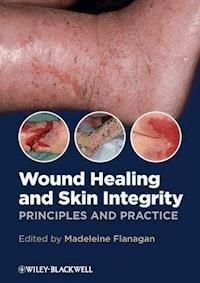
This comprehensive text integrates related aspects of wound management, skin integrity and dermatology into a convenient, one-stop resource. It explores the theories underpinning wound management and skin integrity by reviewing the supporting evidence and making practical recommendations for busy clinicians. Wound Healing and Skin Integrity discusses current and future trends in the management of wounds and maintenance of skin integrity in respect to international healthcare initiatives and summarises the principles of maintaining healthy skin to provide a practical guide that is accessible to clinicians regardless of professional background.
The title fulfils the inter-professional learning agenda and will be of interest to a wide range of clinicians, including doctors; wound management, dermatology and palliative care nurse specialists; community nurses; podiatrists; pharmacists; and anyone responsible for managing patients with impaired skin integrity.
Key features:
- A practical, accessible, evidence-based manual on wound care and skin integrity
- Integrates related aspects of skin integrity, wound management and dermatology previously found in separate texts into one comprehensive resource
- Written from a broad international perspective with contributions from key international opinion leaders from Australia, UK, Canada and Europe
- Promotes international practice development in relation to management of skin integrity and chronic wounds
- Full colour illustrations throughout
- Defines key terms, relates anatomy and physiology to clinical practice and provides a summary of easily accessible online learning resources
- Includes practical tips from expert practitioners, commonly presented clinical queries and discussion of professional issues related to skin integrity
Sie lesen das E-Book in den Legimi-Apps auf:
Seitenzahl: 762
Veröffentlichungsjahr: 2013
Ähnliche



















Contents
Cover
Title Page
Copyright
List of Contributors
Preface
Acknowledgements
Section 1: Principles of Best Practice
Chapter 1: Evidence and Clinical Decision-making
Introduction: what is effective clinical decision-making?
What is evidence-based health care?
Common misperceptions about evidence-based practice
Challenges to changing practice
Factors influencing clinical judgement
Evidence-based practice: hierarchy of evidence
Evidence-informed decisions
Critical appraisal frameworks
Clinical guidelines
Summary
Useful resources
Useful critical appraisal frameworks
Further reading
References
Chapter 2: Maintaining Skin Integrity
Introduction
Impaired skin barrier function in the clinical setting
Management of vulnerable skin
Summary
Useful resources
References
Chapter 3: Physiology of Wound Healing
Introduction
Types of wound healing
Wound chronicity
Normal wound healing
Optimising healing: general factors
Optimising healing: local factors
Delayed wound healing
Tissue repair in chronic wounds
The inflammatory response
Proliferation of new tissue
Wound closure
Summary
Useful resources
References
Chapter 4: Assessing Skin Integrity
Introduction
Assessing skin integrity
Listening: problem orientation and knowledge
Looking: problem clarification and knowledge construction
Touch: hands on fact finding
Smell: subconscious information gathering
Assessing wounds
Wound bed preparation
Data collection
Effective documentation
When to seek specialist help?
Summary
Useful resources
References
Chapter 5: Principles of Wound Management
Introduction
Principles of wound management
Effective wound management
Controlling bacterial burden: wound cleansing
Controlling bacterial burden: wound debridement
Autolytic debridement
Enzymatic debridement
Biosurgical debridement
Mechanical debridement
Sharp debridement
Hydrosurgical debridement
Ultrasound (acoustic pressure wound therapy)
Regulating moisture balance
Wound dressings
Passive inert dressings
Interactive dressings
Antibacterial dressings
Summary
Useful resources
References
Chapter 6: Wound Infection
Introduction
Bacterial invasion of the skin
Wound pathogens
Factors increasing the risk of wound infection
The significance of bacteria within wounds
Significance of biofilms
Identifying wound infection
Microbiological assessment of wounds
Principles of managing infected wounds
Summary
Useful resources
References
Chapter 7: Psychological Impact of Skin Breakdown
Introduction
Psychological impact on the individual and society
Adaptation to chronic illness
Stress and skin disease
Depression
Adjustment to physical change/disfigurement
Coping strategies
Social support
Body image
Living with skin breakdown and chronic wounds: symptom management
Measuring impact of skin breakdown
Factors affecting treatment
Interventions
Clinical reflection
Summary
Useful resources
References
Section 2: Challenging Wounds
Chapter 8: Pressure, Shear and Friction
Introduction
Prevalence and incidence
Pathophysiology
Risk factors
Psychological impact
Current best practice
Prevention strategies
Pressure ulceration: assessment considerations
Treatment strategies: pressure ulcers
Education and support
Criteria for specialist referral
Summary
Useful resources
Clinical guidelines
Organisations
Further reading
References
Chapter 9: Diabetic Foot Disease
Introduction
Aetiology
Psychological impact
Principles of diabetic foot ulcer management
Diabetic foot ulceration: assessment considerations
Assessment of vascular status
Assessment of wound infection
Management of diabetic foot ulcers
Vascular intervention
Foot surgery and amputation
Debridement
Infection in diabetic foot wounds
Osteomyelitis
Offloading – non-weight-bearing
Wound dressings: special considerations
Foot care
Education and support
Provision of specialist diabetic foot services
Criteria for specialist referral
Summary
Useful resources
References
Chapter 10: Chronic Ulcers of the Lower Limb
Introduction
Epidemiology
Comorbidities and underlying pathologies
Rheumatoid arthritis and vasculitis
Venous leg ulceration
Factors that affect venous return
Rarer leg ulcer aetiologies
Psychological impact
Principles of managing leg ulcers
Leg ulceration: assessment considerations
Vascular assessment for arterial disease
Management of chronic oedema in leg ulcers
Wound dressings: special considerations
Prevention of ulcer recurrence
Education and support
Provision of specialist services
Criteria for specialist referral
Summary
Useful resources
Further reading
References
Chapter 11: Lymphoedema
Introduction
Pathophysiology
Risk factors
Psychological impact
Current best practice
Prevention strategies: risk factor management
Lymphoedema: assessment considerations
Treatment strategies
Education and support
Provision of specialist services
Criteria for specialist referral
Summary
Useful resources
Useful websites
References
Chapter 12: Malignant Wounds
Introduction
Malignant wounds: aetiology
Psychological impact
Principles of palliative wound management
Malignant wounds: assessment considerations
Management of malignant wounds
Education and support
Provision of specialist services
Criteria for specialist referral
Summary
Useful resources
References
Chapter 13: Skin Integrity and Dermatology
Introduction
Prevalence and incidence of skin disease
Quality of life
Cost of skin diseases
Management principles
Important common skin problems and their management
Provision of dermatology specialist services
Summary
Useful resources
Further reading
References
Chapter 14: Surgical Wounds
Introduction
Classification of surgical wounds
Principles of surgical wound management
Surgical wounds: assessment considerations
Preoperative management
Intraoperative management
Postoperative management
Wound closure
Management of surgical scars
Common reconstructive surgical options
Education and support
Criteria for specialist referral
Summary
Useful resources
References
Chapter 15: Neglected Wounds
Introduction
BODY PIERCINGS
Risk factors (post-piercing infection)
Factors delaying healing
Complications
Principles of wound management
Practical management
Practical tips
Healing rates
Criteria for specialist referral
Summary
Further reading
References
BULLOUS PEMPHIGOID
Risk factors
Differential diagnosis
Clinical features
Factors delaying healing
Complications
Principles of wound management
Practical management
Criteria for specialist referral
Summary
Further reading
References
CALCIPHYLAXIS
Risk factors
Differential diagnosis
Clinical features
Factors delaying healing
Complications
Principles of wound management
Practical management
Criteria for specialist referral
Summary
Further reading
References
FISTULAS
Risk factors
Diagnostic procedures
Clinical features
Factors delaying healing
Complications
Principles of wound management
Practical management
Criteria for specialist referral
Summary
Further reading
References
NECROTISING FASCIITIS
Risk factors
Differential diagnosis
Clinical features
Factors delaying healing
Complications
Principles of wound management
Practical management
Criteria for specialist referral
Summary
Further reading
References
PYODERMA GANGRENOSUM
Risk factors
Differential diagnosis
Clinical features
Factors delaying healing
Complications
Principles of wound management
Practical management
Criteria for specialist referral
Summary
Further reading
References
SELF-INFLICTED WOUNDS (SELF-HARM)
Risk factors
Differential diagnosis
Factors delaying healing
Clinical features
Complications
Principles of wound management
Practical management
Criteria for specialist referral
Summary
Further reading
References
SKIN TEARS
Risk factors
Differential diagnosis
Factors delaying healing
Clinical features
Complications
Principles of wound management
Practical management
Criteria for specialist referral
Summary
Further reading
References
Section 3: Improving Skin Integrity Services
Chapter 16: Reducing Wound Care Costs and Improving Quality: A Clinician’s Perspective
Introduction
Health economics: a clinician’s perspective
Barriers to best-practice wound care and prevention
The costs of wound care
Best-practice wound prevention and care programmes
Clinical results
The impact of best-practice wound prevention and care on health economics
Redesigning clinical care, business and information processes
Indirect economic benefits
Summary
Useful resources
References
Chapter 17: Dressings: The Healing Revolution
Introduction
Evolution of new wound dressing technologies
The healing revolution
Dressing evolution led by technology: an example
Patient-centred dressing evolution: an example
Advanced wound technologies
The future: wound care as a clinical specialty
Summary
Useful resources
References
Index
This edition first published 2013 © 2013 by John Wiley & Sons, Ltd
Registered office: JohnWiley & Sons, Ltd, The Atrium, Southern Gate, Chichester, West Sussex, PO19 8SQ, UK
Editorial offices: 9600 Garsington Road, Oxford, OX4 2DQ, UK The Atrium, Southern Gate, Chichester, West Sussex, PO19 8SQ, UK 111 River Street, Hoboken, NJ 07030-5774, USA
For details of our global editorial offices, for customer services and for information about how to apply for permission to reuse the copyright material in this book please see our website at www.wiley.com/wiley-blackwell.
The right of the author to be identified as the author of this work has been asserted in accordance with the UK Copyright, Designs and Patents Act 1988.
All rights reserved. No part of this publication may be reproduced, stored in a retrieval system, or transmitted, in any form or by any means, electronic, mechanical, photocopying, recording or otherwise, except as permitted by the UK Copyright, Designs and Patents Act 1988, without the prior permission of the publisher.
Designations used by companies to distinguish their products are often claimed as trademarks. All brand names and product names used in this book are trade names, service marks, trademarks or registered trademarks of their respective owners. The publisher is not associated with any product or vendor mentioned in this book. It is sold on the understanding that the publisher is not engaged in rendering professional services. If professional advice or other expert assistance is required, the services of a competent professional should be sought.
The contents of this work are intended to further general scientific research, understanding, and discussion only and are not intended and should not be relied upon as recommending or promoting a specific method, diagnosis, or treatment by health science practitioners for any particular patient. The publisher and the author make no representations or warranties with respect to the accuracy or completeness of the contents of this work and specifically disclaim all warranties, including without limitation any implied warranties of fitness for a particular purpose. In view of ongoing research, equipment modifications, changes in governmental regulations, and the constant flow of information relating to the use of medicines, equipment, and devices, the reader is urged to review and evaluate the information provided in the package insert or instructions for each medicine, equipment, or device for, among other things, any changes in the instructions or indication of usage and for added warnings and precautions. Readers should consult with a specialist where appropriate. The fact that an organization orWebsite is referred to in this work as a citation and/or a potential source of further information does not mean that the author or the publisher endorses the information the organization or Website may provide or recommendations it may make. Further, readers should be aware that Internet Websites listed in this work may have changed or disappeared between when this work was written and when it is read. No warranty may be created or extended by any promotional statements for this work. Neither the publisher nor the author shall be liable for any damages arising herefrom.
Library of Congress Cataloging-in-Publication Data
Wound healing and skin integrity : principles and practice / edited by Madeleine Flanagan, MSc (Dist), BSc (Hons), Cert Ed (FE), RN, principal lecturer, School of Life and Medical Sciences, Postgraduate Medicine, University of Hertfordshire, UK. pages cm Includes bibliographical references and index. ISBN 978-0-470-65977-9 (pbk. : alk. paper) - ISBN 978-1-118-44181-7 (mobi) - ISBN 978-1-118-44202-9 (ebook/epdf) - ISBN 978-1-118-44206-7 (epub) 1. Wounds and injuries-Treatment. 2. Skin-Wounds and injuries-Treatment. I. Flanagan, Madeleine. RD95.W68 2013 617.4′77044-dc23 2012039436
A catalogue record for this book is available from the British Library.
Wiley also publishes its books in a variety of electronic formats. Some content that appears in print may not be available in electronic books.
Cover images courtesy of Julia Schofield (main image of varicose eczema), Ann Marie Brown (skin tear), Shiu-Ling Briggs (infected leg ulcer) and Madeleine Flanagan (pressure ulcer)
Cover design by AndyMeaden
List of Contributors
Jan Apelqvist MD, PhD, Department of Endocrinology, University Hospital of Skåne, Division for Clinical Sciences, University of Lund, Malmö, Sweden
Janice Bianchi MSc, BSc, RGN, RMN, PGcert TLHE, Medical Education Specialist and Honorary Lecturer at Glasgow University, Nursing and Healthcare School, University of Glasgow, Scotland, UK
Annemarie Brown MSc, BSc (Hons), RN, Tissue Viability Solutions, Castle Point and Rochford Primary Care Trust, Southend Primary Care Trust, Southend-on-Sea, Essex, UK
Keryln Carville RN, STN (Cred), PhD, Assoc Professor Domiciliary Nursing Silver Chain Nursing Association & Curtin University of Technology, Osborn Park, Perth, Western Australia
Kim Deroo RN, MN, NP(c), Wound and Chronic Disease Management, Nursing Practice Solutions, Inc, Toronto, Ontario, Canada
Valerie Edwards-Jones PhD, FIBMS, FRSM, School of Research, Enterprise, and Innovation, Faculty of Science and Engineering, Manchester Metropolitan University, Manchester, UK
Madeleine Flanagan MSc (Dist), BSc Hons, Cert Ed (FE), RN, School of Life and Medical Sciences, Postgraduate Medicine, University of Hertfordshire, Hatfield, Hertfordshire, UK
Keith Harding MB, FRCGP, FRCP, FRCS, Director Wound Healing Research Unit, Director TIME Institute, Medical School Cardiff University, Cardiff, Wales, UK
Theresa Hurd MSN, Med, Wound and Chronic Disease Management, Nursing Practice Solutions, Inc., Toronto, Ontario, Canada
David Keast BSc, Aging Rehabilitation and Geriatric Care Research Centre, Lawson Health Research Institute, St Joseph’s Parkwood Hospital, London, Ontario, Canada
Arne Langøen RN, Asc. Professor, Stord/ Haugesund University College, Department of Health, Klingenbergvegen, Norway
Mary Martin D4 Consultancy, Dublin, Ireland
Jeanette Muldoon RN, Head of Clinical Services, Activa Healthcare, Burton-on Trent, Staffordshire, UK
Wayne Naylor BSc (Hons), PG Cert (Palliative Care), Nat Cert (Official Statistics), Palliative Care Council of New Zealand, Wellington, New Zealand
Patricia Price PhD, BA (Hons), CPsychol, AFBPsS, FHEA, School of Healthcare Studies, Cardiff University, Cardiff, Wales, UK
Douglas Queen BSc, PhD, MBA, Honorary Research Fellow, Wound Healing Research Unit Medical School, Cardiff University, Cardiff, Wales, UK
Lesley Robertson-Laxton MSN, NP, Wound and Chronic Disease Management, Nursing Practice Solutions, Inc, Toronto, Ontario, Canada
Sabina Sabo RN, MN, Wound, Skin and Ostomy Consultant, Nursing Practice Solutions, Inc., Toronto, Canada
Arlene A. Sardo NP-Adult, MS/ACNP, ENC(C), CCN(C), Wound and Chronic Disease Management, Nursing Practice Solutions, Inc., Toronto, Ontario, Canada; Faculty of Health Sciences, School of Nursing, McMaster University, Hamilton, Ontario, Canada
Julia Schofield MB, Department of Dermatology, Lincoln County Hospital, United Lincolnshire Hospitals NHS Trust, Lincoln, Lincolnshire, UK, School of Life and Medical Sciences, University of Hertfordshire, Hatfield, Hertfordshire, UK
Carolina Weller PhD, MEd (Research), GCHE, BN, RM, RN, School of Public Health and Preventive Medicine, Monash University, Melbourne, Australia
Alan Widgerow MD, MBBCh, FCS (Plast), MMed (Wits), FACS, Laboratory for Tissue Engineering & Regenerative Medicine, Aesthetic & Plastic Surgery Institute, University of California, Irvine, CA, USA
Preface
Wounds are everywhere, occurring in the young and elderly, in hospital and at home, and affect patients in every clinical speciality around the world. Skin breakdown impacts on a significant proportion of the global population each year and has a major effect on sufferers, relatives, and their carers. Many wounds and skin integrity problems are self managed as those affected may lack access to specialist services and professional expertise. As a result, clinicians who manage wounds work in a diverse range of healthcare environments and their work involves addressing the prevention, treatment, care needs, and long-term support of people with skin damage. Even though skin and wound problems are one of the commonest reasons that people present to their doctors, relatively few are referred for specialist advice.
There has always been common ground between wound management and other clinical specialities including dermatology and vascular medicine. But in recent years, the overlap between clinical specialities concerned with the prevention and maintenance of skin integrity has become more apparent as integrated pathways of care have become widely accepted as a way of improving continuity and collaboration among multidisciplinary teams which until now has not been a feature of traditional wound care services. In recent years, an emphasis on service integration has brought the specialities of wound mangement and dermatology much closer, together as it makes sound economic sense for health providers to develop services which cross traditional boundaries, promoting integrated working, development of extended role practitioners, and improvements in patient care.
This book aims to reflect these trends by cutting across the traditional service boundaries and is designed to be of practical help to any clinician responsible for managing wounds and skin integrity problems in hospitals or community settings including nurses, doctors, podiatrists, pharmacists, and physiotherapists. It has been written with the needs of clinicians with a special interest in the promotion and maintenance of skin integrity in mind and provides the opportunity to develop wound management, skin integrity, and dermatology expertise by integrating relevant aspects of these related disciplines into one comprehensive resource. Thus, the primary goal for this book is to help clinicians acquire and develop advanced knowledge and skills to effectively promote and maintain skin integrity in patients of all ages based on the best available evidence. This supports the global health agenda by building and supporting a skilled workforce with the aim of maintaining and improving health within a knowledge-based, patient-centred healthcare system.
Section 1 covers Principles of Best Practice for all wound types beginning with a review of how to effectively make evidence-based clinical decisions to improve quality of everyday practice and continues with applied physiology of skin barrier integrity and wound healing, and chapters focusing on the generic principles of wound management, wound infection, and the psychological impact of skin breakdown.
Section 2, Challenging Wounds, considers specific types of nonhealing wounds such as pressure ulcers, leg ulcers, diabetic foot wounds, surgical and malignant wounds as well as lymphoedema and dermatological conditions associated with skin breakdown. Section 3, Improving Skin Integrity Services examines the importance of reducing healthcare costs from a clinical perspective and the need to demonstrate the value of skin integrity service provision to key stakeholders. It concludes with an analysis of the impact that advanced wound technologies have had on the healing revolution and predicts the evolution of wound management in the future. The expert practitioners who have contributed to this book have willingly drawn upon their wealth of personal experience, knowledge, and skills to share practical tips and advice previously not published in a single resource.
Each chapter begins by providing an overview of key issues and summarises the specific principles of wound management by wound type to provide a practical guide that is accessible to clinicians regardless of professional background, and acknowledges that in different healthcare settings a variety of health professionals may assume the lead role for wound management and may do so with limited resources. The book is written from a broad international perspective avoiding nationally specific terms and agendas and addresses the need of clinicians to access evidence-based information for a broad range of wound types and is extensively referenced throughout.
Each chapter concludes with a section on provision of specialist services and “further information” which lists selected, free internet resources that have been carefully chosen because they represent best practice, are evidence based, well written, and relevant to an international audience. Where possible, examples of current, consensus clinical practice guidelines are provided to support clinical decision making.
Chapter 15, Neglected Wounds, provides a quick, practical guide to the types of wound sometimes mismanaged due to lack of clinical experience and is written using a concise, easy-to-read style. It provides key details about those wounds that are difficult to heal but less commonly encountered in everyday practice and includes essential information about factors delaying healing, complications, tips for practical wound management, and criteria for specialist referral, and is intended to offer practical, no-nonsense help for busy clinicians.
This book will be useful for anyone with a responsibility for teaching clinicians, students, and patients to manage wounds and skin integrity problems as well as practitioners studying wound healing, skin integrity, pressure ulcer prevention, dermatology, and palliative care as part of science degrees for doctors and health professionals allied to medicine, and those with a research interest in skin integrity and wounds.
The global wound care community is a tight-knit group of dedicated and enthusiastic health professionals who are keen to share their knowledge and experience to improve the life of patients with compromised skin integrity. I am pleased to observe that this community is growing year on year as practitioners researchers, and healthcare industry gain knowledge and push the boundaries about what is possible to improve the lives of patients with nonhealing wounds. If this book helps one clinician heal a single patient’s wound, then the effort involved will have been well worth it.
Madeleine Flanagan
Acknowledgements
My thanks go to all the health professionals and patients I have had the privilege to meet during my career who have stimulated my interest in chronic wounds, to my students for asking difficult questions and giving me the impetus to capture current thinking in a book, and to my contributors who were handpicked for their specialist knowledge and practical expertise. But most of all, special thanks goes to Ed and Max who have lived through the writing, editing, and proof reading of this book – without whose unfailing support, I just couldn’t have done it.
This book is dedicated to Maxwell Coupland who is a very special little boy.
Section 1
Principles of Best Practice
1
Evidence and Clinical Decision-making
Carolina Weller
School of Public Health and Preventive Medicine, Monash University, Melbourne, Australia
Introduction: what is effective clinical decision-making?
Clinical decision-making is an essential part of effective wound management and is based on clinical judgement which consists of professional performance and human judgement. Health care providers increasingly recognise the importance of making decisions based on the best possible evidence. Making decisions that will impact on the healing outcome of individuals in the clinical workplace take place every day but reliability of clinical judgement is often variable as many different factors will influence decisions; these include the type of clinical setting, interpersonal relationships, available diagnostic data, scope of practice and individual skill (DiCenso et al., 2010). The process of clinical decision-making should ideally include use of research findings, clinical guidelines, and evidence-based treatment algorithms (Rose, 2011). Improving the implementation of evidence-based practice (EBP) and public health depends on behaviour change. Health care outcomes such as choice of type of compression to encourage patient adherence to compression therapy are often based on decisions made within an organisation, which adds another layer of complexity to clinical decision-making. Clinical decisions that impact directly on patient safety and quality of care are made by health professionals based on previous knowledge and experience. The care received by patients in relation to wound care is often dependent on factors that are related to characteristics of individual health professionals, such as education and training in wound care as well as behaviour of people in the workplace (Grol, 2002). For patients to benefit from treatment, clinicians must have a mastery of skills, including history-taking and physical examination, although effective clinical decision-making does not begin or end there, continuous, self-directed lifelong learning is paramount to advance wound management and improve quality of care.
What is evidence-based health care?
Best practice research evidence refers to methodologically sound, clinically relevant research about the effectiveness and safety of interventions, the accuracy and precision of assessment measures, the power of prognostic indicators, the strength of causal relationships, the cost-effectiveness of interventions and the meaning of illness or patient experiences (Sackett et al., 1996).
Over 10 years ago, the Cochrane systematic reviews (Cullum et al., 2000; O’Meara et al., 2009) reported the importance of multi-component compression bandages to heal people with venous leg ulcers (VLUs) and the importance of Ankle Brachial Pressure Index (ABPI) assessment to exclude arterial disease prior to compression application. This type of evidence should guide clinical practice, but what if the clinician does not have access to a hand-held Doppler and is unable to refer to a vascular laboratory or specialist wound clinic due to geographical or cost factors? Even if a Doppler is available the clinician may not have the confidence to assess the patients and measure the ABPI as found in a recent cross-sectional survey of practice nurses (PNs) working in Australian general practice clinics. This study identified that knowledge of VLU management was sub-optimal and current practice did not comply with evidence-based VLU management guidelines (Weller and Evans, 2012). Despite recognition by PNs that specialist wound clinics provide a valuable resource, more than 40% did not refer patients for treatment and a third retained patients for over 3 months before referring them for specialist assessment. In the United Kingdom, PNs typically have sole responsibility for determining the patient’s treatment plan (Ertl, 1992; McGuckin and Kerstein, 1998). Despite 70% of PNs having some responsibility for determining VLU management, less than 20% stated that they used best practice guidelines to direct treatment (Weller and Evans, 2012).
Despite availability of evidence to support leg ulcer management, studies have identified deficiencies in general practice management of leg ulceration, specifically the under-use of ABPI measurements, over-reliance on dressings and lack of understanding of compression therapy (McGuckin and Kerstein, 1998; Graham et al., 2003; Sadler et al., 2006).
Research evidence alone is never sufficient to make a clinical decision. Clinicians often weigh up the benefits and risks, inconvenience and costs associated with alternative management strategies, and in doing so consider the patient’s values. Patient values and preferences refer to the underlying assumptions and beliefs that are involved when clinicians, together with patients, weigh what they will gain making a clinical management decision such as choosing a compression system that is easy for the nurse to apply, is less expensive and is more comfortable for the patient. Healing time can be improved simply by addressing the issue of nurse application, patient adherence and cost-effectiveness (Weller et al., 2010b, 2010c). EBP involves the incorporation of research evidence, clinical expertise and client values in clinical decision-making (Sackett et al., 1996). Application of high-quality evidence to clinical decision-making requires knowledge of how to access evidence in the first place; includes an understanding of literature searching and application of critical appraisal skills to differentiate lower- from higher-quality clinical studies (Weller, 2009).
Common misperceptions about evidence-based practice
Clinicians believe they already ‘do’ EBP;EBP is a passing trend;EBP leads to ‘cook book’ medicine;EBP is expensive and time-consuming;EBP is a restriction of clinical freedom;‘I have always done it this way, so I know it works’.How does evidence fit into clinical decision-making in clinical practice?
The skills necessary to provide an evidence-based solution to a clinical problem includes several aspects such as defining the problem, conducting an efficient search to locate the best evidence, critically appraising the evidence and considering that evidence and its implications in the context of patients’ circumstances and values (Box 1.1).
Clinicians report that the major barrier to using current research evidence is time, effort and skills needed to access the right information (Cabana et al., 1999). A high proportion of new research articles are peer reviewed and published, although the addition of systematically combining results in context of other similar studies is still lacking. Ideally, clinicians could access updated well-conducted systematic reviews for all clinical questions, however only about 10% of randomised controlled trials (RCTs) are incorporated in Cochrane reviews (Mallett and Clarke, 2003) and at least 90% of reviews recommended further research (El Dib et al., 2007). Despite these limitations, systematic reviews can improve decision-making (Box 1.2).
EBP integrates the best available research evidence with information about patient preferences, clinician skill level and available resources to make decisions about patient care (Sackett et al., 1996). Attaining these skills requires knowledge, motivation and application (Guyatt et al., 2000). Clinicians often have questions about the care of their patients, but many go unanswered (Dawes and Sampson, 2003). Barriers to the use of research-based evidence can occur when time, access to journal articles, search skills, critical appraisal skills and understanding of the language used in research are lacking.
The aim of evidence-based health care is to provide the appropriate means for making effective clinical decisions, not only for avoiding habitual practice but also for enhancing clinical performance. An EBP culture connects research evidence, patient preferences, the available resources and clinical expertise, to include these factors in the decision-making process. Clinical judgement provides health professionals with a methodology for comparing decisions between practitioners with different training and experience, and improving decision-making. Keeping up to date with wound care research is a mammoth task and is a challenge for busy clinicians. Evidence-based health care requires clinicians to engage with research evidence in decision-making at the workplace. But is it unrealistic to assume that research results will be implemented in clinical practice as translational research can be hindered by two main aspects: how the evidence is generated, and how the evidence is implemented? When generating evidence, one major barrier to uptake of research into clinical practice is that the ‘practice’ described in clinical trials or research environments may not be generalisable from the setting (hospital community), circumstances (number of clinicians with wound management knowledge), patient groups (chronic, acute wounds) and resources (Doppler ultrasound, wound dressings, compression bandages) available in daily practice of many clinicians.
For evidence to be translated to clinical practice the clinician needs to be aware of the evidence, and accept and adhere to findings. Although it is broadly accepted that effective health care decisions require the integration of research evidence and individual preferences, it is not unusual to find that evidence generated by researchers does not always get implemented in a timely and dependable way and may not take into account patient input (Cabana et al., 1999). One could question whether practitioners and patients benefit from current best practice and whether EBP affects treatment outcomes in a positive way when research that should change practice is often ignored for years, for example pressure ulcer risk assessment and prevention, moist wound healing principles (Winter, 1995, 1962, 2006; Cullum et al., 2000) and compression for treatment of venous ulcers (Fletcher et al., 1997; Cullum et al., 2001; O’Meara et al., 2009).
Although EBP has an increasingly broad-based support in health care, it remains difficult to get health care professionals to engage and practice it (Thompson et al., 2005). Across most domains in wound care, practice has lagged behind research and knowledge by at least several years and often longer (Bates et al., 2003). There are many impediments to introducing evidence and clinical guidelines into routine daily practice (Grol and Grimshaw, 2003).
One aspect that researchers need to consider when designing a clinical trial is that the population, measurement tools and interventions will be relevant to the clinical patient group. Some have argued that RCTs are too limited (Gottrup, 2010; Gottrup and Apelqvist, 2010) but others disagree and argue that wound care research needs high-level evidence reported in a transparent way so clinicians and health policymakers can improve wound care with the best available evidence to guide practice (Barton, 2000; Weller et al., 2010d; Weller and McNeil, 2010). For implementing evidence, clinical guidelines appear to be one of the most promising and effective tool for improving the quality of care but little is known about the optimal implementation strategy. There are many good examples of internationally agreed clinical guidelines in wound management that define best practice and are easy to implement to guide local practice (SIGN, 2010; Australian Wound Management Association Inc. and New Zealand Wound Care Society Inc., 2011).
Challenges to changing practice
Even when most clinicians are aware of evidence, there may be little impact on quality of care due to the many complexities involved in changing practice. Change within organisation structures may be hindered by many factors, and barriers to transforming clinical competence into clinical performance can arise due to varied reasons (Thompson et al., 2005). For example, the patient or health care system may not be able to afford effective best practice treatments. Practitioners may experience excessive workloads, inadequate practice organisation, financial pressures and lack of time they are able to spend with each patient which may result in less than optimal care. To introduce evidence into clinical practice it is appropriate to identify the groups affected by the proposed change/s in practice. It is paramount to assess the preparedness of the group to change and identify likely enabling factors, including resources, skills and knowledge.
In addition, the practice of ‘traditional habits’, e.g. failing to apply compression bandage routinely in people with venous ulcers (omission) or inappropriate use of ‘new’ dressing (commission) can impact negatively on healing outcomes and quality of life for people with chronic wounds. Although individual clinical practice environments will vary for each health professional, aspects such as professional discipline, availability of information and current resources in the workplace need to be considered when considering change to health service environment. The amount, structure and type of clinical information available are often out of date, not evidence based, variable across clinical domains and not centrally organised on information which leads to uncertainty associated with clinical decision-making. However, the first hurdle to overcome is the awareness and ability to identify high-quality evidence.
Health professionals work in different settings/institutions with differing levels of expertise and may handle similar decisions very differently. Clinical organisations limit or shape choices associated with clinical decisions. Some solutions developed in one place may not be directly transferable or applicable to another health care environment or patient group. Although there are many RCTs and published systematic reviews in wound care providing information on decisions about compression therapy as the best practice treatment for people with VLUs, there are still examples of lack of compression application by some communities and PNs (Annells et al., 2008; Newall et al., 2009). Evidence-based health care decision-making requires comparison of all relevant competing interventions. In the absence of RCTs involving a direct comparison of all treatments of interest, indirect treatment comparisons and network meta-analysis provide useful evidence for judiciously selecting the best treatment(s) (Hoaglin et al., 2011). To implement an intervention requires both access and knowledge. For compression, this is challenging enough; becoming familiar with the many different types of bandages, contraindications of application, adverse effects and monitoring require improved education and better specific training in wound care to lead to better wound care outcomes for patients (Gottrup, 2004). Patients must also contend with competing claims and advice from clinicians, adverse effects; or the fear of, and sometimes the lack of funding to pay for compression treatments.
EBP implementation remains limited in clinical practice. There are practical problems of implementation, which include training, access to research, and development of and access to tools to display evidence and support for decision-making. There may also be practical difficulties of implementation due to the disease burden of the patient group, funding models and workforce shortages which have been reported to have hindered successful adoption of evidence-based strategy that was known to improve health outcomes in a wound care group. A supportive professional environment can greatly influence the use of research-based evidence to inform clinical decisions of an individual (Spring, 2008).
Factors influencing clinical judgement
Clinical decision-making is the ability to sift and synthesise information, make decisions and appropriately implement them. Clinical decision-making is a complex process whereby practitioners determine the type of information they collect, recognise problems according to the cues identified during information collection, e.g. wound assessment, and then decide upon appropriate interventions to address those problems (Sox et al., 2010).
Although many factors influence the decision-making process, there are a myriad of other factors that serve as barriers to this process. Even when clinicians know and accept what to do, it is possible that with workloads they forget or neglect to do it (Glasziou and Haynes, 2005). To achieve effective clinical decision-making, health professionals need to be encouraged to make decisions and assume responsibility for their decisions. Evidence from successful health service change projects suggests that an environment that is genuinely collaborative, cooperative, democratic and involves all stake-holder groups including the patient is imperative for success (Atallah, 1999; Adderley and Thompson, 2007; Grol et al., 2007; Avorn and Fischer, 2010). Factors affecting decision-making must be identified and aspects such as adequate time, technical support and sufficient resources to implement the proposed change must be evaluated to encourage shared decision-making. These factors must be understood, the barriers be identified and strategies to minimise these barriers be developed and implemented (Griffin et al., 2011). Habits do not change easily, despite best intentions. Omissions are particularly easy for preventive measures such as compression hosiery when the venous ulcer has healed, as these aspects are not the pressing focus of the management visit.
Patient safety and quality of care will benefit from clarification of decision-making strategies, in the development of guidelines and care pathways. Clinical decision support may include a variety of tools (printed and electronic) that make knowledge and information available to the clinician to access important information (Kawamoto et al., 2005). Much has been written about effecting organisational change within health care (Oxman et al., 1995; Walter et al., 2003; Davies et al., 2008; Wilkinson et al., 2011) and more recently in wound health care (Gottrup et al., 2010), though the need to further promote knowledge and evidence to already busy health professionals can be improved. Groups such as the Cochrane Collaboration, national health and research organisations such as the National Health Scheme, National Health and Medical Research Council, National Institute of Clinical Studies Joanna Briggs Centre and high-quality wound journals that provide high-quality appraisal of research findings and existing evidence can help the clinician to take up the information offered. Some resources available include, but are not limited to, the NHS Evidence Base, American College of Physicians (ACP) database/journal updates journal clubs, online services, BMJ clinical, EBM/Practice Databases, EBM clinical decision support, DYNAMED clinical, Database of Abstracts of Reviews of Effectiveness Centre, Centre for Evidence-Based Medicine, McMaster University Evidence Based Medicine.
Even when high-quality syntheses of evidence is presented to clinicians, the information presented will be shaped by the clinician’s previous knowledge (Davies et al., 2008). Clinician’s experience is then connected to the context and culture where individuals work, as well as to their role and position in the organisation to shape effective use and implementation of evidence in practice. One aspect that has been successful in part is the initiation of wound care champions (McNees and Kueven, 2011) who take on the responsibility of promoting effective change using research evidence to improve quality of care for people with compromised skin integrity.
Personal contact with respected wound care and dermatology colleagues can bring about change, although it is imperative that these key leaders are competent in identifying and critically appraising the best available evidence and take responsibility for designing and implementing research that is robust. This mechanism may not work if the professional practice of these distinguished and respected wound care experts includes traditional unproven ways of doing things and may in turn be highly resistant to effective implementation of evidence-based care. To achieve EBP in wound care, clinical decision-making should be scientifically based. Future research should focus on which interventions are most effective in optimising wound healing, as well as investigating cost-effectiveness of treatment (Cowan and Stechmiller, 2009).
Evidence-based practice: hierarchy of evidence
Hierarchies of evidence refer to a method of grading the ‘best’ sources of evidence to support clinical decision-making. These hierarchies of evidence are often depicted as a pyramid with three, four or five levels and although consensus does not exist, one of the most widely accepted is illustrated in Figure 1.1. Research that can be generalised (applied to whole populations), such as Systematic Reviews and RCTs, is positioned at the apex of the pyramid and evidence where it is not appropriate to generalise, such as data obtained from qualitative research and expert opinion, is usually found at the bottom of these hierarchies. The hierarchy indicates the relative importance that can be given to a particular study design. The higher a methodology is ranked, the stronger it is assumed to be. At the top is the systematic review/meta-analysis which integrates results of a number of similar trials to produce findings of higher statistical power. At the bottom is the opinions of respected authorities, e.g. consensus clinical guidelines thought to provide the weakest level of evidence.
Figure 1.1 The Hierarchy of Evidence. Pyramid modified from Navigating the Maze, University of Virginia, Health Sciences Library (2009).
Systematic reviews
A systematic review is a way of summarising the results of multiple research studies in a format that gives a critical assessment of the efficacy and safety of the specific intervention under review. The main objective of a systematic review is to provide summary information to help clinicians make decisions about health care interventions based on best evidence available (Box 1.2).
Systematic reviews are a very efficient way to access the body of research as they save time for busy clinicians who can read a critical synopsis of current research evidence in one document. Searches are undertaken on multiple electronic databases such as CENTRAL and include MEDLINE, EMBASE and other specialist databases (e.g. TRoPHI, CINAHL, LILACS), which ensure a comprehensive search. The search strategy often includes grey literature, trials registers citations, references and may include contacting experts in the field and are not limited by language, year, location and publication status. A systematic review of the literature differs from a literature review, being based on a scientific design, which aims to reduce bias and increase reliability and provide a comprehensive picture of all of the available evidence. The information available in a systematic review includes critical appraisal, interpretation of results and reliable basis for decision-making for health care, policy and future research.
Cochrane systematic reviews (Cochrane Wound Group) aim to bring together the body of evidence to inform decision-making. Cochrane reviews are peer reviewed, updated regularly and are free of conflicted funding. Protocols are published prior to review and outline the question definition, eligibility criteria and outcome measures to reduce impact of bias and are published in The Cochrane Library. Cochrane reviews can be accessed via the Cochrane Library: www.thecochranelibrary.com
A systematic review is comprised of
clearly stated objectives;pre-defined eligibility criteria;explicit, reproducible methodology;a systematic search;assessment of validity of included studies;systematic synthesis and presentation of findings.Other sources of systematic reviews include
Agency for Healthcare Research and Quality: www.ahrq.gov;Joanna Briggs Institute: www.joannabriggs.edu.au;BMJ Clinical Evidence: www.clinicalevidence.com;Bandolier: www.medicine.ox.ac.uk/bandolier.Randomised controlled trials
The RCT is considered the best research design to determine the effectiveness of health care interventions. Study participants are randomly assigned to receive a new intervention (experimental group) or standard intervention or no intervention (control group). Randomisation should ensure that chance determines the allocation of participants to one group or other so that the only difference between the two groups should be the intervention. Participants progress is monitored over a specified time period (follow up) and then specific outcomes are evaluated. The random allocation of participants is used to ensure that the intervention and control groups are similar in all respects (which is difficult in chronic conditions) with the exception of the therapeutic or preventative measure being tested (Weller et al., 2010a, 2010c).
Evidence-informed decisions
As stated by Sackett, almost 15 years ago, external clinical evidence can inform, but can never replace, individual clinical expertise, and it is this expertise that decides whether the external evidence applies to the individual patient at all and, if so, how it should be integrated into a clinical decision. Similarly, any external guideline must be integrated with individual clinical expertise in deciding whether and how it matches the patient’s clinical state, predicament and preferences, and thus whether it should be applied (Sackett et al., 1996).
A busy clinician will look for the result overview. Aspects such as the type of study, the type of participants and the outcome measures are important as these should be evaluated in their own context of clinical practice. Some questions that will help when weighing up the relevance of evidence are
If the answers to these questions are yes, clinicians can make a judgement about the overall quality of evidence based on the criteria as follows:
risk of bias;heterogeneity;precision;reporting bias;generalisability;quality (level) of evidence.The Grading of Recommendations Assessment, Development and Evaluation (GRADE) Working Group has developed a commonsense and transparent approach to grading quality of evidence and strength of recommendations. Many international organizations endorse this approach including the World Health Organisation and the Cochrane Collaboration.
Critical appraisal frameworks
Critical appraisal of research includes both qualitative and quantitative methods, though concentrates on the analysis of the approaches taken to data analysis. Applying a framework of questions to critique a paper allows the reader to critically appraise published work, identify its strengths and limitations and give opportunities to make informed judgements about the study (Box 1.3). The critical appraisal of published research can inform the development of research questions, hypothesis and methodological approaches, or confirm that the body of knowledge that exists is sufficiently robust. Appraising any publication requires three main elements:
Specific frameworks such as the Consolidated Standards of Reporting Trials (CONSORT) statement (Moher et al., 2010) provides guidance on how to conduct a rigorous RCT for researchers but it can also be used by clinicians as a framework when appraising the results. The CONSORT statement has the potential to play a crucial role in influencing the quality of research and clinical practice and to improve wound care. Implementation of the CONSORT statement can clarify to the reader what exactly was done in the RCT, to whom and when, so that practitioners and health care providers can determine study validity and relevance to their patient group. RCTs are one methodological approach to add to the body of evidence which can inform clinical practice. There are many other quantitative and qualitative approaches that can also inform clinical practice.
Clinical guidelines
Clinical guidelines are ‘systematically developed statements to assist clinician and patient decisions about appropriate healthcare for specific circumstances’ (Field, 1994). The main purpose of clinical guidelines is to help clinicians provide quality care and to aid in the evaluation of that care with best practice. The development and implementation of (evidence-based) clinical practice guidelines is one of the promising and effective tools for improving the quality of care (Barker and Weller, 2010). However, many guidelines are not used after dissemination. Implementation activities frequently produce only moderate improvement in patient management (Grol and Buchan, 2006; Grol, 2010). Clinical wound care practice guidelines, including specific guidelines for VLUs, skin tears, diabetic foot, pressure ulcers, are now available in many countries (SIGN, 2010) and most take time and resources to collate and distribute.
As users of clinical practice guidelines, health care professionals need to know how much confidence they can place in the practice recommendations made. Systematic methods of making judgements can reduce errors and improve communication, although some guidelines contradict other publications. A system for grading the quality of evidence and the strength of recommendations that can be applied across a wide range of interventions and contexts has been developed (Brouwers et al., 2010). Clinical judgements about the strength of a recommendation require consideration of the balance between benefits and harms, the quality of the evidence and translation of the evidence into specific circumstances. Understanding of EBP is a useful resource when making such judgements. Resource utilisation or how cost-effective the intervention is often lacking in published study results. Good evidence for the cost-effectiveness of many treatments aimed at improving skin integrity are lacking (Grimshaw et al., 2004).
Summary
There is an international effort to improve evidence-based, cost-effective and accountable clinical practice. In Australia, the National Health and Hospitals Reform Commission has a strong focus on continuous learning and evidence-based improvements to health care delivery (Bennett, 2009). In the United States, the Institute of Medicine is building the concept of a value and science-driven learning health care system that is effective and efficient; and in the United Kingdom, guidance from the National Institute for Health and Clinical Excellence, combined with quality and outcome frameworks that include financial incentives, seeks to align clinical practice with best available evidence (Scott, 2009; Scott and Glasziou, 2012).
Evidence-based guideline development reflects one approach to improving patient care: it assumes health professionals are rational decision-makers who will act on convincing information. A belief that developing and disseminating systematic reviews and guidelines will improve patient outcomes ignores the complexity of change in health care. Guidelines do not implement themselves, they need to be developed, well executed and sustained in implementation programs and even then such programmes usually have only a moderate effect on performance in terms of improvements in patient care (Solberg et al., 2000). Many factors play crucial roles in hindering changes in health care. These factors are related not only to professional decision-making but also to patient behaviour, interaction with colleagues, team functioning and organisational conditions for change, resources and economic or legal conditions (Grol and Buchan, 2006). Challenges can arise when clinical guidelines are introduced into routine daily practice as clinicians find it difficult to be aware of all the relevant valid evidence due to the volume of published research. Plans for change in practice should be based on characteristics of the evidence or guideline itself and barriers and facilitators to change (Grol and Grimshaw, 2003). Some barriers to adoption of evidence may be information overload as it is not uncommon that clinicians find it difficult to be aware of all published evidence as there are so many journals to consider. Even if evidence is accepted, clinicians and guidelines may not target correct groups. To carry out a clinical intervention requires both access and knowledge.
Evidence-based research provides information on which to base clinical decisions and a support for decision-making by providing best outcome data. Comparative effectiveness research using systematic review analysis to compare similar treatments or procedures in maximising the choice of the most effective cost/benefit option within the context of best evidence is a valuable adjunct to protect patients from ineffective or harmful treatments (Lean et al., 2008).
Translational research is the process evolving from EBP that translates the results of clinical trials into sustainable changes in practice (Lean et al., 2008). It has become a useful tool in improving decision-making in the clinical setting and was developed to be a foundation between researchers, clinicians and patients. Translational research using evidence-based and comparative effectiveness research will continue to evolve, and may prove to be a useful tool to improve decision-making in the clinical setting (Bauer and Chiappelli, 2010). EBP that integrates best available research evidence with information about patient preferences, clinician skills and available resources can improve clinical decisions in wound care.
Useful resources
Canadian resources
http://ktclearinghouse.ca – The KT Clearinghouse website is funded by the Canadian Institute of Health Research (CIHR) and is a comprehensive resource incorporating the Centre for Evidence Based Medicine in Toronto.
McMaster University.
European resources
www.thecochranelibrary.com – Cochrane Systematic Reviews covers all areas of clinical practice including the Cochrane Skin Group and the Cochrane Wound Group.
www.cks.nhs.uk – It provides summary of evidence-based clinical guidelines (UK).
www.evidence.nhs.uk – National Health Service (UK) approved evidence website.
International resource
The GRADE system to evaluate the quality (level) of evidence and strength of recommendations. Available at: www.gradeworkinggroup.org.
Useful critical appraisal frameworks
CONSORT (Consolidated Standards of Reporting Trials) Transparent Reporting of Trails. Available at: http://www.consort-statement.org/home/
Registered Nurses Association of Ontario. Available at: www.rnao.org/bestpractices
NHS National Institute for Health and Clinical Studies. Available at: www.guidance.nice.org.au
Critical Appraisal Skill Program (CASP). Available at: www.phru.nhs.uk/casp/critical_appraisal_tools.htm
Further reading
Gottrup, F., Apelquvist, J., Price, P. (2010) Outcomes in controlled and comparative studies on nonhealing wounds. Journal of Wound Care, 19(6), 237–268.
Greenhalgh, T. (2001) How to Read a Paper: The Basics of Evidence Based Medicine. London: BMJ.
Guyatt, G., Rennie, D., Meade, M., Cook, D. (2008) Users’ Guides to the Medical Literature: A Manual for Evidence-Based Clinical Practice. 2nd ed. Chicago, IL: McGraw-Hill Medical.
References
Adderley, U., Thompson, C. (2007) A study of the factors influencing how frequently district nurses re-apply compression bandaging. Journal of Wound Care, 16, 217–221.
Annells, M., O’neill, J., Flowers, C. (2008) Compression bandaging for venous leg ulcers: the essentialness of a willing patient. Journal of Clinical Nursing, 17, 350–359.
Atallah, A.N. (1999) The Cochrane Collaboration: shared evidence for improving decision-making in human health. Sao Paulo Medical Journal, 117, 183–184.
Australian Wound Management Association Inc., New Zealand Wound Care Society Inc. (2011) Australia and New Zealand Clinical Practice Guideline for Prevention and Management of Venous Leg Ulcers. Canberra: Cambridge Publishing.
Avorn, J., Fischer, M. (2010) ‘Bench to behavior’: translating comparative effectiveness research into improved clinical practice. Health Affairs, 29, 1891–900.
Barker, J., Weller, C. (2010) Developing clinical practice guidelines for the prevention and management of venous leg ulcers. Wound Practice and Research, 18, 10.
Barton, S. (2000) Which clinical studies provide the best evidence? The best RCT still trumps the best observational study. British Medical Journal, 321, 255–256.




