


Erhalten Sie Zugang zu diesem und mehr als 300000 Büchern ab EUR 5,99 monatlich.
- Herausgeber: ESMOD
- Kategorie: Lebensstil
- Sprache: Englisch
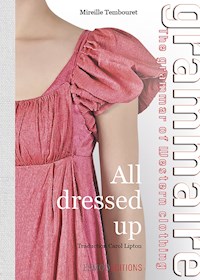
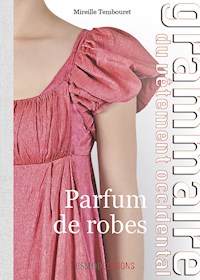
History, function, codes and characteristics of all the dresses.
Corsets, panniers, crinolines or bustles are words that no longer have significance today. But at various times throughout the history of clothing, women wore these essential pieces under their dresses and often needed help to put them on.
Depending on the fashions of each period, certain parts of the body were highlighted as elements of seduction (a tiny waist, extremely wide hips, an exaggerated bottom,...). Women sought what they believed to be an ideal of perfection while obeying the strict, often extravagant codes of Fashion and social norms. It was the events surrounding World Wars I and II and then the Women’s Liberation Movement of the 1970s that finally introduced dresses which did not restrict the body.
But even today, dresses still assert a woman’s femininity. Every woman has at least one precise memory of a dress that marked a key event in her life and was intrinsically associated with her joy of pleasing others!
ABOUT THE AUTHOR
Originally a passionate collector of old fabrics and clothing,
Mireille Tembouret today oversees the enormous “Vestiaire” (wardrobe), a mix of civilian and religious garments from many eras. The company - with its surprising resources - provides clothing to film, television and theater professionals as well as special-event organizers or private individuals. After teaching fashion design at Esmod Paris and a design career in the Paris fashion industry. She now dedicates her energies to developing her company, based in Paris.
Sie lesen das E-Book in den Legimi-Apps auf:
Seitenzahl: 71
Veröffentlichungsjahr: 2021
Das E-Book (TTS) können Sie hören im Abo „Legimi Premium” in Legimi-Apps auf:
Ähnliche















All dressed up
Mireille Tembouret
Bookmarks
EVOLUTION OF THE DRESS
Gown "à la française''
Casaquin and skirt
18th century undergarments
Gown ''à l’anglaise''
Gown ''à la polonaise''
Queen’s chemise
Revolution
Working class dress
Empire undergarments
Day gown
Day gown
Evening gown
1840s undergarments
1860s undergarments
Daytime crinoline gown
Daytime crinoline gown
Crinoline ball gown
Daytime bustle
1880s undergarments
Transformation gown
Working class dress
Working class undergarments
Marseille piqué
Fine quilting
S line day gown
1900s undergarments
Formal gown
Day gown
City dress
Working class dress
Bubble dress
Tube dress
Tunic dress
Orientalism
1920s undergarments
Summer dresses
Charleston or Flapper dress
Tube evening gown
Day dress
1930s undergarments
Evening gown
Evening gown
1940s undergarments
Halter dress
Winter dress
Shirt dress
Summer dresses
Day dress
Day dress
Winter dress
Summer dress
1950s undergarments
Cocktail dress
1950-1960s undergarments
Bustier dress
Sheath dresses
Little black dress
Mini-dresses
Mini-dresses
Evening dress
Skirts
Evolution of the skirt
Side saddle or Amazone skirt
Kilt
Glossary
PageList
1
2
3
4
5
6
7
8
9
10
11
12
13
14
15
16
17
18
19
20
21
22
23
24
25
26
27
28
29
30
31
32
33
34
35
36
37
38
39
40
41
42
43
44
45
46
47
48
49
50
51
52
53
54
55
56
57
58
59
60
61
62
63
64
65
66
67
68
69
70
71
72
73
74
75
76
77
78
79
80
81
82
83
84
85
86
87
88
89
90
91
92
93
94
95
96
97
98
99
100
101
102
103
104
105
106
107
108
109
110
111
112
113
114
115
116
117
118
119
120
121
122
123
124
125
126
127
128
129
130
131
132
133
134
135
136
137
138
139
140
141
142
Points de repère
Cover
Table of Contents
2
Our purpose
The option of wearing what we like, whenever we want, is relatively new.
The Western clothing codes which once identifed social status, various brotherhoods and professions have broken down in today’s world. We have long abandoned the strict rules that required a peasant to dress like a peasant or a bourgeois as a bourgeois. This incredible freedom has given us the opportunity to put together our own wardrobes. Though fashion dictates still exist and call for specific garments for certain uses or occasions, we can now whimsically mix different pieces of Western dress with traditional costumes from around the world. Luxury, designer or ready-to-wear boutiques, on-line stores and consignment shops with an abundance of used clothing now expand the field to everyone. We can browse at our leisure and indulge ourselves to express our personality.
Because of this, our wardrobe has opened up to the outside world and we often forget the origin and function of each garment. The beauty of the contemporary wardrobe is found in the history of clothing that reveals so many wonderful details.
This book is based on that premise : by constructing this“Grammar of WesternClothing”as aset of rules and codes which show how clothing was worn, we reveal their practical details and their history.
The fabulous clothing selection of“Le Vestiaire”, collected over the years by the author, was the impetus to write this series which has been conceived as a glossary.
The choice of garments shown is certainly not complete. Alongside historical, timeless pieces, we also include clothes that help explain fashion’s evolution in recent decades.
We decided to photograph these older pieces worn with modern clothes as outfits you would see if you tried them on in a store.
This fourth book groups together the typical garments of the Western woman’s wardrobe – plus the man’s kilt – in the order they appeared in Costume History.
It includes not only dresses and skirts but also the lingerie and undergarments associated with them.
Fashion messengers:this section introduces the dressmakers, famous designers and mer-chants of each period, based on when they appeared in the History of Fashion. The date cited for each corresponds to the first year their name was associated with a collection.
Fashion messengers
Louis Hippolyte Leroy
Madame Raimbault, Madame Germons
Mesdemoiselles Despeaux et/and Gosset
3
How to read this book
Name of garment
Chapters
A brief history
Face, back and details
Line of the silhouette
Garment profile
Period of garment
Fashion messengers
Queen’s chemise or “de gaule” dress.
In Versailles, Marie-Antoinette had her own place to get away, Le Petit Trianon. Here, far from the stilted etiquette of court life, she lived a country existence, wore lighter weight, less restrictive dresses and spent more time outdoors. She abandoned the panniers and heavy skirts of the gown "à la française'' for a long-lined silhouette with a plunging neckline that often had thin ruffles at the neck. These dresses, usually in white or pastels and airy, fluid fabrics worn with a wide belt were reminiscent of at-home dresses. They were considered scandalous because of their lack of trim.
Fashionmessengers
Louis Hippolyte Leroy,
Madame Raimbault, MadameGermons,
Mesdemoiselles Despeaux et/and Gosset
1790
The waist was raised higher to just under the bust, a precursor to the Empire dress.
1770-1790 Historical dresses
3
3
Queen’s chemise
Shift dress with integrated,
hooked-in camisole
Sleeve with elbow seam and buttoned,hoof cuff
4
Table of contents
EVOLUTION OF THE DRESS
Gown "à la française''...........8
Casaquin an d skirt.............10
18th century undergarments...................12
Gown ''à l’anglaise''...........14
Gown ''à la polonaise''......16
Queen’s chemise.................18
Revolution...........................20
Working class dress...........22
Empire undergarments......24
Day gown............................26
Day gown............................28
Evening gown.....................30
1840s undergarments........32
1860s undergarments........34
Daytime crinoline gown....36
Daytime crinoline gown....38
Crinoline ball gown............41
Daytime bustle...................42
1880s undergarments........44
Transformation gown........46
5
Working class dress...........50
Working class undergarments..........52
Marseille piqué...................54
Fine quilting........................55
S line day gown..................56
1900s undergarments........58
Formal gown.......................62
Day gown............................64
City dress.............................66
Working class dress...........68
Bubble dress.......................70
Tube dress...........................72
Tunic dress..........................74
Orientalism.........................76
1920s undergarments........78
Summer dresses.................80
Charleston orFlapper dress.......................82
Tube evening gown............84
Day dress.............................86
1930s undergarments........88
Evening gown.....................90
Evening gown.....................92
1940s undergarments........94
Halter dress.........................96
Winter dress........................98
Shirt dress.........................100
Summer dresses...............102
Day dress...........................104
Day dress...........................106
Winter dress......................108
Summer dress...................110
1950s undergarments......112
Cocktail dress....................114
1950-1960s undergarments.................116
Bustier dress.....................118
Sheath dresses..................121
Little black dress...............122
Mini-dresses......................124
Mini-dresses......................127
Evening dress....................128
Skirts..................................130
Evolution of the skirt
Side saddleor Amazone skirt..............134
Kilt......................................136
Glossary.............................138




