


5,99 €
Mehr erfahren.
- Herausgeber: Shuttle Systems Ltd
- Kategorie: Ratgeber
- Sprache: Englisch
"Essential oils are nature's whispers, guiding us towards balance and harmony."
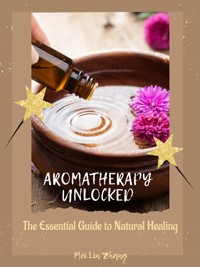
Embark on a journey of natural healing and well-being with "Aromatherapy Unlocked: The Essential Guide to Natural Healing." This comprehensive guide explores the world of essential oils and the incredible benefits they offer for your physical, emotional, and mental health. With easy-to-understand chapters and expert guidance, this book is perfect for both beginners and experienced practitioners alike.
Discover the rich history of aromatherapy, learn about the science behind it, and explore the best methods for harnessing the power of essential oils. Delve into detailed profiles of the most commonly used oils and their unique properties, including tips for selecting and blending them to create personalized aromatherapy solutions.
Unlock the secrets of aromatherapy as you explore chapters on:
- The Basics of Aromatherapy: Understanding the foundations and principles of this ancient practice
- Essential Oils and Their Properties: A comprehensive guide to the most popular oils and their therapeutic benefits
- Blending Techniques: Mastering the art of creating your own unique aromatherapy blends
- Carrier Oils and Hydrosols: Enhancing the power of essential oils with complementary ingredients
- Methods of Application: Exploring various techniques for using essential oils safely and effectively
- Aromatherapy for Physical Health: Addressing common ailments and conditions with the power of scent
- Aromatherapy for Emotional Well-being: Using essential oils to support mental health, reduce stress, and promote relaxation
- Aromatherapy for Beauty and Skin Care: Nourishing your skin and hair with natural, fragrant solutions
- Creating a Personalized Aromatherapy Plan: Designing a tailored approach to support your unique needs and goals
- Aromatherapy Safety: Understanding the precautions and best practices for using essential oils responsibly
With "Aromatherapy Unlocked: The Essential Guide to Natural Healing," you'll gain the knowledge and skills necessary to harness the healing power of essential oils and incorporate aromatherapy into your daily life. Whether you're seeking to improve your physical health, enhance your emotional well-being, or simply discover a new avenue for self-care, this book will be your go-to resource on the journey to a more balanced, fragrant life.
Das E-Book können Sie in Legimi-Apps oder einer beliebigen App lesen, die das folgende Format unterstützen:
Veröffentlichungsjahr: 2023
Ähnliche













Created by Xspurts.com
All rights reserved.
Copyright © 2005 onwards .
By reading this book, you agree to the below Terms and Conditions.
Xspurts.com retains all rights to these products.
No part of this book may be reproduced in any form, by photostat, microfilm, xerography, or any other means, or incorporated into any information retrieval system, electronic or mechanical, without the written permission of Xspurts.com; exceptions are made for brief excerpts used in published reviews.
This publication is designed to provide accurate and authoritative information with regard to the subject matter covered. It is sold with the understanding that the publisher is not engaged in rendering legal, accounting, health, relationship or other professional / personal advice. If legal advice or other expert assistance is required, the services of a competent professional should be sought.
A New Zealand Made Product
Get A Free Book At: xspurts.com/posts/free-book-offer
––––––––
Table of Contents
Introduction to Aromatherapy
History and origins of aromatherapy
The science behind aromatherapy
Essential Oils: The Basics
What are essential oils?
Extraction methods
Quality and purity of essential oils
Storing and using essential oils safely
The Art of Blending Essential Oils
Understanding notes: top, middle, and base
Creating synergistic blends
Carrier oils and their uses
Aromatherapy for Emotional Well-Being
Essential oils for stress relief
Uplifting essential oils for depression and anxiety
Balancing essential oils for emotional support
Aromatherapy for Physical Health
Essential oils for pain relief
Boosting the immune system
Essential oils for respiratory health
Aromatherapy for Skin and Hair Care
Essential oils for different skin types
Nourishing essential oils for hair
Creating natural beauty products
Aromatherapy for Sleep and Relaxation
Calming essential oils for better sleep
Creating a sleep-promoting environment
Relaxing essential oil blends for stress relief
Aromatherapy for Energy and Focus
Energizing essential oils
Essential oils for mental clarity and concentration
Creating a stimulating atmosphere
Aromatherapy for Spiritual Growth and Meditation
Essential oils for grounding and balance
Enhancing meditation with essential oils
Creating sacred spaces with aromatherapy
Aromatherapy for the Home
Natural cleaning solutions with essential oils
Creating a welcoming atmosphere
Purifying and refreshing the air
Aromatherapy for Special Populations
Essential oils for children
Aromatherapy during pregnancy and childbirth
Aromatherapy for seniors and those with special needs
Aromatherapy and Massage
The benefits of combining aromatherapy and massage
Essential oils for different types of massage
Techniques for incorporating essential oils into massage
Advanced Aromatherapy Techniques
Exploring hydrosols and CO2 extracts
Aromatherapy for pets and animals
Using essential oils in perfumery
Aromatherapy Safety and Precautions
Understanding essential oil dilution
Essential oils to avoid or use with caution
Recognizing and addressing allergic reactions
Building Your Aromatherapy Toolkit
Essential oils to start with
Useful tools and equipment
Creating a personal aromatherapy library
Aromatherapy Recipes and DIY Projects
Crafting homemade aromatherapy products
Creating personalized essential oil blends
Gift ideas using essential oils
Aromatherapy Resources and Further Learning
Books, websites, and organizations
Aromatherapy courses and certifications
Expanding your aromatherapy knowledge
Aromatherapy for Different Seasons and Holidays
Warming essential oils for winter
Refreshing essential oils for spring
Energizing essential oils for summer
Soothing essential oils for autumn
Festive essential oils for holidays
Aromatherapy for Love and Relationships
Aphrodisiac essential oils
Essential oils for emotional intimacy
Building trust and connection with aromatherapy
Aromatherapy for Personal Growth and Goal Setting
Essential oils for motivation and perseverance
Aromatherapy to support new habits
Essential oils for boosting self-esteem
Aromatherapy for Travel and Adventures
Essential oils for motion sickness and jet lag
Creating a travel-friendly aromatherapy kit
Aromatherapy for stress-free travel
Aromatherapy in the Workplace
Essential oils for focus and productivity
Reducing stress and tension at work
Creating a pleasant work environment
Aromatherapy for Athletic Performance and Recovery
Essential oils for energy and stamina
Aromatherapy for muscle pain and inflammation
Promoting relaxation and recovery after exercise
Aromatherapy for Creativity and Inspiration
Essential oils for sparking creativity
Aromatherapy for overcoming creative blocks
Enhancing artistic expression through scent
Aromatherapy for Memory and Cognitive Function
Essential oils for enhancing memory
Aromatherapy for brain health and cognitive support
Essential oils for mental sharpness and clarity
Aromatherapy for Grief and Loss
Essential oils for emotional support during difficult times
Aromatherapy for healing and acceptance
Creating comforting rituals with essential oils
Aromatherapy for Personal Empowerment
Essential oils for courage and strength
Aromatherapy for self-acceptance and confidence
Essential oils for embracing change and growth
Aromatherapy for Cultivating Gratitude and Joy
Essential oils for promoting happiness
Aromatherapy for nurturing a grateful heart
Essential oils for uplifting the spirit
Aromatherapy for Mindfulness and Presence
Essential oils for cultivating mindfulness
Aromatherapy for deepening self-awareness
Essential oils for fostering presence and intention
Aromatherapy for Environmental Awareness and Sustainability
Ethical sourcing of essential oils
Aromatherapy for eco-friendly living
Supporting sustainable practices in the aromatherapy industry
Aromatherapy for Supporting Local Communities and Economies
The impact of the essential oil industry on local communities
Supporting fair trade and ethical practices
Promoting sustainable livelihoods through aromatherapy
Have Questions / Comments?
Get Another Book Free
Introduction to Aromatherapy
Aromatherapy is the practice of using essential oils and plant extracts to promote physical, mental, and emotional well-being. This holistic approach to health has been used for thousands of years, and it continues to be popular today. Below we will explore the history, benefits, and uses of aromatherapy.
The History of Aromatherapy
The use of aromatherapy dates back to ancient times. The Egyptians, Greeks, and Romans all used essential oils for their medicinal properties. In fact, the word "perfume" comes from the Latin "per fumum," which means "through smoke." The Egyptians were particularly fond of using essential oils in religious rituals and as a form of medicine. They used oils such as frankincense, myrrh, and cedarwood for embalming, as well as for their antiseptic and healing properties.
1. The Greeks also used essential oils for medicinal purposes. The famous physician Hippocrates believed that the key to good health was a balance of the four humors: blood, phlegm, yellow bile, and black bile. Essential oils were used to help restore this balance, and Hippocrates prescribed them for a variety of ailments, including digestive issues and headaches.
In the Middle Ages, aromatherapy was used in Europe to combat the spread of disease. During the Plague, people burned aromatic herbs and spices to purify the air and ward off illness. Essential oils were also used to treat wounds and other ailments.
In the modern era, aromatherapy was revived by a French chemist named René-Maurice Gattefossé. In the early 20th century, Gattefossé discovered the healing properties of lavender oil when he accidentally burned his hand in his laboratory and found that the oil helped to heal the burn quickly and without scarring. He went on to study the therapeutic benefits of essential oils and coined the term "aromatherapy" in 1928.
The Benefits of Aromatherapy
Aromatherapy has numerous benefits for both physical and mental health. Essential oils contain compounds that have antibacterial, antifungal, and anti-inflammatory properties, making them useful for treating a wide range of ailments.
One of the most well-known benefits of aromatherapy is its ability to reduce stress and promote relaxation. Essential oils such as lavender, chamomile, and bergamot have a calming effect on the nervous system and can help to reduce anxiety and promote restful sleep.
Aromatherapy is also beneficial for the skin. Many essential oils have moisturizing and nourishing properties, making them useful for treating dry or damaged skin. Tea tree oil, for example, is an effective treatment for acne, while rose oil is often used in anti-aging products.
Essential oils can also be used to relieve pain and inflammation. Peppermint oil, for example, has a cooling effect that can help to soothe sore muscles and joints. Eucalyptus oil is also effective for reducing inflammation and pain, particularly in conditions such as arthritis and fibromyalgia.
Aromatherapy can also be useful for treating respiratory issues. Essential oils such as eucalyptus and peppermint have decongestant properties that can help to relieve sinus congestion and coughs. They can also be useful for treating asthma and other respiratory conditions.
Uses of Aromatherapy
Aromatherapy can be used in a variety of ways, depending on the desired effect. One of the most common methods of aromatherapy is inhalation. This can be done by using a diffuser, which disperses the essential oil into the air, or by placing a few drops of oil on a tissue or cloth and inhaling deeply.
Another way to use aromatherapy is
History and origins of aromatherapy
Aromatherapy is a holistic practice that uses essential oils and other aromatic plant compounds to promote physical, emotional, and spiritual well-being. This ancient art has been practiced for thousands of years and has a rich history and tradition that spans many cultures and civilizations.
The Origins of Aromatherapy
The use of aromatic plants for healing and spiritual purposes can be traced back to ancient civilizations such as the Egyptians, Greeks, and Chinese. In Egypt, aromatic oils and herbs were used in religious ceremonies and to embalm the dead. The Egyptians believed that the fragrant scents of the oils could help guide the soul to the afterlife.
The Greeks were also fond of aromatic plants and essential oils. The famous physician Hippocrates, considered the father of modern medicine, wrote extensively about the therapeutic properties of plants and used them to treat a variety of ailments.
The Chinese also have a long history of using aromatics in traditional medicine. The ancient Chinese believed that plants had a life force or energy known as Qi, and that aromatic plants could help balance this energy and promote health and well-being.
Aromatherapy in Europe
Aromatherapy was introduced to Europe during the Crusades, when returning knights brought back exotic spices and fragrant oils from the Middle East. In the 16th century, the use of aromatic plants for medicinal purposes became more widespread, and doctors and apothecaries began to use essential oils to treat a variety of conditions.
During the Renaissance, the use of aromatherapy became more refined, and scientists began to study the chemical properties of plants and their extracts. In the 17th century, the French chemist Nicholas Lemery published a treatise on essential oils, in which he described their properties and uses.
In the 18th century, the German physician Samuel Hahnemann developed the practice of homeopathy, which used diluted doses of plant extracts and other substances to treat disease. Homeopathy remains a popular form of alternative medicine today and often incorporates the use of essential oils.
The Modern Era of Aromatherapy
The modern era of aromatherapy began in the early 20th century with the work of French chemist René-Maurice Gattefossé. In 1910, Gattefossé accidentally burned his hand in his laboratory and discovered that lavender oil helped to heal the burn quickly and without scarring. He went on to study the therapeutic properties of essential oils and coined the term "aromatherapy" in 1928.
During World War II, aromatherapy was used to treat soldiers in military hospitals. After the war, the practice became more widespread in Europe and the United States, and aromatherapy products became more widely available.
Today, aromatherapy is used by millions of people around the world to promote health and well-being. Essential oils are used in a variety of products, including massage oils, diffusers, candles, and bath products. Aromatherapy is also used in spas and wellness centers, where it is often combined with other therapies such as massage and acupuncture.
The science behind aromatherapy
Aromatherapy is a holistic practice that uses essential oils and plant extracts to promote physical, emotional, and mental well-being. While aromatherapy has been practiced for thousands of years, the scientific understanding of how it works is relatively recent. Below we will explore the science behind aromatherapy and how it can affect our bodies and minds.
How Aromatherapy Works
Essential oils are the foundation of aromatherapy. These oils are extracted from plants and contain the natural chemical compounds that give the plants their distinctive scents and therapeutic properties. Essential oils can be inhaled, applied topically, or ingested in small quantities.
When we inhale essential oils, the scent molecules travel through the olfactory system, which is responsible for our sense of smell. The olfactory system is connected to the limbic system, which is the part of the brain that regulates emotions, memories, and behaviors. This connection allows essential oils to have a direct effect on our mood and emotions.
When essential oils are applied topically, they can be absorbed through the skin and enter the bloodstream. From there, they can travel to different parts of the body and have a systemic effect. Some essential oils have anti-inflammatory, antibacterial, or antiviral properties, which can help to fight infections and reduce inflammation.
The Science of Essential Oils
Essential oils contain a variety of chemical compounds, including terpenes, alcohols, ketones, and esters. These compounds give each oil its distinctive scent and therapeutic properties.
Terpenes are the most common class of compounds found in essential oils. They are responsible for the strong, aromatic scent of many oils, such as lavender, peppermint, and eucalyptus. Terpenes have a variety of therapeutic properties, including analgesic, anti-inflammatory, and antiseptic effects.
Alcohols are another important class of compounds found in essential oils. They are less volatile than terpenes and have a milder scent. Some alcohols, such as linalool and geraniol, have been shown to have sedative and anxiolytic effects, making them useful for reducing stress and anxiety.
Ketones are a class of compounds that are found in smaller amounts in essential oils. They have a strong aroma and are known for their antispasmodic and expectorant properties. However, ketones can be toxic in large amounts and should be used with caution.
Esters are a class of compounds that have a sweet, fruity aroma. They are often found in oils such as lavender and chamomile and have a calming effect on the nervous system. Esters are also useful for promoting restful sleep and reducing anxiety.
The Effects of Aromatherapy
Aromatherapy has a variety of effects on the body and mind. One of the most well-known effects of aromatherapy is its ability to reduce stress and anxiety. Essential oils such as lavender, bergamot, and ylang-ylang have been shown to have a calming effect on the nervous system, reducing feelings of anxiety and promoting relaxation.
Aromatherapy can also be used to improve mood and boost energy levels. Essential oils such as peppermint and citrus oils have a stimulating effect on the mind and can help to improve concentration and focus.
Essential oils can also be used to relieve pain and inflammation. Oils such as ginger, eucalyptus, and frankincense have anti-inflammatory properties and can help to reduce pain and swelling.
Aromatherapy can also be beneficial for the skin. Many essential oils have antiseptic and antibacterial properties, making them useful for treating acne, eczema, and other skin conditions. Oils such as lavender and tea tree oil can also help
Essential Oils: The Basics
Essential oils are the foundation of aromatherapy, a holistic practice that uses plant extracts to promote physical, emotional, and mental well-being. Below we will explore the basics of essential oils, including how they are extracted, their properties, and how they can be used in aromatherapy.
What are Essential Oils?
Essential oils are concentrated plant extracts that are derived from various parts of the plant, including the leaves, flowers, stems, and roots. These oils contain the natural chemical compounds that give the plant its distinctive scent and therapeutic properties.
Essential oils are different from other types of plant extracts, such as carrier oils, which are used to dilute essential oils and make them safe for use on the skin. Essential oils are highly concentrated and should be used with caution, as they can cause skin irritation and other adverse effects if not used properly.
How are Essential Oils Extracted?
Essential oils are extracted from plants using a variety of methods, including steam distillation, cold pressing, and solvent extraction.
Steam distillation is the most common method of extracting essential oils. This process involves using steam to vaporize the volatile compounds in the plant material, which are then condensed into a liquid and collected.
Cold pressing is used to extract essential oils from citrus fruits such as oranges and lemons. The fruit is first punctured to release the oil, and then the oil is extracted by pressing the fruit.
Solvent extraction is used to extract essential oils from delicate plant materials that cannot be subjected to high temperatures or pressure. This process involves using a solvent, such as ethanol or hexane, to extract the essential oil from the plant material.
Properties of Essential Oils
Essential oils are composed of a variety of chemical compounds, including terpenes, alcohols, esters, and ketones. These compounds give each oil its unique scent and therapeutic properties.
Terpenes are the most common class of compounds found in essential oils. They are responsible for the strong, aromatic scent of many oils, such as lavender, peppermint, and eucalyptus. Terpenes have a variety of therapeutic properties, including analgesic, anti-inflammatory, and antiseptic effects.
Alcohols are another important class of compounds found in essential oils. They are less volatile than terpenes and have a milder scent. Some alcohols, such as linalool and geraniol, have been shown to have sedative and anxiolytic effects, making them useful for reducing stress and anxiety.
Esters are a class of compounds that have a sweet, fruity aroma. They are often found in oils such as lavender and chamomile and have a calming effect on the nervous system. Esters are also useful for promoting restful sleep and reducing anxiety.
Ketones are a class of compounds that are found in smaller amounts in essential oils. They have a strong aroma and are known for their antispasmodic and expectorant properties. However, ketones can be toxic in large amounts and should be used with caution.
Uses of Essential Oils in Aromatherapy
Essential oils can be used in a variety of ways in aromatherapy, depending on the desired effect. One of the most common methods of using essential oils is through inhalation. This can be done by using a diffuser, which disperses the essential oil into the air, or by placing a few drops of oil on a tissue or cloth and inhaling deeply.
Essential oils can also be applied topically to the skin, but they should be diluted with a carrier oil first to avoid skin irritation. Some oils, such as lavender and tea tree oil, can be applied directly to the skin in small quantities.
Another way to use essential oils in aromather
What are essential oils?
Essential oils are concentrated plant extracts that are commonly used in aromatherapy to promote physical, emotional, and mental well-being. Below we will explore the basics of essential oils, including their properties, how they are used, and their potential benefits.
What are Essential Oils?
Essential oils are natural, aromatic compounds that are extracted from various parts of plants, including the leaves, flowers, stems, and roots. These oils contain the natural chemical compounds that give the plant its distinctive scent and therapeutic properties.
Essential oils are different from other types of plant extracts, such as carrier oils, which are used to dilute essential oils and make them safe for use on the skin. Essential oils are highly concentrated and should be used with caution, as they can cause skin irritation and other adverse effects if not used properly.
How are Essential Oils Made?
Essential oils are extracted from plants using a variety of methods, including steam distillation, cold pressing, and solvent extraction.
Steam distillation is the most common method of extracting essential oils. This process involves using steam to vaporize the volatile compounds in the plant material, which are then condensed into a liquid and collected.
Cold pressing is used to extract essential oils from citrus fruits such as oranges and lemons. The fruit is first punctured to release the oil, and then the oil is extracted by pressing the fruit.
Solvent extraction is used to extract essential oils from delicate plant materials that cannot be subjected to high temperatures or pressure. This process involves using a solvent, such as ethanol or hexane, to extract the essential oil from the plant material.
Properties of Essential Oils
Essential oils are composed of a variety of chemical compounds, including terpenes, alcohols, esters, and ketones. These compounds give each oil its unique scent and therapeutic properties.
Terpenes are the most common class of compounds found in essential oils. They are responsible for the strong, aromatic scent of many oils, such as lavender, peppermint, and eucalyptus. Terpenes have a variety of therapeutic properties, including analgesic, anti-inflammatory, and antiseptic effects.
Alcohols are another important class of compounds found in essential oils. They are less volatile than terpenes and have a milder scent. Some alcohols, such as linalool and geraniol, have been shown to have sedative and anxiolytic effects, making them useful for reducing stress and anxiety.
Esters are a class of compounds that have a sweet, fruity aroma. They are often found in oils such as lavender and chamomile and have a calming effect on the nervous system. Esters are also useful for promoting restful sleep and reducing anxiety.
Ketones are a class of compounds that are found in smaller amounts in essential oils. They have a strong aroma and are known for their antispasmodic and expectorant properties. However, ketones can be toxic in large amounts and should be used with caution.
How are Essential Oils Used in Aromatherapy?
Essential oils can be used in a variety of ways in aromatherapy, depending on the desired effect. One of the most common methods of using essential oils is through inhalation. This can be done by using a diffuser, which disperses the essential oil into the air, or by placing a few drops of oil on a tissue or cloth and inhaling deeply.
Essential oils can also be applied topically to the skin, but they should be diluted with a carrier oil first to avoid skin irritation. Some oils, such as lavender and tea tree oil, can be applied directly to the skin in small quantities.
Another way to use essential oils in aromatherapy is through massage. Essential oils can be
Extraction methods
Essential oils are a key component of aromatherapy, a holistic practice that uses plant extracts to promote physical, emotional, and mental well-being. The process of extracting essential oils from plants is crucial to producing high-quality oils that retain their therapeutic properties. Below we will explore the different methods of extracting essential oils and their benefits and drawbacks.
Steam Distillation
Steam distillation is the most common method of extracting essential oils. This process involves using steam to vaporize the volatile compounds in the plant material, which are then condensed into a liquid and collected.
The plant material is placed in a distillation chamber, and steam is introduced to the chamber. The steam causes the plant material to release its essential oils, which are carried along with the steam to a condenser. In the condenser, the steam and essential oils are cooled, causing the oils to condense into a liquid. The liquid is then collected and separated from the water.
Steam distillation is a gentle method of extraction that can be used with a wide range of plant materials. It produces high-quality oils that retain their therapeutic properties, making it a popular method for producing essential oils for aromatherapy.
Cold Pressing
Cold pressing is used to extract essential oils from citrus fruits such as oranges and lemons. The fruit is first punctured to release the oil, and then the oil is extracted by pressing the fruit.
Cold pressing is a simple and efficient method of extraction that produces high-quality oils. However, it is limited to certain types of plant materials and cannot be used with delicate plant materials that would be damaged by the pressure.
Solvent Extraction
Solvent extraction is used to extract essential oils from delicate plant materials that cannot be subjected to high temperatures or pressure. This process involves using a solvent, such as ethanol or hexane, to extract the essential oil from the plant material.
The plant material is soaked in the solvent, which dissolves the essential oils. The solvent is then separated from the essential oils, and the oils are collected.
Solvent extraction is a highly efficient method of extraction that can produce high yields of essential oils. However, it can be expensive and requires special equipment to ensure the solvent is completely removed from the oil.
Carbon Dioxide Extraction
Carbon dioxide extraction is a newer method of extracting essential oils that uses carbon dioxide as a solvent. This process involves using high pressure and low temperature to extract the essential oils from the plant material.
The plant material is placed in a chamber, and carbon dioxide is introduced to the chamber. The carbon dioxide acts as a solvent, dissolving the essential oils. The pressure is then released, causing the carbon dioxide to evaporate and leaving behind the essential oils.
Carbon dioxide extraction is a gentle method of extraction that produces high-quality oils. It can be used with a wide range of plant materials and produces oils that retain their therapeutic properties.
Hydrodistillation
Hydrodistillation is a method of extracting essential oils that uses water as the solvent. This process involves placing the plant material in a distillation chamber and introducing water and steam to the chamber. The steam causes the plant material to release its essential oils, which are carried along with the steam to a condenser. In the condenser, the steam and essential oils are cooled, causing the oils to condense into a liquid. The liquid is then collected and separated from the water.
Hydrodistillation is a gentle method of extraction that produces high-quality oils. However, it can be time-consuming and is not as efficient as other methods of extraction.
Quality and purity of essential oils
The quality and purity of essential oils are essential to their effectiveness in aromatherapy. Essential oils are potent plant extracts that are used to promote physical, emotional, and mental well-being. Below we will explore the importance of quality and purity in essential oils, how to determine the quality of essential oils, and the potential risks of using low-quality oils.
What is Quality in Essential Oils?
Quality in essential oils refers to the chemical composition of the oil and its therapeutic properties. The quality of an essential oil is determined by factors such as the plant species, growing conditions, and the method of extraction.
High-quality essential oils should be free from contaminants, adulterants, and dilutions. They should also have a consistent chemical composition and therapeutic properties. The purity of an essential oil is also important, as oils that are contaminated with pesticides or other harmful substances can be dangerous to use.
How to Determine the Quality of Essential Oils?
There are several factors to consider when determining the quality of essential oils. One of the most important factors is the source of the oil. High-quality essential oils are typically sourced from reputable suppliers who use sustainable and ethical practices.
The method of extraction is also important, as some extraction methods can result in oils that are of lower quality. For example, oils that are extracted using solvents may contain trace amounts of the solvent, which can be harmful.
The chemical composition of the oil can also provide insight into its quality. Essential oils should be tested for purity and potency to ensure that they contain the correct amounts of key chemical compounds.
Another way to determine the quality of essential oils is by their price. High-quality essential oils are generally more expensive than lower-quality oils, as they require a significant amount of plant material and careful extraction to produce.
Potential Risks of Low-Quality Essential Oils
Using low-quality essential oils can be dangerous and can result in adverse effects such as skin irritation, allergic reactions, and respiratory problems. Oils that are contaminated with pesticides or other harmful substances can also be harmful to use.
Low-quality essential oils may also be less effective in aromatherapy, as they may not have the same therapeutic properties as high-quality oils. This can result in a reduced or ineffective treatment.
In addition, low-quality essential oils may contain synthetic fragrances or other additives that can be harmful or irritating to the skin. It is important to read the label and ingredients list carefully when purchasing essential oils to ensure that they are pure and of high quality.
Storing and using essential oils safely
Storing and using essential oils safely is crucial to ensuring their effectiveness and avoiding potential risks. Essential oils are potent plant extracts that are commonly used in aromatherapy to promote physical, emotional, and mental well-being. Below we will explore the best practices for storing and using essential oils safely.
Storing Essential Oils
Proper storage is essential for maintaining the quality and potency of essential oils. Here are some tips for storing essential oils safely:
Keep essential oils in dark glass bottles - Essential oils are sensitive to light and can degrade over time if exposed to light. It is best to store essential oils in dark glass bottles, such as amber or cobalt blue, to protect them from light.
Store essential oils in a cool, dry place - Essential oils can be damaged by heat and moisture. It is best to store essential oils in a cool, dry place, away from direct sunlight and heat sources.
Keep essential oils out of reach of children and pets - Essential oils are potent and can be dangerous if ingested. It is important to keep essential oils out of reach of children and pets.
Label essential oils with the date of purchase and expiration date - Essential oils can lose their potency over time. Labeling your oils with the date of purchase and expiration date can help you keep track of when to replace them.
Using Essential Oils Safely
Using essential oils safely is important to avoid potential risks and ensure their effectiveness. Here are some tips for using essential oils safely:
Dilute essential oils before applying to the skin - Essential oils are highly concentrated and can cause skin irritation if applied undiluted. It is best to dilute essential oils with a carrier oil, such as almond or coconut oil, before applying to the skin.
Test essential oils for sensitivity before using - Before using a new essential oil, it is best to test it for sensitivity. Apply a small amount of diluted oil to a small area of skin and wait for 24 hours to see if there is any reaction.
Do not ingest essential oils - Essential oils can be toxic if ingested. They should only be used topically or inhaled.
Use essential oils in a well-ventilated area - Essential oils can be strong and may cause respiratory irritation if used in a poorly ventilated area. It is best to use essential oils in a well-ventilated area.
Avoid using essential oils during pregnancy or if you have certain medical conditions - Some essential oils can be harmful if used during pregnancy or if you have certain medical conditions, such as epilepsy or high blood pressure. It is important to consult with a healthcare professional before using essential oils if you have any medical conditions.
The Art of Blending Essential Oils
The art of blending essential oils is a key component of aromatherapy. Blending essential oils allows for the creation of unique and personalized blends that can promote physical, emotional, and mental well-being. Below we will explore the basics of blending essential oils, the benefits of blending, and some popular blends used in aromatherapy.
The Basics of Blending Essential Oils
Blending essential oils involves combining two or more oils to create a desired aroma and therapeutic effect. When blending essential oils, it is important to consider the following factors:
Scent - The scent of essential oils can have a powerful effect on mood and emotions. When blending oils, consider the scent of each oil and how they will work together to create a desired aroma.
Therapeutic properties - Each essential oil has unique therapeutic properties. When blending oils, consider the therapeutic properties of each oil and how they will work together to create a desired effect.
Dilution - Essential oils are highly concentrated and should be diluted before use. When blending oils, consider the dilution ratio to ensure that the blend is safe for use.
Benefits of Blending Essential Oils
Blending essential oils can have several benefits in aromatherapy. Here are some of the benefits of blending:
Customization - Blending essential oils allows for the creation of unique and personalized blends that can meet individual needs and preferences.
Synergy - Blending essential oils can create a synergistic effect, where the therapeutic properties of each oil work together to create a greater effect than when used alone.
Cost-effectiveness - Blending essential oils can be more cost-effective than purchasing pre-made blends, as it allows for the creation of multiple blends from a few basic oils.
Popular Blends Used in Aromatherapy
There are countless blends that can be created using essential oils, each with its unique aroma and therapeutic properties. Here are some popular blends used in aromatherapy:
Relaxing blend - This blend includes lavender, chamomile, and bergamot essential oils, which can promote relaxation and reduce stress and anxiety.
Energizing blend - This blend includes peppermint, rosemary, and lemon essential oils, which can promote alertness and mental clarity.
Immune-boosting blend - This blend includes tea tree, eucalyptus, and lemon essential oils, which can boost the immune system and fight off infections.
Uplifting blend - This blend includes grapefruit, lemon, and ylang-ylang essential oils, which can promote a positive mood and reduce feelings of depression and anxiety.
Understanding notes: top, middle, and base
Understanding notes in essential oils is essential to creating balanced and effective blends in aromatherapy. Essential oils are complex substances that contain a variety of chemical compounds that work together to produce a desired therapeutic effect. Below we will explore the concept of notes in essential oils, the importance of note classification in blending, and some popular essential oils in each note category.
What are Notes in Essential Oils?
1. Notes in essential oils refer to the fragrance and volatility of the oil. The fragrance of an essential oil is the overall aroma, while the volatility is the rate at which the oil evaporates. Essential oils can be classified into three note categories: top, middle, and base.
2. Top Notes: Top notes are the most volatile of the three categories and evaporate quickly. They are typically fresh and light in fragrance and can provide an initial burst of aroma. Examples of top notes include lemon, bergamot, and grapefruit.
3. Middle Notes: Middle notes are less volatile than top notes and can provide balance and harmony to a blend. They have a warm and soft fragrance and can help to balance the effects of both top and base notes. Examples of middle notes include lavender, geranium, and chamomile.
4. Base Notes: Base notes are the least volatile of the three categories and evaporate slowly. They have a deep and rich fragrance and can provide the foundation for a blend. Base notes can help to ground a blend and provide a long-lasting fragrance. Examples of base notes include cedarwood, frankincense, and sandalwood.
Importance of Note Classification in Blending
Note classification is essential in blending essential oils as it can help to create a balanced and effective blend. Blending essential oils that are all top notes, for example, can result in a blend that is too light and lacks depth. Blending essential oils that are all base notes, on the other hand, can result in a blend that is too heavy and overpowering.
By blending essential oils that are from each note category, you can create a blend that is well-rounded and provides both immediate and long-lasting effects. The top notes provide an initial burst of aroma, the middle notes provide balance and harmony, and the base notes provide a deep and lasting fragrance.
Popular Essential Oils in Each Note Category
Here are some popular essential oils in each note category:
Top Notes:
Lemon
Bergamot
Grapefruit
Peppermint
Eucalyptus
Middle Notes:
Lavender
Geranium
Clary sage
Rosemary
Chamomile
Base Notes:
Cedarwood
Frankincense
Sandalwood
Patchouli
Vetiver
Creating synergistic blends
Creating synergistic blends is a key aspect of aromatherapy. A synergistic blend is a combination of essential oils that work together to create a greater effect than when used individually. Below we will explore the concept of synergistic blends, the benefits of creating these blends, and some popular synergistic blends used in aromatherapy.
What are Synergistic Blends?
Synergistic blends in aromatherapy are created by combining two or more essential oils to create a desired therapeutic effect. The essential oils in a synergistic blend work together to enhance and complement each other's properties, resulting in a greater effect than when used individually.
Synergistic blends are created based on the concept of "chemotype," which refers to the specific chemical composition of an essential oil. Essential oils from the same plant species can have different chemotypes, which can have different therapeutic properties. By selecting essential oils with complementary chemotypes, a synergistic blend can be created that is more effective than when using individual oils.
Benefits of Synergistic Blends
Creating synergistic blends can have several benefits in aromatherapy. Here are some benefits of creating synergistic blends:




