


5,49 €
Mehr erfahren.
- Herausgeber: Shuttle Systems Ltd
- Kategorie: Ratgeber
- Sprache: Englisch
"Face yoga is the secret to ageless beauty."
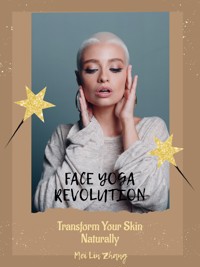
Discover the transformative power of face yoga with "Face Yoga Revolution: Transform Your Skin Naturally," the ultimate guide to rejuvenating your skin and achieving ageless beauty. Learn how to harness the power of facial exercises to naturally lift, tone, and sculpt your face for a more youthful and radiant appearance.
In this comprehensive guide, you'll explore:
The Science of Face Yoga: Understand the principles behind face yoga and its many benefits for your skin and overall well-being.
Face Yoga Techniques: Master a variety of facial exercises to target specific areas of your face, from your forehead and eyes to your cheeks and jawline.
Customized Face Yoga Routines: Create personalized face yoga routines to address your unique skincare needs and goals.
The Connection Between Mind, Body, and Skin: Discover how stress, diet, and lifestyle impact your skin's health and how face yoga can help you achieve a holistic skincare routine.
The Power of Breath: Learn how to incorporate breathing exercises into your face yoga practice to relax your facial muscles and enhance your results.
Facial Massage and Acupressure: Uncover the benefits of facial massage and acupressure techniques to boost circulation, release tension, and promote a healthy glow.
Skincare and Nutrition: Explore how to nourish your skin from the inside out with a balanced diet and natural skincare tips.
Face Yoga for Different Life Stages: Adapt your face yoga practice to suit your changing skin needs throughout your life, from your twenties to your sixties and beyond.
Success Stories and Testimonials: Be inspired by real-life accounts of individuals who have transformed their skin and lives through the power of face yoga.
"Face Yoga Revolution: Transform Your Skin Naturally" is the essential guide for anyone looking to enhance their skincare routine, boost their self-confidence, and experience the life-changing benefits of face yoga. Begin your journey to radiant, youthful skin today!
Das E-Book können Sie in Legimi-Apps oder einer beliebigen App lesen, die das folgende Format unterstützen:
Veröffentlichungsjahr: 2023
Ähnliche



















Created by Xspurts.com
All rights reserved.
Copyright © 2005 onwards .
By reading this book, you agree to the below Terms and Conditions.
Xspurts.com retains all rights to these products.
No part of this book may be reproduced in any form, by photostat, microfilm, xerography, or any other means, or incorporated into any information retrieval system, electronic or mechanical, without the written permission of Xspurts.com; exceptions are made for brief excerpts used in published reviews.
This publication is designed to provide accurate and authoritative information with regard to the subject matter covered, however this book has been made for entertainment purposes only. It is sold with the understanding that the publisher is not engaged in rendering legal, accounting, health, relationship or other professional / personal advice. If legal advice or other expert assistance is required, the services of a competent professional should be sought.
A New Zealand Made Product
Get A Free Book At: xspurts.com/posts/free-book-offer
––––––––
Table of Contents
Introduction to Face Yoga
Origins and Philosophy
Benefits of Face Yoga
Establishing a Face Yoga Routine
Face Anatomy and Muscles
Understanding the Facial Muscles
The Role of Facial Muscles in Expressions and Aging
Fundamentals of Face Yoga
Proper Breathing Techniques
Posture and Alignment
Mindfulness and Relaxation
Warming Up and Stretching
Gentle Neck Stretches
Shoulder and Upper Body Movements
Facial Warm-Up Exercises
Exercises for the Forehead
Smoothing Forehead Lines
Lifting the Eyebrows
Relaxing Tension in the Forehead
Exercises for the Eyes
Reducing Eye Bags and Dark Circles
Strengthening the Eyelids
Alleviating Eye Strain
Exercises for the Cheeks
Toning the Cheek Muscles
Lifting Sagging Cheeks
Enhancing Cheek Definition
Exercises for the Nose
Shaping the Nose
Strengthening the Nasal Muscles
Improving Nasal Breathing
Exercises for the Lips and Mouth
Plumping the Lips
Strengthening the Jawline
Reducing Laugh Lines
Exercises for the Neck and Jaw
Tightening the Neck Muscles
Reducing Double Chin
Sculpting the Jawline
Face Yoga for Stress Relief
Relaxation Techniques
Pressure Points and Massage
Incorporating Aromatherapy
Face Yoga for Skincare
Cleansing and Exfoliation
Facial Massage Techniques
Moisturizing and Nourishing the Skin
Combining Face Yoga with Traditional Yoga
Incorporating Face Yoga into a Full-Body Practice
Balancing the Body, Mind, and Face
Customizing Your Face Yoga Routine
Addressing Specific Concerns
Creating a Personalized Practice
Face Yoga for Different Age Groups
Face Yoga for Youthful Skin
Face Yoga for Mature Skin
Adapting Face Yoga as You Age
Nutrition for Healthy Skin
Foods to Nourish Your Skin
Hydration and Skin Health
Supplements for Glowing Skin
The Science Behind Face Yoga
Research and Studies
Debunking Myths and Misconceptions
Face Yoga Success Stories
Personal Transformations
Celebrity Face Yoga Enthusiasts
Face Yoga and Meditation
Mindful Breathing Techniques
Guided Visualizations for Radiant Skin
Advanced Face Yoga Techniques
Mastering Challenging Exercises
Progressing in Your Practice
Face Yoga for Men
Addressing Unique Concerns
Adapting Face Yoga for Male Practitioners
Face Yoga Workshops and Retreats
Finding Local Classes
Immersive Face Yoga Experiences
Teaching Face Yoga
Becoming a Certified Face Yoga Instructor
Creating Engaging Classes and Workshops
The Future of Face Yoga
New Techniques and Innovations
Expanding the Face Yoga Community
Face Yoga and Technology
Face Yoga Apps and Online Resources
Virtual Classes and Workshops
Face Yoga and Ayurveda
Ayurvedic Principles for Skin Health
Incorporating Ayurvedic Practices in Face Yoga
Face Yoga for Different Skin Types
Adapting Face Yoga for Dry, Oily, and Combination Skin
Addressing Skin Sensitivity and Allergies
Face Yoga for Specific Skin Concerns
Reducing Acne and Blemishes
Addressing Hyperpigmentation and Sun Damage
Minimizing Scars and Uneven Texture
Face Yoga for Facial Asymmetry
Identifying Areas of Imbalance
Exercises to Promote Symmetry
Face Yoga for Relaxation and Sleep
Evening Face Yoga Routine
Promoting Restful Sleep and Skin Regeneration
Face Yoga for Natural Facelift
Targeted Exercises for Lifting and Firming
Comparing Face Yoga to Surgical and Non-Surgical Treatments
Face Yoga and Facial Expression Control
Becoming Aware of Habitual Expressions
Reducing Unnecessary Facial Tension
Face Yoga for Headaches and Sinus Relief
Exercises to Alleviate Tension Headaches
Techniques for Clearing Sinus Congestion
The Art of Face Yoga
Developing Your Own Face Yoga Style
Expressing Creativity Through Face Yoga Practice
Have Questions / Comments?
Get Another Book Free
Introduction to Face Yoga
In today's world, where maintaining a youthful appearance is highly valued, people are constantly on the lookout for new ways to defy the aging process. While there are numerous options available, ranging from expensive cosmetic procedures to skincare products, one emerging trend that has gained significant attention is Face Yoga. This unconventional practice aims to rejuvenate the face and promote overall well-being through a series of facial exercises and techniques. Below we will delve into the fascinating world of Face Yoga, exploring its origins, benefits, and techniques.
Origins of Face Yoga
Face Yoga, also known as facial yoga or facial gymnastics, is not a recent invention. Its roots can be traced back thousands of years to ancient Indian Ayurvedic practices and traditional Chinese medicine. These ancient systems recognized the connection between the face and the overall health and vitality of the body. Facial exercises were employed as a means to improve circulation, stimulate energy flow, and promote harmony within the body.
Over time, Face Yoga has evolved and incorporated elements from various disciplines, including yoga, acupressure, and facial massage. Its modern form has been popularized by prominent practitioners like Fumiko Takatsu, Danielle Collins, and Annelise Hagen, who have introduced specific routines and techniques to address different facial concerns.
Benefits of Face Yoga
The primary goal of Face Yoga is to maintain and restore a youthful appearance naturally. Regular practice of these exercises is believed to have numerous benefits for the face and overall well-being. Here are some key advantages of Face Yoga:
Toned Facial Muscles: Just as exercises tone the body, Face Yoga helps strengthen and tone the facial muscles. By targeting specific muscle groups, these exercises can improve facial contours and reduce the appearance of sagging skin.
Increased Blood Circulation: Face Yoga stimulates blood circulation in the face, promoting the delivery of oxygen and nutrients to the skin cells. This enhanced blood flow contributes to a healthier complexion and a natural glow.
Stress Reduction: Like traditional yoga, Face Yoga incorporates breathing techniques and relaxation exercises that help reduce stress levels. Lowering stress not only benefits overall well-being but also contributes to a more relaxed and youthful appearance.
Reduced Wrinkles and Fine Lines: Certain Face Yoga techniques, such as facial acupressure and massage, target pressure points and encourage collagen production. This can help minimize the appearance of wrinkles and fine lines, leading to a smoother complexion.
Improved Facial Expression: Face Yoga exercises work on the muscles responsible for facial expressions. By strengthening and relaxing these muscles, individuals may develop greater control over their facial expressions, resulting in a more youthful and vibrant appearance.
Techniques of Face Yoga
Face Yoga encompasses a variety of techniques that can be customized to target specific areas of concern. Some popular techniques include:
The Lion Face: This technique involves opening the mouth wide, sticking out the tongue, and stretching the muscles of the face. It helps release tension and promote a more relaxed expression.
The V: By forming a "V" shape with the fingers, individuals can apply gentle pressure to the corners of the mouth. This exercise targets the muscles responsible for nasolabial folds and helps reduce their appearance.
The Brow Smoother: Placing the middle and index fingers on the inner corners of the eyebrows, individuals can apply gentle pressure while raising their eyebrows. This exercise targets the forehead muscles and promotes a smoother brow line.
The Cheek Lifter: By smiling with the lips closed and placing the fingers lightly on the cheeks, individuals can lift the cheeks upward. This technique strengthens the cheek muscles and helps combat sagging.
The Eye Focus: Focusing on a distant object while gently tapping around the eyes with the fingertips helps improve circulation and reduce puffiness
Origins and Philosophy
Face Yoga, a practice gaining popularity in the realm of natural facial rejuvenation, has its origins deeply rooted in ancient traditions and philosophies. Combining elements from Indian Ayurveda, Chinese medicine, yoga, and massage, Face Yoga offers a holistic approach to facial care and overall well-being. Below we will explore the fascinating origins and philosophy of Face Yoga, shedding light on its ancient roots and how it has evolved into a modern practice.
Ancient Origins
The roots of Face Yoga can be traced back thousands of years to ancient Indian Ayurveda and traditional Chinese medicine. Both systems recognized the interconnectedness of the body, mind, and face, emphasizing the importance of holistic health. Ayurveda, a system of medicine originating in India, believes that the face is a reflection of the internal health and balance of the body. Similarly, Chinese medicine views the face as a map that reveals imbalances and energy blockages within the body.
In Ayurveda, facial exercises and massage have long been practiced to stimulate energy flow, promote circulation, and restore balance to the body. These exercises aim to activate the marma points, vital energy points located on the face, similar to the acupressure points in Chinese medicine. By stimulating these points, energy blockages can be released, leading to improved facial tone and a radiant complexion.
Evolution and Modernization
While the ancient practices laid the foundation for Face Yoga, it has evolved and adapted to modern lifestyles and needs. In the 20th century, several influential practitioners emerged, introducing their unique approaches to facial exercises and techniques.
One notable figure in the modernization of Face Yoga is Fumiko Takatsu, the creator of the Face Yoga Method. Fumiko, inspired by her own struggles with aging and the desire to find a natural solution, developed a comprehensive system of facial exercises and massage techniques. Her method focuses on toning and relaxing the facial muscles, improving circulation, and reducing the appearance of wrinkles and sagging.
Another prominent practitioner is Danielle Collins, known as the Face Yoga Expert. Danielle developed the Danielle Collins Face Yoga Method, which combines facial exercises, massage, acupressure, and relaxation techniques. Her approach emphasizes the holistic aspect of Face Yoga, promoting physical, mental, and emotional well-being through facial rejuvenation.
Annelise Hagen, the author of "The Yoga Face," has also made significant contributions to the field of Face Yoga. Her book explores the connection between yoga and facial exercises, highlighting the impact of facial expressions on emotions and overall appearance. Hagen's work emphasizes the importance of incorporating mindfulness and breathwork into Face Yoga routines for a more comprehensive approach to facial rejuvenation.
Philosophy of Face Yoga
The philosophy underlying Face Yoga aligns with the fundamental principles of yoga and holistic well-being. Just as yoga seeks to create harmony between body, mind, and spirit, Face Yoga aims to bring balance to the face and promote a sense of overall wellness.
One key principle of Face Yoga is the belief that the face is not separate from the rest of the body but is interconnected with its various systems. By nurturing the face, individuals can enhance their physical and emotional well-being. The practice encourages self-care, self-awareness, and self-acceptance, promoting a positive relationship with oneself.
Another important aspect of the philosophy is the idea that the face is dynamic and responsive. Facial expressions play a significant role in our interactions and emotions. Face Yoga aims to increase awareness of facial muscles and expressions, helping individuals cultivate a more relaxed, vibrant, and youthful appearance.
In addition, Face Yoga emphasizes the power of breath and relaxation. Incorporating breathing techniques into the exercises helps reduce stress, release tension, and enhance the overall benefits of the practice.
Benefits of Face Yoga
In the quest for youthful and radiant skin, many individuals turn to various skincare products and treatments. However, an emerging trend known as Face Yoga offers a natural and holistic approach to facial rejuvenation. This practice, rooted in ancient traditions and adapted to modern lifestyles, has gained popularity due to its numerous benefits. Below we will explore the captivating advantages of Face Yoga, shedding light on how it can enhance facial appearance and overall well-being.
Toned Facial Muscles
One of the primary benefits of Face Yoga is its ability to tone and strengthen the facial muscles. Just as exercise tones the body, specific facial exercises target different muscle groups in the face. By regularly practicing these exercises, individuals can improve the contours of their face and reduce the appearance of sagging skin. The toning effect can contribute to a more youthful and lifted appearance.
Increased Blood Circulation
Face Yoga stimulates blood circulation in the face, which brings a wealth of benefits. Improved circulation enhances the delivery of oxygen and nutrients to the skin cells, promoting a healthier complexion and a natural glow. It also aids in the removal of toxins, reducing puffiness and inflammation. By encouraging optimal blood flow, Face Yoga helps nourish the skin from within, resulting in a vibrant and radiant appearance.
Stress Reduction
Stress can have a profound impact on our overall well-being and physical appearance. Face Yoga incorporates relaxation techniques and breathing exercises similar to those found in traditional yoga practices. These techniques help reduce stress levels, promote relaxation, and restore balance. By alleviating stress, individuals may experience fewer tension lines, a more relaxed facial expression, and a radiant glow that emanates from within.
Reduced Wrinkles and Fine Lines
Wrinkles and fine lines are a natural part of the aging process, but Face Yoga offers a natural way to minimize their appearance. Certain facial exercises and massage techniques employed in Face Yoga target pressure points and stimulate collagen production. Collagen is a protein responsible for maintaining the skin's elasticity and firmness. By promoting collagen production, Face Yoga can help reduce the visibility of wrinkles and fine lines, resulting in a smoother and more youthful complexion.
Improved Facial Expression
Facial expressions play a crucial role in how we interact with others and how we perceive ourselves. Face Yoga exercises focus on the muscles responsible for facial expressions, such as smiling, frowning, and raising eyebrows. By practicing specific exercises, individuals can strengthen and relax these muscles, leading to improved control over their facial expressions. This enhanced control can help create a more youthful, vibrant, and engaging appearance.
Enhanced Facial Relaxation and Well-being
The holistic nature of Face Yoga extends beyond physical benefits to encompass emotional and mental well-being. As individuals engage in the practice, they become more attuned to the sensations in their face and develop a deeper connection with their own bodies. Face Yoga incorporates relaxation techniques that promote a sense of calmness and tranquility, helping to alleviate anxiety and tension. By dedicating time to care for the face, individuals can experience a renewed sense of self-care, self-love, and overall well-being.
Cost-Effective and Accessible
Compared to invasive cosmetic procedures or expensive skincare products, Face Yoga offers a cost-effective and accessible alternative. The exercises and techniques can be practiced at home without the need for specialized equipment or expensive treatments. This accessibility allows individuals to take control of their facial rejuvenation journey and incorporate it seamlessly into their daily routine.
Establishing a Face Yoga Routine
Face Yoga, a practice that combines facial exercises, massage, and relaxation techniques, has gained popularity for its natural and holistic approach to facial rejuvenation. If you are intrigued by the benefits of Face Yoga and want to incorporate it into your daily routine, establishing a consistent practice is key. Below we will explore the steps to creating an effective Face Yoga routine, ensuring that you reap the maximum benefits from this unique practice.
Educate Yourself
Before diving into Face Yoga, it's important to educate yourself about the various techniques and exercises involved. Research reputable sources, read books, or take online courses from experienced Face Yoga practitioners. Understanding the principles and correct techniques will help you perform the exercises accurately and maximize their effectiveness.
Set Clear Goals
Identify your specific goals for practicing Face Yoga. Do you want to reduce wrinkles, tone your facial muscles, or simply relax and rejuvenate? Setting clear goals will help you tailor your routine to address your unique concerns. By having specific objectives in mind, you can measure your progress and adjust your practice accordingly.
Design a Routine
Designing a Face Yoga routine involves selecting exercises that target your desired areas and incorporating them into a structured practice. Start with a warm-up to prepare your facial muscles, such as gently massaging your face with your fingertips or using light tapping motions. Then, choose a variety of exercises that target different muscle groups, such as the forehead, cheeks, jawline, and neck. Consider incorporating techniques like acupressure and facial massage as well.
Be mindful of your time constraints and choose exercises that can be comfortably completed within your schedule. Start with a shorter routine, gradually increasing the duration as you become more familiar with the exercises. Aim for consistency, practicing your routine at least three to four times a week to see noticeable results.
Practice Proper Technique
While performing Face Yoga exercises, it's crucial to focus on proper technique. Ensure that you are using the correct posture, maintaining a relaxed facial expression, and applying gentle yet firm pressure. Pay attention to your breath, inhaling deeply and exhaling fully during the exercises. Mindful breathing promotes relaxation and enhances the benefits of Face Yoga.
Remember that Face Yoga should never cause pain or discomfort. If you experience any discomfort during an exercise, modify it or seek guidance from an experienced practitioner. It's important to listen to your body and adapt the exercises to suit your individual needs.
Be Consistent
Consistency is key when it comes to Face Yoga. Like any other exercise routine, regular practice is necessary to achieve and maintain results. Dedicate a specific time each day to your Face Yoga practice, whether it's in the morning, during a break, or before bed. Integrating it into your daily routine will help make it a habit and ensure that you stay committed to your practice.
Track Your Progress
To stay motivated and monitor your progress, consider keeping a journal to document your Face Yoga journey. Take note of the exercises you perform, the duration of each session, and any observations or changes you notice in your face over time. This record will help you evaluate the effectiveness of specific exercises and make adjustments as needed. It will also serve as a source of inspiration and encouragement as you witness your progress.
Embrace a Holistic Approach
In addition to practicing Face Yoga exercises, adopting a holistic approach can further enhance your results. Pay attention to your overall well-being by maintaining a healthy lifestyle, including a balanced diet, regular exercise, hydration, and quality sleep. Nourishing your body with nutrient-rich foods, managing stress levels, and practicing self-care will complement your Face Yoga routine and contribute to a healthy and radiant complexion.
Face Anatomy and Muscles
When we think of exercising, we often picture working out our bodies through activities like running, lifting weights, or practicing yoga. However, when it comes to Face Yoga, the focus shifts to a different set of muscles—the ones in our face. Understanding the anatomy of the face and its intricate network of muscles is essential for effective Face Yoga practice. Below we will explore the fascinating world of face anatomy and muscles, providing a foundation for the practice of Face Yoga.
The Face: A Complex Structure
The face is a remarkable and complex structure that serves multiple functions, including communication, expression, sensory perception, and protection of vital organs. It consists of various interconnected components, such as the skin, muscles, bones, blood vessels, and nerves. Understanding how these components work together is crucial for harnessing the benefits of Face Yoga.
The Muscles of the Face
The face is home to over 40 muscles responsible for various facial expressions and movements. These muscles can be categorized into several groups, each serving a specific function. Let's explore some of the key muscle groups involved in Face Yoga:
Orbicularis Oculi: This muscle encircles the eye socket and is responsible for closing the eyelids. It consists of two parts—the palpebral portion, which closes the eyelids gently, and the orbital portion, which tightly closes the eyelids during forceful blinking or squinting.
Frontalis: Located on the forehead, the frontalis muscle is responsible for raising the eyebrows and creating horizontal forehead wrinkles. It works in conjunction with the orbicularis oculi muscle to create various expressions, such as surprise or concern.
Zygomaticus Major and Minor: These muscles, often referred to as the "smile muscles," are located in the cheek area. The zygomaticus major lifts the corners of the mouth upward, while the zygomaticus minor raises the upper lip, contributing to a genuine smile.
Buccinator: Situated in the cheek area, the buccinator muscle helps with actions such as compressing the cheeks, blowing air, and aiding in chewing and swallowing. It is crucial for maintaining the contour of the cheeks and supporting facial expressions.
Orbicularis Oris: The orbicularis oris muscle surrounds the mouth and is responsible for puckering the lips and controlling the opening and closing of the mouth. It plays a significant role in facial expressions and speech.
Platysma: The platysma muscle extends from the chest and shoulders to the lower face and neck. It helps lower the jaw, tense the neck, and assist in expressions such as sadness or tension.
Understanding these key muscle groups and their functions is essential for targeting specific areas during Face Yoga exercises.
Face Yoga and Muscle Engagement
In Face Yoga, the aim is to engage and tone specific facial muscles to counteract the effects of aging and promote a youthful appearance. By targeting these muscles through exercise and massage techniques, individuals can strengthen and relax them, leading to improved facial contours, reduced sagging, and a more vibrant complexion.
Face Yoga exercises typically involve activating and working with the muscles through controlled movements and resistance. For example, exercises that target the frontalis muscle may include lifting the eyebrows, while those targeting the zygomaticus muscles may involve smiling widely.
The Importance of Technique and Mindfulness
When practicing Face Yoga, it's important to pay attention to technique and be mindful of the muscle engagement. Proper technique ensures that the exercises are performed correctly, effectively targeting the desired muscle groups. It also helps prevent unnecessary strain or injury.
Understanding the Facial Muscles
When it comes to Face Yoga, understanding the facial muscles is crucial for effective practice and optimal results. The face is a complex web of muscles that work together to create expressions, convey emotions, and support various functions. Below we will delve into the fascinating world of facial muscles, exploring their structure, functions, and importance in the context of Face Yoga.
The Structure of Facial Muscles
The face is home to over 40 muscles, each with its unique structure and role. These muscles are primarily responsible for facial expressions, but they also contribute to other functions such as chewing, swallowing, and speaking. Let's explore some of the key facial muscles involved in Face Yoga:
Orbicularis Oculi: This muscle encircles the eye socket and controls eyelid movement. It consists of two parts—the palpebral portion, responsible for gentle eyelid closure, and the orbital portion, which forcefully closes the eyelids during squinting or forceful blinking.
Frontalis: The frontalis muscle covers the forehead and is responsible for raising the eyebrows and creating horizontal forehead wrinkles. It works in conjunction with other muscles to express surprise or concern.
Zygomaticus Major and Minor: Located in the cheek area, these muscles contribute to smiling. The zygomaticus major lifts the corners of the mouth upward, while the zygomaticus minor raises the upper lip.
Orbicularis Oris: This muscle surrounds the mouth and is involved in puckering the lips, controlling mouth opening and closing, and aiding in speech and facial expressions.
Buccinator: Situated in the cheeks, the buccinator muscle helps with actions such as compressing the cheeks, blowing air, and assisting in chewing and swallowing. It plays a crucial role in maintaining the contour of the cheeks and supporting facial expressions.
Platysma: The platysma muscle extends from the chest and shoulders to the lower face and neck. It helps lower the jaw, tense the neck, and contributes to expressions of sadness or tension.
Understanding these key facial muscles and their functions is essential for targeted engagement during Face Yoga exercises.
Facial Muscles and Face Yoga
Face Yoga focuses on engaging and toning specific facial muscles to promote a more youthful and rejuvenated appearance. Through exercises and techniques, practitioners can strengthen and relax the muscles, leading to improved facial contours, reduced sagging, and a radiant complexion. Let's explore how some facial muscles are targeted in Face Yoga:
Frontalis: Exercises that engage the frontalis muscle may involve lifting the eyebrows or creating gentle resistance with the fingertips to create resistance during eyebrow lifting movements. These exercises can help reduce forehead wrinkles and promote a more lifted appearance.
Zygomaticus Muscles: Smiling widely, both with closed and open mouths, engages the zygomaticus muscles. Practitioners may incorporate variations of smiling exercises, applying gentle pressure with their fingers to further engage and tone these muscles. These exercises can help enhance the cheekbones and reduce the appearance of nasolabial folds.
Orbicularis Oris: Exercises that involve puckering the lips, such as forming an "O" shape with the mouth, engage the orbicularis oris muscle. Adding resistance by gently pressing the fingers against the lips can further activate this muscle. These exercises can help improve lip definition and reduce fine lines around the mouth.
Platysma: The platysma muscle can be targeted through exercises such as gently stroking the neck upward with the palms of the hands or pressing the tongue against the roof of the mouth while looking upward. These exercises can help tone the neck muscles and improve the appearance of the jawline.
The Role of Facial Muscles in Expressions and Aging
Facial expressions are an integral part of human communication, allowing us to convey emotions, connect with others, and express ourselves. Behind these expressions lie a complex network of facial muscles that play a significant role not only in communication but also in the aging process. Understanding the relationship between facial muscles, expressions, and aging is crucial in the context of Face Yoga—a practice that aims to promote facial rejuvenation and overall well-being. Below we will explore the fascinating role of facial muscles in expressions and aging, highlighting their importance in the practice of Face Yoga.
Facial Muscles and Expressions
Facial expressions are the result of coordinated movements of the facial muscles. These movements allow us to convey a wide range of emotions, such as happiness, sadness, surprise, anger, and more. Different facial muscles work in harmony to produce specific expressions. For example:
Smiling: The zygomaticus major and minor muscles are primarily responsible for raising the corners of the mouth and creating a smile.
Frowning: The corrugator supercilii and procerus muscles contribute to the formation of vertical lines between the eyebrows, indicating a frown.
Surprise: The frontalis muscle, which spans the forehead, lifts the eyebrows upward, creating horizontal forehead wrinkles, and opening the eyes wider.
Facial muscles are dynamic and responsive, allowing us to communicate and connect with others non-verbally. The continuous use of specific facial expressions over time can contribute to the formation of wrinkles, fine lines, and the loss of skin elasticity—a natural part of the aging process.
Aging and Facial Muscles
As we age, the natural processes of collagen and elastin depletion, decreased skin cell turnover, and reduced production of hyaluronic acid impact the appearance of the skin. Additionally, the repeated contraction of facial muscles during expressions and other activities can contribute to the formation of dynamic wrinkles, which are wrinkles that appear during muscle movement and fade when the muscles are at rest. Over time, dynamic wrinkles can become more pronounced and evolve into static wrinkles, which are visible even at rest.
Facial muscles also undergo changes with age. As the skin loses elasticity and the supporting structures weaken, the facial muscles may become lax, contributing to sagging skin, drooping eyelids, and a loss of facial contours. The volume loss in the underlying fat pads and bone density changes can further impact the appearance of the face, resulting in a less youthful and vibrant look.
Face Yoga and Facial Muscles
Face Yoga offers a natural and holistic approach to counteract the effects of aging on the face. By engaging, toning, and relaxing specific facial muscles, individuals can minimize the appearance of wrinkles, promote facial contours, and enhance overall facial appearance. Here's how Face Yoga can address the effects of aging on facial muscles:
Toning and Strengthening: Face Yoga exercises target specific muscle groups, providing resistance and engagement to tone and strengthen them. By actively engaging the facial muscles, individuals can counteract the natural weakening and sagging that occur with age, promoting a more lifted and defined appearance.
Relaxation and Release of Tension: Many Face Yoga techniques incorporate relaxation exercises and massage, which help release tension in the facial muscles. By reducing muscle tension, individuals can soften the appearance of wrinkles and promote a more relaxed and youthful look.
Improved Blood Circulation: Face Yoga exercises stimulate blood circulation in the face, promoting the delivery of oxygen and nutrients to the skin cells. This enhanced blood flow can rejuvenate the skin, improve its texture, and contribute to a healthier complexion.
Fundamentals of Face Yoga
In the pursuit of a youthful and vibrant appearance, individuals are turning to natural and holistic approaches like Face Yoga. This unique practice combines facial exercises, massage techniques, and mindfulness to rejuvenate the face and promote overall well-being. Below we will explore the fundamentals of Face Yoga, shedding light on its core principles and techniques that make it an effective and transformative practice.
Mind-Body Connection
At the heart of Face Yoga lies the understanding that the face and the mind are interconnected. Our thoughts, emotions, and overall well-being can manifest on our faces. Face Yoga emphasizes the importance of cultivating a positive mindset, practicing mindfulness, and nourishing the mind as much as the face. By nurturing the mind-body connection, individuals can experience not only a physical transformation but also a sense of inner peace and harmony.
Awareness and Conscious Expression
One of the fundamental principles of Face Yoga is developing awareness of the facial muscles and their role in expressions. Through mindful observation, individuals can gain a deeper understanding of their facial expressions, habits, and tensions. By cultivating this awareness, they can consciously modify their facial expressions, releasing unnecessary tension and promoting a more relaxed and vibrant appearance. Face Yoga encourages individuals to express themselves authentically while being mindful of the impact of their facial movements.
Facial Exercises
Facial exercises are at the core of Face Yoga practice. These exercises involve specific movements and contractions of the facial muscles to tone, lift, and rejuvenate the face. The exercises target different muscle groups, including the forehead, eyes, cheeks, lips, and neck. By incorporating a variety of exercises into a routine, individuals can address their specific concerns and promote overall facial rejuvenation. Consistency and proper technique are key to maximize the benefits of these exercises.
Massage Techniques
In addition to facial exercises, Face Yoga incorporates various massage techniques to enhance the practice. Facial massage helps improve blood circulation, stimulate the lymphatic system, and relax the facial muscles. It involves using gentle pressure, kneading, tapping, and stroking motions to release tension, promote lymphatic drainage, and improve the absorption of nutrients by the skin. Massage techniques can be combined with the use of natural oils or moisturizers to enhance their effectiveness.
Breathing and Relaxation
Breathing exercises and relaxation techniques are integral parts of Face Yoga. Deep breathing helps oxygenate the cells, reduce stress levels, and promote a sense of calmness. By incorporating conscious breathwork into the practice, individuals can enhance the benefits of facial exercises and massage, while also experiencing a deeper state of relaxation. The relaxation phase of a Face Yoga session allows the muscles to release tension and the mind to enter a state of tranquility.
Customization and Adaptation
Face Yoga is a versatile practice that can be customized to suit individual needs and concerns. Each person's face is unique, and so are their goals and challenges. Face Yoga techniques can be adapted and tailored to address specific areas of concern, such as reducing forehead wrinkles, toning the jawline, or improving under-eye puffiness. By adapting the exercises and techniques, individuals can create a personalized Face Yoga routine that meets their specific needs and brings them closer to their desired results.
Consistency and Patience
Like any practice, consistency and patience are essential in Face Yoga. Results are not typically achieved overnight, but with dedicated practice over time. It's important to approach Face Yoga with a mindset of self-care and long-term commitment. Consistent practice, even for a few minutes each day, can yield significant benefits. Patience and a positive attitude are key as individuals embrace the journey of self-transformation and explore the transformative power of Face Yoga.
Proper Breathing Techniques
Breathing is an essential and often overlooked aspect of our daily lives. The way we breathe can significantly impact our physical and mental well-being. In the context of Face Yoga, proper breathing techniques play a crucial role in maximizing the benefits of the practice. By incorporating conscious breathing into Face Yoga routines, individuals can enhance relaxation, promote energy flow, and elevate their overall experience. Below we will explore the importance of proper breathing techniques and their relation to Face Yoga.
Deep Breathing: The Foundation
At the core of proper breathing techniques is deep breathing. Deep breathing, also known as diaphragmatic breathing or belly breathing, involves engaging the diaphragm, the dome-shaped muscle beneath the lungs. Many people tend to engage in shallow breathing, where the breath is confined to the chest, resulting in limited oxygen intake and increased tension in the body. Deep breathing, on the other hand, allows for greater oxygenation, improved circulation, and a sense of relaxation.
Mindful Breath Awareness
In Face Yoga, breathing is not merely an automatic process but a conscious and mindful practice. Mindful breath awareness involves directing our attention to the inhalation and exhalation, bringing our awareness to the present moment. By being fully present with our breath during Face Yoga exercises, we can deepen our connection with the body, enhance concentration, and cultivate a sense of calmness and relaxation.
Syncing Breath with Movement
Another vital aspect of proper breathing techniques in Face Yoga is synchronizing breath with movement. Coordinating inhalation and exhalation with specific exercises helps optimize the benefits of the practice. For example, inhaling during a stretching or opening movement can enhance the expansion of the muscles and the engagement of the targeted areas. Exhaling during a contracting or releasing movement can aid in relaxation and the release of tension.
Ujjayi Breathing
Ujjayi breathing, also known as "victorious breath" or "ocean breath," is a specific breathing technique that can be incorporated into Face Yoga. This breathing technique involves breathing in and out through the nose while slightly constricting the back of the throat, creating a soft "ha" sound during exhalation. Ujjayi breathing helps deepen the breath, calm the mind, and create a sense of inner warmth. It can be used during Face Yoga exercises to enhance relaxation and focus.
Breath Counting
Breath counting is a mindfulness technique that can be beneficial during Face Yoga practice. It involves silently counting the breaths during inhalation and exhalation. This technique helps anchor the mind and maintain focus, preventing distractions and promoting a meditative state. By integrating breath counting into Face Yoga, individuals can cultivate a heightened sense of awareness and maximize the benefits of the practice.
Breathing for Relaxation
Proper breathing techniques in Face Yoga also include specific breathing exercises for relaxation. These exercises help activate the body's relaxation response, reduce stress levels, and release tension. One such technique is the 4-7-8 breath, where individuals inhale deeply for a count of four, hold the breath for a count of seven, and exhale slowly for a count of eight. This technique slows down the breath, calms the nervous system, and induces a state of deep relaxation.
Energizing Breath
While relaxation is essential in Face Yoga, energizing breath techniques can also be incorporated to invigorate the body and mind. One such technique is the Kapalabhati breath, or "skull shining breath," which involves rapid and forceful exhalations followed by passive inhalations. This technique helps increase circulation, oxygenation, and mental alertness.
Posture and Alignment
When we think of posture and alignment, we often focus on the body's positioning and its impact on physical health. However, in the context of Face Yoga, posture and alignment are equally crucial for maximizing the benefits of the practice. Proper posture not only supports overall well-being but also enhances facial muscle engagement and rejuvenation. Below we will explore the significance of posture and alignment in Face Yoga and how they contribute to a more effective and transformative practice.
Body-Posture Connection
Posture refers to the alignment and positioning of the body. It plays a vital role in maintaining balance, stability, and overall health. Good posture ensures that the body's structures, including the spine, joints, and muscles, are properly aligned and supported. When the body is in proper alignment, it functions optimally, and energy flows smoothly throughout.
However, the relationship between body posture and the face is often overlooked. The face is intricately connected to the rest of the body, and misalignment in the body can impact facial appearance and muscle engagement. Poor posture, such as rounded shoulders or a forward head position, can contribute to tension in the neck, jaw, and facial muscles, leading to facial asymmetry, sagging, and the development of wrinkles.
Face-Posture Connection
In Face Yoga, proper posture extends beyond the body to include the face. The positioning of the head, neck, and facial muscles affects facial expressions, muscle tone, and overall facial appearance. When the face is aligned and lifted, it promotes better circulation, relaxation, and engagement of the facial muscles.
Head and Neck Alignment
The alignment of the head and neck is crucial in Face Yoga. Proper alignment helps reduce tension and strain in the facial muscles, jaw, and neck, allowing for optimal muscle engagement during exercises. A neutral position of the head, where the ears align with the shoulders and the chin is parallel to the ground, promotes a lifted and balanced facial appearance. Mindful awareness of head and neck alignment is essential throughout the practice.
Body Posture in Face Yoga
The body's posture during Face Yoga affects not only muscle engagement but also the overall experience and effectiveness of the practice. Here are some key considerations for maintaining proper body posture during Face Yoga:
a. Spine Alignment: A tall and elongated spine allows for better circulation and energy flow. Maintaining a straight posture and avoiding slouching or rounding of the shoulders promotes a sense of openness and upliftment.
b. Grounding: Connecting with the ground or the support beneath you creates a sense of stability and rootedness. Whether sitting or standing, a solid foundation helps maintain balance and supports the body's alignment.
c. Core Engagement: Activating the core muscles, including the abdominals and back muscles, helps stabilize the spine and support an upright posture. A strong core also enhances overall body awareness and control.
d. Relaxation of Tension: Consciously releasing tension in the body, particularly the shoulders, neck, and jaw, is essential for maintaining a relaxed and open posture. Tension in these areas can interfere with facial muscle engagement and expression.
Mirror Work and Body Awareness
Mirror work is a powerful component of Face Yoga. Practitioners use mirrors to observe their facial expressions, muscle engagement, and overall posture during exercises. By cultivating body awareness through mirror work, individuals can identify areas of tension, imbalance, or misalignment in the face and body. This awareness allows for adjustments, corrections, and deeper engagement of the facial muscles.
Mindful Movement and Alignment
In Face Yoga, movement is mindful and deliberate. Each exercise is performed with intention, awareness, and proper alignment.
Mindfulness and Relaxation
In our fast-paced and demanding lives, finding moments of calm and relaxation is essential for overall well-being. Mindfulness and relaxation are integral components of Face Yoga, a practice that combines facial exercises, massage, and relaxation techniques to rejuvenate the face and promote a sense of inner harmony. Below we will explore the significance of mindfulness and relaxation in the context of Face Yoga and how they contribute to a more effective and transformative practice.
The Power of Mindfulness
Mindfulness involves cultivating a state of present-moment awareness, where we intentionally bring our attention to the here and now, without judgment. In the context of Face Yoga, mindfulness plays a vital role in enhancing the practice and its benefits. Here's how mindfulness contributes to a more effective Face Yoga experience:
a. Awareness of Muscle Engagement: Mindfulness allows us to develop a heightened sense of awareness of our facial muscles, their movements, and their engagement during exercises. By being fully present with the sensations in the face, we can maximize the effectiveness of the exercises and ensure proper muscle engagement.
b. Release of Tension: Mindfulness helps us become aware of areas of tension in the face, jaw, and neck. By consciously releasing this tension, we create a relaxed and receptive state, promoting muscle relaxation and a more youthful appearance.




