


2,99 €
Mehr erfahren.
- Herausgeber: Shuttle Systems
- Kategorie: Ratgeber
- Sprache: Englisch
Das E-Book können Sie in Legimi-Apps oder einer beliebigen App lesen, die das folgende Format unterstützen:
Veröffentlichungsjahr: 2023
Ähnliche



















Table of Contents
Chakra System Mastery: Unlocking Your Inner Power
Introduction to the Chakra System
Origins and History
The Role of Chakras in Energy Healing
Understanding the Seven Main Chakras
Root Chakra (Muladhara)
Location and Function
Signs of Imbalance
Healing Techniques and Affirmations
Sacral Chakra (Svadhisthana)
Solar Plexus Chakra (Manipura)
Heart Chakra (Anahata)
Throat Chakra (Vishuddha)
Third Eye Chakra (Ajna)
Crown Chakra (Sahasrara)
Chakra Balancing and Alignment
Techniques for Balancing All Chakras
Maintaining Chakra Health
Chakra Alignment Meditation
Kundalini Energy and the Chakra System
Understanding Kundalini Energy
Awakening Kundalini Safely
Integrating Kundalini Energy into Daily Life
Chakras and Auras
Understanding the Human Energy Field
Seeing and Reading Auras
Aura Cleansing and Strengthening
Crystals and Chakra Healing
Selecting and Cleansing Crystals
Chakra-specific Crystal Healing
Crystal Grids for Chakra Balancing
Essential Oils and Aromatherapy for Chakras
Understanding Aromatherapy and Essential Oils
Chakra-specific Essential Oils
Methods of Application and Safety Precautions
Chakra Yoga and Meditation
Yoga Poses for Each Chakra
Chakra-specific Meditations
Incorporating Chakra Work into Your Yoga Practice
Sound Healing and Chakra Balancing
Understanding Sound Frequencies and Vibration
Using Singing Bowls and Tuning Forks
Mantras and Chanting for Chakra Healing
Chakra Nutrition and Diet
Foods for Chakra Health
Chakra-specific Diets and Meal Plans
Supplements and Herbs for Chakra Support
The Minor Chakras
Understanding the Lesser-known Chakras
Locations and Functions
Techniques for Balancing Minor Chakras
Chakra Healing for Emotional Well-being
Addressing Emotional Blockages
Chakra-based Techniques for Emotional Healing
Cultivating Emotional Resilience
Chakras and Spirituality
Chakra Work for Spiritual Growth
Expanding Consciousness
Enhancing Intuition and Psychic Abilities
Chakras in Different Cultures and Traditions
Chakra Systems in Various Spiritual Traditions
Similarities and Differences
Integrating Different Chakra Approaches
Chakra Healing for Relationships
Understanding Relationship Dynamics and Chakras
Techniques for Strengthening Bonds
Chakra Work for Self-Love and Empathy
Chakra Healing for Physical Health
The Connection Between Chakras and Physical Health
Addressing Physical Imbalances with Chakra Work
Integrating Chakra Healing into a Holistic Health Plan
Chakra Healing for Children and Adolescents
The Developing Chakra System in Children
Supporting Healthy Emotional and Physical Growth
Techniques and Activities for Children and Teens
Advanced Chakra Techniques
Deepening Your Chakra Practice
Chakra Dhyana and Visualization
Advanced Energy Work and Healing Modalities
Chakra Healing for Personal Transformation
Identifying and Releasing Limiting Beliefs
Chakra Work for Personal Growth and Life Purpose
Techniques for Self-empowerment and Manifestation
Chakra Healing as a Profession
Becoming a Chakra Healer or Practitioner
Ethical Considerations
Building a Chakra Healing Practice
Have Questions / Comments?
Get Another Book Free
Also By Mei Lin Zhang
Created by Xspurts.com
All rights reserved.
Copyright © 2005 onwards .
By reading this book, you agree to the below Terms and Conditions.
Xspurts.com retains all rights to these products.
No part of this book may be reproduced in any form, by photostat, microfilm, xerography, or any other means, or incorporated into any information retrieval system, electronic or mechanical, without the written permission of Xspurts.com; exceptions are made for brief excerpts used in published reviews.
This publication is designed to provide accurate and authoritative information with regard to the subject matter covered, however is for entertainment purposes only. It is sold with the understanding that the publisher is not engaged in rendering legal, accounting, health, relationship or other professional / personal advice. If legal advice or other expert assistance is required, the services of a competent professional should be sought.
First Printed 2023.
ISBN:
DIGITAL VERSION: 978-1-77684-934-5
PHYSICAL VERSION: 978-1-77684-867-6
A New Zealand Designed Product
Get A Free Book At: go.xspurts.com/free-book-offer
Table of Contents
Introduction to the Chakra System
Origins and History
The Role of Chakras in Energy Healing
Understanding the Seven Main Chakras
Root Chakra (Muladhara)
Location and Function
Signs of Imbalance
Healing Techniques and Affirmations
Sacral Chakra (Svadhisthana)
Solar Plexus Chakra (Manipura)
Heart Chakra (Anahata)
Throat Chakra (Vishuddha)
Third Eye Chakra (Ajna)
Crown Chakra (Sahasrara)
Chakra Balancing and Alignment
Techniques for Balancing All Chakras
Maintaining Chakra Health
Chakra Alignment Meditation
Kundalini Energy and the Chakra System
Understanding Kundalini Energy
Awakening Kundalini Safely
Integrating Kundalini Energy into Daily Life
Chakras and Auras
Understanding the Human Energy Field
Seeing and Reading Auras
Aura Cleansing and Strengthening
Crystals and Chakra Healing
Selecting and Cleansing Crystals
Chakra-specific Crystal Healing
Crystal Grids for Chakra Balancing
Essential Oils and Aromatherapy for Chakras
Understanding Aromatherapy and Essential Oils
Chakra-specific Essential Oils
Methods of Application and Safety Precautions
Chakra Yoga and Meditation
Yoga Poses for Each Chakra
Chakra-specific Meditations
Incorporating Chakra Work into Your Yoga Practice
Sound Healing and Chakra Balancing
Understanding Sound Frequencies and Vibration
Using Singing Bowls and Tuning Forks
Mantras and Chanting for Chakra Healing
Chakra Nutrition and Diet
Foods for Chakra Health
Chakra-specific Diets and Meal Plans
Supplements and Herbs for Chakra Support
The Minor Chakras
Understanding the Lesser-known Chakras
Locations and Functions
Techniques for Balancing Minor Chakras
Chakra Healing for Emotional Well-being
Addressing Emotional Blockages
Chakra-based Techniques for Emotional Healing
Cultivating Emotional Resilience
Chakras and Spirituality
Chakra Work for Spiritual Growth
Expanding Consciousness
Enhancing Intuition and Psychic Abilities
Chakras in Different Cultures and Traditions
Chakra Systems in Various Spiritual Traditions
Similarities and Differences
Integrating Different Chakra Approaches
Chakra Healing for Relationships
Understanding Relationship Dynamics and Chakras
Techniques for Strengthening Bonds
Chakra Work for Self-Love and Empathy
Chakra Healing for Physical Health
The Connection Between Chakras and Physical Health
Addressing Physical Imbalances with Chakra Work
Integrating Chakra Healing into a Holistic Health Plan
Chakra Healing for Children and Adolescents
The Developing Chakra System in Children
Supporting Healthy Emotional and Physical Growth
Techniques and Activities for Children and Teens
Advanced Chakra Techniques
Deepening Your Chakra Practice
Chakra Dhyana and Visualization
Advanced Energy Work and Healing Modalities
Chakra Healing for Personal Transformation
Identifying and Releasing Limiting Beliefs
Chakra Work for Personal Growth and Life Purpose
Techniques for Self-empowerment and Manifestation
Chakra Healing as a Profession
Becoming a Chakra Healer or Practitioner
Ethical Considerations
Building a Chakra Healing Practice
Have Questions / Comments?
Get Another Book Free
Introduction to the Chakra System
The chakra system is a complex framework of energy centers located throughout the body. The word "chakra" comes from Sanskrit and means "wheel" or "disc." These centers are believed to be responsible for various aspects of our physical, emotional, and spiritual well-being. The chakra system is a fundamental concept in many spiritual traditions, including Hinduism, Buddhism, and Jainism.
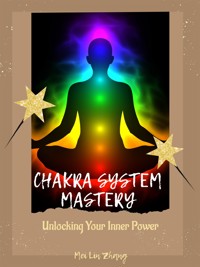
There are seven main chakras in the body, each associated with a particular color, symbol, and area of the body. The first chakra, known as the root chakra, is located at the base of the spine and is associated with the color red. This chakra is related to survival, grounding, and the physical body. The second chakra, the sacral chakra, is located in the lower abdomen and is associated with the color orange. This chakra is related to emotions, creativity, and sexuality.
The third chakra, the solar plexus chakra, is located in the upper abdomen and is associated with the color yellow. This chakra is related to personal power, self-esteem, and confidence. The fourth chakra, the heart chakra, is located in the center of the chest and is associated with the color green. This chakra is related to love, compassion, and connection.
The fifth chakra, the throat chakra, is located at the base of the throat and is associated with the color blue. This chakra is related to communication, self-expression, and truth. The sixth chakra, the third eye chakra, is located in the center of the forehead and is associated with the color indigo. This chakra is related to intuition, wisdom, and spiritual insight. The seventh chakra, the crown chakra, is located at the top of the head and is associated with the color violet or white. This chakra is related to spiritual connection, consciousness, and enlightenment.
Each chakra is believed to influence various aspects of our physical, emotional, and spiritual health. When our chakras are balanced and functioning properly, we experience a sense of well-being, vitality, and spiritual connection. However, when our chakras are blocked or imbalanced, we may experience physical symptoms such as illness or pain, emotional symptoms such as anxiety or depression, or spiritual symptoms such as feeling disconnected or out of alignment.
There are various techniques for balancing and opening the chakras, including meditation, visualization, yoga, and energy healing. Each chakra is associated with specific practices and techniques that can help to balance and activate it. For example, the root chakra can be balanced through grounding practices such as walking barefoot in nature or sitting in meditation while focusing on the sensation of the earth beneath you. The heart chakra can be balanced through practices that promote love and compassion, such as gratitude meditation or practicing forgiveness.
The chakra system is a complex and multifaceted framework for understanding and improving our physical, emotional, and spiritual health. By understanding the function and significance of each chakra, we can work to balance and activate them to promote a sense of well-being and spiritual connection. Whether through meditation, yoga, or energy healing, the chakra system offers a powerful tool for personal growth and transformation.
Origins and History
The chakra system is a complex network of energy centers that are believed to govern physical, emotional, and spiritual health in many Eastern cultures. The word "chakra" comes from the Sanskrit word meaning "wheel" or "disk," which refers to the circular shape of these energy centers.
The origins of the chakra system are believed to be rooted in ancient Hindu and Buddhist traditions. These traditions have used the chakra system as a means to understand and balance the body's energy fields for thousands of years. While the exact origins of the chakra system are unknown, many scholars believe that it dates back to the Indus Valley Civilization, which existed around 2500 BCE.
The first written record of the chakra system can be traced back to the Upanishads, which are a collection of Hindu texts that were written between the 8th and 6th centuries BCE. These texts describe the chakras as energy centers that are located along the spinal column and are responsible for regulating the flow of prana, or life force energy, throughout the body.
Over time, the chakra system became a cornerstone of Hindu and Buddhist philosophy, and it was eventually integrated into other healing modalities such as yoga, acupuncture, and Reiki. Today, the chakra system is widely recognized as an important tool for promoting health and well-being in many cultures around the world.
One of the most important figures in the modern understanding of the chakra system is the Indian sage Patanjali. Patanjali is credited with writing the Yoga Sutras, a collection of texts that outline the principles and practices of yoga. In the Yoga Sutras, Patanjali describes the chakra system as a means to balance the body's energy fields and achieve higher levels of consciousness.
The chakra system also played an important role in the development of Ayurvedic medicine, which is one of the world's oldest medical systems. Ayurvedic medicine is based on the idea that the body is a complex system of interconnected energy fields, and that illness and disease arise when these energy fields become imbalanced. The chakra system is seen as a key tool for understanding and balancing these energy fields in Ayurvedic medicine.
In the 20th century, the chakra system began to gain popularity in the West, as many people became interested in Eastern spirituality and alternative healing modalities. Today, the chakra system is widely recognized as an important tool for promoting health and well-being, and it is often used in conjunction with other healing modalities such as yoga, meditation, and energy healing.
While the chakra system has a rich history and is deeply rooted in Eastern culture, it has also evolved over time and continues to be adapted to meet the needs of modern society. As our understanding of energy medicine continues to grow, the chakra system is likely to remain an important tool for promoting health and well-being in the years to come.
The Role of Chakras in Energy Healing
The concept of chakras has been an essential part of traditional Indian medicine and spiritual practices for centuries. The term "chakra" refers to the energy centers in the human body that are believed to be responsible for physical, emotional, and spiritual well-being. In recent years, chakras have gained significant attention in the Western world as an alternative form of healing and wellness.
In the chakra system, there are seven primary chakras, each located along the spinal cord, from the base of the spine to the top of the head. The chakras are represented by different colors and are associated with specific physical, emotional, and spiritual qualities. The lower chakras are related to more physical aspects of our being, while the upper chakras are related to our spiritual and emotional states.
The root chakra is located at the base of the spine and is associated with the color red. It represents our connection to the earth and is related to our sense of grounding and survival instincts. When this chakra is balanced, we feel secure, stable, and rooted. Imbalances in this chakra can lead to feelings of anxiety, fear, and instability.
The sacral chakra is located just below the navel and is associated with the color orange. It is related to our creativity, sensuality, and emotional well-being. When this chakra is balanced, we feel a sense of pleasure and fulfillment in our lives. Imbalances in this chakra can lead to issues with addiction, low libido, and emotional instability.
The solar plexus chakra is located in the upper abdomen and is associated with the color yellow. It represents our personal power and self-esteem. When this chakra is balanced, we feel confident and in control of our lives. Imbalances in this chakra can lead to feelings of inadequacy and a lack of self-worth.
The heart chakra is located in the center of the chest and is associated with the color green. It represents our ability to give and receive love and is related to our emotional well-being. When this chakra is balanced, we feel open, compassionate, and connected to others. Imbalances in this chakra can lead to feelings of loneliness, isolation, and bitterness.
The throat chakra is located in the neck and is associated with the color blue. It represents our ability to communicate effectively and express ourselves authentically. When this chakra is balanced, we are able to speak our truth and communicate our needs clearly. Imbalances in this chakra can lead to issues with communication, such as speaking too much or too little.
The third eye chakra is located in the center of the forehead and is associated with the color indigo. It represents our intuition and ability to see beyond the physical world. When this chakra is balanced, we have a deep understanding of our own inner wisdom and can see the truth in situations. Imbalances in this chakra can lead to issues with intuition, such as not trusting our instincts.
The crown chakra is located at the top of the head and is associated with the color violet. It represents our connection to the divine and our spiritual well-being. When this chakra is balanced, we feel a deep sense of peace and connection to the universe. Imbalances in this chakra can lead to feelings of disconnection and a lack of purpose.
The chakra system is often used in energy healing practices to identify and balance the flow of energy in the body. Practitioners may use techniques such as meditation, visualization, and energy work to clear blockages and balance the chakras. The goal of chakra healing is to promote overall well-being and balance in the physical, emotional, and spiritual aspects of our being.
Understanding the Seven Main Chakras
The chakra system is a complex and intricate network of energy centers within the human body. The word "chakra" comes from the Sanskrit language, and it means "wheel" or "disk." These centers are said to be located at specific points along the spine, from the base of the spine to the top of the head, and they are believed to regulate the flow of energy throughout the body.
There are seven main chakras, and each one is associated with a particular color, sound, and aspect of life. Understanding these chakras and how they work can be beneficial for those interested in energy healing and spiritual growth.
The first chakra is the root chakra, located at the base of the spine. Its color is red, and it is associated with the element of earth. This chakra represents our connection to the physical world, our sense of security and stability, and our basic survival needs.
The second chakra is the sacral chakra, located in the lower abdomen. Its color is orange, and it is associated with the element of water. This chakra represents our creativity, sexuality, and sense of pleasure and enjoyment in life.
The third chakra is the solar plexus chakra, located in the upper abdomen. Its color is yellow, and it is associated with the element of fire. This chakra represents our personal power, self-confidence, and sense of purpose.
The fourth chakra is the heart chakra, located in the center of the chest. Its color is green, and it is associated with the element of air. This chakra represents our ability to love and connect with others, as well as our own self-love and compassion.
The fifth chakra is the throat chakra, located in the throat area. Its color is blue, and it is associated with the element of sound. This chakra represents our ability to communicate and express ourselves, as well as our sense of personal truth.
The sixth chakra is the third eye chakra, located in the center of the forehead. Its color is indigo, and it is associated with the element of light. This chakra represents our intuition, imagination, and ability to see beyond the physical world.
The seventh chakra is the crown chakra, located at the top of the head. Its color is violet, and it is associated with the element of thought. This chakra represents our connection to the divine, our spiritual awareness, and our sense of purpose in life.
Each chakra is said to have its own unique qualities and functions, and when they are balanced and aligned, we experience a sense of well-being, clarity, and vitality. However, when they are blocked or out of balance, we may experience physical, emotional, or mental health issues.
In energy healing, practitioners may use various techniques to balance and activate the chakras, such as meditation, visualization, sound therapy, or hands-on healing. By working with the chakra system, we can deepen our understanding of ourselves and our connection to the world around us, and promote greater health and harmony in our lives.
Root Chakra (Muladhara)
The root chakra, or Muladhara, is the first of the seven main chakras in the human body. It is located at the base of the spine and is associated with the element of earth. The root chakra is responsible for grounding us to the physical world and is often associated with our basic survival needs such as food, shelter, and safety.
The root chakra is also associated with the color red, which represents vitality, strength, and courage. When the root chakra is balanced, we feel secure, stable, and grounded. However, when it is blocked or imbalanced, we may experience feelings of insecurity, anxiety, and fear.
One of the ways to balance the root chakra is through physical exercise, particularly activities that involve the legs such as running or hiking. Yoga poses such as mountain pose and warrior pose are also beneficial in opening and balancing the root chakra.
Meditation and visualization can also be helpful in balancing the root chakra. Visualizing a red ball of energy at the base of the spine and repeating affirmations such as “I am grounded and secure” can help to open and balance this chakra.
Certain foods and herbs can also support the root chakra. Root vegetables such as carrots, potatoes, and beets are particularly nourishing for the root chakra. Spices such as ginger and turmeric can also be beneficial.
Healing crystals such as hematite and red jasper are often used to balance the root chakra. Placing these crystals at the base of the spine during meditation or carrying them with you throughout the day can help to balance this chakra.




