


5,99 €
Mehr erfahren.
- Herausgeber: Shuttle Systems Ltd
- Kategorie: Fachliteratur
- Sprache: Englisch
"Health begins in the gut."
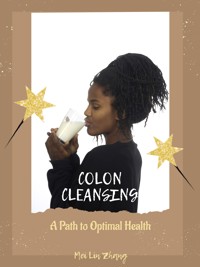
Looking to improve your health and wellness? Consider colon cleansing! In "Colon Cleansing: A Path to Optimal Health," you'll learn everything you need to know about detox diets and how they can support your body's natural detoxification process.
Discover the science behind detoxification and the many benefits of a detox diet, including improved digestion, hormonal balance, and immune system support. Explore different types of detox diets, including juice cleanses, raw food detoxes, and elimination diets, and learn how to prepare yourself for a successful detox experience.
This comprehensive guide covers all aspects of detox diets, including essential nutrients for detoxification, foods to include and avoid during detox, hydration strategies, and exercise and stress management techniques. You'll also find sample meal plans, delicious detox recipes, and tips for supporting your detox with supplements.
Whether you're looking to lose weight, support a specific health condition, or simply improve your overall health and wellness, "Colon Cleansing: A Path to Optimal Health" has you covered. With frequently asked questions, tips for success, and strategies for overcoming common side effects, this book is the ultimate resource for anyone interested in the power of detox diets.
Das E-Book können Sie in Legimi-Apps oder einer beliebigen App lesen, die das folgende Format unterstützen:
Veröffentlichungsjahr: 2023
Ähnliche




















Created by Xspurts.com
All rights reserved.
Copyright © 2005 onwards .
By reading this book, you agree to the below Terms and Conditions.
Xspurts.com retains all rights to these products.
No part of this book may be reproduced in any form, by photostat, microfilm, xerography, or any other means, or incorporated into any information retrieval system, electronic or mechanical, without the written permission of Xspurts.com; exceptions are made for brief excerpts used in published reviews.
This publication is designed to provide accurate and authoritative information with regard to the subject matter covered, however this book has been made for entertainment purposes only. It is sold with the understanding that the publisher is not engaged in rendering legal, accounting, health, relationship or other professional / personal advice. If legal advice or other expert assistance is required, the services of a competent professional should be sought.
A New Zealand Made Product
Get A Free Book At: xspurts.com/posts/free-book-offer
––––––––
Table of Contents
Understanding Colon Health
The Importance of a Healthy Colon
The Function of the Colon
Common Colon Issues and Diseases
The Colon Cleansing Process
What is Colon Cleansing?
Benefits of Colon Cleansing
Different Methods of Colon Cleansing
Natural Colon Cleansing Methods
Dietary Changes
Herbal Cleanses
Probiotics and Prebiotics
Colon Hydrotherapy
The History of Colon Hydrotherapy
The Colon Hydrotherapy Process
Benefits and Risks of Colon Hydrotherapy
Over-the-Counter Colon Cleansing Products
Types of Colon Cleansing Products
How to Choose the Right Product
Potential Side Effects and Risks
Colon Cleansing Recipes and Remedies
Homemade Colon Cleansing Juices
Herbal Tea Recipes
DIY Colon Cleansing Smoothies
Lifestyle Changes for a Healthy Colon
The Importance of Regular Exercise
Stress Management Techniques
Sleep and Colon Health
The Role of Fiber in Colon Health
Types of Fiber
The Benefits of Fiber
Fiber-Rich Foods
The Gut-Brain Connection
Understanding the Gut-Brain Axis
How Colon Health Affects Mental Health
Strategies to Improve Gut-Brain Health
Maintaining Colon Health
Post-Cleansing Care
Preventing Colon Issues
Regular Checkups and Screening
Common Colon Cleansing Myths and Misconceptions
Debunking Myths
Understanding the Facts
Making Informed Decisions
Colon Cleansing for Specific Health Conditions
Irritable Bowel Syndrome (IBS)
Constipation
Diverticulitis
The Role of Hydration in Colon Health
Importance of Water for Colon Function
Recommended Daily Water Intake
Tips for Staying Hydrated
Colon Cleansing and Weight Loss
The Connection Between Colon Health and Weight
Can Colon Cleansing Aid Weight Loss?
Healthy Weight Loss Strategies
The Gut Microbiome and Colon Health
Understanding the Gut Microbiome
Factors Affecting Gut Bacteria
How to Improve Your Gut Microbiome
The Impact of Food Sensitivities on Colon Health
Common Food Sensitivities
How to Identify Food Sensitivities
Elimination Diet for a Healthy Colon
Combining Colon Cleansing with Other Detox Methods
Liver Detox
Kidney Detox
Lymphatic System Detox
Precautions and Contraindications for Colon Cleansing
When to Avoid Colon Cleansing
Potential Risks and Side Effects
Consulting with Healthcare Professionals
The Future of Colon Cleansing
New Research and Developments
The Role of Technology in Colon Health
Integrative Approaches to Colon Care
Success Stories and Testimonials
Real-Life Colon Cleansing Experiences
Lessons Learned
Inspiring Change for Better Colon Health
Have Questions / Comments?
Get Another Book Free
Understanding Colon Health
The colon, also known as the large intestine, plays a crucial role in the digestive system. It is responsible for absorbing water and electrolytes from the undigested food matter that has passed through the small intestine. The colon also contains a large number of bacteria, known as the gut microbiome, which help to break down and ferment indigestible dietary fiber and produce certain vitamins.
However, poor lifestyle choices and a diet high in processed foods and low in fiber can lead to a range of problems in the colon. One common issue is constipation, which can occur when there is a buildup of fecal matter in the colon that is difficult to pass. This can cause discomfort, bloating, and abdominal pain.
Another issue that can arise in the colon is inflammation, which can occur due to a variety of factors including diet, stress, and medications. Chronic inflammation in the colon can lead to conditions such as ulcerative colitis and Crohn's disease, which are types of inflammatory bowel disease (IBD).
In recent years, colon cleansing, also known as colonic irrigation or hydrotherapy, has become a popular practice among those seeking to improve their colon health. This practice involves the use of water, herbs, or other substances to flush out the colon and remove any buildup of waste and toxins.
While proponents of colon cleansing claim that it can help to alleviate constipation, improve gut health, and even promote weight loss, there is limited scientific evidence to support these claims. In fact, some experts caution that colon cleansing can be harmful, as it can disrupt the balance of the gut microbiome and lead to dehydration and electrolyte imbalances.
Instead of relying on colon cleansing, there are several ways to support colon health through diet and lifestyle changes. One of the most important factors is to consume a diet rich in fiber, which can help to promote regular bowel movements and prevent constipation. Foods that are high in fiber include fruits, vegetables, whole grains, and legumes.
In addition to consuming a high-fiber diet, staying hydrated is also important for colon health. Drinking plenty of water can help to soften stool and make it easier to pass through the colon. Exercise can also be beneficial for colon health, as it can help to promote regular bowel movements and reduce inflammation.
Finally, it is important to limit the intake of processed foods, which are often high in sugar, salt, and unhealthy fats. These foods can disrupt the balance of the gut microbiome and lead to inflammation in the colon. Instead, focus on consuming whole, nutrient-dense foods that are rich in fiber, vitamins, and minerals.
The Importance of a Healthy Colon
The colon, also known as the large intestine, is an important part of the digestive system that plays a crucial role in maintaining overall health. The colon is responsible for the final stages of digestion, the absorption of water and electrolytes, and the elimination of waste. A healthy colon is essential for optimal digestion and nutrient absorption, immune system function, and overall well-being. Below we will discuss the importance of a healthy colon and the role of colon cleansing in maintaining colon health.
A healthy colon is crucial for good health as it helps remove toxins and waste products from the body. When the colon is not functioning correctly, it can lead to the buildup of toxins and waste products in the body, causing a range of health issues, including constipation, diarrhea, abdominal pain, and bloating. Over time, a buildup of toxins in the body can also lead to more serious health problems such as inflammation, autoimmune disorders, and even cancer.
One of the primary functions of the colon is to absorb water and electrolytes from the food we eat. If the colon is not functioning correctly, it can lead to chronic dehydration and electrolyte imbalances, which can cause a range of health issues, including fatigue, headaches, and muscle cramps.
Another critical role of the colon is to maintain a healthy balance of bacteria in the gut. The gut microbiome, which is made up of trillions of bacteria, plays a crucial role in overall health, including digestion, immune system function, and even mental health. When the gut microbiome is imbalanced, it can lead to a range of health issues, including inflammation, autoimmune disorders, and even depression.
Colon cleansing is a practice that has been used for centuries to maintain colon health. Colon cleansing involves the use of various natural remedies, such as herbal supplements, enemas, and colon hydrotherapy, to remove toxins and waste products from the colon. The goal of colon cleansing is to remove any buildup of fecal matter and toxins from the colon, promoting better digestive function and overall health.
While some studies have shown that colon cleansing may have some health benefits, such as reducing inflammation and improving bowel function, there is still much debate about its effectiveness and safety. Some experts believe that colon cleansing may do more harm than good, as it can disrupt the natural balance of bacteria in the gut, leading to an increased risk of infection and other health issues.
The best way to maintain a healthy colon is through a healthy diet and lifestyle. Eating a diet rich in fiber, including fruits, vegetables, and whole grains, can help promote regular bowel movements and prevent constipation. Drinking plenty of water and staying hydrated is also essential for maintaining colon health. Regular exercise and stress management techniques, such as yoga and meditation, can also help promote better digestive function and overall well-being.
The Function of the Colon
The colon, also known as the large intestine, plays a crucial role in the digestive process and overall health of the body. It is the final part of the digestive system, responsible for removing water, electrolytes, and waste from the body. The colon also contains a complex community of microorganisms known as the gut microbiome, which play a vital role in immune function, metabolism, and even mental health. Understanding the function of the colon is essential in maintaining a healthy digestive system and overall wellness.
The colon is a muscular tube that is approximately six feet long and two and a half inches in diameter. It is divided into several sections, including the cecum, ascending colon, transverse colon, descending colon, sigmoid colon, and rectum. The primary function of the colon is to absorb water and electrolytes from the digested food, and to form and eliminate feces from the body. The colon also plays a significant role in the absorption of nutrients, such as vitamin K and short-chain fatty acids, produced by the gut microbiome.
The gut microbiome is a complex community of microorganisms that inhabit the colon. These microorganisms, including bacteria, viruses, and fungi, play a vital role in overall health by aiding in digestion, metabolism, immune function, and even mental health. The gut microbiome can be influenced by many factors, including diet, antibiotics, and stress. Maintaining a healthy gut microbiome is essential for overall health, as imbalances in the microbiome have been linked to various health conditions, including obesity, diabetes, and inflammatory bowel disease.
The colon's function is dependent on a healthy diet and lifestyle. Consuming a diet high in fiber, fruits, vegetables, and whole grains can help promote regular bowel movements and a healthy gut microbiome. Adequate hydration is also essential, as it helps to soften the stool and promote regular bowel movements. Exercise and physical activity can also promote regular bowel movements and help maintain a healthy colon.
While a healthy diet and lifestyle are essential for colon health, some individuals may benefit from colon cleansing or detoxification programs. Colon cleansing refers to the practice of using various techniques to remove waste and toxins from the colon. These techniques may include enemas, colon hydrotherapy, or the use of laxatives or herbal supplements. Proponents of colon cleansing suggest that it can help remove toxins from the body, improve digestion, and promote weight loss.
However, there is limited scientific evidence to support the use of colon cleansing for health benefits. In fact, colon cleansing can be harmful and cause adverse effects, including dehydration, electrolyte imbalances, and even bowel perforation. The best way to maintain a healthy colon is through a balanced diet and lifestyle that promotes regular bowel movements and a healthy gut microbiome.
In addition to a healthy diet and lifestyle, there are several ways to promote colon health. Regular colorectal cancer screening is essential for individuals over 50 years old or for those at high risk for colon cancer. Early detection and treatment of colon cancer can improve outcomes and reduce mortality rates. Quitting smoking and reducing alcohol consumption can also help promote colon health, as smoking and excessive alcohol consumption have been linked to an increased risk of colorectal cancer.
Common Colon Issues and Diseases
The colon, also known as the large intestine, plays a crucial role in the digestive system. It is responsible for absorbing water and electrolytes from digested food and removing solid waste from the body. However, the colon can also be susceptible to a range of issues and diseases that can impact overall health. Below we will discuss some common colon issues and diseases and how they can be managed through colon cleansing.
Constipation
One of the most common colon issues is constipation, which occurs when there is difficulty in passing stool. This can happen due to a lack of fiber in the diet, dehydration, and a sedentary lifestyle. Chronic constipation can lead to other complications such as hemorrhoids and anal fissures. Colon cleansing can help alleviate constipation by removing impacted fecal matter and promoting regular bowel movements.
Irritable bowel syndrome (IBS)
IBS is a chronic digestive disorder that affects the large intestine. Symptoms include bloating, abdominal pain, and changes in bowel movements. Although the exact cause of IBS is unknown, factors such as stress, diet, and hormonal changes may trigger it. Colon cleansing can help ease symptoms of IBS by removing excess gas and toxins from the colon.
Diverticular disease
Diverticular disease is a condition where small pouches or sacs form in the colon lining. These sacs can become inflamed or infected, leading to pain, fever, and changes in bowel movements. A high-fiber diet and regular exercise can help prevent diverticular disease. Colon cleansing can help clear out any impacted fecal matter in the colon and reduce the risk of diverticulitis.
Colon cancer
Colon cancer is a type of cancer that affects the large intestine. It is the second leading cause of cancer deaths in the United States. Symptoms of colon cancer may include blood in the stool, abdominal pain, and changes in bowel movements. Early detection is crucial for successful treatment of colon cancer. Colon cleansing can help improve colon health and reduce the risk of colon cancer.
Hemorrhoids
Hemorrhoids are swollen veins in the rectum or anus. They can cause discomfort, itching, and bleeding. Hemorrhoids can be caused by constipation, pregnancy, or sitting for long periods. Colon cleansing can help alleviate symptoms of hemorrhoids by reducing constipation and promoting regular bowel movements.
Colitis
Colitis is a condition where the colon becomes inflamed. Symptoms may include abdominal pain, diarrhea, and rectal bleeding. There are several types of colitis, including ulcerative colitis and Crohn's disease. These conditions are often managed through medication and lifestyle changes, including a healthy diet and regular exercise. Colon cleansing can help improve colon health and alleviate symptoms of colitis.
The Colon Cleansing Process
The colon, also known as the large intestine, is an important organ in the digestive system that plays a crucial role in the elimination of waste and the absorption of water and electrolytes. Over time, waste and toxins can build up in the colon, leading to a range of health problems such as constipation, bloating, and even colon cancer. This is where colon cleansing comes into play. Colon cleansing is a process that involves removing waste and toxins from the colon, allowing it to function more effectively and maintain overall health. Below we will discuss the colon cleansing process in detail.
There are several ways to cleanse the colon, including herbal supplements, enemas, colon hydrotherapy, and dietary changes. Let's take a closer look at each of these methods.
Herbal supplements are a popular way to cleanse the colon. These supplements typically contain herbs and other natural ingredients that help to soften and loosen waste, making it easier to pass through the digestive system. Examples of common herbs used in colon cleansing supplements include psyllium husk, aloe vera, and senna. It is important to note that while herbal supplements can be effective, they should be used with caution, as some may cause unwanted side effects.
Enemas are another common method of colon cleansing. Enemas involve inserting liquid into the rectum and colon to stimulate bowel movements and help eliminate waste. The liquid used in enemas can vary and may include water, herbal solutions, or coffee. While enemas can be effective, they can also be uncomfortable and may cause cramping and diarrhea.
Colon hydrotherapy, also known as colonics, is a more invasive form of colon cleansing that involves flushing the colon with water using a special device. During colon hydrotherapy, a small tube is inserted into the rectum and water is slowly introduced into the colon. The water helps to flush out waste and toxins, while also stimulating bowel movements. Colon hydrotherapy is generally considered safe, but it should only be performed by a qualified professional.
Dietary changes are another effective way to cleanse the colon. By eliminating certain foods and increasing the intake of others, it is possible to help the body eliminate waste more effectively. Foods that are high in fiber, such as fruits, vegetables, and whole grains, can help to promote bowel movements and prevent constipation. Drinking plenty of water is also important, as it helps to flush out toxins and keep the colon hydrated.
In addition to the methods listed above, there are several other natural remedies that may help to cleanse the colon. These include probiotics, which help to restore healthy bacteria in the gut, and apple cider vinegar, which is believed to help break down and eliminate waste. It is important to note, however, that while these remedies may be effective, they should not be used as a substitute for medical treatment.
What is Colon Cleansing?
Colon cleansing, also known as colonic irrigation, is a natural health practice that involves the removal of toxins and waste material from the colon. The colon, also known as the large intestine, is an important part of the digestive system responsible for absorbing water and electrolytes, as well as eliminating waste from the body.
Colon cleansing has been used for centuries in traditional medicine and is believed to provide a wide range of benefits, including improved digestion, increased energy, and relief from constipation and other digestive disorders. While the benefits of colon cleansing are not scientifically proven, many people believe that it can help improve overall health and well-being.
There are several different methods used to perform colon cleansing, including enemas, colon hydrotherapy, and herbal supplements. Enemas involve the insertion of a liquid solution into the rectum to flush out waste material. Colon hydrotherapy, also known as colonic irrigation, is a more thorough and invasive procedure that involves the insertion of a tube into the rectum to flush out waste material using water. Herbal supplements are taken orally and are designed to help cleanse the colon by promoting bowel movements.
While colon cleansing is generally considered safe, it is not without risks. The most common side effects of colon cleansing include abdominal pain, bloating, and diarrhea. In rare cases, colon cleansing can also cause more serious side effects such as dehydration, infection, and electrolyte imbalances.
It is important to talk to a healthcare professional before attempting colon cleansing, particularly if you have a history of digestive disorders, are pregnant, or have other health conditions that may be affected by the procedure. In addition, it is important to choose a reputable practitioner or provider who is experienced in colon cleansing and can provide safe and effective treatment.
There are also several lifestyle changes that can help support colon health and reduce the need for colon cleansing. These include eating a diet rich in fiber, drinking plenty of water, and getting regular exercise. Avoiding processed foods, alcohol, and tobacco can also help support colon health and prevent digestive disorders.
Benefits of Colon Cleansing
Colon cleansing is a popular health practice that has been used for thousands of years. Also known as colon therapy or colon hydrotherapy, it involves the use of various methods to flush out toxins and waste from the colon. The process is said to provide numerous benefits, ranging from improved digestion to increased energy levels. Below we will explore the benefits of colon cleansing and how they contribute to overall health.
One of the primary benefits of colon cleansing is improved digestion. The colon is responsible for removing waste products from the body, and when it becomes clogged with toxins and waste, it can lead to constipation, bloating, and other digestive problems. Colon cleansing helps to remove this buildup, allowing for better absorption of nutrients and the elimination of waste products. This can lead to improved digestion, regular bowel movements, and a healthier gut.
Another benefit of colon cleansing is increased energy levels. When the colon is clogged with waste products, it can lead to feelings of fatigue and sluggishness. Colon cleansing helps to remove this buildup, allowing the body to function more efficiently and effectively. This can lead to increased energy levels, improved mental clarity, and a greater sense of well-being.
Colon cleansing is also said to promote weight loss. When the colon is clogged with waste products, it can lead to water retention and bloating, which can make it difficult to lose weight. Colon cleansing helps to remove this buildup, which can lead to a flatter stomach and a slimmer waistline. Additionally, by improving digestion and elimination, colon cleansing can help the body to better absorb nutrients and burn calories more efficiently.
Another benefit of colon cleansing is improved immune function. The colon is home to trillions of bacteria, many of which play a crucial role in immune function. When the colon is clogged with toxins and waste, it can lead to an imbalance in the gut microbiome, which can weaken the immune system. Colon cleansing helps to remove this buildup, restoring balance to the gut microbiome and promoting immune function.
Colon cleansing has also been shown to reduce inflammation in the body. Chronic inflammation is a common underlying factor in many chronic diseases, including arthritis, heart disease, and cancer. Colon cleansing helps to remove toxins and waste products that can contribute to inflammation, leading to reduced inflammation and improved overall health.
Finally, colon cleansing can help to reduce the risk of colon cancer. The buildup of toxins and waste products in the colon can contribute to the development of cancerous cells. By removing this buildup, colon cleansing can help to reduce the risk of colon cancer and promote overall colon health.
Different Methods of Colon Cleansing
Colon cleansing has become increasingly popular in recent years as more people seek to improve their digestive health and overall well-being. Colon cleansing is a process that involves removing waste and toxins from the colon, which can improve the functioning of the digestive system and boost overall health. There are several methods of colon cleansing, each with its own unique benefits and potential drawbacks. Below we will explore some of the most popular methods of colon cleansing and examine their benefits and potential risks.
Enemas
Enemas are one of the oldest and most traditional methods of colon cleansing. They involve the insertion of a tube into the rectum, through which warm water or other solutions are introduced to flush out waste and toxins from the colon. Enemas can be self-administered or performed by a trained professional, and they are relatively simple and inexpensive.
Enemas are particularly useful for those suffering from constipation or other digestive issues, as they provide immediate relief from symptoms. They can also be used as a preventative measure to help maintain optimal colon health. However, there are some potential risks associated with enemas, including the risk of infection, injury to the rectum, and electrolyte imbalances.
Herbal Supplements
Herbal supplements are another popular method of colon cleansing. These supplements contain a variety of herbs and other natural ingredients that are believed to help remove waste and toxins from the colon. Some of the most common ingredients in these supplements include psyllium husk, cascara sagrada, aloe vera, and flaxseed.
Herbal supplements are generally safe and well-tolerated, and they can be used on a long-term basis to maintain colon health. They are also relatively affordable and widely available. However, some people may experience side effects such as diarrhea, bloating, and cramping.
Colon Hydrotherapy
Colon hydrotherapy, also known as colonic irrigation, is a more invasive method of colon cleansing that involves the introduction of large amounts of water into the colon. This water is then flushed out, along with waste and toxins, using specialized equipment. Colon hydrotherapy is typically performed by a trained professional and requires several sessions to achieve optimal results.
Colon hydrotherapy can be effective for those suffering from chronic constipation, bloating, or other digestive issues. It can also help to remove impacted waste from the colon, which can lead to better overall health. However, colon hydrotherapy is more expensive than other methods of colon cleansing and carries a higher risk of infection or injury.
Fasting




