


5,99 €
Mehr erfahren.
- Herausgeber: Shuttle Systems Ltd
- Kategorie: Ratgeber
- Sprache: Englisch
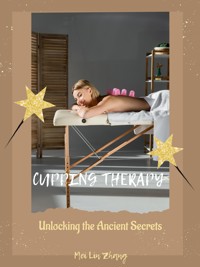
"Discover the ancient wisdom of cupping therapy and transform your life."
Discover the healing power of cupping therapy. Cupping therapy is an ancient form of alternative medicine in which cups are placed on the skin to create suction. The suction helps mobilize blood flow, loosen fascia, and relax tight muscles. Cupping therapy has been used for thousands of years and provides many benefits such as pain relief, improved circulation, reduced inflammation, and relaxation.
This comprehensive book provides an overview of the history and modern applications of cupping therapy. You'll learn about the different tools and techniques used, including dry cupping, wet cupping, fire cupping, moving cupping, and facial cupping. The book explores how cupping therapy can benefit conditions such as back pain, migraines, respiratory disorders, and digestive issues. You'll also discover how cupping therapy aligns with traditional Chinese medicine and its focus on meridians, qi, yin and yang.
Recent scientific studies have validated the efficacy of cupping therapy. It can be used to release myofascial restrictions and adhesions, much like foam rolling and massage therapy. Cupping is also growing in popularity among athletes and the sports medicine community. While cupping therapy is considered very safe for most individuals, there are some potential side effects and contraindications to be aware of. Proper aftercare and self-care techniques are also provided to promote healing between sessions.
If you're looking for an alternative therapy to complement your health and wellness routine, cupping therapy may be for you. This book provides everything you need to know to experience the benefits of cupping therapy at home or with a trained practitioner. An easy to understand introduction to this time-honored practice, "Cupping Therapy: Unlocking the Ancient Secrets" will help unlock your body's natural healing powers. Discover how cupping therapy can help you relieve pain, boost your energy, and feel your best.
Das E-Book können Sie in Legimi-Apps oder einer beliebigen App lesen, die das folgende Format unterstützen:
Veröffentlichungsjahr: 2023
Ähnliche












Created by Xspurts.com
All rights reserved.
Copyright © 2005 onwards .
By reading this book, you agree to the below Terms and Conditions.
Xspurts.com retains all rights to these products.
No part of this book may be reproduced in any form, by photostat, microfilm, xerography, or any other means, or incorporated into any information retrieval system, electronic or mechanical, without the written permission of Xspurts.com; exceptions are made for brief excerpts used in published reviews.
This publication is designed to provide accurate and authoritative information with regard to the subject matter covered, however is for entertainment purposes only. It is sold with the understanding that the publisher is not engaged in rendering legal, accounting, health, relationship or other professional / personal advice. If legal advice or other expert assistance is required, the services of a competent professional should be sought.
First Printed 2023.
ISBN:
DIGITAL VERSION: 978-1-77696-813-8
PHYSICAL VERSION: 978-1-77696-812-1
A New Zealand Designed Product
Get A Free Book At: go.xspurts.com/free-book-offer
Table of Contents
What is Cupping Therapy?
History of Cupping Therapy
Forms of Cupping Therapy
Types of Cupping Therapy
Dry Cupping
Wet Cupping
Fire Cupping
Moving Cupping
Cupping Therapy Techniques
Traditional Chinese Medicine Techniques
Modern Cupping Techniques
Facial Cupping Techniques
Benefits of Cupping Therapy
Pain Relief
Improved Blood Circulation
Reduced Inflammation
Relaxation and Stress Reduction
Cupping Therapy for Specific Conditions
Cupping Therapy for Back Pain
Cupping Therapy for Migraines and Headaches
Cupping Therapy for Respiratory Disorders
Cupping Therapy for Digestive Disorders
Cupping Therapy and Traditional Chinese Medicine
The Meridian System
Cupping Therapy and Qi
Cupping Therapy and Yin and Yang
Cupping Therapy and Western Medicine
Scientific Studies on Cupping Therapy
Cupping Therapy and Myofascial Release
Cupping Therapy and Sports Medicine
Cupping Therapy Safety and Precautions
Potential Side Effects of Cupping Therapy
Contraindications for Cupping Therapy
Cupping Therapy and Pregnancy
Cupping Therapy Equipment
Cups
Cupping Sets
Cupping Therapy Accessories
Cupping Therapy Procedure
Preparing for Cupping Therapy
Cupping Therapy Session
Aftercare for Cupping Therapy
Cupping Therapy and Self-Care
Self-Care Cupping Techniques
Cupping Therapy at Home
Cupping Therapy and Essential Oils
Cupping Therapy and Other Alternative Therapies
Acupuncture and Cupping Therapy
Cupping Therapy and Massage
Cupping Therapy and Chiropractic Care
Cupping Therapy and the Future
Research on Cupping Therapy
Advancements in Cupping Therapy
Integrating Cupping Therapy into Mainstream Healthcare
The Benefits of Cupping Therapy
The Future of Cupping Therapy
Incorporating Cupping Therapy into Your Health and Wellness Routine.
Have Questions / Comments?
Get Another Book Free
What is Cupping Therapy?
Cupping therapy is an ancient alternative medicine practice that has gained popularity in recent years due to its potential health benefits. This therapeutic technique involves placing cups on the skin to create suction, which is believed to promote healing and alleviate various ailments. The cups used in cupping therapy can be made of glass, bamboo, or silicone, and the suction can be achieved through different methods, such as heat or mechanical pumps. While cupping therapy has been practiced for centuries in different cultures, its modern applications and benefits continue to be explored and studied.
One of the primary purposes of cupping therapy is to improve blood circulation in the body. When the cups are placed on the skin, the suction created pulls the skin and underlying tissues upward. This suction causes the blood vessels to expand, increasing blood flow to the treated area. Improved blood circulation can help deliver oxygen and nutrients to the tissues, promote the removal of waste products, and enhance the body's natural healing process.
Cupping therapy is also believed to help alleviate muscle pain and tension. The suction applied to the skin can help loosen tight muscles and promote relaxation. It is commonly used to treat conditions such as back pain, neck and shoulder tension, and sports-related injuries. Many athletes have turned to cupping therapy to help speed up recovery and reduce muscle soreness after intense physical activity.
Furthermore, cupping therapy is thought to have detoxifying effects on the body. The suction created by the cups can help stimulate the lymphatic system, which is responsible for removing toxins and waste from the body. By improving lymphatic drainage, cupping therapy may help enhance the body's detoxification processes and support overall well-being.
In addition to its physical benefits, cupping therapy is also known for its potential effects on mental health. The relaxation and increased blood flow achieved through cupping can have a calming and soothing effect on the nervous system. Many individuals report feeling a sense of deep relaxation and reduced stress after a cupping session. Some even consider it a form of self-care and use it as a means to unwind and promote emotional well-being.
It is important to note that cupping therapy is generally considered safe when performed by trained professionals. However, it may not be suitable for everyone. People with certain medical conditions, such as skin infections, bleeding disorders, or pregnancy, should consult with their healthcare provider before undergoing cupping therapy.
History of Cupping Therapy
The history of cupping therapy can be traced back thousands of years, with its origins rooted in ancient civilizations across various regions of the world. This traditional healing practice has evolved over time, adapting to different cultures and gaining recognition for its potential health benefits.
The earliest recorded evidence of cupping therapy dates back to ancient Egypt, where it was used as a therapeutic modality around 1,550 B.C. Egyptian hieroglyphics depict cupping being performed on individuals to treat various ailments. It was believed that cupping could draw out evil spirits and promote healing.
Cupping therapy also has a long history in traditional Chinese medicine. The ancient Chinese text, "The Yellow Emperor's Classic of Internal Medicine," written around 300 B.C., discusses cupping as a method to treat a wide range of conditions. In Chinese medicine, cupping is based on the principle of balancing the body's energy or "qi." By creating suction on specific points or meridians, cupping aims to restore the flow of qi and restore health.
Throughout history, cupping therapy has been practiced in different forms across diverse cultures. In ancient Greece, the renowned physician Hippocrates used cupping to treat various diseases and injuries. Greek scholars like Galen and Pliny the Elder also wrote about the benefits of cupping in their medical texts.
During the Islamic Golden Age, cupping therapy flourished as Muslim scholars embraced and expanded upon the knowledge inherited from ancient civilizations. The Persian physician Avicenna mentioned cupping in his famous medical encyclopedia, "The Canon of Medicine," which influenced medical practices in Europe for centuries.
In traditional Arabic medicine, cupping therapy became an integral part of the treatment regimen known as "hijama." It was believed to balance the body's humors and cleanse toxins from the blood. Hijama practitioners used cupping to address a wide range of conditions, from headaches and joint pain to digestive disorders and infertility.
Cupping therapy also found its way into ancient European medical practices. In the Middle Ages, cupping was commonly used to treat conditions such as pneumonia and asthma. It gained popularity among European physicians, and cupping sets made of materials like glass, metal, or animal horns were used.
Over time, cupping therapy gradually faded in popularity with the rise of modern medicine. However, in recent years, there has been a resurgence of interest in this ancient practice. Today, cupping therapy is widely recognized as an alternative therapy and is utilized by many healthcare practitioners around the world.
The modern understanding of cupping therapy combines traditional techniques with contemporary knowledge of anatomy, physiology, and evidence-based medicine. Research studies have explored its potential benefits, and cupping has gained attention in the fields of pain management, sports medicine, and rehabilitation.
Forms of Cupping Therapy
Cupping therapy encompasses various forms and techniques that have been developed and practiced throughout history. These different forms of cupping therapy provide a range of options for individuals seeking its potential health benefits. From traditional methods to modern adaptations, each form offers its unique approach to this ancient healing practice.
Dry Cupping: Dry cupping is the most common form of cupping therapy. It involves placing cups on the skin to create suction without the use of any additional substances. The cups can be made of glass, bamboo, or silicone, and they are typically heated briefly before being applied to the skin. As the cups cool down, the air inside them contracts, creating suction. This suction draws the skin and underlying tissues upward, promoting increased blood flow and relaxation.
Wet Cupping: Wet cupping, also known as hijama, is a more invasive form of cupping therapy. It involves a two-step process. Initially, dry cupping is performed, creating suction on the skin. Then, small incisions are made on the skin, and the cups are re-applied to draw out a small amount of blood. This technique is based on the belief that it helps remove toxins and promote healing. Wet cupping should only be performed by trained professionals in a sterile environment to ensure safety.
Fire Cupping: Fire cupping is an ancient method that utilizes heat to create the suction necessary for the therapy. In this form, a flame is briefly held inside the cup to heat the air, and then the cup is quickly placed on the skin. As the air cools down, it creates a vacuum effect, pulling the skin into the cup. Fire cupping requires skill and caution to avoid burns, and it is typically performed by experienced practitioners.
Massage Cupping: Massage cupping combines cupping therapy with massage techniques. In this form, oil or lotion is applied to the skin to reduce friction, and then the cups are moved across the skin using gliding or circular motions. This method allows the cups to create suction while the practitioner massages the area, helping to relax muscles and promote blood circulation. Massage cupping is often used for deep tissue massage, sports-related injuries, and reducing muscle tension.
Silicone Cupping: Silicone cupping is a modern adaptation of cupping therapy. Instead of using glass or bamboo cups, silicone cups are used. These cups are flexible and easier to handle, making them popular for self-treatment at home. Silicone cups create suction by squeezing the cup and placing it on the skin, which eliminates the need for heat or pumps. They can be easily applied to different areas of the body and are suitable for those who prefer a gentler form of cupping.
Each form of cupping therapy has its own advantages and considerations. It is essential to consult a trained professional to determine the most suitable method for individual needs and health conditions. While cupping therapy has gained popularity and has potential health benefits, it is important to approach it as a complementary therapy and not a substitute for professional medical care.
Types of Cupping Therapy
Cupping therapy encompasses a range of types and techniques that have evolved over time. These different types of cupping therapy offer diverse approaches to healing and provide individuals with options to address their specific needs. From traditional methods to modern variations, each type of cupping therapy brings its unique benefits to the table.
Dry Cupping: Dry cupping is the most widely recognized and commonly practiced form of cupping therapy. It involves placing cups on the skin to create suction without the use of any additional substances. The cups, typically made of glass, bamboo, or silicone, are heated briefly before being applied to the skin. As the cups cool down, the air inside contracts, creating suction. Dry cupping promotes blood flow, relaxes muscles, and is commonly used to address pain, inflammation, and tension.
Wet Cupping: Wet cupping, also known as medicinal bleeding or hijama, is a more invasive form of cupping therapy. It involves a two-step process. Initially, dry cupping is performed to create suction on the skin. Then, small incisions are made on the skin, and the cups are re-applied to draw out a small amount of blood. Wet cupping is based on the belief that it helps remove toxins and promote healing. It requires the expertise of trained professionals and is typically performed in a controlled and sterile environment.
Fire Cupping: Fire cupping is an ancient technique that utilizes heat to create suction. In this form of cupping therapy, a flame is briefly held inside the cup to heat the air, after which the cup is quickly placed on the skin. As the air cools down, it creates a vacuum effect, pulling the skin into the cup. Fire cupping requires caution to avoid burns and is commonly used to address pain, muscle tension, and respiratory conditions.
Massage Cupping: Massage cupping combines the benefits of cupping therapy with massage techniques. In this type, oil or lotion is applied to the skin to reduce friction, and then the cups are moved across the skin using gliding or circular motions. Massage cupping allows the cups to create suction while the practitioner simultaneously massages the area. This method helps to relax muscles, promote blood circulation, and alleviate pain. It is commonly used for deep tissue massage, sports-related injuries, and reducing muscle tension.
Flash Cupping: Flash cupping, also known as sliding cupping or moving cupping, involves applying oil or lotion to the skin before placing the cups. Once the cups are in position, they are gently moved across the skin, creating a sliding or gliding motion. This technique is particularly useful for large muscle groups or areas where deeper penetration is desired. Flash cupping helps to stimulate blood circulation, relax muscles, and alleviate pain and stiffness.
Needle Cupping: Needle cupping combines the benefits of cupping therapy with acupuncture. In this type, acupuncture needles are inserted into specific points on the body, and then cups are placed over the needles to create suction. This technique combines the therapeutic effects of both cupping and acupuncture, enhancing the overall treatment. Needle cupping is commonly used to address pain, promote energy flow, and restore balance in the body.
Each type of cupping therapy offers its unique advantages and considerations. It is important to consult a trained professional to determine the most suitable type of cupping therapy for individual needs and health conditions. While cupping therapy has gained popularity and has potential health benefits, it is important to approach it as a complementary therapy and not a substitute for professional medical care.
Dry Cupping
Dry cupping is a popular and widely practiced form of cupping therapy that has been used for centuries to address a variety of health concerns. This technique involves placing cups on the skin to create suction without the use of any additional substances. Dry cupping is known for its potential benefits in promoting blood circulation, relaxing muscles, and alleviating pain and tension.
The cups used in dry cupping therapy can be made of different materials, including glass, bamboo, or silicone. These cups are typically heated briefly before being applied to the skin. The heating process can be done by inserting a flame into the cup or using warm water or oil. Once heated, the cups are quickly placed on the desired areas of the body, and as the air inside the cup cools down, it creates a vacuum effect that pulls the skin and underlying tissues upward.
One of the primary benefits of dry cupping is its ability to improve blood circulation. The suction created by the cups stimulates the blood vessels, causing them to expand. This expansion increases blood flow to the treated area, delivering oxygen and nutrients while promoting the removal of waste products. Improved blood circulation can help enhance the body's natural healing process and support overall well-being.
Dry cupping is also commonly used to relax muscles and alleviate pain and tension. The suction created by the cups helps to loosen tight muscles and connective tissues. This can be particularly beneficial for individuals experiencing back pain, neck and shoulder tension, or muscle soreness due to physical exertion. The cups can be placed on specific trigger points or along the meridians to target areas of discomfort.
Furthermore, dry cupping is known to have a sedative effect on the nervous system, promoting deep relaxation and reducing stress levels. Many individuals report feeling a sense of calmness and tranquility during and after a dry cupping session. This relaxation response can have a positive impact on mental well-being and contribute to an overall sense of balance and harmony in the body.
Dry cupping therapy is generally considered safe when performed by trained professionals. However, there are certain considerations to keep in mind. People with certain medical conditions, such as skin infections, bleeding disorders, or pregnancy, should consult with their healthcare provider before undergoing dry cupping therapy. Additionally, it is important to ensure that the cups used are clean and sterile to prevent any risk of infection.
Wet Cupping
Wet cupping, also known as medicinal bleeding or hijama, is an ancient and somewhat more invasive form of cupping therapy that has been practiced for centuries in various cultures. This technique involves a two-step process that combines elements of dry cupping with controlled bloodletting. Wet cupping is believed to promote healing by removing toxins from the body and balancing the flow of energy.
The wet cupping process begins with dry cupping. Cups, typically made of glass, bamboo, or silicone, are applied to the skin to create suction. The cups are usually heated briefly before being placed on the skin to enhance the therapeutic effect. Once the cups are attached, they remain in place for a few minutes, allowing the suction to draw stagnant blood and energy to the surface.
After the initial dry cupping phase, small incisions are made on the skin using a sterile lancet or a specialized tool. The cups are then reapplied to the same areas, allowing controlled bloodletting to occur. The combination of suction and blood release is believed to help remove impurities and promote the body's natural healing mechanisms.
Wet cupping is rooted in the concept of "bad blood" or toxic substances that are thought to accumulate in the body. Proponents of wet cupping believe that the release of small amounts of blood during the therapy can help eliminate these toxins and restore balance and harmony. It is believed that wet cupping can be effective in addressing a wide range of conditions, including chronic pain, skin disorders, digestive issues, and respiratory ailments.
The process of wet cupping requires the expertise of trained professionals to ensure safety and effectiveness. Practitioners must adhere to strict hygiene standards, including using sterile instruments and disposing of used equipment appropriately. Individuals considering wet cupping should consult with a qualified practitioner and disclose any medical conditions or medications they are taking to avoid potential complications.
While wet cupping has been practiced for centuries, its scientific evidence and acceptance in modern medicine remain limited. Some studies suggest that wet cupping may have potential benefits, such as reducing pain and inflammation, but more research is needed to establish its efficacy and mechanisms of action.
It is important to note that wet cupping may not be suitable for everyone. Individuals with bleeding disorders, skin infections, or a history of adverse reactions to bloodletting should avoid wet cupping. Pregnant women and individuals with compromised immune systems should also refrain from this therapy.




