


Erhalten Sie Zugang zu diesem und mehr als 300000 Büchern ab EUR 5,99 monatlich.
- Herausgeber: epubli
- Kategorie: Geisteswissenschaft
- Sprache: Englisch
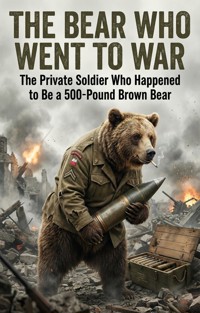
In 1942, Polish soldiers escaping the Soviet Union via Iran bought a Syrian brown bear cub from a local boy for a few cans of food. They named him Wojtek. But Wojtek didn't stay a pet; he became a soldier. "The Bear Who Went to War" tells the heartwarming and hilarious true story of the only bear to be officially enlisted in a modern army, complete with a rank, serial number, and a paybook. Wojtek grew up drinking beer, smoking cigarettes (which he ate), and wrestling with the troops. But his finest hour came during the brutal Battle of Monte Cassino. Amidst heavy mortar fire, the bear was seen carrying heavy crates of artillery shells to the front lines, never dropping a single one. He became a symbol of hope and resilience for the Polish II Corps. This book follows Wojtek's journey from the mountains of Iran to the bloody battles of Italy and finally to his retirement in Edinburgh Zoo. It is a story about the absurdity of war and the incredible bonds that form between humans and animals in the darkest of times.
Sie lesen das E-Book in den Legimi-Apps auf:
Seitenzahl: 148
Veröffentlichungsjahr: 2026
Das E-Book (TTS) können Sie hören im Abo „Legimi Premium” in Legimi-Apps auf:
Ähnliche


















Table of Contents
Chapter 1: The Beginning of Wojtek's Journey
The Purchase of Wojtek
Wojtek's Early Life with Soldiers
The Symbol of Resilience
The Transition to Combat
Chapter 2: Wojtek Joins the Polish II Corps
The Early Days with the Polish II Corps
Wojtek's Transition to Military Life
Amusing Anecdotes of Wojtek's Behavior
Wojtek's Impact on Morale
Chapter 3: The Life of a Military Bear
A New Addition to the Ranks
Daily Life with Wojtek
The Role of Wojtek in Combat
The Legacy of Wojtek
Chapter 4: The Road to the Battle of Monte Cassino
The Polish II Corps: A Journey of Survival
Wojtek: More than a Pet
The Terrain of Italy: A New Battlefield
The Call to Arms: Preparing for Battle
Chapter 5: The Battle Unfolds
The Context of Conflict
Wojtek's Integration into the Unit
The Assault Begins
The Highs and Lows of Battle
The Legacy of Wojtek
Chapter 6: Wojtek’s Heroism at Monte Cassino
The Setting of Monte Cassino
The Role of Animals in War
The Day of Battle
Wojtek's Legacy
Chapter 7: The Aftermath of the Battle
The Emotional Toll on Soldiers
Wojtek's Unique Role in Recovery
The Landscape of Monte Cassino
Comradeship Beyond the Battlefield
Chapter 8: From Soldier to Celebrity
Wojtek's Rise to Fame
The Distinction of Being Enlisted
Life After the War
The Story that Continues
Chapter 9: A New Life in Edinburgh
Arrival in Edinburgh
Wojtek's New Home
Becoming a Local Celebrity
The Legacy of Wojtek
Chapter 10: The Legacy of Wojtek the Bear
Wojtek in Popular Culture
Memorials and Commemorations
Wojtek's Impact on Military Animal Welfare
The Enduring Fascination with Wojtek
Chapter 11: The Bonds of War
The Unbreakable Bonds of Companionship
Historical Examples of Military Animals
The Psychological Benefits of Military Animals
The Evolution of Military Animal Roles
Chapter 12: Lessons from Wojtek's Story
The Courage to Adapt
Friendship in Difficult Times
The Absurdity of War
Resilience and Hope
Reflecting on Wojtek: A Legacy of Resilience and Friendship
Chapter 1: The Beginning of Wojtek's Journey
In 1942, amidst the chaos of World War II, a unique tale began in the mountains of Iran. This chapter explores the heartfelt origins of Wojtek the bear, a Syrian brown bear cub who was purchased by Polish soldiers escaping the Soviet Union. This purchase, made for a few cans of food, marked the beginning of an extraordinary relationship between a bear and his human comrades, setting the stage for an incredible journey through war.
The Purchase of Wojtek
In the early spring of 1942, amidst the turmoil of war, a small Syrian brown bear cub came into the lives of Polish soldiers. This section describes the serendipitous encounter that led to Wojtek's adoption. The soldiers, fleeing the horrors of Soviet oppression, purchased Wojtek from a local boy in Iran for a few cans of food. This seemingly small transaction would lay the foundation for an incredible partnership forged in the fires of war.
The desperate circumstances faced by Polish soldiers escaping the USSR
In 1942, Polish soldiers found themselves in dire straits as they fled the harsh realities of Soviet oppression. Many were escaping the atrocities committed during the Soviet invasion of Poland in 1939, which marked the beginning of their harrowing journey. These soldiers faced not only physical threats but also profound emotional and psychological burdens. They had lost their homes, families, and friends, leaving them in a state of despair.
As they crossed through war-ravaged territories, they encountered severe food shortages, lack of shelter, and constant fear of persecution. This instilled a sense of urgency among the troops, as they sought safety and a glimmer of hope amidst the chaos. It was during this tumultuous period that the soldiers stumbled upon a young bear cub. This chance encounter would not only change the course of their journey but also provide much-needed solace during their darkest hours.
The historical context of the Polish II Corps formation in Iran
The Polish II Corps was established in the wake of World War II, primarily composed of Polish soldiers who had been released from Soviet captivity. Following the brutal oppression under the Soviet regime, these soldiers regrouped in Iran, where a new phase of their military existence began. Formed under the command of General Władysław Anders, the Corps was intended to fight alongside the Allies against Axis powers.
During this time, the soldiers received crucial support from the Allied nations as well as local inhabitants. The formation of the Polish II Corps in Iran represented not only a military unit but also a symbol of resilience and camaraderie among those who had suffered greatly. It stood in stark contrast to the struggles they had endured, providing a renewed sense of purpose, unity, and hope. These soldiers were ready to reclaim their identity and honor through their service, even as they navigated the complexities of their new surroundings.
Wojtek as a symbol of hope during dark times
Wojtek the bear quickly transcended his status as merely a pet; he embodied the spirit of resilience and hope for the Polish soldiers. His playful antics and gentle nature provided much-needed levity amidst the grim realities of war. Wojtek was a reminder of innocence and joy in a time when both seemed scarce. The soldiers found solace in his presence, as he became an integral part of their daily lives.
His journey alongside the troops symbolizes the heavier burdens that soldiers bore, one that mixed the absurdity of their reality with moments of camaraderie and affection. As they faced the unrelenting battles of World War II, Wojtek represented the enduring spirit of the Polish people fighting for freedom. His role was not merely that of a mascot; he became a beacon of hope, reminding the soldiers that even in darkness, there was still room for kindness and joy.
The decision to adopt a bear and its implications for the troop dynamics
Adopting Wojtek was a transformative decision for the Polish soldiers, impacting troop dynamics in profound ways. Initially driven by the impulse to care for a vulnerable creature, the decision soon fostered a unique camaraderie among the troops. A bear in their midst significantly altered the atmosphere, breaking the tension prevalent in military life. His presence encouraged bonding, laughter, and shared responsibilities among the soldiers.
Moreover, Wojtek's unique status as an enlisted bear, complete with his own paybook, forged an unbreakable link between man and beast. This relationship defied conventional military norms and reflected the unconventional nature of their journey. The soldiers rallied around him, which inspired a sense of unity and collective purpose. This unorthodox bond not only provided emotional relief but also became a powerful symbol of resilience, reminding each soldier of the importance of companionship amidst the harshness of war.
Wojtek's Early Life with Soldiers
As Wojtek grew from a cub into a playful bear, his life among soldiers transformed. This section discusses the early interactions between Wojtek and the soldiers, highlighting the unique bond that formed between them. Wojtek quickly became not only a pet but also a crucial member of the unit, fostering camaraderie in the face of adversity.
Wojtek's adoption and initial adjustment to military life
In 1942, the Polish soldiers first encountered Wojtek, a small Syrian brown bear cub, in the mountains of Iran. Their immediate decision to adopt him was driven by a combination of compassion and necessity, as they bought him from a local boy using rations meant for survival. As Wojtek joined the troops, his transition from wild cub to military life was filled with challenges. The soldiers gradually acclimated him to their daily routines, which included the sounds of gunfire, marching, and communal living.
Wojtek’s initial adjustment was marked by curiosity and playfulness. The soldiers provided a nurturing environment, and he quickly learned to trust his new human companions. His unique position as an unofficial mascot allowed him to roam freely among the troops, sharing moments of levity amidst the stresses of war. The bond that formed during these early days laid the groundwork for Wojtek’s essential role within the Polish II Corps, defining his identity as more than just a pet but as a cherished member of the unit.
Day-to-day activities involving Wojtek, from wrestling to drinking beer
Wojtek's daily life with the soldiers was vibrant and engaging, filled with a myriad of entertaining antics. He quickly earned a reputation for his playful nature, often wrestling with troops who indulged his playful spirit. These matches provided not only amusement but also a vital outlet for the soldiers’ stress, creating an atmosphere of camaraderie within the unit.
In addition to wrestling, Wojtek developed a fondness for beer, which the soldiers happily shared with him. The sight of a bear happily guzzling a can of beer became a hilarious and heartwarming spectacle, emblematic of the unusual companionship they shared. Such activities fostered a unique bond, allowing Wojtek to bridge the gap between man and beast, bringing smiles and laughter to those who faced the grim realities of war.
His role in boosting morale among the troops
Wojtek’s presence had a profound impact on the morale of the Polish soldiers during some of their darkest hours. Amidst the brutality of war, the bear became a living symbol of hope and resilience. His antics, such as playfully chasing soldiers or engaging in his notorious wrestling matches, offered much-needed distractions from the grim realities surrounding them.
As battles raged on, the soldiers found solace in their bond with Wojtek. His ability to uplift spirits and unify the troops was invaluable, reminding them of their humanity amid dehumanizing circumstances. Wojtek was not just a mascot; he played a critical role in fostering unity, strengthening the emotional fabric of the unit, and helping soldiers cope with their experiences in the theater of war.
The unusual yet endearing behaviors of a bear raised by soldiers
Wojtek exhibited a variety of behaviors that were both unusual and endearing, shaped by his upbringing in a military environment. Having been raised among soldiers, he developed habits that mirrored those of his human companions. For instance, it was not uncommon to see him mimicking the soldiers’ routines, whether it was standing upright like a human or enjoying the camaraderie found around campfires.
Furthermore, Wojtek developed a peculiar fondness for cigarettes, which he would "smoke" by chewing on them, much to the amusement of the men. These quirky behaviors endeared him to the soldiers and solidified his status as an integral part of the unit. Through these interactions, Wojtek not only established his identity as a bear but also demonstrated the powerful bond that can flourish between humans and animals in the face of adversity.
The Symbol of Resilience
Wojtek quickly transcended being just a pet; he became a living emblem of resilience for the Polish troops. This section explores how Wojtek's presence mirrored the endurance of the soldiers, representing hope in the face of trials and tribulations. The soldiers' reliance on Wojtek during challenging times added depth to their fight.
Wojtek as a morale booster during tough times
Wojtek quickly became more than just a companion; he emerged as a vital morale booster for the Polish soldiers. During the grueling days and nights of war, the bear offered laughter and a sense of normalcy in a world turned upside down. His playful antics, such as wrestling with the soldiers or playfully stealing their cigarettes, lightened the heavy atmosphere surrounding them. As the men faced confusion and fear, Wojtek's innocent behaviors served as a reminder of happier times, fostering a renewed spirit among the troops.
Moreover, during moments of deep despair, Wojtek's presence provided a psychological uplift, reminding the soldiers of their humanity. His playful personality offered solace during battles, allowing the weary men a brief escape from the horrors they faced. In this chaotic environment, Wojtek consistently represented resilience, embodying the strength and determination necessary to endure the relentless challenges of war.
Stories and anecdotes demonstrating Wojtek's effect on troop spirits
Anecdotes of Wojtek’s interactions with the troops are numerous and heartwarming, illustrating his profound impact on soldier morale. One story recounts how a group of soldiers, disheartened after a skirmish, witnessed Wojtek charging into their tent, playfully engaging with them and stealing their provisions. Laughter erupted among the troops, momentarily easing their worries and reminding them of the joy that still existed amidst the conflict.
Another popular tale involves Wojtek imitating the soldiers’ habits, including standing on his hind legs to 'salute' them, a sight that never failed to amuse. Such moments created lasting memories and camaraderie among the soldiers, strengthening their bonds. These stories, often shared around campfires, not only demonstrated Wojtek's personality but also how deeply he touched the hearts of the men he served alongside, affirming that hope could thrive even in the darkest times.
The symbolic representations of Wojtek in military culture
Wojtek transcended his role as a mere bear; he became a symbol that permeated the military culture of the Polish II Corps. His enlistment as a soldier—complete with a rank and a paybook—was a remarkable reflection of the unique bond between man and animal. Wojtek's journey and resilience resonated deeply, acting as a motif for the troops who fought bravely against overwhelming odds.
In military circles, Wojtek represented both enduring spirit and the absurdity of war. He served as a reminder that even amidst chaos, solidarity and camaraderie could flourish. As stories of Wojtek spread, he became a figure of hope not just for Polish soldiers, but also for allies, illustrating that resilience could take many forms. Wojtek stands as a testament to the extraordinary resilience found in companionship during times of conflict.
How Wojtek helped foster a sense of unity among the soldiers
Wojtek’s impact on fostering unity among the soldiers cannot be overstated. His presence provided a common focal point that brought the troops together, transcending personal differences and cultural barriers. Soldiers from diverse backgrounds found common ground in their affection for Wojtek, who acted as a bridge between them.
When they faced challenges on the battlefield or during grueling marches, Wojtek often became a source of shared laughter and joy. Whether it was congregating around him during downtime or sharing chestnuts and snacks, his antics encouraged cooperation and camaraderie. The bear's ability to unite different individuals highlighted the universal themes of resilience, compassion, and friendship, crucial assets for any soldier. As Wojtek marched alongside them, he instilled hope and perseverance, molding a cohesive unit determined to endure the hardships of war.
The Transition to Combat
As the Polish II Corps prepared for combat, Wojtek's role evolved alongside the soldiers. This section narrates the transition from mere companionship to active participation in the war effort. Wojtek became more than a mascot; he gained responsibility and recognition, leading to the extraordinary decision to enlist him in the army.
The preparations of the Polish II Corps for combat in Italy
As the Polish II Corps regrouped after their long journey through Iran and the Middle East, preparations for their pivotal role in the Italian campaign began in earnest. In late 1943, the corps was tasked with securing strategic positions in Italy, which was vital for the Allies to advance against Axis forces. The soldiers underwent rigorous training exercises to enhance their combat readiness, emphasizing cooperation, physical fitness, and tactical maneuvers.
Furthermore, the harsh realities of war loomed large over the corps as they gathered supplies, including weapons and ammunition, to counter the Italian front’s challenges. Amid this preparation, Wojtek, the bear cub who had become an integral part of the unit, also began to partake in the activities. His presence fortified the morale of the soldiers, who relied on his companionship and humor during the tense lead-up to combat. Together, they faced an uncertain future, dedicated to the shared mission of liberation and survival.
Wojtek's involvement in military activities leading up to battle
As the Polish II Corps honed their military skills, Wojtek transitioned from a pet to a participant in army life. The soldiers found creative ways to incorporate him into their routine. He participated in drills, helping to lift their spirits, and was seen marching alongside the troops, creating a sense of unity and camaraderie in the face of adversity. Wojtek was naturally curious and adventurous, often wandering into logistics fields and learning to navigate around supplies.
His most significant contribution came when he began transporting supplies and heavy crates. Wojtek could carry artillery shells with surprising ease, showcasing strength that belied his playful demeanor. His actions not only boosted the morale of the men but also became a point of pride, showcasing how even in dire circumstances, the bond between soldiers and their newfound mascot flourished, setting the stage for the extraordinary events that would follow in battle.
The formal recognition of Wojtek as a soldier, including rank and regalia
The growing legend of Wojtek's exploits inevitably led to formal recognition of his service within the Polish II Corps. Soldiers lobbied for his official enlistment as a soldier, motivated by his contributions and the deep bond he shared with the men. In July 1944, this culminated in a historic event: Wojtek was officially enlisted, granted the rank of Private, and received his own paybook, which was unprecedented for a bear.
Wojtek wore a military uniform tailored for him, complete with insignia that echoed his status as a soldier. This recognition wasn’t merely symbolic; it embodied the spirit of the troops and served as a morale booster. Wojtek stood out as a embodiment of resilience and tenacity against the horrors of war. As his official status spread among the troops, he became a beloved figure in the Polish army, representing not just their battles on the front lines, but the indomitable spirit of hope amongst chaos.
How the bond between Wojtek and the soldiers deepened through shared experiences
Throughout the journey of the Polish II Corps, a profound bond developed between Wojtek and the soldiers, rooted in shared experiences that went beyond merely surviving the war. As they faced countless challenges together, Wojtek became a source of joy and distraction during moments of despair. His playful antics lightened the burdens of soldiers, fostering a familial atmosphere within the unit.




