


Erhalten Sie Zugang zu diesem und mehr als 300000 Büchern ab EUR 5,99 monatlich.
- Herausgeber: epubli
- Kategorie: Geisteswissenschaft
- Sprache: Englisch
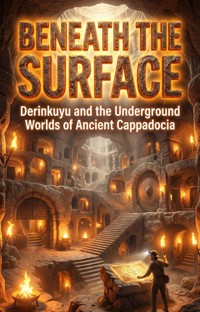
Hidden beneath the rolling landscapes of modern-day Turkey lies an architectural marvel that defies belief. Discovered completely by accident when a man knocked down a basement wall in 1963, Derinkuyu is a massive, multi-level underground city capable of sheltering up to 20,000 people, along with their livestock and food stores. Featuring sophisticated ventilation shafts, deep wells, churches, and heavy rolling stone doors, it is a testament to the desperate ingenuity of ancient peoples. But who built it, and what unimaginable terrors drove an entire civilization to abandon the sunlight? This captivating book takes readers deep into the subterranean labyrinths of Cappadocia. Drawing on the latest archaeological discoveries, the author paints a vivid picture of life hundreds of feet below the earth. You will explore the engineering genius required to carve out miles of volcanic rock without modern tools, and the complex social structures that kept the inhabitants sane during months of lockdown. The narrative traces the history of these cities from their disputed origins in the Hittite era through their use by early Christians fleeing Roman and later Islamic persecution. Rich with historical context and thrilling archaeological detective work, this volume sheds light on humanity's incredible instinct for survival. Delve into the dark corridors of Derinkuyu and discover the forgotten secrets of a subterranean society that successfully hid from the world for centuries.
Sie lesen das E-Book in den Legimi-Apps auf:
Seitenzahl: 156
Veröffentlichungsjahr: 2026
Das E-Book (TTS) können Sie hören im Abo „Legimi Premium” in Legimi-Apps auf:
Ähnliche




















Table of Contents
Chapter 1: Introduction to Derinkuyu
The Fascinating Discovery of Derinkuyu
Architectural Marvels of Derinkuyu
Life in Derinkuyu
The Historical Context of Derinkuyu
Chapter 2: The Geography of Cappadocia
The Unique Volcanic Landscape
The Geological Composition of the Region
The Climate of Cappadocia
Other Notable Geological Formations
Chapter 3: History of the Hittites and the Earliest Settlers
The Rise of the Hittite Civilization
Hittite Architecture and Engineering
Life in Hittite Cities
The Decline of the Hittite Empire
The Legacy of the Hittites
Chapter 4: Engineering Marvels of Derinkuyu
The Vision Behind Derinkuyu
Innovative Excavation Techniques
Ventilation Systems: Breathing Life into the Depths
Water Supply and Management
Structural Integrity and Safety Measures
Social Structures within Derinkuyu
Chapter 5: Daily Life Beneath the Surface
The Living Quarters
Food Storage and Preparation
Social Structures
Coping with Isolation
Chapter 6: The Role of Religion and Spirituality
Religious Practices in Derinkuyu
Architecture of the Churches
The Influence of Persecution
The Role of Spirituality During Crisis
Chapter 7: The Archaeological Discoveries
The Initial Discovery
Excavation Techniques
Key Archaeological Finds
The Social Structures
Ongoing Research Efforts
Chapter 8: The Use of Derinkuyu Through Different Eras
The Hittite Origins of Derinkuyu
The Role of Derinkuyu in the Byzantine Era
Derinkuyu's Functionality During Islamic Conquests
The Medieval Period and Continuity of Use
Derinkuyu in the Context of Ottoman Rule
Modern Rediscovery and Archaeological Significance
Chapter 9: Myths and Mysteries of the Underground Cities
The Origins of Derinkuyu Myths
The Archaeological Insights
The Legends of Lost Civilizations
The Role of Myth in Cultural Identity
Chapter 10: Survival Strategies in Ancient Times
The Need for Shelter
Community and Cooperation
Engineering Marvels
Cultural Practices for Resilience
Lessons for Survival Today
Chapter 11: Modern Discoveries and Preservation Efforts
Technological Advances in Archaeology
The Role of Sustainable Tourism
Ongoing Preservation Efforts
The Future of Derinkuyu
Chapter 12: The Legacy of Derinkuyu
Understanding the Historical Context
Architectural Marvels of Derinkuyu
Social Structures and Daily Life
The Modern Relevance of Derinkuyu
Closing Reflections: Embracing the Legacy of Derinkuyu
Chapter 1: Introduction to Derinkuyu
Welcome to the extraordinary world of Derinkuyu, an underground city that holds secrets deep beneath the soil of Cappadocia, Turkey. This chapter introduces you to the basics of Derinkuyu, its remarkable features, and the significance of its discovery in 1963. Surrounded by myths and historical mysteries, we will outline what to expect as we explore the depths of this ancient marvel throughout the eBook.
The Fascinating Discovery of Derinkuyu
In 1963, a seemingly ordinary renovation project resulted in one of the most profound archaeological discoveries of the 20th century. A man in Cappadocia knocked down a basement wall, unveiling a vast underground city.
The Unexpected Reveal
In 1963, a routine home renovation in Cappadocia turned into an extraordinary moment in archaeology. While attempting to renovate a basement, a local man inadvertently knocked down a wall, revealing a dark, hidden passageway that descended into the earth. This unexpected reveal led to the discovery of Derinkuyu, a monumental underground city that had remained concealed for centuries. The passage not only opened up a doorway to history but also sparked immense curiosity about the architectural and cultural significance of what lay below.
The moment encapsulated the thrill of exploration and reminded the world of the mysteries hidden beneath our feet. As news spread about the discovery, it became a source of intrigue not just for locals but for historians and archaeologists globally, rekindling interest in the region's rich past and drawing attention to the expansive underground networks that had once been thriving centers of human life.
Initial Reactions
Once the entrance to Derinkuyu was revealed, it sparked immediate excitement among local authorities and archaeologists. Initial explorations unveiled a surprisingly vast underground complex, comprising rooms, corridors, and ancient facilities. The scale and sophistication of the structure astonished those involved in the excavation. It challenged long-standing perceptions of ancient engineering and urban living.
Archaeologists quickly recognized the importance of the find, realizing that they were not merely looking at a few chambers but rather an extensive city capable of sheltering thousands. Initial reactions mirrored a mix of disbelief and fascination, as the scale of Derinkuyu indicated vital historical implications for understanding ancient civilizations and their adaptive strategies in times of crisis.
Exploration Efforts
The discovery of Derinkuyu prompted immediate and systematic excavation efforts by a team of dedicated archaeologists. As they began to peel back the layers of history, they unearthed a complex network of tunnels, living quarters, and communal spaces believed to have been used for various purposes, including storage, worship, and refuge.
Over the years, ongoing explorations have revealed intricate details of daily life in Derinkuyu, from specialized ventilation shafts to sophisticated water systems. Each layer revealed further secrets about the engineering ingenuity of the ancient builders. This relentless pursuit of knowledge has transformed Derinkuyu into a rich archaeological site, continuously offering fresh insights into the lives of its inhabitants and the challenges they faced underground.
Impact on Archaeology
The unearthing of Derinkuyu had far-reaching implications for the field of archaeology, particularly regarding our understanding of ancient urban planning and engineering. The complexity of its multi-level structure demonstrated that large-scale underground habitation was not only feasible but also ingenious in its design.
Furthermore, discoveries like Derinkuyu challenge previous assumptions about the capabilities of ancient civilizations and their resource management strategies. The city showcases a blend of practicality and artistry, highlighting advanced techniques for construction and ventilation. As researchers continue to study Derinkuyu, it reshapes narratives around human adaptability, survival, and the innovative spirit of ancient societies.
Architectural Marvels of Derinkuyu
Derinkuyu is not just an underground city; it is a remarkable example of ancient architectural prowess that reflects an incredible understanding of engineering.
Multi-Level Construction
The city of Derinkuyu is an extraordinary feat of multi-level construction, etched into soft volcanic rock. This subterranean city spans an astounding eight levels, reaching depths of approximately 60 meters (197 feet). Such an intricate design not only showcases sophisticated urban planning but also reflects the ingenuity of its builders in creating spaces efficient enough to house an estimated 20,000 people.
Each level served distinct purposes, featuring residential areas, storage facilities, and places of worship. The layout allowed for organized living, with communal spaces contributing to a sense of community despite the isolating depths. The city’s verticality also enhanced its defensive capabilities, providing additional layers of safety from would-be attackers. Overall, the architectural brilliance of Derinkuyu illustrates an advanced understanding of spatial organization, which undoubtedly facilitated the survival and continuity of its inhabitants during tumultuous times.
Ventilation Systems
One of the most remarkable aspects of Derinkuyu is its advanced ventilation system. Ingeniously designed ventilation shafts, some reaching heights of up to 85 meters (279 feet), ensured a continuous supply of fresh air throughout the underground city. This intricate network of shafts not only provided adequate airflow but also helped regulate temperature and humidity levels.
Ventilation was essential for the city's large population, especially considering the need for breathable air in enclosed spaces. The builders employed engineering techniques that maximized airflow to various levels of the city, demonstrating their advanced understanding of aerodynamics and environmental management. This feature significantly contributed to the overall livability of Derinkuyu, allowing it to function as a thriving community despite its subterranean nature.
Water Supply Solutions
A crucial element of the sustainability of life in Derinkuyu was its ingenious approach to water supply. The city incorporated deep wells that could tap into underground water sources, ensuring access to fresh water for its residents. These wells were strategically placed to be accessible from various levels, facilitating distribution throughout the complex.
Water storage systems were also evident, with reservoirs carved into the rock to hold supplies for extended periods. This reliable water source was not just vital for drinking; it also played a role in agricultural practices, feeding the livestock and crops that inhabitants relied upon. Thus, the effective water management in Derinkuyu further exemplified the advanced engineering capabilities of its creators, reflecting their understanding of essential resources necessary for survival.
Heavy Stone Doors
To safeguard the inhabitants of Derinkuyu, the builders crafted massive rolling stone doors that served as formidable barriers against potential threats. These heavy doors could be rolled into place to seal off entrances, effectively isolating sections of the city from the outside world.
Constructed from large blocks of stone, these doors were designed with precision, ensuring they could be maneuvered with relative ease even though they weighed several tons. Their ability to create an impenetrable barrier highlights the thoughtful security measures adopted by those who dwelled in the city. In times of turmoil, these stone doors provided a sense of safety and refuge, affirming the foresight of their creators as they crafted a sanctuary from the dangers lurking above ground.
Life in Derinkuyu
The daily lives of Derinkuyu's inhabitants reflected resilience and adaptability, living in structures that offered protection from the tumultuous world above.
Community and Social Structure
Derinkuyu was not merely a series of tunnels and rooms; it was a sophisticated community with a well-defined social structure essential for survival in extreme conditions. Each resident had specific roles, ensuring that daily necessities were met, which fostered cooperation and cohesion. Families banded together in living units, taking advantage of their skills to support communal needs.
Leadership roles likely emerged to organize resources, enforce rules, and make collective decisions. Elders might have guided the community, leveraging their experience to resolve disputes and maintain morale during prolonged underground stays. The shared experience of isolation underlined the need for collaboration, as family bonds were crucial in nurturing psychological well-being amidst fear and uncertainty.
Ultimately, the sustainability of life in Derinkuyu hinged on a cohesive social framework that emphasized mutual support and roles essential for collective survival. Such organized structures illustrate the remarkable adaptability of ancient civilizations in the face of existential threats.
Living Quarters
The living quarters in Derinkuyu reveal the ingenuity of its inhabitants, who carved homes directly into volcanic rock. These spaces were meticulously designed to meet the needs of families, featuring sleeping areas, storage for goods, and communal spaces for gatherings. The arrangement of these units reflects an understanding of both comfort and utility.
Each family's space was separate yet part of a larger network of interconnected rooms and corridors, which facilitated movement and interaction among neighbors. Security was paramount, given the uncertain external environment; thus, homes were often equipped with heavy stone doors to seal off entrances during times of danger.
This architectural style not only offered physical shelter but also fostered a sense of community among inhabitants. It highlighted a balance between individual privacy and collective living, ensuring that families could thrive even in the most inhospitable conditions. The careful planning of these quarters illustrates the sophisticated engineering skills of the ancient peoples of Cappadocia.
Cultural and Spiritual Life
Cultural and spiritual practices played an indispensable role in the lives of Derinkuyu's inhabitants. Deep underground, places of worship and communal gathering took on significant meaning, serving as vital centers for prayer and connection during challenging times. Small churches, often adorned with intricate carvings, provided a spiritual refuge, reinforcing faith amid adversity.
The importance of belief systems cannot be overstated; they helped to maintain a sense of identity and purpose for the residents sequestered far from the light of day. Gatherings allowed for communal bonding, where stories were shared, traditions upheld, and solidarity strengthened, providing comfort and hope.
This rich tapestry of cultural life signifies that even in the depths of despair, the human spirit sought connection and reverence. Within the cold walls of the underground, these practices united the people and offered them resilience against the trials of life below the surface.
Food Preservation
Strategic food storage and preservation were crucial for the survival of Derinkuyu's residents. Given the extended periods spent underground, the community developed sophisticated techniques for managing food supplies. They utilized the natural cave system to create storage rooms that maintained a stable, cool temperature, ideal for preserving perishables.
Grains, dried fruits, and other non-perishable items were essential staples, with vast chambers dedicated to their storage, allowing the community to sustain itself during times of isolation. The careful planning of these provisions demonstrated an understanding of nutritional needs and resource management, vital for survival in the depths of the earth.
Additionally, it is believed that some inhabitants cultivated vegetables within the underground city, maximizing their limited agricultural opportunities. These practices highlight not only the practical concerns of sustenance but also the ingenuity of ancient peoples who thrived in a remarkable environment that required adaptability and foresight.
The Historical Context of Derinkuyu
To fully appreciate Derinkuyu, it’s essential to understand the historical events and cultures that influenced its construction and use.
Cultural Origins
The origins of Derinkuyu are steeped in speculation and intrigue. Some theories suggest that this intricate underground city traces back to the Hittite civilization, which flourished in the region during the late Bronze Age. The Hittites were known for their advanced engineering and architecture, which may have laid the groundwork for such remarkable subterranean constructions. Archaeological evidence indicates that these early inhabitants developed sophisticated techniques for living beneath the earth, establishing a basis for future generations.
As we delve deeper into the history of Derinkuyu, it becomes apparent that subterranean dwelling was not merely a unique architectural choice but a necessity shaped by the harsh realities of their environment. The Hittites likely faced threats from surrounding tribes and regional conflicts, prompting them to create fortified spaces where they could seek shelter from invaders. This adaptive strategy to forge a hidden existence highlights the ingenuity and perseverance of ancient peoples, paving the way for Derinkuyu's later occupancy.
Persecution and Refuge
Throughout its storied existence, Derinkuyu has served as a vital refuge for various persecuted groups, particularly early Christians. Between the 4th and 7th centuries, Christians fleeing Roman oppression saw the underground city as a safe haven where they could practice their faith away from the prying eyes of their oppressors. The expansive tunnels and chambers allowed them to maintain their community while staying hidden from those who sought to do them harm.
Later, as Islamic conquests spread through the region, Derinkuyu continued to offer shelter to those facing persecution. Its convoluted layout and heavy stone doors provided an effective defense against threats, enabling countless individuals and families to survive during tumultuous times. This aspect of Derinkuyu's history not only underscores its architectural brilliance but also its crucial role in the story of faith, survival, and resilience of early communities.
Strategic Survival
Derinkuyu’s design and architecture were fundamentally influenced by the need for strategic defense. Throughout history, the region of Cappadocia has faced numerous invasions and conflicts, making it imperative for communities to establish means of protection. Derinkuyu was ingeniously crafted as a sanctuary that could accommodate thousands of residents, alongside their livestock and resources, during times of crisis.
The city featured a network of tunnels and chambers that could be sealed off, providing security in the face of potential dangers. Heavy, circular stone doors were developed to block entrances, ensuring that the inhabitants remained safe from invading forces. This capability transformed Derinkuyu into a formidable stronghold, emphasizing not just the importance of shelter, but the necessity of preparedness in a world often marked by chaos and conflict.
Influence of Geography
Cappadocia's unique geological makeup has been a significant factor in the development of its underground cities, including Derinkuyu. The region is characterized by a composition of volcanic rock, primarily soft tuff, which is relatively easy to carve yet resilient enough to support extensive subterranean structures. This geological feature made it feasible for ancient civilizations to construct complex networks of tunnels and chambers without modern machinery.
The volcanic terrain provided an ideal setting for creating these hidden dwellings, offering natural insulation from extreme temperatures and natural disasters. As communities expanded, the geology of Cappadocia permitted vertical growth, allowing for multi-level structures that could efficiently house large populations. The remarkable interplay of geography and human ingenuity in Derinkuyu showcases the brilliance of ancient engineering, emphasizing how natural resources were effectively utilized for survival and habitation.
Chapter 2: The Geography of Cappadocia
Understanding the geography of Cappadocia is vital to appreciating the context in which Derinkuyu was built. This chapter explores the unique volcanic landscape, the formation of the soft tuff rock, and how these natural elements influenced the construction of underground cities. We will also touch on some of the other notable geological formations in the region that contribute to its allure.
The Unique Volcanic Landscape
Cappadocia's landscape is characterized by its unique volcanic origins, which have shaped the region's geology and provided the materials for its famous underground cities. Understanding these geological features is crucial to comprehending why and how places like Derinkuyu were constructed.
The Role of Volcanic Activity
The stunning landscape of Cappadocia is the result of intense volcanic activity that occurred over millennia. ©Multiple eruptions of Mount Erciyes and other nearby volcanic mountains released vast quantities of ash and lava. As these materials settled, they formed a soft, porous rock known as tuff. This unique geological phenomenon provided ancient inhabitants with a malleable building material that could be easily carved and shaped.
The volcanic activity not only created the foundational rock for the underground cities but also influenced the region's overall topography. The layers of ash, which compacted over time, have given rise to a resilient geological structure that is both durable and conducive to the excavation of extensive subterranean complexes. Understanding this volcanic backdrop is key to appreciating why and how sites like Derinkuyu could be established so deep beneath the surface.
Formation of Fairy Chimneys
Cappadocia's fairy chimneys are among its most captivating natural formations, formed through a combination of volcanic ash and erosion. These geological towers emerge as softer layers of tuff erode away more quickly than the harder volcanic rock above them. The unique shape of these formations—narrow at the bottom and wide at the top—creates striking visuals that have become synonymous with the region.
These fairy chimneys not only signify natural beauty but also serve as testaments to the powerful forces of erosion that have shaped Cappadocia's landscape. Ancient peoples likely utilized these formations as landmarks and resources, further intertwining the natural environment with their survival strategies. Thus, the fairy chimneys represent both the allure and the harshness of the Cappadocian landscape.
Weathering and Erosion
The stunning geographical contours of Cappadocia have been significantly influenced by natural weathering and erosion processes. Wind, rain, and temperature fluctuations have acted over centuries to carve out valleys, gorges, and unique rock formations. These forces have shaped the tuff rock layers, creating a surreal landscape that appears almost otherworldly.




