


0,99 €
Mehr erfahren.
- Herausgeber: Mead Huleast; 1st edition
- Kategorie: Ratgeber
- Sprache: Englisch
In 'Breaking the Chains: Navigating the Maze of OCD,' author Lucas Mitchell offers a profound exploration into the complexities of living with Obsessive-Compulsive Disorder. This book serves as a beacon of hope and a guide for those seeking to understand and overcome the challenges of OCD. Through personal anecdotes, scientific research, and practical advice, Mitchell illuminates the path toward reclaiming control from OCD's grasp. Readers will find strategies for managing symptoms, reducing anxiety, and breaking free from the cycles that constrain them. 'Breaking the Chains' is an essential companion for anyone looking to step beyond the bounds of OCD and embrace a life of greater freedom and fulfillment.
Das E-Book können Sie in Legimi-Apps oder einer beliebigen App lesen, die das folgende Format unterstützen:
Veröffentlichungsjahr: 2024
Ähnliche




















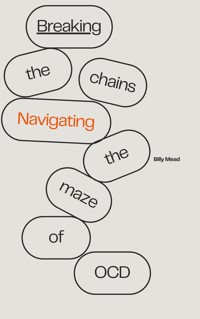
BREAKING THE CHAINS
NAVIGATING THE MAZE OF OCD
BILLY MEAD
Copyright © 2024 by Billy Mead
All rights reserved.
No part of this book may be reproduced in any form or by any electronic or mechanical means, including information storage and retrieval systems, without written permission from the author, except for the use of brief quotations in a book review.
CONTENTS
1. Understanding Ocd
2. The Ocd Experience
3. Treatment Pathways
4. Tools For Coping
5. Supporting Loved Ones
6. Moving Forward
UNDERSTANDING OCD
The mental health illness known as obsessive-compulsive disorder (OCD) is typified by a pattern of unwanted thoughts and concerns, known as obsessions, that lead you to perform repetitive behaviors, called compulsions. Imagine someone constantly worried about germs and contamination. To ease this worry, they might wash their hands repeatedly, even when they know it's excessive. This cycle of obsession and compulsion can become so intense that it starts to consume significant time and disrupts daily life.
People often misunderstand OCD as simply being about cleanliness or orderliness. However, it's much more complex. Symptoms vary widely and can include fears of harming oneself or others, needing things to be symmetrical or in perfect order, or troubling unwanted thoughts, including those of a sexual or religious nature. These obsessions often provoke distress and anxiety. To alleviate this discomfort, a person with OCD feels driven to perform certain rituals or routines, which are compulsions. For example, a person might repeatedly check that the doors are locked, or the stove is off, or they might count things or say phrases in their head to reduce anxiety.
It's crucial to realize that these behaviors aren't pleasurable or voluntarily controlled. They are performed as a way to prevent or reduce anxiety or a feared situation. Sadly, the relief provided by the compulsions is only temporary, and the cycle of OCD continues. The compulsions often end up controlling the person rather than vice versa.
Many people with OCD realize that their obsessions aren't realistic and that their compulsive behaviors are unreasonable. However, the distress caused by these obsessions can be so overpowering that they feel the need to perform the compulsive acts, even if they know it doesn't make sense. This struggle can be exhausting and make everyday activities and responsibilities challenging.
Understanding OCD is the first step in addressing it, and recognizing that these behavior patterns go beyond everyday worries or habits can be an eye-opener for many. It's a condition that affects people from all walks of life, and understanding its symptoms is crucial in seeking appropriate help and support. By acknowledging the complexity and the actual impact OCD has on a person's life, we can begin to understand the importance of proper treatment and support for those who struggle with this challenging disorder.




