


23,99 €
Mehr erfahren.
- Herausgeber: George Victor
- Kategorie: Lebensstil
- Sprache: Englisch
Embark on an empowering journey down California's highways with the 'California Driver’s Handbook: 3 Manuscripts in 1 – Navigating California’s Highways: A Comprehensive Guide.' This enlightening compilation brings you a trio of manuscripts that serve as your ultimate resource for mastering the intricacies of California's vast network of roads.
Navigate with confidence through the labyrinth of highways, freeways, and byways that crisscross the state. From understanding highway signs and exit ramps to decoding the complexity of interchanges, this comprehensive guide provides essential insights to help you navigate California's roads with ease.
Discover the art of defensive driving on these bustling thoroughfares, learning how to anticipate challenges and respond effectively to ensure your safety and the safety of others. Whether you're commuting, road-tripping, or simply exploring, these manuscripts equip you with indispensable skills for confidently traversing California's highways.
Delve into the specifics of highway etiquette and road-sharing practices, promoting a cooperative and efficient driving environment. Explore insights into merging, lane-changing, and maintaining proper speeds, all of which contribute to the seamless flow of traffic.
Whether you're a newly licensed driver or a seasoned motorist looking to enhance your highway driving skills, the 'California Driver’s Handbook: 3 Manuscripts in 1 – Navigating California’s Highways: A Comprehensive Guide' is your definitive companion to confidently and competently mastering the expansive roadways that define the Golden State
Das E-Book können Sie in Legimi-Apps oder einer beliebigen App lesen, die das folgende Format unterstützen:
Veröffentlichungsjahr: 2023
Ähnliche


















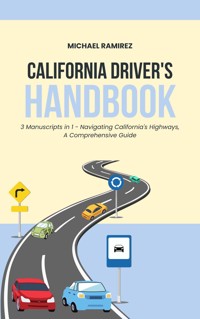
California Driver’s Handbook
––––––––
3 Manuscripts 1 – Navigating California’s Highways: A comprehensive Guide
TABLE OF CONTENTS
CHAPTER ONE
CHAPTER TWO
CHAPTER THREE
CHAPTER FOUR
CHAPTER FIVE
CHAPTER SIX
CHAPTER SEVEN
CHAPTER EIGHT
CHAPTER NINE
CHAPTER TEN
CHAPTER ELEVEN
CHAPTER TWELVE
CHAPTER THIRTEEN
CHAPTER FOURTEEN
CHAPTER FIFTEEN
CHAPTER SIXTEEN.
CHAPTER SEVENTEEN.
CHAPTER EIGHTEEN.
CHAPTER NINETEEN
CHAPTER TWENTY
––––––––
Copyright 2023- All rights reserved.
This document is geared towards providing exact and reliable information in regards to the topic and issue covered. The publication is sold with the idea that the publisher is not required to render accounting, officially permitted, or otherwise, qualified services. If advice is necessary, legal or professional, a practiced individual in the profession should be ordered.
- From a Declaration of Principles which was accepted and approved equally by a Committee of the American Bar Association and a Committee of Publishers and Associations.
In no way is it legal to reproduce, duplicate, or transmit any part of this document in either electronic means or in printed format. Recording of this publication is strictly prohibited and any storage of this document is not allowed unless with written permission from the publisher. All rights reserved.
The information provided herein is stated to be truthful and consistent, in that any liability, in terms of inattention or otherwise, by any usage or abuse of any policies, processes, or directions contained within is the solitary and utter responsibility of the recipient reader. Under no circumstances will any legal responsibility or blame be held against the publisher for any reparation, damages, or monetary loss due to the information herein, either directly or indirectly.
Respective authors own all copyrights not held by the publisher.
The information herein is offered for informational purposes solely, and is universal as so. The presentation of the information is without contract or any type of guarantee assurance.
The trademarks that are used are without any consent, and the publication of the trademark is without permission or backing by the trademark owner. All trademarks and brands within this book are for clarifying purposes only and are the owned by the owners themselves, not affiliated with this document.
CHAPTER ONE
Introduction
Why must you have a driver's license?
A driver's license is an official document issued by the government that permits an individual to operate a motor vehicle on public roads. It serves as proof that an individual has the necessary knowledge, skills, and legal permission to drive on public roads. Obtaining a driver's license is an important milestone for many people, as it provides freedom, independence, and mobility. However, having a driver's license is not just a privilege, it is also a responsibility.
In this article, we will explore the reasons why having a driver's license is essential, the requirements for obtaining a driver's license, the benefits of having a driver's license, and the consequences of driving without a license.
Why must you have a driver's license?
Legal Requirement:
One of the primary reasons for obtaining a driver's license is that it is a legal requirement. Every state in the United States has laws that require individuals to have a valid driver's license to operate a motor vehicle on public roads. Driving without a valid driver's license is illegal and can result in fines, imprisonment, and other legal consequences.
Demonstrating Competency:
Obtaining a driver's license requires passing a series of tests that demonstrate an individual's knowledge of traffic laws, safe driving practices, and practical driving skills. These tests are designed to ensure that drivers have the necessary skills and knowledge to operate a motor vehicle safely on public roads. By obtaining a driver's license, an individual demonstrates their competency to drive and their commitment to safe driving practices.
Access to Employment:
Having a driver's license is often a requirement for many jobs that involve driving, such as delivery drivers, truck drivers, and transportation workers. Without a driver's license, individuals may be limited in their job opportunities and may be unable to access certain jobs that require driving.
Access to Education:
Many students rely on driving to get to and from school, especially in rural or suburban areas where public transportation is limited. Without a driver's license, students may be unable to attend school or may face long commutes that interfere with their academic success.
Convenience and Independence:
Having a driver's license provides individuals with the convenience and independence of being able to travel wherever they need to go, without relying on others for transportation. It allows individuals to travel to work, school, appointments, and other destinations on their own schedule and at their own pace.
Requirements for Obtaining a Driver's License:
The process of obtaining a driver's license varies by state, but generally involves the following steps:
Learner's Permit:
Most states require individuals to obtain a learner's permit before they can apply for a driver's license. A learner's permit allows individuals to practice driving with a licensed driver in the car, while learning the rules of the road and gaining driving experience.
Driver's Education:
Many states require individuals to complete a driver's education course before obtaining a driver's license. This course covers topics such as traffic laws, safe driving practices, and practical driving skills.
Written Test:
Before obtaining a driver's license, individuals must pass a written test that assesses their knowledge of traffic laws and safe driving practices.
Driving Test:
After passing the written test, individuals must pass a practical driving test that assesses their ability to operate a motor vehicle safely on public roads.
Vision Test:
Individuals must also pass a vision test to ensure that they have adequate vision to operate a motor vehicle safely.
Age Requirements:
The age requirements for obtaining a driver's license vary by state, but generally require individuals to be at least 16 years old.
Benefits of Having a Driver's License:
Convenience and Independence:
Having a driver's license provides individuals with the convenience and independence of being able to travel wherever they need to go, without relying on others for transportation. This can be particularly beneficial for individuals who live in areas with limited public transportation or who have difficulty accessing public transportation due to mobility issues or disabilities. With a driver's license, individuals have the freedom to travel when and where they want, without having to rely on the schedules or routes of public transportation.
Improved Job Opportunities:
Having a driver's license can also improve job opportunities, as many jobs require employees to have a valid driver's license. This can include jobs in delivery, transportation, and other fields that require employees to drive company vehicles or transport goods or people. By having a driver's license, individuals can open up a wider range of job opportunities and potentially increase their earning potential.
Reduced Transportation Costs:
Having a driver's license can also help reduce transportation costs, particularly for individuals who live in areas with limited public transportation. Without a driver's license, individuals may need to rely on taxis, ride-sharing services, or other forms of transportation, which can be expensive over time. By having a driver's license, individuals can save money on transportation costs and potentially use those savings for other expenses.
Improved Access to Services:
Having a driver's license can also improve access to essential services, such as medical appointments, grocery stores, and other necessary destinations. Without a driver's license, individuals may have difficulty accessing these services, particularly if they live in rural or remote areas where public transportation is limited. With a driver's license, individuals have the ability to travel to these destinations on their own, without having to rely on others for transportation.
Increased Safety:
Having a driver's license can also increase safety on the road, as it requires individuals to demonstrate their knowledge of traffic laws and safe driving practices. By obtaining a driver's license, individuals demonstrate their commitment to safe driving practices and their ability to operate a motor vehicle safely on public roads.
Consequences of Driving Without a License:
Driving without a valid driver's license can result in serious legal consequences, including fines, imprisonment, and other legal penalties. In addition, driving without a license can also increase the risk of accidents and injuries, as individuals may not have the necessary knowledge or skills to operate a motor vehicle safely on public roads. Furthermore, individuals who are caught driving without a license may also face increased insurance premiums or difficulty obtaining car insurance in the future.
Obtaining a driver's license is an important milestone that provides individuals with the convenience, independence, and mobility of being able to travel wherever they need to go. It also demonstrates an individual's competency to drive and their commitment to safe driving practices. However, having a driver's license is not just a privilege, it is also a responsibility. By following the rules of the road and demonstrating safe driving practices, individuals can help ensure the safety of themselves and others on the road.
California residents
California is the most populous state in the United States, with over 39 million residents as of 2021. It is located on the West Coast of the country, and is known for its diverse population, iconic landmarks, and thriving economy. In this article, we will explore the history, culture, economy, and lifestyle of California residents.
History of California:
California has a rich and diverse history, with a mix of Native American, Spanish, and American influences. The state was first inhabited by various Native American tribes, such as the Chumash, Maidu, and Yokuts, who lived in the region for thousands of years before the arrival of Spanish explorers in the 16th century.
In 1769, Spanish explorer Gaspar de Portola arrived in California and established the first Spanish settlement in the region. Over the next century, Spanish missionaries built a series of missions along the coast, which played a significant role in the colonization and Christianization of California.
In 1846, the United States declared war on Mexico, and California became part of the United States in 1850. The Gold Rush of 1849 brought a flood of settlers to the region, and California quickly became one of the most populous states in the country.
Culture of California:
California is known for its diverse and multicultural population, with significant communities of Latinos, Asians, and African Americans. The state is also home to a thriving LGBTQ community, and is known for its progressive politics and social activism.
California is home to a vibrant arts and entertainment scene, with Hollywood being the center of the American film industry. The state also has a rich music culture, with significant contributions to genres such as rock, hip hop, and electronic dance music.
The cuisine of California is also diverse and varied, with a focus on fresh, locally-sourced ingredients. Some of the most popular dishes in the state include fish tacos, avocado toast, and In-N-Out Burger.
Economy of California:
California has one of the largest and most diverse economies in the world, with a GDP of over $3 trillion as of 2021. The state is home to many of the world's largest technology companies, such as Apple, Google, and Facebook, as well as significant industries in entertainment, finance, and agriculture.
The agricultural industry in California is particularly significant, with the state producing a wide variety of crops, including almonds, avocados, and grapes. The state is also a major exporter of goods, with significant trade relationships with countries such as China and Mexico.
Lifestyle of California Residents:
The lifestyle of California residents is often associated with a laid-back, outdoor-focused culture. The state has a mild climate, which allows for year-round outdoor activities such as hiking, surfing, and skiing.
California is also known for its health and wellness culture, with many residents prioritizing healthy eating, exercise, and mindfulness practices such as yoga and meditation.
The cost of living in California is higher than the national average, with significant disparities between different regions of the state. Coastal cities such as San Francisco and Los Angeles are known for their high housing costs, while inland regions such as the Central Valley have a lower cost of living.
California is a diverse and vibrant state with a rich history, thriving economy, and unique lifestyle. The state's multicultural population, innovative industries, and outdoor-focused culture make it a popular destination for both residents and tourists alike. Despite its many challenges, such as high housing costs and income inequality, California remains a beacon of progress and possibility for many.
––––––––
California Resident Military
California is home to one of the largest and most diverse military communities in the United States. With multiple military bases and installations, as well as a significant population of active-duty, reserve, and veteran service members, California residents have a unique relationship with the military and the sacrifices that come with serving the country. In this article, we will explore the history, culture, and impact of the military on California residents.
History of the Military in California:
California has a rich military history dating back to the Spanish colonization of the region in the 16th century. Over the centuries, the state has played a significant role in the country's military operations, including during the Civil War, World War I and II, and the conflicts in Korea, Vietnam, Iraq, and Afghanistan.
The first military base established in California was the Presidio of San Francisco, which was founded in 1776 by Spanish soldiers. Today, the state is home to a variety of military installations, including Naval Base San Diego, Marine Corps Base Camp Pendleton, and Edwards Air Force Base.
Culture of the Military in California:
The military plays a significant role in the culture of California, with many residents having a personal connection to the military through family members, friends, or personal service. The state is home to over 165,000 active-duty service members, as well as over 350,000 veterans.
Military service is often seen as a source of pride and honor in California, with many residents expressing support and gratitude for those who have served the country. The state has a significant veteran population, and there are many organizations and resources available to support veterans and their families.
––––––––
Impact of the Military on California Residents:
The military has a significant economic impact on California, with the Department of Defense being the state's largest employer. The military and defense industries contribute billions of dollars to the state's economy each year, supporting thousands of jobs and businesses.
The military also plays a significant role in the social fabric of California, with service members and their families often being involved in local communities and events. Military installations often provide a range of services and resources to the surrounding communities, including education, healthcare, and recreation.
However, the military also has a significant impact on the lives of service members and their families, with frequent deployments, relocations, and the risks associated with military service. California residents who serve in the military and their families often face unique challenges and sacrifices, including long periods of separation, financial instability, and the stress of combat deployments.
Supporting California Resident Military:
California residents have a variety of ways to support the military and its members, including through volunteerism, advocacy, and donations. There are many organizations and programs available to support military families, such as the USO, Operation Homefront, and the Wounded Warrior Project.
Employers in California can also show their support for the military by providing job opportunities and support for service members and their families. Many companies offer veteran hiring initiatives, flexible work arrangements, and other resources to support employees who are serving or have served in the military.
California is home to a diverse and vibrant military community, with a rich history, culture, and impact on the state and its residents. The military plays a significant role in the economy and social fabric of California, as well as in the lives of service members and their families. By supporting the military and its members, California residents can show their appreciation for the sacrifices and service of those who have dedicated their lives to protecting the country.
Personnel (U.S.ArmedForces)
The United States Armed Forces is comprised of a diverse group of individuals who have made the decision to dedicate their lives to serving their country. This article will provide a comprehensive overview of the personnel who make up the U.S. Armed Forces, including their roles, responsibilities, and unique challenges.
Overview of the U.S. Armed Forces Personnel:
The U.S. Armed Forces personnel is made up of service members from five different branches: the Army, Navy, Air Force, Marine Corps, and Coast Guard. Each branch has its own unique missions and responsibilities, but all service members share a commitment to defending the country and its interests.
Active-Duty Service Members:
Active-duty service members are those who are currently serving full-time in the military. They may be stationed in the United States or overseas and are responsible for carrying out the missions and operations of their respective branches.
Reserve Service Members:
Reserve service members are individuals who have made a commitment to serve part-time in the military, while still maintaining civilian careers and lives. They are often called upon to support active-duty operations and may be deployed for short periods of time.
National Guard Members:
The National Guard is a reserve component of the U.S. Armed Forces, which is primarily under state jurisdiction but can be activated by the President or Congress in times of national emergencies. National Guard members often serve part-time, but can also be called upon for full-time active-duty service.
Officers:
Officers are individuals who have completed a commissioning program and hold leadership positions in the military. They are responsible for directing and leading the operations and personnel under their command, and may also be involved in strategic planning and decision-making.
Enlisted Personnel:
Enlisted personnel are service members who have completed basic training and are assigned to specific units or jobs within their respective branches. They may hold a variety of different ranks and are responsible for carrying out the day-to-day tasks and duties of their roles.
Roles and Responsibilities of U.S. Armed Forces Personnel:
The roles and responsibilities of U.S. Armed Forces personnel vary greatly depending on their branch, rank, and job specialty. However, there are some common themes and areas of responsibility that all service members share.
Defending the country and its interests:
All U.S. Armed Forces personnel share a commitment to defending the country and its interests. This can involve a variety of different missions, from combat operations to humanitarian assistance and disaster relief.
Maintaining readiness and preparedness:
Service members must maintain a state of readiness and preparedness at all times, both physically and mentally. This involves regular training and exercise, as well as staying up-to-date on the latest technologies and tactics.
Following orders and carrying out assigned tasks:
Service members are responsible for carrying out their assigned tasks and following orders from their superiors. This often involves working as part of a team and being able to adapt to changing situations and environments.
Challenges Faced by U.S. Armed Forces Personnel:
U.S. Armed Forces personnel face a variety of unique challenges, both on and off the job. Some of the most common challenges include:
Deployments:
Many service members are deployed for long periods of time, often to dangerous or hostile environments. This can be difficult for both the service member and their families, who must navigate long periods of separation and uncertainty.
Physical and mental strain:
Service members are often required to perform physically demanding tasks and may be exposed to dangerous environments or situations. This can take a toll on both their physical and mental health, leading to injuries, illnesses, or mental health issues like post-traumatic stress disorder (PTSD).
Personal and family sacrifices:
Service members and their families must often make personal and financial sacrifices in order to support their military service. This can include moving frequently, living in unfamiliar or isolated environments, or dealing with the stress of deployments.
Supporting U.S. Armed Forces Personnel:
Supporting U.S. Armed Forces personnel is an important responsibility for all Americans. There are a variety of ways in which individuals and communities can show their support for service members and their families:
Thanking service members for their service:
A simple thank you can go a long way in showing service members and their families that their sacrifices are appreciated. This can be done in person, through written letters or emails, or through community events and recognition programs.
Providing support for military families:
Military families often face unique challenges, including frequent moves, deployments, and financial strain. Communities can provide support to military families by offering childcare, financial assistance, or other resources and services.
Hiring veterans:
Veterans have a wide range of skills and experience that make them valuable assets in the civilian workforce. Employers can show their support for veterans by actively seeking to hire them and offering supportive work environments and resources.
Advocating for veteran support and benefits:
Advocacy is an important way to show support for service members and veterans. This can involve advocating for increased funding for veteran support programs, or pushing for policies that make it easier for veterans to access healthcare, education, and other benefits.
The men and women who serve in the U.S. Armed Forces are some of the most dedicated and committed individuals in the world. They have made a choice to put their lives on the line in order to defend their country and its interests. While they face many challenges, both on and off the job, they continue to serve with honor and integrity. It is our responsibility as a nation to support and honor these brave individuals and their families, and to ensure that they receive the resources and support they need to succeed in their military service and beyond.
Nonresident Military Personnel
Nonresident military personnel are members of the U.S. Armed Forces who are stationed or deployed outside of their home state. They may be deployed to other states within the United States, or to locations around the world. These individuals face unique challenges, both in terms of their military service and in their personal lives. In this article, we will explore some of these challenges, as well as ways in which nonresident military personnel can receive support and resources.
Challenges Faced by Nonresident Military Personnel:
One of the primary challenges faced by nonresident military personnel is the need to adapt to new and unfamiliar environments. This can involve adapting to new climates, cultures, and social norms. It can also involve dealing with the stress and uncertainty of deployment, and the challenges of being away from family and loved ones for extended periods of time.
In addition, nonresident military personnel may face challenges related to finances and access to resources. For example, they may be required to pay taxes in multiple states, or may have difficulty accessing certain state-specific benefits or programs. They may also have difficulty finding affordable housing in high-cost areas, or may struggle to find employment that accommodates their unique work schedules and requirements.
Support and Resources for Nonresident Military Personnel:
There are a variety of resources and support available to nonresident military personnel and their families, both from the military itself and from outside organizations. Some of these resources include:
Military support programs:
The military offers a range of support programs for nonresident military personnel and their families. These may include financial assistance, counseling services, and support for family members during deployment. The military also offers resources and support for individuals transitioning out of military service and into civilian life.
Nonprofit organizations:
There are a number of nonprofit organizations that provide support and resources to nonresident military personnel and their families. These organizations may offer financial assistance, housing support, and other resources to help ease the transition to a new location or support the unique needs of military families.
State-specific benefits:
Some states offer specific benefits and programs for military personnel and their families. These may include tax breaks, affordable housing options, and educational assistance. Nonresident military personnel may need to research and apply for these benefits in order to take advantage of them.
Employment assistance:
Employment can be a major challenge for nonresident military personnel and their families. However, many employers are willing to accommodate military schedules and requirements, and may offer specific programs or incentives for hiring military personnel. Military transition programs can also help service members prepare for civilian employment, and connect them with job opportunities.
Nonresident military personnel face a range of challenges, both in terms of their military service and in their personal lives. However, there are a variety of resources and support available to help them navigate these challenges and succeed in their military careers. From military support programs to nonprofit organizations and state-specific benefits, there are many resources available to help nonresident military personnel and their families make the most of their military service and transition successfully into civilian life. By supporting and advocating for nonresident military personnel, we can help ensure that these brave men and women receive the support and resources they need to succeed.
Stationed in California
California is home to a large number of military installations and commands, making it a popular destination for service members and their families. From the sunny beaches of San Diego to the majestic mountains of the Sierra Nevada, California offers a wide range of environments and activities for military personnel stationed in the state. In this article, we will explore some of the benefits and challenges of being stationed in California, as well as resources and support available to service members and their families.
Benefits of Being Stationed in California:
California offers a wide range of benefits for service members and their families, including:
Beautiful Weather and Scenery: With its mild climate and diverse geography, California offers a range of beautiful landscapes and outdoor activities, from hiking in the mountains to surfing in the ocean.
Access to Education: California is home to a number of world-renowned universities and colleges, as well as a robust community college system, making it an excellent destination for service members and their families seeking higher education.
Military Installations and Commands: California is home to a number of important military installations and commands, including Naval Base San Diego, Naval Air Station Lemoore, Camp Pendleton, and Edwards Air Force Base. This means that service members stationed in California have access to a range of support services and resources.
Employment Opportunities: California has a thriving economy with a variety of industries, making it easier for service members and their spouses to find employment and start new careers.
Challenges of Being Stationed in California:
While there are many benefits to being stationed in California, there are also some challenges that service members and their families may face. Some of these challenges include:
High Cost of Living: California is known for its high cost of living, particularly in major cities like Los Angeles and San Francisco. This can make it difficult for service members and their families to find affordable housing, pay for necessities, and save for the future.
Traffic and Congestion: California is also known for its traffic and congestion, which can make it difficult to get around, especially during peak hours.
Natural Disasters: California is prone to a variety of natural disasters, including earthquakes, wildfires, and mudslides. These can be dangerous and disruptive to service members and their families.
Distance from Family and Friends: Service members stationed in California may be far from their families and support networks, which can be isolating and stressful.
Resources and Support for Service Members and their Families:
Fortunately, there are a variety of resources and support available to service members and their families stationed in California. Some of these resources include:
Military Installations: As mentioned earlier, California is home to a number of important military installations and commands, which offer a range of support services and resources for service members and their families.
Military and Family Support Centers: The military operates a number of support centers throughout California, including the Fleet and Family Support Center and the Marine Corps Community Services, which provide counseling, financial assistance, and other resources to service members and their families.
Education Benefits: California offers a range of education benefits to service members and their families, including tuition assistance and scholarships for military personnel and their dependents.
Veteran Services: California is home to a number of veteran services organizations, including the California Department of Veterans Affairs and the Veterans of Foreign Wars, which provide assistance with benefits, employment, and other services for veterans and their families.
Nonprofit Organizations: There are a number of nonprofit organizations in California that provide support and resources to military personnel and their families, including the USO, Blue Star Families, and the Fisher House Foundation
New California Residents
California is a popular destination for people from all over the world, and many newcomers are drawn to the state for its natural beauty, diverse culture, and exciting opportunities. However, moving to a new place can also be challenging, especially if you are not familiar with the local laws, customs, and resources. In this article, we will explore some of the benefits and challenges of being a new California resident, as well as some resources and tips to help make your transition easier.
Benefits of Being a New California Resident:
Beautiful Scenery and Climate: California is known for its beautiful scenery, including its sandy beaches, rugged mountains, and lush forests. The state also enjoys a mild climate, which makes it a popular destination for people who enjoy spending time outdoors.
Diverse Culture: California is one of the most diverse states in the country, with people from a wide range of ethnic and cultural backgrounds. This diversity is reflected in the state's cuisine, arts, and music, and makes it an exciting place to explore and learn.
Economic Opportunities: California is home to a thriving economy, with a number of high-tech, entertainment, and other industries. The state also offers a range of job opportunities and entrepreneurship resources for those who are looking to start a new career or business.
Education: California is home to some of the best universities and colleges in the world, including the University of California system and Stanford University. The state also has a robust community college system, making it an excellent destination for people who are seeking higher education.
Challenges of Being a New California Resident:
High Cost of Living: California is known for its high cost of living, especially in major cities like San Francisco and Los Angeles. Housing, food, and transportation costs can be higher than in other parts of the country, which can make it difficult for some newcomers to afford.
Traffic and Congestion: California's large population and sprawling cities can make traffic and congestion a major issue, especially during peak travel times. This can be frustrating and time-consuming for people who are not used to dealing with heavy traffic.
Natural Disasters: California is prone to a range of natural disasters, including earthquakes, wildfires, and floods. These can be dangerous and disruptive, and it is important for new residents to be prepared and have a plan in case of an emergency.
Finding Affordable Housing: The housing market in California can be very competitive, with high demand and limited availability in some areas. New residents may find it difficult to find affordable housing, especially in popular neighborhoods or cities.
Tips for New California Residents:
Research the State: Before you move to California, it is a good idea to research the state and learn about its geography, climate, laws, and customs. This will help you to better understand what to expect and how to prepare for life in the state.
Get a California Driver's License: If you plan to drive in California, you will need to get a California driver's license. You can apply for a driver's license at the California Department of Motor Vehicles (DMV), and you may need to take a written test and driving test to get your license.
Get Health Insurance: Health insurance is important for everyone, and California offers a range of health insurance options for residents. You can apply for health insurance through Covered California, the state's health insurance marketplace.
Register to Vote: If you are a U.S. citizen and plan to vote in California, you will need to register to vote. You can register to vote online through the California Secretary of State's website.
Learn About Local Resources: There are many resources and services available to new residents in California, including libraries, community centers, and public transportation. Take the time to research and familiarize yourself with these resources, as they can be helpful in making your transition to California smoother. Here are some examples of local resources and services:
Public Transportation: California has a range of public transportation options, including buses, trains, and light rail systems. Many cities also have bike-sharing programs and ride-sharing services like Uber and Lyft.
Libraries: California has a robust library system, with many public libraries offering free access to books, movies, and other resources. Libraries can also be a great place to meet new people and learn about local events and activities.
Community Centers: Many cities and towns in California have community centers that offer a range of programs and services, including fitness classes, art workshops, and language classes. These centers can be a great way to get involved in your local community and meet new people.
Parks and Recreation: California is known for its beautiful parks and outdoor spaces, many of which offer hiking trails, picnic areas, and playgrounds. These spaces can be a great way to enjoy the state's natural beauty and meet other residents.
Cultural Institutions: California is home to a range of cultural institutions, including museums, theaters, and music venues. These institutions can be a great way to learn about the state's history and culture, and to explore new interests and hobbies.
In conclusion, being a new California resident can be both exciting and challenging. While the state offers many benefits, such as beautiful scenery, diverse culture, and economic opportunities, it also comes with its own set of challenges, such as a high cost of living, traffic, and natural disasters. However, by doing your research, taking advantage of local resources, and being prepared, you can make the most of your time in California and enjoy all that this amazing state has to offer.
Adults Visiting California
California is one of the most popular tourist destinations in the world, attracting millions of visitors each year. From the sandy beaches and stunning coastline to the rolling hills and rugged mountains, California has something to offer everyone. If you're an adult planning to visit California, here's what you need to know.
Getting Around:
California is a large state, and getting around can be a challenge. Depending on where you're visiting and how long you'll be staying, there are a few different options to consider:
Car Rental: If you're planning to explore different areas of California, renting a car is a great option. This will give you the flexibility to go where you want, when you want, and to explore the state at your own pace.
Public Transportation: If you're visiting a major city like San Francisco or Los Angeles, public transportation can be a convenient option. Both cities have extensive bus and train systems, and San Francisco also has a cable car system.
Ridesharing Services: Services like Uber and Lyft are available throughout California and can be a convenient option for short trips or getting around in areas where public transportation is limited.
Things to Do:
California has an abundance of activities and attractions to suit any interest. Here are a few highlights:
Beaches: With over 840 miles of coastline, California has some of the most beautiful beaches in the world. Whether you're looking to swim, sunbathe, or surf, you're sure to find a beach that fits your needs.
National Parks: California is home to nine national parks, including Yosemite, Joshua Tree, and Redwood National Park. These parks offer stunning landscapes, hiking trails, and opportunities to see wildlife.
Wineries: California is known for its wine, and there are over 4,000 wineries in the state. If you're a wine lover, consider visiting the Napa or Sonoma Valley regions for a tasting.
Museums: California has a rich cultural history, and there are many museums throughout the state that highlight this history. The Getty Museum in Los Angeles, the de Young Museum in San Francisco, and the California Museum in Sacramento are just a few examples.
Theme Parks: If you're traveling with kids or are a fan of amusement parks, California has some of the best in the world. Disneyland and Universal Studios are located in Southern California, while Six Flags Magic Mountain is located in Valencia.
Climate and Weather:
California has a Mediterranean climate, which means it is generally mild and sunny year-round. However, the weather can vary depending on where you are in the state. The coast tends to be cooler, with temperatures in the 60s and 70s, while inland areas can be much hotter, with temperatures in the 90s and 100s. If you're planning to visit during the summer months, be prepared for heatwaves, and if you're traveling to the mountains, be prepared for snow and colder temperatures.
Culture and Etiquette:
California is a diverse state, and the culture and etiquette can vary depending on where you are. Here are a few tips to keep in mind:
Tipping: In California, it is customary to tip between 15% and 20% at restaurants and for other services like haircuts or massages.
Casual Dress: California is known for its casual dress, and you'll often see people wearing jeans and T-shirts. However, if you're planning to visit a more upscale restaurant or event, it's a good idea to dress up a bit.
Diverse Culture: California is home to people from all over the world, and you'll hear many different languages and see many different customs. It's important to be respectful and open-minded.
Traffic: Traffic is a major concern for anyone visiting California, especially in major cities like Los Angeles and San Francisco. Here are some tips for navigating California's busy roads:
Plan Ahead: Before you hit the road, make sure to check traffic reports and plan your route. Consider using a GPS app like Google Maps or Waze to help you navigate.
Carpooling: Carpooling can be a great way to reduce traffic and save money on gas. Many employers and universities in California offer carpool programs, so be sure to check if you're eligible.
Public Transportation: If you're visiting a major city, consider using public transportation instead of driving. This can save you the hassle of finding parking and dealing with traffic.
Avoid Rush Hour: Rush hour in California is typically between 7-9am and 4-7pm. If possible, try to avoid driving during these times to avoid traffic.
Stay Alert: California drivers can be aggressive, and traffic can be unpredictable. Stay alert, follow traffic laws, and be prepared for sudden stops or lane changes.
Safety:
California is generally a safe place to visit, but there are some precautions you should take to ensure your safety:
Avoid High Crime Areas: While California is generally safe, there are some high crime areas, especially in larger cities. Be sure to research the areas you're visiting and avoid any high crime areas.
Be Prepared for Natural Disasters: California is prone to earthquakes, wildfires, and other natural disasters. Make sure you know what to do in case of an emergency and have a plan in place.
Use Common Sense: As with any travel destination, it's important to use common sense and be aware of your surroundings. Don't leave valuables in your car, stay in well-lit areas at night, and be cautious when interacting with strangers.
Follow COVID-19 Guidelines: California, like the rest of the world, has been affected by the COVID-19 pandemic. Be sure to follow the latest guidelines and regulations, including wearing a mask and social distancing.
California is a diverse and exciting place to visit, with plenty of activities and attractions to suit any interest. Whether you're exploring the coast, visiting national parks, or enjoying the wine country, there's something for everyone in California. Just remember to plan ahead, be respectful of the diverse culture, and take precautions to ensure your safety while you're her
CHAPTER TWO
––––––––
Obtaining a driver's license
How the REAL ID Act Impacts
Obtaining a driver's license is a critical step for many people to gain independence and mobility in their daily lives. In the United States, the REAL ID Act has had a significant impact on the process of obtaining a driver's license, particularly for those who plan to use it as identification for federal purposes.
What is the REAL ID Act?
The REAL ID Act is a federal law that was passed by Congress in 2005. It sets minimum security standards for state-issued driver's licenses and identification cards, with the goal of making it more difficult for terrorists and criminals to obtain fake IDs.
Under the law, states must verify the identity of each person applying for a driver's license or identification card, and must also verify that the applicant is a U.S. citizen or is in the country legally. States must also take steps to protect the security of their driver's license issuance process, such as using tamper-resistant features and storing applicant data in a secure database.
How does the REAL ID Act impact obtaining a driver's license?
The REAL ID Act impacts the process of obtaining a driver's license in a few key ways. First, it requires individuals to provide more documentation when applying for a driver's license or identification card. This includes proof of identity, such as a passport or birth certificate, and proof of residency, such as a utility bill or lease agreement.
In addition, the law requires that states use more secure methods for issuing and renewing driver's licenses and identification cards. This may include adding new security features to the cards themselves, as well as updating the systems used to process applications.
Finally, the REAL ID Act impacts how driver's licenses and identification cards can be used for federal purposes. As of October 1, 2021, a driver's license or identification card that is not compliant with the REAL ID Act cannot be used to board a domestic flight or enter a federal facility, such as a courthouse or military base. This means that individuals who need to use their driver's license as identification for federal purposes must ensure that it is compliant with the REAL ID Act.
How can individuals obtain a REAL ID-compliant driver's license?
To obtain a REAL ID-compliant driver's license or identification card, individuals must provide the required documentation when applying at their state's Department of Motor Vehicles (DMV). This may include a passport or birth certificate, proof of residency, and proof of Social Security number.
In addition, some states may require individuals to take a new photo or provide a new signature, even if they already have a valid driver's license. This is to ensure that the license complies with the new security requirements.
It is important to note that some states may have additional requirements beyond those mandated by the federal government. For example, California requires individuals to provide a thumbprint and take a vision test when applying for a REAL ID-compliant driver's license.




