


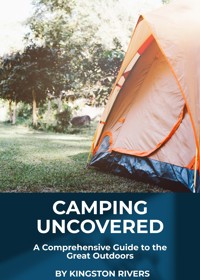
5,99 €
Mehr erfahren.
- Herausgeber: Shuttle Systems Ltd
- Kategorie: Ratgeber
- Sprache: Englisch
"Master the art of camping and create unforgettable memories under the stars."
Discover the joys of camping and reconnect with nature in "Camping Uncovered: A Comprehensive Guide to the Great Outdoors." This all-inclusive guide provides expert advice, practical tips, and insider knowledge to help you make the most of your outdoor adventures, whether you're a seasoned camper or a first-time explorer.
"Camping Uncovered" covers every aspect of camping, from selecting your camping style and finding the perfect campsite to setting up your camp and cooking delicious meals. The guide is designed to suit campers of all levels, making it an indispensable resource for anyone looking to embrace the great outdoors.
Key chapters include:
The Joy of Camping: Discover the benefits and types of camping experiences, and learn why it's the perfect hobby for you.
Choosing Your Camping Style: Explore the pros and cons of tent camping, hammock camping, and RV and campervan camping.
Selecting the Perfect Campsite: Uncover the secrets to finding public and private campgrounds, as well as wilderness and dispersed camping options.
Camping Equipment Essentials: Learn about the must-have gear, from tents and sleeping bags to cooking equipment and clothing.
Camp Cooking and Meal Planning: Master the art of campfire cooking and create nutritious and tasty camping meals.
This comprehensive guide also provides valuable information on important topics such as campsite hygiene, outdoor activities, camping with kids and pets, and navigating inclement weather. Additionally, you'll find practical tips for camping on a budget, maintaining and storing your gear, and exploring international camping destinations.
With "Camping Uncovered: A Comprehensive Guide to the Great Outdoors," you'll be well-prepared to embark on your camping adventures and create lasting memories with family and friends. Get your copy today and start exploring the wonders of nature!
Das E-Book können Sie in Legimi-Apps oder einer beliebigen App lesen, die das folgende Format unterstützen:
Veröffentlichungsjahr: 2023
Ähnliche















Created by Xspurts.com
All rights reserved.
Copyright © 2005 onwards .
By reading this book, you agree to the below Terms and Conditions.
Xspurts.com retains all rights to these products.
No part of this book may be reproduced in any form, by photostat, microfilm, xerography, or any other means, or incorporated into any information retrieval system, electronic or mechanical, without the written permission of Xspurts.com; exceptions are made for brief excerpts used in published reviews.
This publication is designed to provide accurate and authoritative information with regard to the subject matter covered. It is sold with the understanding that the publisher is not engaged in rendering legal, accounting, health, relationship or other professional / personal advice. If legal advice or other expert assistance is required, the services of a competent professional should be sought.
A New Zealand Made Product
Get A Free Book At: xspurts.com/posts/free-book-offer
––––––––
Table of Contents
The Joy of Camping
Why Choose Camping as a Hobby
Types of Camping Experiences
Health Benefits of Camping
Choosing Your Camping Style
Tent Camping
Hammock Camping
RV and Campervan Camping
Selecting the Perfect Campsite
Public vs. Private Campgrounds
Wilderness and Dispersed Camping
Campsite Features to Consider
Camping Equipment Essentials
Tents, Tarps, and Sleeping Bags
Cooking and Eating Gear
Clothing and Personal Items
Packing and Organizing Your Gear
Creating a Camping Checklist
Packing Tips for Space Efficiency
Organizing Your Campsite
Setting Up Your Campsite
Pitching Your Tent or Hammock
Arranging Your Sleeping and Living Areas
Campfire Safety and Setup
Camp Cooking and Meal Planning
Meal Planning and Preparation Tips
Campfire Cooking Techniques
Easy and Nutritious Camping Recipes
Campsite Hygiene and Sanitation
Personal Hygiene in the Outdoors
Waste Disposal and Trash Management
Keeping Your Campsite Clean
Staying Safe in the Great Outdoors
First Aid and Emergency Preparedness
Wildlife Safety and Awareness
Dealing with Inclement Weather
Navigating and Orienteering
Map and Compass Basics
GPS Devices and Smartphone Apps
Recognizing Natural Landmarks
Outdoor Activities for Campers
Hiking and Backpacking
Fishing and Canoeing
Birdwatching and Nature Observation
Camping with Kids
Preparing for a Family Camping Trip
Engaging Activities for Children
Teaching Outdoor Skills and Safety
Camping with Pets
Tips for Camping with Dogs
Ensuring Pet Safety and Comfort
Pet Etiquette and Clean-Up
Leave No Trace Principles
Minimizing Your Impact on the Environment
Responsible Camping Practices
Encouraging Others to Follow Suit
Campfire Stories and Entertainment
Classic Campfire Tales
Singalongs and Campfire Games
Stargazing and Nighttime Activities
Photography and Documenting Your Adventures
Capturing Stunning Outdoor Photos
Keeping a Camping Journal
Sharing Your Experiences on Social Media
Survival Skills for Campers
Building Emergency Shelters
Signalling for Help
Finding Food and Water in the Wild
Backcountry Camping
Planning a Backcountry Camping Trip
Leave No Trace Backpacking
Wilderness Safety and Etiquette
Cold Weather Camping
Winter Camping Gear and Clothing
Snow Activities and Safety
Staying Warm and Comfortable
Camping in Extreme Environments
Desert Camping Tips and Tricks
Mountain Camping and Altitude Considerations
Coastal Camping and Beach Safety
Group Camping and Socializing
Organizing Group Camping Trips
Meeting Fellow Campers
Participating in Campground Events
Camping on a Budget
Affordable Camping Gear and Alternatives
Saving Money on Campsite Fees
Inexpensive Outdoor Activities
Maintaining and Storing Your Camping Gear
Proper Cleaning and Maintenance Techniques
Repairing and Replacing Damaged Gear
Storing Your Camping Equipment for Longevity
Wildlife Watching and Conservation
Identifying Local Flora and Fauna
Wildlife Viewing Etiquette
Supporting Conservation Efforts and Organizations
Camping Around the World
Exploring International Camping Destinations
Adapting to Different Camping Cultures
Navigating Language Barriers and Local Customs
Camping for Personal Growth and Reflection
Using Camping as a Time for Solitude
Reflecting on Life and Personal Goals
Reconnecting with Nature and Your Inner Self
Planning Your Next Camping Adventure
Researching New Destinations and Experiences
Creating a Camping Bucket List
Expanding Your Outdoor Skills and Knowledge
Have Questions / Comments?
Get Another Book Free
The Joy of Camping
Camping is an adventure that has been enjoyed by people for centuries. It is a way to disconnect from the hustle and bustle of everyday life and to connect with nature. The joy of camping is something that cannot be put into words, but rather is something that must be experienced firsthand. Below we will we will explore the various aspects of camping that make it such a joyous experience.
One of the primary reasons why camping is so enjoyable is the sense of freedom that it provides. When camping, there are no schedules to follow, no deadlines to meet, and no obligations to fulfill. You are free to do as you please and to enjoy the great outdoors at your own pace. Whether you want to hike, fish, read a book, or simply sit around the campfire and relax, the choice is entirely up to you.
Camping is also an excellent opportunity to disconnect from technology and to reconnect with nature. In today's world, we are constantly bombarded with emails, text messages, and notifications from social media. When camping, you have the chance to unplug from all of that and to focus on the natural world around you. This can be a very refreshing experience, and it can help to reduce stress and improve overall well-being.
Another aspect of camping that makes it so enjoyable is the sense of community that it fosters. When camping, you are often surrounded by other people who share your love of nature and the outdoors. This can lead to meaningful conversations, new friendships, and a sense of camaraderie that is hard to find in other settings. Whether you are camping with friends, family, or strangers, the shared experience of being in nature can bring people together in a unique way.
Camping is also a great way to challenge yourself physically and mentally. When camping, you may need to hike long distances, carry heavy backpacks, or navigate through rough terrain. These challenges can be difficult, but they can also be incredibly rewarding. When you push yourself outside of your comfort zone, you can gain a sense of accomplishment and confidence that can carry over into other areas of your life.
In addition to the physical and mental challenges of camping, there are also practical skills that can be learned. Camping requires knowledge of how to set up a tent, start a fire, cook over a camp stove, and purify water. These skills may seem basic, but they are important for survival in the outdoors. Learning these skills can be empowering, and it can give you a sense of self-sufficiency that is hard to find in modern society.
Of course, one of the most enjoyable aspects of camping is simply being able to spend time in nature. Whether you are in the mountains, by the ocean, or in a forest, there is something incredibly peaceful and rejuvenating about being surrounded by natural beauty. The sights, sounds, and smells of the outdoors can be invigorating, and they can help to put things into perspective. When you are out in nature, it is easy to forget about the stresses of everyday life and to focus on what is truly important.
In conclusion, the joy of camping is something that cannot be fully expressed in words. It is a combination of freedom, community, challenge, practical skills, and natural beauty that makes camping such a unique and enjoyable experience. Whether you are an experienced camper or someone who is just starting out, there is something for everyone to enjoy when it comes to camping. So, grab your tent, your backpack, and your sense of adventure, and head out into the great outdoors. You never know what you might discover!
Why Choose Camping as a Hobby
Camping is a popular hobby that offers a variety of benefits. Whether you are looking to escape the hustle and bustle of everyday life, reconnect with nature, or challenge yourself physically and mentally, camping has something to offer. Below we will we will explore the reasons why camping is a great hobby to choose.
One of the primary reasons why camping is a great hobby is that it allows you to disconnect from technology and reconnect with nature. In today's world, we are constantly connected to our phones, computers, and other electronic devices. This can be stressful and overwhelming, and it can lead to feelings of burnout and fatigue. When you go camping, however, you have the opportunity to unplug from all of that and to focus on the natural world around you. This can be incredibly rejuvenating, and it can help to reduce stress and improve overall well-being.
Another benefit of camping as a hobby is the sense of community that it can provide. When camping, you are often surrounded by other people who share your love of nature and the outdoors. This can lead to meaningful conversations, new friendships, and a sense of camaraderie that is hard to find in other settings. Whether you are camping with friends, family, or strangers, the shared experience of being in nature can bring people together in a unique way.
Camping is also a great way to challenge yourself physically and mentally. When camping, you may need to hike long distances, carry heavy backpacks, or navigate through rough terrain. These challenges can be difficult, but they can also be incredibly rewarding. When you push yourself outside of your comfort zone, you can gain a sense of accomplishment and confidence that can carry over into other areas of your life.
In addition to the physical and mental challenges of camping, there are also practical skills that can be learned. Camping requires knowledge of how to set up a tent, start a fire, cook over a camp stove, and purify water. These skills may seem basic, but they are important for survival in the outdoors. Learning these skills can be empowering, and it can give you a sense of self-sufficiency that is hard to find in modern society.
Another benefit of camping as a hobby is the opportunity to explore new places and to learn about different cultures and environments. Whether you are camping in a national park, a state park, or a remote wilderness area, there is always something new to discover. Camping can take you to places that you may not have otherwise visited, and it can help you to gain a deeper understanding and appreciation of the natural world.
Camping is also a great hobby for families. It provides an opportunity for parents and children to spend time together in nature, away from the distractions of everyday life. Camping can help to strengthen family bonds, and it can provide children with valuable life skills and experiences. Whether you are roasting marshmallows around the campfire or going on a family hike, camping can create lasting memories that will be cherished for years to come.
Finally, camping is a relatively inexpensive hobby. While there is some initial investment required for camping equipment, once you have the basics, you can continue to enjoy camping for many years without having to spend a lot of money. Camping is also a great way to save money on vacations. Instead of staying in expensive hotels or resorts, you can camp in a national or state park for a fraction of the cost.
In conclusion, camping is a great hobby to choose for a variety of reasons. Whether you are looking to escape from technology, connect with nature, challenge yourself physically and mentally, or simply explore new places, camping has something to offer. It is also a great way to strengthen family bonds and to create lasting memories.
Types of Camping Experiences
Camping is a great way to experience the outdoors and connect with nature. There are many different types of camping experiences that you can choose from, each with its own unique characteristics and benefits. Below we will we will explore the different types of camping experiences and what makes each one special.
Car Camping
Car camping is perhaps the most popular type of camping. It involves driving to a designated campsite and setting up a tent or sleeping in your car. Car camping is great for families and beginners, as it offers many amenities such as restrooms, picnic tables, and fire pits. This type of camping also allows you to bring more gear and supplies since you don't have to carry everything on your back.
Backpacking
Backpacking involves carrying all of your gear and supplies in a backpack and hiking to a remote campsite. This type of camping requires more planning and preparation than car camping, but it offers a more immersive and adventurous experience. Backpacking can take you to some of the most beautiful and secluded places in the world, and it allows you to escape the crowds and connect with nature in a deeper way.
Glamping
Glamping, or glamorous camping, is a more luxurious form of camping. It involves staying in a tent or cabin that is fully equipped with modern amenities such as electricity, heating, and running water. Glamping allows you to enjoy the great outdoors without sacrificing the comforts of home. This type of camping is great for those who want to experience nature but are not willing to give up the luxuries of modern life.
RV Camping
RV camping involves traveling in a recreational vehicle, or RV, to a campsite. RVs are equipped with many of the same amenities as a home, including a kitchen, bathroom, and bedroom. RV camping allows you to bring all of the comforts of home with you on your camping trip, and it is great for families and those who want to travel long distances.
Canoe or Kayak Camping
Canoe or kayak camping involves traveling by water to a remote campsite. This type of camping is great for those who love water sports and want to experience the natural beauty of lakes and rivers. Canoe or kayak camping requires a bit more skill and preparation than other types of camping, but it offers a unique and memorable experience.
Winter Camping
Winter camping involves camping in cold and snowy conditions. This type of camping requires special gear and clothing to stay warm and comfortable. Winter camping can be challenging but also incredibly rewarding, as it allows you to experience the beauty and solitude of the winter wilderness.
Group Camping
Group camping involves camping with a large group of people, such as a scout troop or youth group. Group camping allows you to enjoy the camaraderie and community of camping with others. It also offers many opportunities for group activities such as hiking, team building exercises, and campfire games.
Solo Camping
Solo camping involves camping alone. This type of camping allows you to connect with nature on a deeper level and to enjoy the solitude and quiet of the wilderness. Solo camping can be challenging, but it can also be incredibly rewarding, as it allows you to test your skills and push your limits.
In conclusion, there are many different types of camping experiences to choose from, each with its own unique characteristics and benefits. Whether you prefer the comforts of glamping or the challenge of backpacking, there is a camping experience that is perfect for you. So, grab your gear, choose your adventure, and get ready to experience the great outdoors in a whole new way.
Health Benefits of Camping
Camping is a great way to get outside and enjoy the natural world. But did you know that camping also offers a variety of health benefits? Below we will explore the many ways in which camping can improve your physical and mental well-being.
Physical Exercise
Camping involves a lot of physical activity, such as hiking, swimming, and fishing. These activities can provide a great workout and help to improve your cardiovascular health, strength, and flexibility. Hiking, in particular, is a great way to get exercise while also enjoying the beautiful scenery of the outdoors.
Vitamin D
Camping also provides an opportunity to soak up some much-needed vitamin D from the sun. Vitamin D is important for bone health, immune function, and mental health. Spending time outside in the sun can help to boost your vitamin D levels and improve your overall well-being.
Reduced Stress
Camping is a great way to reduce stress and anxiety. Being in nature has a calming effect on the mind and body, and it can help to reduce the levels of stress hormones in your body. The sound of running water, the smell of fresh pine trees, and the sight of a beautiful sunset can all help to promote relaxation and reduce stress.
Improved Sleep
Camping can also improve your sleep quality. Exposure to natural light during the day and darkness at night can help to regulate your circadian rhythm and improve your sleep patterns. Camping also provides an opportunity to disconnect from technology and reduce exposure to artificial light, which can interfere with sleep.
Mental Health Benefits
Camping can also provide a variety of mental health benefits. Being in nature can help to improve your mood, reduce symptoms of depression and anxiety, and boost your overall sense of well-being. The peaceful and quiet environment of the outdoors can help to promote mindfulness and reduce feelings of overwhelm.
Improved Immune Function
Spending time in nature has been shown to improve immune function. Exposure to fresh air and sunlight can help to boost the immune system and reduce the risk of infections. Being in nature can also reduce the levels of stress hormones in the body, which can have a positive impact on immune function.
Improved Cognitive Function
Camping can also improve cognitive function. Being in nature has been shown to improve memory, attention, and creativity. Spending time in the outdoors can also help to reduce mental fatigue and improve cognitive performance.
Social Interaction
Camping can also provide an opportunity for social interaction and bonding with others. Whether you are camping with family, friends, or strangers, the shared experience of being in nature can bring people together in a unique way. Social interaction is important for mental health and well-being, and camping provides an opportunity to connect with others in a meaningful way.
In conclusion, camping offers a variety of health benefits for both the mind and body. From physical exercise to improved mental health, camping provides a unique opportunity to improve your overall well-being. So, next time you are looking for a way to improve your health, consider packing up your camping gear and heading out into the great outdoors.
Choosing Your Camping Style
Camping is a great way to enjoy the outdoors and connect with nature. However, choosing the right camping style can make all the difference in your overall camping experience. Below we will we will explore the different camping styles and what makes each one unique.
Car Camping
Car camping is perhaps the most popular camping style. It involves driving to a designated campsite and setting up a tent or sleeping in your car. Car camping is great for families and beginners, as it offers many amenities such as restrooms, picnic tables, and fire pits. This type of camping also allows you to bring more gear and supplies since you don't have to carry everything on your back.
Backpacking
Backpacking involves carrying all of your gear and supplies in a backpack and hiking to a remote campsite. This type of camping requires more planning and preparation than car camping, but it offers a more immersive and adventurous experience. Backpacking can take you to some of the most beautiful and secluded places in the world, and it allows you to escape the crowds and connect with nature in a deeper way.
Glamping
Glamping, or glamorous camping, is a more luxurious form of camping. It involves staying in a tent or cabin that is fully equipped with modern amenities such as electricity, heating, and running water. Glamping allows you to enjoy the great outdoors without sacrificing the comforts of home. This type of camping is great for those who want to experience nature but are not willing to give up the luxuries of modern life.
RV Camping
RV camping involves traveling in a recreational vehicle, or RV, to a campsite. RVs are equipped with many of the same amenities as a home, including a kitchen, bathroom, and bedroom. RV camping allows you to bring all of the comforts of home with you on your camping trip, and it is great for families and those who want to travel long distances.
Canoe or Kayak Camping
Canoe or kayak camping involves traveling by water to a remote campsite. This type of camping is great for those who love water sports and want to experience the natural beauty of lakes and rivers. Canoe or kayak camping requires a bit more skill and preparation than other types of camping, but it offers a unique and memorable experience.
Winter Camping
Winter camping involves camping in cold and snowy conditions. This type of camping requires special gear and clothing to stay warm and comfortable. Winter camping can be challenging but also incredibly rewarding, as it allows you to experience the beauty and solitude of the winter wilderness.
Group Camping
Group camping involves camping with a large group of people, such as a scout troop or youth group. Group camping allows you to enjoy the camaraderie and community of camping with others. It also offers many opportunities for group activities such as hiking, team building exercises, and campfire games.
Solo Camping
Solo camping involves camping alone. This type of camping allows you to connect with nature on a deeper level and to enjoy the solitude and quiet of the wilderness. Solo camping can be challenging, but it can also be incredibly rewarding, as it allows you to test your skills and push your limits.
Choosing the right camping style depends on your personal preferences and goals for your camping trip. If you want to have access to amenities and have the ability to bring more gear, car camping or RV camping may be the best option. If you want a more immersive and adventurous experience, backpacking or canoe or kayak camping may be the way to go. Glamping is great for those who want to enjoy nature without sacrificing comfort, while winter camping is for those who want to experience the beauty of the winter wilderness.
Tent Camping
Tent camping is a classic and traditional form of camping that has been enjoyed by generations of outdoor enthusiasts. It involves pitching a tent at a designated campsite and spending the night in the great outdoors. Below we will we will explore the many benefits of tent camping and what you need to know to get started.
Affordability
Tent camping is one of the most affordable forms of camping. All you need is a tent, sleeping bags, and basic camping gear, which can be purchased for a relatively low cost. Tent camping also allows you to stay at designated campsites, which are often less expensive than other forms of accommodation.
Flexibility
Tent camping offers a great deal of flexibility and freedom. You can choose where to camp and when to move on. This allows you to tailor your camping experience to your personal preferences and to explore the natural world at your own pace.
Connection to Nature
Tent camping provides a unique opportunity to connect with nature. You can sleep under the stars, listen to the sounds of wildlife, and breathe in the fresh air. This can be incredibly rejuvenating and can help to reduce stress and improve overall well-being.
Simplicity
Tent camping is a simple and straightforward form of camping. It allows you to disconnect from technology and focus on the basics of survival and self-sufficiency. This can be empowering and can give you a sense of accomplishment and confidence.
Quality Family Time
Tent camping is a great way to spend quality time with your family. You can share meals around the campfire, go on hikes together, and enjoy the great outdoors as a family. Tent camping can create lasting memories that will be cherished for years to come.
Improved Sleep
Tent camping can also improve your sleep quality. Exposure to natural light during the day and darkness at night can help to regulate your circadian rhythm and improve your sleep patterns. Camping also provides an opportunity to disconnect from technology and reduce exposure to artificial light, which can interfere with sleep.
Improved Immune Function
Spending time in nature has been shown to improve immune function. Exposure to fresh air and sunlight can help to boost the immune system and reduce the risk of infections. Being in nature can also reduce the levels of stress hormones in the body, which can have a positive impact on immune function.
Mental Health Benefits
Tent camping can provide a variety of mental health benefits. Being in nature can help to improve your mood, reduce symptoms of depression and anxiety, and boost your overall sense of well-being. The peaceful and quiet environment of the outdoors can help to promote mindfulness and reduce feelings of overwhelm.
When it comes to tent camping, there are a few things that you need to know to get started. First, it's important to choose the right tent for your needs. Consider factors such as size, weight, and durability. You also want to choose a campsite that is suitable for tent camping and has access to the amenities that you need, such as restrooms, water, and fire pits.
It's also important to be prepared for the weather. Make sure to pack appropriate clothing and gear for the conditions that you will be camping in. This may include rain gear, warm layers, and a good quality sleeping bag.
In conclusion, tent camping is a classic and traditional form of camping that offers a variety of benefits. From affordability to improved sleep, tent camping provides a unique opportunity to connect with nature and improve your overall well-being. So, grab your tent, your sleeping bag, and your sense of adventure, and head out into the great outdoors for an unforgettable camping experience.
Hammock Camping
Hammock camping is a unique and growing trend in the world of camping. It involves sleeping in a hammock instead of a traditional tent or RV. Below we will we will explore the many benefits of hammock camping and what you need to know to get started.
Lightweight and Portable
One of the main benefits of hammock camping is that it is lightweight and portable. A hammock and necessary gear can fit into a small backpack, making it an ideal choice for backpackers and hikers who need to travel light.
Comfort
Hammocks can provide a more comfortable sleeping experience than traditional tents. Hammocks can conform to the shape of your body, providing better support and eliminating pressure points. Hammocks can also provide better ventilation, which can help to regulate temperature and reduce moisture.
Versatility
Hammock camping can be done in a variety of locations, including forests, beaches, and mountains. Unlike traditional tents, hammocks can be set up between trees, which makes it possible to camp in areas where the ground may be rocky or uneven.
Affordability
Hammock camping is also an affordable option for camping. While there are high-end hammocks available with many features, basic hammocks are relatively inexpensive and require less gear than traditional camping.
Connection to Nature
Hammock camping allows you to connect with nature in a unique way. You can sleep among the trees and enjoy the sound of wildlife around you. This can be incredibly peaceful and rejuvenating, and can help to reduce stress and improve overall well-being.
Improved Sleep
Hammock camping can also improve your sleep quality. Sleeping in a hammock can help to alleviate back pain, and it can promote deeper and more restful sleep. The gentle sway of the hammock can also promote relaxation and reduce stress.
Easy Set Up
Setting up a hammock is much easier and faster than setting up a traditional tent. All you need is a pair of trees that are the right distance apart, and you can be set up in a matter of minutes. This can be especially helpful when you need to set up camp quickly or when you're tired after a long day of hiking.
Unique Experience
Hammock camping provides a unique and memorable camping experience. It offers a different perspective on the natural world and can provide a sense of adventure and exploration.
When it comes to hammock camping, there are a few things that you need to know to get started. First, it's important to choose the right hammock for your needs. Consider factors such as size, weight capacity, and durability. You also want to choose a location with suitable trees that are the right distance apart.
It's also important to be prepared for the weather. Make sure to pack appropriate clothing and gear for the conditions that you will be camping in. This may include rain gear, warm layers, and a good quality sleeping bag.
In conclusion, hammock camping is a unique and growing trend in the world of camping. From comfort to affordability, hammock camping offers a variety of benefits. So, grab your hammock, your gear, and your sense of adventure, and head out into the great outdoors for an unforgettable camping experience.
RV and Campervan Camping
RV and campervan camping is a popular form of camping that offers many benefits for outdoor enthusiasts. It involves traveling in a recreational vehicle or campervan to a designated campsite and setting up camp. Below we will we will explore the many benefits of RV and campervan camping and what you need to know to get started.
Comfort
RV and campervan camping offers a high level of comfort and convenience. These vehicles are equipped with many of the same amenities as a home, including a kitchen, bathroom, and bedroom. This allows you to enjoy the great outdoors without sacrificing the comforts of home.
Flexibility
RV and campervan camping also offers a great deal of flexibility and freedom. You can choose where to camp and when to move on. This allows you to tailor your camping experience to your personal preferences and to explore the natural world at your own pace.
Access to Amenities
RV and campervan camping also provides access to many amenities that are not available with other forms of camping. You can have access to running water, electricity, and heating, which can make your camping experience much more comfortable.
Convenience
RV and campervan camping is also very convenient. You can bring all of the gear and supplies that you need with you, without having to worry about packing and unpacking a tent or other camping equipment. This can save time and make the camping experience less stressful.
Safety
RV and campervan camping can also provide a higher level of safety and security than other forms of camping. The vehicles provide protection from the elements and from potential dangers such as wildlife or inclement weather.
Affordability
RV and campervan camping can also be an affordable option for camping. While the initial cost of purchasing or renting an RV or campervan may be higher than other forms of camping equipment, the long-term cost can be lower since you don't have to pay for lodging or other accommodations.
Social Interaction
RV and campervan camping also provides opportunities for social interaction and community building. Many RV parks and campgrounds have social events and activities, which can be a great way to meet other campers and to make new friends.
Accessibility
RV and campervan camping can also be accessible to people with disabilities or mobility issues. The vehicles are equipped with many features that can make camping more accessible, such as wheelchair lifts and accessible bathrooms.
When it comes to RV and campervan camping, there are a few things that you need to know to get started. First, it's important to choose the right vehicle for your needs. Consider factors such as size, weight, and features. You also want to choose a campsite that is suitable for RV or campervan camping and has access to the amenities that you need, such as restrooms, water, and electrical hookups.
It's also important to be prepared for the weather. Make sure to pack appropriate clothing and gear for the conditions that you will be camping in. This may include rain gear, warm layers, and a good quality sleeping bag.
In conclusion, RV and campervan camping is a popular and convenient form of camping that offers many benefits. From comfort to accessibility, RV and campervan camping provides a unique and enjoyable camping experience. So, pack up your RV or campervan, your gear, and your sense of adventure, and head out into the great outdoors for an unforgettable camping experience.
Selecting the Perfect Campsite
Selecting the perfect campsite is an important part of any camping trip. The right campsite can make your camping experience more enjoyable, while the wrong campsite can make it a nightmare. Below we will we will explore the many factors that go into selecting the perfect campsite and what you need to know to make the best choice.
Location
One of the most important factors to consider when selecting a campsite is location. You want to choose a location that is convenient and accessible, with easy access to amenities such as restrooms, water, and fire pits. You also want to choose a location that is scenic and has natural beauty.
Size
The size of the campsite is also an important consideration. You want to choose a campsite that is large enough to accommodate your tent, campfire, and other camping gear. It's also important to choose a campsite that is not too crowded, so you can enjoy some privacy and quiet time.
Terrain
The terrain of the campsite is also an important consideration. You want to choose a campsite that is level and has good drainage, to avoid any issues with flooding or water accumulation. You also want to choose a campsite that is not too rocky or uneven, as this can make setting up camp difficult.
Shade
Shade is an important consideration when selecting a campsite, especially if you're camping during the summer months. You want to choose a campsite that has some shade, either from trees or from a shade structure, to help keep you cool and comfortable during the day.
Safety
Safety is another important consideration when selecting a campsite. You want to choose a campsite that is safe and secure, with no potential hazards such as unstable trees or rocky terrain. You also want to choose a campsite that is not too close to potential dangers such as cliffs or rivers.
Accessibility
Accessibility is an important consideration if you have special needs or mobility issues. You want to choose a campsite that is accessible, with easy access to amenities and facilities such as restrooms and showers. You also want to choose a campsite that is not too far from the parking lot or other transportation options.
Noise Level
The noise level of the campsite is also an important consideration. You want to choose a campsite that is not too close to noisy areas such as roads or train tracks. You also want to choose a campsite that is not too close to other campers, to avoid any potential issues with noise or disturbance.
Wildlife
Finally, wildlife is an important consideration when selecting a campsite. You want to choose a campsite that is not too close to areas where wildlife may be active, such as bear or cougar habitats. You also want to choose a campsite that is not too close to potential food sources, such as berry bushes or trash cans.
When selecting the perfect campsite, it's important to take all of these factors into consideration. You want to choose a location that is safe, convenient, and enjoyable, with all of the amenities and facilities that you need to have a great camping experience.
In conclusion, selecting the perfect campsite is an important part of any camping trip. From location to safety to wildlife, there are many factors to consider when choosing the best campsite for your needs. So, take your time, do your research, and choose a campsite that will provide you with a memorable and enjoyable camping experience.
Public vs. Private Campgrounds
When it comes to camping, one of the biggest decisions you'll need to make is whether to stay at a public or private campground. Both options offer unique advantages and disadvantages, and it's important to consider all of the factors when making your decision. Below we will we will explore the differences between public and private campgrounds, and what you need to know to make the best choice for your needs.
Public Campgrounds
Public campgrounds are owned and managed by government agencies such as the National Park Service or the U.S. Forest Service. They are often located in scenic areas such as national parks or forests, and offer a variety of camping options from primitive to full-service campsites.
Advantages of Public Campgrounds
1. Affordability: Public campgrounds are generally more affordable than private campgrounds. Many public campgrounds offer low-cost or even free camping options.
2. Scenic Locations: Public campgrounds are often located in some of the most beautiful and scenic areas of the country, including national parks and forests.
3. Accessibility: Public campgrounds are often accessible to a wide range of campers, including families with children and those with disabilities.
Disadvantages of Public Campgrounds
4. Crowds: Public campgrounds can be crowded, especially during peak season. This can make it difficult to find a campsite or to enjoy some peace and quiet.
5. Limited Amenities: Public campgrounds may have limited amenities, such as showers or electrical hookups. This can make camping less comfortable for some campers.
6. Rules and Regulations: Public campgrounds often have strict rules and regulations that campers must follow. This can limit some activities, such as hiking with pets or campfires.
Private Campgrounds
Private campgrounds are owned and operated by private companies or individuals. They can range from basic campsites to luxury RV parks, and offer a wide range of amenities and services.
Advantages of Private Campgrounds
7. Amenities: Private campgrounds often offer a wide range of amenities, including electrical hookups, showers, and laundry facilities. This can make camping more comfortable and convenient for some campers.
8. Activities: Private campgrounds may offer a variety of activities and entertainment options, such as swimming pools, miniature golf, or organized events.
9. Flexibility: Private campgrounds may offer more flexibility in terms of rules and regulations, allowing campers to enjoy a wider range of activities.
Disadvantages of Private Campgrounds
10. Cost: Private campgrounds are generally more expensive than public campgrounds, and can be prohibitive for some campers.
11. Location: Private campgrounds may not be located in the most scenic or desirable areas, and may lack the natural beauty of public campgrounds.
12. Crowds: Private campgrounds can also be crowded, especially during peak season. This can make it difficult to find a campsite or to enjoy some peace and quiet.
When deciding between public and private campgrounds, it's important to consider all of the factors and to choose the option that best fits your needs and preferences. If you're looking for affordability and natural beauty, public campgrounds may be the best option. If you're looking for comfort and convenience, private campgrounds may be the better choice. Ultimately, the decision comes down to personal preference and what type of camping experience you're looking for.
In conclusion, choosing between public and private campgrounds is an important decision when planning your camping trip. Both options offer unique advantages and disadvantages, and it's important to consider all of the factors when making your decision. So, do your research, weigh your options, and choose the option that best fits your needs for an unforgettable camping experience.
Wilderness and Dispersed Camping
Wilderness and dispersed camping offer unique and rewarding experiences for outdoor enthusiasts who want to get away from it all and experience the natural world in a more rugged and primitive way. Below we will we will explore the differences between wilderness and dispersed camping and what you need to know to make the best choice for your needs.
Wilderness Camping
Wilderness camping is a form of camping that takes place in designated wilderness areas, which are protected and managed by government agencies such as the National Park Service or the U.S. Forest Service. These areas are typically remote and undeveloped, and offer a true backcountry experience for campers.
Advantages of Wilderness Camping
1. Solitude: Wilderness camping offers a high degree of solitude and the chance to escape from the noise and distractions of everyday life.
2. Natural Beauty: Wilderness camping takes place in some of the most beautiful and unspoiled areas of the country, offering stunning views and natural beauty.
3. Adventure: Wilderness camping offers a true adventure experience, with opportunities for hiking, backpacking, and exploring.




