


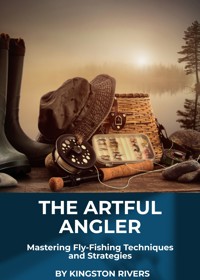
5,99 €
Mehr erfahren.
- Herausgeber: Shuttle Systems Ltd
- Kategorie: Ratgeber
- Sprache: Englisch
"Reel in your dreams and discover the world of fly-fishing with this expert guide."
Unlock the secrets of fly-fishing with "The Artful Angler: Mastering Fly-Fishing Techniques and Strategies." This comprehensive guide covers every aspect of the beloved sport, from essential gear and fly-tying techniques to reading the water and casting strategies. Whether you're new to fly-fishing or an experienced angler looking to improve your skills, this book will become your go-to resource for all things fly-fishing.
Key chapters in "The Artful Angler" include:
The Allure of Fly-Fishing: Delve into the rich history and rewarding benefits of fly-fishing.
Fly-Fishing Equipment Essentials: Learn about the necessary gear, from fly rods and reels to lines, leaders, and flies.
Choosing the Right Fly-Fishing Gear: Discover how to select the perfect equipment for your unique needs and preferences.
Casting Techniques and Strategies: Master the art of casting with step-by-step instructions and expert tips.
Fly-Fishing Techniques: Uncover the secrets to successful dry fly-fishing, nymph fishing, and streamer fishing.
Knots for Fly-Fishing: Explore essential fly-fishing knots for attaching flies, lines, and leaders.
Fishing Etiquette and Ethics: Understand the importance of proper etiquette and responsible catch-and-release practices.
In addition, "The Artful Angler" covers specialized techniques for targeting various fish species such as trout, bass, salmon, and steelhead, as well as strategies for saltwater fly-fishing. You'll also find expert advice on choosing the best fly-fishing destinations, traveling with your gear, and capturing beautiful photographs of your fly-fishing adventures.
Filled with practical tips, expert advice, and inspirational stories, "The Artful Angler: Mastering Fly-Fishing Techniques and Strategies" will help you build your skills and deepen your appreciation for the art of fly-fishing. Embark on your fly-fishing journey today and become one with the water.
Das E-Book können Sie in Legimi-Apps oder einer beliebigen App lesen, die das folgende Format unterstützen:
Veröffentlichungsjahr: 2023
Ähnliche


















Created by Xspurts.com
All rights reserved.
Copyright © 2005 onwards .
By reading this book, you agree to the below Terms and Conditions.
Xspurts.com retains all rights to these products.
No part of this book may be reproduced in any form, by photostat, microfilm, xerography, or any other means, or incorporated into any information retrieval system, electronic or mechanical, without the written permission of Xspurts.com; exceptions are made for brief excerpts used in published reviews.
This publication is designed to provide accurate and authoritative information with regard to the subject matter covered. It is sold with the understanding that the publisher is not engaged in rendering legal, accounting, health, relationship or other professional / personal advice. If legal advice or other expert assistance is required, the services of a competent professional should be sought.
A New Zealand Made Product
Get A Free Book At: xspurts.com/posts/free-book-offer
––––––––
Table of Contents
The Allure of Fly-Fishing
The History and Origins of Fly-Fishing
The Benefits and Rewards of Fly-Fishing
The Fly-Fishing Community and Culture
Fly-Fishing Equipment Essentials
Fly Rods and Reels
Fly Lines, Leaders, and Tippets
Flies and Fly Tying Materials
Choosing the Right Fly-Fishing Gear
Fly-Fishing Rod Action and Length
Selecting the Ideal Fly Reel
Understanding Fly Line Weights and Tapers
Fly-Fishing Apparel and Accessories
Waders and Wading Boots
Fly-Fishing Vests and Packs
Hats, Gloves, and Sunglasses
Fly Tying Basics
Essential Fly Tying Tools
Fly Tying Techniques and Patterns
Imitating Aquatic Insects and Other Prey
Reading the Water
Identifying Fish Holding Structures
Water Temperature and Fish Behavior
Recognizing Insect Hatches and Activity
Casting Techniques and Strategies
The Basic Fly-Fishing Cast
Advanced Casting Techniques
Casting in Challenging Conditions
Fly-Fishing Techniques
Dry Fly-Fishing
Nymph Fishing
Streamer Fishing
Knots for Fly-Fishing
Essential Fly-Fishing Knots
Attaching Flies to Leaders and Tippets
Securing Fly Lines to Backing and Leaders
Fishing Etiquette and Ethics
Fly-Fishing Courtesy and Manners
Leave No Trace Principles
Catch and Release Practices
Trout Fly-Fishing
Identifying Trout Species
Trout Feeding Habits and Preferences
Trout Fishing Techniques and Tactics
Fly-Fishing for Bass
Largemouth and Smallmouth Bass Behavior
Bass Fly-Fishing Techniques
Flies and Presentations for Bass
Fly-Fishing for Salmon and Steelhead
Understanding Salmon and Steelhead Life Cycles
Fishing Techniques for Migratory Fish
Salmon and Steelhead Flies
Saltwater Fly-Fishing
Gear and Equipment for Saltwater Fly-Fishing
Saltwater Fly-Fishing Techniques
Targeting Saltwater Species
Fly-Fishing in Different Seasons
Spring Fly-Fishing Strategies
Summer Fly-Fishing Techniques
Fall and Winter Fly-Fishing Tactics
Fly-Fishing Destinations
Famous Rivers and Streams
Remote and Wilderness Fly-Fishing
Urban Fly-Fishing Opportunities
Traveling with Fly-Fishing Gear
Packing and Transporting Equipment
Fly-Fishing Travel Tips
Exploring International Fly-Fishing Destinations
Fly-Fishing Photography
Capturing Memorable Fly-Fishing Moments
Tips for Taking Better Fishing Photos
Sharing Your Fly-Fishing Adventures
Fly-Fishing with Friends and Family
Teaching Others to Fly-Fish
Organizing Group Fly-Fishing Trips
Fly-Fishing Competitions and Events
Conservation and Fly-Fishing
The Role of Fly-Fishers in Conservation
Protecting Fish Habitat and Ecosystems
Supporting Local and National Conservation Efforts
Fishing Clubs and Organizations
Connecting with Fellow Fly-Fishers Online
Participating in Fly-Fishing Workshops and Seminars
Improving Your Fly-Fishing Skills
Fly-Fishing Lessons and Instruction
Setting Personal Fly-Fishing Goals
Embracing the Fly-Fishing Learning Curve
Women in Fly-Fishing
The Growing Presence of Women in Fly-Fishing
Women-Specific Fly-Fishing Gear and Apparel
Female Fly-Fishing Role Models and Pioneers
Youth and Fly-Fishing
Introducing Fly-Fishing to the Younger Generation
Youth Fly-Fishing Programs and Camps
Encouraging a Lifelong Love for Fly-Fishing
Fly-Fishing for Personal Growth and Well-being
The Therapeutic Benefits of Fly-Fishing
Mindfulness and Fly-Fishing
Fly-Fishing as a Tool for Personal Development
Have Questions / Comments?
Get Another Book Free
The Allure of Fly-Fishing
Fly-fishing is a timeless sport that has captivated the hearts and minds of anglers for centuries. With its roots dating back to ancient times, fly-fishing has evolved into a beloved pastime for many people around the world. The sport is enjoyed by individuals of all ages and skill levels, with its unique blend of technique, artistry, and patience.
One of the main appeals of fly-fishing is the challenge it presents. Unlike traditional forms of fishing that rely on bait and lures, fly-fishing requires a different approach. The angler uses a specially designed fly that mimics the movement of insects or other prey. This requires a keen understanding of the behavior of the fish and the environment they live in, as well as the ability to create realistic movements with the fly.
Another allure of fly-fishing is the peacefulness and tranquility it offers. Anglers often seek out remote and beautiful locations, such as mountain streams, pristine rivers, and serene lakes. The solitude and natural surroundings create an environment where anglers can escape from the hustle and bustle of everyday life and connect with nature.
Fly-fishing is also a sport that encourages conservation and respect for the environment. Anglers understand the importance of maintaining healthy ecosystems and work to protect the habitats where fish live. Catch-and-release practices are often employed to ensure that fish populations remain strong and healthy.
In addition to the challenge and tranquility, fly-fishing is also known for its artistic elements. The flies used in fly-fishing are often intricately crafted and can be considered works of art. Anglers take pride in creating their own flies, experimenting with different patterns, colors, and materials. This artistry is not limited to the flies themselves but also extends to the way anglers cast their lines. Fly-fishing casts are often graceful and fluid, with the angler using precise movements to place the fly in the water.
Fly-fishing is also a sport that can be enjoyed throughout the year. While traditional fishing seasons may be limited to certain times of the year, fly-fishing can be done in any season. During the winter months, anglers can still find opportunities to fish for trout and other species in streams that remain unfrozen. In the summer, fly-fishing is a popular activity for those looking to cool off in the water while still enjoying a challenging and rewarding sport.
For those interested in learning more about fly-fishing, there are many resources available. From online tutorials and instructional videos to books and magazines, there are numerous ways to improve your skills and knowledge of the sport. There are also many organizations and clubs dedicated to fly-fishing, where anglers can connect with others who share their passion and learn from experienced mentors.
Fly-fishing is a sport that has stood the test of time and continues to attract new enthusiasts every year. Whether it's the challenge of the sport, the tranquility of the natural surroundings, or the artistry of the flies and casts, there is something for everyone to appreciate in fly-fishing. So, if you're looking for a rewarding and engaging pastime that connects you with nature and your inner artist, consider giving fly-fishing a try.
The History and Origins of Fly-Fishing
Fly-fishing is a sport that has been practiced for centuries and has its roots in ancient times. The earliest recorded evidence of fly-fishing dates back to 200 AD in Macedonia, where the sport was practiced by the Macedonian people. It is believed that the first fly-fishing rods were made from bamboo or other similar materials and were used to catch trout and other freshwater fish.
The first written record of fly-fishing can be found in the book "A Treatyse of Fysshynge wyth an Angle," which was published in 1496 by Dame Juliana Berners. The book contains detailed instructions on how to create flies, tie knots, and cast a line. It is considered the first significant work on the sport of fly-fishing and is still referenced today by many anglers.
During the 16th and 17th centuries, fly-fishing began to gain popularity in England, with many prominent figures, including royalty, practicing the sport. The first known artificial flies were developed during this time and were made from a variety of materials, including feathers and silk. These early flies were tied onto the line using gut, which was the material commonly used for fishing line at the time.
In the 19th century, fly-fishing began to spread to other parts of the world, including the United States. American anglers developed their own unique styles of fly-fishing, which were heavily influenced by the environment and species of fish found in the country. The use of dry flies, which float on the surface of the water, became popular in the United States, and many American anglers developed their own unique patterns.
One of the most significant advances in fly-fishing occurred in the late 19th century when the split-cane bamboo rod was developed. These rods were much lighter and more flexible than their predecessors, making it easier for anglers to cast their lines and fight fish. They also allowed for greater accuracy and control, which was essential for catching fish in fast-moving streams and rivers.
In the 20th century, fly-fishing continued to evolve, with advancements in materials, technology, and techniques. The development of synthetic materials, such as nylon and fluorocarbon, revolutionized the sport by creating stronger and more durable lines and leaders. The introduction of new fly patterns, such as streamers and nymphs, opened up new opportunities for anglers to catch a wider range of fish species.
Fly-fishing has also had a significant impact on conservation efforts around the world. Anglers understand the importance of maintaining healthy ecosystems and work to protect the habitats where fish live. Catch-and-release practices are often employed to ensure that fish populations remain strong and healthy. Many fly-fishing organizations and clubs are dedicated to conservation efforts and work to protect rivers, lakes, and streams from pollution and other threats.
Today, fly-fishing is enjoyed by millions of people around the world and has become a multi-billion dollar industry. Anglers can find opportunities to fish in a variety of environments, from mountain streams to saltwater flats. The sport continues to evolve, with new advancements in equipment and techniques being developed every year.
In conclusion, the history and origins of fly-fishing are a testament to the enduring appeal of the sport. From its humble beginnings in ancient Macedonia to the multi-billion dollar industry it is today, fly-fishing has captured the hearts and minds of anglers for centuries. The development of new equipment, materials, and techniques has allowed anglers to improve their skills and catch a wider range of fish species. And with its focus on conservation and respect for the environment, fly-fishing will continue to be a beloved pastime for generations to come.
The Benefits and Rewards of Fly-Fishing
Fly-fishing is a sport that offers a variety of benefits and rewards to those who participate. From the physical and mental health benefits to the sense of accomplishment that comes with catching a fish, fly-fishing has something for everyone.
One of the most significant benefits of fly-fishing is the opportunity it provides for exercise and physical activity. Fly-fishing requires the angler to move around in the water, cast their line, and reel in fish, all of which can help improve cardiovascular health, flexibility, and strength. This physical activity can also provide a sense of relaxation and stress relief, which can have a positive impact on mental health.
Fly-fishing also encourages mindfulness and a connection to nature. Anglers often seek out remote and beautiful locations, such as mountain streams, pristine rivers, and serene lakes. The solitude and natural surroundings create an environment where anglers can escape from the hustle and bustle of everyday life and connect with nature. This connection to nature can have a calming effect on the mind and help reduce stress and anxiety.
Another benefit of fly-fishing is the challenge it presents. Fly-fishing requires a unique set of skills and techniques that must be honed over time. Anglers must have a keen understanding of the behavior of fish and the environment they live in, as well as the ability to create realistic movements with the fly. This challenge can be rewarding and provide a sense of accomplishment when a fish is caught.
Fly-fishing can also provide an opportunity for socialization and community. Many fly-fishing organizations and clubs are dedicated to the sport and offer opportunities for anglers to connect with others who share their passion. These organizations often hold events, such as fly-fishing competitions and community service projects, that bring anglers together and help build a sense of community.
In addition to the physical and mental benefits, fly-fishing also provides the opportunity to catch a wide variety of fish species. From trout and salmon to bass and tarpon, anglers can find opportunities to catch a variety of fish in different environments. This variety can keep the sport exciting and challenging, as anglers must adapt their techniques and equipment to each species and environment.
Fly-fishing also encourages conservation and respect for the environment. Anglers understand the importance of maintaining healthy ecosystems and work to protect the habitats where fish live. Catch-and-release practices are often employed to ensure that fish populations remain strong and healthy. Many fly-fishing organizations and clubs are dedicated to conservation efforts and work to protect rivers, lakes, and streams from pollution and other threats.
Finally, fly-fishing can provide a sense of satisfaction and fulfillment that comes from the challenge of the sport and the connection to nature. The act of tying a fly and catching a fish can be a deeply rewarding experience that provides a sense of accomplishment and joy. This sense of satisfaction can carry over into other areas of life and help build confidence and self-esteem.
In conclusion, fly-fishing offers a variety of benefits and rewards to those who participate. From the physical and mental health benefits to the sense of accomplishment that comes with catching a fish, fly-fishing has something for everyone. The sport encourages mindfulness and a connection to nature, provides a sense of challenge and accomplishment, and encourages conservation and respect for the environment. Whether you're a seasoned angler or just starting out, fly-fishing is a rewarding and engaging pastime that offers something for everyone.
The Fly-Fishing Community and Culture
Fly-fishing is not just a sport, but also a community and culture that is deeply rooted in history and tradition. From local fishing clubs to international organizations, the fly-fishing community is vast and diverse, bringing together people from all walks of life who share a common passion for the sport.
One of the defining characteristics of the fly-fishing community is the sense of camaraderie and mutual respect among its members. Anglers often gather together to share tips and techniques, trade stories, and offer support and encouragement. This sense of community extends beyond the water and can be found in local fly-fishing shops, online forums, and social media groups.
The fly-fishing community is also characterized by a deep respect for tradition and the history of the sport. Many anglers take pride in the artistry of creating their own flies and tying knots, honing techniques that have been passed down through generations. This connection to the past creates a sense of continuity and shared heritage among fly-fishers.
Another aspect of the fly-fishing community is its focus on conservation and environmental stewardship. Anglers understand the importance of maintaining healthy ecosystems and work to protect the habitats where fish live. Many fly-fishing organizations and clubs are dedicated to conservation efforts and work to protect rivers, lakes, and streams from pollution and other threats.
In addition to the sense of community and tradition, the fly-fishing culture is also characterized by a certain aesthetic and lifestyle. The sport is often associated with rustic and natural settings, such as mountain streams and clear lakes. Fly-fishing gear, such as rods, reels, and waders, are designed to blend in with the natural environment and are often made from natural materials, such as bamboo or leather.
Fly-fishing also has a certain mystique and allure that draws people to the sport. The grace and fluidity of casting a line and the artistry of creating and tying flies can be captivating for both experienced anglers and those new to the sport. The peacefulness and tranquility of the natural surroundings can provide a sense of escape from the stresses of everyday life.
Fly-fishing culture also has a rich history of storytelling and literature. Many famous writers, such as Ernest Hemingway and John Gierach, have written about the sport and the experiences and insights it provides. Books, magazines, and online forums are popular resources for anglers looking to improve their skills and connect with others who share their passion.
Finally, the fly-fishing culture also includes various events and competitions that bring anglers together to compete and celebrate the sport. From local fishing derbies to international tournaments, these events provide opportunities for anglers to showcase their skills and connect with others who share their passion.
In conclusion, the fly-fishing community and culture are deeply rooted in history, tradition, and a passion for the sport. The sense of camaraderie and mutual respect among its members, the focus on conservation and environmental stewardship, and the mystique and allure of the sport all contribute to the unique and vibrant culture of fly-fishing. Whether you're an experienced angler or just starting out, the fly-fishing community and culture offer opportunities to connect with others who share your passion and to experience the joys and rewards of the sport.
Fly-Fishing Equipment Essentials
Fly-fishing is a sport that requires specific equipment to effectively and safely catch fish. From rods and reels to flies and waders, having the right gear is essential for success on the water. Here are some of the essential pieces of equipment needed for fly-fishing.
Rod and Reel:
The rod and reel are the most important pieces of equipment for fly-fishing. The rod is used to cast the line and the reel is used to retrieve it. The length and weight of the rod will depend on the type of fishing being done and the size of the fish being targeted. The reel should be matched to the rod and should have a smooth drag system to help fight fish.
Line:
Fly-fishing line is different from traditional fishing line in that it is much thicker and heavier at the front end, with a tapered design that allows for better casting accuracy and control. The line is typically made of braided nylon or fluorocarbon and comes in different weights, which correspond to the weight of the rod.
Leader:
The leader is a length of line that is attached to the end of the fly line and is used to connect the fly to the line. Leaders are typically made of monofilament or fluorocarbon and come in different lengths and weights, depending on the type of fishing being done.
Flies:
Flies are the lures used in fly-fishing and are designed to mimic the appearance and movement of insects or other prey. Flies come in a wide variety of patterns, sizes, and colors, and are often tied by hand by anglers themselves. The type of fly used will depend on the type of fish being targeted and the environment they are found in.
Waders:
Waders are waterproof pants and boots that are worn by anglers to wade into the water. Waders are made from a variety of materials, including neoprene and breathable fabrics, and come in different styles and sizes. They are essential for fishing in cold or deep water and provide protection from the elements.
Boots:
Wading boots are designed to provide traction and support when walking on slippery rocks or other surfaces in the water. Boots should be made of waterproof materials and have good ankle support to help prevent injury.
Vest or Pack:
A vest or pack is used to carry all of the necessary equipment and supplies while fly-fishing. Vests have pockets and loops to hold gear, while packs have larger compartments for storing supplies. The type of vest or pack used will depend on personal preference and the amount of gear being carried.
Net:
A net is used to safely land and release fish without harming them. Nets should be made of a soft material, such as rubber, to prevent damage to the fish's skin and scales. The net should be large enough to comfortably hold the fish and should have a long handle for reaching into the water.
In conclusion, fly-fishing equipment essentials include a rod and reel, fly line, leader, flies, waders, boots, vest or pack, net, and other optional accessories. Having the right equipment is essential for success and safety while fly-fishing. By investing in quality equipment and taking care of it properly, anglers can enjoy the sport for years to come.
Fly Rods and Reels
Fly rods and reels are the backbone of the fly-fishing gear arsenal. These tools are essential for casting a fly and retrieving it to entice fish. The right rod and reel combination can mean the difference between success and failure on the water. Here is what you need to know about fly rods and reels.
Fly Rods:
Fly rods come in different lengths, weights, and actions. Length is typically measured in feet and is usually between 7 and 10 feet, although shorter and longer rods are available. Weight is used to describe the size and strength of the rod and is typically represented by a number ranging from 1 to 15. Action refers to the flexibility of the rod and is usually described as fast, medium, or slow.
When choosing a fly rod, it's important to consider the type of fishing being done and the size of the fish being targeted. For example, a shorter rod is ideal for fishing in small streams, while a longer rod is better for casting in larger rivers or saltwater. A heavier rod is better for larger fish, while a lighter rod is better for smaller fish.
Fly Reels:
Fly reels are used to retrieve the line and help fight fish. They come in different sizes and styles and should be matched to the rod being used. The reel should have a smooth drag system that can be adjusted to provide the right amount of resistance when fighting a fish.
When choosing a fly reel, it's important to consider the size and weight of the line being used and the size of the fish being targeted. A heavier reel is better for larger fish, while a lighter reel is better for smaller fish.
Fly Line:
Fly line is the thick, tapered line that is used to cast the fly. It comes in different weights and types, including floating, sinking, and intermediate. The weight of the line should be matched to the weight of the rod being used.
When choosing fly line, it's important to consider the type of fishing being done and the environment in which it will be used. For example, a floating line is ideal for dry fly fishing, while a sinking line is better for nymph fishing. Intermediate lines are ideal for fishing in shallow water or along the surface of the water.
Combining Rods and Reels:
When combining rods and reels, it's important to consider the weight and action of the rod and the size and weight of the reel. The reel should be matched to the weight of the rod and should have a smooth drag system that can handle the size of the fish being targeted.
When selecting a rod and reel combination, it's important to consider the type of fishing being done and the environment in which it will be used. A shorter, lighter rod is ideal for small streams and smaller fish, while a longer, heavier rod is better for larger rivers and bigger fish.
In conclusion, fly rods and reels are essential tools for fly-fishing. When selecting a rod and reel combination, it's important to consider the type of fishing being done, the size of the fish being targeted, and the environment in which it will be used. By selecting the right rod and reel combination and taking care of them properly, anglers can enjoy the sport of fly-fishing for years to come.
Fly Lines, Leaders, and Tippets
Fly lines, leaders, and tippets are essential components of fly-fishing gear. These items help anglers cast and present their flies to fish in a way that mimics natural prey. Here is what you need to know about fly lines, leaders, and tippets.
Fly Lines:
Fly lines are thick, tapered lines that are used to cast the fly. They come in different weights and types, including floating, sinking, and intermediate. The weight of the line should be matched to the weight of the rod being used.
Floating lines are used for dry fly fishing, while sinking lines are used for nymph fishing or fishing in deeper water. Intermediate lines are used for fishing in shallow water or along the surface of the water.
Fly lines are made of different materials, including PVC, polyurethane, and fluorocarbon. PVC lines are the most common and least expensive, while polyurethane and fluorocarbon lines are more expensive but offer better performance and durability.
Leaders:
Leaders are tapered lines that are attached to the end of the fly line and used to connect the fly to the line. They are typically made of monofilament or fluorocarbon and come in different lengths and weights, depending on the type of fishing being done.
Leaders are essential for presenting the fly in a way that mimics natural prey. The taper allows for a smooth transfer of energy from the fly line to the fly, which helps create a natural presentation.
Tippets:
Tippets are thin, transparent lines that are used to connect the fly to the leader. They come in different lengths and sizes and should be matched to the size of the fly being used.
Tippets are essential for presenting the fly in a way that is natural and does not spook the fish. They should be thin enough to be invisible to the fish but strong enough to handle the size of the fish being targeted.
Combining Fly Lines, Leaders, and Tippets:
When combining fly lines, leaders, and tippets, it's important to consider the weight and type of the line, the length and weight of the leader, and the size and strength of the tippet. The goal is to create a setup that presents the fly in a way that mimics natural prey and can handle the size of the fish being targeted.
When selecting fly lines, leaders, and tippets, it's important to consider the type of fishing being done and the size of the fish being targeted. A heavier line, longer leader, and stronger tippet are needed for larger fish, while a lighter line, shorter leader, and lighter tippet are needed for smaller fish.
In conclusion, fly lines, leaders, and tippets are essential components of fly-fishing gear. They help anglers cast and present their flies in a way that mimics natural prey and can handle the size of the fish being targeted. When selecting fly lines, leaders, and tippets, it's important to consider the type of fishing being done and the size of the fish being targeted. By selecting the right combination of gear and taking care of it properly, anglers can enjoy the sport of fly-fishing for years to come.
Flies and Fly Tying Materials
Flies are the lures used in fly-fishing and are designed to mimic the appearance and movement of insects or other prey. Flies come in a wide variety of patterns, sizes, and colors, and are often tied by hand by anglers themselves. Here is what you need to know about flies and fly-tying materials.
Flies:
Flies come in many different patterns and sizes and are designed to mimic the insects and other prey that fish feed on. The most common types of flies include dry flies, wet flies, nymphs, and streamers.
Dry flies are designed to float on the surface of the water and imitate adult insects, such as mayflies and caddisflies. Wet flies are designed to sink below the surface and imitate insects in their larval or pupal stage. Nymphs are designed to sink and imitate aquatic insects, such as stoneflies and dragonflies. Streamers are designed to imitate small fish or other prey and are typically used for larger fish, such as trout and bass.
Flies can be purchased pre-made or tied by hand. Many anglers prefer to tie their own flies, as it allows them to customize the pattern and size to their specific needs.
Fly-Tying Materials:
Fly-tying materials come in a wide variety of shapes, sizes, and colors and are used to create the different parts of the fly, including the body, wings, and tail. The most common materials used for tying flies include feathers, fur, and synthetic materials.
Feathers are commonly used to create the wings and tails of the fly. The most common types of feathers used include hackle feathers, which are used for dry flies, and marabou feathers, which are used for streamers.
Fur is used to create the body of the fly and can come from a variety of animals, including deer, rabbit, and muskrat. Synthetic materials, such as nylon and plastic, are also used to create the body of the fly and can provide more durability and flexibility.
Other materials used in fly-tying include thread, which is used to hold the fly together, and hooks, which are used to attach the fly to the leader.
Combining Flies and Fly-Tying Materials:
When combining flies and fly-tying materials, it's important to consider the type of fishing being done and the type of prey being imitated. For example, a dry fly designed to mimic a mayfly will require hackle feathers and a deer hair body, while a streamer designed to mimic a small fish will require marabou feathers and a synthetic body.
When selecting fly-tying materials, it's important to consider the quality and durability of the materials. High-quality materials will provide better results and last longer than lower-quality materials.
In conclusion, flies and fly-tying materials are essential components of fly-fishing gear. By customizing the pattern and size of the fly to their specific needs, anglers can create lures that mimic the insects and other prey that fish feed on, increasing their chances of success on the water. When selecting fly-tying materials, it's important to consider the type of fishing being done and the quality and durability of the materials. By taking the time to tie their own flies and use high-quality materials, anglers can enhance their fly-fishing experience and enjoy the sport for years to come.
Choosing the Right Fly-Fishing Gear
Choosing the right fly-fishing gear can mean the difference between success and failure on the water. The right gear can help anglers cast more accurately, present their flies more effectively, and land more fish. Here is what you need to know about choosing the right fly-fishing gear.
Rod and Reel:
The rod and reel are the most important pieces of gear for fly-fishing. When selecting a rod and reel, it's important to consider the type of fishing being done, the size of the fish being targeted, and personal preference.
Length and weight of the rod will depend on the type of fishing being done and the size of the fish being targeted. A shorter, lighter rod is ideal for small streams and smaller fish, while a longer, heavier rod is better for larger rivers and bigger fish.
The reel should be matched to the weight of the rod and should have a smooth drag system that can handle the size of the fish being targeted. A heavier reel is better for larger fish, while a lighter reel is better for smaller fish.
Line:
Fly-fishing line is different from traditional fishing line in that it is much thicker and heavier at the front end, with a tapered design that allows for better casting accuracy and control. The weight of the line should be matched to the weight of the rod being used.




