


5,99 €
Mehr erfahren.
- Herausgeber: Shuttle Systems Ltd
- Kategorie: Ratgeber
- Sprache: Englisch
"Unlock the secrets of salmon fishing and embark on an unforgettable adventure."
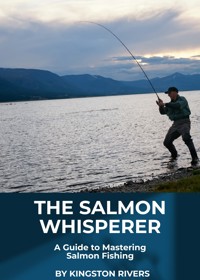
Discover the secrets of salmon fishing with "The Salmon Whisperer: A Guide to Mastering Salmon Fishing." This comprehensive guide covers everything you need to know about the exciting world of salmon fishing, from selecting the right gear and understanding salmon species to mastering fishing techniques and exploring iconic destinations. Whether you're new to the sport or a seasoned angler looking to up your game, this book will become your go-to resource for all things salmon fishing.
Key chapters in "The Salmon Whisperer" include:
The World of Salmon Fishing: Dive into the rich history and cultural significance of salmon fishing.
Salmon Species and Their Habitats: Learn about the different salmon species, their life cycles, and the diverse habitats they call home.
Fishing Gear for Salmon Anglers: Discover the essential gear and accessories for successful salmon fishing.
Bait and Lures for Salmon Fishing: Uncover the most effective bait and lure options for targeting various salmon species.
Knots and Rigging for Salmon Fishing: Master the essential knots and rigging techniques for salmon angling.
Additionally, "The Salmon Whisperer" covers a wide range of fishing techniques, from drift fishing and trolling to fly fishing, helping you develop the skills needed to excel in this sport. You'll also find expert advice on selecting the best salmon fishing destinations, planning your trips, and capturing beautiful photographs of your adventures.
Filled with practical tips, expert guidance, and inspiring stories, "The Salmon Whisperer: A Guide to Mastering Salmon Fishing" will help you build your skills and deepen your appreciation for the thrilling sport of salmon fishing.
Embark on your salmon fishing journey today and become one with the water, just like a true Salmon Whisperer.
Das E-Book können Sie in Legimi-Apps oder einer beliebigen App lesen, die das folgende Format unterstützen:
Veröffentlichungsjahr: 2023
Ähnliche



















Created by Xspurts.com
All rights reserved.
Copyright © 2005 onwards .
By reading this book, you agree to the below Terms and Conditions.
Xspurts.com retains all rights to these products.
No part of this book may be reproduced in any form, by photostat, microfilm, xerography, or any other means, or incorporated into any information retrieval system, electronic or mechanical, without the written permission of Xspurts.com; exceptions are made for brief excerpts used in published reviews.
This publication is designed to provide accurate and authoritative information with regard to the subject matter covered. It is sold with the understanding that the publisher is not engaged in rendering legal, accounting, health, relationship or other professional / personal advice. If legal advice or other expert assistance is required, the services of a competent professional should be sought.
A New Zealand Made Product
Get A Free Book At: xspurts.com/posts/free-book-offer
––––––––
Table of Contents
The World of Salmon Fishing
Introduction to Salmon Fishing
The History and Evolution of Salmon Fishing
The Cultural Significance of Salmon Fishing
Salmon Species and Their Habitats
Identifying Different Salmon Species
The Life Cycle of Salmon
Salmon Habitats Across the Globe
Fishing Gear for Salmon Anglers
Choosing the Right Rod and Reel
Selecting Line, Leaders, and Swivels
Must-Have Salmon Fishing Accessories
Bait and Lures for Salmon Fishing
Live Bait Options for Salmon
Artificial Lures and Their Uses
Matching Bait and Lures to Salmon Species
Knots and Rigging for Salmon Fishing
Essential Knots for Salmon Anglers
Setting Up Your Line and Terminal Tackle
Advanced Rigging Techniques
Techniques for Catching Salmon
Drift Fishing for Salmon
Trolling for Salmon
Fly Fishing for Salmon
Timing Your Salmon Fishing Adventures
Understanding Salmon Runs and Seasons
Identifying Prime Salmon Fishing Times
Fishing in Different Weather Conditions
Reading Water and Salmon Behavior
Recognizing Prime Salmon Holding Areas
Interpreting Water Currents and Temperature
Observing Salmon Behavior and Feeding Habits
Boat-Based Salmon Fishing
Choosing the Right Boat for Salmon Fishing
Boat Safety and Etiquette
Boat-Based Fishing Techniques
Shore and Riverbank Salmon Fishing
Locating Productive Shoreline Spots
Riverbank Fishing Strategies
Gear Considerations for Shore-Based Anglers
Salmon Fishing Destinations
Iconic Salmon Fishing Locations
Discovering Hidden Gems
International Salmon Fishing Hotspots
Planning Your Salmon Fishing Trip
Preparing Your Gear and Tackle
Packing Essentials for a Successful Trip
Choosing Accommodations and Guides
Salmon Fishing Ethics and Conservation
Catch and Release Best Practices
Supporting Sustainable Salmon Fisheries
Involvement in Salmon Conservation Efforts
Cooking Your Catch
Cleaning and Filleting Salmon
Delicious Salmon Recipes
Safe Handling and Storage of Salmon
Salmon Fishing with Family and Friends
Introducing Salmon Fishing to Others
Planning Group Salmon Fishing Outings
Building a Salmon Fishing Community
Fishing Tournaments and Events
Participating in Salmon Fishing Competitions
Celebrating Salmon Festivals
Attending Salmon Fishing Workshops and Seminars
Photographing Your Salmon Fishing Adventures
Composition and Lighting Techniques
Sharing Your Salmon Fishing Photos
Improving Your Salmon Fishing Skills
Learning from Experts and Mentors
Setting Personal Goals and Challenges
Embracing a Growth Mindset
Fishing for Salmon in Unique Environments
Urban Salmon Fishing Opportunities
Remote and Wilderness Salmon Fishing
Ice Fishing for Salmon
Salmon Fishing and Mental Well-being
The Therapeutic Benefits of Salmon Fishing
Mindfulness and Salmon Fishing
Building Resilience Through Salmon Fishing
Women in Salmon Fishing
Female Pioneers and Role Models
Women-Specific Gear and Apparel
Encouraging and Supporting Women in Salmon Fishing
Youth and Salmon Fishing
Introducing Salmon Fishing to Children and Teens
Youth Salmon Fishing Programs and Camps
Fostering a Lifelong Love for Salmon Fishing
Salmon Fishing for Persons with Disabilities
Adaptive Gear and Techniques for Anglers with Disabilities
Accessible Salmon Fishing Destinations and Facilities
Inclusive Salmon Fishing Programs and Events
The Future of Salmon Fishing
Technological Advancements in Salmon Fishing
Emerging Trends and Techniques
The Role of Anglers in Salmon Conservation
Have Questions / Comments?
Get Another Book Free
The World of Salmon Fishing
Salmon fishing is one of the most popular outdoor recreational activities in the world. People from all walks of life take part in this exciting sport, and it is enjoyed in many different countries around the globe. But what is it about salmon fishing that makes it so appealing? In this essay, we will explore the world of salmon fishing and discover the many reasons why it is such a beloved pastime.
Firstly, let us consider the allure of the salmon itself. These fish are highly prized for their delicious, flaky flesh and are an excellent source of protein and omega-3 fatty acids. They are found in many different bodies of water, including rivers, lakes, and oceans. However, it is their life cycle that makes them particularly fascinating to anglers.
Salmon are anadromous, which means they spend most of their life in the ocean but return to freshwater to spawn. When they are ready to reproduce, they swim upstream to the very spot where they were born. This incredible journey takes them up rivers and through rapids, often against strong currents and over obstacles. Along the way, they face many predators, including bears, eagles, and humans, all of whom are attracted to the salmon's tasty flesh.
It is this journey that makes salmon fishing so exciting. Anglers must use skill and patience to catch these elusive fish as they make their way upriver. This requires knowledge of the salmon's behavior and habitat, as well as an understanding of the best techniques and equipment to use. There are many different types of salmon fishing, including fly fishing, spin fishing, and baitcasting, each with its unique challenges and rewards.
One of the most popular types of salmon fishing is fly fishing. This method involves using a lightweight fishing rod, a specially designed fly line, and an artificial fly that imitates the appearance and movement of a real insect or other prey. The angler casts the fly onto the water, using a series of back-and-forth motions to create the illusion of a living creature. When a salmon bites, the angler must quickly set the hook and reel in the fish, using skill and finesse to avoid losing it.
Spin fishing, on the other hand, uses a spinning reel and a lure that is designed to mimic the movements of a small fish or other prey. The angler casts the lure out into the water and then reels it in, using a variety of jerking and twitching movements to make it look as lifelike as possible. This method is often favored by beginners, as it requires less skill and finesse than fly fishing.
Baitcasting is another popular method of salmon fishing, particularly in areas where the water is deep and the currents are strong. This technique involves using a baitcasting reel and a heavy lure or bait, which is cast out into the water and then allowed to sink to the bottom. The angler then reels the bait back in, using a combination of slow and fast movements to attract the salmon's attention.
Aside from the excitement of catching salmon, there are many other reasons why people enjoy this sport. For one, it allows them to connect with nature and spend time outdoors in beautiful, natural environments. Salmon fishing often takes place in remote locations, such as deep rivers or mountain streams, where anglers can enjoy the peacefulness and tranquility of nature.
Additionally, salmon fishing is often a social activity, with friends and family coming together to share in the experience. Many people make annual trips to their favorite fishing spots, often camping or staying in cabins nearby. These trips provide an opportunity for people to bond and make memories that will last a lifetime.
Introduction to Salmon Fishing
Salmon fishing is a thrilling outdoor recreational activity that has captured the hearts of people all around the world. It involves catching one of the most prized fish in the world, the salmon, as it makes its way upstream to spawn. Salmon fishing is an art that requires a combination of skill, patience, and understanding of the fish's behavior and habitat.
Salmon are anadromous fish, which means they spend most of their life in the ocean but return to freshwater to spawn. When they are ready to reproduce, they swim upstream to the very spot where they were born. This incredible journey takes them up rivers and through rapids, often against strong currents and over obstacles. Along the way, they face many predators, including bears, eagles, and humans, all of whom are attracted to the salmon's tasty flesh.
Salmon fishing is a popular activity in many different countries, including the United States, Canada, Scotland, and Norway, to name a few. Each location has its unique fishing traditions, techniques, and regulations.
One of the most popular types of salmon fishing is fly fishing. This method involves using a lightweight fishing rod, a specially designed fly line, and an artificial fly that imitates the appearance and movement of a real insect or other prey. The angler casts the fly onto the water, using a series of back-and-forth motions to create the illusion of a living creature. When a salmon bites, the angler must quickly set the hook and reel in the fish, using skill and finesse to avoid losing it.
Another popular method of salmon fishing is spin fishing. This technique involves using a spinning reel and a lure that is designed to mimic the movements of a small fish or other prey. The angler casts the lure out into the water and then reels it in, using a variety of jerking and twitching movements to make it look as lifelike as possible. This method is often favored by beginners, as it requires less skill and finesse than fly fishing.
Baitcasting is a method of salmon fishing that is popular in areas where the water is deep and the currents are strong. This technique involves using a baitcasting reel and a heavy lure or bait, which is cast out into the water and then allowed to sink to the bottom. The angler then reels the bait back in, using a combination of slow and fast movements to attract the salmon's attention.
Salmon fishing requires an understanding of the fish's behavior and habitat. For example, salmon tend to congregate in areas where there is cooler water, such as near the mouths of rivers, in deep pools, or in areas with fast-moving currents. Anglers must also be aware of the salmon's feeding habits, as they tend to be more active in the early morning or late afternoon when insects are most abundant.
In addition to skill and knowledge, salmon fishing requires specialized equipment. The fishing rod, reel, and line must all be carefully chosen to suit the angler's preferred fishing method and the size of the fish they are targeting. For example, fly fishing requires a lightweight rod and a delicate line, while baitcasting requires a heavier rod and line to handle the weight of the bait.
Salmon fishing is not only a thrilling sport but also an opportunity to connect with nature and spend time in beautiful, natural environments. Many fishing locations are remote and offer stunning views of the surrounding landscape. Fishing trips often involve camping or staying in cabins, providing a chance to disconnect from the stresses of daily life and enjoy the peacefulness of nature.
In addition to its recreational benefits, salmon fishing also has a significant economic impact. In areas where salmon fishing is popular, local economies benefit from the influx of tourists who spend money on lodging, food, and equipment. Fishing lodges, guides, and outfitters all contribute
The History and Evolution of Salmon Fishing
Salmon fishing is a practice that dates back thousands of years and has evolved over time. The history and evolution of salmon fishing tell a fascinating story of human ingenuity and resourcefulness.
The earliest evidence of salmon fishing dates back to the Paleolithic period, approximately 40,000 years ago. Cave paintings in Europe depict people fishing for salmon using spears and nets. In North America, Native American tribes relied heavily on salmon fishing for both food and trade.
As human populations grew, so did the demand for salmon. In the 19th century, salmon became a valuable commodity, and commercial fishing operations began to spring up in many parts of the world. However, overfishing and the destruction of salmon habitats led to a decline in salmon populations, and many species became endangered.
In response, governments around the world began to regulate salmon fishing, limiting the number of fish that could be caught and protecting critical salmon habitats. These efforts have helped to stabilize salmon populations, allowing the sport of salmon fishing to continue.
Over time, new technologies and techniques have emerged, making salmon fishing more efficient and accessible. The development of fly fishing in the 19th century revolutionized the sport, making it more of a leisure activity than a means of survival. Fly fishing equipment became more sophisticated, and new techniques were developed, such as dry fly fishing, wet fly fishing, and nymph fishing.
The 20th century saw the rise of spinning and baitcasting, which made salmon fishing even more accessible to the masses. These methods are more straightforward than fly fishing and require less skill and experience, making them popular with beginners and casual anglers.
In recent years, technological advancements have once again revolutionized salmon fishing. The use of sonar and GPS technology allows anglers to locate schools of salmon more easily, while advances in fishing line and reel technology have made it possible to catch even larger fish.
Despite these technological advancements, salmon fishing remains a sport that requires skill, patience, and a deep understanding of the fish's behavior and habitat. Anglers must be able to read the water, understand the salmon's feeding habits, and choose the right equipment and techniques to catch the fish successfully.
Today, salmon fishing is a popular pastime enjoyed by people of all ages and backgrounds. Many fishing locations around the world offer guided tours and instruction for beginners, making it easy for anyone to get started.
Salmon fishing also has a significant economic impact, particularly in areas where it is a popular tourist activity. Local economies benefit from the influx of visitors, who spend money on lodging, food, and equipment. Fishing lodges, guides, and outfitters all contribute to the local economy, providing jobs and revenue for the community.
In conclusion, the history and evolution of salmon fishing are a testament to the ingenuity and resourcefulness of humans. From the earliest cave paintings to modern-day technology, salmon fishing has undergone many changes, but its allure remains the same. It is a sport that allows us to connect with nature, challenge ourselves, and appreciate the beauty of the world around us.
The Cultural Significance of Salmon Fishing
Salmon fishing has long been an integral part of the cultural traditions of many communities around the world. For indigenous peoples, salmon fishing is not just a means of sustenance but a sacred practice that connects them to their ancestral lands and the natural world.
In North America, many Native American tribes have relied on salmon fishing for thousands of years. They view the salmon as a symbol of resilience, strength, and endurance, and their fishing practices reflect this reverence. Tribes such as the Haida, Tlingit, and Tsimshian in the Pacific Northwest have a rich cultural history of salmon fishing, using nets, spears, and traps to catch the fish.
Salmon fishing is also an important cultural tradition in Alaska. The state's indigenous communities have relied on salmon for thousands of years and have developed a deep understanding of the fish's behavior and habitat. For example, the Yup'ik people in western Alaska have a traditional practice of using a fish wheel, a large wooden structure that uses the river's current to catch salmon.
In Scotland, salmon fishing has been an important cultural tradition for centuries. The country's many rivers and lochs provide excellent fishing opportunities, and the sport has become an integral part of Scottish culture. Many Scottish families have been fishing the same rivers for generations, passing down their knowledge and techniques to their children and grandchildren.
In Norway, salmon fishing is also an important cultural tradition. The country's fjords and rivers are home to some of the largest salmon in the world, and fishing is an important source of income for many communities. Norwegian anglers use a variety of techniques to catch salmon, including fly fishing and spinning.
In addition to its cultural significance for indigenous peoples, salmon fishing has become a popular pastime enjoyed by people of all backgrounds around the world. Many fishing lodges and outfitters offer guided tours and instruction, making it easy for beginners to get started.
Despite its popularity, salmon fishing remains a deeply meaningful activity for many communities. It provides an opportunity to connect with nature, honor cultural traditions, and forge deep relationships with family and friends.
Salmon fishing also plays an important role in the economy of many regions. In Alaska, for example, the salmon fishing industry generates billions of dollars in revenue each year, supporting thousands of jobs and contributing to the state's economy.
However, salmon fishing is not without its challenges. Overfishing, habitat destruction, and climate change have all taken a toll on salmon populations around the world. In response, governments and conservation organizations have implemented regulations and conservation efforts to protect these valuable fish.
In conclusion, salmon fishing is more than just a recreational activity; it is a cultural tradition with deep roots in many communities around the world. From indigenous peoples to modern-day anglers, salmon fishing provides an opportunity to connect with nature, honor cultural traditions, and appreciate the beauty of the natural world. Despite the challenges facing salmon populations, efforts to protect these valuable fish are ongoing, ensuring that this important cultural practice can continue for generations to come.
Salmon Species and Their Habitats
Salmon are a diverse group of fish found in many different bodies of water around the world. There are several different species of salmon, each with its unique characteristics and habitat requirements. In this essay, we will explore the different species of salmon and their habitats, providing a deeper understanding of these fascinating fish.
Chinook Salmon
Chinook salmon, also known as king salmon, are the largest of the salmon species. They are found in the Pacific Ocean, from California to Alaska, and are also present in some rivers and lakes. Chinook salmon are highly prized for their rich, fatty flesh and are an important commercial fishery. They are often caught using trolling, which involves using a line with lures or bait behind a moving boat.
Coho Salmon
Coho salmon, also known as silver salmon, are found in the Pacific Ocean from California to Alaska, as well as in some rivers and lakes. They are smaller than chinook salmon, but still highly prized for their firm, flavorful flesh. Coho salmon are often caught using fly fishing, spin fishing, or baitcasting, and are known for their acrobatic jumps when hooked.
Sockeye Salmon
Sockeye salmon, also known as red salmon, are found in the Pacific Ocean and many freshwater rivers and lakes, including the Fraser River in British Columbia and the Kvichak River in Alaska. They are known for their bright red flesh and are often used for canning and smoking. Sockeye salmon are caught using a variety of methods, including dip nets, gill nets, and trolling.
Pink Salmon
Pink salmon, also known as humpback salmon, are found in the Pacific Ocean from California to Alaska and in some freshwater rivers and lakes. They are the smallest of the salmon species, but still highly prized for their delicate flavor and texture. Pink salmon are often caught using spin fishing or fly fishing, and their small size makes them an excellent choice for beginners.
Chum Salmon
Chum salmon, also known as dog salmon, are found in the Pacific Ocean and many freshwater rivers and lakes, including the Yukon River in Alaska and the Fraser River in British Columbia. They are known for their distinctive greenish-brown skin and are often used for smoking or canning. Chum salmon are caught using a variety of methods, including gill nets, dip nets, and trolling.
Salmon require specific habitats for spawning and survival. For example, chinook salmon spawn in deep pools and gravel beds in large rivers or streams, while sockeye salmon prefer shallow, fast-moving streams with sandy bottoms. Coho salmon can spawn in both rivers and lakes, while pink salmon tend to spawn in small, shallow streams and chum salmon require large rivers with slow-moving water.
Salmon habitats are also vulnerable to environmental threats, including pollution, climate change, and habitat destruction. For example, the construction of dams on rivers can block salmon from reaching their spawning grounds, while pollution can harm their eggs and fry.
Efforts are underway to protect and restore salmon habitats, including the removal of dams, the restoration of streams and rivers, and the implementation of stricter regulations on fishing and other activities that can harm salmon populations. These efforts are crucial to the survival of these valuable fish, as they play an important role in the ecosystem and the economies of many regions.
In conclusion, salmon are a diverse and fascinating group of fish with unique characteristics and habitat requirements. The different species of salmon provide a rich variety of flavors and textures and are an important food source for many people around the world. Understanding the habitats of these fish is crucial to their survival and the continuation of salmon fishing as a cherished pastime.
Identifying Different Salmon Species
Salmon are a group of fish that have captured the attention of anglers and seafood lovers alike for centuries. With several different species of salmon, each with unique characteristics and habitat requirements, identifying these fish can be a challenge for even experienced anglers. In this essay, we will explore how to identify different species of salmon, providing a deeper understanding of these fascinating fish and their characteristics.
Chinook Salmon
Chinook salmon, also known as king salmon, are the largest of the salmon species, with adult fish weighing up to 50 pounds or more. They are typically blue-green on the top with silver sides and a white belly. Chinook salmon have black spots on their backs and dorsal fins, and their gums are typically black. One unique feature of chinook salmon is their small, sharp teeth.
Coho Salmon
Coho salmon, also known as silver salmon, are smaller than chinook salmon, typically weighing 8 to 12 pounds. They have bright silver sides and a dark blue-green back, with black spots on their tails and upper body. Coho salmon have a distinctive black mouth and white gums, and their teeth are much larger and sharper than those of chinook salmon.
Sockeye Salmon
Sockeye salmon, also known as red salmon, are typically smaller than chinook salmon, weighing 5 to 8 pounds. They have bright red flesh and a bluish-green back with silver sides. Sockeye salmon have no black spots on their body or tail, and their gums are typically dark with a few white spots. They have very small teeth, which are barely visible.
Pink Salmon
Pink salmon, also known as humpback salmon, are the smallest of the salmon species, weighing only 3 to 5 pounds. They have silver sides and a bright pink back with large dark spots on their tail and upper body. Pink salmon have small, sharp teeth and a distinct hump on their back during spawning season.
Chum Salmon
Chum salmon, also known as dog salmon, are typically smaller than chinook salmon, weighing 8 to 12 pounds. They have a greenish-brown back with silver sides and no spots on their tail. Chum salmon have white gums and small teeth that are barely visible.
To identify different species of salmon, anglers can look for a combination of physical characteristics, such as size, coloration, and spot patterns. However, these characteristics can vary depending on the age, sex, and location of the fish, making identification challenging at times.
One way to improve salmon identification skills is to study photographs and illustrations of each species. Anglers can also use field guides and online resources to learn more about the different species of salmon and their identifying characteristics.
Another way to identify salmon species is by the fishing method used. Each species of salmon has different behaviors and habitat preferences, so certain fishing techniques may be more effective for one species than another. For example, chinook salmon tend to swim deeper in the water, so anglers may use downriggers or diving lures to catch them. Coho salmon, on the other hand, tend to swim closer to the surface, making them more susceptible to fly fishing and spin fishing.
In conclusion, identifying different species of salmon requires knowledge of their physical characteristics, habitat preferences, and behavior. Each species of salmon has unique identifying features that can help anglers distinguish them from one another. With practice and knowledge, anglers can become skilled at identifying these fascinating fish and enjoy the sport of salmon fishing even more.
The Life Cycle of Salmon
The life cycle of salmon is a complex and fascinating process that spans several years and involves both freshwater and saltwater environments. Understanding the life cycle of salmon is crucial to the conservation and management of these valuable fish, as well as to the sport of salmon fishing. In this essay, we will explore the different stages of the salmon life cycle, providing a deeper understanding of these amazing fish and their behaviors.
Spawning
The first stage of the salmon life cycle is spawning. Adult salmon return to their natal streams or rivers, typically in the fall or winter, to lay their eggs. The female salmon will create a nest, known as a redd, in the riverbed by using her tail to create a depression in the gravel. The male salmon will then fertilize the eggs, and the female will cover the eggs with more gravel to protect them.
Eggs
After the eggs are laid, they will remain in the riverbed for several months until they hatch. The incubation period varies depending on the species of salmon, with sockeye salmon having the longest incubation period of up to two years. The eggs are vulnerable to predation and environmental factors, such as changes in water temperature and oxygen levels.
Alevin
Once the eggs hatch, the young salmon, called alevin, remain in the gravel for several more weeks, using their yolk sacs for nutrition. During this stage, alevin are highly vulnerable to predation and environmental factors, such as sedimentation and pollution.
Fry
After the yolk sac is absorbed, the young salmon, called fry, emerge from the gravel and begin to swim and feed on insects and small aquatic organisms. Fry are still highly vulnerable to predation and environmental factors and require clean, cool water with plenty of food and shelter.
Smolt
As the salmon grow, they begin to develop the characteristics necessary for survival in the ocean. This stage, known as smolt, typically occurs when the salmon are one to two years old. Smolt undergo physiological changes that allow them to adapt to saltwater environments, such as developing saltwater-tolerant gills and changing their body coloration to a silvery blue-green.
Ocean Migration
After the smolt stage, the young salmon, now known as juveniles, will migrate to the ocean, where they will spend the next several years feeding and growing. The ocean migration can take several months and can cover hundreds or even thousands of miles. During this time, the salmon will face many challenges, including predation by larger fish and birds, as well as human-caused threats such as overfishing and habitat destruction.
Return to Freshwater
After several years in the ocean, adult salmon will begin their journey back to their natal streams or rivers to spawn. The migration back to freshwater can take several weeks or even months, and the salmon will face many challenges along the way, such as navigating dams and other barriers, avoiding predators, and dealing with changes in water quality and temperature.
In conclusion, the life cycle of salmon is a complex and amazing process that spans several years and involves both freshwater and saltwater environments. Understanding the different stages of the salmon life cycle is crucial to the conservation and management of these valuable fish, as well as to the sport of salmon fishing. By protecting and preserving the habitats necessary for each stage of the salmon life cycle, we can ensure that these amazing fish continue to thrive for generations to come.
Salmon Habitats Across the Globe
Salmon are found in many different bodies of water around the world, from the Pacific and Atlantic Oceans to freshwater rivers and lakes. Each species of salmon has unique habitat requirements, including water temperature, depth, and flow rate. In this essay, we will explore the different habitats of salmon across the globe, providing a deeper understanding of these fascinating fish and their behaviors.
North America
North America is home to several species of salmon, including chinook, coho, sockeye, pink, and chum salmon. These fish are found in both the Pacific and Atlantic Oceans, as well as in many rivers and lakes throughout the continent. The Pacific Northwest region of the United States, including Alaska, Washington, and Oregon, is particularly well-known for its salmon populations, with many commercial and sport fisheries operating in the area.
Europe
Salmon are also found in many bodies of water throughout Europe, including the Atlantic Ocean, the Mediterranean Sea, and many rivers and lakes. The Atlantic salmon is one of the most well-known species in Europe, and is found in countries such as Norway, Scotland, Ireland, and Iceland. The species is also present in some rivers in the United States and Canada, where it was introduced in the 19th century.
Asia
Asia is home to several species of salmon, including the cherry salmon, pink salmon, chum salmon, and masu salmon. These fish are found in bodies of water throughout the region, including Russia, Japan, and Korea. In particular, the Kamchatka Peninsula in Russia is known for its abundant salmon populations, with many commercial and sport fisheries operating in the area.
Australia and New Zealand
Salmon are also found in some bodies of water in Australia and New Zealand, including the Tasman Sea and several rivers in New Zealand. The species introduced to these areas for recreational fishing, and have established self-sustaining populations.
Salmon habitats are vulnerable to environmental threats, including pollution, habitat destruction, and climate change. For example, the construction of dams on rivers can block salmon from reaching their spawning grounds, while pollution can harm their eggs and fry. Climate change is also affecting salmon habitats, with rising temperatures and changing water patterns affecting the timing and success of the salmon migration.




