


5,99 €
Mehr erfahren.
- Herausgeber: Shuttle Systems Ltd
- Kategorie: Ratgeber
- Sprache: Englisch
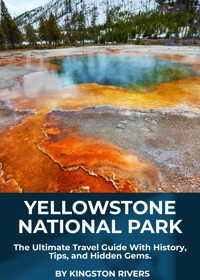
"Yellowstone: a land where history, adventure, and beauty intertwine."
Discover the breathtaking beauty, captivating history, and thrilling adventures of Yellowstone National Park with "Yellowstone National Park: The Ultimate Travel Guide With History, Tips, and Hidden Gems." This comprehensive guide takes you on an unforgettable journey through America's first national park, unveiling its geological wonders, diverse wildlife, and rich cultural history.
Explore the park's awe-inspiring geothermal features, including geysers, hot springs, and the famed Yellowstone Caldera, and learn about the volcanic activity that has shaped this stunning landscape. Dive into the world of Yellowstone's diverse wildlife, from bison to grizzly bears, and gain insight into the critical role they play in the park's ecosystem.
Delve into the fascinating human history of Yellowstone, from the stories of indigenous peoples and their cultural legends to the exploration and establishment of the park in 1872. Uncover the impact of tourism and development on the park and learn about ongoing conservation efforts and the challenges posed by climate change.
Plan the perfect Yellowstone adventure with expert tips on hiking trails, must-see features, camping, fishing, and more. Discover the best times to visit, seasonal highlights, and how to safely navigate the park's unique dangers. In addition, you'll find recommendations for exploring the surrounding areas, including the Grand Tetons, Cody, and other nearby attractions.
Featuring personal experiences from park visitors, detailed maps, GPS coordinates, and safety information, "Yellowstone National Park: The Ultimate Travel Guide With History, Tips, and Hidden Gems" is the essential companion for your Yellowstone journey.
Unlock the secrets of Yellowstone National Park by ordering your copy today and embark on an adventure of a lifetime, exploring the breathtaking beauty, rich history, and thrilling experiences that await you in this natural wonderland.
Das E-Book können Sie in Legimi-Apps oder einer beliebigen App lesen, die das folgende Format unterstützen:
Veröffentlichungsjahr: 2023
Ähnliche














Created by BornIncredible.com
All rights reserved.
Copyright © 2005 onwards .
By reading this book, you agree to the below Terms and Conditions.
BornIncredible.com retains all rights to these products.
No part of this book may be reproduced in any form, by photostat, microfilm, xerography, or any other means, or incorporated into any information retrieval system, electronic or mechanical, without the written permission of BornIncredible.com; exceptions are made for brief excerpts used in published reviews.
This publication is designed to provide accurate and authoritative information with regard to the subject matter covered. It is sold with the understanding that the publisher is not engaged in rendering legal, accounting, health, relationship or other professional / personal advice. If legal advice or other expert assistance is required, the services of a competent professional should be sought.
A New Zealand Made Product
Get A Free Book At: BornIncredible.com/free-book-offer/
“I pledge to protect Yellowstone National Park. I will act responsibly and safely, set a good example for others, and share my love of the park and all the things that make it special.”
Table of Contents
Book Introduction
Brief Overview
A Geological Wonderland
The Formation Of The Yellowstone Caldera And Its Geothermal Features
The Role Of Volcanic Activity In Shaping The Park's Landscape
Descriptions Of Geysers, Hot Springs, And Other Geothermal Features
Yellowstone Records
Wildlife Of Yellowstone
Overview Of Yellowstone's Wildlife
The Role Of Wildlife In Yellowstone's Ecosystem And Conservation Efforts
Tips For Safely Observing Wildlife In The Park
The Human History Of Yellowstone
The Park's History With Indigenous Peoples
Cultural Stories
The Legend of the Buffalo Woman
Giant's Thumb
27 Current Tribes That Have Historic Connections
Assiniboine and Sioux
Blackfeet
Cheyenne River Sioux
Coeur d’Alene
Comanche
Colville Reservation
Crow
Crow Creek Sioux
Eastern Shoshone
Flandreau Santee Sioux
Gros Ventre and Assiniboine
Kiowa
Little Shell Chippewa
Lower Brule Sioux
Nez Perce
Northern Arapaho
Northern Cheyenne
Oglala Sioux
Rosebud Sioux
Salish and Kootenai
Shoshone–Bannock
The Tukudika (Sheep Eaters)
Sisseton Wahpeton
Spirit Lake
Standing Rock Sioux
Turtle Mountain Band of the Chippewa
Umatilla Reservation
Yankton Sioux
Early European Explorers
The Establishment Of Yellowstone National Park In 1872
The Impact Of Tourism And Development On The Park
Outdoor Recreation In Yellowstone
Hiking
Hiking Trails
Hiking Tips
Must-See Views
Must-See Features
Old Faithful
Yellowstone Lake:
Grand Prismatic Spring
Grand Canyon of the Yellowstone
Lamar Valley
Mammoth Hot Springs
Hayden Valley
Tower Fall
Artist Point
Norris Geyser Basin
Camping
Fishing
Dangers
Dangerous Animals
Dangerous Reptiles
Dangerous Areas
Other Outdoor Activities In The Park
Horse Trekking
Overview Of The Park's Trails And Backcountry Areas
Tips For Planning A Safe And Enjoyable Outdoor Adventure In Yellowstone
The Future Of Yellowstone
The Impact Of Climate Change On Yellowstone's Ecosystems
Current Conservation Efforts And Challenges Facing The Park
The Importance Of Sustainable Tourism And Responsible
Travel In Preserving The Park's Natural Beauty
Camping And Lodging In Yellowstone: Best Places To Stay
Things To Know Before You Go
Laws And Regulations
The Best Times To Visit Yellowstone
Seasonal Highlights
Seasonal Challenges
Exploring The Surrounding Areas: The Grand Tetons, Cody, And Other Nearby Attractions
Personal Experiences
Lila’s Story
Harper’s Story
Avery’s Story
Adeline’s Story
Emma’s Story
Lena’s Story
Emily’s Story
Conclusion:
Reflections On The Significance Of Yellowstone National Park
Frequently Asked Questions.
What states are Yellowstone National Park in?
Why is Yellowstone National Park famous?
Yellowstone eruption
Where exactly is Yellowstone National Park?
Do people live in Yellowstone?
Is Yosemite and Yellowstone the same?
When did Yellowstone last erupt?
Is Yellowstone volcano overdue?
Why is it called Yellowstone?
Is it safe to go to Yellowstone National Park?
Is it safe to visit Yellowstone now?
What would happen if Yellowstone erupted?
What is the closest city to Yellowstone National Park?
Are there grizzly bears in Yellowstone National Park?
What is the most common animal in Yellowstone?
Can you touch Yellowstone?
How much do you get paid to work at Yellowstone?
How much does it cost per person to be in Yellowstone National Park?
What is the most beautiful park in the US?
Which is prettier Yosemite or Yellowstone?
Does Yosemite mean grizzly bear?
How many years overdue is Yellowstone?
What is the biggest supervolcano in the world?
How likely is it that Yellowstone will erupt?
Would it be possible to stop Yellowstone eruption?
How would we know if Yellowstone is about to erupt?
What would happen if Taupo erupted?
Is Yellowstone an active volcano?
How often does the Old Faithful geyser erupt?
What not to do in Yellowstone?
What are 5 interesting facts about Yellowstone?
Why is Yellowstone so famous?
How old is Yellowstone?
Is Yellowstone a super volcano?
What is Yellowstone most popular for?
What happens if Yellowstone erupts?
What is the story behind Yellowstone?
Why is Yellowstone the oldest national park?
What tribes lived in Yellowstone?
What type of volcano is Yellowstone?
Will Yellowstone ever erupt?
What is the largest supervolcano on Earth?
Is Yellowstone the largest volcano on Earth?
What is the death zone of Yellowstone volcano?
What are the 3 super volcanoes in the US?
What is the biggest thing in Yellowstone National Park?
What attracts tourists to Yellowstone?
What is the most visited part of Yellowstone National Park?
How many years is Yellowstone overdue?
How many super volcanoes are on Earth?
What is missing in Yellowstone about?
Is the story of Yellowstone true?
What does Yellowstone stand for?
How much does Yellowstone pay for jobs?
Can you own land in Yellowstone?
Does Yellowstone park make money?
Are the Duttons a real family?
Is Yellowstone Dutton family a true story?
Are the Duttons still alive?
Is Dutton ranch a real place?
How many geysers are in Yellowstone?
Which is the world's 1st national park?
Who first lived in Yellowstone?
Who first discovered Yellowstone National Park?
Who lived in Yellowstone before it was a park?
What was the original name of Yellowstone?
What are 3 interesting facts about Yellowstone National Park?
How do Native Americans feel about Yellowstone?
How historically accurate is Yellowstone?
Do Native Americans still live in Yellowstone?
What happened to the Native Americans in Yellowstone?
Is Yellowstone on a volcano?
What historical events happened at Yellowstone?
What is so special about Yellowstone?
Why is Yellowstone so important?
What kind of Indians are the ones in Yellowstone?
Who was sterilized at the Indian abortion clinic Yellowstone?
Why is Yellowstone controversial?
Are you allowed to live in Yellowstone?
Are there any good guys in Yellowstone?
What did Native Americans call Yellowstone?
Is Yellowstone erupting soon?
How far will Yellowstone reach if it erupts?
Can we survive if Yellowstone erupts?
How many people have fallen into Old Faithful?
What are 10 interesting facts about Yellowstone National Park?
Who owns the house in Yellowstone?
Is Yellowstone sacred to Native Americans?
How did Jamie sterilize Beth?
How did they sterilize Native American?
What is an example of erosion in Yellowstone National Park?
What is the problem in Yellowstone National Park?
What caused the Yellowstone flooding 2022?
What happened to Yellowstone 2022?
What are the 3 main things that cause erosion?
What are 4 examples of erosion?
Why did Yellowstone shut down?
When was the last time Yellowstone flooded?
Was Yellowstone flooding caused by global warming?
What causes the most deaths in Yellowstone?
Where will all the water from Yellowstone go?
Is Yellowstone closing for good?
Will Yellowstone recover?
Is Yellowstone still shutting down?
What is the most powerful source of erosion?
How do we stop erosion?
What are the 7 causes of erosion?
What are 5 main human causes of erosion?
What are 5 natural causes of erosion?
What is the most common erosion?
What is the chance of Yellowstone erupting?
What would happen if Yellowstone fully erupted?
What is the largest supervolcano in the world?
Why was Yellowstone closed 34 years ago?
How long is Yellowstone expected to be closed?
How much is Yellowstone overdue?
Is Yellowstone a natural disaster?
How much would the global temperature drop if Yellowstone erupted?
Why does water boil at Yellowstone?
Can Yellowstone cause extinction?
Why is the Colorado River drying up?
Why is the Colorado River famous?
Where does the Colorado River start and end?
Will the Colorado River completely dry up?
Can you swim in the Colorado River?
Is it possible to restore the Colorado River?
What is the problem with the Colorado River?
What are 3 interesting facts about the Colorado River?
Why is the Colorado River disappearing?
What are the only two rivers in the world that flow north?
When was the last time the Colorado River reached the ocean?
What is 80% of the Colorado River used for?
What happens if Hoover Dam dries up?
Is the Hoover Dam drying up?
Will the Hoover Dam run out of water?
Can you drink water straight from the Colorado River?
Are there alligators in the Colorado River?
Can you drink the water in the Colorado River?
Where should the Colorado River end but no longer does?
How deep is the water in the Colorado River?
How long would it take to float down the Colorado River?
Why are there no swimming lakes in Colorado?
Can we fix Lake Mead?
What is the solution for Lake Mead?
Why is the Colorado River so blue?
Is the Colorado River freshwater or saltwater?
Will Lake Mead ever fill again?
Why is the Colorado River so dirty?
Is the Colorado River in a death spiral?
What is the slowest moving river in the world?
What are five facts about the Colorado River?
What are 2 interesting facts about the Colorado River?
What is the Colorado River known for?
What are 3 things the Colorado River is used for?
What are 3 interesting facts about Colorado?
Is the Colorado River drying up?
How old is the Colorado River?
Why is it called Colorado River?
Is it OK to swim in the Colorado River?
Why was the Colorado River important in history?
Which river is called father of water?
How deep is the Colorado River?
What is 70% of the water taken from the Colorado River used for?
What is under the Colorado River?
How long was Colorado underwater?
What makes Colorado so special?
What good is Colorado famous for?
Can you drink from the Colorado River?
How much longer will the Colorado River last?
Why is the Colorado River in danger?
Why doesn't the Colorado River reach the ocean?
Is the Colorado River overused?
How deep is the Colorado River at its deepest point?
What is the oldest river in the world?
Why is the Colorado River so green?
Who went down the Colorado River first?
Why did the Colorado River used to look red?
Why is the Colorado River Yellow?
What feeds the Colorado River?
How hot is the Colorado River?
Does the Colorado River go through Yellowstone National Park?
What river runs through Yellowstone park?
What 3 national parks does the Colorado River go through?
What National Park was created by the Colorado River?
Can I swim in the Yellowstone River?
Can you touch the water in Yellowstone?
Why is it called Yellowstone River?
Why is Yellowstone water so hot?
Why is the water at Yellowstone so hot?
Why can't you swim in Yellowstone?
How do people shower in Yellowstone?
Can you swim in any hot springs in Yellowstone?
Can you swim Yellowstone Lake?
Why is the water so blue in Yellowstone?
What is the most common plant in Yellowstone?
How many species of plants are in Yellowstone National Park?
What is the wildlife and plant life in Yellowstone National Park?
What are 3 producers in Yellowstone?
What are the edible plants of Yellowstone?
What are the big trees in Yellowstone Park?
Are there cactus in Yellowstone?
Does Yellowstone have a geothermal plant?
What shrubs are in Yellowstone?
What type of ecosystem does Yellowstone have?
What type of habitat is Yellowstone?
What eats a grizzly bear?
What is Yellowstone rarest animal?
Who was Yellowstone owned by?
What are the 10 edible plants?
What are the three edible plants?
What is the most popular edible plant?
Are there giant redwoods in Yellowstone?
Where is the biggest tree in the world?
What is the petrified tree in Yellowstone?
What are the yellow trees in Yellowstone?
What is the smell in Yellowstone National Park?
Why are there so many dead trees in Yellowstone National Park?
What is the soil in Yellowstone made of?
Are there maple trees in Yellowstone park?
Is Yellowstone active volcano?
What berries grow in Yellowstone?
What is the yellow Bush called?
What flora is unique to Yosemite National Park?
What type of forest is Yellowstone?
What kind of animals can you find in Yellowstone National park?
Are there a lot of animals in Yellowstone?
How likely are you to see a bear in Yellowstone?
Are there dinosaurs in Yellowstone?
Was the cow birth in Yellowstone real?
What is the rarest living animal on earth?
What is America's rarest animal?
Is it rare to see a wolf in Yellowstone?
Are snakes common in Yellowstone?
Does Yellowstone have grizzly bears?
Why are dogs not allowed in Yellowstone?
Do bears eat wolves?
Can you touch animals in Yellowstone?
Are bears aggressive in Yellowstone?
How many people get mauled by bears in Yellowstone?
Do I need bear spray in Yellowstone?
Are there giants in Yellowstone?
What was found at the bottom of Yellowstone Lake?
Do humans live in Yellowstone?
What animal has only 30 left?
What is the rarest thing in the ocean?
What is the 3 rarest animal in the world?
What is the number 2 rarest animal in the world?
How common are wolf attacks in Yellowstone?
When was the last wolf killed in Yellowstone?
What is the most famous wolf in Yellowstone?
Is Yellowstone good for the ecosystem?
Where is Greater Yellowstone Ecosystem?
What is the biodiversity of Yellowstone National Park?
What happened in the Yellowstone ecosystem?
What are the threats to Yellowstone ecosystem?
What allowed the ecosystem at Yellowstone to recover?
Why is Yellowstone so geothermal?
What are the biotic factors in the Yellowstone ecosystem?
How many wolves are in the Yellowstone ecosystem?
What plants and trees are in Yellowstone?
Is Yellowstone a grassland?
Which National Park has greatest biodiversity?
How is energy transferred in Yellowstone ecosystem?
How did wolves change the ecosystem in Yellowstone?
How did the Yellowstone fire affect the ecosystem?
What is the biggest threat to ecosystems?
What kind of volcano is Yellowstone?
Why are so many trees down in Yellowstone?
How does Yellowstone protect biodiversity?
What role have humans played in the Yellowstone ecosystem?
How much energy could Yellowstone produce?
How hot is Yellowstone water?
What kind of plants and animals live in Yellowstone National Park?
What organisms live in Yellowstone National Park?
What happened to the ecosystem without wolves in Yellowstone?
What type of forest is Yellowstone National Park?
Is Yellowstone a mountain or volcano?
Is Yellowstone a volcanic?
What is the most biodiverse ecosystem on Earth?
What are the environmental issues of Yellowstone?
Why is Yellowstone National Park important to the environment?
What are the features of the surrounding environment in Yellowstone National Park?
Is Yellowstone affected by global warming?
Do national parks actually benefit the environment?
How do national parks help the environment?
What type of ecosystems are in Yellowstone National Park?
Does Yellowstone have high biodiversity?
What are the negatives of Yellowstone National Park?
Is Yellowstone National Park sustainable?
What are the benefits of Yellowstone?
Will Yellowstone erupt?
How many years are we overdue for Yellowstone?
What would happen if Yellowstone blew up?
How would Yellowstone affect the climate?
How do national parks prevent natural disasters?
What would happen if national parks did not exist?
What are the disadvantages of national parks?
What are the major environmental threats to national parks?
How do national parks protect wildlife?
Why are national parks good for biodiversity?
What is Yellowstone most known for?
What are some facts about Yellowstone wildlife?
What climate is Yellowstone?
Is Yellowstone a volcanic hotspot?
What is the heat source for Yellowstone?
Is Yellowstone the strongest volcano?
What is the biggest threat in Yellowstone?
What happens if you fall in a geyser?
Is Yellowstone getting warmer?
Which National Park is the most affected by climate change?
Is Yellowstone predicted to erupt?
Is Yellowstone overdue to erupt?
How much land would be destroyed if Yellowstone erupted?
What would happen to global temperatures if Yellowstone erupted?
Would Yellowstone cause a nuclear winter?
When would Yellowstone erupt?
How long do we have left on Earth 2022?
Which country has the best climate in the world?
What is the biggest threat in global warming?
Is it too late to stop global warming?
Will climate change be irreversible by 2030?
Is Yellowstone active dormant or extinct?
How do you stop Yellowstone from erupting?
How many years overdue is Yellowstone volcano?
Would Europe be affected if Yellowstone erupted?
How much of the world would be affected by Yellowstone?
What countries would be affected if Yellowstone erupted?
Did a super volcano cause an ice age?
Will Yellowstone be open in 2023?
What type of climate is in Yellowstone National Park?
Why is Yellowstone park so cold?
Is Yellowstone cold or hot?
Is Yellowstone too hot in the summer?
Where is coldest place on earth?
How cold does Yellowstone get?
Is Yellowstone pretty in winter?
Can you swim in Yellowstone geyser?
How do you stay warm in Yellowstone?
Does Yellowstone get a lot of snow?
Why is Yellowstone so hot?
How hot is the hottest water in Yellowstone?
Does Yellowstone have swimmable hot springs?
Does it snow in Yellowstone in summer?
When should you not visit Yellowstone?
What's the hottest city in the world?
What is hottest place on Earth?
Can you snow ski in Yellowstone?
Does Yellowstone Lake ever freeze?
Is Yellowstone water hot?
How do people stay in Yellowstone in the winter?
Is it safe to drive to Yellowstone in the winter?
Can you visit Yellowstone at Christmas?
Is Yellowstone river water drinkable?
Can you drink tap water in Yellowstone?
Can you sleep anywhere in Yellowstone?
Can you sleep at Yellowstone?
Is Yellowstone better in summer or winter?
Can you swim in Yellowstone Lake?
What would happen if Yellowstone erupts?
What is the geological significance of Yellowstone National Park?
What is the geologic tectonic setting of Yellowstone?
Does Yellowstone have special history?
Is Yellowstone Lake natural or man made?
Which of these geological features is found in Yellowstone National Park?
Is Yellowstone a geological hotspot?
What is unusual about Yellowstone National Park?
What are some geologic hazards at Yellowstone?
What type of rock is Yellowstone volcano?
Can you swim in Yellowstone water?
Can you touch Yellowstone water?
What is the biggest supervolcano on Earth?
How far would Yellowstone reach if it erupted?
Is there a supervolcano bigger than Yellowstone?
What is the oldest rock in Yellowstone National Park?
What evidence shows that Yellowstone is a hotspot?
How fast is Yellowstone rising?
What dinosaurs were found in Yellowstone?
Did dinosaurs live in Yellowstone?
What is the rarest animal to see in Yellowstone?
Why are the rocks in Yellowstone yellow?
Could an earthquake trigger Yellowstone?
Why does Yellowstone have so many earthquakes?
What makes Yellowstone a super volcano?
How hot is Yellowstone volcano lava?
How hot is Yellowstone volcano magma?
Why was Yellowstone originally created?
What natural disaster happened in Yellowstone?
When did humans first live in Yellowstone?
What is a unique geologic feature?
How much does it cost to camp at Yellowstone National Park?
Can you camp anywhere in Yellowstone National Park?
Do you need reservations to camp in Yellowstone?
Is Yellowstone a good place to camp?
Can I sleep in my car at Yellowstone campground?
How many days do you need in Yellowstone?
What to do if a grizzly bear is outside your tent?
Is camping at Yellowstone free?
How many days should you camp in Yellowstone?
How hard is it to get a campsite at Yellowstone?
When's the best time to go to Yellowstone?
How do I plan a camping trip to Yellowstone?
How much does it cost to rent a cabin in Yellowstone?
Do Yellowstone campgrounds have electricity?
How do you eat in Yellowstone National Park?
How do campers stay warm in Yellowstone?
Does Yellowstone have a hotel?
Is it better to stay in Yellowstone or outside?
Where do you fly into for Yellowstone?
How long does it take to drive the entire Yellowstone loop?
What smells do bears not like?
Should you yell at a grizzly bear?
Will a whistle scare a bear?
How much does it cost to stay in the lodge at Yellowstone?
How much does it cost to stay at Yellowstone?
Do Yellowstone campgrounds have showers?
How far is Jackson Hole from Yellowstone?
How strict is Yellowstone on tent size?
Is an RV for Yellowstone a good idea?
Can you drive a camper through Yellowstone?
How many days do you need in Yellowstone National Park?
Is a guided tour of Yellowstone worth it?
What is the best month to go to Yellowstone National Park?
What is the best way to plan a trip to Yellowstone?
How long should I plan to spend at Yellowstone National Park?
How many weeks do you need for Yellowstone?
What is the prettiest part of Yellowstone?
Can I explore Yellowstone on my own?
Can you enjoy Yellowstone without hiking?
What not to do in Yellowstone National Park?
How much does it cost to go to Yellowstone park?
What is the number one attraction in Yellowstone?
What city to stay in when visiting Yellowstone?
Are there gas stations inside Yellowstone?
Can you drive up to Old Faithful?
Do I need a reservation to enter Yellowstone?
Can you drive the Yellowstone loop in one day?
Is it worth it to stay in Yellowstone National Park?
How far are the Grand Tetons from Yellowstone?
How many days in Jackson Hole and Yellowstone?
What should I be careful of in Yellowstone?
Can you swim in Yellowstone hot springs?
What is the most photographed place in Yellowstone?
Do you need to pay to see Old Faithful?
Can you drive through Yellowstone for free?
What are 3 activities you can do in Yellowstone National Park?
Do you need an SUV to drive around Yellowstone?
What I wish I knew before going to Yellowstone?
Is Yellowstone a hard hike?
Is Yellowstone good for hiking?
How long does it take to hike Yellowstone?
Is Yellowstone good for backpacking?
Do you need bear spray in Yellowstone?
Do I need hiking boots in Yellowstone?
What time of year is best to hike Yellowstone?
How much does it cost to hike in Yellowstone?
Is it safe to camp in Yellowstone?
How can we avoid bears in Yellowstone?
Are Yellowstone tours worth the money?
Should you carry a gun in Yellowstone?
Are there a lot of mosquitoes in Yellowstone?
Should I bring a stroller to Yellowstone?
Do I need tire chains in Yellowstone?
What is the best month to see wildlife in Yellowstone?
What is the most popular hike in Yellowstone?
Do you need a ticket to see Old Faithful?
What is the best guided hike in Yellowstone?
How long does it take to drive the loop in Yellowstone?
How do I prepare for a trip to Yellowstone?
Are there bears in Yellowstone campgrounds?
What to do if you see a bear Yellowstone?
What do you do if a bear is chasing you?
What time of year are bears most active in Yellowstone?
What to avoid in Yellowstone?
What to avoid in Yellowstone National Park?
What's better Yellowstone or Yosemite?
What is the prettiest place in Yellowstone National Park?
What is the best month to visit Yellowstone National Park?
Does Yellowstone have Instagram?
Why Yellowstone National Park is famous?
Did anyone ever live in Yellowstone National Park?
Is it worth going to Yellowstone?
How many people are lost in Yellowstone?
How many days do I need at Yellowstone?
What is a good month to go to Yellowstone?
How close is Yellowstone to erupting?
Is Yellowstone a wonder of the world?
Why do people love Yellowstone?
Do Indians still live in Yellowstone?
How common are bear attacks in Yellowstone?
How many attacks does Yellowstone have?
Can you drink Yellowstone water?
Can we swim in Yellowstone Lake?
What happens if you swim in Yellowstone?
Does it cost to see Old Faithful?
How much does a week in Yellowstone cost?
What is the most famous park?
Why is Yellowstone not free?
What is Yellowstone National Park on top of?
How long does it take to drive the upper loop in Yellowstone?
Which is better upper or lower loop Yellowstone?
How many days are enough for Yellowstone?
How long does it take to drive the Yellowstone lower loop?
Which side of Yellowstone should I stay?
Can you do Yellowstone in one day?
Is Yellowstone one of the wonders of the world?
Would humans go extinct if Yellowstone erupted?
Why is swimming closed in Yellowstone?
Is there WiFi in Yellowstone?
When should you not go to Yellowstone National Park?
Are Yellowstone tours worth it?
How much does it cost to drive through Yellowstone?
How fast is the hot spot moving under Yellowstone?
What are the 2 loops in Yellowstone?
How many days does it take to drive through Yellowstone?
Can you sleep in car in Yellowstone?
How much is a night at the Yellowstone Ranch?
Can you drive through Yellowstone on your own?
What are the 7 Wonders of North America?
What is the number 1 wonder of the world?
What are the 3 super volcanoes?
Would Yellowstone cause an ice age?
Will Yellowstone erupt in 2030?
Can you touch bison in Yellowstone?
What is special about the bison in Yellowstone?
Why are bison being relocated out of Yellowstone National Park?
How many bison are left in Yellowstone?
What to do if you get attacked by a bison?
Are wild bison aggressive?
Are bison friendly to humans?
What was killing the buffalo on Yellowstone?
Who saved the bison from extinction?
Who eats bison in Yellowstone?
How many grizzly bears are in Yellowstone?
Are there wild bison in Australia?
Why did bison almost disappear from Earth?
Can you outrun a bison?
Did the US Army try to exterminate bison?
Can a wolf take down a bison?
Do bison like to be petted?
Can humans eat raw bison?
Does bison meat taste like cow meat?
Are there big cats in Yellowstone?
How common is it to see bears in Yellowstone?
Do Bisons bite?
What should you not do around bison?
Can a bison impregnate a cow?
Do bison ever fall into Hot Springs?
How close to extinction were bison?
Do buffalo still roam wild in America?
Can you shoot buffalo at Yellowstone?
Is Yellowstone National Park Indian land?
Is Yellowstone National Park an Indian reservation?
Who are the Indians on Yellowstone?
Are there still Indians in Yellowstone?
What country owns Yellowstone National Park?
What did Indians call Yellowstone?
Can I visit a Indian reservation in Wyoming?
Is the Grand Canyon an Indian reservation?
What Indian tribe lived in Yosemite?
Who owns most of Yellowstone?
Why do they call it Yellowstone?
What Indian tribe is in Montana?
Can you live on an Indian reservation if you're not Indian?
Is it free to live on an Indian reservation?
Do Indians still have to live on a reservation?
Do Native Americans pay taxes?
Which states still have Indian reservations?
What is the most remote Indian reservation?
What was the most feared Indian tribe in the United States?
Amazing facts
Other Additions
Maps
Regional Map
Getting Around
Entrances
Speed limits
GPS Coordinates
Safety
Thermal Area Safety
Have An Unanswered Question?
Receive Another Book Free
Book Introduction
Yellowstone National Park is a natural wonderland of breathtaking scenery, unique geothermal features, and abundant wildlife. Located primarily in the U.S. state of Wyoming, this iconic park covers an area of 2.2 million acres and is home to a vast array of plant and animal species, including many that are endangered or threatened.
In this book, we will explore the wonders of Yellowstone National Park, from its fascinating geological formations such as Old Faithful, to its diverse flora and fauna, and the history of its human inhabitants. We will also delve into the challenges facing the park today, including the effects of climate change, increasing visitation, and balancing the needs of conservation with those of tourism.
Whether you are a seasoned visitor to Yellowstone or a first-time explorer, this book will provide a comprehensive guide to one of the most awe-inspiring places on Earth. So join us on a journey through the wonders of Yellowstone National Park, and discover the natural beauty and cultural significance of this unique and treasured destination.
Brief Overview
Yellowstone National Park is one of the most visited and well-known national parks in the United States. It is located primarily in the state of Wyoming but also extends into Montana and Idaho. The park was established in 1872 and is considered the first national park in the world. It spans over 2.2 million acres and is home to a vast array of wildlife, geothermal features, and stunning natural landscapes.
The history of Yellowstone National Park is rich and varied. Before the arrival of European settlers, the area was inhabited by Native American tribes, primarily the Shoshone, Bannock, and Crow. They used the area for hunting, fishing, and spiritual practices, and believed that the geothermal features held great spiritual significance.
In the 1800s, the area began to attract the attention of explorers and fur trappers. The first documented visit by a European-American was in 1807 by John Colter, a member of the Lewis and Clark Expedition. Over the years, other explorers, adventurers, and scientists visited the area and documented its unique features and wildlife.
The park was formally established in 1872 by President Ulysses S. Grant, making it the first national park in the world. Its purpose was to protect and preserve the natural wonders of the area for future generations. The park quickly became a popular tourist destination and was accessible by railroad in the early 1900s, bringing even more visitors to the area.
In the following years, the park faced challenges such as poaching, mining, and logging, but with the help of conservationists like John Muir and President Theodore Roosevelt, the park was protected and managed for the benefit of both visitors and wildlife. Today, the park remains a top tourist destination and continues to be managed for the preservation and protection of its natural resources.
Yellowstone National Park is home to an incredible array of wildlife, including wolves, grizzly bears, bison, elk, and moose. The park is also known for its unique geothermal features, such as geysers, hot springs, and mud pots. The most famous of these is Old Faithful, which erupts approximately every 90 minutes, shooting water up to 180 feet into the air.
Visitors to the park can enjoy a wide variety of activities, including hiking, camping, fishing, and wildlife watching. The park is also home to several lodges and visitor centers, where visitors can learn about the park's history, geology, and wildlife.
Yellowstone National Park's significance cannot be overstated. It was the first national park in the world, and its establishment paved the way for the creation of many other national parks and protected areas around the world. It remains a symbol of the importance of protecting and preserving our natural resources for future generations.
A Geological Wonderland
Yellowstone National Park is a geological wonderland, boasting a vast array of unique geologic features that are not found anywhere else in the world. The park sits atop an active supervolcano, and the geothermal activity within the park is responsible for the many geysers, hot springs, and mud pots that can be found throughout the park.
One of the most well-known features of Yellowstone is Old Faithful, a geyser that erupts approximately every 90 minutes, shooting water up to 185 feet in the air. Visitors can watch this incredible natural phenomenon from a safe distance, and there are several other geysers in the area that also put on impressive displays.
Another fascinating feature of Yellowstone is the Grand Prismatic Spring, the largest hot spring in the United States and the third-largest in the world. The spring is known for its vibrant colors, ranging from deep blues and greens to bright oranges and yellows, caused by pigmented bacteria that thrive in the hot water.
Yellowstone is also home to several impressive waterfalls, including the iconic Lower Falls of the Yellowstone River, which is nearly twice the height of Niagara Falls. Visitors can enjoy stunning views of the falls from several viewpoints throughout the park.
In addition to these geologic wonders, Yellowstone is also home to a diverse array of wildlife, including grizzly bears, wolves, elk, and bison. The park's abundant wildlife can be viewed from a safe distance, and visitors should always follow the park's guidelines for observing wildlife to ensure their own safety and the safety of the animals.
Overall, Yellowstone National Park is a unique and awe-inspiring destination that offers visitors a glimpse into the incredible power of nature. Whether you're interested in geology, wildlife, or just enjoying the great outdoors, Yellowstone has something to offer everyone.
The Formation Of The Yellowstone Caldera And Its Geothermal Features
Yellowstone National Park is one of the world's most unique and fascinating natural wonders, and much of its wonder comes from its geological features. At the heart of the park lies the Yellowstone Caldera, which is a large, volcanic depression that was formed as a result of a series of massive volcanic eruptions that occurred over the past two million years.
The Yellowstone Caldera is often described as a "supervolcano," as it is one of the largest and most powerful volcanic systems in the world. The caldera measures approximately 30 by 45 miles, and it is estimated to be over 600,000 years old. The last major eruption occurred about 640,000 years ago, and it was one of the most explosive and catastrophic volcanic events in history.
The volcanic activity that created the Yellowstone Caldera also gave rise to the park's many geothermal features, including geysers, hot springs, and mud pots. One of the most famous of these features is Old Faithful, which is a geyser that erupts regularly with a spectacular display of boiling water and steam.
Geysers like Old Faithful are rare natural phenomena that occur in only a few places on Earth. They are formed when underground water comes into contact with hot rocks and magma, causing it to boil and build up pressure. When the pressure becomes too great, the water and steam explode out of the ground in a powerful eruption.
In addition to geysers, Yellowstone is also home to thousands of hot springs and mud pots, which are formed when water is heated by the geothermal activity beneath the surface. These features can vary in size and shape, and they are often brilliantly colored due to the presence of unique bacteria and minerals.
Yellowstone's geothermal features are not only fascinating to behold, but they also play a vital role in the park's ecosystem. The hot springs and geysers provide a unique habitat for a variety of plant and animal species, including thermophilic bacteria and algae, which thrive in the extreme temperatures and mineral-rich waters.
Despite their beauty and importance, Yellowstone's geothermal features can also be dangerous. Visitors are warned to stay on designated paths and boardwalks, as the thin crust around these features can be unstable and dangerous. In addition, the water in many of the hot springs and geysers is scalding hot and can cause severe burns if not approached with caution.
In conclusion, the Yellowstone Caldera and its geothermal features are a remarkable testament to the power of nature. From the explosive eruptions that created the caldera to the colorful hot springs and geysers that dot the landscape, these features are an important part of the park's history and significance. Visitors to Yellowstone National Park are treated to a unique and unforgettable experience, as they witness the raw power and beauty of this geological wonderland.
The Role Of Volcanic Activity In Shaping The Park's Landscape
Yellowstone National Park is home to many geological wonders, but perhaps none are as significant as its volcanic features. The park lies atop the Yellowstone Caldera, one of the largest active volcanic systems in the world. The caldera, which measures about 45 by 30 miles, formed as a result of three major eruptions that occurred about 2 million, 1.3 million, and 640,000 years ago.
Volcanic activity has played a crucial role in shaping the landscape of the park, creating many of its most iconic features. The geothermal features that Yellowstone is famous for, including geysers, hot springs, and mud pots, are all the result of volcanic activity. The park is also home to numerous lava flows, volcanic domes, and other volcanic features.
One of the most significant geothermal features in the park is the famous Old Faithful geyser. Old Faithful is known for its predictable eruptions, which occur approximately every 90 minutes. The geyser is powered by a reservoir of hot water that sits beneath the surface. As the water heats up, it expands, building pressure until it erupts in a spectacular display that can last for several minutes.
Other notable geysers in the park include the Grand Geyser, which is the tallest predictable geyser in the world, and the Steamboat Geyser, which is the tallest geyser in the world but is unpredictable, erupting sporadically and infrequently.
Hot springs are another common geothermal feature in Yellowstone. These pools of water are heated by the geothermal energy beneath the surface and can range in color from clear to bright blue and orange. The colors come from the microorganisms that live in the water and thrive in the extreme heat and acidity.
Mud pots are another unique feature of Yellowstone's geothermal landscape. These bubbling pools of mud are created by the interaction of water and steam with acidic volcanic gases. As the mud boils and bubbles, it creates a distinctive, popping sound that can be heard from a distance.
Yellowstone's volcanic activity is not just limited to its geothermal features. The park is also home to numerous lava flows and volcanic domes. The most recent volcanic activity in the park occurred about 70,000 years ago when lava flowed out of the West Thumb area and into the Yellowstone River.
Overall, the volcanic activity that created the Yellowstone Caldera and its geothermal features has played a crucial role in shaping the landscape of the park. These features are not only a marvel to behold but also provide valuable insight into the geological processes that shape our planet.
Descriptions Of Geysers, Hot Springs, And Other Geothermal Features
Yellowstone National Park is home to a vast array of geothermal features that are not found anywhere else in the world. The park is situated on top of an active volcanic hotspot that has resulted in the formation of a massive caldera, which has influenced the landscape and features within the park.
Geysers are perhaps the most well-known geothermal feature found in Yellowstone National Park. These are hot springs that periodically erupt, shooting steam and water into the air. The most famous of these is Old Faithful, which erupts every 90 minutes or so, reaching heights of up to 180 feet. Old Faithful is located in the Upper Geyser Basin, which is home to over 150 geysers, making it the largest concentration of geysers in the world.
Hot springs are another common geothermal feature in Yellowstone National Park. These are pools of hot water that bubble up from underground, and are often surrounded by brightly colored bacterial mats that thrive in the hot, mineral-rich water. Some of the most famous hot springs in Yellowstone include the Grand Prismatic Spring, which is the largest hot spring in the park and is known for its brilliant rainbow-like colors, and the Morning Glory Pool, which was once a deep blue but has turned green due to the throwing of objects into the pool by visitors.
Mud pots are another unique feature found in Yellowstone National Park. These are pools of bubbling mud, caused by the interaction of hot water and gases with the earth's crust. The mud is often gray or white in color, and can be very thick and sticky.
Fumaroles are another type of geothermal feature found in the park. These are vents in the earth's surface that release steam and gases, but no water. Fumaroles can be found throughout the park, and often create a hissing or rumbling sound.
All of these geothermal features are the result of the intense volcanic activity that occurs beneath the surface of Yellowstone National Park. The park sits on top of an active volcanic hotspot, which causes the ground to be incredibly unstable and constantly shifting. Visitors are urged to exercise caution when exploring the park's geothermal features, as the ground can be unpredictable and dangerous.
Yellowstone Records
Yellowstone National Park, located primarily in the U.S. state of Wyoming, is home to many records and milestones. Here are some of the most notable:
First National Park: Yellowstone was established as the world's first national park on March 1, 1872, signed into law by President Ulysses S. Grant. It remains one of the most iconic and visited national parks in the world.
Largest Supervolcano: Yellowstone sits atop one of the largest volcanic systems in the world. The park's famous caldera, a depression formed after a volcanic eruption, spans roughly 45 miles (72 km) long by 30 miles (48 km) wide.
Highest Active Geyser: Steamboat Geyser, located in the Norris Geyser Basin, is currently the world's tallest active geyser, with eruptions shooting water up to 300 feet (91 m) into the air.
Largest Concentration of Geysers: Yellowstone's Upper Geyser Basin is home to the world's largest concentration of geysers, including the iconic Old Faithful.
Largest High-Altitude Lake: Yellowstone Lake is the largest high-altitude lake in North America, spanning over 136 square miles (352 square km).
Largest Hot Spring: The Grand Prismatic Spring is the largest hot spring in the United States and the third largest in the world. It's also one of the park's most iconic features due to its stunning array of colors, caused by pigmented bacteria living within the hot water.
Highest Road: The Beartooth Highway is the highest elevation paved road in the Northern Rockies, reaching an elevation of 10,947 feet at its highest point. The highway offers stunning views of the surrounding mountains and passes through a variety of different ecosystems.
Oldest National Park Lodge: The Old Faithful Inn, located in the heart of the park, is the oldest national park lodge in the United States, completed in 1904.
Largest Elk Herd: The park's northern herd of elk is one of the largest in North America, with an estimated population of over 15,000 animals.
Largest Free-Roaming Bison Herd: Yellowstone National Park is home to the largest free-roaming bison herd in the United States, with a population of over 4,000 animals. The bison play a crucial role in the park's ecosystem and are an iconic symbol of the American West.
Longest Free-Flowing River: The Yellowstone River is the longest undammed, free-flowing river in the continental United States.
Longest Cave System: The Mammoth Cave System is the longest cave system in the world, spanning over 400 miles of underground passageways. While most of the caves are closed to the public, visitors can explore the park's many accessible caves and grottoes.
First U.S. National Monument: The Roosevelt Arch, located at the park's north entrance, was dedicated in 1903 by President Theodore Roosevelt and is the entrance to the park's road system. It is inscribed with the words "For the Benefit and Enjoyment of the People."
World's First Grizzly Bear Preserve: In 1972, the park established the world's first grizzly bear preserve, which helped to bring the population of the threatened species back from the brink of extinction.
Yellowstone National Park continues to be a beacon of natural wonder and conservation efforts, attracting millions of visitors each year to marvel at its beauty and marvel at its many records and achievements.
Wildlife Of Yellowstone
Yellowstone National Park is home to a wide variety of wildlife, some of which are iconic and unique to the region. From majestic bison to elusive wolves, the park's wildlife population is a significant draw for visitors from all over the world. Yellowstone's ecosystem is incredibly diverse and supports a rich and varied array of animal life.
One of the most iconic animals in Yellowstone is the American bison. These majestic animals once roamed across North America in the millions but were nearly hunted to extinction by the late 1800s. Today, Yellowstone is one of the few remaining places where bison can be seen in large numbers. Bison are massive creatures that can weigh up to 2,000 pounds and stand over six feet tall at the shoulder. They can be seen grazing in the grasslands of the Lamar and Hayden Valleys, where they live in large herds.
Another famous resident of Yellowstone is the grizzly bear. These massive predators can weigh over 600 pounds and are known for their distinctive hump on their backs. Grizzly bears are found in the park's backcountry and can sometimes be seen fishing for trout in the park's rivers and streams. Black bears are also found in the park, although they are less frequently spotted by visitors.
Wolves were reintroduced to Yellowstone in 1995 after being absent from the park for nearly 70 years. Since then, the wolf population has grown to become one of the largest and healthiest in the world. Wolves are known for their haunting howls, which can often be heard echoing across the park at night. Visitors can take guided wolf-watching tours or attend educational programs to learn more about these fascinating animals.
Yellowstone is also home to a variety of other mammals, including elk, moose, mountain lions, and coyotes. Visitors can often spot these animals along the park's roads or on hiking trails. However, it is important to remember that these are wild animals and should be respected from a safe distance.
In addition to the park's mammals, Yellowstone is also home to a wide variety of bird species. The park's diverse habitats provide nesting and feeding grounds for everything from majestic bald eagles to tiny hummingbirds. Visitors can often see osprey fishing in the park's lakes and rivers, or watch sandhill cranes flying overhead.
Overall, Yellowstone's wildlife population is an essential part of the park's unique ecosystem. Visitors should always remember to respect the animals and their habitats, observe from a safe distance, and follow all park regulations and guidelines.
Overview Of Yellowstone's Wildlife
Yellowstone National Park is home to a diverse range of wildlife, including some of North America's most iconic and beloved animals. From majestic bears to elusive wolves, herds of bison, and graceful elk, Yellowstone offers visitors the chance to experience some of the continent's most incredible wildlife up close and in their natural habitat.
One of the most well-known animals in Yellowstone is the grizzly bear, which can be found throughout the park. These impressive animals are known for their massive size, with males weighing up to 700 pounds and standing up to eight feet tall when on their hind legs. Grizzlies are omnivores and will eat just about anything, from plants and berries to fish and small mammals. While they are a sight to behold, it's important to remember that grizzlies are wild animals and should always be respected from a safe distance.
Another iconic Yellowstone animal is the wolf, which was reintroduced to the park in 1995 after being hunted to extinction in the early 20th century. Wolves are social animals that live in packs, and visitors to Yellowstone may be lucky enough to hear their haunting howls echoing through the park at night. Yellowstone's wolf population has fluctuated since their reintroduction, but they remain a symbol of the park's ongoing efforts to preserve its natural ecosystem.
Yellowstone is also home to the largest bison herd in North America, with an estimated 4,000 individuals roaming the park's grasslands and forests. These massive creatures can weigh up to 2,000 pounds and are known for their shaggy coats, curved horns, and lumbering gait. While they may look slow and docile, bison are actually incredibly fast and agile, capable of reaching speeds of up to 30 miles per hour.
In addition to these well-known animals, Yellowstone is also home to a wide range of other wildlife, including elk, moose, mountain lions, coyotes, and countless bird species. Whether you're an experienced wildlife enthusiast or simply hoping to catch a glimpse of these majestic creatures in their natural habitat, Yellowstone National Park offers an unforgettable opportunity to experience some of North America's most incredible wildlife up close and personal.
The Role Of Wildlife In Yellowstone's Ecosystem And Conservation Efforts
Yellowstone National Park is known for its diverse wildlife and the crucial role it plays in the park's ecosystem. From bears and wolves to bison and elk, the park is home to a wide range of species that have long captivated visitors and scientists alike.
One of the most iconic and beloved animals in the park is the grizzly bear. These massive predators can weigh up to 600 pounds and are known for their distinct hump of muscle on their shoulders. They are omnivorous, feeding on both plants and animals, and can often be seen foraging for food in the park's meadows and forests. Despite being a popular attraction for visitors, grizzly bears are also one of the most threatened species in the park, with only around 700 remaining in the Greater Yellowstone Ecosystem.
Another charismatic species in the park is the gray wolf. After being eradicated from the park in the early 20th century, wolves were reintroduced in the 1990s and have since become a vital part of the park's ecosystem. Wolves hunt large prey such as elk and bison, which helps regulate their populations and in turn benefits smaller animals that share the same habitat.
Bison, also known as buffalo, are perhaps the most iconic animals in the park. These massive herbivores can weigh up to 2,000 pounds and once roamed the Great Plains in the millions. Today, Yellowstone is one of the few places where wild bison still roam freely, with a population of around 4,000 individuals. Bison play a crucial role in maintaining the park's grasslands and have cultural significance for many Native American tribes.
Elk, too, are an important part of the park's wildlife community. These majestic animals are the most abundant large mammal in the park, with a population of around 30,000. They are known for their impressive antlers, which are shed and regrown each year, and can be seen grazing in the park's meadows and valleys.
Other notable species in the park include moose, mountain lions, bighorn sheep, and pronghorns. The park is also home to a wide range of bird species, including bald eagles, ospreys, and trumpeter swans.
Despite the importance of these animals, Yellowstone's wildlife populations have faced numerous threats over the years. From hunting and poaching to habitat loss and climate change, there are many challenges facing the park's animal inhabitants. In response, the park has implemented numerous conservation efforts to protect and manage these species. These efforts include habitat restoration, reintroduction programs, and population monitoring.
Overall, Yellowstone's wildlife is a vital part of the park's ecosystem and a major attraction for visitors from around the world. By understanding and appreciating these animals, we can better appreciate the unique beauty and importance of this iconic American landscape.
Tips For Safely Observing Wildlife In The Park
Yellowstone National Park is home to a diverse array of wildlife, from large predators like grizzly bears and wolves to iconic megafauna like bison and elk. Observing these animals in their natural habitat can be a thrilling experience, but it's important to do so safely and responsibly.
Here are some tips for safely observing wildlife in Yellowstone:
Keep a safe distance: The National Park Service recommends staying at least 100 yards away from bears and wolves, and at least 25 yards away from all other animals. Remember that these are wild animals and can be unpredictable.
Use binoculars or a camera with a telephoto lens: If you want a closer look at an animal, use binoculars or a camera with a telephoto lens instead of approaching the animal.
Stay in your vehicle: Yellowstone's wildlife often roam near or even on the park's roads, but it's important to stay in your vehicle if you encounter an animal. Use pullouts to safely observe and photograph the animal from a distance.
Don't feed the animals: Feeding wildlife is illegal in national parks and can be dangerous for both animals and humans. It can also habituate animals to humans and lead to aggressive behavior.
Be aware of your surroundings: Always be aware of your surroundings and keep an eye out for signs of wildlife. If you're hiking, make noise to alert animals to your presence and carry bear spray as a precaution.
Respect closures and restrictions: The park may close areas or restrict access to protect wildlife during certain times of the year. Respect these closures and restrictions for your safety and the safety of the animals.
By following these tips, you can safely and responsibly observe Yellowstone's amazing wildlife while also helping to protect the park's ecosystem.
The Human History Of Yellowstone
Yellowstone National Park has been inhabited for thousands of years by indigenous peoples, including the Shoshone, Crow, and Blackfeet tribes. However, it was not until the late 19th century that Yellowstone began to attract the attention of Euro-American explorers and settlers.
In 1872, Yellowstone was established as the world's first national park, an idea championed by early explorers such as John Colter and Ferdinand V. Hayden. The park's creation was driven in part by concerns over the rapid depletion of natural resources in the American West, and by the belief that these resources needed to be protected and preserved for future generations.
The early years of Yellowstone's history were marked by conflict between park administrators and local residents, who resented the loss of access to the park's resources for commercial purposes such as mining, logging, and hunting. In response to these pressures, the U.S. Army was tasked with overseeing the park from 1886 to 1916, during which time they built roads and infrastructure, and established the first system of park rangers.
In the decades that followed, Yellowstone continued to grow in popularity, with visitors from around the world flocking to see the park's natural wonders. During this time, efforts were also made to protect and preserve the park's unique ecosystems and wildlife populations, including the reintroduction of wolves in the 1990s.
Today, Yellowstone remains one of the most popular national parks in the United States, with millions of visitors each year. The park is managed by the National Park Service, which is responsible for maintaining its natural and cultural resources, while also balancing the needs of visitors and local communities. Despite ongoing challenges related to climate change and human impacts on the park's ecosystems, Yellowstone remains a symbol of America's commitment to protecting its natural heritage for future generations.
The Park's History With Indigenous Peoples
Yellowstone National Park has a long and complex history with Indigenous peoples. Before the arrival of European settlers, the region was home to several Native American tribes, including the Shoshone, Bannock, Blackfeet, and Crow. These tribes had a deep spiritual and cultural connection to the land, and the area that is now Yellowstone held great significance for their traditions and way of life.
In the early 1800s, European fur trappers began to venture into the region, followed soon after by gold prospectors, homesteaders, and other settlers. As these newcomers moved into the area, they often came into conflict with the Indigenous peoples who had long called the region home. Tensions between these groups escalated over the following decades, leading to violence and forced displacement of Native communities.
In 1872, President Ulysses S. Grant signed the bill that created Yellowstone National Park, making it the world's first national park. This move was intended to preserve the region's natural beauty and unique geothermal features, but it also had a significant impact on the Indigenous peoples who had lived in the area for centuries. Many Native Americans were forced to leave the region, and their traditional ways of life were disrupted and endangered.
Today, Yellowstone National Park recognizes the important role that Indigenous peoples have played in the region's history and ecology. The park works closely with tribes to manage natural resources and protect cultural resources within the park boundaries. In recent years, the park has also taken steps to incorporate traditional ecological knowledge into its management practices, recognizing the value and importance of Indigenous perspectives and expertise.
Cultural Stories
Yellowstone National Park is not only known for its stunning landscapes, but it also has a rich cultural history that dates back thousands of years. The park has been home to Native American tribes for centuries, and their traditions and cultural stories have been passed down from generation to generation.
One of the most significant tribes in Yellowstone’s history is the Shoshone-Bannock. They believe that their creation story began in the park and that they have a sacred connection to the area. They also believe that Yellowstone’s geysers and hot springs are the breath of the Earth and are essential to the world’s balance.
The Crow tribe has a story that tells of how their people were brought to the Yellowstone area to protect it. They believe that the park is a sacred place and that they are the caretakers of the land.
The Nez Perce tribe has a long-standing relationship with Yellowstone and believes that their ancestors lived in the park’s area. They also believe that their tribe was created by the animals of the park, and they have a deep connection to the land.
The Blackfeet tribe has a story about how they were created from the sun, the moon, and the stars. They also believe that Yellowstone’s geysers are the breath of the Earth and that they are essential to the world’s balance.
The park’s natural features have also inspired many cultural stories. The Native American legend of the Buffalo Woman tells of how the park’s hot springs and geysers were created by the tears of the buffalo woman, who was transformed into a hot spring. The legend of the Thunderbird tells of a giant bird that created the park’s mountains and valleys with its wings.
Yellowstone’s cultural stories and traditions continue to inspire and connect people to the park’s unique beauty and history. Visitors can experience the park’s cultural significance by participating in ranger-led programs, attending cultural events, and learning about the area’s history and traditions.
The Legend of the Buffalo Woman
According to Native American legend, long ago there was a tribe in the Yellowstone region that was starving due to a lack of buffalo. One day, a young man named Takes-The-Wife went out to hunt and came across a beautiful woman, who he immediately fell in love with.




