


9,05 €
Mehr erfahren.
- Herausgeber: appplatform
- Kategorie: Fachliteratur
- Sprache: Englisch
우리가 마주하는 건강 문제와 질병은 다양한 원인과 지식을 요구하며, 이를 이해하고 대처하는 것은 쉽지 않은 일이다.그러나 최근 인공지능의 발전으로 의료 분야에서도 많은 변화와 혁신이 일어나고 있다. 복잡한 의료 정보를 검색하거나 전문적인 질문에 답하는 과정이 점차 효율적으로 변화하면서, 더 많은 사람들이 필요한 정보를 쉽게 찾을 수 있게 되었다. 이러한 인공지능의 활용 중 하나가 바로 의료용 ChatGPT이다.
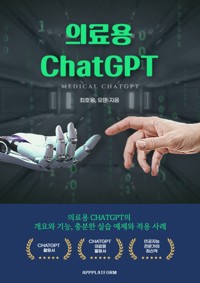
본 전자책의 주제인 의료용 ChatGPT는 의료 분야에서 다양한 질문에 대해 정확하게 답변하는 인공지능 챗봇이다. 복잡한 의료 용어와 전문 지식을 손쉽게 이해하고 전달할 수 있도록 고안되었다. 인공지능과 자연어 처리 기술이 함께 가미된 이 챗봇은 그동안 어렵게 느껴진 의료 정보를 한층 접근하기 쉬운 형태로 제공한다. 본 전자책은 의료용 ChatGPT의 개요와 기능, 충분한 실습 예제와 적용 사례를 다루고 있다. 기본 개념을 이해하는데 필요한 의료 분야의 배경 지식과 용어 설명부터 시작하여,효과적인 예측 및 분석을 바탕으로 대화의 맥락을 파악하는 방법에 대해 상세히 설명하였다. 또한, 실제 활용 사례를 통해 이론을 실제 적용 과정에 연결시키는 다양한 방법을 소개한다. 전문가들이 제작한 고품질의 프롬프트를 포함하여 이 책을 통해 의료용 ChatGPT를 효과적으로 사용할 수 있는 방법을 배울 수 있다. 이를 통해 의사와 환자 사이에 구축되는 의료 소통이 보다 원활해질 것으로 기대되며, 누구나 쉽게 의료 정보를 이해하고 관련 건강 문제를 해결할 수 있게 된다.
정확한 의학 정보와 상황에 따른 다양한 질문에 대한 답변을 찾는 방법을 소개하는 본 전자책은 의료 분야의 전문가이든 일반인이든 모두에게 도움이 될 것이다. 의료용 ChatGPT의 개발 목표는 보다 알기 쉽고 효율적인 의료 소통을 위한 것이며, 이 전자책을 통해 그 목표를 달성할 수 있기를 바란다.
Das E-Book können Sie in Legimi-Apps oder einer beliebigen App lesen, die das folgende Format unterstützen:
Seitenzahl: 195
Veröffentlichungsjahr: 2023
Ähnliche


















저자 소개
1. 최호웅
인공지능과 프롬프트 엔지니어링 분야의 선구자인 최호웅교수는 서울대에서 기계학습(진화학습)으로 박사학위를 취득했고, GPT-4 모델 튜닝에 능숙합니다. 그는 30년 간 울프램 언어를 사용하였고,울프램 알파 컨퍼런스에서 초청연사로,에스체트 데이터과학자/AiBB 랩 이사 및 현대중공업 수석 연구원으로 활동했습니다. 저서와 학술 논문 발표를 통해 지식을 공유하고, 현재 성결대학교에서 교수로 재직하며 차세대 AI 전문가 양성에 헌신하고 있습니다. 여가시간에는 울프램 언어를 이용해 그림을 그리고 음악을 작곡합니다.
2. 유 민(YOU MIN)
AI 기반 글쓰기 도구인 라이팅젤을 개발한 저자인 유민 개발자는 작가들이 글쓰기나 그림의 창작을 할때 종종 무겁게 느껴지는 문제에 대한 도움의 솔루션을 개발하였습니다. 빈 페이지를 응시하는 압도적인 느낌을 제거함으로써 라이팅젤은 사용자에게 영감을 주고 글쓰기와 그림 그리기 과정을 즐겁게 만들어 주는 플랫폼입니다. 이 책을 통해 저자는 독자들에게 심오한 통찰력, 실용적인 기술 및 프롬프트 엔지니어링과 리버스 엔지니어링에 대한 혁신적인 접근 방식을 제공할 것입니다. 최근 전문가 AI NPC와 AUTO-GPT를 개발하는등 AI 기술의 통합을 통해 독자들에게 만족스럽고 즐거운 경험을 가져다 줄 것입니다.
프롤로그
우리가 마주하는 건강 문제와 질병은 다양한 원인과 지식을 요구하며, 이를 이해하고 대처하는 것은 쉽지 않은 일이다.그러나 최근 인공지능의 발전으로 의료 분야에서도 많은 변화와 혁신이 일어나고 있다. 복잡한 의료 정보를 검색하거나 전문적인 질문에 답하는 과정이 점차 효율적으로 변화하면서, 더 많은 사람들이 필요한 정보를 쉽게 찾을 수 있게 되었다. 이러한 인공지능의 활용 중 하나가 바로 의료용 ChatGPT이다.
본 전자책의 주제인 의료용 ChatGPT는 의료 분야에서 다양한 질문에 대해 정확하게 답변하는 인공지능 챗봇이다. 복잡한 의료 용어와 전문 지식을 손쉽게 이해하고 전달할 수 있도록 고안되었다. 인공지능과 자연어 처리 기술이 함께 가미된 이 챗봇은 그동안 어렵게 느껴진 의료 정보를 한층 접근하기 쉬운 형태로 제공한다. 본 전자책은 의료용 ChatGPT의 개요와 기능, 충분한 실습 예제와 적용 사례를 다루고 있다. 기본 개념을 이해하는데 필요한 의료 분야의 배경 지식과 용어 설명부터 시작하여,효과적인 예측 및 분석을 바탕으로 대화의 맥락을 파악하는 방법에 대해 상세히 설명하였다. 또한, 실제 활용 사례를 통해 이론을 실제 적용 과정에 연결시키는 다양한 방법을 소개한다. 전문가들이 제작한 고품질의 프롬프트를 포함하여 이 책을 통해 의료용 ChatGPT를 효과적으로 사용할 수 있는 방법을 배울 수 있다. 이를 통해 의사와 환자 사이에 구축되는 의료 소통이 보다 원활해질 것으로 기대되며, 누구나 쉽게 의료 정보를 이해하고 관련 건강 문제를 해결할 수 있게 된다.
정확한 의학 정보와 상황에 따른 다양한 질문에 대한 답변을 찾는 방법을 소개하는 본 전자책은 의료 분야의 전문가이든 일반인이든 모두에게 도움이 될 것이다. 의료용 ChatGPT의 개발 목표는 보다 알기 쉽고 효율적인 의료 소통을 위한 것이며, 이 전자책을 통해 그 목표를 달성할 수 있기를 바란다.
목차
• 저자 소개
• 프롤로그
1. Tell me about heart disease.
심장병에 대해 알려주세요.
2. What are the most common risk factors for coronary artery disease?
관상동맥 질환의 가장 일반적인 위험 요소는 무엇입니까?
3. I'd like to get a short list of 5 ideas for a Youtube video on the future of healthcare Al.
의료 AI의 미래에 대한 Youtube 비디오 에 대한 5개의 짧은 마미디어 목록을 얻고 싶습니다.
4. I'm writing an article about tips and tricks for ChatGPT prompt engineering for people working in healthcare, Can you please list a few of those tips and tricks with some specific prompt examples? My audience consists of medical professionals who are not Al experts.
저는 의료 분야에서 일하는 사람들을 위한 ChatGPT 프롬프트 엔지니어링에 대한 팁과 요령에 대한 기사를 쓰고 있습니다. 몇 가지 구체적인 프롬프트 예와 함께 몇 가지 팁과 트릭을 나열할 수 있습니까? 내 청중은 AI 전문가가 아닌 의료 전문가로 구성됩니다.
5. What are the symptoms of COVID-19?
COVID-19의 증상은 무엇입니까?
6. List all the potential symptoms of COVID-19.
COVID-19의 모든 잠재적 증상을 나열하십시오.
7. Summarize the key symptoms and progression of COVID-19.
COVID-19의 주요 증상과 진행 상황을 요약합니다.
8. Explain the symptoms of COVID-19 like I'm five.
COVID-19의 증상을 내가 5살인 것처럼 설명합니다.
9. Act as a Data Scientist and explain Prompt Engineering to a physician.
데이터 과학자 역할을 하고 의사에게 Prompt Engineering을 설명합니다.
10. Act as my nutritionist and give me tips about a balanced Mediterranean diet.
영양사 역할을 하며 균형 잡힌 지중해식 식단에 대한 정보를 제공합니다.
11. What are the common symptoms of Lyme disease?
라임병의 일반적인 증상은 무엇입니까?
12. What are the treatment options when these symptoms are confirmed to be due to Lyme disease?
이러한 증상이 라임병에 의한 것으로 확인될 때 치료 옵션은 무엇입니까?
13. Is exercise important for patients with osteoporosis?
골다공증 환자에게 운동이 중요한가요?
14. How does regular physical activity benefit patients with osteoporosis?
규칙적인 신체 활동이 골다공증 환자에게 어떤 도움이 됩니까?
15. Describe the healing process after knee surgery.
무릎 수술 후 치유 과정을 설명하십시오.
16. What can a patient typically expect during the first six weeks of healing after knee surgery?
무릎 수술 후 치유 첫 6주 동안 환자는 일반적으로 무엇을 기대할 수 있습니까?
17. What's the latest research published this month about Alzheimer's?
알츠하이머병에 대해 이번 달에 발표된 최신 연구는 무엇입니까?
18. What were some of the major research breakthroughs in Alzheimer's treatment up until 2021?
2021년까지 알츠하이머 치료의 주요 연구 혁신은 무엇이었습니까?
건강 상태= 심장병
25. Write 3 empathetic and supportive messages for patients who have received a [serious medical diagnosis]. Each message should be no more than 200 words.
[심각한 의학적 진단]을 받은 환자들을 위한 공감과 응원의 메시지 3개를 작성하세요. 각 메시지는 200단어를 넘지 않아야 합니다.
• 그 외 의료용 ChatGPT 프롬프트 예시 51~128
1. Tell me about heart disease.
Heart disease, also known as cardiovascular disease, refers to a group of conditions that affect the heart and blood vessels. It is the leading cause of death worldwide. Heart disease can manifest in various ways, including coronary artery disease, heart failure, arrhythmias, and congenital heart defects.
Some common risk factors associated with heart disease include:
1. Age: Older individuals face an increased risk of heart disease.
2. Gender: Men are more susceptible to heart disease than women, although postmenopausal women do face an increased risk.
3. Family history: A history of heart disease among close relatives can indicate a higher risk.
4. Smoking: Smoking damages the blood vessels, making heart disease more likely.
5. Poor diet: High amounts of saturated and trans fats, sugar, and sodium contribute to heart disease.
6. Physical inactivity: Lack of regular exercise can contribute to heart disease risk.
7. Obesity: Excess weight places added strain on the heart and increases heart disease risk.
8. High blood pressure (hypertension): Persistent high blood pressure puts extra stress on the heart.
9. High cholesterol: Elevated cholesterol levels can lead to fatty deposits in the blood vessels, which can cause heart disease.
10. Diabetes: Individuals with diabetes face a higher risk of heart disease.
Preventive measures include a healthy diet, regular exercise, maintaining a healthy weight, quitting smoking, managing stress, controlling blood pressure and cholesterol levels, and limiting alcohol consumption.
If you suspect that you have heart disease or are experiencing symptoms, consult a healthcare professional. Early diagnosis and appropriate treatment can greatly improve the prognosis.
1. 심장병에 대해 알려주세요.
심혈관 질환으로도 알려진 심장 질환은 심장과 혈관에 영향을 미치는 상태 그룹을 말합니다. 전 세계적으로 주요 사망 원인입니다. 심장 질환은 관상 동맥 질환, 심부전, 부정맥, 선천성 심장 결함 등 다양한 방식으로 나타날 수 있습니다.
심장 질환과 관련된 몇 가지 일반적인 위험 요소는 다음과 같습니다.
1. 나이: 노인은 심장 질환의 위험이 증가합니다.
2. 성별: 남성은 여성보다 심장병에 더 취약하지만 폐경 후 여성은 위험이 증가합니다.
3. 가족력: 가까운 친척 사이의 심장병 병력은 더 높은 위험을 나타낼 수 있습니다.
4. 흡연: 흡연은 혈관을 손상시켜 심장 질환을 일으킬 가능성을 높입니다.
5. 열악한 식단: 많은 양의 포화 지방과 트랜스 지방, 설탕, 나트륨은 심장 질환에 기여합니다.
6. 신체 활동 부족: 규칙적인 운동 부족은 심장병 위험에 기여할 수 있습니다.
7. 비만: 과체중은 심장에 부담을 더하고 심장병 위험을 증가시킵니다.
8. 고혈압(고혈압): 지속적인 고혈압은 심장에 추가적인 스트레스를 줍니다.
9. 고콜레스테롤: 콜레스테롤 수치가 높아지면 혈관에 지방이 축적되어 심장병을 일으킬 수 있습니다.
10. 당뇨병: 당뇨병이 있는 개인은 심장병에 걸릴 위험이 더 높습니다.
예방 조치에는 건강한 식단, 규칙적인 운동, 건강한 체중 유지, 금연, 스트레스 관리, 혈압 및 콜레스테롤 수치 조절, 음주 제한이 포함됩니다.
심장 질환이 있거나 증상이 있다고 의심되는 경우 의료 전문가와 상담하십시오. 조기 진단과 적절한 치료는 예후를 크게 향상시킬 수 있습니다.
2. What are the most common risk factors for coronary artery disease?
Coronary artery disease (CAD) is a type of heart disease that occurs when the arteries supplying blood and oxygen to the heart muscle become narrowed or blocked. The most common risk factors for coronary artery disease include:
1. Age: The risk of CAD increases with age, as the arteries naturally thicken and lose their flexibility.
2. Gender: Men are generally at a higher risk of developing CAD than women, and they tend to develop it at an earlier age. After menopause, however, the risk for women increases.
3. Family history: A family history of heart disease, especially among close relatives, can increase the risk of developing CAD.
4. Smoking: Tobacco use, including smoking and exposure to secondhand smoke, significantly increases the risk of CAD due to its damaging effects on blood vessels and heart function.
5. High cholesterol: Elevated levels of low-density lipoprotein (LDL) cholesterol, known as "bad" cholesterol, can contribute to plaque buildup in the arteries, causing narrowing and increasing the risk of CAD.
6. High blood pressure (hypertension): Persistent high blood pressure puts added stress on the arteries, increasing the risk of CAD.
7. Diabetes: Individuals with diabetes face a higher risk of CAD due to the effects of high glucose levels on blood vessels.
8. Obesity: Excess weight can increase the risk of CAD by putting strain on the heart and raising blood pressure and cholesterol levels.
9. Physical inactivity: A sedentary lifestyle is associated with an increased risk of CAD, whereas regular physical activity can help reduce it.
10. Poor diet: Consuming a diet high in saturated and trans fats, sodium, and sugar increases the risk of CAD.
11. Excessive alcohol use: Drinking alcohol excessively can raise blood pressure and contribute to other risk factors for CAD.
Many of these risk factors can be reduced or managed through lifestyle changes, such as maintaining a healthy diet, engaging in regular physical activity, quitting smoking, and controlling blood pressure and blood sugar levels.
2.관상 동맥 질환의 가장 일반적인 위험 요소는 무엇입니까?
관상 동맥 질환(CAD)은 심장 근육에 혈액과 산소를 공급하는 동맥이 좁아지거나 막힐 때 발생하는 심장 질환의 한 유형입니다. 관상 동맥 질환의 가장 일반적인 위험 요소는 다음과 같습니다.
1. 나이: 동맥이 자연적으로 두꺼워지고 유연성을 잃기 때문에 CAD의 위험은 나이가 들면서 증가합니다.
2. 성별: 남성은 일반적으로 여성보다 CAD 발병 위험이 더 높으며 더 이른 나이에 발병하는 경향이 있습니다. 그러나 폐경 후에는 여성의 위험이 증가합니다.
3. 가족력: 특히 가까운 친척 사이에 심장병 가족력이 있으면 CAD 발병 위험이 높아질 수 있습니다.
4. 흡연: 흡연 및 간접 흡연에 대한 노출을 포함한 담배 사용은 혈관 및 심장 기능에 대한 손상 효과로 인해 CAD의 위험을 크게 증가시킵니다.
5. 고콜레스테롤: "나쁜" 콜레스테롤로 알려진 저밀도 지단백(LDL) 콜레스테롤 수치가 높아지면 동맥에 플라크가 축적되어 동맥이 좁아지고 CAD의 위험이 증가할 수 있습니다.
6. 고혈압(고혈압): 지속적인 고혈압은 동맥에 추가 스트레스를 가하여 CAD의 위험을 증가시킵니다.
7. 당뇨병: 당뇨병 환자는 높은 포도당 수치가 혈관에 미치는 영향으로 인해 CAD 위험이 더 높습니다.
8. 비만: 과체중은 심장에 부담을 주고 혈압과 콜레스테롤 수치를 높여 CAD의 위험을 증가시킬 수 있습니다.
9. 신체 활동 부족: 좌식 생활 방식은 CAD 위험 증가와 관련이 있는 반면 규칙적인 신체 활동은 이를 줄이는 데 도움이 될 수 있습니다.
10. 부실한 식단: 포화 지방과 트랜스 지방, 나트륨 및 설탕이 많은 식단을 섭취하면 CAD의 위험이 높아집니다.
11. 과도한 음주: 과도한 음주는 혈압을 높이고 CAD의 다른 위험 요인에 기여할 수 있습니다.
이러한 위험 요인 중 다수는 건강한 식단 유지, 규칙적인 신체 활동 참여, 금연, 혈압 및 혈당 수치 조절과 같은 생활 방식 변화를 통해 감소하거나 관리할 수 있습니다.
3. I'd like to get a short list of 5 ideas for a Youtube video on the future of healthcare AI.
1. "Transforming Healthcare: The AI Revolution" - A video exploring the ways AI is revolutionizing healthcare, including breakthroughs in diagnostics, personalized medicine, virtual health assistants, and remote patient monitoring.
2. "AI and Medical Ethics: Balancing Privacy and Progress" - A thought-provoking discussion on ethical considerations in healthcare AI, such as data privacy, bias in algorithms, and the importance of human touchpoints in an AI-driven medical world.
3. "AI-Powered Prosthetics and Rehabilitative Technologies" - A showcase of cutting-edge prosthetics and rehabilitation devices that leverage AI to provide more natural movements and improved quality of life for patients with disabilities.
4. "Revolutionizing Mental Health: AI and Digital Therapeutics" - A look into how AI is helping to create more effective mental health treatments through digital therapeutics, chatbots, and personalized interventions.
5. "AI-Powered Drug Discovery: Unlocking the Future of Medicine" - An exploration of how AI is accelerating drug discovery and development processes, leading to faster and more cost-effective solutions for various medical conditions.
3. 의료 AI의 미래에 대한 Youtube 비디오 에 대한 5개의 짧은 아이디어 목록을 얻고 싶습니다.
1. "의료 혁신: AI 혁명" - 진단, 개인 맞춤형 의학, 가상 건강 도우미, 원격 환자 모니터링 등 AI가 의료 분야를 혁신하는 방법을 탐구하는 비디오입니다.
2. "AI 및 의료 윤리: 프라이버시와 진보의 균형" - 데이터 프라이버시, 알고리즘의 편향, AI 기반 의료 세계에서 인간 접촉점의 중요성과 같은 의료 AI의 윤리적 고려 사항에 대한 생각을 자극하는 토론.
3. "AI 기반 보철 및 재활 기술" - 장애가 있는 환자에게 보다 자연스러운 움직임과 향상된 삶의 질을 제공하기 위해 AI를 활용하는 최첨단 보철 및 재활 장치의 쇼케이스.
4. "Revolutionizing Mental Health: AI and Digital Therapeutics" - AI가 디지털 치료, 챗봇 및 개인화된 개입을 통해 보다 효과적인 정신 건강 치료를 만드는 데 어떻게 도움이 되는지 살펴봅니다.
5. "AI 기반 약물 발견: 의학의 미래 잠금 해제" - AI가 약물 발견 및 개발 프로세스를 가속화하여 다양한 의학적 상태에 대해 더 빠르고 비용 효율적인 솔루션을 제공하는 방법에 대한 탐구입니다.
4. I'm writing an article about tips and tricks for ChatGPT prompt engineering for people working in healthcare. Can you please list a few of those tips and tricks with some specific prompt examples? My audience consists of medical professionals who are not AI experts.
Please use a friendly, approachable tone.
Title: Harness the Power of ChatGPT: Tips and Tricks for Medical Professionals
Intro: ChatGPT can be a game-changer for healthcare professionals interested in leveraging AI to improve patient care and streamline their workflow. If you're new to the world of ChatGPT, fear not! We've compiled some easy-to-follow tips and tricks to help you make the most of this incredible technology.
1. Be specific and clear in your prompts: To get the best results from ChatGPT, try to be as specific as possible in your prompt. Detailed questions lead to more focused answers. For example, instead of typing, "Tell me about diabetes," you could ask, "What are the primary symptoms of type 2 diabetes in adults?"
2. Break down complex questions: If you have a multifaceted question, break it down into smaller, more manageable parts. This will help ChatGPT provide more accurate and tailored responses. For instance, instead of asking, "How can AI improve healthcare?", you could break it down like this:
• "What are three ways AI can improve medical diagnosis?"
• "How can AI algorithms assist in drug discovery?"




