


4,99 €
Mehr erfahren.
- Herausgeber: A.J.Kingston
- Kategorie: Geisteswissenschaft
- Sprache: Englisch
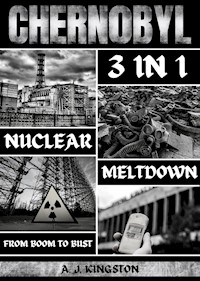
Introducing the Chernobyl Nuclear Meltdown 3 in 1 book bundle, From Boom to Bust! This collection of books provides a comprehensive account of the events leading up to the Chernobyl disaster, the disaster itself, and the aftermath and recovery that followed.
Book 1, "Before the Meltdown: Life and Industry in Pripyat," takes readers on a journey back in time to the bustling city of Pripyat, located just miles from the Chernobyl Nuclear Power Plant. Experience what life was like for the residents of Pripyat and gain a greater understanding of the industry that supported them.
In Book 2, "The Disaster Unfolds: Eyewitness Accounts of the Chernobyl Explosion," readers will get a first-hand account of the events leading up to the meltdown and the explosion itself. Through the eyes of those who experienced it, gain a deeper understanding of the impact that the disaster had on the lives of those in and around the Chernobyl zone.
Book 3, "Aftermath and Recovery: Rebuilding a Life in the Shadow of Chernobyl," provides a glimpse into the long-term effects of the disaster and the rebuilding process that followed. Follow the stories of those who returned to the area to rebuild their lives and find hope in the face of adversity.
This book bundle is a must-read for those interested in the history of nuclear disasters and the resiliency of the human spirit. Order your copy of the Chernobyl Nuclear Meltdown 3 in 1 book bundle today and discover the full story of the Chernobyl disaster, from boom to bust.
Das E-Book können Sie in Legimi-Apps oder einer beliebigen App lesen, die das folgende Format unterstützen:
Veröffentlichungsjahr: 2023
Ähnliche




















CHERNOBYL
NUCLEAR MELTDOWN
3 IN 1
FROM BOOM TO BUST
Book 1:
Before the Meltdown
Life and Industry in Pripyat
Book 2:
The Disaster Unfolds
Eyewitness Accounts of the Chernobyl Explosion
Book 3:
Aftermath and Recovery
Rebuilding a Life in the Shadow of Chernobyl
BY A.J. KINGSTON
Copyright © 2023 by A. J. Kingston
All rights reserved. No part of this book may be reproduced or transmitted in any form or by any means, electronic or mechanical, including photocopying, recording, or by any information storage and retrieval system, without permission in writing from the publisher.
Published by A. J. Kingston
Library of Congress Cataloging-in-Publication Data
ISBN 978-1-83938-275-8
Cover design by Rizzo
Disclaimer
The contents of this book are based on extensive research and the best available historical sources. However, the author and publisher make no claims, promises, or guarantees about the accuracy, completeness, or adequacy of the information contained herein. The information in this book is provided on an "as is" basis, and the author and publisher disclaim any and all liability for any errors, omissions, or inaccuracies in the information or for any actions taken in reliance on such information.
The opinions and views expressed in this book are those of the author and do not necessarily reflect the official policy or position of any organization or individual mentioned in this book. Any reference to specific people, places, or events is intended only to provide historical context and is not intended to defame or malign any group, individual, or entity.
The information in this book is intended for educational and entertainment purposes only. It is not intended to be a substitute for professional advice or judgment. Readers are encouraged to conduct their own research and to seek professional advice where appropriate.
Every effort has been made to obtain necessary permissions and acknowledgments for all images and other copyrighted material used in this book. Any errors or omissions in this regard are unintentional, and the author and publisher will correct them in future editions.
Join Our Productivity Group and Access your Bonus
If you're passionate about history books and want to connect with others who share your love of the subject, joining our Facebook group (search for “History Books by A.J.Kingston”) can be a great way to do so. By joining a group dedicated to history books, you'll have the opportunity to connect with like-minded individuals, share your thoughts and ideas, and even discover new books that you might not have come across otherwise. You can also access your FREE BONUS once you joined our Facebook group called “History Books by A.J.Kingston”.
>> Click Here to Join Our Productivity Group <<
One of the biggest advantages of joining our Facebook group is the sense of community it provides. You'll be able to interact with other history book enthusiasts, ask questions, and share your own knowledge and expertise. This can be especially valuable if you're a student or someone who is just starting to explore the world of history books.
>> Click Here to Follow A.J. Kingston <<
>> Click Here to Download your Free Bonus <<
If you love audiobooks, then joining our YouTube channel that offers free audiobooks on a weekly basis can be a great way to stay entertained and engaged. By subscribing to our channel, you'll have access to a range of audiobooks across different genres, all for free. Not only this is a great opportunity to enjoy some new audiobooks, but it's also a chance to discover new authors and titles that you might not have come across otherwise.
>> Click Here to Join our YouTube Channel <<
Lastly, don’t forget to follow us on Facebook and YouTube by searching for A.J. Kingston.
Table of Contents – Book 1
Before The Meltdown: Life And Industry In Pripyat
Introduction
Chapter 1: Before the Meltdown: Life and Industry in Pripyat
Chapter 2: The People of Pripyat: Life Before the Disaster
Chapter 3: The Chernobyl Incident: A Catastrophe That Changed the World
Chapter 4: Behind the Scenes: Uncovering the Secrets of the Nuclear Industry
Chapter 5: Living in the Shadow of the Reactor: The Daily Reality of Pripyat Residents
Chapter 6: Heroes and Villains: The Role of Individuals in the Chernobyl Disaster
Chapter 7: From Boom to Bust: The Collapse of Pripyat's Industrial Economy
Chapter 8: The Aftermath: Coping with the Fallout of the Chernobyl Disaster
Chapter 9: Memories of Pripyat: Reflections from Former Residents
Chapter 10: Lessons Learned: The Legacy of Chernobyl for Nuclear Safety
Chapter 11: Reclaiming the Land: Environmental Remediation Efforts in Pripyat
Chapter 12: Looking to the Future: Rebuilding and Reimagining Life in Pripyat
Table of Contents – Book 2
The Disaster Unfolds: Eyewitness Accounts Of The Chernobyl Explosion
Chapter 1: The Countdown to Disaster: Anticipation and Tension in Chernobyl
Chapter 2: The Explosion: First-Hand Accounts of the Catastrophic Event
Chapter 3: The Immediate Aftermath: Chaos and Confusion in the Reactor's Wake
Chapter 4: The Evacuation: The Rapid and Chaotic Flight from Pripyat
Chapter 5: The Emergency Response: The Bravery of the First Responders in the Face of Danger
Chapter 6: The Fallout: The Immediate Health Effects of the Radiation Exposure
Chapter 7: The Long-Term Effects: The Lingering Health Consequences of the Chernobyl Disaster
Chapter 8: The Human Toll: Stories of Personal Loss and Tragedy
Chapter 9: The Scientific Response: Studying the Effects of Radiation on the Environment
Chapter 10: The Cleanup: The Massive Effort to Decontaminate Chernobyl's Surroundings
Chapter 11: The Legacy: The Impact of Chernobyl on Nuclear Energy Policy and Public Perception
Chapter 12: The Survivors: Tales of Resilience and Hope in the Face of Adversity
Table of Contents – Book 3
Aftermath And Recovery: Rebuilding A Life In The Shadow Of Chernobyl
Chapter 1: The Fallout: Dealing with the Consequences of the Chernobyl Disaster
Chapter 2: Leaving Home: The Evacuation of Pripyat and Surrounding Areas
Chapter 3: Starting Over: Rebuilding Life in a New Environment
Chapter 4: The Health Effects: Coping with Radiation Exposure and Illness
Chapter 5: The Psychological Toll: Dealing with Trauma and Loss
Chapter 6: Returning Home: The Challenges and Joys of Going Back to the Chernobyl Zone
Chapter 7: The Resilience of Communities: Coming Together to Rebuild and Recover
Chapter 8: The Science of Recovery: Studying the Long-Term Effects of Radiation Exposure
Chapter 9: Rebuilding Infrastructure: Restoring Homes, Businesses, and Public Services
Chapter 10: The Future of Nuclear Energy: Learning from the Lessons of Chernobyl
Chapter 11: The Environmental Recovery: Restoring the Ecosystem in the Chernobyl Zone
Chapter 12: Hope for the Future: Finding Joy and Purpose in Life After Chernobyl
Conclusion
About A. J. Kingston
Introduction
The Chernobyl nuclear disaster of 1986 was a catastrophic event that shook the world and forever changed the lives of those who lived in its wake. The aftermath of the explosion and the subsequent meltdown of the reactor had far-reaching consequences, both immediate and long-term, affecting the lives of millions of people in Ukraine and beyond. In this book bundle, "Chernobyl Nuclear Meltdown 3 in 1: From Boom to Bust," we take a comprehensive look at the events leading up to, during, and after the disaster, as well as the impact it had on the lives of those affected.
The first book, "Before the Meltdown: Life and Industry in Pripyat," explores the history of the city before the disaster, delving into the daily lives of those who lived and worked there, as well as the technological advancements that led to the construction of the nuclear power plant. The second book, "The Disaster Unfolds: Eyewitness Accounts of the Chernobyl Explosion," provides a gripping account of the events of April 26, 1986, through the eyes of those who were there, including plant workers, firefighters, and government officials. Finally, the third book, "Aftermath and Recovery: Rebuilding a Life in the Shadow of Chernobyl," examines the long-term effects of the disaster, including the ongoing environmental and health concerns, as well as the resilience and hope of the survivors who continue to rebuild their lives in the shadow of the tragedy.
This book bundle offers a comprehensive and insightful look at one of the most catastrophic events in human history and its ongoing impact on the world. Through the personal stories and experiences of those affected, we gain a deeper understanding of the complexities of nuclear energy and the resilience of the human spirit in the face of adversity.
The Chernobyl disaster is one of the most catastrophic man-made disasters in human history. The explosion and subsequent fire that occurred on April 26, 1986, at the Chernobyl Nuclear Power Plant in Ukraine, resulted in the release of an enormous amount of radioactive material into the surrounding environment. This caused widespread contamination, not just in the immediate vicinity of the plant but also across the whole of Europe.
The event had a profound impact on the lives of the people who lived in the region, as well as on the wider world. It led to significant changes in the way nuclear power was regulated and managed, and sparked debates about the safety and sustainability of nuclear energy.
In this book bundle, "Chernobyl Nuclear Meltdown 3 in 1: From Boom to Bust," we delve into the full story of the Chernobyl disaster, from the life and industry in the town of Pripyat before the meltdown to the aftermath and recovery efforts that followed. Together, these three books offer a comprehensive look at one of the most significant events of the 20th century. They provide a detailed and nuanced understanding of the Chernobyl disaster and its impact on the people who lived through it, as well as on the wider world. If you are interested in history, science, or human stories of resilience and recovery, then this book bundle is a must-read.
Book 1
The Rise of Pripyat
A Story of Industry and Innovation
BY A.J. KINGSTON
Chapter 1: Before the Meltdown: Life and Industry in Pripyat
In the annals of human history, few events have had as significant an impact on the course of civilization as the development of cities. From the sprawling metropolises of the ancient world to the towering skyscrapers of modern-day, cities have been the birthplace of art, culture, commerce, and politics. Yet, as the old adage goes, with great power comes great responsibility, and the development of cities has often come at a heavy cost to both the environment and the people who live in them. Such was the case with Pripyat, a model city built by the Soviet Union in the aftermath of World War II.
The origins of Pripyat can be traced back to the postwar reconstruction efforts of the Soviet Union. In the aftermath of the devastating conflict, the Soviet Union found itself in need of a new model city that could serve as a beacon of hope and progress for its citizens. The task fell to architects and urban planners, who were charged with designing a city that would embody the ideals of socialism and modernity.
The result was Pripyat, a city that was to be a shining example of Soviet engineering and design. Located in northern Ukraine, Pripyat was designed as a model city that would serve as a blueprint for the future development of other cities throughout the Soviet Union. The city was designed to be a self-contained, self-sufficient community that would provide its citizens with all of their needs.
The development of Pripyat was a massive undertaking that required the construction of a wide range of infrastructure and facilities. The city was to be home to over 50,000 people, and as such, it required a comprehensive transportation system, including a network of roads and highways, a bus terminal, and a train station. Additionally, the city needed a robust healthcare system, with hospitals and clinics scattered throughout the city.
Perhaps most impressively, the city was to be home to a range of cultural and educational facilities, including a large central park, a stadium, a cinema, and several schools and universities. The central park was to be the jewel of the city, a sprawling green space that would provide residents with a place to relax and socialize. The stadium was to serve as a venue for sporting events, while the cinema was to provide residents with access to the latest films and cultural events.
Despite the lofty goals of its designers, the construction of Pripyat was not without its challenges. The city was built on a marshy area, which made the construction of its infrastructure and buildings more difficult. Additionally, the harsh Ukrainian winters made construction work difficult, and many workers suffered from frostbite and other cold-related illnesses.
Despite these challenges, the construction of Pripyat continued, and by the mid-1970s, the city was nearly complete. The city was a marvel of Soviet engineering and design, with wide boulevards, impressive architecture, and a bustling central square. It was a city that embodied the ideals of the Soviet Union, a place where progress, modernity, and socialism were all on display.
Yet, despite its many achievements, the story of Pripyat is ultimately a tragic one. In 1986, the city was forever changed when the nearby Chernobyl Nuclear Power Plant experienced a catastrophic meltdown. The resulting explosion and release of radioactive materials rendered the city uninhabitable, and its residents were forced to abandon their homes and flee the area.
Today, Pripyat stands as a haunting reminder of the dangers of nuclear power and the high cost of progress. The city, once a bustling metropolis, is now a ghost town, with abandoned buildings and empty streets serving as a silent testament to the hubris of human engineering.
In many ways, the story of Pripyat is a cautionary tale about the limits of human ambition.
When considering the development of Pripyat, it is impossible to ignore the role played by nuclear power. In the aftermath of World War II, the Soviet Union made a massive investment in nuclear energy, seeing it as a key component of their efforts to modernize the country's economy. Pripyat, in turn, became a hub of nuclear energy production, with the Chernobyl Nuclear Power Plant serving as a cornerstone of the city's economy.
The construction of the Chernobyl Nuclear Power Plant was a massive undertaking, requiring the input of thousands of workers and the investment of billions of rubles. Despite the challenges of constructing a nuclear power plant in such a remote location, the Soviet Union was determined to prove their technical prowess and their commitment to nuclear power.
The power plant was a marvel of Soviet engineering, with cutting-edge technologies and advanced safety systems designed to prevent accidents and ensure the safe operation of the plant. The plant's four reactors were capable of producing a combined output of over 4,000 megawatts, making it one of the largest nuclear power plants in the world.
The success of the Chernobyl Nuclear Power Plant had far-reaching effects on Pripyat's economy. The plant provided thousands of jobs for the city's residents, and its output of electricity powered much of the city's infrastructure and industrial output. Additionally, the plant's output of excess electricity was sold to other parts of the Soviet Union, providing a valuable source of revenue for the country.
Beyond its economic impact, the Chernobyl Nuclear Power Plant was also seen as a symbol of Soviet technological prowess and innovation. The plant was a testament to the country's commitment to scientific advancement and its willingness to invest in cutting-edge technologies. For many in the Soviet Union, the plant was a source of pride and a symbol of the country's strength.
Despite its many successes, the Chernobyl Nuclear Power Plant was not without its flaws. On April 26, 1986, the plant suffered a catastrophic meltdown, resulting in a massive release of radioactive materials into the environment. The disaster had a devastating impact on Pripyat and the surrounding areas, with thousands of people being exposed to dangerous levels of radiation.
The disaster at Chernobyl was a wake-up call for the Soviet Union and the rest of the world. It highlighted the dangers of nuclear power and the need for more robust safety measures and regulations. In the aftermath of the disaster, the Soviet Union was forced to reassess its reliance on nuclear power and invest more heavily in alternative forms of energy.
Today, the Chernobyl Nuclear Power Plant stands as a haunting reminder of the high cost of progress and the dangers of unchecked technological advancement. While it played a significant role in Pripyat's economy and the broader Soviet Union, its legacy will forever be tarnished by the disaster that occurred within its walls.
In many ways, the story of nuclear power in Pripyat is a cautionary tale about the need for careful planning and oversight when it comes to the development of new technologies. While nuclear power has the potential to provide a significant source of energy for the world, it also comes with significant risks that must be carefully managed. The lessons learned from Pripyat's experience with nuclear power are ones that must be taken to heart if we are to continue to develop new technologies in a safe and responsible manner.
When one considers the history of cities, it is often the case that social, cultural, and economic dynamics are the driving forces behind their development and success. This was certainly the case with Pripyat, a Soviet model city built in the aftermath of World War II. Despite its ultimate fate, the city was a thriving hub of social, cultural, and economic activity, with a diverse range of industries and facilities that served its residents' needs.
At the heart of Pripyat's social and cultural life was its central square, a bustling hub of activity that served as a focal point for the city's residents. Here, residents would gather to socialize, shop, and attend cultural events, including concerts and festivals. The square was also home to several impressive architectural landmarks, including the Palace of Culture, a grand building that served as a venue for concerts, plays, and other cultural events.
Pripyat's social and cultural life was further enriched by its wide range of educational and recreational facilities. The city was home to several schools and universities, including a technical university that specialized in nuclear engineering. Additionally, the city was home to several sports facilities, including a large stadium and several athletic fields. The city also boasted a cinema and several parks, providing residents with ample opportunities for leisure and entertainment.
Pripyat's economy was driven by a diverse range of industries, including nuclear energy production, agriculture, and manufacturing. The Chernobyl Nuclear Power Plant was the cornerstone of the city's economy, providing thousands of jobs for its residents and generating significant revenue for the Soviet Union. Additionally, the city was home to several manufacturing facilities, including a large shoe factory that produced footwear for the entire Soviet Union.
Despite its many successes, Pripyat was not without its challenges. The city's location in northern Ukraine made it vulnerable to harsh winters and other environmental challenges. Additionally, the city's reliance on nuclear power made it vulnerable to the dangers associated with the technology, as was tragically demonstrated by the Chernobyl disaster.
Ultimately, the fate of Pripyat serves as a poignant reminder of the fragility of city life. Despite the city's impressive achievements in social, cultural, and economic spheres, its ultimate fate was determined by forces beyond its control. The tragedy of Chernobyl demonstrated the dangers of unchecked technological advancement and the need for careful planning and oversight in the development of new technologies.
In the end, the story of Pripyat is one of both triumph and tragedy. The city was a model of Soviet engineering and design, a testament to the country's commitment to progress, modernity, and socialism. Yet, in the end, the city was also a victim of the very forces that drove its development, a cautionary tale about the need to balance ambition and progress with careful planning and oversight.
As we continue to develop new cities and technologies, the lessons learned from Pripyat's experience remain as relevant today as they were in the past. We must strive to balance social, cultural, and economic considerations with environmental and safety concerns, always mindful of the high cost of progress and the dangers of unchecked technological advancement. Only then can we hope to create cities that are truly sustainable, safe, and prosperous for generations to come.
When considering the development of cities, it is often the case that education and research are critical factors in their success. This was undoubtedly the case with Pripyat, a Soviet model city built in the aftermath of World War II. The city was a hub of scientific and educational activity, with a wide range of facilities and institutions that contributed to the country's scientific and technological advancements.
At the heart of Pripyat's scientific and educational life was its technical university, a world-renowned institution that specialized in nuclear engineering. The university was a key part of the Soviet Union's push for technological advancement, and it attracted some of the country's brightest minds to the city. Graduates of the university went on to make significant contributions to the field of nuclear engineering, playing a critical role in the country's nuclear energy production and defense programs.
Beyond its technical university, Pripyat was home to several other educational institutions, including several schools and a range of vocational training centers. The city's commitment to education and training was evident in the range of courses and programs offered, which included everything from engineering and science to art and literature. Additionally, the city was home to several libraries and research institutes, providing residents with access to the latest scientific and academic research.
Pripyat's contributions to science and research extended beyond its educational institutions. The city was also home to several research facilities, including a large agricultural research center that specialized in developing new agricultural technologies and practices. The research center played a critical role in the country's agricultural development, helping to improve crop yields and develop new varieties of crops that were better suited to the local climate.
Additionally, the city's nuclear power plant played a significant role in the country's scientific and technological advancements. The plant was a hub of research and development, with scientists and engineers constantly working to improve the safety and efficiency of nuclear energy production. The plant's research programs were critical to the country's nuclear energy production and defense programs, providing valuable insights into the technology's potential and limitations.
Despite its many achievements, Pripyat's scientific and educational institutions were not without their challenges. The city's location in northern Ukraine made it vulnerable to harsh winters and other environmental challenges, which made research and education more difficult. Additionally, the city's reliance on nuclear power made it vulnerable to the dangers associated with the technology, as was tragically demonstrated by the Chernobyl disaster.
Ultimately, the fate of Pripyat serves as a poignant reminder of the importance of education and research in the development of cities. The city's commitment to scientific and technological advancement was critical to the country's success, and it played a significant role in shaping the course of the Soviet Union's history.
As we look to the future, the lessons learned from Pripyat's experience remain as relevant as ever. We must continue to invest in education and research, striving to balance the pursuit of progress with the need for careful planning and oversight. Only then can we hope to create cities that are truly sustainable, safe, and prosperous for generations to come.
When considering the history of cities, it is often the case that community and culture are the lifeblood that sustains them. This was certainly the case with Pripyat, a Soviet model city built in the aftermath of World War II. Despite its ultimate fate, the city was a thriving hub of community and cultural activity, with a rich tapestry of traditions, celebrations, and daily life that gave it its unique character.
At the heart of Pripyat's community and cultural life were its traditions and celebrations. The city was home to a diverse range of ethnic groups, each with their own unique customs and celebrations. Throughout the year, the city would come alive with a flurry of festivals and celebrations, including traditional holidays such as New Year's Day and May Day, as well as local celebrations that were unique to the city.
Pripyat's traditions and celebrations were not just limited to holidays, however. The city was home to a rich tapestry of cultural institutions and events, including theaters, concert halls, and art galleries. The Palace of Culture, in particular, was a hub of cultural activity, hosting everything from ballets and operas to rock concerts and dance parties.
Beyond its traditions and celebrations, Pripyat's daily life was characterized by a strong sense of community and camaraderie. The city was designed to be a self-contained, self-sufficient community, and as such, its residents were closely knit and supportive of one another. The central square, in particular, was a hub of social activity, with residents gathering to shop, socialize, and attend cultural events.
Pripyat's daily life was also characterized by a strong sense of work ethic and commitment to progress. The city was home to a wide range of industries, including nuclear energy production, agriculture, and manufacturing. The Chernobyl Nuclear Power Plant was the cornerstone of the city's economy, providing thousands of jobs for its residents and generating significant revenue for the Soviet Union.
Despite its many successes, Pripyat was not without its challenges. The city's location in northern Ukraine made it vulnerable to harsh winters and other environmental challenges. Additionally, the city's reliance on nuclear power made it vulnerable to the dangers associated with the technology, as was tragically demonstrated by the Chernobyl disaster.
Ultimately, the fate of Pripyat serves as a poignant reminder of the importance of community and culture in the development of cities. The city's strong sense of community and commitment to progress were critical to its success, and it played a significant role in shaping the course of the Soviet Union's history.
As we look to the future, the lessons learned from Pripyat's experience remain as relevant as ever. We must continue to invest in community and cultural institutions, striving to create cities that are not just prosperous, but also supportive and welcoming to all. Only then can we hope to create cities that are truly sustainable, safe, and prosperous for generations to come.
Chapter 2: The People of Pripyat: Life Before the Disaster
When considering the history of cities, it is often the case that immigration and diversity are key factors in their development and success. This was certainly the case with Pripyat, a Soviet model city built in the aftermath of World War II. The city was home to a diverse range of immigrants, each with their own unique customs and traditions, that contributed to the city's rich cultural tapestry.
Pripyat's immigrant population was drawn from across the Soviet Union, with people from all walks of life and all corners of the country making their home in the city. The city's location in northern Ukraine made it an attractive destination for immigrants, particularly those looking for work in the city's many industries.
The city's diverse population was reflected in its many ethnic neighborhoods, each with its unique customs and traditions. The Armenian neighborhood, for example, was known for its delicious cuisine and its lively cultural celebrations. The Georgian neighborhood, on the other hand, was renowned for its music and dance, with residents gathering regularly to play traditional instruments and perform dances that were unique to the region.
Pripyat's immigrant population also contributed to the city's vibrant arts and cultural scene. The city was home to several theaters and concert halls, each offering a unique perspective on the country's rich cultural heritage. Additionally, the city's many museums and galleries showcased the works of local artists and artisans, providing a glimpse into the unique cultural traditions of the region.
Despite its many successes, Pripyat's immigrant population was not without its challenges. The city's location in northern Ukraine made it vulnerable to harsh winters and other environmental challenges, which made life more difficult for many of its residents. Additionally, the city's reliance on nuclear power made it vulnerable to the dangers associated with the technology, as was tragically demonstrated by the Chernobyl disaster.
Ultimately, the fate of Pripyat serves as a poignant reminder of the importance of immigration and diversity in the development of cities. The city's rich cultural tapestry was a source of strength and pride for its residents, and it played a significant role in shaping the course of the Soviet Union's history.
As we look to the future, the lessons learned from Pripyat's experience remain as relevant as ever. We must continue to embrace diversity and immigration, striving to create cities that are welcoming to all and that celebrate the unique traditions and customs of their residents. Only then can we hope to create cities that are truly sustainable, safe, and prosperous for generations to come.
When considering the history of cities, it is often the case that economic growth and opportunity are key factors in their development and success. This was certainly the case with Pripyat, a Soviet model city built in the aftermath of World War II. The city was a hub of economic activity, with a wide range of industries and facilities that provided jobs and opportunities for its residents.
At the heart of Pripyat's economy was the Chernobyl Nuclear Power Plant, which provided thousands of jobs for the city's residents and generated significant revenue for the Soviet Union. The plant was a key part of the country's push for technological advancement, and it attracted some of the brightest minds to the city. The plant was also a source of pride for the city's residents, who saw it as a symbol of the country's progress and modernity.
Beyond its nuclear power plant, Pripyat was home to a diverse range of industries, including agriculture, manufacturing, and construction. The city's location in northern Ukraine made it an attractive destination for many businesses, particularly those looking to take advantage of the city's skilled workforce and strategic location.
The city's booming economy was reflected in its many commercial and retail establishments, which catered to the needs of its residents and visitors. The city was home to several large shopping centers, including a massive department store that sold everything from clothing to appliances. Additionally, the city was home to several restaurants, cafes, and bars, providing residents with ample opportunities for dining and entertainment.
Pripyat's economy was not without its challenges, however. The city's reliance on nuclear power made it vulnerable to the dangers associated with the technology, as was tragically demonstrated by the Chernobyl disaster. Additionally, the city's location in northern Ukraine made it vulnerable to harsh winters and other environmental challenges, which could impact its industries and businesses.
Ultimately, the fate of Pripyat serves as a poignant reminder of the importance of economic growth and opportunity in the development of cities. The city's booming economy was a source of pride and prosperity for its residents, and it played a significant role in shaping the course of the Soviet Union's history.
As we look to the future, the lessons learned from Pripyat's experience remain as relevant as ever. We must continue to invest in economic growth and opportunity, striving to create cities that are not just prosperous, but also sustainable, safe, and welcoming to all. Only then can we hope to create cities that are truly prosperous and vibrant for generations to come.
When considering the history of cities, it is often the case that politics, ideology, and culture are the driving forces behind their development and success. This was certainly the case with Pripyat, a Soviet model city built in the aftermath of World War II. The city was a hub of political and cultural activity, with a unique blend of ideology and culture that reflected the values of the Soviet Union.
At the heart of Pripyat's political life was the Communist Party, which was the ruling political party in the Soviet Union. The party was the driving force behind the country's push for progress and modernity, and it played a critical role in shaping the country's political and cultural landscape. The party's influence could be seen in every aspect of life in Pripyat, from its architecture and design to its education and cultural institutions.
The city was also home to several cultural institutions that reflected the values of the Soviet Union. The Palace of Culture, in particular, was a hub of political and cultural activity, hosting everything from lectures and political meetings to ballets and rock concerts. Additionally, the city was home to several museums and galleries that showcased the country's rich cultural heritage and its commitment to progress and modernity.
Pripyat's political and cultural life was further reflected in its architecture and design. The city was designed to be a model of Soviet engineering and urban planning, with wide boulevards and grand public buildings that were meant to symbolize the country's progress and modernity. The city's apartment buildings were designed to be efficient and functional, providing residents with all the amenities they needed to live a comfortable and modern life.
Despite its many successes, Pripyat's political and cultural life was not without its challenges. The city's reliance on nuclear power made it vulnerable to the dangers associated with the technology, as was tragically demonstrated by the Chernobyl disaster. Additionally, the city's commitment to Communist ideology and culture was not always well-received by its residents, some of whom felt stifled by the party's strict control over every aspect of life in the city.
Ultimately, the fate of Pripyat serves as a poignant reminder of the importance of politics, ideology, and culture in the development of cities. The city's unique blend of Soviet ideology and culture was a source of pride and identity for its residents, and it played a significant role in shaping the course of the Soviet Union's history.
As we look to the future, the lessons learned from Pripyat's experience remain as relevant as ever. We must strive to create cities that are not just prosperous and sustainable, but also reflective of the values and aspirations of their residents. Only then can we hope to create cities that are truly vibrant, inclusive, and welcoming to all.
When considering the history of cities, it is often the case that family, community, and social life are critical factors in their development and success. This was undoubtedly the case with Pripyat, a Soviet model city built in the aftermath of World War II. The city was home to a tight-knit community, with a rich tapestry of family and social life that gave it its unique character.
At the heart of Pripyat's social fabric were its families, which formed the bedrock of the city's community. The city was designed to be a family-friendly environment, with ample green spaces, playgrounds, and community centers that catered to the needs of families with children. Additionally, the city's schools and educational institutions were designed to be inclusive and welcoming to all, providing children with the skills and knowledge they needed to succeed in life.
Beyond its families, Pripyat was home to a vibrant community of social organizations and clubs. The city was a hub of cultural and sporting activity, with residents gathering regularly to play sports, attend concerts and festivals, and engage in a range of other leisure activities. The city's central square was a popular gathering place, with residents gathering to shop, socialize, and attend cultural events.
Pripyat's social life was also characterized by a strong sense of community and camaraderie. The city was designed to be a self-contained, self-sufficient community, and as such, its residents were closely knit and supportive of one another. The city's many green spaces and parks provided residents with ample opportunities to relax and unwind, and the city's cultural institutions and events provided a sense of identity and pride for its residents.
Despite its many successes, Pripyat's social fabric was not without its challenges. The city's location in northern Ukraine made it vulnerable to harsh winters and other environmental challenges, which made life more difficult for many of its residents. Additionally, the city's reliance on nuclear power made it vulnerable to the dangers associated with the technology, as was tragically demonstrated by the Chernobyl disaster.
Ultimately, the fate of Pripyat serves as a poignant reminder of the importance of family, community, and social life in the development of cities. The city's strong sense of community and commitment to family and social life were critical to its success, and it played a significant role in shaping the course of the Soviet Union's history.
As we look to the future, the lessons learned from Pripyat's experience remain as relevant as ever. We must continue to invest in family, community, and social life, striving to create cities that are not just prosperous and sustainable, but also supportive and welcoming to all. Only then can we hope to create cities that are truly vibrant, inclusive, and welcoming to all.
When considering the history of cities, it is often the case that education, arts, and leisure are the driving forces behind their cultural and intellectual life. This was certainly the case with Pripyat, a Soviet model city built in the aftermath of World War II. The city was a hub of intellectual and cultural activity, with a unique blend of education, arts, and leisure that reflected the values of the Soviet Union.
At the heart of Pripyat's cultural and intellectual life was its education system, which was designed to be inclusive and accessible to all. The city was home to several schools and educational institutions, each offering a unique perspective on the country's rich cultural heritage and its commitment to progress and modernity. Additionally, the city was home to several libraries and cultural centers, providing residents with ample opportunities for learning and personal growth.
Pripyat's intellectual and cultural life was further reflected in its art and entertainment scene. The city was home to several theaters and concert halls, each offering a unique perspective on the country's rich cultural heritage. Additionally, the city was home to several museums and galleries that showcased the works of local artists and artisans, providing a glimpse into the unique cultural traditions of the region.
Pripyat's cultural and intellectual life was not just limited to formal institutions, however. The city was home to several leisure and recreational facilities, providing residents with ample opportunities for relaxation and fun. The city's many green spaces and parks provided residents with ample opportunities to unwind and connect with nature, while its sports facilities and leisure centers offered a range of activities for residents of all ages.
Despite its many successes, Pripyat's cultural and intellectual life was not without its challenges. The city's location in northern Ukraine made it vulnerable to harsh winters and other environmental challenges, which could impact its cultural and recreational facilities. Additionally, the city's reliance on nuclear power made it vulnerable to the dangers associated with the technology, as was tragically demonstrated by the Chernobyl disaster.
Ultimately, the fate of Pripyat serves as a poignant reminder of the importance of education, arts, and leisure in the development of cities. The city's unique blend of intellectual and cultural life was a source of pride and identity for its residents, and it played a significant role in shaping the course of the Soviet Union's history.
As we look to the future, the lessons learned from Pripyat's experience remain as relevant as ever. We must strive to create cities that are not just prosperous and sustainable, but also reflective of the values and aspirations of their residents. Only then can we hope to create cities that are truly vibrant, inclusive, and welcoming to all.
Chapter 3: The Chernobyl Incident: A Catastrophe That Changed the World
The Chernobyl disaster was one of the most catastrophic nuclear accidents in history, and its impact on the surrounding area and the world at large cannot be overstated. The disaster occurred in the early hours of April 26th, 1986, at the Chernobyl Nuclear Power Plant, located just outside the city of Pripyat in northern Ukraine.
The events leading up to the disaster were the result of a series of mistakes and misjudgments by the plant's operators and managers. On the night of April 25th, a group of operators were performing a routine test on one of the plant's reactors, in which they were trying to simulate a power failure and determine whether the plant's backup systems were working correctly. However, a combination of human error and design flaws in the reactor led to a chain reaction that quickly spiraled out of control.
The first sign of trouble occurred when the reactor's power level began to rise unexpectedly, despite the fact that the control rods, which are used to regulate the reactor's power output, had been inserted. This was followed by a sudden explosion, which caused a massive release of radioactive material into the surrounding area. The explosion was so powerful that it destroyed the reactor building and released an estimated 100 times more radiation than the atomic bombs dropped on Hiroshima and Nagasaki.
In the aftermath of the explosion, the immediate priority was to contain the spread of radiation and prevent further damage to the surrounding area. A team of firefighters and emergency responders was dispatched to the scene, but many of them were not equipped with adequate protective gear and were exposed to high levels of radiation. The area around the plant was evacuated, and a 30-kilometer exclusion zone was established to prevent people from entering the area.
The causes of the disaster were the result of a combination of technical, human, and organizational factors. The reactor design itself was flawed and prone to accidents, while the operators who were responsible for running the plant were not adequately trained or prepared for emergencies. Additionally, the Soviet Union's bureaucratic and secretive approach to safety and regulation made it difficult for information to be shared and for problems to be addressed in a timely manner.
The Chernobyl disaster had far-reaching consequences, both for the people living in the surrounding area and for the world at large. In the years following the disaster, thousands of people died as a result of radiation exposure, and many more were forced to abandon their homes and livelihoods. The disaster also highlighted the dangers of nuclear power and the need for better safety and regulatory measures to prevent similar accidents in the future.
In summary, the Chernobyl disaster was a tragic event that had profound consequences for the people of the surrounding area and for the world at large. The causes of the disaster were the result of a combination of technical, human, and organizational factors, and it serves as a reminder of the importance of safety and regulation in the operation of complex and potentially dangerous technologies.
The Chernobyl disaster was one of the most catastrophic nuclear accidents in history, and its impact on the surrounding area and the world at large cannot be overstated. The events of that fateful night in April 1986 resulted in a massive release of radioactive material into the surrounding area, and the immediate priority for emergency responders was to contain the spread of radiation and prevent further damage to the surrounding area.
The initial response to the disaster was hampered by a lack of information and a lack of preparedness for a crisis of this magnitude. The Soviet Union's bureaucratic and secretive approach to safety and regulation made it difficult for information to be shared and for problems to be addressed in a timely manner. Additionally, the severity of the situation was not immediately recognized, as the extent of the damage and the potential for long-term consequences was not fully understood.
The first responders to the scene were a group of firefighters who were dispatched to the plant in the early hours of the morning. They were not aware of the full extent of the situation, and many of them were not equipped with adequate protective gear. As a result, they were exposed to high levels of radiation, which had severe consequences for their health in the years to come.
As the scale of the disaster became apparent, a team of emergency responders was assembled to contain the spread of radiation and prevent further damage to the surrounding area. This included the construction of a concrete sarcophagus to enclose the damaged reactor and prevent further radiation from escaping into the environment. Additionally, a 30-kilometer exclusion zone was established around the plant to prevent people from entering the area and potentially exposing themselves to radiation.
The response to the disaster was not without its challenges, however. The sheer scale of the incident made it difficult to coordinate a response, and the lack of information and preparedness made it difficult for emergency responders to understand the full extent of the situation. Additionally, the long-term consequences of the disaster, including the effects of radiation exposure on human health and the environment, would continue to be felt for decades to come.
Despite these challenges, the response to the Chernobyl disaster was a testament to the bravery and dedication of the emergency responders who risked their lives to contain the spread of radiation and prevent further damage to the surrounding area. Their heroic efforts, often at great personal risk, prevented the disaster from being even more catastrophic than it already was.
In summary, the response to the Chernobyl disaster was an important reminder of the importance of emergency preparedness and the need for better safety and regulatory measures to prevent similar accidents in the future. The response was not without its challenges, but the bravery and dedication of the emergency responders who risked their lives to contain the spread of radiation and prevent further damage to the surrounding area was nothing short of heroic.
The Chernobyl disaster was one of the most catastrophic nuclear accidents in history, and its impact on the surrounding area and the world at large cannot be overstated. The disaster resulted in a massive release of radioactive material into the surrounding environment, and the immediate priority for emergency responders was to contain the spread of radiation and prevent further damage to the area.
The effort to control the spread of radiation began immediately after the disaster, as emergency responders worked to prevent the release of further radioactive material from the damaged reactor. The first step in this process was to establish a 30-kilometer exclusion zone around the plant, which prevented people from entering the area and potentially exposing themselves to radiation.
Additionally, a team of workers was assembled to begin the process of cleaning up the radioactive material that had already been released into the environment. This process was extremely dangerous and required workers to wear protective gear and take extreme precautions to avoid exposure to radiation.
The cleanup effort was a massive undertaking, involving the removal of contaminated soil, debris, and other materials from the surrounding area. This material was then stored in sealed containers and transported to specialized facilities for disposal. Additionally, the damaged reactor was enclosed in a concrete sarcophagus to prevent further radiation from escaping into the environment.
The containment and cleanup effort was not without its challenges, however. The scale of the disaster was enormous, and the amount of radioactive material that had been released into the environment was staggering. Additionally, the highly radioactive nature of the material made cleanup efforts extremely dangerous for workers, who had to take extreme precautions to avoid exposure to radiation.
Despite these challenges, the containment and cleanup effort was ultimately successful in preventing further damage to the surrounding environment and limiting the spread of radiation. The exclusion zone established around the plant prevented people from entering the area and potentially exposing themselves to radiation, and the cleanup effort ensured that the contaminated material was safely removed from the environment.
The long-term consequences of the disaster, however, continue to be felt to this day. The effects of radiation exposure on human health and the environment have been severe, and the cleanup effort will need to continue for many years to come to ensure that the area is safe for future generations.
In summary, the containment and cleanup effort following the Chernobyl disaster was a massive undertaking that required the bravery and dedication of countless workers. The effort was successful in preventing further damage to the surrounding environment and limiting the spread of radiation, but the long-term consequences of the disaster will continue to be felt for many years to come. The Chernobyl disaster serves as a reminder of the importance of safety and regulation in the operation of complex and potentially dangerous technologies, and the need for emergency preparedness in the event of a crisis.
The Chernobyl disaster was one of the most catastrophic nuclear accidents in history, and its impact on the surrounding area and the world at large cannot be overstated. One of the most devastating consequences of the disaster was the impact on human health, as the release of radioactive material into the environment had severe and long-lasting effects on the people living in the surrounding area.
The immediate health effects of the disaster were felt by the emergency responders who were dispatched to the scene in the aftermath of the explosion. Many of these workers were not equipped with adequate protective gear, and were exposed to high levels of radiation in the course of their work. As a result, many of them suffered from acute radiation sickness, which can cause nausea, vomiting, and other symptoms. Some of these workers ultimately died as a result of their exposure to radiation.
In the years following the disaster, the long-term health effects of radiation exposure became increasingly apparent. Studies have shown that exposure to high levels of radiation can cause a variety of health problems, including cancer, birth defects, and other serious medical conditions.
The impact of the disaster on human health was felt most acutely by the people living in the surrounding area. The release of radioactive material into the environment contaminated the soil, water, and food supply, exposing people to radiation in their daily lives. As a result, many people living in the surrounding area suffered from a variety of health problems, including cancer, thyroid disorders, and other serious medical conditions.
Additionally, the impact of the disaster on human health was felt across generations. Studies have shown that exposure to radiation can cause genetic mutations that can be passed down to future generations, potentially causing health problems for years to come.
The human toll of the Chernobyl disaster is difficult to quantify, but it is clear that the impact on human health was severe and long-lasting. The disaster serves as a reminder of the importance of safety and regulation in the operation of complex and potentially dangerous technologies, and the need for emergency preparedness in the event of a crisis.
In summary, the human toll of the Chernobyl disaster was severe and long-lasting, with devastating consequences for the people living in the surrounding area. The immediate health effects of the disaster were felt by the emergency responders who were dispatched to the scene, many of whom suffered from acute radiation sickness. In the years following the disaster, the long-term health effects of radiation exposure became increasingly apparent, with many people suffering from a variety of health problems as a result of their exposure to radiation. The Chernobyl disaster serves as a stark reminder of the importance of safety and regulation in the operation of complex and potentially dangerous technologies, and the need for emergency preparedness in the event of a crisis.
The Chernobyl disaster was one of the most catastrophic nuclear accidents in history, and its impact on the world at large cannot be overstated. The disaster not only had devastating consequences for the people living in the surrounding area, but it also had a profound impact on nuclear energy policy and public perception of nuclear power.
Following the disaster, there was a widespread backlash against nuclear energy, with many people questioning the safety and viability of nuclear power. This led to a slowdown in the construction of new nuclear power plants, as many governments and energy companies became wary of investing in a technology that was seen as inherently dangerous.
The impact of the Chernobyl disaster on nuclear energy policy was felt across the globe. In the wake of the disaster, many countries began to reevaluate their nuclear energy policies, with some choosing to phase out nuclear power entirely. This was particularly true in Europe, where the disaster had the most direct impact, and where many countries had significant nuclear power programs.
The disaster also had an impact on public perception of nuclear power. Prior to the disaster, nuclear power was seen as a promising source of clean energy that could help meet growing energy demands around the world. However, the disaster changed this perception, with many people now viewing nuclear power as a risky and potentially dangerous technology.
Despite the concerns about the safety of nuclear power, some countries continued to invest in the technology, seeing it as an important source of energy that could help meet growing energy demands. This was particularly true in developing countries, where energy demand was growing rapidly and there were few viable alternatives to nuclear power.
In response to the concerns about the safety of nuclear power, governments and energy companies around the world began to invest in new safety measures and regulatory frameworks designed to prevent similar accidents from happening in the future. This included improvements in reactor design, emergency response plans, and safety training for plant operators and emergency responders.
The impact of the Chernobyl disaster on nuclear energy policy and public perception of nuclear power is still felt to this day. Despite the improvements in safety measures and regulatory frameworks, many people remain wary of nuclear power and its potential risks. However, others see nuclear power as an important source of energy that can help meet growing energy demands while reducing reliance on fossil fuels.
In summary, the Chernobyl disaster had a profound impact on nuclear energy policy and public perception of nuclear power. The disaster led to a widespread backlash against nuclear power, with many countries reevaluating their nuclear energy policies and phasing out nuclear power entirely. However, others continued to invest in the technology, seeing it as an important source of energy that could help meet growing energy demands. The disaster also led to improvements in safety measures and regulatory frameworks, designed to prevent similar accidents from happening in the future. The impact of the Chernobyl disaster on nuclear energy policy and public perception of nuclear power is still felt to this day.
Chapter 4: Behind the Scenes: Uncovering the Secrets of the Nuclear Industry
Nuclear energy is a controversial and often divisive topic, with strong opinions on both sides of the debate. However, the history of nuclear energy is a fascinating one, filled with innovation, progress, and controversy.
The story of nuclear energy begins in the early 20th century, when scientists first began to explore the potential of atomic energy. In 1939, German scientists discovered the process of nuclear fission, which would become the basis for the development of nuclear energy.
The first nuclear reactor was built in 1942 as part of the Manhattan Project, a top-secret government program to develop nuclear weapons. This reactor, located at the University of Chicago, was used to produce the plutonium that was used in the first atomic bomb.
After World War II, the focus of nuclear energy shifted from military applications to peaceful uses. In 1951, the first commercial nuclear power plant was built in Idaho, using the newly developed pressurized water reactor technology. This plant, called the Experimental Breeder Reactor, was designed to produce electricity using nuclear energy.
Over the next few decades, nuclear energy grew in popularity as a source of clean, efficient energy. In the 1960s and 1970s, hundreds of nuclear power plants were built around the world, as governments and energy companies saw nuclear power as a promising solution to growing energy demands.




