


19,99 €
Mehr erfahren.
- Herausgeber: Valentin Vasile
- Kategorie: Fachliteratur
- Sprache: Englisch
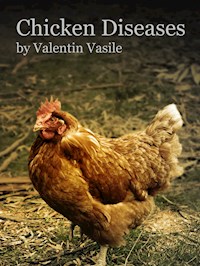
This book covers 30 of the most common infections and diseases that occur in chickens caused by: bacteria, fungi, parasites and viruses, and offers readers simple steps to keep their chickens and henhouse healthy.
Das E-Book können Sie in Legimi-Apps oder einer beliebigen App lesen, die das folgende Format unterstützen:
Seitenzahl: 65
Veröffentlichungsjahr: 2020
Ähnliche


















Chicken Diseases
Valentin Vasile
PUBLISHED BY:
Valentin Vasile
Copyright c 2020
All rights reserved.
No part of this publication may be copied, reproduced in any format, by any means, electronic or otherwise, without prior consent from the copyright owner and publisher of this book.
Introduction
Farming chickens for fresh eggs and meat has been a way of life for people all over the world, for thousands of years. As economic problems have increased over time, more of us are seeking ways to supplement our food provisions with healthy and affordable alternatives, like raising small flocks of chickens in our backyards.
Chicken Diseases Help is a comprehensive book for maintaining good health in your chickens, providing readers with symptoms, causes, preventative measures and treatments for the most common diseases & sicknesses that can negatively affect the health of your flock, their offspring, egg production, and egg and meat quality.
This guidebook covers 30 of the most common infections and diseases occurring in chickens caused by: bacteria, fungi, parasites and viruses, and provides readers with simple steps for keeping their chickens and homes healthy.
Chapter 1 - Causes of Chicken Sickness & Disease
Chickens are susceptible to sickness and disease like any other animal. The most common health problems are caused by: bacteria, fungi, parasites, and virus. Diseases, infections and illness are transmitted to chickens by parasites, including: lice, mites, fleas, ticks and worms, and through ingestion of living organisms, such as: bacteria, bacterial toxins and fungi growing in their feed, water and hay, and living in the soil where they forage. Chickens are also susceptible to develop respiratory illness from exposure to extreme cold, and the damp, toxic and humid conditions that commonly occur within their housing as a result of the high quantity of moisture in their excrement.
Chickens are social creatures; they live together, eat together, drink together, sleep together, and share absolutely everything, including brooding and raising their young. The only downside to this lifestyle, an outbreak of sickness in one chicken can result in the devastation of an entire flock. Understanding the different causes of disease and sickness in their natural environment, and how symptoms present, preventative measures and treatment is critical to maintaining good health in a backyard flock or small farm, and the food they supply you and your family.
Bacteria
Reference:
http://images.suite101.com/2911403_COM_salmonella_bacteria.jpg
Bacteria are an enormous classification of microorganisms, separate from plants and animals, tiny in size; most recognized in sphere, spiral and rod-like shapes under a microscope. There are more species of bacteria than plants and animals combined.
Bacteria are natural organisms found living in the soil and water, on the surface and core of almost every habitat on the planet, and on and within the live body of all organic matter including: humans, animals and plants. Bacteria are essential to life, providing powerful aid in human digestion, decomposition of organic matter, nutrient cycling and exchange, antibiotic production, fermentation of cheese, and sewage treatment among countless other functions.
However, some bacteria are pathogenic, creating serious infections in humans and animals, and even death.
Chickens are susceptible to contract infections and disease from pathogenic bacteria growing in their natural habitat, food and water sources. Bacterium is responsible for a large majority of health problems in chickens. Bacterial infections and diseases are most often spread from one chicken to another rapidly through ingestion of infected feces.
Some of the most common bacteria-caused health problems include: Bumblefoot, Ulcerative Pododermatitis
Campylobacteriosis
Erysipelas
Fowl Cholera
Fowl Typhoid
Infectious Coryza
Mycoplasmas
Necrotic Enteritis
Psittacosis
Pullorum, Salmonella
Ulcerative Enteritis
Yolk Sac Infection, Omphallitis
Bacterial Toxins
Reference: http://www.poultryhub.org/wp-content/uploads/2012/04/450px-
Campylobacter.jpg
A toxin is a non-man-made poisonous substance produced by or within a living organism. Toxins may vary in strength from the temporary discomfort caused by the toxin in a bee sting, to deadly toxins contained in spider and snake bites that attack red blood cells or the nervous system causing death immediately upon contact.
Small organisms like bacteria, fungi and viruses also produce toxins, some highly dangerous and deadly, and commonly attributed to food or blood poisoning. In addition, chicken excrement contains high levels of nitrogen gas, which is considered a highly toxic gas, and dangerous to breath, by humans and chickens alike.
One of the most dangerous bacterial toxins that presents as food poisoning, causing extreme pain, illness and even death in humans, is equally harmful to chickens:
Botulism
Fungi
Reference:
http://www.poultrymatters.com/photopost/data/500/medium/fungus_close_up.jpg A fungus is classified as a living organism, with its own distinction separate from plants, animals and bacteria. Through mycology (the study of fungi), an estimated 1.5 million different fungi species exist in our world today, with a life cycle more closely resembling animals, than plants.
Fungi are natural organisms found in soil, and during decomposition on living matter including animals, plants and other fungi. Fungi are often undetected for their small size, until they begin fruiting into a visible mold.
Fungi are essential to decomposition of organic matter, and nutrient cycling and exchange. While some fungi are used to produce antibiotic medicine, and other consumer products, many fungi are toxic and pathogenic, causing sickness, disease and even death in humans and other animals.
The most common chicken health problems caused by fungi or fungus include:
Aspergillosis
Monilasis, Yeast Infection, Thrush
Parasites
Reference: http://images.suite101.com/1738877_com_coccidia.jpg
Parasitism is a non-mutual relationship between two living species, where the parasite organism grows, feeds, and is sheltered on or inside a different organism called the host. The parasite benefits at the expense of the host, often depleting essential nutrients needed to maintain sound health. Parasites infect their host by burrowing into and biting the skin, or through ingestion, and may easily transfer from one host to another.
The most commonly known parasites include: lice, mites, fleas, ticks, and worms. Parasites can cause irritation, deplete the host of essentials like food, water, heat, and blood necessary for host survival, and spread dangerous pathogens, causing discomfort, disease and even death in humans and animals.
Intrusive parasites that invade the internal organs of chickens, causing a wide range of health problems include:
Blackhead Disease, Histomoniasis
Coccidiosis
Gapeworm, Red Worm, Syngamus Trachea
Red Mite, Dermanyssys Gallinae
Scaly Leg
Toxoplasmosis
Trichomoniasis
Virus
Reference: http://www.sxc.hu/photo/1295739
A virus is a small infectious agent that only replicates itself inside living cells of an organism. A virus may also be a pathogen, and can replicate and cause damage, even death to its host. A virus can spread quickly through a flock.
Viral infections are automatically attacked by the immune system of the host, which often eliminates the infecting virus altogether. While antibiotics are of no use against viruses, many vaccines are available for some prevention and treatment.
Viral infections and diseases adapted and mutated from different species of birds, animals and even humans, dangerous to the health of your chicken flock and other livestock include:
Bird Flu, Avian Influenza
Fowl Pox
Gallid or Avian herpesvirus 1, GaHV-1, Infectious Laryngotracheitis, LT
Infectious Bronchitis
Infectious Bursal Disease, Gumboro
Lymphoid Leukosis
Marek’s Disease
Newcastle Disease
Chapter 2 - Chicken Disease Summaries
In this chapter, readers will find comprehensive and detailed summaries on 30 of the most common chicken diseases, illnesses, and infections that can negatively impact the health and production levels of chickens in small backyard farms or commercial poultry houses. All of the “diseases” included in this book are not region specific, but common to chickens in all parts of the world.
Each “disease” summary provides the following:
Type of Health Problem:
Illness
Infection
Disease
Cause of the Illness, Infection, or Disease:
Bacteria
Bacterial Toxin
Fungi
Parasite
Virus
Source of the Illness, Infection, or Disease:
Environmental conditions for growth and transmission
Transmission factors between chickens in a flock
Symptoms of the Illness, Infection, or Disease:
Early indicators of the onset of infection
Behavioral indicators of the illness, infection or disease
Physical symptoms
Prevention of the Illness, Infection, or Disease:
Medicines available for prevention
Medicines available for treatment
Methods for prevention in environment
Methods to prevent spread of illness, infection, or disease to chickens within a flock.




