


32,99 €
Mehr erfahren.
- Herausgeber: John Wiley & Sons
- Kategorie: Fachliteratur
- Serie: SAS Institute Inc
- Sprache: Englisch
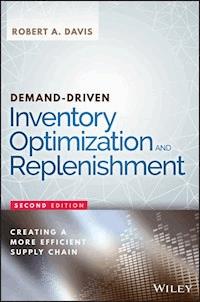
Remove built-in supply chain weak points to more effectively balance supply and demand Demand-Driven Inventory Optimization and Replenishment shows how companies can support supply chain metrics and business initiatives by removing the weak points built into their inventory systems. Beginning with a thorough examination of Just in Time, Efficient Consumer Response, and Collaborative Forecasting, Planning, and Replenishment, this book walks you through the mathematical shortcuts set up in your management system that prevent you from attaining supply chain excellence. This expanded second edition includes new coverage of inventory performance, business verticals, business initiatives, and metrics, alongside case studies that illustrate how optimized inventory and replenishment delivers results across retail, high-tech, men's clothing, and food sectors. Inventory optimization allows you to avoid out-of-stock situations without impacting the bottom line with excessive inventory maintenance. By keeping just the right amount of inventory on hand, your company is better able to meet demand without sacrificing the cost-effectiveness of other supply chain strategies. The trick, however, is determining "just the right amount"--and this book provides the background and practical guidance you need to do just that. * Examine the major supply chain strategies of the last 30 years * Remove the shortcuts that prohibit supply chain excellence * Optimize your supply/demand balance in any vertical * Overcome systemic weaknesses to strengthen the bottom line Inventory optimization is benefitting companies around the world, as exemplified here by case studies involving Matas, PWT, Wistron, and Amway. When inefficiencies are built into the system, it's only smart business to identify and remove them--and implement a new streamlined process that runs like a well-oiled machine. Demand-Driven Inventory Optimization and Replenishment is an essential resource for exceptional supply chain management.
Sie lesen das E-Book in den Legimi-Apps auf:
Seitenzahl: 431
Veröffentlichungsjahr: 2015
Ähnliche


















Table of Contents
Wiley & SAS Business Series
Title Page
Copyright
Preface
Acknowledgments
About the Author
Chapter 1: Creating Demand-Driven Supply
The Path to Demand-driven Supply
Shifting from Supply-driven to Demand-driven Methodologies
Moving to a Demand-driven Supply
Creating My Island of Efficiency
What Is an Island of Efficiency?
Notes
Chapter 2: Achieving Timely and Accurate Responses to Customer Demand
Push and Pull Supply Chains
Enter Toyota and the Kanban System
From Kanban to Just-in-time Production
What Is Needed for a Jit System to Work Efficiently?
A Broader View of Jit/kanban in Action
The Known Demand Becomes the Predictable Demand
The Jit Production Supply Chain Weaknesses Become Amplified in the Distribution Chain
Some Distribution Issues
The Customer Pushes Back
The Squeeze Is On
Creating an Efficient Supply Chain Using Jit Functionality
Push-pull Tipping Points
In Search of True Demand
Notes
Chapter 3: Just-in-Time and Enterprise Resource Planning Rise Together
Denormalized Tables
Sequential Optimization
Upstream Service Levels
Accumulated Demand Variance
Multiple Hierarchies of Service Level Requirements
The Effects of ERP Shortcomings
Shifting Costs on a Balance Sheet
Moving the Focus Away from Inventory to Replenishment
The Long Tail
Making Mistakes Faster
Working with One Hand Tied Behind Your Back
So, Here We Are
Notes
Chapter 4: How Does Days of Supply Wreak Havoc on the Supply Chain?
Rule-of-thumb Days/weeks of Supply Exposed
Inefficiencies of Rule-of-thumb Days of Supply
Turning Days of Supply on Its Head
Creating the Efficiency Envelope
The Journey, so Far
Notes
Chapter 5: What Will You Accomplish with Inventory Optimization?
How Does Inventory Optimization Improve the ERP Systems?
Development of the Inventory Policies and Replenishment Plans
The Network Structure
The Service Level
The Lead Time and Lead-time Variance
Ordering Rules
Demand
Developing Policy Outputs
Chapter 6: Shifting the Focus from an Algorithm Discussion to a Business Discussion
Putting the Algorithms into the Hands of the Business Users for Best Results
Working in a Business User Environment
Working in the Technical Analyst Environment
The Business and Analyst Persona Chasm
Chapter 7: Fitting Unlimited Optimization into a Constraining World
The Current State of Affairs in Replenishment Planning
How Alerts Take on More Significance When Customer Service Is Paramount
Time
Space
The Comingling of Demand
The Short Supply or Allocated Product
Where Does “optimized” Replenishment Need to Go in Order to Encompass the Entire Distribution Chain?
The Upstream Reaction
Moving Upstream Reactions into Real Replenishment
Replenishment as a Means to Inventory Optimization Harmony
Chapter 8: Reviewing the Three Proof of Value Engagements
Proving That Inventory Optimization Is a Good Business Rationale
The Good: When Proof of Value Engagements Work
The Bad: When Proof of Value Engagements Don't Work
Viewing the POV from a Project Management Perspective
The Best: A Complete Proof of Value Engagement
Proof of Value Steps that Lead to Success
A Different Product Perspective
The Eye-opening Moment: Discovery and Insight
Why the ERP System Had Trouble With Most of the MRO Products
Simulation of the Replenishment Policies
Simulation of the ERP/SCM Module Reaction
Simulation of the Optimization System
The Effect of Policy
POV Results: Inventory Optimization Enhances The ERP System
How Long Will It Take to Achieve the Reductions?
Were there Improved Buyer Efficiencies?
Looking Back
Chapter 9: Inventory Optimization in the Real World: Matas A/S
Matas A/S: Automated Forecasting and Replenishment
What Were the Problems at Matas?
DC Replenishment
Store Replenishment
A Project in Inventory Optimization
A Pilot Program Versus a Proof of Value Process
Rolling Out the Project to The Enterprise
The Matas Network
A Closer Look at the Optimization Process
The Ultimate Matas Goal
The Matas Results
Reflections On the Project
Chapter 10: The Strategic Value Assessment
Looking Beyond the Request for Proposal
The Strategic Value Assessment
The Results of the SVA
Strategic Value Assessment Benefit Analysis
So, What Does the SVA Accomplish?
Chapter 11: A View of an Inventory Optimization Installation
What Does an Inventory Optimization Project Look Like?
In Closing
Note
Chapter 12: Inventory Optimization in Supply Chain Verticals
Retail: Life at the End of the Chain
Retail Benefits of Inventory Optimization
Distribution: Being in the Middle of Siblings Who Don't Play Well with Each Other
Distributor Benefits of Inventory Optimization
Consumer Packaged Goods Manufacturing: Where It All Began
Consumer Packaged Goods Manufacturing Benefits of Inventory Optimization
Hey, Wait a Minute: Where Are You Getting These Time-Phased Numbers?
Notes
Chapter 13: Pulling It All Together
Aligning the Inventory Optimization Goals to Correct Deep-seated Business Actions in a Company
Inventory Optimization Can't Do What was Done Before
How to Change the Playing Field
Overarching Business Issues Impede Positive Inventory Control
Supply Chain Inventory Strategies Benchmark Report Recommendations
In Closing
Notes
Epilogue
Index
End User License Agreement
Pages
xi
xii
xiii
xiv
xv
xvi
1
2
3
4
5
6
7
8
9
10
11
12
13
14
15
16
17
19
20
21
22
23
24
25
26
27
28
29
30
31
32
33
34
35
36
37
38
39
40
41
42
43
44
45
46
47
48
49
50
51
52
53
54
55
56
57
58
59
60
61
62
63
64
65
66
67
68
69
70
71
72
73
74
75
76
77
78
79
80
81
82
83
84
85
86
87
88
89
90
91
92
93
94
95
96
97
98
99
100
101
102
103
104
105
106
107
108
109
110
111
112
113
114
115
116
117
118
119
120
121
122
123
124
125
126
127
128
129
130
131
132
133
134
135
136
137
138
139
140
141
142
143
144
145
146
147
148
149
150
151
152
153
154
155
156
157
158
159
160
161
162
163
164
165
166
167
168
169
170
171
172
173
174
175
176
177
178
179
180
181
182
183
184
185
186
187
188
189
190
191
193
194
195
196
197
198
199
200
201
202
203
204
205
206
207
208
209
210
211
212
213
214
215
216
217
218
219
220
221
222
223
224
225
226
227
228
229
230
231
233
234
235
236
237
238
239
240
241
242
243
244
245
246
247
248
249
250
251
253
254
255
256
257
258
259
260
261
262
263
264
265
266
267
268
269
270
271
272
273
274
275
276
277
278
279
280
281
282
283
284
285
286
287
288
289
291
292
293
295
296
297
298
299
300
301
302
303
304
Guide
Cover
Table of Contents
Begin Reading
List of Illustrations
Chapter 1: Creating Demand-Driven Supply
Figure 1.1 Inventory Bleed-Off of Davis Product Portfolio
Figure 1.2 The Kanban System
Figure 1.3 Unintended Island of Efficiency
Chapter 2: Achieving Timely and Accurate Responses to Customer Demand
Figure 2.1 Push-Pull Quadrant
Figure 2.2 Inventory Decision Points
Chapter 3: Just-in-Time and Enterprise Resource Planning Rise Together
Figure 3.1 Normalized Tables Grab Small Bits of Data to Complete a Transaction
Figure 3.2 Denormalized Tables Process
Figure 3.3 Sequential Optimization Process
Figure 3.4 Upstream Service Level Assumption
Figure 3.5 Demand Variance Assumption
Figure 3.6 Unique Downstream Service Level Process
Figure 3.7 The Long Tail Visualized
Figure 3.8 Economic Order Quantity Decision Model
Chapter 4: How Does Days of Supply Wreak Havoc on the Supply Chain?
Figure 4.1 Rule-of-Thumb Inventory Levels
Figure 4.2 The Goldilocks Effect
Figure 4.3 Increasing Service Level by Raising Days of Supply
Figure 4.4 Reducing Inventory by Lowering Days of Supply
Figure 4.5 Cost of Inventory against Service Level Based on Rule-of-Thumb Days
Figure 4.6 Sequential Optimization/Bullwhip Effect
Figure 4.7 False Demand Signals Due to Echelon Leveling
Figure 4.8 Uniquely Optimized Inventory Levels Based on a Balance of Service Level and Costs
Figure 4.9 Adjustment of Inventory by SKU/Location Granularity
Figure 4.10 The Efficiency Envelope
Figure 4.11 Effects of Optimized Inventories on the Balance Sheet and Income Statement
Chapter 5: What Will You Accomplish with Inventory Optimization?
Figure 5.1 Input and Output Flows of Inventory and Replenishment Optimization
Figure 5.2 Single-Echelon Input Data
Figure 5.3 Single-Echelon Data Output
Figure 5.4 Possible Algorithm Variables
Figure 5.5 Dual or Two-Echelon Input Data
Figure 5.6 Dual or Two-Echelon Output Data
Figure 5.7 Single-Echelon Inventory Policies
Figure 5.8 Single-Echelon Order Suggestion
Figure 5.9 Single-Echelon Reporting
Figure 5.10 Sequential Optimization Based on Hierarchies Being Optimized without Visibility Upstream or Downstream: Islands of Efficiency
Figure 5.11 Multiechelon or Systematic/Network Optimization Where the Entire Network Optimizes as One Entity
Chapter 6: Shifting the Focus from an Algorithm Discussion to a Business Discussion
Figure 6.1 Hype Cycle and Acceptance Rates
Figure 6.2 Ad-hoc Scenario
Figure 6.3 Ad-hoc Results
Figure 6.4 RDC Results
Figure 6.5 Promoting the Results
Figure 6.6 Customer-Facing Scenario
Figure 6.7 Budget Constraint
Figure 6.8 Budget Constraint Results
Figure 6.9 Promoting the Results
Figure 6.10 Lead-time Change
Figure 6.11 Lead-time Results
Figure 6.12 RDC Results
Figure 6.13 Effecting Other Nodes
Figure 6.14 Individual Product Results
Figure 6.15 FORECASTED_DEMAND_FACT Properties
Figure 6.16 The SERVICE_LEVEL Properties Table
Figure 6.17 The ARC Properties Table
Chapter 7: Fitting Unlimited Optimization into a Constraining World
Figure 7.1 Turn and Promotional Volume Is Usually Treated Differently When Large Promotional Orders Are Placed
Figure 7.2 Using Turn Volume Variance to Recognize and Act on Promotional Orders
Chapter 8: Reviewing the Three Proof of Value Engagements
Figure 8.1 Inventory Profile over Time
Figure 8.2 The POV Roadmap
Figure 8.3 Buyer Focus Quadrant
Figure 8.4 Inventory by Quadrant
Figure 8.5 Using Min-Max Inventory Policies, the Inventory Reaction Was Lagging
Figure 8.6 Inability to React to Anomalies in Time
Figure 8.7 Application of the Base-Stock Inventory Policies
Figure 8.8 Inventory Velocity Review
Figure 8.9 Historical Comparison to SAS Inventory Optimization
Figure 8.10 Inventory Bleed-Off Schedule
Chapter 9: Inventory Optimization in the Real World: Matas A/S
Figure 9.1 The Matas KPI Metrics over a Three-Month Period
Figure 9.2 Where Inventory Optimization Fit into the Matas System
Figure 9.3 The Matas Distribution System
Figure 9.4 The Optimization Process Flow
Figure 9.5 Capturing the Min-Max Ordering Process
Figure 9.6 The Old Matas Ordering System
Figure 9.7 The New Matas Ordering System
Chapter 10: The Strategic Value Assessment
Figure 10.1 Benefits of the SVA
Figure 10.2 Projection Assumptions
Figure 10.3 Time-Phased Financial Benefits Analysis
Chapter 11: A View of an Inventory Optimization Installation
Figure 11.1 Project Management Workflow
Figure 11.2 Pilot Decision Point
Chapter 12: Inventory Optimization in Supply Chain Verticals
Figure 12.1 Inventory Optimization Study / Supply Chain Insights / Lora Cecere / May 2015
Figure 12.2 Long-tail products are slower moving and more difficult to forecast, resulting in higher-than-normal safety stocks.
Figure 12.3 Retailers have effectively pushed inventory risk back onto the vendors.
Figure 12.4 “Let's Put Working Capital to Work,” Lora Cecere, August 30, 2011
List of Tables
Chapter 8: Reviewing the Three Proof of Value Engagements
Table 8.1 The POV Results
Table 8.2 Overall Results of Inventory Optimization POV
Table 8.3 Breakout by Buyer Category Portfolio
Chapter 12: Inventory Optimization in Supply Chain Verticals
Table 12.1 Supply Chain News: Inventory Performance by Industry 2005 to 2010 / July 27, 2011
Table 12.2 Time-Phasing Inventory Benefits for a Retailer
Table 12.3 Time-Phasing Inventory Benefits at a Distributor
Table 12.4 Time-Phasing Inventory Benefits at a Consumer Packaged Goods Manufacturer
Wiley & SAS Business Series
The Wiley & SAS Business Series presents books that help senior-level managers with their critical management decisions.
Titles in the Wiley & SAS Business Series include:
Agile by Design: An Implementation Guide to Analytic Lifecycle Management
by Rachel Alt-Simmons
Analytics in a Big Data World: The Essential Guide to Data Science and Its Applications by
Bart Baesens
Bank Fraud: Using Technology to Combat Losses
by Revathi Subramanian
Big Data Analytics: Turning Big Data into Big Money
by Frank Ohlhorst
Big Data, Big Innovation: Enabling Competitive Differentiation through Business Analytics
by Evan Stubbs
Lesen Sie weiter in der vollständigen Ausgabe!
Lesen Sie weiter in der vollständigen Ausgabe!
Lesen Sie weiter in der vollständigen Ausgabe!
Lesen Sie weiter in der vollständigen Ausgabe!
Lesen Sie weiter in der vollständigen Ausgabe!
Lesen Sie weiter in der vollständigen Ausgabe!
Lesen Sie weiter in der vollständigen Ausgabe!
Lesen Sie weiter in der vollständigen Ausgabe!
Lesen Sie weiter in der vollständigen Ausgabe!
Lesen Sie weiter in der vollständigen Ausgabe!
Lesen Sie weiter in der vollständigen Ausgabe!
Lesen Sie weiter in der vollständigen Ausgabe!
Lesen Sie weiter in der vollständigen Ausgabe!
Lesen Sie weiter in der vollständigen Ausgabe!
Lesen Sie weiter in der vollständigen Ausgabe!
Lesen Sie weiter in der vollständigen Ausgabe!
Lesen Sie weiter in der vollständigen Ausgabe!
Lesen Sie weiter in der vollständigen Ausgabe!
Lesen Sie weiter in der vollständigen Ausgabe!
Lesen Sie weiter in der vollständigen Ausgabe!
Lesen Sie weiter in der vollständigen Ausgabe!




