


29,99 €
Mehr erfahren.
- Herausgeber: The Crowood Press
- Kategorie: Lebensstil
- Sprache: Englisch
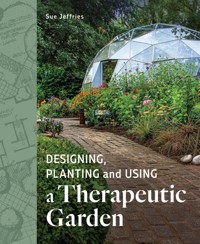
The benefits of therapeutic gardens, where users can interact with plants for the purpose of moving towards a specific outcome or meeting a particular need, is increasingly being recognized in healthcare and beyond. This book provides a practical guide for garden designers, horticulture professionals, landscape architects and therapeutic horticulturalists to create a successful and sustainable therapeutic garden space, whether from scratch or working with an existing site. An appreciation of how the garden will be used is an essential part of its design, so this book also outlines therapeutic activities and ideas, making it a valuable resource for healthcare professionals, counsellors, teachers, activity co-ordinators, social prescribers and occupational therapists who are looking to use horticulture in their therapeutic practice too.
Das E-Book können Sie in Legimi-Apps oder einer beliebigen App lesen, die das folgende Format unterstützen:
Veröffentlichungsjahr: 2023
Ähnliche



















First published in 2023 byThe Crowood Press LtdRamsbury, MarlboroughWiltshire SN8 2HR
www.crowood.com
This e-book first published in 2023
© Sue Jeffries 2023
All rights reserved. This e-book is copyright material and must not be copied, reproduced, transferred, distributed, leased, licensed or publicly performed or used in any way except as specifically permitted in writing by the publishers, as allowed under the terms and conditions under which it was purchased or as strictly permitted by applicable copyright law. Any unauthorised distribution or use of this text may be a direct infringement of the author’s and publisher’s rights, and those responsible may be liable in law accordingly.
British Library Cataloguing-in-Publication DataA catalogue record for this book is available from the British Library.
ISBN 978 0 7198 4152 1
Cover design by Sergey TsvetkovFront cover: Start in Salford Photography
CONTENTS
Introduction
Part 1: Getting Started
1 What is a Therapeutic Garden?
2 Planning and Surveying
Part 2: Design Considerations
3 Movement: Access Into and Around Therapeutic Spaces
4 Facilities and Features
5 Maintenance and Health and Safety
Part 3: Therapeutic Activities
6 An Introduction to Therapeutic Activities
7 Seasonal Interest and Activities in the Garden
8 Attracting Wildlife
9 Edible Gardening
10 Sensory Stimulation
Part 4: Final Planning Stages and Plant Choices
11 Concept Planning, Final Design and Planting Plans
12 Key Therapeutic Plants
Acknowledgements
Bibliography
Further Information and Resources
Glossary
Index
INTRODUCTION
For many years I have been fascinated by the role of gardening, plants and nature in improving human wellbeing and the positive impact they can have on individuals as well as groups and communities. During my horticultural training I visited community gardening projects and researched into the history and development of social and therapeutic horticulture in the UK, and further afield. My own experience of working as a horticulturalist in a range of gardens certainly improved my own wellbeing; as a career-changer I escaped the world of the office and found being outside and working with plants instantly calming and satisfying.
Having now worked in the field of social and therapeutic horticulture for over fourteen years, I have found that interest in this field has grown beyond a small but committed group of practitioners to a widespread interest and recognition of its value in boosting the health of individuals and communities. I am often contacted by individuals who are interested in a career in the field and by those setting up community gardens and therapeutic projects. In response I have decided to write this book to make my knowledge and experience more broadly available. Social and therapeutic horticulture has a great deal to offer in improving the wellbeing and health of those suffering from a range of challenges from obesity, dementia and type 2 diabetes, to mental health issues and social isolation. However, it will be most successful where resources and the staff available are used with the benefit of some key principles and relevant knowledge. Our approaches and applications in the field are still developing and the more we share and discuss good practice the more effective and beneficial our impact will be on improving health and wellbeing.
The book is written from the perspective of someone who has delivered therapeutic horticulture sessions to a range of groups in diverse locations. I trained primarily as a horticulturalist, but also have a background in garden design and project management as well as being a qualified teacher. I have often developed therapeutic sessions around whatever was available on a site, whether that was a food-growing allotment or an attractive ornamental garden. However, by far the best gardens for therapeutic sessions are those that have been consciously designed to meet the needs of their users. This does not preclude them from being beautiful or useful but has the added dimension of sensitivity to accessibility and to providing material and inspiration for therapeutic horticulture sessions throughout the year.
Through this book I intend to offer some insights into creating a successful therapeutic garden for garden designers, landscape architects, horticulture students, horticulture professionals and therapeutic horticulturalists. I also hope it will be useful for clinicians, healthcare professionals, counsellors, teachers, activity co-ordinators, social prescribers and occupational therapists who are looking to use horticulture in their therapeutic practice. The latter may not be designing a whole garden, but may have outdoor areas that they would like to develop as a resource for plant-based sessions.
How to use this book
Depending on the scale of your project and your role, you may find it useful to use the information in this book in different ways. Reading through all the chapters in order will give you a clear idea of the whole design process for creating a therapeutic garden, even if you are only interested in one part of it. Even small-scale projects can benefit from a design-based approach, as it will help you think through your outcomes and how best to achieve them by clarifying the ‘Who?’ and ‘What?’ before you begin to consider ‘How?’
If you are working on a part or element of a therapeutic garden, I’ve outlined below where to look for some specific information to address defined problems.
• You have a specific space and layout and just want ideas for some useful plants and/or therapeutic activities – seeChapters 6, 7, 8, 9, 10, 11 and 12 (Parts 3 and 4).
• You have some funds to enhance the landscaping in an existing therapeutic garden and would like to consider some options – seeChapters 2, 3, 4 and 11.
• You would like to make your garden space more accessible to users – seeChapters 2 and 3.
• You would like to add a food-growing element to an existing space – seeChapters 4, 9 and 12.
• You need more ideas on how to offer therapeutic sessions throughout all twelve months of the year –seeChapters 7 and 12.
This book offers an introduction to creating a therapeutic garden, outlining the design process, accessibility issues, planting ideas, and suggestions for therapeutic activities based on the ‘Five Ways to Wellbeing’. If you would like to find more about training for garden design, becoming a social and therapeutic horticulture practitioner or managing a therapeutic garden, there are further details in the ‘Further Information and Resources’ section at the end of the book.
With so many different people benefitting from therapeutic gardening, I have decided to refer to them all as ‘users’ throughout the book. Many therapeutic gardens will have different types of users and I have referred to these as ‘user groups’. I’ve used the term ‘client’ for anyone who is commissioning or funding a project to build or improve a garden. Again, it may be the case that you have more than one client for a single garden; this is addressed in Chapter 2.
Creating a Therapeutic Garden
How the book’s chapters relate to the different elements of the garden design process.
PART 1
Getting Started
Clarifying the intent behind your therapeutic garden is crucial in enabling your design to meet the needs of those who will be using it. The following two chapters will help you to reflect on your own purpose in developing a therapeutic space and what you can offer the clients and those who may use the space. This is the initial stage of developing a garden design and needs to be carried out systematically to form clear initial outcomes, which your design ideas and solutions can then address. In this part we’ll look at ‘Why?’ you are creating the garden, ‘Who?’ the design is for and ‘What?’ is available to help realize the design. These initial questions need to be agreed before a ‘How?’ can be considered.
CHAPTER 1
WHAT IS A THERAPEUTIC GARDEN?
For the purposes of this book a therapeutic garden is a space where professionally led and planned plantrelated activities take place. These have the intention to encourage users to interact with plants for the purpose of moving towards a specific outcome or meeting a particular need.
Sensory gardens are also very popular as a support to general wellbeing. Sensory stimulation forms an important part of a therapeutic garden and is discussed in Chapter 10. However, a sensory garden is usually designed to contribute to a general sense of wellbeing that can be gained by walking through or sitting in the garden, whereas therapeutic gardens are the location where sessions are managed by trained staff to achieve defined outcomes.
The science behind therapeutic gardens
If you are reading this book, you are probably already convinced that therapeutic gardens can provide health benefits. However, it is always helpful to remind ourselves of the growing evidence-based research behind the use of green space to improve wellbeing and achieve positive medical outcomes for an extremely wide range of health problems. The use of gardens and plants to support the wellbeing of people has had a long history, with its use as a treatment for improving mental health recorded by the ancient Egyptians (Davis, 2003). The biologist and naturalist E.O. Wilson had a profound impact on how we see humans in relation to our natural environment through his 1984 theses on ‘Biophilia’; a love of Nature that gives humans ‘the innate tendency to focus on life and life-like processes’.
He suggested that the relationship between humans and nature is part of our species’ evolutionary heritage and biologically based. As such it is associated with our competitive advantage and genetic development and allows the opportunity for individuals’ meaning and fulfilment.
This connection between humans and nature was further explored by the environmental psychologists Stephen and Rachel Kaplan, who developed their ‘Attention Restoration Theory’ from the 1970s onwards. Their work shows that much of human life requires ‘directed’, ‘hard’ or stressful attention. This could be work or difficult unpaid activities (such as caring).
To balance this, humans can benefit from engagement and interaction with nature, which encourages an innate interest and fascination. Immersion in nature lets the mind wander, be refreshed and restored.
Recent research on the impact of time spent in nature was conducted on a New Zealand university campus. Led by Dr Gayle Souter-Brown, the study followed a group of participants and measured their cortisol (the body’s stress management hormone) levels through saliva tests to check the impact of their breaks in a sensory garden compared to an urban plaza. These breaks lasted for thirty minutes and took place on a weekly basis. The findings of the research ‘suggests a sensory garden effectively reduces stress, enhances wellbeing and improves productivity of “apparently well” people in the workplace’ (Souter-Brown et al, 2021).
These findings show that humans can gain a tangible benefit from spending time outside in natural surroundings. But many studies also have shown that significant improvements can be made for individuals with particular health challenges when targeted therapeutic sessions are used in their treatment. A Review of Nature-based Interventions for Mental Health Care commissioned by Natural England (Bragg and Atkins, 2016) identified research findings that reveal a long list of psychological benefits provided by social and therapeutic horticulture projects including; reduction in depression and anxiety, increased self-esteem, improved mood, increased attentional capacity and cognition, improved psychological wellbeing, improvement in dementia-related symptoms, a sense of connection, belonging or social inclusion, feelings of safety and security. Other research has demonstrated boosts to the physical health of adults, the recovery of children on hospital wards and military veterans with PTSD.
Types of therapeutic garden
A therapeutic garden that has been deliberately designed for users, and is managed appropriately, can have a significant impact beyond that of simply being outside in an attractive natural space. It will encourage users to interact and actively engage with tasks within the garden, rather than just passively enjoy it. Rebecca Haller and Christine Kramer describe this interaction below:
Horticultural therapy is a professionally conducted client-centered treatment modality that utilizes horticulture activities to meet specific therapeutic or rehabilitative goals of its participants. The focus is to maximize social, cognitive, physical and/or psychological functioning and/or to enhance general health and wellness.
(Haller and Kramer, 2006: p.5)
Table 1.1 Types of horticultural therapy
HT program types
Models
Focus/goals for patient/client
Vocational
Rehabilitation
Employment
Therapeutic
Medical
Recovery from illness or injury
Social
Wellness
Quality of life, wellness
(Haller, 2003: p.43)
This therapy has been successfully used for many different types of users. Rebecca Haller identifies the different types of sessions that could take place in a therapeutic garden (Table 1.1).
Some therapeutic work takes place in one-to-one sessions or with small groups with the same needs. The gardens used for this purpose may be part of a residential unit or ward and are not usually open to the public, although staff may access them for breaks when sessions are not taking place. In the book I use three case studies of this type of enclosed garden. One of these is Horatio’s Garden’s Midland Garden, which is built at the Midland Centre for Spinal Injuries in the Robert Jones and Agnes Hunt Orthopaedic Hospital in Oswestry. The Horatio’s Garden charity builds and runs therapeutic gardens in specialist spinal injury units across the UK, where the main purpose is to ‘support the mental and physical rehabilitation of people adjusting to life-changing injuries’. The second case study is an enclosed courtyard garden used by the Stroke Unit at Pendle Community Hospital, where I am helping to develop the existing garden to provide more therapeutic opportunities for users. Finally I have included the garden at Buddleia House in Hucknall, Nottinghamshire. This is a residential care home for the elderly, many of whom are living with dementia.
Another type of therapeutic garden is one where group activities take place involving users with similar needs. These could be children with Special Educational Needs, visually impaired groups, refugees or the homeless. As a case study of this type of garden I have used START’s therapeutic garden in Salford. START is a local mental health charity that takes referrals from primary and secondary health care trusts for those suffering from depression, anxiety, psychosis and other forms of mental health problems. Weekly sessions are run for small gardening groups throughout the year and the charity’s art, craft and photography groups also access the garden for inspiration and relaxation.
More general therapeutic gardens are developed for several different groups of users and are sometimes based in the community or an area open to the public. Several projects of this type are based in parks or council allotments, such as the case study later in the book on the Wellbeing Garden at RHS Garden Bridgewater in Salford. This garden is closed off at certain times and used to deliver sessions to many different user groups by the resident professional Therapeutic Gardener. At other times the garden is open to the general public visiting the wider gardens and can benefit from the wellbeing features on site.
Why is a specifically designed garden needed?
I am constantly delighted and gratified by the positive impact that plant-related sessions have on participants. I have worked with all age groups from infant school pupils to retirees, those with learning disabilities and difficulties as well as those with mental and physical health challenges. The locations where I have delivered sessions range from council allotments and school gardens to medium secure units and hospital wards. Some of the most engaging sessions I’ve led have focussed on a simple guided walk around a park or tasting ripe fruit. So it is possible to derive therapeutic benefits from any type or part of a plant if the session is well planned and meets the needs of those taking part in it. Nevertheless, a well-designed garden that meets the needs of its user groups and fully exploits the potential of the location vastly increases the range of possible sessions, accessibility and encourages maximum engagement.
A successful therapeutic garden is designed with a specific purpose in mind, usually for a particular client and user groups. The design process should follow the stages below:
• Clarify the client’s desired outcomes.
• Agree the available budget for the project.
• Ascertain the ongoing resources available to maintain the garden.
• Identify the potential users and carefully explore their needs.
• Survey and evaluate the site.
• Create a plan with the users’ needs in mind; maximizing the use of the site with good access and layout, relevant man-made features, supporting facilities and planting.
• Build the garden to the design specifications.
It is important to remember that consideration should always be given to how the garden will be used, maintained and developed into the future to ensure its continuing effectiveness as a therapeutic resource.
All too often this process is not followed for a variety of reasons:
• The clients do not discuss and clarify their outcomes for the space/project.
• The budget is not clear, and funds are secured piecemeal during the design and build.
• The funding is withdrawn or reduced part way through the project.
• User needs are not fully clarified, or some potential user groups are missed out.
• The site identified cannot fully meet users’ needs.
• Key facilities are missed out of the design (access to water or accessibility).
• The garden is built by volunteer labour without the necessary expert knowledge and skill base to meet the specifications required.
• All the funding is used up on the hard landscaping and little is available for the planting.
• The garden is built to meet users’ needs, exactly as specified, but no ongoing maintenance resources are made available.
• The garden is built to meet users’ needs, but there is no trained professional to lead the therapeutic sessions and ensure engagement with the planting.
I have seen examples of all these challenges in the wide range of social and therapeutic horticulture projects I have worked in over the years. In the real world the design process will always have problems along the way, but starting with a clear route in mind will help you, as the designer, to negotiate these problems. Clarifying outcomes and users’ needs may become an ongoing process as funding, or even a site, changes during the project. As the designer, you will need to have a good communication with your clients so they can make informed decisions along the way. Even if you are working on a small-scale project and are not a professional designer you can still follow the stages of the design process. For larger projects you may need to bring in specialist inputs (designers, surveyors, horticulturalists) to help with the process.
I have noticed a growing legacy of unkempt and unusable garden spaces, which were built with the best intentions but without any clear thought to the users’ needs, who the users might be, maintenance, accessibility, health and safety, facilities, plant choice or ongoing ownership. For some spaces it is a withdrawal of funding for running costs or a change in priorities that has left a onceexcellent therapeutic facility to fall into disrepair, and sometimes demolition. It is sad to see all this interest, enthusiasm and funding go to waste when a straightforward process and involvement of the appropriate expertise could have created a successful garden. The good news is that it is never too late, and many sites can be rescued and redeveloped to make them into successful therapeutic spaces. Although I do not have space here to discuss sources of funding, I do look forward to seeing betterinformed and longsighted funders and clients providing for the running costs of therapeutic gardens as well as their initial design and capital costs.
Key inputs required for a successful therapeutic garden design project; more than one person may be required to cover all these areas.
Public health and therapeutic gardens
Green spaces are increasingly being seen as a vital addition to preventative healthcare resources. In support of this a Public Health England report stated that £2.1 billion in health costs could be saved annually if people have access to good quality green space and physical activity is increased as a result. Living close to green space is a predictor of better physical and mental health and some researchers have explained this effect through how our species has developed. A paper on social prescribing states that:
We evolved to be hunter gatherers and we perfected our survival techniques over 200,000 years through three main factors that are the fundamental basis of health.
1) People: We had social support from family and friends who made us feel valued.
2) Purpose: We had a sense of purpose where we had defined roles, which created a sense of belonging and control over our life.
3) Place: We were outdoors and connected to nature, which we observed, understood and respected.
(Bird et al, 2020)
Therapeutic gardens can provide a site to support these three factors in the following ways:
•People – in gardens we can meet with others in an open and non-threatening space, share conversations and tasks and discuss plants, wildlife and ideas.
•Purpose – is provided by horticultural projects and tasks where there is a future aim and meaningful outcome and often something that can be shared with others.
•Place – gardens can remind us of our place in nature and in our communities. They can bring people together in a location and unite communities through nature in a meaningful way. In gardens individuals can impact positively on their communities and nature and vice versa.
Reviews of projects across the UK have shown that:
The nature, health and wellbeing sector provide an increasing number of nature-based interventions, comprising both
i) nature-based health promotion services – providing informal opportunities for people to engage with nature in their community (e.g. community gardening or conservation volunteering) and
ii) green care services for individuals with a defined health need offering structured therapy, rehabilitation or care, using contexts such as conservation or horticultural therapy projects and care farms.
(Bragg and Leck, 2017)
As the social and therapeutic horticulture sector grows and there are more calls for its positive intervention in public health, as well as individual health outcomes, it is important that we review good practice and share experiences to ensure new therapeutic gardens are developed using a professional approach to design whilst taking account of users’ needs and ongoing maintenance requirements.
CHAPTER 2
PLANNING AND SURVEYING
This is the initial stage of developing any garden design and needs to be carried out systematically to form clear initial outcomes, which your design ideas and solutions can then address. Put simply, the ‘Who?’ and ‘What?’ need to be agreed before a ‘How?’ can be considered. In this chapter we’ll look at ‘Who?’ the design is for and ‘What?’ is available to help realize the design.
Clarifying clients and their requirements
For a garden design to be successful it is crucial to establish all the outcomes that a client requires from the project in the initial planning stages via detailed consultations. For small projects you may be your own client, but you should still spend time clarifying your outcomes.
Making outcomes explicit may prove challenging for several reasons:
• The ‘client’ is not one person but a group or committee
• Several groups or stakeholders are involved in the project
• Funders’ targets or expectations need to be addressed
• More than one group of users will use the garden and they have different requirements
Overview of the ‘Who’ and ‘What’ that need to be established before any design work can start.
As the designer you need to make a conscious effort to discover and reveal all the groups who have an interest in the project and find out their specific outcomes. The initial client approach may only involve one of these groups and they themselves may not be aware of how much another group’s needs may impact on the design process. However, digging deep and uncovering all the interested parties will ensure the complete ‘What?’ is clarified before you can embark on the ‘How?’. If tangential but important interests are not revealed in the initial stages of the project, designs may become irrelevant or inadequate further into the project and render many hours of work futile. This could have a negative impact on the final garden build where restricted budgets are involved.
Discovering all the client requirements could take some time, and this should be built into the time allocated to the project as a whole. It will always be worthwhile investing this time at the start of the project rather than having to revise worked-up designs retrospectively as new outcomes and requirements come to light. You should take time to reflect on all the information and feedback you have gathered and consider any gaps and needs for further information before you start the design. A good working partnership and effective communication between the client/s and the designer are key in developing clear and explicit outcomes. The latter will then have a significant impact on the success of the garden in supporting the needs of all involved in the project.
Establishing outcomes for the design should be looked upon as an iterative process through which initial ideas and requirements are raised by clients and then formulated and re-represented by the designer for further clarification and refinement until a clear, agreed set of outcomes is identified. The collection of data and feedback on the needs of those involved should be systematic and once the designer has gathered all the data, they should create a clear set of outcomes and discuss them with the client before the design work starts. Frequently, once needs are written down and made available for reflection, clients will be reminded of additional requirements and stimulated to consider other needs. Allowing time to consider and reflect are crucial in these initial stages of the design process.
Identify specific user group/s needs
Some garden projects are developed for a single group of specific users with similar needs; for instance the gardens provided by Horatio’s Garden (seeCase Study 3.2) at spinal injuries inpatient wards. However, many more gardens are likely to cover a range of users, particularly community projects where children, adults and those with specific physical or mental health support needs all need to be accommodated. The development of social prescribing in the UK is likely to require flexible and accessible garden spaces that can meet the needs of a very wide range of users and client outcomes. Although hospitals, residential or day care settings may wish to develop therapeutic gardens primarily for their patients, they may also be used and valued by staff during their work breaks. For every garden project all these needs should be teased out and made explicit by the designer.
You will need to develop a process to gather this information and the most effective method of collecting information is usually to start with a questionnaire designed for each group of clients, stakeholders and/or users. Having a list of questions will save time and ensure that key areas are covered (seeCase study 2.2).
If possible, hold group meetings with clients, funders and staff. It may be helpful to meet these groups separately to ensure all have the time and space to express their views. For some groups this is better done in an informal setting using, for example, group chats, Post-it comments and/or flip charts to elicit ideas and topics. You can then follow up these meetings with more detailed questions for individuals or one-to-one interviews or phone calls, if necessary.
If user groups have been identified, aim to meet with them or send questionnaires to encourage their thoughts on what they would value in the garden space. Where the garden is a development for new user groups, find out where these users can be contacted through GP surgeries, schools, parents and teacher associations, religious communities, social media groups, community centres or groups, local cafes and so on. You can issue questionnaires, posters, social media links or set up open meetings to encourage their feedback. Where the design is part of a funding bid, getting input from potential users may be an essential part of the process as it provides evidence of demand for the funders.
Once you have established client outcomes and user groups’ needs you can bring these together to inform your concept plans, which are discussed in Chapter 11.
CASE STUDY 2.1
Gathering client requirements for the Wellbeing Garden at RHS Garden Bridgewater
The Royal Horticultural Society (RHS)’s new Bridgewater garden in Salford includes a Wellbeing Garden, which was designed and constructed on the new site as a resource for local groups. Ben Brace, the in-house designer for the project, reported to the RHS as his overall client. However, the intention was that the new garden would serve the needs of a wide range of local organizations and groups. As a result, Ben needed to identify the needs of up to fifty-eight individuals and organizations. These clients were extremely diverse; ranging from large, complex organizations such as Salford City Council and Greater Manchester Mental Health NHS Foundation Trust to small, local charities such as Mustard Tree and Incredible Education. The designer and his team created a specific process to identify and collate all these needs, which was titled ‘The Big Conversation’.
A series of discussions and networking activity was undertaken over several months. Forming part of this were half-day workshops, to which representatives of the organizations were invited to explain their specific users’ needs in relation to the new garden. Once all this information had been gathered, it was reviewed and formed the basis for the initial design of the garden. With the local outcomes clearly defined, the designer could then investigate best practice in the therapeutic horticulture sector and how best to meet these needs within the space available on the site. After a draft design had been produced, it was presented back to the client groups to seek their feedback to further clarify and refine the final plan.
Reflecting back on the process Ben Brace commented that:
‘For me as a designer, the open and inclusive process has been invaluable in informing the design and ensuring it meets the needs of those who will use it... always build in user consultation events into your process. This is key to the success of the space and will undoubtedly reveal a number of unknowns. Even if your user groups are very distinct, there may be connecting threads across these groups that answer very different user requirements. Try and tease these out during your consultation events.’
Draft design of the Wellbeing Garden, RHS Garden Bridgewater by Ben Brace, created after surveying the needs of many user groups in the area.
CASE STUDY 2.2
Identifying user needs to improve an existing small courtyard garden for a stroke unit
For this design I was asked for ideas to improve the existing garden at the stroke unit, which had been in use for the rehabilitation of stroke patients for several years. As the garden space was already being used it was possible to get some useful feedback on existing use and activities. But the same principles apply if you are discussing brand-new projects. For the stroke unit I created four different questionnaires for specific groups. I was able to hold meetings with two of the groups and talk through the questionnaire with them. For the other groups I created a paper questionnaire and asked the staff to distribute it to the appropriate people and return the results to me.
Managers
With this group I focussed on broader contextual issues.
• Who are the main users of the garden (including any staff and visitors as well as users)?
• Is it used all year?
• Level of safety required for sharp tools, detachable features (poles/canes), climbable features (trellis, fencing, trees)?
• Level of safety required for chemicals and materials (such as fertilizers, composts, seeds)?
• Do you need storage for tools in the garden? If so, how much?
• Do want a vegetable/herb garden, soft fruit or fruit trees?
• Any particular features required (such as a greenhouse, polytunnel, pond, fountain, archway)?
• Is screening needed to create private areas?
• Do you want/need a composting area?
• How will you dispose of plant waste?
• Are there any well-used routes/paths or access routes?
• Are there any favourite plants or features you’d like to keep?
• Are there any specific types of materials you would like for hard landscaping?
• Any specific style of garden or colours required?
• Can walls be used to grow climbing plants?
• Any particular views required from windows that overlook the area or other positions?
• How many hours per week of maintenance are available outside sessions (from staff and/or volunteers)?
• What is the level of horticulture skills practised by onsite maintenance teams?
• Are there any Tree Preservation Orders on the site?
• Where are the underground services or supply cables overhead?
• Any current waterlogging or drainage problems?
• Is there good access to the garden and space for materials during the build?
• Access to site – position for skip and deliveries?
Occupational therapists
With this group I asked more detailed questions about the user needs and types of sessions that were carried out in the garden.
• How long are sessions in the garden with patients?
• Are sessions carried out one-to-one or in groups? What is the group size?
• Will patients access the garden unaccompanied and/or with family and friends?
• What is the range of physical mobilities to provide for?
• Range of heights required (ground beds, hip-height, seated working areas)?
• Do seated areas need to be undercover and/or heated?
• Mobility devices used by users – wheelchairs, crutches, frames and so on?
• Are ramps or steps required or to be avoided? If required, any specific heights and inclines needed?
• Are opportunities for gross motor activities required?
• Are opportunities for fine motor activities required?
• Level of safety required for sharp tools, detachable features (poles/canes), climbable features (trellis, fencing, trees)?
• What level of hygiene has to be achieved for materials?
• Allergy issues to consider regarding lowered immunity?
• Any specific sensory stimulation to provide or avoid?
• Would night-time lighting of features be beneficial?
• Is it important to attract wildlife?
• Would an outside heated/covered area be used in the winter?
• Are there any favourite plants or features you’d like to keep (or introduce)?
• Are there any specific types of materials you would like for hard landscaping?
• Any specific style of garden or colours required?
Garden users(inpatients, outpatients, staff, visitors)
I kept this questionnaire short and more general.
• Do you enjoy looking out at the garden? If yes, what do you most enjoy seeing (colourful flowers, birds, bees and butterflies, plants, trees, anything else…)?
• What new features would you like to see in the garden?
• Do you go out into the garden? If yes, what do you most enjoy in the garden (fresh air, seeing plants, seeing wildlife, peace and quiet, doing gardening activities, walking and get exercise, other)?
• Would you like to go out into the garden all year round?
• If you can garden, which activities would you like to do in the garden (watering, weeding, planting up containers, pruning, sowing seeds and growing plants, any others)?
Garden maintenance volunteers
Another short and general style of questionnaire.
• What do you most enjoy when working in the garden (fresh air, seeing plants, seeing wildlife, peace and quiet, meeting patients, doing gardening activities, walking and getting exercise, other elements)?
• Do you work in the garden when it is cold/wet?
• What features/improvements would you like to see in the garden?
• How do you help in the garden (watering in the summer, weeding, planting up containers, pruning, sowing seeds and growing plants, other tasks)?
• Are there any specific difficulties you have in looking after the garden?
Budget
Funding available, or budgets allocated, should be checked at the beginning of the design process. It is an essential ‘What?’ to clarify before you can consider the ‘How?’ element of your design. It may be the case that the design will be used to support a bid for internal or external funds, so for these projects the budget may be hard to establish. Nevertheless, you still should be aware of any likely financial constraints. Where the funds are already known by the client, the designer should check the budget available and consider which of the possible design solutions can meet the outcomes within the budget constraints. If it is not possible to meet the outcomes within the budget allocated, the designer should make this explicit early in the process so the outcomes can be adjusted and prioritized. Most clients are not aware of the costs of garden builds and/or may have inaccurate assumptions. It is the job of the designer to discover and discuss budget implications on a general level before the designs are drawn up. This will avoid any frustrations or disappointments for clients further into the project. Also, if the budget can be increased it is worthwhile pointing out financial implications as soon as possible so that funders can be approached for additional support.
The most expensive element of a garden build will be the hard landscaping (paving, walls, fences, buildings) and labour, rather than planting. But you can build in alternatives and options for expensive and inexpensive hard landscaping options that could work within the design and be swapped in or out depending on the funding secured. If some of the labour can be provided on a voluntary basis this could extend the budget further still. However, expert supervision needs to be provided to train or support volunteers to ensure overall quality and safety are not compromised.
Surveying the site
The other part of your ‘What?’ is the physical site for the garden build. To understand what you have to work with you will need to carry out a detailed survey of the site. This can be done at the same time as you are meeting with clients and discussing their requirements. In this second section of the chapter we’ll look at how you should go about the surveying process. If the final location of the project has not yet been decided, this assessment process is even more valuable as it will give you clear information by which you can assess the relative suitability of various sites.
Evaluate the location/space available
Most projects will have a location in mind, even if this is not yet used as a green space (such as paved areas, car parks, derelict sites, playgrounds). As the designer you need to evaluate the basic growing potential of a site in the first instance and check whether it:
• Receives sufficient sunlight to sustain plants (some spaces are heavily overshadowed by walls, buildings or mature trees, which reduces the range of plants that can be grown)
• Has access to water (such as through standpipes, external taps, nearby internal taps or water barrels)
• Can accommodate a suitable growing medium (existing soil or imported soil or compost)
• Is sheltered from strong winds
Sunlight
Assessing the amount of light in a garden is crucial. I was once asked to make suggestions for planting within the outdoor space attached to a mental health inpatients ward. The small space was adjacent to a two-storey building and most of the perimeter had been fenced in up to 2400mm high in the interests of privacy and safety. Unfortunately, this blocked out the sunlight to most of the space for the majority of the day, making it dark and cold. In addition, the ground was entirely paved over, and only large immovable planters could be accommodated due to security concerns regarding any item that could be picked up or moved by patients. The ward staff and patients requested the addition of bright and colourful flowers, but the environment had already been made unsuitable by the existing landscaping.
If sunlight had been seen as a key consideration in the initial creation of the outdoor space it would have created a better site for growing colourful plants and a more pleasant space for the patients and staff rather than a dark, gloomy yard. Not only were the benefits of going outside reduced, the views onto the space from the ward windows were equally dark and dispiriting. It often becomes the job of the designer to discuss clients’ safety concerns and balance these with the desire to create a suitable environment for planting and outdoor features. In this case, the high fence was painted a paler colour to reduce the gloomy effect. Then evergreen shade-loving foliage plants such as Ferns, Ivy, Hostas and Hellebores were planted. I also recommended that some secure art works, such as mosaic panels, could be installed on the fence to break up the space and create more interest and colour.
Water
Access to nearby water is also an essential feature. Some perennial plants can thrive on rainwater once they are well established, but they do need water when newly planted until their roots get established. However, growing annual plants, container plants and edible crops require regular watering during the warmer months, and they will not flourish without this. Some parks and urban sites do not have access to nearby water and this poses a serious problem to the growing potential of a site. Water is a heavy and difficult material to bring on to a site, especially as it is needed in large quantities at certain times of year. For some projects, a water supply can be factored into the design, but this could be an expensive solution.
Alternatively, the planting chosen will have to reflect the limited water available on site. Suitable drought-tolerant perennials include many herbs such as Lavender, Sage, Thyme and Rosemary as well as ornamental plants from these plant families: Salvia; Sedum; Eryngium; Papaver; Hebe; Cytisus; Ceanothus. Annual and tender plants that tolerate dry soil include Pelargoniums, Echeveria, Aeonium, Cosmos and Gazania.
In some areas the opposite may be the case and the site may be too waterlogged at certain times of year, making it boggy and difficult to work in. Cautionary tales from school growing projects include a site where pupils worked hard to build raised beds in a patch of the school ground in the autumn only to see them completely flooded in the winter. On a different school site a 1400mm-long polytunnel was flooded by an underground spring that ‘appeared’ in the winter months. Luckily, raised beds could be built inside the polytunnel and the plentiful supply of underground water eventually made it an excellent growing space! When working with a new or unknown location these situations can arise, but designers should always aim to find out as much about the site as possible during the initial stages. Visit the site at different times of year and in different weather conditions if there are no clients or users familiar with the site who you can consult with.
Growing media
Soil, or another suitable growing medium, is the foundation of a healthy and productive garden. If you start with good-quality soil it is straightforward to improve and nurture it year on year. Starting with cheap, poor quality or toxic soil will lead to an ongoing struggle to grow plants each year – particularly edible crops. When surveying the site, find out as much as you can about the existing soil, and have it tested professionally if you suspect there may be any toxins present. This can sometimes be the case in urban, brownfield sites and may make it impossible to eat any edible crops grown there. However, in this situation you can select therapeutic ornamental plants that can grow in the contaminated soil but will not be eaten. Any soil can be improved through the annual addition of organic matter (rotted manure or compost) and fertilizers.
Testing the soil will enable you to find out which improvements are needed to improve its structure and level of nutrients. Where funding is limited, a local landbased college may be able to provide a basic soil test. In England you can also check the broad, geological profile of the site by entering its postcode into the Soilscapes webpage of Cranfield University. This will categorize the land into one of the twenty-seven different soilscapes present in England and give you basic information on acidity, drainage, fertility and so on (details can be found in the ‘Further Information and Resources’ section).
Observing and identifying plants that are already flourishing on the site is also an excellent method of checking the characteristics of the soil. Look out for whether acidloving shrubs are thriving and check which native wildflowers and trees are growing there. These will both indicate the properties of the soil. Of course, discussing the site with existing users and local people will also help reveal the soil type and whether it is waterlogged or dry at certain times of year.
If you are building raised beds or containers, you will need to buy in fresh topsoil to fill them. Ensure that you use a reputable, local supplier and select the correct grade needed for the project. Never use cheap or sub soil and avoid budget soils; instead aim to buy in the best quality soil you can afford. A soil mixed with compost is suitable for growing edibles and ornamentals in raised beds and containers, although you can buy in manure separately and mix it with the soil onsite. Often local stables or farmers will deliver affordable manure loose in bulk, but make sure their tipper trucks can access the site.
Exposure
Strong winds are most apparent on open sites, but urban locations can still suffer from these when tall buildings funnel wind and/or create swirling gusts. These winds can damage plants and also make the garden unpleasant for users to sit and work in. Find out from clients or users if the area experiences this type of exposure. If this information is not available, visit the site during windy weather and find out the direction of the prevailing wind. In the UK the Met Office website has plenty of useful information on weather and wind speeds across the country.
If your site is affected by strong winds, you should incorporate wind breaks and shelters into the garden design. Where there is space you can filter wind through planting small trees, shrubs or hedges. If your site lacks space for these options, consider specifying permeable fencing (with gaps between the slats) that filters and reduces wind speed. This is preferable to solid fencing or brick walls, which will create gusts and turbulence within the garden.
Health and safety
In addition to site characteristics, you will need to take into account Health and Safety considerations. These will vary depending on the use of the site; high, medium and low security settings will all have their own specific risk assessments, and you should ask to see these, if possible, or at least make explicit checks before you select features and materials. Many settings (including schools) aim to reduce the materials and features on site that can be lifted, pushed over or picked up. This could be as simple as gravel (that can be picked up and thrown), plant containers (that can be lifted or smashed into sharp pieces) or bamboo canes (that could be used as weapons). Sites that are open to the public also need to be safe and contain robust features that can withstand potential petty vandalism without becoming hazardous.
Identify any specific maintenance requirements for the site
Access
Gardens for residential and healthcare settings are often in ‘courtyard’ locations that are not easily accessed for landscaping, routine maintenance or deliveries as you must enter the building and go through corridors with lawnmowers, compost bags, plants and plant waste and so on. This should be taken into consideration when designing the garden and its features. Where possible, create storage space for tools, machines and consumables within the garden area. This will reduce the amount of times equipment needs to be moved through the building. In a courtyard it may not be possible to create a compost heap for plant waste due to lack of space together with health and safety concerns. However, you can explore the possibility of installing a composting area elsewhere in the grounds so that bagged waste could be removed after sessions and composted within the larger site.
Maintenance staff
It is unlikely that a garden can be fully maintained during therapeutic sessions, as the focus of these is the needs of the users. The latter are likely to have physical and mental health challenges that limit the amount of regular garden maintenance they can undertake. Therefore, therapeutic gardens will need maintenance input outside sessions from a combination of staff, volunteers or grounds maintenance teams. The latter will have specified, contracted tasks on most sites, which may not cover the upkeep of a new therapeutic garden. In some cases, these teams may be willing and able to help with the upkeep but may not have the horticulture expertise to maintain ornamental planting without specific training or supervision. You need to identify the maintenance input available at the beginning of the project and create a design that can be supported and maintained over the long term within the existing maintenance provision.
Consider the impact of the surrounding organization/s and/or community
In an organizational setting a therapeutic garden is often positioned adjacent to a building or surrounded by buildings in a courtyard or atrium. As such, the impact of the building, windows and views should be considered. Overlooking windows can reduce the sense of privacy and peace for garden users. However, some secure units prefer that all areas are easily viewed and dislike secluded areas or sections within a garden. For some secure units even shrubs or tall plants are discouraged as users could ‘hide’ behind them.
Alternatively, the garden could be designed explicitly to provide views from specific windows and provide the benefits of planting and features for those unable to go outside. By finding out more about your clients and users you will be able to use your design for the maximum benefit to all users (and viewers) of the garden. Access into the garden from the building will be covered in later chapters.
For more open gardens in public spaces, there will be a different type of impact from the surroundings and passers-by. Parks will be used by a wide range of local residents of all ages and types; some interaction may be welcomed by user groups, but others may find this anxiety provoking. Depending on the types of users you are catering for, you may need to create private spaces or a sense of enclosure and security so that the therapeutic sessions are not on full view for passers-by to see. Allotment sites may have fewer passers-by, nevertheless secluded areas within the site will be welcomed by some users. Urban gardens are often close to pavements and roads and so are regularly overlooked by pedestrians, drivers and passengers. For some users this will not present any concerns, but others will welcome some screening to create privacy, and this can also be used to filter noise and exhaust pollution.
Site survey plans
For large or complex projects, professional topographical surveyors should be used to carry out a detailed survey of the site. Public sites may already have detailed land surveys held by the local council that can be used by the designer. If the garden is near a new building, there may already be a detailed land survey commissioned by the architect that can be used at no additional cost. This will provide a scaled drawing of the site that can then be used for creating first the designer’s concept plans and then the final design.
You will need an accurately measured, drawn survey for your garden design, whatever the size of the site. In fact, the precise measurements within a small site are even more important as a few centimetres can make a lot of difference when locating features such as greenhouses, raised beds, sheds or benches. For larger spaces, exact measurements and scaled drawings will ensure that you maximize the space available and create a good sense of proportion within the garden.
If you are carrying out your own survey, give yourself plenty of time and concentrate fully on the task. Often it may not be easy to return to the site, so all possible measurements should be taken during your visit. For this reason, make sure you go on a dry day as writing down measurements in the rain is difficult and can lead to rushing and mistakes (I often refuse help from clients when surveying, as conversations with others can be distracting and lead to mistakes and/or omissions).
You will be creating a ‘bird’s-eye view’ of the site, and looking at the area on the Land Registry, Google Maps or a similar satellite or plan view site will help you visualize the space from this perspective before your visit. That view will clearly identify the north point, which is important when considering how much sunlight reaches the site. You can enlarge this view and print it off to give you a guide for your own sketches of the area. You can also take rough measurements of the site with Google Maps or Land Registry maps, but only use this to double check your own measurements taken at the site.
Plan view of the courtyard garden within Pendle Community Hospital, available from the County Council’s maps and related information website.
Photographs and sketches
Part of the survey process is to take photographs of the site, and this will need to be done even if a scale plan/survey is already available. You can never take too many photographs; aim to create a visual record of the site including:
• All entrances to the area, from the inside looking out and vice versa
• Windows
• Views from inside an adjacent building onto the garden, if appropriate
• Key views from within the garden (those looking into the sun are useful and should include morning sun and afternoon sun, where possible)
• Manholes, overhead and underground services
• Water taps
• Position of drains and downpipes
• Existing plants and trees, where they will be retained in the new design
• Hard landscape features (such as paving, paths, fences, walls, seating, sheds, greenhouses)
• Any key weeds or invasive plants
• Surrounding buildings and environment and planting such as hedges and trees (even if not on the site they may impact significantly on the design)
In addition to making a photographic record, you should also make some sketches to remind yourself of the site layout and features. It is helpful to make a quick, rough sketch of the whole site and mark on the position of the sunny and shaded parts. Also, sketch any large, key features including planting and man-made items before you start any detailed measuring, as it will help you notice any areas and issues that need further exploration.
Measuring
Before you can start the design drawings you will need a blank, scaled survey drawing. This needs to accurately show the size of the site and precise location of any key features that need to be retained, such as existing trees and plants and adjacent buildings and structures. In addition, any underground services (water, electricity, gas pipes) should be marked clearly. If you are producing the survey drawing yourself here are details of simple methods of taking and recording measurements on site and drawing up your measurements on to a scaled plan.
How to measure a space using a simple baseline technique
Equipment:
• Two long ‘builder’s’ 3000m tape measures
• Tent pegs to secure the tape measures
• Clipboard with plenty of blank A4 pages
• Pencils and pens
• Compass
• Spirit level with measurements 1800mm long
1. The baseline technique requires that you identify a large and easily reached straight line (or lines) on the site that can be used as the ‘base’ for all your measurements. This is usually the exterior of a building, wall or fence. Firstly, draw a rough sketch of the whole site and then decide where you are going to position your key baselines.
2. Secure one of your tape measures at the start of the ‘baseline’ with a metal peg and unroll it the length of the feature, making sure it is pulled tight and not caught on any obstacles. Then secure the end of the tape with, for example, a peg, brick or pot.
A site survey sketch of the courtyard garden at Pendle Community Hospital indicating all the main features.
The same survey sketch with four baselines marked, indicating ‘0’ where the measurements for each line start.
3. Draw your baseline on a fresh sheet of paper and mark zero and the end measurement. For long baselines you may need more than one sheet of paper to give yourself space to include your measurements and notes.
4. Measure and mark all the features along the baseline – with additional written notes if necessary.
5. For windows it can be useful to note their height, as this may affect the positioning of features. When measuring vertically (up a wall or fence) from the baseline use the spirit level to ensure it is straight and accurate.
6. For doors and gates, mark down which way they open and whether they open out into the garden (or into the building).
7. Once all the measurements along the baseline are marked, you can start to measure offsets from the baseline using your second tape measure.
Baseline 1 measurements with notes indicating doors, windows and features. information website.
Baseline 1 with examples of offsets measuring the adjacent features; hand rails, ramps, greenhouse and raised bed.
8. You can check that these offset measurements are at 90 degrees to the baseline by using Pythagoras’ triangle method, whereby any triangle whose sides are multiples of three, four and five will always have a 90-degree corner.
Diagram of Pythagoras’ triangle theorem that can be used to check offsets are at 90 degrees to the baseline.
9. If there are key features set apart from the main baselines you can also use a triangulation method to locate and record them.
To plot the exact location of a key feature use the triangulation method; measure all three sides of a triangle to the nearest straight line or baseline.
10. To measure all features you may need to set up more than one baseline, but always ensure you locate secondary baselines in relation to the previous baseline. This will ensure all your measurements will fit together when you are drawing them up. If your baselines do not meet at a right angle use the triangulation method to locate them against each other. Start a fresh piece of paper to record the measurements for each new baseline.
11. Where existing features are to be retained, their location needs to be accurately measured on the ground plan as well as their height. Where tall objects can’t be measured with the spirit level or tape measure, you should photograph the object with a smaller object or person of known height next to it. Later you can estimate the height from scaling the object (for example, how many 1800mm tall people or shrubs it would take to reach the top of the object).
Where baselines do not meet at a right angle, you can locate the second baseline correctly in relation to the first baseline by using the triangulation method.
As well as marking the positions of ground floor windows in adjacent buildings, check whether your user group/s has access to any windows on other floors. If so, mark these on the survey and also go to look through all the windows and make a photographic record of their view of the garden.
How to create a simple scaled survey drawing
If you frequently design spaces, you are likely to have a drawing board or specialist software and can input/use your measurements to create a survey of the site. However, if this is not a regular activity for you it is possible to create a simple survey using graph paper, setting a scale and producing a workable drawing for smaller projects. Another alternative for one-off designers is to use scaled drawing software applications – free online options are available. In addition, some paid software applications offer a free trial, which could be sufficient for designing a small project.
Equipment for creating hand-drawn site surveys:
• A3 graph paper
• A3 tracing paper
• Pencils (H or HB)
• Sharpener
• Ruler
• Protractor
• Compass
• Masking tape
• Black, pigmented ink pens (various thicknesses from 0.1mm to 0.8mm)
1.




