


Erhalten Sie Zugang zu diesem und mehr als 300000 Büchern ab EUR 5,99 monatlich.
- Herausgeber: The Crowood Press
- Kategorie: Lebensstil
- Sprache: Englisch
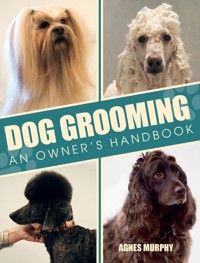
Every owner wants to do the best for their dog. This easy-to-follow guide to grooming and caring for your pet dog will help you to do just that, showing you how to achieve a professional-looking trim at home. Various breeds and styles are covered, as well as how to use equipment safely and correctly. The importance of preparation is explained, with guidance on de-matting, washing and drying correctly prior to cutting. A health check is included in the book to help readers identify and deal with problems early.
Sie lesen das E-Book in den Legimi-Apps auf:
Seitenzahl: 272
Veröffentlichungsjahr: 2024
Das E-Book (TTS) können Sie hören im Abo „Legimi Premium” in Legimi-Apps auf:
Ähnliche


















Contents
Introduction
1 Welfare and Safety
2 Tools of the Trade
3 The Delicate Bits
4 When Problems are Uncovered
5 Bathing and Drying
6 Grooming Out
7 Natural Coats and Retrievers
8 Hand Stripping
9 Flowing Tresses
10 The Fluffies
Conclusion
Index
Introduction
Congratulations on taking the plunge to learn more about looking after your dog’s coat and health through the guidance of this book. It is creditable of you to be concerned enough, after buying your pet, to want to look after it as well as you can. A lot of bonding occurs, through touch and voice stimulation, when an owner grooms their own dog. This can reassure the animal, or even result in the dog showing more respect to the owner by allowing them to handle the whole of its body and not just areas of which it approves.
The purpose of this book is to help owners who are struggling to maintain their pet in between going to the groomers for a professional trim, or to enable them to complete a basic trim on their own dog. If it is a breed that requires more elaborate styling then more tuition may be necessary to master this to a higher level; however, being able to groom out a dog and to keep it knot free is essential and beneficial, not just for the dog but for the satisfaction of the owner, as it enables the dog to be styled in the manner they prefer.
Often groomers are met with matted dogs and this is often a bone of contention between the owner and the groomer, as the owner usually wants a longer trim. The groomer has the welfare of the animal to consider before style so, as you will see shortly, for various reasons, the expectations of the owner are only possible if the dog is on a regular schedule with the groomer or if the owner becomes competent in maintaining their dog themselves.
The Animal Health and Welfare (Scotland) Act 2006 states that animals must not be put through pain for any procedure including de-matting during grooming. This, rather than looks, should be the goal of any pet owner. The only way to allow a groomer to do a good job on the animal, or for you, yourself, to achieve a good groom, is to present the dog knot free so that they (or you) can spend the time on the styling and the finish of the dog. It is not practical, ethical or legal to spend hours de-matting a dog before cutting it. You may, as an owner, be unclear as to why you are being asked to bring your dog on a schedule to the groomer that seems excessive. The dog can only tolerate a certain amount of time being groomed in one session and also the time spent standing is limited, again, to what is fair on the dog on welfare grounds.
If your dog happens to be one of a more labour-intensive trim or coat type, it is essential that it is groomed regularly and kept in shape to avoid the grooming process from becoming a lengthy one. The other factor that affects finish, style and duration of the trim is the temperament of the dog. If a dog is reluctant to let you brush or handle its feet or face, for example, it is at a higher risk of injury, especially when it comes to the scissoring stage. It is therefore very important that owners train their dog to be groomed right from the puppy stage. It is not the groomer’s job to train them for you but, with a competent groomer, the dog can get better with the procedure as time goes on as long as an owner follows training suggestions given to work on at home.
Many owners arrive at a grooming salon and say that their dog will not let them brush it so, as you will understand, it is very difficult for anyone to do anything with this kind of dog either, unless the owner practises lessons at home in between grooming visits and understands that a perfect groom is probably not going to be achievable initially. Often, puppies will bite when you hold their face to begin with but it is vital that they are trained to allow this to be done by kindness and reward so that they do not receive any injuries, especially around the eyes, ears or mouth when cutting the face.
Initially, owners should take advantage of groomers who offer puppy taster days, after all vaccinations have been done, to get the puppy used to being handled by a stranger and all the noises associated with a salon. This can include a puppy spa bath and manicure. This should make it easier for you in the long run if you decide to groom the dog by yourself. So, as you see, there is a lot more to grooming than cutting the dog, and its success is often attributed to the work done behind the scenes by a good owner. This book may also give owners the very basic skills on which to practise before possibly deciding on dog grooming as a career. It can often show how precise the process can be and also how awkward many dogs are when being handled if they are not taught to accept grooming from a puppy or by retraining at a later stage.
One advantage of the book is that home groomers and students are made aware of the grooming equipment available and the use of tools prior to starting their grooming project. As owner of a grooming school, I know it takes a little time for a student to be aware of the types of tools and how to use them at the beginning of a course, and it can be very confusing for someone who has never groomed before. If you have learned the basics before you start you will progress more quickly at the beginning, thus giving you more time to concentrate on the grooming processes and styling.
This book is a ‘go-to’ for any owner wishing to learn basic grooming for their own dog or to learn, through practice, to keep their dog in a practical, easy shape for their lifestyle and capabilities. This book will not include the more advanced or complicated styles that need to have many years of training to do well but will help the owner save money on professional grooming to some extent. With some patience and practice, the pet owner can keep their animal in a tidy, acceptable manner that will improve the health and well-being of their pet through more regular grooming and care. The book will also help the pet owner understand the procedures in the grooming process and, through basic health checks, enable owners to pick up problems that, if left, may result in the dog becoming severely ill. Common parasites may be identified and steps can be taken to eradicate them before it becomes a huge infestation when they become more difficult to get under control. This is important to pet owners who may have children or other animals in their home.
The benefits of grooming are massive if done regularly and you will have much pleasure in seeing your dog looking clean, smart, well groomed and pest free at all times. Adjustments can be made and styles adapted as you please without having to wait for your next grooming appointment; if your dog rolls in something nasty like fox poo or needs to have its coat shortened quickly, you will therefore have most of the skills needed to do a reasonable job. Professional dog grooming is a highly skilled profession that takes years to do competently to a high standard. Never take your groomer for granted as they will have spent a large amount of money and time perfecting the correct way of grooming many breeds with the subsequent styling to match.
You are probably unlikely to be going to achieve the high standards of a qualified groomer quickly through this book alone, but you can certainly keep a clean, healthy and smartly groomed pet dog by getting help from this publication along with a little practice.
Good luck on your journey.
CHAPTER 1
Welfare and Safety
There are not many groomers who do not have animal welfare at heart. The Animal Welfare Act UK 2006 states that animals should not experience pain and suffering but, unfortunately, this is what often happens when an owner attempts to remove lots of knots or more severe matting out of a coat. The mats are also usually situated on the more delicate areas of the body, for example the groin, under the armpits, between the back legs, the ears and so on. These parts are more painful for the dog to have pulled or brushed and are also more prone to skin damage, so you can understand why the poor animal then begins to jump about or resents grooming long term. Most groomers are taught how to remove small knots and occasional mats with minimal suffering to the dog; however, in lots of cases, they are too far gone to proceed without the animal suffering pain.
An Italian Gundog is a multitasker. He hunts, points and retrieves.
Owners find it difficult to comprehend why a groomer cannot leave some hair on a matted dog and why the groomer often has to shave the dog to a shorter length. If the hair is cut above the mat, the mat will still be left. If the mat is cut through its thickness, not only will some still be left but you will blunt your blades. The correct placement of the blade is to point it downwards underneath the mat. Looking at the small gap between the mat and skin, you will have to cut shorter than what you would probably be happy with. If you look at the photograph, you will see where the mats lie in the coat and where the clipper has to be placed to remove them successfully. People sometimes say here is no gap at the root but this is not the case as it does not come out of the skin matted.
This shows how important it is to get to the root of the trouble.
Legs are an area that cannot sometimes be successfully de-matted without distress to the dog and this results in a clip that is smooth all over. Because these areas are not ones that the dog easily tolerates, the owner usually only brushes and combs the back of the dog and then leaves the awkward parts. This results in those parts getting worse so, when the time comes for the dog to eventually be groomed, these areas are unable to be saved without discomfort to the animal. There is no point in having a perfectly groomed body if the legs are still matted, as you cannot clip off the legs and leave the body without the groom looking ridiculous and unbalanced.
On some occasions, if some mats can be clipped out and do not affect the overall style of the groom too much, and the longer body hair hides the shorter area, a shape may be able to be achieved. A good compromise can be to shave off the undercarriage totally, along with the armpits, and leave the hair on the sides to conceal the parts of the body that cause problems to the owner and dog when grooming.
Another problem that can result in a dog having to be shaved off is when the owner continually baths their pet or allows it to get wet, especially if it has a wool or wool-cross coat. A wool coat cannot be allowed to get wet and dry on its own or rubbed with a towel without it becoming matted quickly. Imagine the scenario of putting wool into hot water and leaving it. It will become felted. This is what happens with these coats unless they are thoroughly dried with a hairdryer, slicker brush (seeChapter 2) and comb right to the skin as it dries. Even Cocker Spaniels’ feathering becomes a problem if the dog is allowed to go swimming, for example, and not dried in the aforementioned manner.
There is a line beyond which professional work is usually required when the job is out of the realms of a pet owner. This happens when the dog is exceptionally matted and the whole coat comes off like a fleece. This has various very tightly bound sections that are not safe for an inexperienced person to attempt. There is a great risk of cutting the dog if, because the owner is unskilled in using clippers, they decide to try to use scissors to cut out the mats. Either they will cut on top of the mats, leaving them in place with just the ends of the coat removed, or they will try to go under them, cutting the skin instead. I have lost count of the number of times owners have phoned me to fix their dog as they have attempted to cut it themselves and cut the dog instead. This usually happens as they do not want the whole coat off but realize, after their attempt, that it is not as easy as they first assumed.
The answer is to maintain the coat correctly between grooms or keep the dog in a manageable style that also suits the lifestyle of the family. Unless you want to be religious in attending the groomer or grooming by yourself every few weeks for the whole of the dog’s life, a short style may be the best answer for most busy families. You will need to invest in good-quality equipment and spend some of your free time keeping the dog free of mats and tangles after almost every outing.
I am no different from other groomers who have had clients say that their dog has no knots when, actually, as the comb is taken through the coat, it sticks at the hair next to the skin and will not slide through easily. What pet owners usually do then is take the comb out and put it above the knot on the outer part of the coat that has no knots. If your comb jams in the coat, that knot needs to be thoroughly teased out or it will get thicker and less manageable and become a solid mat. The last thing a good groomer wants to do is continually shave a dog’s coat off. They are basically artists and want to produce a beautifully styled dog that they, and others, can admire and where the owner is pleased with the result. Ultimately, however, the onus is on the owner to look after the coat in between professional grooms. Revealing some of the mysteries of how professional groomers deal with different coats and try to solve grooming problems, this book will help you become proficient in keeping your dog looking good.
Puppy Grooming
It is really important to introduce a puppy gradually to the grooming process. Owners often make the big mistake of not taking their puppy to be groomed by a professional early enough. This is an area where it may be better to have your puppy started by someone who knows how to handle puppies and get them used to strange sounds and procedures, as you, through inexperience, may cause your puppy to either avoid or be afraid of the grooming process. This is particularly true when it is necessary to use clippers or scissors as one wrong move and the puppy could be badly injured. Well-trained groomers will be happy to work with owners to avoid a bad start to the puppy’s experience of the grooming process. It will be much easier for you to work with a steady dog on the table than one who will not let you complete any work on it because it is jumping about or biting and is resistant to being groomed.
It is very important for an owner to bond with their dog during their grooming sessions.
When you are grooming your puppy, keep the sessions relatively short but never finish when the puppy is being naughty – always try to finish on a positive note. To begin with, do plenty of work in handling the dog and getting it used to being brushed and combed from the start, with gentle strokes with your hand. One problem when an owner starts to groom their puppy is that they feel they want to use a gentle brush, like one for a baby for instance. This is great to get them used to having something run across their body, face and legs; however, if used constantly on its own on a coated dog, it will not be long before the coat becomes matted, as the bristles will not be going through and separating the hair.
As a groomer, I feel sorry for new owners who tell me they have been brushing their puppy faithfully and the outer hair looks fine, but when a comb is introduced it is solidly felted at the skin. This is also a problem due to coated breeds being bathed and not dried properly. Many of the wool coats or mixes will felt, just like putting wool into hot water, if they are not ‘fluff dried’ (see the ‘Wool Coats’ section in Chapter 2) efficiently every time they get wet. This is where guidance early on from a groomer is invaluable so that they can advise you which tools are suitable and how to use them correctly in between puppy sessions.
As suggested before, keep your lessons with your puppy at home short to begin with; then gradually increase them as your puppy grows. There is a lot that pet owners can do to help the puppy become accustomed to grooming in tandem with a competent professional groomer. Getting your puppy used to having its feet handled is one of the best lessons to practise first. Most dogs do not like this but, obviously, it is necessary if you are going to be using scissors or clippers on them at a later stage. Gently pick up your puppy’s foot and reward them whenever they let you hold it without pulling it away. Increase the amount of time they are allowing you to do this; then begin to rub the foot gently all over including under the pads, finishing with a reward when they complete the lesson successfully. Teaching your dog to respond to the command ‘stand’ is very useful as it prevents you from having to keep lifting the dog up while grooming. Many dogs are taught to sit only and this can make grooming very difficult so, ideally, both commands should be taught.
Cutting the face is dangerous in an untrained dog, especially if it is large and strong, although small dogs do tend to have more fiddly areas where more damage could be done. Early training is the ultimate secret to successful grooming. When you begin to train your puppy, or indeed groom any dog, it is very important that the animal is safely secured or held by an assistant to avoid having an accident that may put it off for good.
If you cannot buy a suitable table to begin with, try to find a steady table that is of a suitable height for you, as bending over constantly will certainly result in a back problem for yourself. If you can position your table in a corner, this will help to secure at least the back and one side of the table and prevent the dog from falling off and causing injury. Dogs are often only too willing to escape off the grooming table at any time they see an opportunity. If a proper control system is not available right away, some kind of restraint is needed on the back wall that you can attach a neck strap to so that you are not chasing the dog all over the table. It also helps if your dog is prone to having an occasional nip at you.
The result of using the bristle brush looks lovely but it is just scraping the surface.
A rubber mat should also be placed on the table surface to prevent the dog from slipping if you do not have a proper table with a rubber surface. A towel will not be of any use as it will slide around and often this will frighten the dog, but if you can make use of a family member or friend to begin with, they can talk gently to the dog to keep it calm or steady so that your job becomes a little easier. This method might be needed when training a puppy or with an old dog who needs reassurance. Always reward them with voice or treat when they are being cooperative.
It is worthwhile investing in a proper table and control system eventually if you are serious about grooming your own dog, as it will make grooming so much easier for you. Tables come in various forms: electric, hydraulic or portable. Obviously the electric is the most convenient if your budget allows but there are others at the other end of the market that are much cheaper. Just make sure your table is really stable. It is really important that they are used correctly to avoid injury. This should help you be in control and make your home grooming enjoyable and successful.
Safety
When beginning to groom your dog, there are certain points that really need to be adhered to for the safety of all concerned. The one big concern, apart from cutting the dog, is giving your dog ‘brush burn’. This is the scraping of the dog’s skin when using a slicker brush because the brush is either too stiff for the type of coat or you are leaning or pressing too hard on one area of the body or legs when brushing. Thicker coats need a stiffer type of bristle or they will not be groomed through to the under layers; however, when using one, ensure you are not scratching the skin by being too heavy handed. Finer coats require a softer type of slicker that is much more flexible to work with. Sometimes, on the back of some dogs such as Setters, a comb is a better idea as the coat is not usually that thick at all and it also helps to lay the coat in the correct direction when drying. You can then use a slicker brush on the feathering to remove knots.
A top of the range, electric table that can be adjusted by a foot pedal. No more sore backs now.
Brush burn causes the skin to become bright red and weepy. If this happens, treat it immediately by initially putting a clean cloth on it with cold water to take the heat out of it. It may calm down at this point but, if it continues to look irritated, you may need to get an antibiotic from the vet in case any bacteria has invaded the thickness of the skin. There may be a little blood seeping out of the area, and the cold, clean, wet cloth can help stop the bleeding. Now, some of you might feel apprehensive about this, but this does not happen often; however, you need to be aware of it when brushing your pet. The answer is not to resort to a bristle brush as this will only glide over the hairs and will definitely not remove knots and tangles efficiently. Just be aware when brushing and avoid getting distracted by someone chatting to you when brushing your dog.
Around the face and eyes of a dog can be tricky to avoid cuts or nicks but, really, the only way to avoid this is by training your dog to have the face held. I have often had students who do not want to hold a dog in place and allow it to pull their hands off the beard or cheek that they are holding; very soon, however, they realize that it is impossible to try to use scissors around this area without keeping the dog still. As mentioned previously, early training of your pet is invaluable if you are going to attempt to groom your own dog. Practise holding its chin regularly and rewarding it only when it allows you to do it without struggling. Keep this time short to begin with until you can hold it continually. Some breeds, such as Terriers, can be particularly difficult to do this with in the early stages so, obviously, the sooner the training begins here the easier it will be for you.
Touching ears and handling feet and paws, as said before, is another good exercise to practise from the time you get your puppy. This, and with general brushing, is when we get owners saying the dog will not let them brush or touch it on the feet or legs, resulting in the need to shave the dog off eventually. The trick is to practise regularly, and as soon as you get your dog to cooperate, reward them with a treat or your voice. Never reward bad behaviour.
There is less worry about your dog falling off if you take extra safety precautions with this layout.
Safety on the table is important as you do not want an accident where your dog becomes injured. Always have a rubber mat on the surface of your table. A yoga mat is quite cheap and can be used successfully. This prevents your dog becoming nervous because it is sliding around on the table and is unsure of its footing. If you have any kind of table, try to position it so that it has a wall on at least two sides. This can help with dogs who are scrambling to get off or, perhaps, with an old, frail dog to help them feel more secure and be able to lie down if necessary.
A restraint should always be used, even if your dog is happy to stand on the table, as the dog can often hang its head over its feet when you are trying to see what you are doing. If you are using a neck strap, the dog is encouraged to stand straight so that you can see the shape of the leg or head that you are grooming. These restraints must be correctly used and not too tightly adjusted as this can damage the dog’s internal organs. Belly straps must never be used to pull the dog up into a standing position with the strap really tight around the middle of the dog. They should only be used for preventing the dog side-stepping off the table. Three or four fingers should be able to be inserted comfortably between the abdomen and the strap. Contrary to this, if the strap is too loose, it will not serve its purpose and the dog will just step out of it. The neck strap is equally, if not more important than the belly strap.
Correctly adjusted neck and belly straps will give you peace of mind when grooming.
A neck strap with a slider can be used with a thickness appropriate to the type of dog. Obviously you do not want to use a really fine strap on a Golden Retriever, for example, nor a thick one on a Yorkshire Terrier. Never have the neck strap tightly adjusted with no gap between the strap and the neck. It should fit comfortably for the dog and not be able to slip over the dog’s head if it pulls back. This strap is helpful if you have a dog that doesn’t like its feet being handled as, often, they can have a nip at you but you can now keep safely out of the way as the dog is restrained and cannot get right round to you.
Restraints, when used correctly, can also prevent the dog from falling from the grooming table, which could have a disastrous ending with a broken back or leg. Try to invest in good-quality restraints rather than make up your own. I have seen people wrapping chains around a control arm with the lead loose enough to allow the dog to jump but not long enough for it to allow the dog to land on the floor. This, of course, is a hanging or broken neck waiting to happen. Be safe and confident knowing that your dog is not going to come to any harm on the table by following the advice given above. One very important piece of advice that cannot be emphasized enough is never walk away from your dog when it is on a table.




