


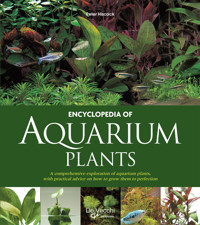
10,99 €
Mehr erfahren.
- Herausgeber: Parkstone International
- Kategorie: Lebensstil
- Sprache: Englisch
Both beginner and advanced aquascaping enthusiasts will delight in this aquarium plant guidebook! Encyclopedia of Aquarium Plants is filled with hundreds of aquatic plants presented in an A-to-Z directory with high quality photos and profiles of each plant. Encyclopedia of Aquarium Plants includes detailed information on aquatic plants, including common names, botanical designations, growth cycles, and propagation. Additionally, this book covers potential problems that can occur in an aquatic environment, such as parasites, and how to prevent them. With hundreds of color photos and illustrations, this book is both beautiful and informative! Easy to understand and beginner-friendly, the Encyclopedia of Aquarium Plants is the perfect aquascape book for you!
Das E-Book können Sie in Legimi-Apps oder einer beliebigen App lesen, die das folgende Format unterstützen:
Seitenzahl: 342
Veröffentlichungsjahr: 2024
Ähnliche



















Peter Hiscock
ENCYCLOPEDIA OF
AQUARIUM PLANTS
The arching crinkled leaves of Aponogeton boivinianus dominate this aquarium display and provide sanctuary for the shoaling fish.
The author or publisher cannot be held responsible for the information (formulas, recipes, techniques, etc.) contained in the text, even though the utmost care has been taken in the writing of this work. In the case of specific - often unique - problems of each particular reader, it is advisable to consult aqualified person to obtain the most complete, accurate and up-to-date information possible. EDITORIAL DE VECCHI, S. A. U.
© Editorial De Vecchi, S. A. 2024
© [2024] Confidential Concepts International Ltd., Ireland
Subsidiary company of Confidential Concepts Inc, USA
ISBN: 978-1-63919-818-4
The current Penal Code provides: “Anyone who, for profit and to the detriment of a third party, reproduces, plagiarizes, distributes or publicly communicates, in whole or in part, a literary, artistic or scientific work, or its transformation, interpretation or artistic performance fixed in any medium or communicated by any means, without the authorization of the holders of the corresponding intellectual property rights or their assigns, shall be liable to imprisonment for a term of six months to two years or a fine of six to twenty-four months. The same penalty shall be imposed on anyone who intentionally imports, exports or stores copies of such works or productions or performances without the said authorization.
Echinodorus uruguayensis, one of many echinodorus species and cultivars available for aquarium use. They provide bold shapes and contribute an elegant style to planting displays.
Contents
PART ONE: PRACTICAL SECTION
Comprehensive practical guidance on all aspects of creating a stunning planted aquarium, from how plants work to the value and techniques of regular maintenance. The topics of water quality and filtration, choosing substrates, and correct planting methods are all featured in detail. Lighting, feeding and propagation are also key areas to receive attention, followed by a major section on aquascaping.
PART ONE PRACTICAL SECTION
The natural biology of plants
Water quality and filtration
The right substrate
Choosing and planting
Lighting the aquarium
Feeding aquarium plants
Propagating aquarium plants
Maintaining a planted aquarium
Aquascaping
Fish for the planted aquarium
PART TWO: PLANT PROFILES
A wide-ranging survey of more than 150 popular aquarium plants presented in A-Z order of scientific name, including a brief review of non-aquatic plants suitable for temporary display in the aquarium. The majority of the featured plants are shown in colour photographs, many with accompanying detailed views. Full botanical, practical and growing information is provided for each plant, including common name, origin, height, growth rate, suitable aquarium zone, lighting requirements, optimum temperature range, propagation techniques and difficulty rating.
PART TWO PLANT PROFILES
Anubiasspecies
Aponogetonspecies
Cryptocorynespecies
Echinodorusspecies
Hygrophilaspecies
Tropical lilies
Non-aquatic plants
PART ONEPRACTICAL SECTION
Over the past 30 years or so the aquarium industry has boomed, and it is now easier than ever for aquarists to obtain the equipment, treatments and fish and plant species they require to create a stunning aquarium. Experienced, long-term hobbyists will often tell of the difficulties they encountered when trying to obtain species and maintain aquariums in ‘the old days’. Much of our success today is due to these pioneering enthusiasts, who were forced to experiment with various aspects of plant and fish care to find the best methods of maintaining planted aquariums. The knowledge they passed on and the methods they devised for aquarium maintenance and keeping plants healthy are now standard practice.
For beginners and newcomers to keeping aquarium plants, there is an increasing amount of information available relating to plant care, and at first glance, it can appear quite daunting. It is not uncommon to find conflicting advice from different sources regarding methods of cultivation or solutions to problems. However, a basic understanding of the requirements of aquatic plants and how to care for them is essential for you to set up and maintain a successful display. Thankfully, a complete understanding of all the aquatic processes that govern good plant care is not required from the start. It is possible, and probably more useful, to learn as you go along.
The first part of this book focuses on practical matters, beginning with the biological processes that occur within plants and the systems they use to thrive in the aquatic environment. Understanding how plants work and why certain conditions are required for healthy growth are vitally important topics. If you acquire a basic understanding of the biology of plants and their requirements, the rest will follow.
Water quality dictates much of the aquarium environment, and in the water quality and filtration section, the properties of water are examined, along with the processes that occur in the aquarium that alter water quality. Filtration and the types of filter suited to a planted aquarium are also discussed.
The successful health of plants depends largely on the environment they are kept in, and preparing this begins well before any plants are introduced. For example, the substrate provides much more than a simple rooting medium for plants. A whole chapter in this part of the book is dedicated to the choice of substrates, the vital role they play and how to prepare, install and care for them properly.
Other sections in this part of the book focus on choosing aquatic plants and preparing them for planting, lighting the aquarium and feeding plants. In the feeding chapter, all the nutrients required by plants are examined in detail, including the role they play in plant health and growth. Fertilisation methods are explained and applied to aquarium situations.
Once planted, you must keep your aquarium display looking its best, so ongoing care and maintenance are discussed next, as well as the correct methods of dealing with pests such as algae and snails.
In the penultimate chapter of Part One, we embark on the exciting prospect of aquascaping – how to design a superb aquarium display, using not only plants, grouped for maximum effect, but rocks, wood, bark and other decor. And if you need further inspiration, take a look at the individual aquascaped display tanks that reflect different environmental conditions and a range of natural biotopes. We end with a brief look at some of the fish that will complete the display. Above all, this part of the book forms a vital resource of practical guidance that you can refer to at every stage of setting up and maintaining your aquarium. With a little time and patience, a stunning display aquarium is not difficult to achieve. You will find the result and rewards are well worth the effort involved.
Azolla caroliniana
Microsorium pteropus ‘Tropica’
Planting ludwigia
Trimming plants in the aquarium
The natural biology of plants
Although there are a few exceptions, plants in general do not consume other organisms to obtain the energy and the basic elements they need to live, grow and reproduce. Instead, they use the processes of photosynthesis to obtain energy, and absorb vital elements directly from the surrounding environment. This simplified way of life has allowed plants to thrive and spread in many habitats, becoming the basis of support for more complex organisms and food chains. Plants are producers rather than consumers; they ‘produce’ biological material rather than ‘consume’ it. Plants themselves are eaten by herbivorous animals, which in turn are consumed by predatory animals. Clearly, plants have an important place in the natural world as a provider of food sources; without them, the diverse range of animals would not survive.
Plants developed on land before venturing under water and although aquatic plants are highly adapted to the underwater environment, many of their physical attributes can be traced back to their terrestrial ancestry. Other attributes have been lost in the course of evolution; fine hairs used to trap moisture and stiff, strong stems to support leaves are not needed underwater. Conversely, aquatic plants have developed certain less noticeable attributes to aid underwater survival. Many of these are based on the production of chemicals that ‘condition’ the substrate so that plants can take up nutrients, and chemicals used to protect against consumption by animals and competition from other plants. Physical changes can also be seen in the development of complex leaf structures designed to maximise the amount of light received by the plant, allowing it to survive in harsh conditions underwater.
Looking at the biology and structure of aquatic plants, helps us to understand why certain conditions are needed in the aquarium if we want to keep aquatic plants successfully. A greater understanding of the functions of aquatic plants will also help to identify the causes and solutions to problems encountered when keeping plants in the aquarium.
Oxygen produced during photosynthesis can be clearly seen on this Echinodorus sp. leaf. The oxygen is a waste product and is released back into the water and used by other organisms.
Without the plants and other vegetation found in and around this river, there would be very little life beneath the surface. Plants provide the basis for most complex ecosystems.
Photosynthesis
The unique function that plants possess is the ability to obtain energy from sunlight, carbon dioxide and water, using the process of photosynthesis. Photosynthetic cells within the leaves and stem tissues contain pigments that trap light energy to break down the molecular structure of water (H2O) into hydrogen and oxygen. The hydrogen binds first to carbon dioxide and then oxygen to form glucose, which is a basic sugar and an important source of energy. Some oxygen is left over from this process and is released back into the water, where it is either used up by bacteria and animals or released into the atmosphere at the water surface.
The glucose produced from photosynthesis is water soluble and, if stored in large quantities, will absorb water and enlarge the cells that contain it. Obviously, this is undesirable for plants, so the glucose is quickly converted into an insoluble starch compound and transported to various parts of the plant for storage, in most cases to the upper root area. Some plants can house vast amounts of starch in specially designed root structures. One of the most distinctive examples is the banana plant (Nymphoides aquatica), which produces numerous ‘banana-shaped’ roots that store starch and other nutrients. Many plants store starch in tubers, rhizomes and bulbs. The starch can be easily converted back into glucose and transported around the plant when needed.
HOW PHOTOSYNTHESIS WORKS
1.Pigments such as chlorophyll trap sunlight energy and use it to ‘power’ photosynthesis;2.The carbon, oxygen and hydrogen of carbon dioxide and water are ‘rearranged’ within the plant cells.
A)Carbon dioxide supplies the carbon to build carbohydrates;B)Water is easily absorbed by aquatic plants;C)Glucose produced from photosynthesis is stored and used as a food source;D)Oxygen is released as a waste product.
Factors affecting photosynthesis
A plant has little control over the rate of photosynthesis that occurs within its cells. A number of environmental factors are responsible for the productivity of the photosynthetic cells and it is always the factor in least supply that limits the rate of photosynthesis. The aim in the aquarium is to remove the majority of constraints on photosynthesis to obtain the optimum level. Higher rates of photosynthesis will encourage faster growth, reproduction and improved plant health. Light is the most obvious environmental factor, but temperature, carbon dioxide levels and nutrient availability also affect the rate of photosynthesis.
LIMITING FACTORS ON PHOTOSYNTHESIS
A)Assuming that the nutrient supply and other environmental conditions are correct, three factors affect the rate of photosynthesis: temperature, carbon dioxide (CO2) and light;B)If one factor is in short supply, photosynthesis will be restricted. Increasing the temperature and CO2content will not increase photosynthesis if the plants do not receive enough light;C)In most aquariums, the CO2content of the water is the limiting factor. Even with the correct temperature and good lighting, plants will not grow well if they receive little CO2;D)Once CO2and lighting levels are sufficiently high, and the temperature is at an optimum level, the rate of photosynthesis will increase rapidly. Mostly, this will produce a healthier plant.
Light
Plants will only photosynthesise when suitable light is available to be trapped by the photosynthetic cells. At night, plants stop photosynthesising and only start again in daylight. The intensity and duration of light are the factors that affect the rate of photosynthesis. In nature, most tropical plants experience about 12 hours of sunlight in a 24-hour period. The intensity of light varies throughout the day. Depending on the location of the plant and the shading, it is strongest in open areas around mid-day. In the aquarium, the same duration should be employed and in most cases, a bright light source is preferable. If the light is left on for a longer period, the photosynthetic period will also increase. This may bring its own problems; it is possible that plants will over-synthesise and become damaged by literally wearing themselves out.
Providing other factors are available in the right supply, the rate of photosynthesis is directly proportional to the intensity of light received by the plant until a light saturation point is reached. Slow-growing plants, which often grow in shaded areas in nature, may experience problems in strong light conditions. These plants will assimilate nutrients and carbon dioxide at a slower rate, so an increase in photosynthesis spurred on by bright light may cause nutrient deficiencies within the plant, even when large amounts of nutrients are available in the surrounding environment.
These tropical lilies (Nymphaea sp.) produce leaves above the surface to obtain carbon dioxide and sunlight with ease. They also provide cover for other aquatic creatures.
Temperature
Heat affects all the biological processes within an organism and, providing the change in temperature is within the tolerance of the organism, an increase in temperature generally causes an increase in metabolism. In plants, an increase of 10°C (18°F) will roughly double the rate of photosynthesis, assuming all other factors are favourable. However, if the surrounding environment becomes too warm, the plant will simply begin to die, and photosynthesis will stop. An increase in temperature affects not just photosynthesis, but the whole metabolism of a plant, so it also increases the plant’s requirements for nutrients, carbon dioxide and other elements. For this reason, simply increasing the temperature of an aquarium to aid plant photosynthesis and, therefore, plant growth, is unlikely to work. If the aquarium is set at a temperature based on the natural environment of the plants, then a lack of growth, or a need to increase growth rates, can be better explained or achieved by looking at the other limiting factors.
Carbon dioxide
Plants take up carbon dioxide from the surrounding water and substrate. If carbon dioxide is not available in sufficient quantities, many plants have developed ways of obtaining carbon-containing compounds and creating their own source of carbon dioxide. This occurs more in hardwater plants, including Vallisneria and Egeria species, which experience lower carbon dioxide levels in nature. In hard water, carbon dioxide is more likely to bind to minerals, creating carbonates. Many plants will take up these carbonates and break them down, allowing the carbon to become carbon dioxide.
Plants that regularly produce leaves above the surface have developed methods of utilising carbon dioxide gas from atmospheric air, where the concentrations are much higher. Floating plants have constant access to the air, so it is far easier for them to obtain carbon dioxide from the surrounding air through the leaves, in the same way as terrestrial plants. Some stem plants also produce aerial leaves or stems above the surface. Air drawn down the centre of the stem is used both to obtain carbon dioxide and to oxygenate root areas.
In most natural situations, it is a lack of sufficient carbon dioxide that limits photosynthesis and prevents strong growth in aquatic plants. In the aquarium, the aquarist has more control over carbon dioxide levels and can achieve a constant high level by using carbon dioxide fertiliser systems.
This Saururus cernuus plant is sending up leaves above the water surface, where they can absorb carbon dioxide directly from the air. The submerged leaves are larger and thinner than the aerial ones.
Nutrient availability
The photosynthetic pigments – usually chlorophyll – are produced by the plant within the cells. To do this, a number of nutrients are required, including magnesium (Mg), potassium (K), iron (Fe) and nitrogen (N). These nutrients, and others indirectly, are vital for the production and continual use of photosynthetic pigments and the cells containing them. A general lack of any of these nutrients can often be seen as a fading or change in leaf colour, as the production of chlorophyll pigment is affected.
Photosynthesis and leaf colour
The colour of an object that we perceive is produced by pigments that reflect certain wavelengths of light. A green pigment will absorb most of the light spectrum except for the green areas, which are reflected, making the object appear green. The green photosynthetic pigment in most plants is chlorophyll and is contained in structures called chloroplasts within the plants’ cells. Chlorophyll is produced in the greatest quantities in the parts of the plant that receive the most light, mainly in the leaves. The roots of plants receive virtually no light below the substrate, so do not contain chlorophyll and hence, do not appear green.
As we have seen earlier, plants have very little control over the rate of photosynthesis within their own cells and simply photosynthesise at the fastest rate possible, depending on environmental conditions. In bright conditions, a plant may receive more light than it needs to produce adequate amounts of glucose. If this happens continually in the plant’s habitat, it may develop another method of photosynthesising at a slower rate.
This often involves using a different photosynthetic pigment, which may be less efficient at breaking down water for photosynthesis. These secondary pigments are called carotenoids and vary in colour from pale yellow to dark red.
Depending on the light conditions normally experienced by a plant, the leaves will vary in colour and may appear various shades of green, brown, orange or red. Some plants will always keep the same colour, while others may be able to vary their colour depending on the light conditions. In the aquarium, looking at the leaf colour of a plant can help to establish what kind of light is required by the plant. A plant that produces reddish leaves may be accustomed to bright light conditions in nature and will need the same conditions in the aquarium to photosynthesise properly. Sometimes, red plants first produce green leaves, which then change to red. If they stop turning red or revert back to green, this may indicate that the intensity of light in the aquarium is not sufficiently high. Alternatively, in very bright conditions, green plants may start to produce red leaves, but this should not be taken as an indication that the light is too bright.
Some plants, particularly within the cryptocoryne group, produce brown leaves. These plants are often found in shallow streams with overhanging vegetation and may have developed the use of photosynthetic pigments that are more efficient at using the green areas of the light spectrum. These may be more abundant in an environment shaded by other plants. Therefore, plants with brown leaves should do relatively well in shaded areas of the aquarium. In many cases, brown-leaved cryptocorynes will develop green leaves when kept in brightly lit areas of the aquarium. This colour change occurs because of the change in light spectrum from the plant’s natural environment. A green photosynthetic pigment such as chlorophyll may become more useful to the plant than its previous photosynthetic pigments.
Alternanthera reineckii has a distinctive red-brown leaf colour. A red photosynthetic pigment is less efficient at utilising light energy, a sign that this plant requires strong lighting.
Echinodorus ‘Rubin’ produces large, brownish leaves and may be able to utilise green light more efficiently than other plants. This is particularly useful in shaded areas.
The mottled green-and-red leaf of this Echinodorus indicates that there are two separate photosynthetic pigments. In bright light, the less efficient red pigment helps to reduce the rate of photosynthesis, while in low light, the green pigment will spread and increase the efficiency of photosynthesis.
Respiration and oxygen levels
The process of respiration occurs in all complex organisms and takes place in all plant cells. Respiration helps to break down food sources and release energy into the cells. During the process, oxygen is used up and carbon dioxide is released as a by-product. The chemical equation for the process of respiration is the exact reverse of photosynthesis, except that sunlight energy is not involved. Unlike photosynthesis, respiration is a continual process that does not stop at night. Thus, photosynthesis stores food ‘energy’, whereas respiration releases energy.
It is important to be aware of respiration in plants, because in a heavily planted aquarium it has a significant effect on oxygen levels within the tank. In any 24-hour period, plants release more oxygen through photosynthesis than they use up during respiration. This is one reason why many fast-growing or ‘fast-photosynthesising’ plants are sold as ‘oxygenating’ plants for ponds and aquariums. However, as well as the plants, fish and bacterial organisms also use up oxygen continually through respiration; in fact, bacteria are the biggest ‘consumers’ of oxygen in the aquarium. In periods of darkness, a heavily planted aquarium can quickly use up oxygen until it is at such a low level that fish begin to suffer from oxygen deficiency. This problem is generally confined to heavily planted aquariums with little aeration or water movement, and can be remedied by increasing oxygenation during periods of darkness. Gentle aeration or strong surface movement provided by pumps and filters will usually allow enough oxygen to enter the aquarium at the water surface and prevent deficiencies. Plants do not generally appreciate a high oxygen level in the aquarium because it diminishes their ability to obtain nutrients. This means that constant aeration is not beneficial in planted aquariums and should only be employed at night, when oxygen deficiencies may occur. The aim is to balance the needs of the plants and the fishes in a planted aquarium.
HOW RESPIRATION WORKS
1.Energy is used by all cells and is vital for correct growth and repair;2.Respiration occurs continuously in all plant cells during the day and night.
A)Carbon dioxide is released as a waste product;B)Glucose stored within the plant is broken down to provide energy;C)Oxygen acts as a ‘fuel’ to release energy from the stored food.
Plant anatomy
Although some plants lack a central stem, and plants such as mosses and ferns do not produce flowers, the anatomy of most plants can be split into four basic zones; the roots, stem, leaves, and flowers. All these parts play a vital role in the plant’s basic functions, including growth, reproduction, nutrient-collection and storage.
ANATOMY OF A PLANT
1.The growth area of the plant is called the vegetative cone. This is where new leaves are produced;2.Flowers are often produced from stem nodes;3.The leaves collect sunlight and carry out photosynthesis;4.The stem provides support and transport systems for gases, water and nutrients;5.Roots branch out to anchor the plant and utilise all the surrounding substrate;6.Roots are used for nutrient collection and storage. They are white because they contain no photosynthetic pigment;7.The flower carries the plant’s reproductive organs and genetic material;8.Internode;9.Node
Types of root: Plants produce roots for three basic purposes: anchoring, nutrient-collection and nutrient-storage. In most cases, roots do not contain green chlorophyll and normally lack pigments, appearing white in colour. Terrestrial plant roots have a number of fine hairs for trapping moisture, but these are not present in aquatic plants, although they may develop on some bog plants when grown out of water. The roots of most aquatic plants are a combination of a number of central roots, up to 1.5mm (0.06in) in diameter, with many smaller roots trailing off. Within the roots there are many vascular systems that transport water, nutrients and gases to and from the root and the rest of the plant. Oxygen absorbed from the leaves or produced as a result of photosynthesis is readily transported down to the roots and released into the substrate. This prevents the roots being damaged by stagnating substrates and acidic compounds.
Large and/or ‘bulky’ plants, such as larger Echinodorus sp., produce many long roots to provide good anchorage and a wide nutrient collection area. These long roots can quickly take over the aquarium substrate, which is relatively limited in size compared with the natural habitat. In the aquarium, trimming the roots is a method of controlling the eventual size of plants such as Echinodorus. Without a large rootstock, a plant will not reach its potential size and will remain conveniently small and compact.
In contrast, smaller plants from shallow or marshy areas have much shorter, thinner roots. In their natural habitats, the substrate is often very thin and there is normally little water movement, so the plants do not need long roots for anchorage. The roots are thinner because the vascular systems are much smaller in shorter roots, since water, nutrients and gases have less far to travel and because shallow substrates are much better oxygenated.
Some roots are adapted to live above the substrate and will attach themselves firmly to wood, rocks and other solid objects. This gives the plant an advantage because it can grow in places where other plants cannot anchor themselves. Microsorium, Anubias and Bolbitis spp. all prefer to be planted on solid objects above the substrate. The roots of these plants will grow horizontally as well as vertically, as they ‘feel’ for suitable places to attach themselves.
The trailing roots produced by floating plants below the surface are designed purely to absorb nutrients from the water. These roots are often long, thin and almost feathery in appearance. Since they do not need to transport gases, their vascular systems are very simple, and because they do not anchor themselves they are hairlike in form. These numerous hairlike roots have a greater overall contact with the surrounding water, allowing floating plants to take up nutrients from the water more quickly than other plants.
The fine, ‘hairlike’ trailing roots of this floating plant have a greater surface area than most roots, which makes them ideal for obtaining large amounts of essential nutrients from the surrounding water.
ROOT FORMS
1.Large plants produce longer and thicker roots for better anchorage and nutrient collection;2.In some roots, the upper part contains large amounts of nutrients in special storage organs;3.Many plants grow from bulbs or tubers, which contain large reserves of nutrients.
4.Needing no anchorage, floating plants produce many branched, fine roots that help to assimilate nutrients;5.Some aquatic plants, such as ferns andAnubiasspecies, produce roots from a rhizome that attaches to rocks and wood.
The function of stems: A stem is present in most aquatic plants and performs two basic functions: support and transport. The stem‘s function is aided by supporting gas- or air-filled cells that provide buoyancy and help to keep the plant upright. Since the surrounding water provides much of a plant’s support, aquatic stems are often much thinner and more flexible than terrestrial stems. Flexible stems allow the plant to move with the water, rather than try to hold steady against it, risking damage.
Like the roots, the stem contains vascular systems for transporting nutrients, water and gases around the plant. The stem area is called a stem axis and can vary considerably in size between different plants. In ‘stem’ plants, the stem axis is elongated along the entire above-substrate area of the plant. This stem is divided into sections called internodes and at either end of these are nodes on which leaves are produced. The top part of a stem is called the vegetative cone, or point, and this is where new leaves are produced and grow. Some plants have a much shorter stem axis, sometimes less than a few centimetres, on which several leaves are produced in a spiral pattern. These plants appear to have no stem and are often called rosette plants.
In many plants, the base of the stem is adapted to form nutrient storage areas and appear as part of the root system. The rhizomes and tubers found on Anubias, Echinodorus and Aponogeton species, amongst others, are typical examples of an extension of the stem used to store nutrients. Plants can draw on these stores to survive harsh periods during the winter period and produce enough food to regrow when environmental conditions improve.
This cross-section of a typical stem plant (Ammannia gracilis) clearly shows the internal structure. Here, there are air-filled cells to provide buoyancy and support and vascular cells for transporting nutrients.
Leaves: The leaves of a plant are essentially tools for collecting sunlight to use in the process of photosynthesis. Gas exchange and some collection of nutrients is also carried out by the leaves. The leaves of terrestrial plants have a thick, waxy outer layer called the cuticle, which protects the plant from drying out. In aquatic plants this layer is much thinner and liquid is able to pass through much more easily, which helps the plant to take up nutrients. Aquatic plants that produce aerial leaves often show two different leaf shapes below and above the water. This is due to the different environments and a change in the cuticle layer.
The variation in leaf shapes between aquatic plants is high and often relates to adaptations for survival in different environments. All leaves contain photosynthetic pigments and the concentration of these pigments is often higher towards the upper side of the leaf. This is why many leaves exhibit different colours or shades on each side.
These Echinodorus leaves are produced above the water surface, where there is less competition for light from other aquatic plants. In many plants, these aerial leaves are a different shape compared to submerged ones.
Aquatic plants do not need a waxy cuticle layer to prevent drying out. This allows plants such as this Cabomba sp. to develop thinner and more complex leaf structures.
Viewed from above, it is clear that the oval leaves of this cryptocoryne are arranged to be exposed to as much of the sky as possible, allowing each leaf to receive maximum light.
Flowers Although not all aquatic plants are likely to produce flowers in the aquarium, the majority are flowering plants and will produce seeds and reproduce by flowering in nature. The flowers are usually produced above water, where they can be pollinated by insects, just as terrestrial plants are.
Some aquatic plants produce flowers beneath the water surface. In these instances, the seeds are capable of floating downstream and a few species do not produce flowers at all, preferring to reproduce by purely asexual means.
Flowers produced on the plantlets are raised above the main plant, where they are easily accessible to terrestrial pollen-transporting insects.
These plantlets are produced in small groups on a thick stem runner and will become quite large before they separate and root as genetically identical versions of the parent plant. A)Plantlets can be separated and grown as new plants.
In this Alternanthera reineckii ‘Rosaefolia’, small flowers are clearly visible developing in the leaf axils. These are borne on aerial shoots and are fertilised by insects.
Cell structure
The vital life processes of plants, such as photosynthesis, respiration, nutrient transfer and gas exchange, all take place within individual cells. All cells are made up of the same structural components and it is a variation in these that creates different cells for different purposes.
PLANT CELL STRUCTURE
Typically, aquatic plant leaves are very thin, allowing light and gases to penetrate easily. (1.A single layer of small cells covered with a thin cuticle on both surfaces of the leaf;2.Air spaces provide support and structure;3.Liquid vacuole used for storage and water transport;4.The conversion of CO2into glucose takes place in this nutrient-rich liquid;5.Inside each chloroplast, the green chlorophyll pigment is contained in plates that move towards the light like solar panels;6.Respiration occurs in these cell structures called mitochondria;7.Cellulose cell walls made from strong polysaccharide matrix;8.The nucleus is the ‘control centre’ for each cell.)
Adaptation to natural habitats
Aquatic plants occur in many shapes and sizes and are highly adapted to their individual natural habitats. Leaf shapes and colours are often related to lighting conditions, and the size of plants is also determined by environmental conditions. A small plant accustomed to low levels of light would not do well in deep, open water with plenty of light; conversely, a large plant that requires intense light would not do well in the shallow, shaded areas at the edge of a stream. By looking at the physical characteristics of plants, it is possible to determine what kind of conditions they experience in the wild and therefore what they will need in the aquarium. This is particularly important for setting up biotope tanks.
Lake plants
Freshwater lakes are found in many parts of the world and are usually fed or drained by at least one river. The plant species found in these lakes are, therefore, usually the same as those found in the accompanying rivers. However, whereas a river may have many different types of environment throughout its length, lakes are generally fairly uniform in the type of habitat they provide. This means that competition for certain areas is intense and usually a few plants dominate each area of the habitat in a particular lake. Also, due to the wide open space, light is usually easily available in most areas. These factors indicate that lake plants will be fast-growing, in order to compete for dominance, and able to take advantage of high light conditions. Typical examples of plants adapted to to lake environments are Vallisneria spp. and floating plants. The fast-growing, fast-spreading vallisnerias are able to take advantage of the large substrate area of lakes, particularly in sandy areas, without requiring a deep substrate, while floating plants are able to take advantage of the large open water spaces. Minimal water movement ensures that they are not swept away.
Bog plants
Many aquatic plants are terrestrial plants found in damp areas that periodically flood. These plants must be able to survive throughout the year, both above and below the water surface. To do this, some plants have a growing period and a dormant period, which vary according to the environmental conditions. Depending on the plant, growth or dormancy may occur either when the plant is submerged or exposed. Some plants, such as many Cryptocoryne species, will produce flowers only when the water level begins to drop and then reproduce out of water. Bog plants usually have slightly thicker leaves, because their thicker cuticle helps to prevent the leaves from drying out when the water level drops. As we have seen, some plants produce differently shaped leaves, depending on whether they are submerged or out of water.
PLANTS AS TOOLS AND PESTS
In many situations, plants are a vital tool used both by man and in nature for ecological purposes. Fast-growing plants are often used to remove wastes from water, allowing the clean-up of polluted waterways or to prevent toxic algal blooms from occurring in nutrient-rich areas. Aquarists use plants as a form of filtration, both in aquariums and ponds. Some specialist pond filters are designed to house a bed of aquatic or marginal plants that remove nutrients and toxic metals from the water, preventing algae and improving the water quality for the fish.
However, in the last few decades, the increase in the use of plants for commercial and ecological purposes and by aquarists has had its drawbacks. Any natural habitat that has not been significantly altered has a natural balance between all the plants, animals and organisms that inhabit it.
Thousands of years of natural selection have ensured that the plants and animals that live there will exist happily alongside the other inhabitants. If a plant or animal from another place is introduced into that habitat, three things could happen. The first, and most likely, is that the new species will not survive and simply dies out within a few years or less. The second is that it may survive, reproduce and sustain a level population alongside the existing species, although this is unlikely. The third possibility is that it may survive, reproduce and increase its population. During this time, it will compete with native species for resources, and if it has a significant advantage, it may out-compete them and drive them out. The balance of nature in the area can be seriously disturbed in this way.
This can happen when commercially grown plants are introduced into local rivers, ponds, lakes and waterways. The species that are introduced are called alien species and if they survive and spread, have the potential to kill off native species. This may have secondary effects, such as starving native animals of food sources, altering the composition of the substrate, blocking up waterways and removing potential nesting or breeding sites.
An aquarium is an enclosed environment, and providing the chosen plants remain in it, there is no danger to local rivers and waterways. However, if plants are discarded in such locations, there is a great risk of introducing alien plants. The consequences of this can be ecologically catastrophic, so aquarists must behave responsibly. Any waste plants should be destroyed.
In the right conditions, one species of aquatic plant (here water hyacinth, Eichhornia crassipes) will spread and dominate a large stretch of water, allowing little else to grow. This can be advantageous or detrimental, depending on the effect on the environment.
Many Cryptocoryne spp. grow in conditions that other plants do not favour. However, their slow-growing nature may mean that alien species could out-compete them for light and nutrients.
Cryptocoryne species are ideally suited to the shallow depths of tropical streams. They flourish in specific environments where other plants would fail to grow.
Fast-flowing streams
In small streams there is little room for plant growth, minimal substrate, high oxygenation and few nutrients, but often plenty of light. These conditions are not ideal for aquatic plants and the growth of substantial, large-leaved plants is not usually possible. Carbon dioxide levels are usually low in such conditions, and the strong light is not as useful as you might expect, because photosynthesis is limited by carbon dioxide levels. Often, water movement is quite strong, making stemmed plants prone to damage. Therefore, smaller plants are often found in fast-flowing streams, since they do not require large amounts of substrate or nutrients for growth. Mosses and hairlike plants, such as Eleocharis sp., thrive in this environment, as do plants that root to wood and rocks, such as Java fern (Microsorium sp.).
River plants
Rivers have a wide range of habitats throughout their length, so classifying plants as ‘adapted for river life’ would be futile. Most aquatic plants come from various areas of rivers. Echinodorus sp. are often found growing above water in the centres of shallow rivers, or along the edges of deeper rivers. In these situations they can take advantage of the combination of nutrients from the riverbed, stronger lighting above water and carbon dioxide from the atmosphere. Cryptocorynes and slow-growing plants are found near the edges, where they are often shaded by overhanging vegetation. Stem plants are also found towards the edges, but normally at a depth of at least 40-50cm (16-20in). Floating plants are not as common and are only found in the wider, open and slow-moving sections.
LIGHT ZONES OF A RIVER
In a typical river or large stream, there are zones of light and water depth where different plants grow.(1.In slow-moving, shallow water, shaded by overhanging vegetation, plants are small and slow growing, needing little rooting depth and less light;2.Once the water gets a little deeper, plants grow longer roots and thicker stems. They produce large aquatic and aerial leaves, which can use strong light and CO2from the surface;3.Towards the centre, the water is faster flowing and the light is bright. The plants here have flexible stems that bend with the flow, so aerial leaves are rarely produced.)
Growth in nature and aquarium
The growth of plants is affected a great deal by their environment, and many plants appear quite different when grown in the aquarium compared to their wild counterparts. In the aquarium there is generally less available substrate, no seasonal variations, different light conditions and variable water qualities. All these factors cause aquarium plants to grow slightly differently than they would in nature. In many cases, plants in the aquarium will not grow as large as in the wild. A notable example is the water lettuce (Pistia stratiotes). In the aquarium it produces compact leaves, normally up to about 5cm (2in) across. However, in its natural environment or in ponds, the leaves are much larger and fleshier, growing up to 15cm (6in) in diameter.




