


0,49 €
Mehr erfahren.
- Herausgeber: O'Chavez
- Kategorie: Lebensstil
- Sprache: Englisch
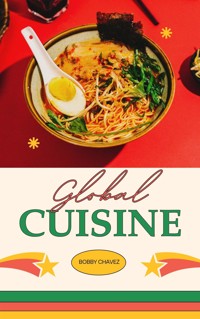
"Global Cuisine: A Culinary Journey Around The World" takes readers on an enticing expedition through the rich tapestry of international flavors and culinary traditions. From the sizzling streets of Bangkok to the cozy kitchens of Parisian bistros, this book celebrates the diversity of global gastronomy.
With mouthwatering recipes, stunning photographs, and insightful cultural anecdotes, this culinary compendium offers a tantalizing taste of the world's most beloved dishes. Whether you're craving the fiery spices of India's curries or the delicate flavors of Japanese sushi, "Global Cuisine" provides the perfect recipe for every palate.
Whether you're a seasoned chef or an adventurous home cook, "Global Cuisine" is your passport to a world of culinary delights. Embark on a gastronomic adventure and discover the incredible flavors that unite us all, one delicious dish at a time.
Das E-Book können Sie in Legimi-Apps oder einer beliebigen App lesen, die das folgende Format unterstützen:
Veröffentlichungsjahr: 2024
Ähnliche



















GLOBAL CUISINE
A CULINARY JOURNEY AROUND THE WORLD
BOBBY CHAVEZ
Copyright © 2024 by Bobby Chavez
All rights reserved.
No part of this book may be reproduced in any form or by any electronic or mechanical means, including information storage and retrieval systems, without written permission from the author, except for the use of brief quotations in a book review.
CONTENTS
1. The Flavors Of Asia
2. European Culinary Traditions
3. African And Middle Eastern Gastronomy
4. The Americas: A Melting Pot Of Flavors
5. Fusion Foods And The Future Of Eating
THE FLAVORS OF ASIA
Embarking on a culinary journey through Asia is akin to opening a vast, vibrant book. Each page turns to reveal a new spectrum of flavors, ingredients, and traditions that tell the story of a continent's heart and soul through its food. Exploring Asia's diverse culinary regions unveils not just the variety of tastes but the depth of cultural history and geographical diversity that shapes its many distinct culinary traditions.
Asia, the largest continent on Earth, offers a rich tapestry of flavors that vary significantly from one region to another, influenced by factors such as climate, geography, history, and religion. The journey begins in the sprawling rice paddies of the East, where rice forms the backbone of diets and culinary traditions, serving as more than just a staple food—it's a symbol of life and prosperity. Moving through Asia, one encounters the soy fields and spice markets that supply the essential ingredients for many dishes as diverse as the continent.
The historical influences on Asian cuisine are profound and multifaceted, tracing back to ancient trade routes that facilitated the exchange of spices, cooking techniques, and food traditions between Asia and the rest of the world. These historical exchanges have left an indelible mark on Asian culinary practices, developing unique flavor profiles characteristic of different regions. For example, the Silk Road facilitated the trade of silk and precious metals. It enabled the spread of ingredients like pepper, cinnamon, and other spices, which have become integral to Asian cuisines.
In the East, countries like China and Japan have developed their culinary traditions around balance and harmony, emphasizing the importance of seasonal components and the harmony of flavors and sensations in a meal. China's vast geography and long history have given rise to various regional cuisines, from the fiery heat of Sichuan peppercorns to the delicate steamed dishes of the coastal areas. On the other hand, Japan showcases a minimalist approach to cooking, highlighting the natural flavors of fresh, seasonal ingredients, as seen in the art of Sushi and sashimi.
Moving towards the South, the culinary landscape changes dramatically. India, with its multifaceted cultural fabric and religions, presents an astonishing variety of dishes characterized by the liberal use of spices and herbs, which add flavor and medicinal properties. The traditional thali, a platter of varied dishes, reflects the diversity within Indian cuisine and the philosophy of eating a balanced meal that caters to all taste senses.
Southeast Asia, with countries like Thailand, Vietnam, and Malaysia, introduces a world where food is a riot of flavors and colors, and eating is an adventure. The cuisine here reflects the vibrant life and lush landscapes, with dishes that are often a harmonious blend of sweet, sour, salty, and fiery tastes produced by utilizing components such as lemongrass, tamarind, and fiery chilies.
Each region brings its traditions and innovations to the table, creating a culinary mosaic that is as intriguing as delicious. The emphasis on communal eating in many Asian cultures, where food is shared from a central platter, speaks to the social aspect of eating and the role of food in bringing people together. In many ways, the diverse culinary regions of Asia are a window into the continent's soul, offering insight into its people's values, traditions, and histories.
This journey through Asia's culinary landscape is not just about tasting different foods but also about understanding the stories behind them—the historical migrations, agricultural practices, and cultural rituals that have shaped these cuisines over millennia. It's a testament to the resilience and creativity of human cultures in adapting to their environments and turning the simple act of nourishment into an art form that celebrates the diversity and richness of human life.
As we explore the diverse culinary regions of Asia, we're reminded of the power of food to transcend boundaries, tell stories, and bring people together. Exploring these flavors is not merely an academic exercise but a personal journey that connects us to the histories, cultures, and peoples of Asia. Through its food, Asia communicates its past, present, and future hopes, inviting us to partake in a feast that is as much about understanding and appreciation as it is about taste.
STAPLE INGREDIENTS
When we dive into the world of staple ingredients, we uncover the building blocks that form the foundation of Asia's culinary traditions. These ingredients are not just food; they are a testament to the resourcefulness and cultural richness of those who have cultivated and cooked with them for centuries. Among these, rice, soy, and many spices are pivotal in creating some of the most iconic dishes across the continent.
Rice, for many Asian cultures, is more than just a side dish; it's the heart of the meal, around which entire cuisines are built. Its significance goes beyond nutrition, embodying cultural identities and traditions passed down through generations. Across Asia, rice is celebrated in countless forms—from the sticky rice of Laos, essential to the communal experience of eating, to the fragrant basmati rice that accompanies the curries and stews of South Asia. In Japan, the meticulous preparation of sushi rice reflects the cuisine's emphasis on precision and care, while in India, rice is transformed into a variety of dishes, from fluffy biryanis to sweet puddings, each telling a story of regional flavors and communal celebrations.
Then there's soy, an incredibly versatile ingredient demonstrating Asia's genius in turning a humble bean into a myriad of products integral to its cuisines. Soy sauce, with its deep, umami-rich flavor, is indispensable in the kitchens of East Asia, bringing depth and complexity to dishes. In its many forms, Tofu showcases the versatility of soy, serving as a staple protein source that absorbs the flavors of its accompanying ingredients, making it a hero in both savory and sweet dishes. In Indonesia, tempeh, made from fermented soybeans, offers a nutty, textured addition to meals, illustrating the region's food preservation and preparation innovation.
Spices, the soul of many Asian dishes, are where the culinary magic truly happens. They are the brushstrokes on the canvas of Asian cuisine, adding color, heat, and aromatic depth to every dish they grace. The spice markets of Asia are a feast for the senses, where the air is rich with the scent of cumin, coriander, turmeric, and countless others. Each spice carries a history of trade and cultural exchange, illustrating the world's interconnectedness through the global spice trade. In Southeast Asia, the blend of herbs in a single curry paste can tell you about the region's geography, climate, and people's preferences for balancing sweet, salty, sour, and spicy flavors.
The way these staple ingredients are used across Asia speaks volumes about the diversity and creativity of its people. Rice, soy, and spices do not just feed the body; they nourish the soul, offering comfort and a sense of home. They allow culinary communication where each dish conveys a story of its origins, the climate it grew in, and the hands that prepared it. This is the beauty of delving into the staple ingredients of Asian cuisine—it's an exploration of humanity's relationship with the Earth and with each other, mediated through the simple act of cooking and eating.
Understanding the role of these staples in iconic dishes means appreciating the artistry and ingenuity involved in their preparation. It's about recognizing the wisdom of generations who have worked the land, harvested its bounty, and transformed these ingredients into dishes celebrated not just in their countries of origin but worldwide. The global love affair with dishes like Sushi from Japan, kimchi from Korea, and curry from India is a testament to the universal language of good food and the shared human experience of enjoying a meal prepared with care and tradition.
Exploring staple ingredients in Asian cuisine is a humble and profound journey. It reminds us of the fundamental human need for nourishment and the extraordinary ways in which cultures have met that need through innovation, tradition, and the celebration of community. As we delve deeper into these ingredients, we uncover layers of meaning and connection that transcend geographical and cultural boundaries, bringing us closer to understanding the essence of Asia's culinary heritage.
This narrative is not just about food; it's about the people, landscapes, and stories these staple ingredients represent. It's about the labor of love that goes into every harvested grain of rice, every fermented soybean, and every ground spice. These staples are the threads that weave together the rich tapestry of Asian cuisine, offering a glimpse into the lives of those who grow, prepare, and share these foods. They remind us that behind every dish is a story of survival, adaptation, and celebration, echoing the universal human experience of gathering around a meal to share, connect, and enjoy the simple pleasures of eating together.




