


0,49 €
Mehr erfahren.
- Herausgeber: Williamson's
- Kategorie: Lebensstil
- Sprache: Englisch
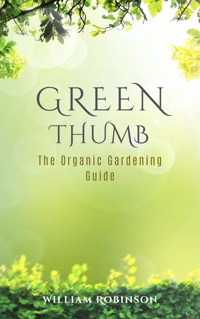
"Green Thumb: The Organic Gardening Guide" is an essential companion for anyone looking to embrace the world of organic gardening. This comprehensive book covers all aspects of creating and maintaining a thriving organic garden, from soil preparation and seed selection to natural pest management and composting. With a focus on sustainable practices, "Green Thumb" offers practical advice and step-by-step instructions to help gardeners of all levels grow healthy, productive gardens without relying on chemical fertilizers or pesticides.
The book begins with the basics of organic gardening, including understanding your local climate and ecosystem, choosing the right plants for your space, and creating a balanced, nutrient-rich soil using organic methods. It then delves into more specific gardening techniques, such as companion planting, crop rotation, and natural pest control, providing readers with the knowledge to tackle common gardening challenges in an environmentally friendly way.
"Green Thumb" also features a section on edible gardening, guiding readers through the process of growing their own fruits, vegetables, and herbs. It includes tips on harvesting, preserving, and cooking with home-grown produce, emphasizing the health and culinary benefits of organic gardening.
In addition to practical gardening advice, "Green Thumb: The Organic Gardening Guide" celebrates the joy and satisfaction that comes from gardening. It encourages readers to connect with nature, promote biodiversity, and contribute to the health of the planet through their gardening practices. With inspiring photographs, helpful diagrams, and a wealth of expert knowledge, this book is a valuable resource for anyone looking to cultivate a beautiful, sustainable, and bountiful organic garden.
Das E-Book können Sie in Legimi-Apps oder einer beliebigen App lesen, die das folgende Format unterstützen:
Veröffentlichungsjahr: 2024
Ähnliche



















GREEN THUMB
THE ORGANIC GARDENING GUIDE
WILLIAM ROBINSON
Copyright © 2024 by William Robinson
All rights reserved.
No part of this book may be reproduced in any form or by any electronic or mechanical means, including information storage and retrieval systems, without written permission from the author, except for the use of brief quotations in a book review.
CONTENTS
1. Principles Of Organic Gardening
2. Soil Health And Plant Nutrition
3. Pest Control And Disease Management
4. Organic Gardening Techniques
5. Harvesting And Using Organic Produce
PRINCIPLES OF ORGANIC GARDENING
Organic gardening is a growing popular practice, and for good reason. It represents a return to the basics, a way of gardening in harmony with nature without relying on synthetic fertilizers or pesticides. It's about cultivating a garden that thrives naturally, benefiting not only the plants and the soil but also the environment as a whole. At its core, organic gardening is a philosophy as much as a practice. It's about understanding and respecting the natural processes that flourish a garden.
One of the most significant benefits of organic gardening is its impact on the environment. Traditional gardening methods often use chemicals that can harm the soil and local ecosystems. In contrast, organic gardening uses natural methods to enrich the soil, control pests, and grow healthy plants. This approach reduces the gardener's carbon footprint and helps create a more sustainable and eco-friendly garden. It's a way of giving back to the earth rather than just taking from it.
Another key aspect of organic gardening is its focus on soil health. Good soil is the cornerstone of any prosperous garden, and organic gardening practices are designed to build and maintain soil fertility naturally. This involves using organic matter like compost and manure rather than synthetic fertilizers to enrich the soil. Such natural amendments improve the soil's structure, increase its capacity to retain nutrients and water, and promote the establishment of advantageous microorganisms. The result is a living soil, teeming with life and capable of supporting healthy plant growth.
Organic gardening also promotes biodiversity. In a traditional garden, the focus is often on a limited number of plants, sometimes leading to a monoculture. However, an organic garden thrives on variety. By cultivating a diverse range of plants, organic gardeners create a more balanced ecosystem in their backyard. This diversity makes the garden more resilient to pests and diseases and provides a habitat for beneficial insects and wildlife. This gardening method acknowledges the interdependence of all living things and aims to work in harmony with nature.
In terms of health and wellness, organic gardening has much to offer. When you garden organically, you know exactly what's going into your food and can avoid the potentially harmful effects of synthetic pesticides and fertilizers. This peace of mind is priceless, especially when feeding your family. Moreover, the act of gardening itself is therapeutic. It's a way to connect with nature, exercise, and take a break from the hustle and bustle of modern life. It's a peaceful, grounding activity that can improve your physical and mental well-being.
It takes more than just avoiding chemicals to garden organically, though. It's also about adopting practices that support the health of your garden in the long term. This includes crop rotation, companion planting, and encouraging natural predators to keep pests in check. These practices work together to create a healthy, balanced ecosystem in your garden, where plants can thrive without synthetic inputs.
Among the greatest benefits of organic farming is the sense of community it can foster. Gardeners who choose this path often find themselves part of a larger movement that values sustainability, health, and environmental stewardship. This can lead to connections with other like-minded individuals, whether that's through local gardening clubs, farmers' markets, or online forums. It's an opportunity to share knowledge, experiences, and even the fruits of your labor with others who share your values.
Organic gardening is more than just a way of growing plants; it's a holistic approach to gardening that benefits the gardener, the environment, and the community. By working with nature rather than against it, organic gardeners can create vibrant, productive gardens that truly reflect their commitment to sustainability and health. Whether you are a novice or an expert gardener, adopting organic practices can transform your garden into a thriving, eco-friendly oasis.
FUNDAMENTALS OF ECO-FRIENDLY GARDENING
The gardening world is not just about planting and watching seeds grow; it's about creating harmony between the gardener and nature. Eco-friendly gardening, especially organic gardening, takes this harmony to the next level. It's a method that seeks to grow plants and nurture the environment in which they grow. Understanding the fundamentals of eco-friendly gardening involves grasping how every aspect of your garden, from the soil to the insects that inhabit it, plays a crucial role in the ecosystem's overall health.
At the heart of eco-friendly gardening is working with nature rather than trying to control or change it. This strategy necessitates thoroughly comprehending the natural processes that enable plants to grow and thrive. It's about recognizing that the soil is not just a medium for holding plants but a living entity teeming with microorganisms, each essential to expanding and advancing your garden. By naturally nourishing the soil with compost and other organic matter, you create a rich, fertile foundation that will sustain your plants and their environment.
Water management is another critical aspect of eco-friendly gardening. Water is a precious resource in many parts of the world, and using it wisely is not just good for your garden but essential for the planet. Eco-friendly gardening advocates for efficient water usage, such as collecting rainwater and drip irrigation systems. These methods conserve water and ensure that plants receive the moisture they need at their roots, where it's most beneficial.
Pest control in an eco-friendly garden is not about eradicating all insects but finding a balance. Many insects benefit your garden, helping pollinate plants and control pests naturally. Instead of using harsh chemical pesticides, eco-friendly gardening encourages natural pest control methods. One way to do this is to introduce helpful insects like ladybugs, such as lacewings or organic repellents. By doing so, you maintain the natural balance of your garden, ensuring that it remains a healthy ecosystem.
Understanding the local climate and choosing plants well-suited to your garden's conditions is another key element of eco-friendly gardening. It's about working with your environment, not against it. When you choose plants native to your area or well-adapted to your climate, you reduce the need for additional water, fertilizers, and care. This makes your garden more sustainable and more likely to thrive.
An eco-friendly garden is also about diversity. Several species planted together produce a more resilient garden. Different plants attract beneficial insects and can support each other in various ways. For example, some plants provide necessary shade for others, or their roots help to improve soil structure. This diversity creates a more robust garden and a more beautiful and interesting one.
Composting is another cornerstone of eco-friendly gardening. Composting your kitchen and garden waste creates a rich, organic material that's perfect for enriching your soil. The total amount of trash sent to dumps is decreased through composting, providing your plants with the nutrients they need to grow. It's a perfect example of how eco-friendly gardening can create a closed-loop system where nothing is wasted and everything serves a purpose.
Finally, eco-friendly gardening is about patience and observation. It's about taking the time to understand your garden's rhythms and plants' needs. It calls for an openness to change and grow to try new things and see what works best in your unique environment. This approach to gardening is not just about growing plants; it's about growing as a gardener and steward of the environment.
Eco-friendly gardening is an approach that seeks to create a garden that's not only beautiful and productive but also sustainable and in harmony with the natural world. It's about understanding the intricate balance of nature and working within that balance to create a garden that is a haven for plants, wildlife, and people alike. By embracing the principles of eco-friendly gardening, you can create a space that looks good and does good for the planet.
THE ROLE OF BIODIVERSITY IN ORGANIC GARDENS
Biodiversity in an organic garden is like a bustling city, with each inhabitant playing a unique role contributing to the well-being of the whole. When we talk about biodiversity, we're referring to the variety of plant and animal life in a specific area. In the context of an organic garden, this diversity becomes a cornerstone of its health and productivity.
One of the first things to understand about biodiversity in a garden setting is its impact on plant health. A garden with many plant species is less prone to contract illnesses and pests. This is because a pest or disease that might devastate one plant species won't necessarily have the same effect on another. Diversifying is similar to avoiding placing all of your eggs in one basket, the plants in your garden, you spread the risk and create a more resilient ecosystem.




