


4,99 €
Mehr erfahren.
- Herausgeber: James More Imprint
- Kategorie: Ratgeber
- Sprache: Englisch
"Are you struggling with the aftermath of infidelity? Do you feel lost, hurt, and unsure of how to move forward? If so, this book is for you.
Infidelity is one of the most painful experiences that a relationship can face. It can shatter trust, undermine intimacy, and leave you feeling devastated and alone. But it doesn't have to be the end of your relationship. With the right guidance and tools, you can rebuild trust, repair your relationship, and emerge stronger and more resilient than ever before.
In 'Healing from Infidelity: A Comprehensive Guide to Coping with Betrayal, Rebuilding Trust, and Moving Forward', we draw on the latest research in psychology and relationship science, as well as real-life stories from individuals who have experienced infidelity firsthand. We explore the different types of infidelity, from emotional affairs to one-night stands, and the causes and consequences of cheating. We also provide practical strategies for coping with the aftermath of an affair, including how to rebuild trust, repair your relationship, and forgive yourself or your partner.
But don't just take our word for it. Here are some stories from readers who have found healing and growth through the strategies and insights provided in this book:
"After discovering that my partner had cheated on me, I felt like my world was falling apart. I was angry, hurt, and unsure of how to move forward. But 'Healing from Infidelity' gave me the tools and guidance I needed to begin the process of healing. By following the strategies outlined in the book, I was able to rebuild trust with my partner, and our relationship is now stronger than ever before."
"As someone who had cheated on their partner, I was consumed with guilt and shame. I didn't know how to move forward, or how to make things right with my partner. But 'Healing from Infidelity' helped me to understand the impact of my actions and provided practical strategies for repairing our relationship. Thanks to this book, we were able to move past the affair and build a stronger, more honest connection."
"I was skeptical about whether a book could really help me heal from the pain of infidelity. But 'Healing from Infidelity' exceeded my expectations. The authors provide a comprehensive roadmap for healing, with practical strategies and insights that are grounded in science and real-life experience. I highly recommend this book to anyone who has experienced the pain of infidelity."
Whether you're grappling with the aftermath of an affair or simply looking to strengthen your relationship and prevent infidelity from occurring in the future, 'Healing from Infidelity' offers the support and guidance you need to move forward with hope and resilience. Order your copy today and take the first step towards healing and growth."
Das E-Book können Sie in Legimi-Apps oder einer beliebigen App lesen, die das folgende Format unterstützen:
Veröffentlichungsjahr: 2023
Ähnliche



















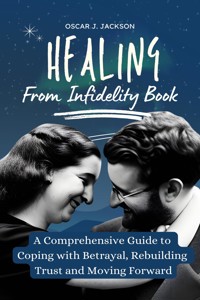
Healing From Infidelity Book
A Comprehensive Guide to
Coping with Betrayal, Rebuilding
Trust, and Moving Forward
Oscar J. Jackson
Copyright
All rights reserved. No part of this book may be reproduced in any form without the written consent of the author except for brief citations in reviews or quotations. Proper credit must be given.
James More Imprint:
2051 Birkett Lane
Brantford, Ontario N3T 2Z8
Canada
Table Of Content
Copyright
Introduction
Chapter One - Psychology Of Infidelity
Definition And Scope Of Infidelity In Marriages
What Are Some Internal And External Factors That Causes Infidelity In Marriages?
What Are Some Intrapersonal And Interpersonal Infidelity In Marriage Can Affect A Victim's Mental Health?
What Are Some Cognitive And Behavioral Interventions And Coping Strategies For Dealing With Infidelity In Marriage?
What Are Some Gender Stereotypes And Differences In Perceptions Of Cheating In Marriage?
What Are Some Cultural Judeo-Christian Ideologies And Influences On The Acceptance Of Infidelity In Marriages?
Chapter Two - Causes Of Infidelity In Marriages
In what ways do Stressful Life Events
cause infidelity in marriages?
In what specific ways does a Lack of Communication lead to infidelity in marriages?
In what specific way Can Unmet Expectations of Either of the Partners Lead to Infidelity in Marriage?
What Are Some Specific Declining Western Cultural Influences That Can Lead to Infidelity in Marriages?
What Are Some Specific Psychological Problems That Can Lead to Infidelity In Marriages?
State In Clear Terms, With Examples, In What Way Can Financial Insecurity Lead to Infidelity In Marriages?
Can Social Pressure Lead to Infidelity In Marriages?
In What Ways Do Physical and Emotional Neglect Lead To Infidelity In Marriages?
In What Ways Do Addiction Issues in Either Of The Partners Lead To Infidelity In Marriages?
Chapter Three - Coping with Infidelity
1. Seek Professional Help. Find A Counsellor Or Therapist To Help You Cope With The Shock And Pain Of Betrayal.
2. Acknowledge your feelings. Acknowledge the anger, sadness, and hurt. Don’t push them away or deny them.
3. Express Yourself. Talk To Your Partner About How You Feel, Or Write Down Your Thoughts And Feelings In A Journal.
4. Get Support. Talk To Friends, Family, Or A Support Group To Help You Process Your Emotions.
5. Take Care Of Yourself. Find Healthy Ways to Cope With Stress Such As Exercise, Yoga, Or Meditation.
6. Set Boundaries. Decide What You Are Willing and Not Willing To Accept From Your Partner.
7. Maintain Perspective. Remember That Everything Will Pass and That You Will Eventually Heal.
8. Make A Plan. Decide What Steps You Need To Take To Move Forward In The Relationship Or To End It.
Chapter Four - How to Rebuild
Trust After an Affair
1. Take Full Responsibility For The Affair And Do Not Try To Place Blame On Your Partner.
2. Be Honest About All Aspects Of The Affair, Including Why It Happened And How It Affected You.
3. Acknowledge The Pain, Anger, And Hurt The Affair Has Caused And Express Genuine Remorse.
4. Apologize Sincerely, And Offer To Do Whatever It Takes To Make Things Right.
5. Allow Your Partner The Time And Space
They Need To Process And Heal.
6. Be Patient, Open, And Honest In All Your Interactions With Your Partner.
7. Follow Through On All Promises You Make, And Be Consistent In Your Actions And Words.
Chapter Five - The Consequences
Of Infidelity
- Loss Of Trust
- Emotional Trauma
- Domestic Violence
- Divorce
- Financial Hardship
- Loss Of Friends and Family Relationships
- Unplanned Pregnancy
- Legal Repercussions
- Abortion
Chapter Six - Steps to Repairing Your Relationship after Infidelity.
Step 1: Open Communication
Step 2: Identify Issues
Step 3: Establish Boundaries
Step 4: Mutual Understanding
Step 5: Therapy Sessions
Step 6: Rebuild Trust
Step 7: Moving Forward
Step 8: Acknowledge the Impact of Betrayal
Step 9: Take Responsibility for Actions
Step 10: Develop Empathy and Understanding
Step 11: Create a Rebuild Plan Together
Chapter Seven - How to Forgive Yourself
After an Affair
1. Acknowledge Your Feelings: Allow Yourself to Feel The Guilt, Shame, And Sadness Associated With The Affair.
2. Take Responsibility: Acknowledge That You Made Mistakes And Take Responsibility For Your Actions.
3. Learn from The Affair: Reflect On Why The Affair Happened In The First Place And Identify Any Patterns Or Triggers That Need To Be Addressed.
Chapter Eight - The Different Types Of Infidelity
What are Emotional Affairs?
Examples of Emotional Affairs.
What are Physical Affairs?
Examples of physical affairs.
What are Online Affairs?
Examples of Online Affairs.
What is Financial Infidelity?
What is Occasional Infidelity?
Closing Words
Introduction
"Infidelity is one of the most difficult challenges that a relationship can face. It strikes at the heart of trust, undermining the very foundation on which a committed partnership is built. Yet despite its prevalence, infidelity remains a taboo topic, often shrouded in secrecy and shame.
If you're reading this book, chances are that you or someone you know has experienced the pain of infidelity. Perhaps you've been betrayed by a partner, or maybe you're struggling with feelings of guilt and regret after cheating yourself. Whatever your situation, know that you're not alone. Millions of people around the world have grappled with the aftermath of infidelity, and many have found a way to rebuild their relationships and move forward.
This book is for anyone who wants to understand the complex dynamics of infidelity and learn how to navigate its emotional minefield. We'll explore the psychology of infidelity, looking at the individual, situational, and environmental factors that can contribute to cheating. We'll also examine the different types of infidelity, from emotional affairs to one-night stands, and the consequences they can have for both partners.
But understanding infidelity is only the first step. We'll also delve into practical strategies for coping with the aftermath of an affair, including how to rebuild trust, repair your relationship, and forgive yourself or your partner. Whether you're in the early stages of processing an affair or have been grappling with infidelity for years, this book offers a comprehensive roadmap for healing and moving forward.
Throughout the book, we'll draw on the latest research in psychology and relationship science, as well as insights from experts and real-life stories from individuals who have experienced infidelity firsthand. Our goal is to provide you with the knowledge, tools, and support you need to navigate this challenging terrain and emerge stronger, wiser, and more resilient on the other side."
Chapter One - Psychology Of Infidelity
Infidelity is an issue that affects many couples and can cause immense emotional pain and turmoil. It can be difficult to understand why someone would choose to engage in infidelity, however understanding the psychology of infidelity may help explain why it occurs. This chapter seeks to explore the psychological reasons for why people might choose to be unfaithful in their relationships. Through examining various studies and reports on this topic, we will look at the motivations, triggers and consequences of infidelity.
Definition And Scope Of Infidelity In Marriages
Infidelity in marriages is defined as a breach of trust and violation of the marital vows that involve engaging in sexual or emotional relationships with someone other than one's spouse. It can be intentional or unintentional, and it can happen at any stage of marriage. Infidelity has a profound impact on the individuals involved and often leads to considerable emotional distress, loss of trust, and sometimes divorce.
The scope of infidelity is vast, ranging from physical affairs to emotional cheating. Physical affairs involve sexual contact outside the marriage, while emotional cheating involves developing intimate connections with someone outside the relationship. The extent to which infidelity affects a marriage depends on several factors such as its duration, frequency, and level of secrecy.
Infidelity is not limited to gender or ethnicity; both men and women cheat equally. Some common reasons why people cheat include lack of intimacy in their current relationship, seeking excitement or adventure outside their marriage, low self-esteem that makes them crave attention from others, feeling neglected by their partner due to long hours at work or other commitments.
What Are Some Internal And External Factors That Causes Infidelity In Marriages?
Internal and external factors can significantly contribute to infidelity in marriages. Internal factors include personal issues such as low self-esteem, lack of satisfaction with one's life or relationship, and difficulty controlling impulses. These issues can drive individuals to seek validation, attention or pleasure outside their marriage.
External factors may involve environmental circumstances that affect the marital relationship, including stressors like job loss, financial difficulties or other major life changes that cause feelings of insecurity and dissatisfaction. Additionally, social influences like peer pressure or cultural norms around sex and relationships can influence an individual's decision to cheat.
Infidelity is often seen as a breach of trust that undermines the foundation of a marriage. While both internal and external factors may play a role in causing infidelity in marriages, it is important for couples to understand these contributing factors so they can take steps towards rebuilding trust and preventing future instances of cheating.
What Are Some Intrapersonal And Interpersonal Infidelity In Marriage Can Affect A Victim's Mental Health?




