


Erhalten Sie Zugang zu diesem und mehr als 300000 Büchern ab EUR 5,99 monatlich.
- Herausgeber: European Investment Bank
- Kategorie: Fachliteratur
- Serie: Big ideas
- Sprache: Englisch
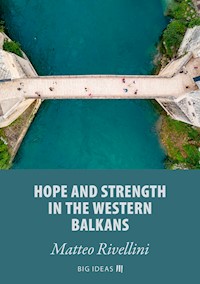
The Western Balkans have been a crossing point between Central Europe and the East for centuries. Devastated by tragic conflicts, nationalism and neglected investments, the Western Balkan countries are striving to find a new equilibrium. Citizens and institutions in the Balkans have repeatedly affirmed their ambition to become part of the European Union and have made significant efforts to turn this dream into reality. The European Investment Bank (EIB) has done a lot in this region over the past 20years. It has helped build pan-European transport corridors, supported direct foreign investment, helped redevelop urban areas, provided technical assistance and additional finance to enhance and develop social and economic infrastructure, and stimulated private sector growth to create jobs. Looking ahead, there is hope for a brighter and greener future for the Western Balkans. Matteo Rivellini is the Head of Division in charge of lending operations in Slovenia, Croatia and the Western Balkans at the EIB. This is the thirteenth essay in the Big Ideas series created by the European Investment Bank. The EIB has invited international thought leaders and experts to write about the most important issues of the day. These essays are a reminder that we need new thinking to protect the environment, promote equality and improve people's lives around the globe.
Sie lesen das E-Book in den Legimi-Apps auf:
Seitenzahl: 17
Veröffentlichungsjahr: 2020
Das E-Book (TTS) können Sie hören im Abo „Legimi Premium” in Legimi-Apps auf:
Ähnliche


















CONTENTS
Big Ideas
Contradictions
The EIB in The Western Balkans
Climate Action and COVID-19
Biography
About the European Investment Bank
The European Investment Bank is the world’s biggest multilateral lender. The only bank owned by and representing the interests of the EU countries, the EIB finances Europe’s economic growth. Over six decades the Bank has backed start-ups like Skype and massive schemes like the Øresund Bridge linking Sweden and Denmark. Headquartered in Luxembourg, the EIB Group includes the European Investment Fund, a specialist financer of small and medium-sized enterprises.
HOPE AND STRENGTH IN THE WESTERN BALKANS
Matteo Rivellini
The findings, interpretations and conclusions are those of the authors and do not necessarily reflect the views of the European Investment Bank.
BIG IDEAS
The Western Balkans have been a crossing point between Central Europe and the East for centuries.
Devastated by tragic conflicts, nationalism and neglected investments, the Western Balkan countries are striving to find a new equilibrium. Citizens and institutions in the Balkans have repeatedly affirmed their ambition to become part of the European Union and have made significant efforts to turn this dream into reality.
The European Investment Bank (EIB) has done a lot in this region over the past 20 years. It has helped build pan-European transport corridors, supported direct foreign investment, helped redevelop urban areas, provided technical assistance and additional finance to enhance and develop social and economic infrastructure, and stimulated private sector growth to create jobs. Looking ahead, there is hope for a brighter and greener future for the Western Balkans.
Matteo Rivellini is the Head of Division in charge of lending operations in Slovenia, Croatia and the Western Balkans at the EIB.
This is the thirteenth essay in the Big Ideas series created by the European Investment Bank.
The EIB has invited international thought leaders and experts to write about the most important issues of the day.
These essays are a reminder that we need new thinking to protect the environment, promote equality and improve people’s lives around the globe.




