


26,99 €
Mehr erfahren.
- Herausgeber: John Wiley & Sons
- Kategorie: Fachliteratur
- Serie: HOW - How To
- Sprache: Englisch
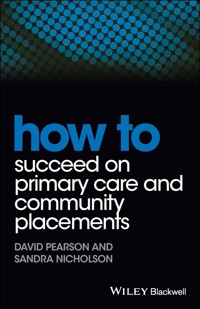
How to Succeed on Primary Care and Community Placements offers practical advice on how to get the most from your time on community visits, within patient consultations, and with the practice team. It highlights the unique opportunities and challenges you will face on placement, from using clinical information systems, to home visits and long term patient relationships, and how to take advantage of new ways of learning with web-based tools, mobile devices and social networking.
Key features include:
• Learning outcomes at the start of each chapter with links to web-based learning, case examples, and tasks to undertake whilst on placement
• An evidence-based, practical approach to improving learning, teaching, assessment and feedback in community settings
Written by a team of experienced community-based medical education specialists, it is ideal for all medical students, whether on early clinical placements or later in training, and for tutors and preceptors looking for novel ways to engage their students.
Sie lesen das E-Book in den Legimi-Apps auf:
Seitenzahl: 352
Veröffentlichungsjahr: 2016
Ähnliche



















Table of Contents
Cover
Title Page
Contributors
Introduction
Reference
Acknowledgements
Chapter 1: What to learn in community settings
Introduction
Early years
What to learn during early patient contact
Professionalism and personal growth
Patient perspectives on health and healthcare
Social and psychological aspects of health
Learning clinical method (history taking and examination)
Clinical and procedural skills
Middle clinical years
Later clinical years
Learning in the community ‘out of hours’
Further opportunities
Summary
References
Further resources
Chapter 2: Learning the public health aspects of medicine
Public health perspectives
Health promotion
Primary and secondary disease prevention
Behaviour change: health promotion and prevention for individuals
Public health and health education
Summary
References
Chapter 3: Preparing for and learning on primary care and community placements
Introduction
Preparing for your community placements
When you arrive on placements
Your responsibilities at the end of your placement
Summary
References
Chapter 4: Active learning in the consultation
Introduction
Learning objectives, learning plans
Learning consultation skills
Understanding the consultation
The art of consultation
Engaging with patients, introductions, information, consent
Working with patients
Active learning in the consultation
Student-led consultations
Problems, pitfalls and suggested solutions
Complex consultations for the later clinical years
Summary
References
Chapter 5: What to learn from the primary healthcare team
Introduction
Professional behaviour in a team
What the PHCT does
Learning with and from the primary healthcare team
Learning from the practice nurses
Learning from the pharmacy team
Primary health team meetings
Learning from mistakes
Patients and public involvement in your education
Summary
References
Further resources
Chapter 6: Learning medicine in community settings
Learning from community visits
Learning from doctor’s home visits
Visiting residential care and nursing homes
Learning from community mental health teams
Long-term mental healthcare in the community
Community mental health for the elderly
Community maternity and child health services
Community sexual health services
Palliative and end of life care
Summary
References
Further resources
Chapter 7: Clinical information systems, opportunities to learn
What are clinical information systems?
Why learn about clinical information systems?
Clinical information systems in community practice
Making the most of the CIS in learning and teaching
What do clinical information systems offer in the diagnosis and management of acute illnesses? How do they support your learning of these conditions?
How do clinical information systems support the management of long-term conditions? How can they support your learning about this vital area of medicine?
Learning from clinical guidelines
How can clinical information systems support the learning of prescribing (and patient safety)?
Family medicine, using clinical information systems to learn public health aspects – what do you need to know?
Clinical information systems: supporting learning about communication with patients, and colleagues
Using clinical information systems in supporting assessment
Clinical information systems: problems and pitfalls
Clinical information systems: projects, audit and research
Summary
References
Chapter 8: Supporting learning in primary care using social media and other technologies
Social media in your primary care placements
When media becomes social media
Social media landscape
Your online profile and digital professionalism
Your digital footprint
Doctors and patients online
Digital literacy and information literacy
Social media sites: Facebook, Twitter, Blogs, Wikis, YouTube, Slideshare/Prezi, Scoop.it/Pinterest
Summary
References
Further resources
Chapter 9: Assessment, feedback and quality assurance
Assessment in your primary care placement
Assessments in medical courses, what should you expect?
What types of assessment should you expect on your primary care placements?
How can you best use your time on primary care placements to survive (or even excel) in your medical school assessments?
Some potential strengths of assessment in primary care
Opportunities for self-assessment in primary care settings
Some final thoughts: why authenticity in assessment matters
Feedback within your primary care placement
Types of feedback in primary care placements
Giving and receiving feedback
Giving something back – your responsibility to offer feedback
Summary
References
Chapter 10: Conclusions
Reference
Index
End User License Agreement
List of Tables
Chapter 05
Table 5.1 Clinical and procedural skills which could be perfected in community settings or with PHCT guidance. (Source: Barts and The London clinical skills curriculum)
List of Illustrations
Chapter 08
Figure 8.1 Using
wikispace
to help support placements
Guide
Cover
Table of Contents
Begin Reading
Pages
ii
iv
x
xi
xii
xiii
xiv
xv
1
2
3
4
5
6
7
8
9
10
11
12
13
14
15
16
17
18
19
20
21
22
23
24
25
26
27
28
29
30
31
32
33
34
35
36
37
38
39
40
41
42
43
44
45
46
47
48
49
50
51
52
53
54
55
56
57
58
59
60
61
62
63
64
65
66
67
68
69
70
71
72
73
74
75
76
77
78
79
80
81
82
83
84
85
86
87
88
89
90
91
92
93
94
95
96
97
98
99
100
101
102
103
104
111
112
113
114
115
116
117
118
119
120
121
122
123
124
125
126
127
128
129
130
131
132
133
134
135
136
137
138
139
140
141
142
143
144
145
146
147
148
149
150
151
152
153
154
155
156
157
158
159
160
161
162
163
164
165
166
167
168
169
170
171
172
173
174
175
176
177
178
179
180
181
182
183
184
185
186
187
188
189
190
191
192
193
194
195
196
197
198
199
200
201
202
203
204
205
206
207
208
209
210
211
This title is also available as an e-book.
For more details, please see
www.wiley.com/buy/9781118343449
or scan this QR code:
Lesen Sie weiter in der vollständigen Ausgabe!
Lesen Sie weiter in der vollständigen Ausgabe!
Lesen Sie weiter in der vollständigen Ausgabe!
Lesen Sie weiter in der vollständigen Ausgabe!
Lesen Sie weiter in der vollständigen Ausgabe!
Lesen Sie weiter in der vollständigen Ausgabe!
Lesen Sie weiter in der vollständigen Ausgabe!
Lesen Sie weiter in der vollständigen Ausgabe!
Lesen Sie weiter in der vollständigen Ausgabe!
Lesen Sie weiter in der vollständigen Ausgabe!
Lesen Sie weiter in der vollständigen Ausgabe!
Lesen Sie weiter in der vollständigen Ausgabe!
Lesen Sie weiter in der vollständigen Ausgabe!
Lesen Sie weiter in der vollständigen Ausgabe!
Lesen Sie weiter in der vollständigen Ausgabe!
Lesen Sie weiter in der vollständigen Ausgabe!
Lesen Sie weiter in der vollständigen Ausgabe!




