


9,43 €
Mehr erfahren.
- Herausgeber: Modern History Press
- Kategorie: Geisteswissenschaft
- Sprache: Englisch
No less than 27 out of the 50 states' names in the USA are based in American Indian languages. Additionally, six out of 13 of Canada's provinces and territories have names with indigenous origins, and, of course, Canada itself is derived from an indigenous source. Shakespeare quipped, "What's in a name?" A lot, it turns out, because states like California and Florida reflect their Spanish history; here, in the Great Lakes, that history is indigenous. If you have an understanding of the name of a place, its history may reveal itself. And that history will, most likely, enrich your own life and your place in it.
Join us on this journey through Michigan, Pennsylvania, Ontario, Ohio, Indiana, Illinois, Wisconsin, and Minnesota as we alphabetically traverse indigenous place names in each locale. Alternately, you can peruse an alphabetical concordance of every place name. In the appendices, you'll discover details of US and Canadian treaties with indigenous people, and many that are still under dispute today--including the Anishinaabek, Ottawa, Chippewa, Potawatomi, Miami, Kickapoo, Sauk, Sioux, Ojibway, Mississauga, Mohawk, Algonquin, Iroquois, Huron, and related First Nations bands in Ontario.
"Emeritus Professor Phil Bellfy has used his life-long Indigenous knowledge to produce this imaginative, original work that will be indispensable to any researcher working on Indigenous studies in the Great Lakes watershed. Indians and Other Misnomers of the Upper Great Lakest will be in the forefront of changing the way in which Indigenous knowledge shapes the hitherto colonial narrative of the Great Lakes." David T. McNab, professor emeritus, York University, Toronto, Ontario.
"Indians and Other Misnomers of the Upper Great Lakest is a fascinating exploration of the Indigenous origins of many place names bordering the Great Lakes. This book offers readers the opportunity to contemplate their place within the landscape of the Indigenous homelands now claimed by the Canadian and American settler states. It is a must-own companion book for researchers, residents and anyone interested in the places, history and linguistic heritages of the Great Lakes." --Karl Hele, Anishinaabeg and the Davidson Chair in Canadian Studies, Mount Allison University
"Words carry meaning and history. In Indians and Other Misnomers of the Upper Great Lakest, Dr. Phil Bellfy takes us on an etymological journey around the Great Lakes region as he explains the possible origins and meanings of Native American place names. This book helps paint a relational picture of the cultural world of the Anishinaabe Three Fires Confederacy of Ojibway, Odawa, and Potawatomi and how that view has been impacted by settler colonialism." -- Dr. Martin Reinhardt, Anishinaabe Ojibway citizen of the Sault Ste. Marie Tribe of Chippewa Indians; professor of Native American Studies, Northern Michigan University, president of the Michigan Indian Education Council.
Das E-Book können Sie in Legimi-Apps oder einer beliebigen App lesen, die das folgende Format unterstützen:
Seitenzahl: 192
Veröffentlichungsjahr: 2023
Ähnliche

















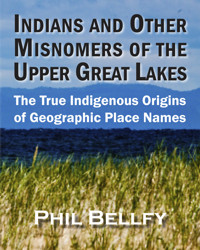
Indians and Other Misnomers of the Upper Great Lakes: The True Indigenous Origins of Geographic Place Names.
Copyright © 2023 by Phil Bellfy. All Rights Reserved.
This book contains images and materials protected under International and Federal US Copyright Laws and Treaties. Any unauthorized reprint or use of this material is prohibited. No part of this book may be reproduced or transmitted in any form by any means, electronic or mechanical, including photocopying, recording, or by any information storage and retrieval system without the express written permission from the author.
Cover photo copyright by Phil Bellfy.
ISBN 978-1-61599-742-8 paperback
ISBN 978-1-61599-743-5 hardcover
ISBN 978-1-61599-744-2 eBook
Ziibi Press is an imprint of
Modern History Press
5145 Pontiac Trail
Ann Arbor, MI
More information at https://ziibipress.com/
www.ModernHistoryPress.com
Tollfree 888-761-6268
FAX 734-663-6861
Distributed by Ingram (USA/CAN/AU), Bertram’s Books (EU/UK)
Contents
Introduction
Geographic Scope of this Volume
State and Provincial Maps
Place Names by State and Province
Michigan Place Names
Ontario Place Names
Pennsylvania Place Names
Ohio Place Names
Indiana Place Names
Illinois Place Names
Wisconsin Place Names
Minnesota Place Names
Alphabetical Listing of Indian Names
U.S. Treaties
Canadian Treaties
References
About the Author
Introduction
The United States of America contains 50 states, and 27 state names are rooted in American Indian languages. The modern nation of Canada consists of ten provinces and three territories: four of the provinces and two of the territories are names with indigenous origins, and, of course, Canada itself is derived from an indigenous source. In this volume, only Pennsylvania is from a non-native source.
So, What’s in a Name? California and Florida (and others) reflect their Spanish history; here in the Great Lakes, that history is indigenous. If you have an understanding of the name of a place, its history may reveal itself.
And that history will, most likely, enrich your own life and your place in it.
This book’s subtitle claims that the book contains the “true” indigenous meaning of Great Lakes’ place names, but the reader should consider this—many of the place names were first recorded by Europeans during a time when Indigenous linguistics, and even spelling conventions, were in their infancy (at best). Consider that the Michigan village of Topinabee is named after a Potawatomie chief, whose name was spelled 12 different ways in 11 treaties, and, not one of those treaties spelled it the way the current village name is spelled!
And, as should be obvious, various spellings lead to various pronunciations, and, in turn, those various pronunciations may very well refer to indigenous words with different meanings. Indigenous languages of this hemisphere were not written languages; ours were and are oral traditions.
So, the reader will undoubtedly find entries that appear to be duplicates or entries of the same word with different meanings. That is because the author relies on different print sources and merely repeats what those sources contain. At the same time, the author made inquiries in every Indigenous community covered in this volume. Of course, many did not respond, but every Indigenous response is included. Again, these responses may not be the same as those in books cited in the References section of this volume.
Furthermore, in today’s internet world, you can find any number of sites that purport to give you the translation of Native-based place names. I have included some of these, but not if they differ appreciably from the References sources, believing that the older the source, the more authentic the meaning—the True Indigenous Origins claimed in this book’s subtitle.
I need to add a little about the US Royce maps in this book, and the list of land cession treaties. Just as it is vital to understand a place through an examination of its name, you cannot come to a true understanding of a place without a thorough understanding of the treaties through which those territories became part of the modern government states of which they are now an integral part.
As you can see in the “US Treaties” section of this book, the very first treaty signed by the US and Indigenous people was for the land cession of western Pennsylvania. Obviously, the eastern part of the state and, indeed, the entire colonial part of what is now the United States, had been taken over by the US before the treaty-making period; in this volume, starting in 1784 and ending in 1889.
In Canada, the first Ontario cession was signed in 1783; the last in 1930. Note that the Canadian list in this volume is not in chronological order, instead following the alphabetic order of the cessions as given by the Ontario government, creators of this volume’s map.
It should also be noted that both in the US and in Canada, many land cession treaties are subject to ongoing interpretation, and, in many cases, litigation. In most of British Columbia, for example, land cession treaties are still being negotiated. The first modern British Columbia treaty, the Nisga'a Treaty, came into effect in 2000, and only three have been added since then (in 2009, 2011 and 2016).
Compared to Latin, considered to be a “dead” language, indigenous treaties (with both US and Canada) are very much living documents, and the names of places in both countries are alive, as well, subject to a more accurate naming and meaning. Miigwetch (thank you) for your interest in this subject and in this book. I hope you enjoy reading it as much as I did creating it!
P.C.B.
Geographic Scope of this Volume
State and Provincial Maps
Royce Map of Michigan – West
Royce Map of Michigan – East
Map of Western Ontario
Map of Eastern Ontario
Royce Map of Pennsylvania – West
Royce Map of Pennsylvania – East
Royce Map of Ohio
Royce Map of Indiana
Royce Map of Illinois – 1
Royce Map of Illinois – 2
Royce Map of Wisconsin
Royce Map of Minnesota
Royce Map of Michigan – West
Royce Map of Michigan – East
Michigan Place Names
Michigan - most often translated as Big Lake; as in Michi (big) and Gammi (lake); or Mishi-gummeeng: Great Body of Water; other translations found were Majigan: Clearing, Majiigan: Large Clearing, and Mishi-maikin: Swimming Turtle. Used as a place name throughout the Midwest.
Ahmeek: Beaver
Alcona: County given “Indian-sounding” name by Indian Agent Henry Rowe Schoolcraft
Allegan: County given “Indian-sounding” name by Indian Agent Henry Rowe Schoolcraft
Alpena: County given “Indian-sounding” name by Indian Agent Henry Rowe Schoolcraft, possibly meant to refer to the Partridge
Arenac: County given “Indian-sounding” name by Indian Agent Henry Rowe Schoolcraft
Bawating: River Beaten to a Spray, or Gathering Place of the People; orig. name for Sault Ste. Marie
Bay Mills Indian Community: aka Ginozhaekaunning: Pike Place. Michigan reservation.
Burt Lake Band of Ottawa and Chippewa Indians: State-recognized Tribe
Cheboygan: Pipe, or Funnel; or from Shabwawagoning: Rumbling Waters, or Waters Disappearing Underground
Chesaning: At the Big Rock
Chippewa, tribal name with various meanings; those found in reference to place names; Gathering Up Voice, Voice Gathered Up, or Puckered Voice see Ojibway for a complete discussion
Cohoctah: Many Trees in the Water
Detroit; orig. Wawiyatanong: Where the River Turns, or Crooked Way; Yondotiga: Great Village; or Karontaen: Coast of the Straits
Dowagiac: Subsistance Area, or Fishing Waters
Escanaba: Flat Rock. Or Land of the Red Buck
Genesee: Beautiful Valley
Gogebic: Green Lake, High Lake, On the Rock, or Trembling Ground
Grand River Band of Ottawa Indians: State-recognized Tribe
Grand Sable Dunes; orig. Nigowidjiw: Sand Mountain
Grand Traverse Band of Ottawa and Chippewa Indians: Reservation
Gun Lake: Match-e-be-nash-she-wish Band of Pottawatomi Indians: Bad Bird; (aka Gun Lake Tribe); Reservation
Hannahville Potawatomi Indian Community: Reservation
Hiawatha: River Maker
Iosco: County given “Indian-sounding” name by Indian Agent Henry Rowe Schoolcraft, possibly meant to refer to Shining Water, or Water of Light
Ishpeming: High Place
Juniata (Twp): Standing Rock
Kalamazoo, of Native origin, with several possible translations: It Smokes, Smoke, or Otter's Water; or from Kekekalakalamazoo: Where the Water Boils (or Smokes) in the Pot; or from Negikanamazo: Otter Tail, or Beautiful Water, Boiling Water, or Stones Like Otters; or from Kikalamozo: He Is Inconvienced By Smoke In His Lodge
Kalkaska: County given “Indian-sounding” name by Indian Agent Henry Rowe Schoolcraft, possibly meant to refer to Burned-Over Land
Kawkawlin: Pike Place
Kenockee: Long-legged
Keweenaw (Bay Indian Community): Cross A Point, or Portage; MI Reservation
Lac Vieux Desert (Band of Lake Superior Chippewa): Lake of the Old Garden Clearing; Reser-vation
Leelanau: County given “Indian-sounding” name by Indian Agent Henry Rowe Schoolcraft, possibly meant to refer to Delight of Life. There is no “L” sound in the Ojibway language.
Lenawee: County given “Indian-sounding” name by Indian Agent Henry Rowe Schoolcraft, possibly meant to refer to “Man.” There is no “L” sound in the Ojibway language.
Les Chenaux; orig; Anaminang: In the Bowels (a reference to the channels' tortuous intricacy)
Little River Band of Ottawa Indians: MI Reservation
Little Traverse Bay Band of Odawa Indians: MI Reservation
Mackinac (also spelled, and pronounced, Mackinaw): from Michilimackinak; Large Turtle Island, or Place of the Great Turtle.
Mackinac Bands of Ottawa and Chippewa Indians: State-recognized Tribe
Manistee (and Manistique): Crooked River, Red River, Wind Sound, Lost River, Wood's Spirit, or Yellow Thunder
Manitou: Spirit
Match-e-be-nash-she-wish Band of Potawatomi Indians: Bad Bird; aka Gun Lake Tribe; Reservation
Meauwataka: Halfway (between two bodies of water)
Mecosta: Bear Cub
Menominee: Wild Rice People
Michigamme: Great Water
Missaukee: At the Big Outlet
Munising: Island in the Lake
Munuscong: Place of the Reeds
Muskegon: Swampy, or Marshy River; or from Maskegowok: Swamp People
Nahma: Sturgeon
Naubinway: Place of Echoes
Neahtawanta: Placid Waters
Neebish (Island): Leaf
Negaunee: He Walks Ahead (ie. the pioneer)
Nottawa: the Iroquois
Nottawaseppi Huron Band Potawatomi: Like Rattlesnakes; Reservation
Nunda: Where the Valley Meets the Hill
Ogemaw: Chief
Okemos: Secondary Chief, or Little Chief
Onaway: Awake
Onekama: Singing Water
Ontonagon: Place Where Game Was Shot By Luck
Osceola: Black Drink Hallower
Oscoda County: given “Indian-sounding” name by Indian Agent Henry Rowe Schoolcraft, possibly meant to refer to a Rocky Prairie
Oshtemo: Headwaters
Ossineke: Where the Pictographs Were
Otsego: Place of the Rock
Ottawa: To Trade
Painted Rocks: Mazinaubikaung
Petoskey: Where the Sun Shines Through the Clouds
Pinconning: Potato Place
Pokagon (Band of Potawatomi Indians): Something Used to Shield; Reservation
Ponshewaing: Peaceful Waters, or Winter Home
Pontiac: from Bonitiyak: Stops By Use of A Stick
Quinnesec: from Pekwenesseg: Where the River Forms A Spray
Saginaw (Chippewa Indian Tribe): Place of the Sac Tribe; Reservation
Sagola: “Welcome”
Sandusky: Water
Saranac: Sumac Cone River
Saugatuck: Tidal Outlet
Sault Ste. Marie (Tribe of Chippewa Indians);): Reservation
Sault Ste. Marie: orig. Baweting: Place of the Rapids; Gathering Place of the People
Sebewa: Little Creek
Sebewaing: River Place
Shiawassee: Straight Ahead Water; or from Azhaowesse: River That Twists About
St. Clair (Lake) : orig. Wauwi-autinoong: Round Lake
Superior (Lake): orig. Kitchi-gummeng: Great Lake (of the Ojibway)
Swan Creek Black River Confederated Ojibwa Tribes of Michigan: State-recognized Tribe
Tahquamenon: Shallow Bed River, or Dark-colored Water
Tecumseh: Panther Crouching For Its Prey
Tekonsha: Resembling a Caribou
Tittabawassee: River Following the Line of the Lakeshore
Topinabee: He Who Sits Quietly; notable 19th c. Potawatomi chief who signed many treaties Tuscola: County given “Indian-sounding” name by Indian Agent Henry Rowe Schoolcraft, possibly meant to refer to a Warrior Prairie, or Level Lands
Unadilla: Meeting Place
Waishkey: Buffalo (U.P. river)
Washtenaw: On the River, or Far Off
Waucedah: Talking Stream
Wequetonsing: At the Head of the Little Bay
Winona: First-Born Daughter
Wyandotte: Islanders, or Peninsula Dwellers
Wyoming: At the Big River Flat
Yuma: Sons of the River
Zeba: from Zibii: River
Indians fishing in the rapids, Sault Ste. Marie, Mich. Courtesy Library of Congress
Map of Western Ontario
Map of Eastern Ontario
Ontario Place Names
ONTARIO; or from Kanadario: Sparkling Water; or from Onitariio: Beautiful Lake; or from Ontarack: Rocks Standing High in the Water; other possible meanings: Handsome Lake, or Large Lake; NY, OR, WI p.n. It should be noted that many Ontario First Nations have renamed their Reserves in their language, and the “translation” is not always given as an assertion of their original jurisdiction.
Aamjiwnaang: Meeting Place By the Rapid Water, or At the Spawning Stream; First Nation
Abitibi: Half-way Water (in reference to trading posts in either direction)
Agawa Canyon: Bending Shore
Alderville: First Nation
Algonquin: Spearing Fish from the End of a Canoe, or Spearing Fish Place
Algonquins of Pikwàkanagàn: A Hilly Place; First Nation
Animbiigoo Zaagi'igan Anishinaabek (ntg);): First Nation
Anishinaabeg of Naongashiing: Big Island: First Nation
Aroland: First Nation
Atikameksheng Anishnawbek: (ntg) formerly known as the Whitefish Lake First Nation
Atikokan: Caribou Bones
Attawapiskat: Rock Bottom; People of the Parting of the Rocks; First Nation
Baagwaashiing: Where the Water is Shallow; aka Pays Plat (French: Flat Land); First Nation
Batchewana: First Nation
Batchewana Bay: Welling Waters Place
Batchewana; First Nation
Bearfoot Onondaga: First Nation
Beausoleil: First Nation
Beaverhouse (non-Status);): First Nation
Big Grassy: First Nation
Biinjitiwaabik Zaaging Anishinaabek (ntg);): First Nation
Bkejwanong: Where the Waters Divide (Walpole Island); First Nation
Brantford: named after the prominent Mohawk chief, Joseph Brant
Brunswick House: First Nation
Caldwell: First Nation
Cat Lake: First Nation
Cataraqui: Where River and Lake Meet
Cayuga: Here They Take the Boats Out
Chapleau Cree: First Nation
Chippawa: People Without Moccasins
Chippewa of the Thames: First Nation
Chippewas of Georgina Island: First Nation
Chippewas of Kettle & Stony Point: First Nation
Chippewas of Mnjikaning: The Fish Fence at the Narrows; (aka Rama); First Nation
Chippewas of Nawash (formerly known as Cape Croker);): First Nation
Chippewas of Saugeen: First Nation
Coaticook: River of Pines
Constance Lake; First Nation
Couchiching: Edge of a Whirlpool; or from Gojijing: Inlet; First Nation
Curve Lake; First Nation
Deer Lake: First Nation
Delaware: First Nation
Dokis: First Nation
Eabametoong First Nation: At the Reversing of the Waterplace
Eagle Lake: First Nation
Erie: Long-tailed, or Panther
Etobicoke: from Wahdobekaung; Forest of Alders, or Place Where Alders Grow
Flying Post: First Nation
Fort Albany: First Nation
Fort Severn: First Nation
Fort William: First Nation
Gananoque: Rocks in Deep Water, or Rocks Rising Out of River
Ginoogaming (formerly known as Long Lake 77);): First Nation
Gogama: Fish Leap Over the Water
Grassy Narrows: aka Asubpeeschoseewagong (ntg); aka Iskapiciwan: Dried-up Stream; First Nation
Gull Bay: First Nation
Hiawatha: First Nation
Hornepayne: First Nation
Iroquois: Real Adders
Iskutewizaagegan: (ntg) (formerly known as Shoal Lake 39 First Nation)
Kakabeka Falls: River of Short Bends and Many Islands, or Always Plenty of Game
Kaministiquia: (River) With Islands
Kapuskasing: from Paskeshegay; Rushing Water, Shooting Water, or Bend in River
Kasabonika Lake: (ntg); First Nation
Kashechewan First Nation: Where the Water Flows Fast
Keewatin: North Wind Place
Keewaywin: Going Home, or Going Back; First Nation
Kenogami: Long Water
Kenora: a municipal name coined from KEewatin (see above), NOrman, and RAt Portage
Ketegaunseebee: Garden River First Nation
Kingfisher: First Nation
Komoka: Place Where the Dead Lie
Koocheching: (ntg); First Nation
Lac des Mille Lacs: First Nation
Lac La Croix: First Nation
Lac Seul: First Nation
Little Current: aka Waibejewung: Place Where the Waters Flow Back and Forth
Long Lake: First Nation
Madawaska: Grassy River Mouth; or People of the Shadows
Maganetewan: Long, Open Channel, or Swiftly Flowing River
Magnetawan: Swiftly Flowing Waters; First Nation
Manitoulin: Island of the Spirit; or a corruption of Manitowaning: At the Spirit's Cave (the root, Manitou, means Spirit)
Manitowaning: Great Spirit Cave
Marten Falls: First Nation
Matachewan: Meeting of the Currents; First Nation
Mattagami: Meeting of the Currents; First Nation
Mattawa: Where the Current Begins, River Flowing Into the Lake, or River Flowing Into Another Body of Water
McDowell Lake: First Nation
M'Chigeeng: Village Enclosed by Stepped Cliffs; First Nation
Michipicoten: Big Blufs, Bold Promontories Place, or Broken, Craggy Highlands Place; First Nation
Mimico: Wild Pigeon Place
Mindemoya, Lake: Old Woman Lake
Mishkeegogamang: (formerly known as Osnaburgh); First Nation
Missanabie Cree: Pictured Water: First Nation
Missinaibi: Pictures on the Water (reference to pictographs along banks)
Mississauga: River Having Many Outlets; First Nation
Mississaugas of Scugog Island: Swampy or Marshy Land; First Nation
Mississaugas of the Credit: First Nation
Mnjikaning First Nation: Near the Fishing Weirs
Mocreebec Indian Government: First Nation
Mohawks of Akwesasne: Land Where the Partridge Drums; First Nation
Mohawks of the Bay of Quinte: First Nation
Moose Cree: First Nation
Moose Deer Point: First Nation
Moosonee: At the Moose (River)
Munsee-Delaware Nation: First Nation
Muskoka: Red Earth; or from Mesqua Ukie: (Chief) Yellowhead
Muskrat Dam Lake: First Nation
Naicatchewenin: At the Place Where the Current is Obstructed; First Nation
Nakina: Land Covered with Moss
Namaygoosisagagun: Trout Lake (non-Status); First Nation
Nanticoke: Tide-water
Naotkamegwanning Anishinabe: Of the Whitefish Point; First Nation
Napanee: Flour
Nassagaweya: River with Two Outlets
Neebing: Summer
Neskantaga: (ntg); First Nation
Netmizaaggamig Nishnaabeg: (ntg) (formerly Pic Mobert); First Nation
Niagara: Bisected Bottom Lands, Neck of Land Between Lakes, Thunder of Waters, or Resounding with Great Noise; aka Kitchi-Gaugeedjiwunng: Great Falls
Nibinamik First Nation: Summer Beaver
Nigigoonsiminikaaning First Nation: Place Abundant with Little-Otter Berries
Niisaachewan Anishinaabe Nation: (ntg); First Nation
Nipigon: So Long that You Cannot See the End of It; or from Animibeegoong: Along the Water's Edge, or Continuous Water
Nipissing, Lake: At the Place of the Waters; or In a Little Water, or In the Leaves; or from Nipisisinan: Little Body of Water (ie. the smallest of the Great Lakes); First Nation
North Caribou Lake: First Nation
North Spirit Lake: First Nation
Northwest Angle No. 33: First Nation
Northwest Angle No. 37: First Nation
Ojibways of Garden River: First Nation
Ojibways of Onigaming: The Portage; First Nation
Ojibways of Sucker Creek: First Nation
Ojibways of the Pic River: First Nation
Onaping: from Onumananing: Red Paint, or Vermillion
Oneida Nation of the Thames: First Nation
Oneida: People of the Upright Stone
Opeongo: Sandy at the Narrows
Oshawa: To Go to the Other Side, Stream Crossing, or Carrying Place
Otonabee: River That Beats Like a Heart
Ottawa: Bartering Place, To Trade; Basil Johnston, an Ojibway speaker, says the word means To Sell, not To Trade; he also says that the Ottawa River is named from Odauwuhnshk, which means Bullrush River
Parry Island: orig. Waussaukissing: Brightly Reflecting
Peawanuck: Flintstone; new name for Winisk
Penetanguishene: Place of White Falling Sands, or Where the Sand Slides Down the Bank
Petawawa: Noise of Water Far Away is Heard
Pikangikum: Lake of Calm Waters; First Nation
Pikwakanagan First Nation: Hilly Place, or Hlly Country Covered in Evergreens
Poplar Hill: First Nation
Poplar Point: First Nation
Powassan: Big Bend
Rainy River: Ojiji Ziibi; First Nation
Red Rock Band: First Nation
Sabaskong: Passage Way
Sachigo Lake: (ntg); First Nation
Sagamok Anishnawbek: Two Points Joining, or Many Rivers Joining; First Nation
Sand Point: First Nation
Sandy Lake: First Nation
Sarnia: orig. Aumidjiwunaung: Place Where the Waters Collect
Saugeen: Zaagiing:; At the Mouth of the River; First Nation
Sault Ste. Marie; orig. Baweting: Gathering Place of the People, Place of the Rapids, or River Beaten to a Spray
Scugog: Muddy Bottom, Submerged Land, or Waves Leap Over a Canoe
Seine River: First Nation
Serpent River: First Nation
Shawanaga: Long Bay or Strait, or South Portage; First Nation
Sheboygan: Great Noise
Sheguiandah: Bay of Gray Slate; First Nation
Sheshegwaning: (ntg); First Nation
Shingwauk: Place of Pines
Shoal Lake: First Nation
Shuniah: Money, or Silver
Six Nations of the Grand River: First Nation
Slate Falls: First Nation
Spadina: from Ishapadenah: Hill (Toronto Street name)
St. Clair (Lake): orig. Wauwi-autinoong: Round Lake
Stanjikoming (a true misnomer with no meaning in any Indigenous language): changing name to Mitaanjigamiing: Where Shallow Water Runs into Deep Water; First Nation
Superior (Lake): orig. Kitch-gummeng: Great Lake (of the Ojibway)
Taykwa Tagamou: (ntg) (formerly known as New Post); First Nation
Tecumseh: Panther Crouching for its Prey
Temagami: Deep Water by the Shore; First Nation
Temiscaming: Deep Dry Water Place (dry in summer)
Thessalon: from Neyashewun: Point of Land; First Nation
Thomas Bay (on Manitoulin Island): aka Wanoshkang Bay: You Must Go Around
Thunder Bay: from the Native, Animikie-Wekwed; orig. Gamanautigawaeyauk: Land of Many River Islands
Timagami: Deep Water
Timiskaming: Deep Water, or In the Deep Water
Toronto: Fallen Trees in the Water, or Meeting Place; or from Deondo: Trees Growing Out of the Water; or from Kanitareonto: Bay in the Lake, or Opening; or from Thorontohen: Timbers on the Water
Wabaseemoong First Nation: Whitedog
Wabigoon: Marigold, or White Feather; First Nation
Wahgoshig: Little Fox; First Nation
Wahnapitae: Place Where Water is Shaped Like a Tooth; First Nation
Wahta Mohawks: Sugar Maple; First Nation
Wapekeka: (ntg) (formerly known as Angling Lake First Nation); First Nation
Wasauksing First Nation: Place that Shines Brightly in the Reflection of the Sacred Light
Wasauksing: (formerly Parry Island First Nation); First Nation
Washagamis Bay: (also Obashkaandagaang) (ntg); First Nation
Wauzhushk First Nation: Portage to the Country of the Muskrats
Wawa: Cry of the Wild Goose, or simply Wild Goose
Wawakapewin First Nation: Long Dog Lake
Wawanosh: Beautiful Sailor
Webequie First Nation: Shaking Head
Weenusk First Nation: Groundhog
Whitesand: First Nation
Whitewater Lake: First Nation
Wikwemikong: Bay of Beavers; Unceded Indian Territory; First Nation
Winisk: now called Peawanuck: Flintstone
Wunnumin First Nation: Vermillion Lake
Wyoming: At the Big River Flat
Zhiibaahaasing: (ntg) (formerly Cockburn Island 19A); First Nation
Battle of the Thames River, Ontario, depicting the death of Tecumseh, October 5, 1813. Image courtesy of Library of Congress
Royce Map of Pennsylvania - West
Royce Map of Pennsylvania - East
Pennsylvania Place Names
Pennsylvania has no federally-recognized or state-recognized Tribes
Allegheny: from Kithanne: Main Stream
Carlisle




