


9,99 €
Mehr erfahren.
- Herausgeber: Ap Editore
- Kategorie: Ratgeber
- Sprache: Englisch
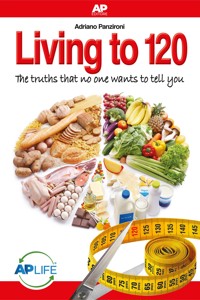
All of us, especially as we age, have faced the fear of death, which brings inherent questions, such as: When will we die? Which male? Will we have to suffer? The hope of human beings is to live a healthy, full life, possibly without suffering degenerative diseases and, while we are at it, for as long as possible. Because man can live up to 120 years without diseases but the current life expectancy is 80 years and already at 40 we suffer the symptoms of degenerative diseases. Traditional medicine is focused on treating the symptoms of diseases, but is far from solving the causes while it is now well known that diet and lifestyle are the main cause of the greatest health catastrophe of all time. In this book you will discover why the most evolved being on the planet is actually also the sickest and will teach you how to reverse course towards a longer and healthier life. You will know the factors that lead to the decline of our physique and the causes that lead to old age. Above all, emphasis is given to the surprising and effective solutions that scientists from all over the world have experimented with in recent decades.
Das E-Book können Sie in Legimi-Apps oder einer beliebigen App lesen, die das folgende Format unterstützen:
Veröffentlichungsjahr: 2024
Ähnliche

















Adriano Panzironi
Living to 120
The truths that no one wants to tell you
www.aplife.net
Adriano Panzironi
Living to 120
The truths that no one wants to tell you
Art Director: Benedetto DionisiGraphic layout: www.yellowfrogfactory.itBack cover photo: Romana Rostolis
AP Editore srl© First Edition: December 2023
Contactwww.aplife.net
Printed in Italy by PuntoWeb S.r.l. - Ariccia (Roma)
The information contained in this book is in no way a substitute for the relationship doctor/patient, let alone induce readers to suspend ongoing medical therapies.
ISBN 978-88-947249-2-9
Versione digitale realizzata da Streetlib srl
Acknowledgements
The thank yous are always the most complicated part of a book because usually there are many people to thank, people who have allowed you to accomplish the dream of publishing a new literary work. In this case my thanks for this English language edition, published ten years after its first publication in Italy, cannot fail to acknowledge all those people who have encouraged and supported me over this long period. I am referring in particular to those hundreds of thousands of Italians who have decided to change their diet, abandoning the much lauded Mediterranean diet, to embrace the lifestyle that I have invented: Life 120. People who have demonstrated their appreciation for my work as scientific communicator, by buying copies of my book (many of which have been gifted to their family doctors), or choosing to purchase the supplements of my AP Life line, thus allowing me to continue the tough battle against dogmatic medicine and spread Life 120 to all American citizens.
My heartfelt thank you!
Adriano
Introduction
Right from the outset of this editorial/social project, I met and talked with doctors, sports coaches and friends, sharing the results of my complex research with them. But after having revealed my intention in writing this book, the question that I was most often asked was whether I was a doctor or whether I had studied food science. Essentially, I was being asked what authority and what expertise I had to be considered credible in publishing a work dealing with such thorny and controversial medical topics.
The questions seemed designed to expose my conceit in setting out to examine subjects that weren’t part of my background.
We are generally used to believing any type of information only if it comes from sources that can boast academic titles or “classic” scientific certifications. In practice we believe that the person who is telling us the information is more important than the actual information. It’s like reading a piece of news and doubting whether the event actually took place based on the journalist who wrote the article.
Personally I have a different approach to knowledge. I am used to accepting the information that reaches me without prejudice, independently of its messenger, but I am equally meticulous in checking the authenticity of the material. This approach has shaped my work as a reporter, which I began when I was seventeen years old, and it has allowed me to keep an open mind and to write this book today.
“Living to 120” is an expert and targeted collection of medical and scientific discoveries made by doctors, distinguished academics and Nobel Prize winners – discoveries that in most cases are not available to the general public.
I have tried to describe complex chemical processes, usually explained in abstruse medical language, in simple terms with examples, diagrams and analogies. The aim is to allow everyone to easily understand how food and lifestyle are the basis of our health. The research, in-depth analysis and writing process, which lasted for over a year, could be the start of a personal journey of dietary awareness for each one of us.
All the files and research carried out, which form the basis of my work, are available at the www.aplife.net website. If you are willing to put aside any preconceptions you may have held in the past, I hope that the work carried out up to this point can be of inspiration or simply stimulate your curiosity.
How to read the book
Before I started to write this book, I asked myself how I could bring the widest audience possible to understand very complex concepts. This work is aimed at the average citizen with a sufficiently variegated culture but with little to no knowledge of medical, food and nutritional topics.
How can people understand the problems faced by our metabolism with certain foods if they don’t know the basics of these mechanisms?
The answer is simple: by restarting from the basic biology of our body, without getting into too many details, which would not be useful but would simply confuse the reader. This is why the second part of the book explains the biological mechanisms that regulate our body, which is essential information to fully understand this work. The following chapter is dedicated to explaining the diseases that afflict man. Only after you have read about these two aspects, will you be ready to understand the causes that have transformed the most perfect being on the planet into the most ill. The final part illustrates ways to live a longer and healthier life.
So I encourage you to read the book in full, without skipping any chapter. I assure you that it’s the only way to completely understand its meaning. Certain technical paragraphs have been highlighted in bold, to differentiate these parts from the rest of the text, which is generally more fluid. This way you can decide whether to settle for the information in the paragraphs or examine the argument in depth by reading the parts in bold.
Happy reading
Index
FOREWORD
BEING CENTENARIAN
FIRST PARTMANY YEARS AGO
Our ancestors
The arrival of agriculture
The industrial revolution
The food revolution
Comparing diets
Lifestyles compared
Physical activity compared
What awaits us?
A wish for freedom
SECOND PARTHOW OUR BODY WORKS
Section one - OUR BODY
Ch. 1 - THE CELL
The cell membrane
The cytoplasm
The nucleus
The mitochondria
The ribosomes
The endoplasmic reticulum
The Golgi apparatus
The lysosomes
The centrioles
The cytoskeleton
Ch. 2 - OSMOTIC BALANCE IN CELLS
The sodium-potassium pumps
Ch. 3 - CHANGING CELL POLARITY
Ch. 4 - THE EXTRACELLULAR MATRIX (ECM)
The fibrous proteins
The GAGs (glycosaminoglycans)
The activity of the extracellular matrix
Ch. 5 - OUR DIGESTIVE TRACT
Macronutrients
Carbohydrates
Proteins
Fats
Digestion starts from the mouth
Bacterial flora
Prebiotics
Ch. 6 - WHAT HAPPENS TO SUGAR (GLUCOSE) IN OUR BODIES?
The glut
Insulin
The glycemic index
The glycemic load
How to limit the glycemic load
Glucagon
Ch. 7 - WHAT HAPPENS TO FAT IN OUR BODIES?
The metabolism of fats
Triglycerides
Phospholipids
Cholesterol
Lipoproteins
VLDL and LDL
HDL
What causes cholesterol to increase?
Omega-6 fatty acids
Arachidonic acid
Eicosanoids (bad)
Omega-3 fatty acids
Benefits of omega-3 fatty acids
How to contrast bad eicosanoids
Ch. 8 - WHAT HAPPENS TO PROTEIN IN OUR BODIES?
The various uses of amino acids
Amino acids used for building
Amino acids used for energy
Where do we find essential amino acids
The quality of amino acids
Biological value (BV)
Net protein utilization (NPU)
Protein efficiency ratio (PER)
Considerations on the quality of proteins
Ch. 9 - FIBERS
Soluble fibers
Insoluble fibers
Which fibers are better?
Energy value of fibers
Phytic acid
Ch. 10 - THE CELL AND THE ENERGY MECHANISMS
The ATP molecule
Wwhere are the ATP produced
Energy production via glycolysis
Energy production in the Krebs cycle
The difference between the two energy processes
Ch. 11 - THE CIRCULATORY SYSTEM
How does the heart work
The blood
The arterial circulatory system
The venous circulatory system
Problems of the circulatory systems
The blood pressure system
The functions of aldosterone
Chronic potassium deficiency
Problems caused by potassium deficiency
Ch. 12 - THE LYMPHATIC SYSTEM
Lymph
How is the lymphatic system composed
The lymphatic organs
Problems in the lymphatic system
Ch. 13 - THE IMMUNE SYSTEM
Monocytes
Mast cells
Lymphocytes
B lymphocytes (B cells)
T lymphocytes (T cells)
Dendritic cells (DC)
The balance of our immune system
The family of t helper cells
Ch. 14 - THE NERVOUS SYSTEM
Neurons
Electrical synapse
Chemical synapse
Serotonin
Dopamine and noradrenalin
The right balance between neurotransmitters
Ch. 15 - THE MUSCULAR SYSTEM
Three different muscular fibers
How muscles work
How does the muscle grow
DOMS
The muscle and hormone phase
Sport and anabolic hormones
Mechano growth factor (MGF)
Ch. 16 - HOW LONG CAN WE LIVE?
Cellular senescence
Why do cells die?
Why do cells decide to die?
Second part - Section two - THE HORMONES
Ch. 17 - THE GROWTH HORMONE (GH)
GH promoters
Drop in GH
Ch. 18 - THE GROWTH FACTOR (IGF-1)
Other functions of IGF-1
Promoters of IGF-1
Drop in IGF-1
Ch. 19 - TESTOSTERONE
Promoters of testosterone
Drop in testosterone
Ch. 20 - MELATONIN
Promoters of melatonin
Drop in melatonin
Ch. 21 - CORTISOL
Gluconeogenesis
Cortisol is a lifesaver
Lifestyle and cortisol
Diet and cortisol
Ch. 22 - THYROID
Target cells of the thyroid hormones
Ch. 23 - HUNGER HORMONES
Ghrelina
Leptin
Cholecystokinin
Ch. 24 - VITAMIN D
Calcium metabolism
Vitamin d and our body
Vitamin d and our immune system
Insufficient immune response
Autoimmune response and development of allergies
Results attributable to vitamin D
Tumors and vitamin D
Why is there a deficiency of vitamin D
Second part - Section threeTHE DESTROYERS OF OUR BODY
Ch. 25 - FREE RADICALS
Endogenous free radicals (ROS)
Exogenous free radicals
Damage caused by free radicals
Endogenous weapons to contrast free radicals
Superoxide dismutase
Catalysis
Glutathione
Inhibitors of glutathione
Nicotinamide adenine dinucleotide phosphate (NADPH)
Exogenous weapons to contrast free radicals
Ch. 26 - GLYCOTOXINS
Damage caused by AGEs and ALEs
AGEs, the skin and the extracellular matrix
AGEs and atherosclerosis
AGEs and DNA damage
Exogenous glycotoxins
Ch. 27 - BIOGENIC AMMINES
Histamine
Histamine receptors
Histamine damage
Endogenous weapons to fight histamine
Exogenous weapons to fight ammines
Endogenous weapons to fight other ammines
Exogenous ammines
Ch. 28 - NITROSAMINES
Nitrites and nitrates
Where are nitrites and nitrates found?
Nitrite damage
Agents that promote nitrites
Endogenous weapons against nitrites
THIRD PARTTHE DISEASES OF OUR TIME
Ch. 29 - OBESITY
Different types of obesity
New diagnostic tools
Simplified calculation to assess weight
Ch. 30 - HYPERCORTISOLEMIA
The pathologies of hypercortisolemia
Ch. 31 - ARTERIOSCLEROSIS
Endothelial dysfunction
Atherosclerosis
Other diseases of arteriosclerosis
Ch. 32 - DIABETES
Forms of type 2 prediabetes
Complications of type 2 diabetes
Ch. 33 - TUMOR
Carcinogenesis
Initiation
Promotion
Progression
Metastasis and tumoral colonization
Tumors and the insulin-like growth factor 1
Ch. 34 - STOMACH PROBLEMS
Ch. 35 - INTESTINAL PROBLEMS
Dysbiosis
Small intestinal bacterial overgrowth (SIBO)
Intestinal permeability (Leaky Gut Syndrome)
Increase in the production of biogenetic ammines
Diseases and consequences
Ch. 36 - CANDIDA
Intestinal candida
External candida
Deep-seated candida
The causes of candida
Candida and the immune system
Ch. 37 - ALLERGIES AND FOOD INTOLERANCES
The actors of the allergic response
The antigens reactive to the IGE
Ch. 38 - GOUT
Diet and gout
Ch. 39 - THYROID PROBLEMS
Ch. 40 - ARTHROSIS AND ARTHRITIS
Arthrosis
Arthritis
Ch. 41 - OSTEOPOROSIS
Causes of osteoporosis
Ch. 42 - TISSUE ACIDOSIS
The other causes of acidosis
Problems linked to blood acidosis
Problems linked to tissue acidosis
Acidosis and IGF-1
Ch. 43 - INFLAMMATION
Chronic inflammation
Chronic inflammation caused by histamine
Chronic inflammation of adipose origin
Diseases linked to chronic inflammation
Ch. 44 - PROSTATE PROBLEMS
Causes of prostatic hyperplasia
Ch. 45 - IMPOTENCE AND A DROP IN SEXUAL DESIRE
Drop in testosterone
Ch. 46 - ALZHEIMER’S DISEASE
Ch. 47 - DEPRESSION
Ch. 48 - HEADACHE
Ch. 49 - DENTAL DISEASES
Dental plaque and caries
Causes of dental diseases
Consequences of dental diseases
Ch. 50 - BALDNESS AND HIRSUTISM
Causes of baldness and hirsutism
Ch. 51 - LOSS OF HAIR COLOR
Causes of loss of hair color
Ch. 52 - HEMORRHOIDS
Causes of hemorrhoids
Ch. 53 - CELLULITE
Ch. 54 - SARCOPENIA
Ch. 55 - CAUSES OF DEATH IN ITALY
Ch. 56 - PROFITS OF THE MEDICAL INDUSTRY
Let’s talk about pharmacology
FOURTH PARTTHE HIDDEN TRUTHS
Ch. 57 - A TRUTH THAT COMES FROM THE PAST
Ch. 58 - NUTRITION AS THE MAIN PROBLEM
Ch. 59 - BETTER THE HARSH TRUTH THAN LIVING IN A DISTORTED DREAM
Ch. 60 - LET’S TALK A BIT ABOUT SUGARS
Glucose and damage to the intestine
Blood glucose regulation systems
The way of glucose
Insulin arrives
Glucose and damage to fat cells
Glucose and cell damage
Too much sugar in our modern foods
Ch. 61 - WHY DO WE ALWAYS FEEL HUNGRY?
Ch. 62 - INSULIN AND COLLATERAL DAMAGE
Insulin and high blood pressure
Insulin and cholesterol
Insulin and triglycerides
Insulin and osmotic balance
Insulin and the brain
Ch. 63 - LET’S LISTEN TO OUR BODY
The stimulus of hunger
The stimulus of thirst
Ch. 64 - CALORIE RESTRICTION AND LONGEVITY
Sirtuin promoters
FIFTH PARTINSULIN-SPIKING CARBOHYDRATES CAUSE MODERN DISEASES
Ch. 65 - OBESITY AND INSULIN-SPIKING CARBOHYDRATES
Ch. 66 - HYPERCORTISOLEMIA AND INSULIN-SPIKING CARBOHYDRATES
Ch. 67 - ARTERIOSCLEROSIS AND INSULIN-SPIKING CARBOHYDRATES
Ch. 68 - DIABETES AND INSULIN-SPIKING CARBOHYDRATES
Ch. 69 - CANCER AND INSULIN-SPIKING CARBOHYDRATES
Initiation of tumor cells
Replication of the first tumor cells
The energy system of tumor cells
Tumor micro environment
Acceleration of tumor growth
Ch. 70 - STOMACH PROBLEMS AND INSULIN-SPIKING CARBOHYDRATES
Ch. 71 - INTESTINAL DISEASES AND INSULIN-SPIKING CARBOHYDRATES
What happened so many years ago in our intestine
What happens in our intestine today
Ch. 72 - CANDIDA AND INSULIN-SPIKING CARBOHYDRATES
Ch. 73 - FOOD INTOLERANCES, ALLERGIES AND INSULIN-SPIKING CARBOHYDRATES
Ch. 74 - GOUT AND INSULIN-SPIKING CARBOHYDRATES
Ch. 75 - THYROID PROBLEMS AND INSULIN-SPIKING CARBOHYDRATES
Too much Cortisol
Too much leptin
Too much dopamine
Too many inflammatory cytokines
Autoimmune diseases
Ch. 76 - ARTHROSIS AND INSULIN-SPIKING CARBOHYDRATES
Ch. 77 - ARTHRITIS AND INSULIN-SPIKING CARBOHYDRATES
Ch. 78 - OSTEOPOROSIS AND INSULIN-SPIKING CARBOHYDRATES
Ch. 79 - TISSUE ACIDOSIS AND INSULIN-SPIKING CARBOHYDRATES
Ch. 80 - CHRONIC INFLAMMATION AND INSULIN-SPIKING CARBOHYDRATES
Ch. 81 - INFECTIOUS DISEASES AND INSULIN-SPIKING CARBOHYDRATES
Ch. 82 - PROSTATE PROBLEMS AND INSULIN-SPIKING CARBOHYDRATES
Ch. 83 - IMPOTENCE AND INSULIN-SPIKING CARBOHYDRATES
Ch. 84 - ALZHEIMER’S AND INSULIN-SPIKING CARBOHYDRATES
Too much and too little glucose
Too many free radicals
Too much acidity
Neurotransmitter imbalance
Excessive histamine production
Ch. 85 - DEPRESSION AND INSULIN-SPIKING CARBOHYDRATES
Ch. 86 - HEADACHE AND INSULIN-SPIKING CARBOHYDRATES
Ch. 87 - DENTAL DISEASES AND INSULIN-SPIKING CARBOHYDRATES
Ch. 88 - BALDNESS AND HIRSUTISM AND INSULIN-SPIKING CARBOHYDRATES
Ch. 89 - LOSS OF HAIR COLOR AND INSULIN-SPIKING CARBOHYDRATES
Ch. 90 - CONSTIPATION, HEMORRHOIDS AND INSULIN-SPIKING CARBOHYDRATES
Ch. 91 - CELLULITE AND INSULIN-SPIKING CARBOHYDRATES
Ch. 92 - FAILURE TO REBUILD OUR BODY
SIXTH PARTUSING SUPPLEMENTS TO FIGHT MODERN DISEASES
Ch. 93 - OBESITY AND SUPPLEMENTS
Ch. 94 - HYPERCORTISOLEMIA AND SUPPLEMENTS
Ch. 95 - ARTERIOSCLEROSIS AND SUPPLEMENTS
Ch. 96 - DIABETES AND SUPPLEMENTS
Ch. 97 - CANCER AND SUPPLEMENTS
Ch. 98 - STOMACH PAIN AND SUPPLEMENTS
Ch. 99 - INTESTINAL DISEASES AND SUPPLEMENTS
Ch. 100 - CANDIDA AND SUPPLEMENTS
Ch. 101 - FOOD INTOLERANCES AND ALLERGIES AND SUPPLEMENTS
Ch. 102 - GOUT AND SUPPLEMENTS
Ch. 103 - THYROID PROBLEMS AND SUPPLEMENTS
Ch. 104 - ARTHROSIS AND SUPPLEMENTS
Ch. 105 - ARTHRITIS AND SUPPLEMENTS
Ch. 106 - OSTEOPOROSIS AND SUPPLEMENTS
Ch. 107 - TISSUE ACIDOSIS AND SUPPLEMENTS
Ch. 108 - CHRONIC INFLAMMATION AND SUPPLEMENTS
Ch. 109 - INFECTIOUS DISEASES AND SUPPLEMENTS
Ch. 110 - PROSTATE PROBLEMS AND SUPPLEMENTS
Ch. 111 - IMPOTENCE AND SUPPLEMENTS
Ch. 112 - ALZHEIMER’S AND SUPPLEMENTS
Ch. 113 - DEPRESSION AND SUPPLEMENTS
Ch. 114 - HEADACHES AND SUPPLEMENTS
Ch. 115 - BALDNESS, HIRSUTISM AND SUPPLEMENTS
Ch. 116 - LOSS OF HAIR COLOR AND SUPPLEMENTS
Ch. 117 - CONSTIPATION, HEMORRHOIDS AND SUPPLEMENTS
Ch. 118 - CELLULITE AND SUPPLEMENTS
Ch. 119 - SARCOPENIA AND SUPPLEMENTS
SEVENTH PARTWHAT TO EXPECT FROM LIFE 120
Ch. 120 - RESULTS IN PHYSICAL APPEARANCE
Ch. 121 - PSYCHOLOGICAL RESULTS
Ch. 122 - RESULTS ON HEALTH
Ch. 123 - A NEW WAY OF EATING AND CALORIE RESTRICTION
Ch. 124 - WHAT BLOOD TESTS TO DO
EIGHTH PARTSOLUTIONS FROM LIFE 120
section one - SOLUTIONS FROM YOUR DIET
Ch. 125 - WHY DIETS DON’T WORK
Ch. 126 - “OBESIVE” ATTITUDES
Ch. 127 - A NEW WAY OF EATING
Ch. 128 - WHAT TO EAT EVERY DAY
Is cooking a dish of pasta simpler and faster?
What should i eat in the morning?
What should i eat mid-morning or in the afternoon?
What should i eat for lunch and dinner?
What should i eat if i’m out?
So what foods should i banish from my table?
What foods can i eat without restrictions?
Are sweets banned from my diet?
Eighth part - section twoSOLUTIONS FROM PHYSICAL ACTIVITY
Ch. 129 - PHYSICAL ACTIVITY
Physical activity for the musculoskeletal system
Physical activity for the metabolism
Ch. 130 - EXERCISE TO INCREASE MUSCLE MASS
The best doms for muscle growth
DOMS and lactic acid
DOMS in Life 120
Concentric and eccentric movements
How to train, “Life 120” style
Eighth part - section threeSOLUTIONS FROM SUPPLEMENTS
Ch. 131 - SUPPLEMENTS
Ch. 132 - VITAMINS
Vitamin A (retinol equivalent)
Vitamin B1 (thiamine)
Vitamin B2 (riboflavin)
Vitamin B3 (niacin)
Vitamin B5 (pantothenic acid)
Vitamin B6 (pyrodoxine)
Vitamin B7 (inositol)
Vitamin B8 (biotin)
Vitamin B9 (folic acid)
Vitamin B12 (cobalamin)
Vitamin C (ascorbic acid)
Vitamin E
Alpha-lipoic acid (vitamin N)
Coenzyme Q10 (vitamin Q)
PABA (para-aminobenzoic acid)
Ch. 133 - MINERAL SALTS
Manganese
Magnesium
Chromium
Iron
Phosphorus
Potassium
Copper
Selenium
Zinco
Molybdenum
Boron
Iodine
Calcium
Ch. 134 - AMINO ACIDS
Arginine
Carnitine
N-acetyl cysteine (NAC)
Glycine
Glutamine
Methionine
Proline
Taurine
Ornithine
Ornithine alpha ketoglutarate
Lysine
Tyrosine
Phosphatidylserine
Ch. 135 - SPICES AND NATURAL EXTRACTS…
Turmeric
Black Pepper
Cinnamon
Ginger
Oregano
Cloves
Magnolia extract
Tribulus Terrestris
Ginseng
Cordyceps sinensis
Rhodiola Rosea
Theanine
Schisandra
Ch. 136 - BIOFLAVONOIDS
Epigallocatechin gallate
Resveratrol
Quercetin
Pycnogenol (OPC)
Hesperidin (flavonoid of citrus fruits)
NINTH PARTTHE LIFE 120 WORLD
Ch. 137 - LIFE 120 SUPPLEMENTS
The Vitamin C
The Spice
The Antioxidants
The Omega 3
The Multi Vitamin
The Melatonin
The Anti-Stress
The Amino Acids
The Vitamin D
Ch. 138 - HOW TO ENTER THE WORLD OF LIFE 120…
Ch. 139 - LET’S TAKE BACK OUR FUTURE
Foreword
With advancing age we have all faced up to the fear of death, which implicitly includes questions, such as:
When will we die? How will we die? Will we suffer?
Human beings usually hope to live a healthy and full life, without having to suffer from degenerative diseases – and, while we are at it, to live as long as possible.
What is the age limit imposed by nature on a human being’s life?
When we are younger (20-30 years old) the current life-expectancy seems substantial (78 for men; 81 for women). But as the years go by (after 40-50 and especially after 60-70), we start asking ourselves if that limit is inevitable or if, on the contrary, something can be done to overcome it. This hope is strengthened when we hear about people who have lived to 120 or even 135 years of age (only one case), or simply when we realize that more and more people we know, friends or family or friends’ relatives, easily live to 90 years of age. At the same time, though, we are struck by the news of young people who are close to us who die from lightning-fast tumors, ictuses and heart attacks.
In actual fact there is a progression in the rise in average life expectancy, with a trend of an additional 1.5 years for every decade. Medicine and pharmacology have certainly played a fundamental role in this, helping debilitated people for years with all types of medicines: to lower blood pressure, avoid ictuses or keep diabetes in check. Official medicine cures every symptom of degenerative diseases without, however, eradicating them, thus compromising our equilibrium and making us live our final years like zombies.
We can certainly define these as years snatched from death, but at what cost?
There are elderly people who are forced to live in suffering, and others who, fed up with the situation, let themselves die.
On the other hand, certain people comfortably live to over one hundred years of age in good physical and mental health.
What is the reason for this difference?
In this book you will find the answers to questions that we have all asked ourselves. You will find out about the mechanisms that govern the body, the factors that lead to the decline of our physique and the causes behind aging. Most importantly, we will highlight surprising and effective solutions that scientists across the world have been experimenting with in recent decades. These scientists are inexplicably snubbed by official medicine and the pharmaceutical industry – perhaps because greater knowledge on the part of the patient could demolish the ivory tower and the substantial profits enjoyed by the latter groups.
Being centenarian
In articles about centenarians, journalists often highlight scientific studies about the possible secrets that have allowed these lucky individuals to reach such a ripe old age. Teams of scientists have devoted themselves to discovering the mysterious gene involved in this process. If, on the other hand, we were to stop to analyze the diet and lifestyle of ultracentenarians in different parts of the globe, we would discover that, despite their different cultures, their diet is based on lots of fruit and vegetables, fish, and meat, and few carbohydrates. And most importantly, a total number of calories that doesn’t exceed 1,200. They also share an existence with low levels of stress, a fulfilling social life and constant involvement in low-impact sporting activities. As far as their clinical values are concerned, all centenarians have low levels of low density lipoproteins (LDL) in the blood, low blood pressure, a low percentage of body fat and no chronic degenerative diseases.
Forget about a special gene!
Studies on the other members of families containing centenarians have shown that genetics has nothing to do with it. Once they have moved to other places and changed their diet and type of food, the average mortality of these family members become similar to that of the people of the country that they emigrated to.
Centenary longevity is a goal that can easily be achieved, especially now that viral diseases have been eradicated and general hygiene has been improved. I have intentionally not mentioned the significance of pharmacology, as centenarians often don’t use medicines.
Statistics on centenarians in Italy reveal an increase in people who live to 100 year of age. In 1921 only 49 people reached that age, as compared to 7,767 in 2004 and 16,145 in 2011.
In the future, the numbers will be even more impressive: it is estimated that by 2050 there will be 472,000 centenarians in China, 298,000 in the United States, 272,000 in Japan and 111,000 in India.
Statistics in particular have revealed that in the future the population will be divided into two classes: the most numerous will consist of chronic sufferers (who will drag their suffering out to 90 years of age), while the minority will be an elite of super-centenarians (older than 110 years of age), who will live harmoniously and without illness. Deciding which category we want to be part of is the result of conscious decisions made today, and not a question of lucky genes.
first part
Many years ago
Introduction first part
You will certainly be familiar with Darwin’s theory, which states that the animals of the planet (man included) evolved from single-cell organisms about 3 billion years ago. Each one followed its own incredible evolutionary journey which reached significant biological differences.
This theory also refers to the ability of living begins to adapt to changes in their habitat, whether biological, climate or of any other nature, in order to render them more competitive and therefore avoid extinction. Obviously the genetic mutations of the DNA are very slow and are transmitted to subsequent generations, requiring hundreds of thousands of years to be completed.
For example, we believe that man, as we know him today (Homo sapiens), appeared about three million years ago. The planet’s biological clock, unlike our perception of time (seconds, minutes, hours, years), runs on thousands, tens of thousands, hundreds of thousands or millions of years.
What has all this got to do with longevity?
In order to understand the secret of longevity, and to live a life without illnesses, it is fundamental to have a good understanding of our evolution. In practical terms, we mustn’t look forward, to search for miraculous drugs, but rather we must simply glance at our past.
Let’s take one step at a time.
OUR ANCESTORS
If you happen to have a chat with an anthropologist (I’m joking, all you have to do is search the internet), they would tell you that our ancestors (3 million years ago) were classified as hunter-gatherers. Human beings lived in small groups that fed themselves by hunting, fishing or gathering fruit, berries or roots. Their diet was based on protein, fats, vegetables and fruit. Their physical activity was constant, as they had to walk to find food to gather or to hunt animals. They went to bed early and woke at dawn, following the circadian rhythms. They spent their days peacefully, with their families or clan.
Basically our ancestors did not know what stress was. In fact, except for certain tense moments, probably due to being attacked by some wild animal or during the hunt, they didn’t suffer from stress linked to work, personal ambition and urban chaos. In short their life was totally different from ours, both in terms of nutrition and lifestyle.
It’s no accident that research carried out by forensic anthropologists on human remains have not found evidence of degenerative diseases such as tumors, heart attacks or diabetes.
Contrary to what we believed up to now, our ancestors could live even up to sixty years of age and the main cause of death was due to violent or infective events. Homo sapiens lived harmoniously, feeding themselves with an organic, local diet for a million years. And before him, Homo erectus, 1,500,000 years ago and even earlier Homo habilis 3,000,000 years ago.
Let’s try to imagine the metabolic mechanisms that have perfected themselves over time, with the innate intention of managing our ancestors’ organism more efficiently.
The assimilation of vitamins, minerals, fats, sugar and the production of hormones, followed a perfect system that was able to counteract and correct the negative elements of the time with utmost efficiency.
At a certain point everything changed!
THE ARRIVAL OF AGRICULTURE
In thousand years ago human beings started moving away from the tropical forests where he could count on an unlimited quantity of fruit and vegetables and began organizing themselves in settlements, dedicating themselves to agriculture (initially based on cereals) and domesticating animals. This marked the introduction of the first cereals in our ancestors’ diet. This diet, which up to that point had been a balance of protein, fat and carbohydrates (from fruit and vegetables and therefore rich in fiber, mineral salt and vitamins), was disrupted with the substantial use of bread and starchy vegetables (such as pulses). Men organized themselves firstly in villages and subsequently in increasingly numerous settlements, where their diet, by force of circumstances, became poorer and less rich in nutrients. More and more people could not afford a varied diet of fruit, vegetables, meat and fish, whilst it became increasingly easier to grow cereals, to meet the nutritional needs of the inhabitants of the growing cities.
At the time of the ancient Egyptians, there was considerable use of cereals, and the incidence of cardiovascular diseases was identical to the present day. This similarity was noted by anthropologists studying the customs, traditions and diets of the time, by analyzing the mummies found in the sarcophagi.
THE INDUSTRIAL REVOLUTION
With the beginning of the recent Industrial Revolution there was an incredible growth in the population of cities, due to the exorbitant demand for labor in the new factories, to the detriment of rural areas devoted to agriculture and animal husbandry. Millions of people entered the factories and were subjected to work shifts of up to eighteen hours a day. Along with the huge and unnatural toil, the diet became poorer in nutrients, increasingly giving way to cereals, which were certainly cheaper and easier to consume.
A family at the time could rarely afford a meal based on meat or fish. We must not forget that industrialization also affected the food market, which up to then had been solely based on small, local production. This period saw the arrival of the first preserves in aluminum cans.
Civilization responded to the need of providing food that could be preserved for a long time to millions of people living in cities.
In order to speed up the production in the fields, preserve products for a long time, color them in a presentable manner or simply give them flavor, there emerged a massive and reckless use of dozens of chemical products. (This unsustainable free-for-all continues today: see the use of genetically modified organisms.)
The destruction of the natural diet was complete!
THE FOOD REVOLUTION
You will certainly have heard of junk food.
What is junk food?
If we asked anyone in the street they would probably say that junk food is what you find at McDonald’s. As if the cause of obesity depended solely on this or that fast-food chain.
Do you think that an obese eight-year-old child spends her whole day eating hamburgers?
If it was that simple, all we would have to do is close all fast food restaurants.
Unfortunately real life is much more complicated. We are actually invaded by junk food. It is advertised on all television channels and in print, and strategically positioned in supermarkets. We are referring to snacks, chocolate, candy, chips, carbonated soft drinks, energy drinks, cookies and breakfast cereal. All this food is even marketed as healthy. But in truth, these tempting products, consumed daily, are the cause of the biggest health emergency ever faced by Western countries.
COMPARING DIETS
Our diet today consists of about 60-70% complex and simple carbohydrates (bread, pasta, pizza, rice, beans, potatoes, sugar, starchy food) and only 20% protein and another 20% fat.
The food pyramid promoted by the World Health Organization (WHO) is the result of the spasmodic race to limit the consumption of fats, considered the cause of obesity, and promote carbohydrates considered healthy.
Allow me a small observation. In recent years, due to this atrocious food policy, there has been a 30% drop in the consumption of fat whilst at the same time there has been a 500% rise in obesity. Doesn’t it strike you as odd?
And yet if you talk to your physician or your dietician, they will certainly tell you that carbohydrates are the energy of our bodies, without which we wouldn’t even be able to stand up. At this stage certain questions are in order.
How did man live before cultivating cereals, potatoes and pulses? How did native Americans, who were great hunters, live in excellent physical shape up to seventy years of age without cultivating the land?
How did the great populations of history, such as the Mongol conquerors (Genghis Khan) or the famous barbarian hordes that destroyed the Roman Empire, not only stand up but also fight with such zeal?
These populations certainly didn’t have problems in standing up for themselves, and you can be sure that they didn’t follow our current food pyramid, with its emphasis on carbohydrates, which were unknown to them.
The differences between us and them are fundamental.
In the past, the ancestral diet included the daily consumption of meat, fish, eggs, fruit and vegetables that nature provided in abundance. There were considerable fats and protein with few carbohydrates (only those from fruit and vegetables).
Our diet, on the other hand, includes the daily consumption of pasta, bread (cereals in general), pulses, fruit and vegetables (the only food we share with our ancestors), and meat or fish three times a week. Our modern diet has a chronic deficiency of protein and an abundance of calories, from sugar and carbohydrates, which our body manages inefficiently and dangerously. The other substantial differences are in the quality of the fruit, vegetables and protein. In the past the concentrations of vitamins and mineral salts and antioxidants were very high. Today these same products, apart from containing a tenth of those elements, are rich in toxic substances (nitrates, fertilizers, etc.) that are detrimental to our health.
As far as animal proteins are concerned, in the past man would eat offal (liver, heart and intestines, rich in vitamins and mineral salts), unlike today where nobler cuts are preferred (filet), which are certainly less nourishing. Moreover animals grazed in the wild, eating grass (replaced today by cereals) and the quantity of omega 3 and omega 6 was much more balanced (not to mention today’s use of hormones and drugs).
Cooking methods were different too.
In the past, people ate a lot of raw meat and fish, as well as vegetables, Today we have invented countless ways of cooking food (steamed, roasted, grilled, microwaved, fried), that both considerably decrease the quality of our food (destroying antioxidants and vitamins) and change its composition (proteins, fats and sugar), generating advanced glycation end-products (Ages and Ales, which we will examine later on). Still, we should count ourselves lucky because, while certain animal species have become extinct due to less significant changes in their habitat (maybe just a two degree change in temperature), we manage to survive (even though we have completely changed our diet) diseased, helped by our intelligence, the unrestrained use of drugs, and the power of modern medicine.
LIFESTYLES COMPARED
In a few generations we have moved from caves to super-accessorized apartments. We have gone from verbal communication to long-distance communication (telephone). Small family groups have been transformed into huge cities inhabited by strangers.
Our incredible intelligence has thrown us into an ultra-modern world, but with the body of our Stone Age ancestors. If we try to imagine the complexity of our body and how it has taken millions of years for it to become an efficient machine, able to resolve the problems of the Paleolithic Age, we can likewise imagine that our body is incapable of managing present-day problems.
For example, evolution has created mechanisms to manage moments of danger, by readying us for a quick response. In fact, when we face danger (in the Paleolithic Age this might have been a ferocious animal), our brain increases our heart rate, blood pressure and the availability of sugar in our blood stream, from our proteins. All this improves our attention, strength and speed.
But how often do we need to prepare for hand-to-hand combat today?
Not often, but we are bombarded by stressful events that, without wanting to, trigger the same mechanism. If in the past our environment would trigger our fight-or-flight response once a day, today there are hundreds of daily stimuli that trigger this mechanism, making us live a stressed life, always on guard. This is also the result of an increasingly competitive lifestyle (such as chasing after the latest car model to appear successful) to the detriment of our peace of mind, which, on the other hand, should distinguish our existence.
PHYSICAL ACTIVITY COMPARED
Another fundamental aspect of our life that is very different as compared to our progenitors’, is physical activity. Bones, cartilage and muscles have undergone an extraordinary process of refinement over millions of years. In the past, man would cover great distances (to hunt or move camp) slowly but constantly. They would also stop to rest before setting off again. Physical effort was characterized by extreme moments (in the case of fights) that lasted a short of amount of time. Today we do the opposite. The modern population can be divided into three distinct categories:
- One part of the population doesn’t move at all, uses the car for everything, sits down for many hours (office, car, bar, cinema) and doesn’t do any sports.
- Another (smaller) part does some form of sport occasionally but excessively, such as running for hours, playing tennis or football once a week for two hours (it is no coincidence that deaths due to heart attacks are also numerous at younger ages).
- A third even smaller part (athletes) do a sporting activity every day, forcing their body to perform movements that can even be exhausting and extreme.
So we either have a degeneration of muscles and bones due to a lack of movement or, at the opposite end of the scale with excessive sport, we have a wearing away of cartilage and bones.
A healthy and controlled physical activity improves the conditions of our body, whilst a lack of activity or an excess amount of sport are deleterious or even fatal.
WHAT AWAITS US?
I have always been fascinated by American society, which, with its excesses, both positive and negative, has always been a forerunner of modern life, as we Westerners understand it. Numerous social changes that have first taken place in America are found, a few decades later, in the Old World. This happened in the pre-internet era, when information took a long time to travel. Today, the god internet is everywhere at all times, as fast as thought, and the speed of information and the capacity for assimilation and standardization is no longer stifled by geographical barriers.
In 1995, I went to the US, and seeing as how I like getting to know the real life of the countries I visit, I rented a car. I visited a dozen cities, including New York and Miami. They were all very different from each other, but they all had something in common: the size of the food packages in the supermarkets. In fast-food restaurants, they sold cola by the liter, hamburgers were double the size of our European ones, and chicken wings came in five pound buckets. Obviously it was very easy to meet people who were obese, more so than in Europe, but it wasn’t at striking levels.
In 2005, I returned to the US and I was truly shocked. Walking along the streets it was impossible to see slender men or women. Practically in just ten years, everyone had become overweight and, without exaggerating, at least 20% of them, were truly super-obese. I witnessed incredible situations, such as people needing two chairs to sit down. But what really scared me was the belief of overweight people, who didn’t realize they had excess weight, that they felt fit and were convinced that they didn’t have a problem. In other words they had changed their perception of wellbeing and their idea of beauty.
What awaits us in Italy?
To be honest, I don’t know how to answer this question. What I can say is that in recent years we have seen a physical degradation that seems to have become normal. As in the US it is increasingly difficult to find slender people here, too.
The data shown in the statistics is very distant from reality.
We are really underestimating the problem.
The Italian National Statistics Institute (ISTAT) counts that there are one million obese people in Italy. This number has risen by 30% in the last ten years. At a cursory glance these statistics are not so worrying.
But what is worrying is what they don’t say, and that is: how many people are close to being overweight?
Because as is well known, whoever’s on the edge sooner or later falls in. Especially in Italy where people up to thirty years of age have undergone a change in the way they assess their wellbeing and physical shape. Today, having love handles is no longer perceived as a problem, while it’s a sign that our metabolism has started to suffer, on the way to being overweight at 40 and obese by 60.
A WISH FOR FREEDOM
The most oppressive tyrannies have been defeated through the freedom of information. What we saw on our televisions or phones about the Arab Spring or the current massacres in Syria has been made possible by the arrival of the internet. It has also allowed oppressed people to increase their visibility in the media and, in turn, to see the freedom experienced in most places across the globe, and therefore to demand it for their country.
When we see what happens around the world, we Westerners are convinced that we live in freedom and democracy, but do we know what our actual degree of freedom consists of?
Have we realized that there is someone above us (an oligopoly of economic subjects such as banking groups, financial holdings, pharmaceutical companies, private clinics, food distribution multinationals, etc.) who wants to keep us ignorant and then draw profit from an increasingly ill world?
I want to show you an example.
Do you know that in Italy there are 5,000,000 people being cured for diabetes? And they will carry on being cured for the rest of their lives.
That’s a good business! Don’t you think?
And yet there is a “different way,” one that would allow us to deal with every illness: tumors, diabetes, Alzheimer, Parkinson and any other generative dysfunction.
This way is called “knowledge.”
I hope that this book will contribute to clearing the fog produced by the multimillion dollar advertising budgets of companies producing junk food and allow us to see food for what it is. Raising the awareness of consumers about what they eat will render them free to make their choices with a clean conscience.
second part
Howour body works
Our bodyHormonesThe destroyers of our body
second part – section one
Our body
Introduction section one
Right now, while you are reading these lines, I want you to reflect on how extraordinary the evolution of our body is. A true miracle that we tend to take for granted, without recognizing its actual greatness. Our organism is a complicated amalgamation of atoms and cells, organized in such a perfect way to allow us to breathe, move and think – in other words to live.
Man is the final phase of the evolution of a single-cell microorganism that appeared in the primordial soup of the first oceans, about two to three billion years ago. Often concerned by our day-to-day worries, we forget and underestimate the beauty of our life and the perfection of our existence.
Many of us aren’t at all concerned with knowing how our body works. We just use it (and abuse it). Sometimes, when we buy a simple household appliance, we worry about reading the instructions before switching it on. At the same time, we don’t show the same concern for our body, apart from when health issues arise and we have to place it at the center of our attention. In this case too we prefer to turn to the medical profession, rather than take our destiny in our own hands. We settle for the doctor’s prognosis, without getting to the heart of the knowledge and developing our own awareness.
If we really want to live longer and more healthily, we have to get to know our body, understanding the mechanisms that govern it. Only then will we be able to formulate our own opinion, independently of the medical community and the impositions of the pharmaceutical lobbies, which are totally unconcerned with people’s health and well-being.
I therefore suggest that you pay a good deal of attention to the first part of this book, which examines the mechanisms that make our body work. You will certainly find, initially, a degree of difficulty in understanding them, especially if you do not have any previous knowledge on the subject. But I assure you that it is a necessary, and by no means prohibitive, sacrifice, which will let you understand what is preventing us from living healthily and for longer, up to 120 years of age.
The cell
Chapter 1
The cell is the smallest part of every living being and its number determines the dimension of the organism (in the animal and vegetable word there are single-celled and multicellular organisms). The cell is so small that it cannot be seen with the naked eye. Its average diameter is 0.01 mm (one hundredth of a millimeter). In our body there are four different macro types of cells:
- nerve cells (concerned with the communication of the body);
- epithelial cells (that form, for example, the skin, the walls of the intestine, the veins-arteries, etc.);
- connective tissue cells (that make up the skeleton and the extracellular matrix);
- muscle cells (elastic).
These 4 macro types contain dozens of different cells, each one with a different life cycle. For example red blood cells live only one hundred and twenty days, skin cells about twenty days, intestine cells seven days and white blood cells die after just two days. On the other end of the scale, muscle and nerve cells accompany the organism throughout its life. Altogether it’s been calculated that about one hundred billion cells die every day. All cells, however different from each other, have a membrane (cytoplasmic) that encloses an aqueous liquid, the cytoplasm. Inside the cytoplasm there is the nucleus (within the nuclear membrane) and various organelles (mitochondria, ribosomes, lysosomes, endoplasmic retic-ulum, Golgi apparatus, centrioles), each of which performs different functions.
THE CELL MEMBRANE
The cell membrane, also called the cytoplasmic membrane, consists of a double layer of lipids (phospholipids and cholesterol), positioned externally and a layer of protein internally. This membrane protects the content of the cell, by letting through only substances that it needs (nutritive elements) and letting toxic substances out (such as waste material).
This selection is performed through certain “antenna molecules”, that are able to recognize the composition of substances, allowing or blocking their passage through the membrane. Moreover there are special “doors” on the surface of the membrane, called sodium-potassium pumps, that allow these two minerals to cross the membrane in both directions. Only oxygen and carbon dioxide, and water especially, cross the cell membrane spontaneously.
THE CYTOPLASM
The cytoplasm (or cytosol) occupies about 50% of the cellular volume. It is a thick, semi-transparent, elastic and gelatinous fluid, composed mainly of water. All the cell organelles are suspended in the cytoplasm and it is the place where all the cellular activities are carried out, including the production of energy from glucose (glycolysis). Various elements necessary for the cell are dissolved in the cytosol, such as mineral salts and organic substances. 95% of our body’s potassium (the remaining 5% is in the extracellular matrix) is contained inside the cells.
THE NUCLEUS
The nucleus is the “thinking head” of the cell (it accounts for 6% of its volume) and it is responsible for programming all the cellular activities. The nucleus is enveloped by another membrane, the nuclear membrane, that has lots of small holes (nuclear pores), through which substances pass from the cytoplasm to the nucleus. Inside the nucleus there is the DNA (divided into 23 pairs of chromosomes) containing all the genetic information that will allow, during the cellular division, the creation of a twin cell. There is another (denser) body inside the nucleus, called the nucleolus.
THE MITOCHONDRIA
The mitochondria are bean-shaped organelles that on average account for 20% of the cell volume. Their function is to produce the adenosine triphosphate (ATP) (energy particles) using fat, sugar and amino acids. This process is called cellular respiration, as it uses oxygen to synthesize the ATP.
Technical info.
The fuel used in the mitochondrion is called acetyl-CoA (acetyl coenzyme A) (molecules produced by the cell using fatty acids or molecules produced by glycolysis or by the carbon skeletons of amino acids), while the processing waste consists of water and free radicals (about 3% of the oxygen we breathe).
The number of mitochondria varies based on the quantity of energy that the cell requires.
THE RIBOSOMES
The ribosomes are organelles in the shape of two half spheres and are tasked with producing the fundamental proteins for the functions of the cell and of the extracellular matrix. To do this, the ribosomes use amino acids (twenty different ones) collecting them from the bloodstream. Based on the sequence used they can produce thousands of different proteins. The information on the correct sequence of the amino acids and the right quantities necessary to produce each single protein are provided directly by the nucleus of the cell, through the messenger molecules (messenger ribonucleic acid mRNA), in which the nucleus transcribes the genetic information. The ribosome translates the message, producing the required proteins. There are free ribosomes that introduce the protein produced directly in the cytoplasm and bound ribosomes that introduce the protein produced in the endoplasmic reticulum.
THE ENDOPLASMIC RETICULUM
The endoplasmic reticulum is the organelle that synthesizes the lipids (those not used for energy), transforms the proteins (formed in the ribosomes) or creates the receptors on the cell membrane.
Technical info.
The endoplasmic reticulum has a tubular structure and sacs known as cisternae, separated from the cytoplasm by a membrane. The reticulum can be smooth and rough.
The smooth endoplasmic reticulum (SER) is where the lipids are synthesized or toxic substances are detoxified (alcohol is neutralized in the liver cells).
Bound ribosomes unload the synthesized proteins inside the rough endoplasmic reticulum (RER). Unlike the proteins synthesized in the cytoplasm, the ones that enter the endoplasmic reticulum undergo a further chemical process, where sugar is added. The resulting substances that exit this organelle, enter the Golgi apparatus.
The endoplasmic reticulum also performs other functions (based on the cell that it is part of). For example in muscle cells it releases calcium (contained inside) in the cytoplasm, causing the contraction of the muscle cell (muscular movement).
THE GOLGI APPARATUS
This organelle takes its name from the man who discovered it in 1898, Camillo Golgi. It looks like a stack of flattened vesicles that transport the substances produced by the endoplasmic reticulum. These vesicles, once filled (they inflate) move apart (crossing the cell membrane), transporting the substances produced to the organism.
The Golgi apparatus occupies about 6% of the volume of the cell.
THE LYSOSOMES
Lysosomes are round vesicles wrapped in a membrane that separates them from the cytoplasm of the cell. Even though they account for only 1% (there are about 300) of the cellular volume, they perform functions fundamental for the survival of the cell. The vesicles contain digestive enzymes whose acidity reaches 4.5/5 degrees, as opposed to the more or less 7 degrees of the cytoplasm. Their primary task is to protect the cells from organisms such as viruses, bacteria or foreign particles that, once they have entered the cell, are ingested and digested. Furthermore they are used to eliminate other organelles (sometimes even portions of membrane), that have deteriorated and are incapable of carrying out their functions correctly (autophagy).
Another exclusive job of the lysosomes is the apoptosis (suicide) of the cell. In fact when the nucleus decides, for various reasons, to proceed with the cellular suicide, this occurs with the breakage of the membranes of these vesicles, that flood the cytoplasm with their gastric juices (acid), killing the cell (they are also called suicide bags).
THE CENTRIOLES
The centrioles are organelles (in pairs) with a hollow cylindrical structure (tube-shaped), formed of nine triplets of microtubules. They perform an essential function in the mitosis (cell division), as they are involved in the mitotic flow (the organization of the material of the mother cell, during the division into two daughter cells).
THE CYTOSKELETON
The cytoskeleton is like an internal framework of the cell that maintains its shape. It’s not rigid, but composed of filaments that ensure the elasticity of the cell.
Technical info.
The cytoskeleton consists of microtubules (hollow cylindrical structures), microfilaments (solid, but thin) and intermediate filaments (robust fibers, similar to intertwined ropes).
All three types are formed by proteins.
Osmotic balance in cells
Chapter 2
The osmotic balance of the cell refers to the principle of osmosis of liquids.
For those who don’t know what I’m talking about, I will try to explain it in simple terms.
If we take a U-shaped tube, with a semipermeable membrane in the middle and we pour two liquids with a different quantity of salts dissolved in them (e.g. sea water and drinking water) in each end of the tube, the water in the solution with less salt (in this case the drinking water), will move to the side of the salt water, until the concentration of minerals is balanced.
This phenomenon is called osmosis and it consists of the movement of a solvent from a hypotonic solution to a hypertonic solution. This chemical process occurs continuously in our organism, mainly involving the cells. In fact, the cell membranes, as they are permeable to water, are able to maintain the right quantity of fluids, based on the right balance of mineral salts dissolved internally and externally. 60% of the water in our body circulates in our cells, while the extracellular matrix (where they are positioned) contains the remaining 40%.
Consequently, a change in the mineral salts dissolved (gradients) inside the extracellular matrix is able to also change the osmotic balance in cells. The cell can in fact shrivel (if water leaks out), supported only by the cytoskeleton (which takes the shape of a three dimensional starfish) or swell, which can break the membrane and consequently destroy the cell (if too much water enters).
A fitting example: have you ever wondered why in hospitals they administer intravenous drips with saline solutions instead of simple distilled water?
Distilled water (without mineral salts) would cause an excessive absorption of water by the red blood cells (they have a greater concentration of salts in the cytoplasm), which would end up bursting. The different gradients (quantity of salts) between the two environments (cytosol and extracellular matrix), determines the passage of water inside and outside the cell. In the cytosol there is a greater concentration of potassium (95% of the quantity in our body) which counteracts the extracellular gradients. Outside the matrix there is most of the sodium (95% of the sodium in our body).
The correct ratio between these two gradients (1/1) is fundamental for the osmotic balance of the cell. When, for whatever reason, the quantity of minerals increases in the extracellular matrix (altered gradients), the cell uses special pumps positioned on the cell membrane (sodium potassium pumps), that move sodium inside the cell (letting the potassium out). Subsequently these pumps will move the potassium back inside the cytosol. Let’s see how they work.
THE SODIUM-POTASSIUM PUMP
The sodium-potassium pumps are active channels on the cell membrane that control, in the common cell, the volume, and in the nerve and muscle cells, they confer the property of excitability. Their function is to allow the active transport (that is against the gradient) inside and outside the cell, of potassium (K), sodium (Na), chlorine (Cl) and calcium (Ca).
Technical info.
The sodium-potassium pump is a protein that is able to bind the ions of K+ and Na+, but not at the same time. When the pump collects 3 Na+ ions from the extracellular matrix, it needs an ATP (an action called phosphorylation) that allows the channel to open, freeing the salt inside the cytosol. When the pump consumes its ATP, it returns to its original form (dephosphorylation), becomes similar to potassium and can allow 2 k+ ions to pass out of the cell.
The sodium-potassium pumps are fundamental for the nerve cells (neurons) and the muscle cells because the change in polarity (negative-positive) allows the production of electric impulses. In these cells this activity is activated by electric charges from electric synapses (which we will examine later) from other neurons that cause the opening of the sodium-potassium pumps. Obviously, to reach an electric potential, the change of polarity must be repeated many times and at high speed. This is why the neurons and the muscle cells have one hundred times the sodium-potassium pumps of their colleagues (which are not excitable).
Normal cells in fact have very few sodium-potassium pumps and they use them only to maintain the cell volume balanced. In fact as we saw earlier, an excessive gradient in the extracellular matrix would cause the water to leak out and the cell to shrivel. On the other hand an insufficient gradient would cause excess water to enter and the cell to burst.
Changing cell polarity
Chapter 3
As we saw earlier the quantity of minerals (atoms) dissolved in the cell (in the cytosol) and in the extracellular matrix determines their concentration (gradient). These substances have a positive (+) or negative (-) electric charge.
The two charges balance each other, as they cannot be of the same type inside or outside the cell. Normally the cytosol has a prevalence of positive charge atoms (called anions) and outside the cell (in the matrix) there are more negative charge atoms (called cations).
When the substances in the matrix and the cell are balanced in terms of quantity, their electric charge is also balanced. The balance is defined as the resting potential of the cell. If on the other hand it is outside the cell (in the matrix) there is a change in the concentrations of minerals (gradient) the sodium-potassium pumps are activated. This allows the sodium atoms to enter and the potassium and calcium atoms to exit, changing the polarity of the cell (from positive to negative), so that the cell can safeguard its integrity against osmotic and electrolytic imbalances due to alterations in the matrix (we will examine this later).
On the contrary the nerve and muscle cells use this process not to protect themselves, but to perform their job. In fact the change in polarity, repeated quickly, generates electrical signals, with which the nerve and muscle cells transmit the orders to the other cells (nerve impulse).
The extracellular matrix (ECM)
Chapter 4
The extracellular matrix can be described as a set of macromolecules, which are stable and dynamic at the same time, forming a sort of framework which contain the cells. Allow me a comparison: if you can picture the texture of cork, the empty spaces represent the cells, while the woody material is the extracellular matrix. The extracellular matrix can be found in all tissue components of the organs: vessels, nerves, epithelial tissue. For example it can assume a transparent structure (for the cornea) or calcify (to form bones) or become elastic (to form tendons). It consists of two classes of macromolecules, the glycosaminoglycans (GAGs) and the fibrous proteins.
Technical info.
The ECM consists of two main classes of macromolecules: the polysaccharide chains (of the glycosaminoglycans class: GAGs) and the fibrous chains. The extracellular matrix is present in all tissue components of the organs: vessels, nerves and epithelium.
It is also called the connective (another definition is the fundamental substance) and it determines the property of tissues. In fact it is the qualitative and quantitative organization of the macromolecules of the ECM that determine the tissue and the functional requirements of the various organs.
Let’s have a look at the composition.
THE FIBROUS PROTEINS
There are three fundamental types of fibrous proteins in the ECM: the collagen fibers, the reticular fibers and the elastic fibers.
The collagen fibers can contain 27 different combinations of chains (there are 20 amino acids) and therefore different collagens.
For example, type I collagen is found in bones, tendons, ligaments and skin.
Type II in cartilage and in the structure of the eyes.
Type III in organ tissue: liver, lungs and arteries.
Type IV in different internal organs, including the kidneys.
Type V in hair and placenta.
Technical info.




