


Erhalten Sie Zugang zu diesem und mehr als 300000 Büchern ab EUR 5,99 monatlich.
- Herausgeber: Captivating Travels
- Kategorie: Lebensstil
- Sprache: Englisch
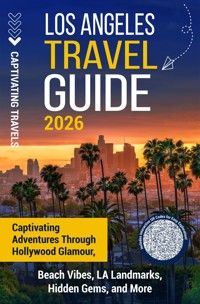
Plan Your LA Trip with a Guide Packed with QR Codes, Maps, and Over 150 Images Explore Los Angeles with this complete, practical companion for travelers who want real insight into the city. This guide helps you move smoothly from neighborhood to neighborhood, showing you how to see more and waste less time. Every section is organized for easy use, whether you're planning from home or on the go. What to expect inside: - Step-by-Step Neighborhood Guides: Hollywood, Santa Monica, Venice, Beverly Hills, Downtown LA, Pasadena, and more. - Local Dining & Shopping Tips: From classic taco stands and markets to fine dining and hidden boutiques. - Outdoor Escapes: Easy trails, scenic drives, and beaches within an hour of the city. - Sample Itineraries: One-day, three-day, and five-day plans, plus special routes for food lovers and shoppers. - Cultural Insight: A short history of Los Angeles, practical travel advice, and phrases in Spanish, Korean, and Mandarin. - And much, much more! Whether you're drawn by film history, coastal calm, local food, or art and architecture, this guide helps you experience Los Angeles with purpose and ease. Each page points you toward real experiences that suit your travel needs. Get ready to plan smarter, travel smoother, and see more of Los Angeles. Add this guide to your cart today and start your journey.
Sie lesen das E-Book in den Legimi-Apps auf:
Seitenzahl: 124
Veröffentlichungsjahr: 2025
Das E-Book (TTS) können Sie hören im Abo „Legimi Premium” in Legimi-Apps auf:
Ähnliche









Los Angeles Travel Guide
Captivating Adventures through Hollywood Glamour, Beach Vibes, LA Landmarks, Hidden Gems, and More
Table of Contents
Title Page
Los Angeles Travel Guide
Introduction
Chapter 1: Preparing for Your Trip
Chapter 2: Getting There & Getting Around
Chapter 3: Understanding Los Angeles
Chapter 4: Hollywood & Entertainment Icons
Chapter 5: Downtown LA & The Arts District
Chapter 6: Santa Monica & Venice Beach
Chapter 7: Beverly Hills & The Westside
Chapter 8: West Hollywood & Nightlife
Chapter 9: Museums, History & Culture
Chapter 10: Outdoor Escapes & Nature Spots
Chapter 11: Food & Local Dining
Chapter 12: Markets, Shopping Streets & Local Finds
Chapter 13: Hidden Gems & Local Corners
Chapter 14: Day Trips & Nearby Escapes
Chapter 15: Where to Stay
Chapter 16: Culture & Local Life
Chapter 17: Top 20 Must-See Landmarks
Chapter 18: Top 10 Photo Spots
Chapter 19: Sample Itineraries
Chapter 20: Useful Spanish & Local Phrases
Appendix: Where to Find Key Landmarks in This Guide
© Copyright 2025 - All rights reserved.
The content contained within this book may not be reproduced, duplicated, or transmitted without direct written permission from the author or the publisher.
Under no circumstances will any blame or legal responsibility be held against the publisher, or author, for any damages, reparation, or monetary loss due to the information contained within this book, either directly or indirectly.
Legal Notice:
This book is copyright protected. It is only for personal use. You cannot amend, distribute, sell, use, quote, or paraphrase any part, or the content within this book, without the consent of the author or publisher.
Disclaimer Notice:
Please note the information contained within this document is for educational and entertainment purposes only. All effort has been executed to present accurate, up-to-date, reliable, and complete information. No warranties of any kind are declared or implied. Readers acknowledge that the author is not engaging in the rendering of legal, financial, medical, or professional advice. The content within this book has been derived from various sources. Please consult a licensed professional before attempting any techniques outlined in this book.
By reading this document, the reader agrees that under no circumstances is the author responsible for any losses, direct or indirect, that are incurred as a result of the use of the information contained within this document, including, but not limited to, errors, omissions, or inaccuracies.
While every effort has been made to ensure that the information in this guide is accurate and up-to-date, travel details such as prices, operating hours, and visa requirements can change. Travelers are advised to check the latest information from relevant sources before their trip.
Introduction
A memorable sunset in Los Angeles.
In Los Angeles, streets stretch wide, and every direction leads to a new mood. You find film sets beside food trucks, surfboards beside skyscrapers, and quiet canyons above freeways that never stop moving.
Mornings are calm and bright. Afternoons pull you toward the ocean. Evenings glow with signs, music, and long lines outside restaurants. The light shifts through the day, but the city’s pace stays constant.
Neighborhoods tell their own stories. Hollywood focuses on film, but its side streets show where art and daily life meet. Downtown mixes historic buildings with sleek new towers. Venice Beach thrives on movement and noise, while Beverly Hills stays refined. Silver Lake and Echo Park prefer independence and community. Each district offers something direct and memorable.
You will eat well here. Street tacos, sushi by the coast, all-day diners, and fine tasting menus share the same city blocks. Farmers markets supply local produce to kitchens across town. Food is part of daily life, not a special event.
Nature sits close to the city grid. Trails lead up from Griffith Park to sweeping views. Beaches run for miles from Malibu to Manhattan Beach. Drives along Mulholland and the Pacific Coast Highway remind you how close the mountains and ocean stay to each other.
What to Expect Inside
An aerial view of Venice Beach in Los Angeles.
This guide gives you clear directions and practical advice. You will find QR codes linked to extra resources,full-color images highlighting key landmarks and photo spots, and easy-to-follow maps. Each chapter keeps the focus on what to see, where to go, and how to plan your time efficiently.
A Short History Los Angeles began as a small Spanish settlement called El Pueblo de Nuestra Señora la Reina de los Ángeles de Porciúncula in 1781. Its early years were shaped by ranching, trade, and migration from Mexico and Spain. By the late 1800s, the arrival of the railroad and the discovery of oil transformed the area into a growing economic hub.
In the early 20th century, the film industry found its home here. Clear skies and open land made it an ideal place for studios to work year-round. Hollywood quickly became the heart of global entertainment, setting trends and exporting culture across the world.
During and after World War II, aerospace and manufacturing expanded across the region, bringing new jobs and waves of newcomers. Over time, the city drew people from every continent, each adding their traditions, languages, and food to the mix. This blend gave Los Angeles its defining quality: a city built by progress, shaped by ambition, and sustained by diversity.
Why Visit Los Angeles Few cities offer as much range in one place. You move from beaches to mountains in under an hour. You walk through art museums, music venues, and open-air markets all in the same day. The city’s mix of film history, outdoor space, and global food scene keeps it fresh for every type of traveler.
The best months to visit are March through May and September through November. The weather stays mild, and the crowds thin out. Summer brings more visitors and higher prices, but also long beach days and outdoor festivals. Winter is quieter, with clear skies and fewer lines at major attractions.
This guide helps you see Los Angeles without confusion or delay. Follow it at your own pace, and you will find a city that rewards direct attention and steady curiosity.
Los Angeles county regions map.
Chapter 1: Preparing for Your Trip
Downtown Los Angeles.
Planning your trip to Los Angeles is easier when you prepare early. The city covers a wide area, and each neighborhood offers a different experience. With a few smart steps before you arrive, you can save time and money while staying comfortable throughout your visit.
What to Pack Pack light, with layers you can adjust through the day. A light jacket or sweater works well for cool mornings and nights. Comfortable walking shoes are a must, as many areas are best explored on foot. Bring sunscreen, sunglasses, a reusable water bottle, and a portable charger for your phone. A small backpack helps carry essentials while sightseeing.
Money and Budget Tips Los Angeles uses the U.S. dollar. Cards are accepted almost everywhere, but keep small bills for tips, parking, and street vendors. Plan for price differences between neighborhoods; dining in Beverly Hills will cost more than eating in Koreatown or Echo Park. Many museums and public attractions offer free entry days, so check schedules in advance.
Booking Ahead Los Angeles is a popular destination year-round. Book your accommodation early, especially during summer, holidays, and award season in February and March. Staying near public transport saves time if you plan to explore several parts of the city.
Reserve tickets in advance for studio tours, theme parks, and major museums. Many attractions sell timed-entry passes that let you skip lines. For guided tours, online bookings often include small discounts or free cancellations if your plans change.
Safety and Etiquette The city is safe in most areas, but stay aware of your surroundings. Keep valuables close in busy spots like Hollywood Boulevard or Santa Monica Pier. Avoid leaving anything visible in parked cars. Follow posted rules at beaches and parks. Los Angeles locals appreciate courtesy. Simple patience and respect go a long way.
The Santa Monica pier in Los Angeles.
Health and Travel EssentialsTravel insurance is recommended. Pharmacies and clinics are easy to access throughout the city. Tap water is safe to drink. If you plan to hike or explore desert trails, carry extra water, sunscreen, and a hat.
Staying Connected Free Wi-Fi is common in cafes, malls, and libraries. Prepaid SIM cards and eSIM options are available at the airport and major retailers. Use navigation apps for real-time traffic and bus schedules.
Travel Apps to Download Before you arrive, download Google Maps, LA Metro and Bus, and rideshare apps like Uber or Lyft. Yelp is useful for finding local restaurants. For events, check Eventbrite or Time Out LA. Parking apps such as SpotHero help find and reserve spaces ahead of time.
SpotHero information
Final Prep Make a list of what interests you most, such as film history, beaches, food, or art, and plan your days around those goals. Booking ahead, packing smart, and using local tools will keep your trip smooth and flexible. With the basics handled before you arrive, you can focus on experiencing Los Angeles the way you want to.
Map of Los Angeles
Chapter 2: Getting There & Getting Around
Los Angeles International Airport (LAX).
Los Angeles stretches across a wide basin framed by mountains and ocean, so planning how to arrive and move around makes a major difference in how smoothly your trip goes. The city’s transport network is large but uneven, mixing world-class options with areas best reached by car. Understanding these systems before you land helps you save time, stay organized, and enjoy the experience instead of fighting the traffic.
Getting There
Most travelers arrive through Los Angeles International Airport (LAX), the city’s main gateway. It handles more than 80 million passengers each year and connects to nearly every major city worldwide. The airport has nine terminals arranged in a loop, each serving specific airlines. A free shuttle called the “LAX Shuttle” runs continuously between terminals and parking areas. Walking between terminals is possible, but it can take time.
LAX information
Plan at least three hours for international flights and two for domestic departures. Security lines can be long, especially in the morning and late afternoon. Restaurants, coffee shops, and lounges are spread across terminals, but food options vary, so eat before long flights. Currency exchange counters and ATMs are available in all major terminals.
Transportation from LAX includes several choices:
Rideshares and taxis:
Follow the green “LAX-it” signs to the pickup area outside Terminal 1. From there, you can book Uber, Lyft, or traditional taxis. Expect a 30–60 minute ride to most parts of the city, depending on traffic.
Metro Rail:
The LAX/Metro Transit Project now connects to the Metro C Line via a free shuttle, offering access to Downtown, Hollywood, and Santa Monica without driving.
Car rentals:
All major rental companies have off-site offices near the airport. Free shuttles pick up passengers from the “Rental Car Shuttle” zone. Reserve ahead to avoid long waits.
Map view of Los Angeles International Airport.
www.openstreetmap.org
Alternative AirportsIf LAX feels too busy, consider one of several smaller airports serving Greater Los Angeles:
Hollywood Burbank Airport (BUR):
About 12 miles north of Downtown. Small, efficient, and close to major attractions like Universal Studios and Griffith Park. Ideal for visitors staying in Hollywood, Burbank, or Pasadena.
Map view of Hollywood Burbank Airport.
www.openstreetmap.org
Hollywood Burbank Airport information
Long Beach Airport (LGB):
A relaxed, mid-size airport about 25 miles south of Downtown. It offers easy access to coastal areas like Huntington Beach and the South Bay.
Map view of Long Beach Airport.
www.openstreetmap.org
Long Beach Airport information
John Wayne Airport (SNA):
Located in Orange County, around 40 miles from Los Angeles. Best for travelers heading to Disneyland or southern beaches such as Laguna and Newport.
Map view of John Wayne Airport.
www.openstreetmap.org
John Wayne Airport information
Ontario International Airport (ONT):
About 40 miles east of Downtown. Convenient for visitors exploring inland destinations like Pomona or San Bernardino.
Map view of Ontario Airport.
www.openstreetmap.org
Ontario Airport information
These airports often have shorter security lines and faster baggage claim times. Flights may cost slightly more, but the reduced hassle can save hours.
Arriving by Train or Bus
The interior of Union Station.
Photo by Ant Armada: https://www.pexels.com/photo/interior-of-union-station-in-los-angeles-20686372/
Union Station, located in Downtown Los Angeles, is the city’s main rail hub. It connects Amtrak long-distance routes, Metrolink commuter trains, and local Metro lines. The station itself is a historic landmark with a clean design, cafes, and direct access to taxis, rideshares, and buses. Travelers arriving from nearby cities like San Diego or Santa Barbara will find this the most central entry point.
Long-distance bus companies, including Greyhound and FlixBus, also operate from stations near Downtown. These are practical options for travelers exploring California on a budget.
Map view of Union Station.
www.openstreetmap.org
Getting Around the City
Public Transport The LA Metro system combines subways, light rail, and buses covering much of the region. It’s affordable and reliable for popular routes, though less extensive than systems in other major cities.
Metro Rail:
Six lines link key areas such as Hollywood, Downtown, Santa Monica, Pasadena, and Long Beach. The B and D Lines serve central destinations, while the E Line connects to the coast.
LA Metro information
Metro Bus:
The bus network fills gaps the trains don’t cover. It’s useful but often slower due to traffic.
TAP Card:
Purchase a reloadable TAP card at vending machines in stations or online. A day pass provides unlimited rides and saves money if you plan multiple stops.
Public transport is clean and safe during the day. At night, use rideshares if stations feel isolated.
A subway train in Los Angeles.
Rideshares and TaxisUber and Lyft are available citywide and are the easiest option for short trips or late nights. Fares vary by distance and time of day. Wait times are short in popular areas like Hollywood, Santa Monica, and Downtown but longer in suburban zones.
Traditional taxis operate at airports and major hotels but are less common elsewhere. Use rideshares for convenience and price transparency.
Car Rentals Driving gives you full control of your schedule. Los Angeles is designed for cars, and many landmarks sit miles apart. Rental cars are available at airports, train stations, and city branches. Book in advance to lock in better rates, especially during holidays and summer months.
Traffic is heavy during weekday rush hours, roughly 7–10 a.m. and 4–7 p.m. Use Google Maps or Waze to track real-time conditions. Parking is often limited; read all posted signs carefully before leaving your vehicle. Some streets have restrictions that change by the hour.
Apps like SpotHero or ParkMobile let you reserve parking ahead of time at discounted rates. Expect to pay more near tourist areas like Santa Monica Pier or Hollywood Boulevard.
Cycling and Walking
A Metro Bike Share station in Downtown Los Angeles.
Downtowngal, CC BY-SA 4.0 <https://creativecommons.org/licenses/by-sa/4.0>, via Wikimedia Commons https://commons.wikimedia.org/w/index.php?curid=59736532
Certain neighborhoods




