


Erhalten Sie Zugang zu diesem und mehr als 300000 Büchern ab EUR 5,99 monatlich.
- Herausgeber: Captivating Travels
- Kategorie: Lebensstil
- Sprache: Englisch
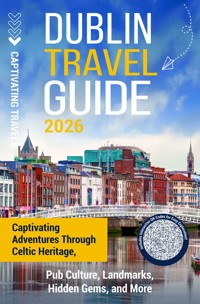
Explore Dublin with Maps, QR Codes, and over 100 images Dublin is a city of history, culture, and character. Every street tells a story, from Viking foundations to Georgian squares and the fight for independence. Today, Dublin blends the past with modern energy. Literature, music, food, and friendly locals create an unforgettable experience for every traveler. This guide gives you everything you need for a successful trip. Inside you'll find: - Practical Planning Advice: When to visit, what to pack, how to get around, and tips to save time and money. - Neighborhood Guides: Learn the character of Dublin's main districts, from Temple Bar to the Docklands and coastal escapes. - Top Attractions: Clear details on must-see landmarks, including Trinity College, Kilmainham Gaol, St. Patrick's Cathedral, and the Guinness Storehouse. - Celtic Heritage and History: Explore Viking Dublin, medieval cathedrals, castles, and sites that shaped Ireland's independence. - Pub Culture and Music: Where to enjoy traditional sessions, historic pubs, and local nightlife. - Food and Markets: The best spots for Irish classics, modern dining, cafés, and weekend markets. - Hidden Gems: Secret gardens, independent bookshops, and off-the-beaten-path favorites loved by locals. - Sample Itineraries: Ready-to-follow plans for one day, three days, five days, or a full week. - Photography Tips: Top 10 photo locations and advice for capturing Dublin in every light. - Useful Irish Phrases: Simple words and local slang to help you connect with Dubliners. - And much, much more! Whether you are visiting for a short break or a week-long stay, this guide helps you see Dublin's landmarks, enjoy its culture, and experience its warmth like a local. Click Add to Cart to get your copy.
Sie lesen das E-Book in den Legimi-Apps auf:
Seitenzahl: 71
Veröffentlichungsjahr: 2025
Das E-Book (TTS) können Sie hören im Abo „Legimi Premium” in Legimi-Apps auf:
Ähnliche














Dublin Travel Guide
Captivating Adventures through Celtic Heritage, Pub Culture, Landmarks, Hidden Gems, and More
Table of Contents
Title Page
Dublin Travel Guide
Introduction
Chapter 1: Preparing for the Journey
Chapter 2: Getting There & Getting Around
Chapter 3: Dublin at a Glance
Chapter 4: Celtic Heritage and Historical Highlights
Chapter 5: Pubs, Music & Local Hangouts
Chapter 6: Hidden Gems & Local Favorites
Chapter 7: Food & Markets
Chapter 8: Parks, Nature & Coastal Escapes
Chapter 9: Museums & Cultural Stops
Chapter 10: Live Events, Sports & Entertainment
Chapter 11: Where to Stay
Chapter 12: Shopping & Souvenirs
Chapter 13: Top 20 Must-See Landmarks & Activities
Chapter 14: Top 10 Photo Spots & Photography Tips
Chapter 15: Sample Itineraries
Chapter 16: Useful Irish Phrases & Local Terms
Chapter 17: Appendix: Where to Find Key Landmarks in This Guide
© Copyright 2025 - All rights reserved.
The content contained within this book may not be reproduced, duplicated, or transmitted without direct written permission from the author or the publisher.
Under no circumstances will any blame or legal responsibility be held against the publisher, or author, for any damages, reparation, or monetary loss due to the information contained within this book, either directly or indirectly.
Legal Notice:
This book is copyright protected. It is only for personal use. You cannot amend, distribute, sell, use, quote, or paraphrase any part, or the content within this book, without the consent of the author or publisher.
Disclaimer Notice:
Please note the information contained within this document is for educational and entertainment purposes only. All effort has been executed to present accurate, up-to-date, reliable, and complete information. No warranties of any kind are declared or implied. Readers acknowledge that the author is not engaging in the rendering of legal, financial, medical, or professional advice. The content within this book has been derived from various sources. Please consult a licensed professional before attempting any techniques outlined in this book.
By reading this document, the reader agrees that under no circumstances is the author responsible for any losses, direct or indirect, that are incurred as a result of the use of the information contained within this document, including, but not limited to, errors, omissions, or inaccuracies.
While every effort has been made to ensure that the information in this guide is accurate and up-to-date, travel details such as prices, operating hours, and visa requirements can change. Travelers are advised to check the latest information from relevant sources before their trip.
Introduction
The Ha’penny Bridge in Dublin.
Dublin is a city of stories. Every cobbled street, every corner pub, and every red-brick building holds a piece of the past. It is a place where history is not hidden behind glass but lives on in daily life. You see it in the statues, hear it in the music, and feel it in the pace of the city. Dublin welcomes you with charm, wit, and a strong sense of itself.
This guide is your companion for a meaningful visit. Whether this is your first time or a return trip, you will find practical advice, easy-to-follow maps, and trusted tips. You will be shown what to do, where to go, how to get there, and what to avoid. With each chapter, you will be better prepared to enjoy the city in a way that is personal and rewarding.
A Brief History of Dublin
Dublin was founded by Vikings in the 9th century. They built a settlement along the River Liffey, which grew into a busy trading port. The original name, Dubh Linn, means "black pool" in Irish and referred to a dark tidal pool where the Poddle stream met the Liffey. Traces of this Viking past can still be found in the city’s layout and archaeological sites.
In the 12th century, the Normans took control of Dublin. They built stone castles, churches, and fortifications, many of which still stand today. Dublin Castle became the seat of power, and the city grew in influence.
From the 16th century onward, British rule shaped the city for hundreds of years. This period brought major changes, some architectural, others political. The 18th century was a time of growth, marked by elegant Georgian buildings and the rise of Dublin as the second city of the British Empire. It was also a time of deep division and hardship for many Irish citizens.
Dublin played a leading role in Ireland’s fight for independence. The 1916 Easter Rising, which began in the heart of the city, was a key moment in Irish history. The violence and political unrest that followed led to the creation of the Irish Free State in 1922. Dublin then became the capital of an independent Ireland.
Today, the city reflects all of these layers. It is a place of memory and movement, shaped by its past but open to change. You will see history in the streets, in the museums, and in everyday life.
Why Visit Dublin
Malahide Castle.
Dublin is known for its people. Locals are warm, curious, and quick to chat. You’ll feel welcome whether you’re sitting in a pub, browsing a market, or waiting at a bus stop. The city’s friendliness is real and memorable.
Music is everywhere, from street corners to traditional sessions in small bars. The pub scene is famous for good reason. These are not just places to drink, but gathering spots full of life and conversation.
Dublin is also a UNESCO City of Literature. Writers like James Joyce, Samuel Beckett, and W.B. Yeats all called it home. You can visit their old haunts, walk the same streets they wrote about, and explore the city’s deep connection to language.
Beyond culture, Dublin offers quiet parks, coastal day trips, excellent food, and world-class museums. It’s a city where old and new live side by side. You might explore a medieval cathedral in the morning and enjoy a modern art exhibit in the afternoon.
When to Visit Dublin
The Temple Bar area in Dublin.
Dublin’s weather is mild, with few extremes. Summers are cool and pleasant, while winters are cold but rarely freezing. Rain is common, so always carry a light waterproof jacket.
May to September
is the most popular time to visit. Days are longer, and many festivals take place during these months.
Spring
(March to May) brings fewer tourists and fresh greenery in the parks.
Autumn
(September to November) offers crisp air, quieter streets, and lower prices.
Winter
(December to February) is quieter, with festive lights, indoor attractions, and lower hotel rates.
You won’t need perfect weather to enjoy the city. Dublin has plenty to offer year-round.
What to Expect in This Guide
O'Connell Street.
This guide is written to be clear, practical, and easy to use. You’ll find:
Step-by-step travel planning advice.
Full-color images
to show you what to expect at key sights.
Maps
for major areas.
QR codes
that link to extra resources.
You’ll also get help with useful Irish phrases, suggested itineraries, and advice on what to eat, what to skip, and where to relax. Each section is focused on giving you value, saving you time, and helping you enjoy the best parts of the city.
Dublin is ready to welcome you. Let this guide help you make the most of every moment.
Map to Dublin
Chapter 1: Preparing for the Journey
The Campanile of Trinity College.
Traveling to Dublin is easier when you plan ahead. A little preparation saves you time, money, and stress once you arrive. This chapter gives you practical information that will help you get ready for your trip.
Travel Documents and Entry Requirements
Ireland is part of the European Union but not part of the Schengen Zone. Visitors from the EU and the UK do not need a visa. Travelers from the United States, Canada, Australia, and many other countries can enter visa-free for up to 90 days. Check the latest requirements before you travel, as rules sometimes change.
Your passport should be valid for the entire duration of your stay. Keep a copy of it stored separately in case of loss. Some hotels require photo ID at check-in, so have it with you when traveling in the city.
Health and Travel Insurance
Healthcare in Ireland




