


113,99 €
Mehr erfahren.
- Herausgeber: John Wiley & Sons
- Kategorie: Fachliteratur
- Sprache: Englisch
A GUIDE TO EFFECTIVE PROJECT MANAGEMENT IN TECHNOLOGY-BASED FIRMS Used effectively, project management can increase a firm's market share, product quality, and customer satisfaction. Though technology-based companies place themselves at a competitive disadvantage if they neglect this strategic tool, many overlook project management's benefits because they see themselves as continuously adapting organizations. In reality, this role makes project management even more vital. Managing Technology-Based Projects imparts the latest approaches and tools essential to lead a successful technology-based project. It outlines the practical integration of project management with four key areas: strategic alignment of projects within the enterprise, the project management process and its organizational support system, invaluable tools and techniques, and the individual and group leadership within a project's organization. Complete with examples of industrial applications, the book includes: * Methods for defining key performance indicators and assessing project management process effectiveness * Suggestions for fine-tuning and continuous improvement * Practical case scenarios, discussion topics, end-of-chapter reviews, and exercises * Attention to project management as it applies to a globalized business No one in a managerial role should be without Thamhain's expert advice. This guidebook is your road map to successfully incorporating enterprise project management into technology-based work.
Sie lesen das E-Book in den Legimi-Apps auf:
Seitenzahl: 895
Veröffentlichungsjahr: 2014
Ähnliche

















Contents
Preface
Chapter 1: Challenges of Managing Projects in a Technology World
Apple iPhone
1.1 Project Management in a Changing World: Challenges and Opportunities
1.2 Global Dimensions
1.3 Project Deserve Special Attention within the Enterprise
1.4 The Unique Nature of Technology Projects
1.5 Evolution and Growth of Project Management and Technology
1.6 Where Are We Heading?
1.7 Key Points, Lessons, and Conclusions
1.8 Questions for Discussion and Exercises
1.9
PMBOK
® References and Connections
Internet Links and Resources
References and Additional Readings
Chapter 2: Contemporary Project Management: Concepts and Principles
Amazon
2.1 The Big Picture: The Art of Managing Projects
2.2 Project Management Defined
2.3 The Project Life Cycle (PLC)
2.4 Programs, Projects, Tasks, and Committees
2.5 The Role of the Project Manager
2.6 Classification of Projects
2.7 Project Management Standards and Guidelines
2.8 Key Points, Lessons, and Conclusions
2.9 Questions for Discussion and Exercises
2.10
PMBOK
® References and Connections
Internet Links and Resources
References and Additional Readings
Chapter 3: The Effective Project Manager: Skills, Values and Agility
Project Management Skills Emphasized in PMI’s Annual Report
3.1 Project-based Organizational Cultures and Values
3.2 Measuring Managerial Performance
3.3 Skill Requirements for Managing Technology Projects
3.4 How Learnable Are These Skills?
3.5 Transitioning from Individual Contributor to Project Management
3.6 Implications for Senior Management
3.7 Summary of Key Points and Conclusions
3.8 Questions for Discussion
3.9
PMBOK
® References and Connections
Internet Links and Resources
References and Additional Readings
Chapter 4: Aligning Projects with the Enterprise
Summer Olympics, 2016 in Rio.
4.1 Making the Case for Enterprise Project Management
4.2 Connecting with the Existing Strategy Framework
4.3 Project Portfolio Management (PPM)
4.4 Strategic Project Leadership
4.5 Where Are We Heading?
4.6 Summary of Key Points and Conclusions
4.7 Questions for Discussion
4.8
PMBOK
® References and Connections
Internet Links and Resources
References and Additional Readings
Chapter 5: Understanding Project Organizations
General Motors, Shanghai
5.1 Today’s Business Processes Require Flexibility, Speed, and Efficiency
5.2 Why Do We Need to Organize Differently to Manage Projects?
5.3 Organizational Layers and Subsystems
5.4 Organizational Designs for Project Management
5.5 Managerial Perspective
5.6 Building the Project Organization
5.7 Working Effectively in Resource-Shared Environments
5.8 Summary of Key Points and Conclusions
5.9 Questions for Discussions and Exercises
5.10
PMBOK
® References and Connections
Internet Links and Resources
References and Additional Readings
Chapter 6: The Project Management Office
IBM Wins PMO of the Year Award
6.1 Management Perspective
6.2 PMO Concept and Functionality
6.3 Reason for Establishing a Project Management Office (PMO)
6.4 Establishing a Project Management Office
6.5 A Final Note
6.6 Summary of Key Points and Conclusions
6.7 Questions for Discussion
6.8
PMBOK
® References and Connections
Internet Links and Resources
References and Additional Readings
Chapter 7: Project Evaluation and Selection
Multiple Project Selection at DIRECTV
7.1 Management Perspective
7.2 Quantitative Approaches to Project Evaluation and Selection
7.3 Qualitative Approaches to Project Evaluation and Selection
7.4 Recommendations for Effective Project Evaluation and Selection
7.5 Concluding Remarks
7.6 Summary of Key Points and Conclusions
7.7 Questions for Discussion and Exercises
7.8
PMBOK
® References and Connections
Internet Links and Resources
References
7.9 Appendix: Summary Description of Terms, Variables, and Abbreviations used in This Chapter
Chapter 8: Setting Up an Effective Planning and Control Cycle
Project Management for NASA
8.1 Planning the Cornerstone to Effective Project Management
8.2 An Integrated Approach to Project Planning
8.3 Managing the Planning Process
8.4 Summary of Key Points and Conclusions
8.5 Questions for Discussion and Exercises
8.6
PMBOK
® References and Connections
Internet Links and Resources
References and Additional Readings
Chapter 9: The Tools for Integrated Project Planning and Control
2012 London Summer Olympics
9.1 Management Perspective
9.2 The Basic Tools and Techniques for Project Management
9.3 Using Project Management Tools Property
9.4 A Model for Project Performance
9.5 Summary of Key Points and Conclusions
9.6 Questions for Discussion
9.7
PMBOK
® References and Connections
Internet Links and Resources
References and Additional Readings
Chapter 10: Defining the Project
Chevrolet
Volt
Electric Cars Development
10.1 The Need for a Clear Plan
10.2 Building the Project Plan
10.3 A Life Cycle Approach to Project Planning
10.4 Summary of Key Points and Conclusions
10.5 Questions for Discussion and Exercises
10.6
PMBOK
®
Guide
References and Connections
Internet Links and Resources
References and Additional Readings
Chapter 11: Resource Estimating and Budgeting
At Google, Technology Projects Are Done on a Rapid Schedule.
11.1 Why We Need Budgets
11.2 Cost Estimating Methods
11.3 Where to Begin?
11.4 Cost Estimating and Budgeting Philosophy
11.5 Summary of Key Points and Conclusions
11.6 Questions for Discussion and Exercises
11.7
PMBOK
® Guide References and Connections
Internet Links and Resources
References and Additional Readings
Chapter 12: Monitoring and Controlling Technology-Intensive Projects
Prairie Waters Project Wins PMI’s Project of the Year Award
12.1 The Challenges of Managerial Control
12.2 What We Know About Managerial Control of Complex Projects
12.3 What Do We Want to Control?
12.4 Available Tools and Techniques
12.5 Recommendations for Using Project Controls Effectively
12.6 Conclusion
12.7 Summary of Key Points and Conclusions
12.8 Questions for Discussion
12.9
PMBOK
® References and Connections
Internet Links and Resources
References and Additional Readings
12.10 Appendix: Management Techniques for Project Control
Chapter 13: Concurrent Engineering and Other Project Management Systems
The Pentagon Reconstruction Project
13.1 The Need for Effective Project Management Processes
13.2 A Spectrum of Contemporary Management Systems
13.3 Criteria for Success
13.4 Defining the Management Process—A Team-Based Effort
13.5 Understanding the Challenges
13.6 Understanding Organizational Linkages and Benefits
13.7 Recommendations for Setting Up and Managing Contemporary Systems
13.8 Conclusion
13.9 Summary of Key Points and Conclusions
13.10 Questions for Discussion
13.11
PMBOK
® References and Connections
Internet Links and Resources
References and Additional Readings
Chapter 14: Managing Risk and Uncertainty
Risk-Taking in New Product Developments is Part of Staying Competitive at Intel
14.1 The Role of Uncertainty in Managing Projects
14.2 What We Know about Risk Management
14.3 Key Variables Affecting Risk Management
14.4 A Simple Risk-Impact Model
14.5 How Do Risks Affect Project Performance?
14.6 Managing Risks in Projects: Lessons from the Field
14.7 Criteria for Effective Risk Management
14.8 A Final Note
14.9 Summary of Key Points and Conclusions
14.10 Questions for Discussion
14.11
PMBOK
® References and Connections
Internet Links and Resources
References and Additional Readings
Chapter 15: Managing by Commitment and Collaboration
Wind Energy Research
15.1 The Critical Role of Commitment and Collaboration
15.2 What Do We Know about Collaboration and Commitment?
15.3 Drivers and Barriers to Collaboration and Commitment
15.4 Managing by Commitment
15.5 Conclusion
15.6 Summary of Key Points and Conclusions
15.7 Questions for Discussion
15.8
PMBOK
® References and Connections
Internet Links and Resources
References and Additional Readings
15.9 Appendix: Field Research Summary on Commitment
Chapter 16: Managing People and Interfaces
At GE, Management Philosophy Focuses on People
16.1 Changing Roles and Challenges of Managerial Leadership
16.2 What Drives Performance in Technology-Based Teams
16.3 How To Motivate and Inspire
16.4 The Power Profile of Project Managers
16.5 Criteria and Recommendations for Working Effectively with People on Projects
16.6 Concluding Remark
16.7 Summary of Key Points and Conclusions
16.8 Questions for Discussion
16.9
PMBOK
® References and Connections
Internet Links and Resources
References and Additional Readings
Chapter 17: Managing Conflict in Project Organizations
Sun Tzu—The Ancient Art of Leadership: Making Conflict Unnecessary
17.1 Conflict—Good, Bad, and Inevitable
17.2 Categorizing Conflict in Organizations
17.3 How to Anticipate Issues
17.4 Conflict in the Project Life Cycle
17.5 How to Deal with Conflict
17.6 Criteria for Managing Conflict in Projects Effectively
17.7 Summary of Key Points and Conclusions
17.8 Questions for Discussion and Exercises
17.9
PMBOK
® References and Connections
Internet Links and Resources
References and Additional Readings
Chapter 18: Leading Technology Teams
Boeing 787 Dreamliner
18.1 Team Leadership—Critical to Project Success
18.2 Measuring Team Performance
18.3 Fostering Conditions for Collaboration, Commitment, and Self-Control
18.4 Building High-Performance Teams
18.5 Team Leadership Lessons
18.6 Guidelines for Effective Team Management
18.7 How to Make It Work
18.8 Summary of Key Points and Conclusions
18.9 Questions for Discussion and Exercises
18.10
PMBOK
® References and Connections
Internet Links and Resources
References and Additional Readings
Chapter 19: Professional Development: Training and Education
Developing Management Talent at GE
19.1 Project Managers Have Special Needs for Professional Development
19.2 Linking Knowledge, Skills, and Competency
19.3 Building Knowledge, Skills, and Competency
19.4 Developing Project Managers
19.5 Professional Education
19.6 Professional Certification and Accreditation
19.7 Career Opportunities in Project Management
19.8 Summary of Key Points and Conclusions
19.9 Questions for Discussion and Exercises
19.10
PMBOK
® References and Connections
Internet Links and Resources
References and Additional Readings
Chapter 20: The Future of Project Management
20.1 Is the Future Predictable?
20.2 Changes and Trends in the Project Environment
20.3 What Does It Mean for the Future of Project Management?
20.4 Summary of Key Points and Conclusions
20.5 Questions for Discussion and Exercises
Internet Links and Resources
References and Additional Readings
Appendix 1: Policy and Procedure Examples
Appendix 2: Professional Societies, Journals, and Conferences in Project Engineering, and Technology Management
Glossary
Index
End User License Agreement
List of Illustrations
Figure 1.1 Business subsystems unique to technology-intensive project management
Figure 2.1 Quadruple constraint
Figure 2.2 Generalized project life cycle
Figure 2.3 Resource commitment and control over outcome
Figure 2.4 Hierarchy of programs, projects, tasks, and committees
Figure 2.5 The Diamond Model (illustrated for a new car project)
Figure 3.1 Relative importance of project performance measures, short and long term
Figure 3.2 Skill requirements change with project management level and complexity
Figure 4.1 Linkages between strategic and operational subsystem
Figure 5.1 Three principal organizational layers
Figure 5.2 Two organizational axes: projects and functional resources
Figure 5.3 The organizational continuum, hierarchal to fishnet
Figure 5.4
Figure 6.1 Scope of PMO charter
Figure 8.1 Three dimensions and multivariables of integrated project planning system
Figure 8.2 Iterations within the project planning process
Figure 8.3 Project/program management directions linked to WBS, the backbone of project information
Figure 9.1 Work breakdown structure (WBS) for a laptop computer development project
Figure 9.2 Task Authorization Form
Figure 9.3 Bar graph schedule (Gantt chart) for laptop computer development project
Figure 9.4 Network diagram for laptop development project similar to the WBS in Figure 9.1 and the schedule in Figure 9.3
Figure 9.5 Expenditure profile of sample project
Figure 9.6 N-Square chart identifying project interface responsibilities
Figure 9.7 Influence on project performance
Figure 10.1 Project planning an integrated part of the
Process Groups
within the project life cycle
Figure 13.1 Graphical presentation of concurrent execution of project phases
Figure 13.2 Quality function deployment (QFD) matrix, a tool for defining interfaces
Figure 14.1 Dimensions of risk management
Figure 14.2 Model of risk impact on project performance
Figure 14.3 Risk classes, frequency and impact on project performance
Figure 16.1 Influences affecting work group characteristics and performance in Technology-Intensive Organizations
Figure 16.2 The inducement-induction model of motivation
Figure 16.3 The Pygmalion effect, relating strength of motivation to probability of success
Figure 16.4 Common bases of managerial influence
Figure 16.5 Situational effectiveness of environmental factors on motivation and managerial power
Figure 17.1 Sources of conflict perceived by project managers
Figure 17.2 Relative conflict intensity over the project life cycle [c]
Figure 17.3 Most and least important modes of conflict resolution (project managers’ perception)
Figure 19.1 Linkage between knowledge, skills, and competency
List of Tables
Table 1.1 Evolution of Project Management
Table 3.1 Project Management Skills Inventory
Table 3.2 Questionnaire for Project Management Aptitude Testing (for individual self-testing only)
Table 4.1 Comparison of Traditional Project Management and Strategic Project Leadership Approaches
Table 5.1 Characteristics of Functional Organizations
Table 5.2 Characteristics of Projectized Organizations
Table 5.3 Characteristics of Matrix Organizations
Table 5.4 Project Management Positions and Responsibilities
Table 6.1 Typical Services Provided by PMOs
Table 7.1 Description of Four Project Proposals
Table 7.2 Cash Flow of Four Project Options or Proposals
Table 7.3 Advantages and Limitations of Quantitative Project Evaluation
Table 9.1 Popular Project Management Tools Across Application Areas and Project Life Cycle
Table 9.2 WBS Index Based on the Breakdown shown in Figure 9.1
Table 9.3 A Modular Schedule Format
Table 9.4 Summary of PERT Calculations for PERT/CPM Example
Table 9.5 Formulas used in PERT Analysis
Table 9.6 Project Budget Example Summarizing Level-1 of the Laptop Project shown on the WBS of Figure 9.1
Table 9.7 Summary Data for Earned Value Calculations
Table 9.8 EVM Variables Defined
Table 9.9 Segment of Task Matrix Based on Work Breakdown Structure (WBS, Figure 1)
Table 9.10 Task Roster (Based on Laptop Example)
Table 10.1 Scope of Preliminary Project Analysis: Objectives and Results
Table 10.2 Components of the Project Plan
Table 11.1 Classification of Cost-Estimating Methods
Table 12.1 Primary Reasons for Poor Project Performance or Failure
Table 12.2 Management Techniques: Popularity, Skill Level, and Value
Table 15.1 Drivers toward Commitment
Table 15.2 Descriptive Statistics and Correlation of Project-Related Variables and Commitment
Table 15.3 Descriptive Statistics and Correlation of Team-Related Variables and Commitment
Table 15.4 Descriptive Statistics and Correlation of Team-Leader-Related Variables and Commitment
Table 15.5 Descriptive Statistics and Correlation of Leadership Style Variables and Commitment
Table 15.6 Descriptive Statistics and Correlation of Team Benefit-Related Variables and Commitment
Table 17.1 Five General Modes for Handling Conflict
Pages
iii
iv
xiii
xiv
1
2
3
4
5
6
7
8
9
10
11
12
13
14
15
16
17
18
19
20
21
22
23
24
25
26
27
28
29
30
31
32
33
34
35
36
37
38
39
40
41
42
43
44
45
46
47
48
49
50
51
52
53
54
55
56
57
58
59
60
61
62
63
64
65
66
67
68
69
70
71
72
73
74
75
76
77
78
79
80
81
82
83
84
85
86
87
88
89
90
91
92
93
94
95
96
97
98
99
100
101
102
103
104
105
106
107
108
109
110
111
112
113
114
115
116
117
118
119
120
121
122
123
124
125
126
127
128
129
130
131
132
133
134
135
136
137
138
139
140
141
142
143
144
145
146
147
148
149
150
151
152
153
154
155
156
157
158
159
160
161
162
163
164
165
166
167
168
169
170
171
172
173
174
175
176
177
178
179
180
181
182
183
184
185
186
187
188
189
190
191
192
193
194
195
196
197
198
199
200
201
202
203
204
205
206
207
208
209
210
211
212
213
214
215
216
217
218
219
220
221
222
223
224
225
226
227
228
229
230
231
232
233
234
235
236
237
238
239
240
241
242
243
244
245
246
247
248
249
250
251
252
253
254
255
256
257
258
259
260
261
262
263
264
265
266
267
268
269
270
271
272
273
274
275
276
277
278
279
280
281
282
283
284
285
286
287
288
289
290
291
292
293
294
295
296
297
298
299
300
301
302
303
304
305
306
307
308
309
310
311
312
313
314
315
316
317
318
319
320
321
322
323
324
325
326
327
328
329
330
331
332
333
334
335
336
337
338
339
340
341
342
343
344
345
346
347
348
349
350
351
352
353
354
355
356
357
358
359
360
361
362
363
364
365
366
367
368
369
370
371
372
373
374
375
376
377
378
379
380
381
382
383
384
385
386
387
388
389
390
391
392
393
394
395
396
397
398
399
400
401
402
403
404
405
406
407
408
409
410
411
412
413
414
415
416
417
418
419
420
421
422
423
424
425
426
427
428
429
430
431
432
433
434
435
436
437
438
439
440
441
442
443
444
445
446
447
448
449
450
451
452
453
454
455
456
457
458
459
460
461
462
463
464
465
466
467
468
469
470
471
472
473
474
475
476
477
478
479
480
481
482
483
484
485
486
487
488
489
490
491
492
493
494
495
496
497
498
499
500
501
502
503
504
505
506
507
508
509
510
511
512
513
514
Guide
Cover
Table of Contents
Begin Reading
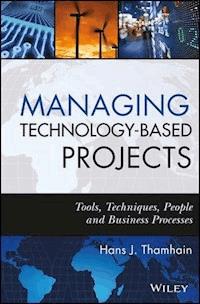
MANAGING TECHNOLOGY-BASED PROJECTS
Tools, Techniques, People, and Business Processes
Hans J. Thamhain
Cover image: Wind Farm © iStockphoto/Estate of Stephen Laurence Strathdee
Display Charts © iStockphoto/Nikada
Computer Chip © iStockphoto/alengoGlobe World Map © iStockphoto/ziggymaj
Cover design: David Riedy
Copyright © 2014 by John Wiley & Sons, Inc. All rights reserved
Published by John Wiley & Sons, Inc., Hoboken, New Jersey
Published simultaneously in Canada
No part of this publication may be reproduced, stored in a retrieval system, or transmitted in any form or by any means, electronic, mechanical, photocopying, recording, scanning, or otherwise, except as permitted under Section 107 or 108 of the 1976 United States Copyright Act, without either the prior written permission of the Publisher, or authorization through payment of the appropriate per-copy fee to the Copyright Clearance Center, 222 Rosewood Drive, Danvers, MA 01923, (978) 750-8400, fax (978) 646-8600, or on the web at www.copyright.com. Requests to the Publisher for permission should be addressed to the Permissions Department, John Wiley & Sons, Inc., 111 River Street, Hoboken, NJ 07030, (201) 748-6011, fax (201) 748-6008, or online at www.wiley.com/go/permissions.
Limit of Liability/Disclaimer of Warranty: While the publisher and author have used their best efforts in preparing this book, they make no representations or warranties with the respect to the accuracy or completeness of the contents of this book and specifically disclaim any implied warranties of merchantability or fitness for a particular purpose. No warranty may be created or extended by sales representatives or written sales materials. The advice and strategies contained herein may not be suitable for your situation. You should consult with a professional where appropriate. Neither the publisher nor the author shall be liable for damages arising herefrom.
For general information about our other products and services, please contact our Customer Care Department within the United States at (800) 762-2974, outside the United States at (317) 572-3993 or fax (317) 572-4002.
Wiley publishes in a variety of print and electronic formats and by print-on-demand. Some material included with standard print versions of this book may not be included in e-books or in print-on-demand. If this book refers to media such as a CD or DVD that is not included in the version you purchased, you may download this material at http://booksupport.wiley.com. For more information about Wiley products, visit www.wiley.com.
Library of Congress Cataloging-in-Publication data is available up on request.
ISBN 978-0-470-40254-2
Preface
Project management has evolved into a powerful system, used by virtually every enterprise to advance its business and to gain competitive advantage. Although project management has been practiced for thousands of years, only during the past few decades have we begun to understand what drives project performance and what can be done to link the project management system with the enterprise and its business strategy. Yet, on the operational side, many organizations have reached a maturity level that facilitates predictable execution of highly complex projects. Success is no longer random. It is driven by carefully designed and continuously improved project management systems and skill sets that pay attention to both the work process and the human side of project management.
Lesen Sie weiter in der vollständigen Ausgabe!
Lesen Sie weiter in der vollständigen Ausgabe!
Lesen Sie weiter in der vollständigen Ausgabe!
Lesen Sie weiter in der vollständigen Ausgabe!
Lesen Sie weiter in der vollständigen Ausgabe!
Lesen Sie weiter in der vollständigen Ausgabe!
Lesen Sie weiter in der vollständigen Ausgabe!
Lesen Sie weiter in der vollständigen Ausgabe!
Lesen Sie weiter in der vollständigen Ausgabe!
Lesen Sie weiter in der vollständigen Ausgabe!
Lesen Sie weiter in der vollständigen Ausgabe!
Lesen Sie weiter in der vollständigen Ausgabe!
Lesen Sie weiter in der vollständigen Ausgabe!
Lesen Sie weiter in der vollständigen Ausgabe!
Lesen Sie weiter in der vollständigen Ausgabe!
Lesen Sie weiter in der vollständigen Ausgabe!
Lesen Sie weiter in der vollständigen Ausgabe!
Lesen Sie weiter in der vollständigen Ausgabe!
Lesen Sie weiter in der vollständigen Ausgabe!
Lesen Sie weiter in der vollständigen Ausgabe!
Lesen Sie weiter in der vollständigen Ausgabe!
Lesen Sie weiter in der vollständigen Ausgabe!
Lesen Sie weiter in der vollständigen Ausgabe!
Lesen Sie weiter in der vollständigen Ausgabe!
Lesen Sie weiter in der vollständigen Ausgabe!




